Summary
Margaret Turnbull’s narrative architecture for 'Public Opinion' constructs a harrowing crucible of social ostracization, centered on the beleaguered figure of Hazel Gray. A nurse caught in the crosshairs of a fragmented dynasty, Hazel’s romantic entanglement with Phillip Carson—the estranged scion of a philanthropic matriarch—precipitates a descent into a labyrinth of medical malpractice and judicial peril. When Phillip’s mother succumbs to the agonizing effects of arsenic poisoning, the domestic sphere transforms into a forensic battlefield. The antagonist, Dr. Morgan, leverages Hazel’s prior rejection of his illicit advances to orchestrate a smear campaign that weaponizes her proximity to the poison. This silent-era psychodrama juxtaposes the ethereal—manifested through the spectral presence of the deceased Mrs. Morgan—against the visceral brutality of yellow journalism. Even after a reprieve from the gallows through the intervention of the discerning Gordon Graham, Hazel finds herself a pariah, hunted by the collective vituperation of a public fueled by sensationalist headlines. The resolution arrives not through the traditional mechanisms of law, but through a violent collision of marginality involving a drug-addicted informant, ultimately exposing the rot within the professional class.
Synopsis
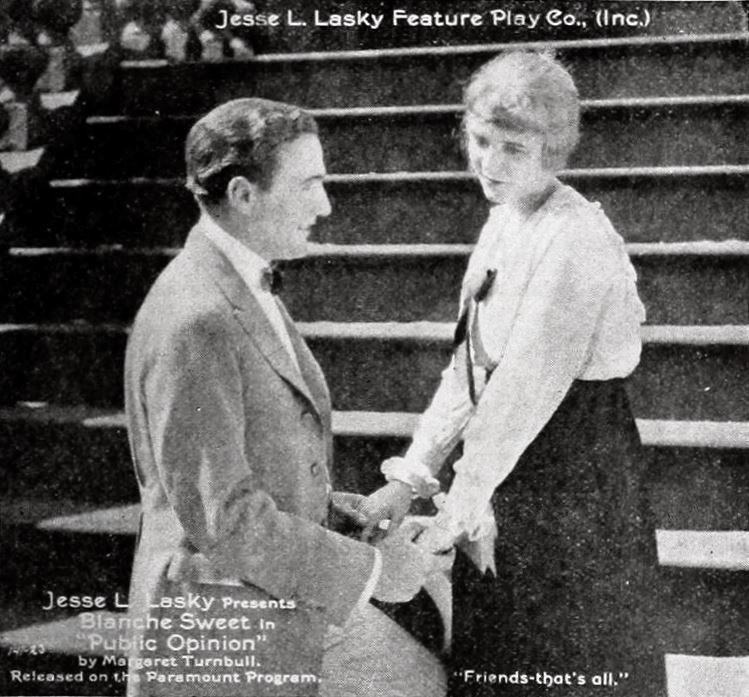
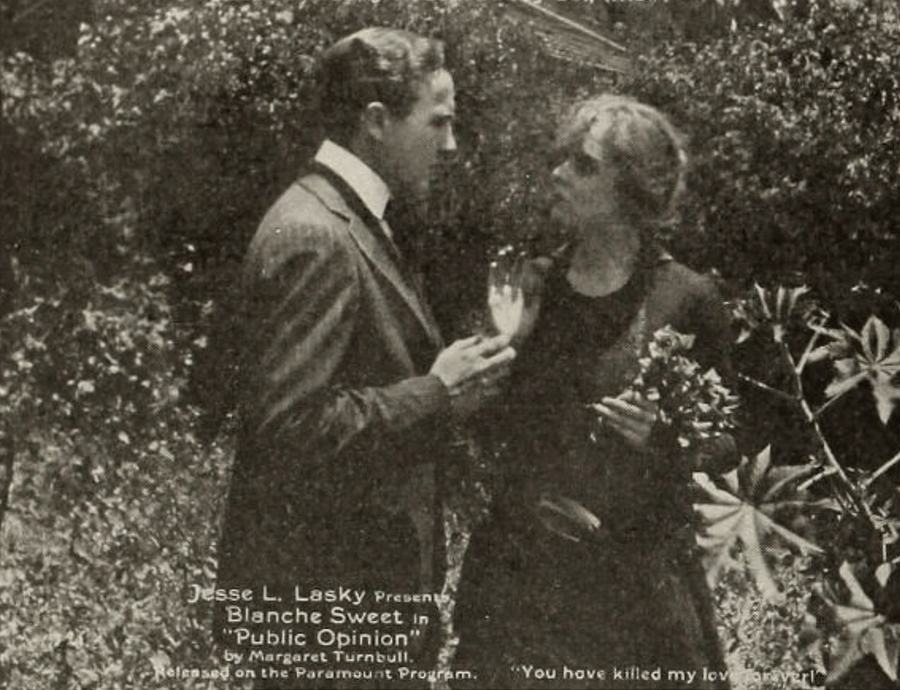
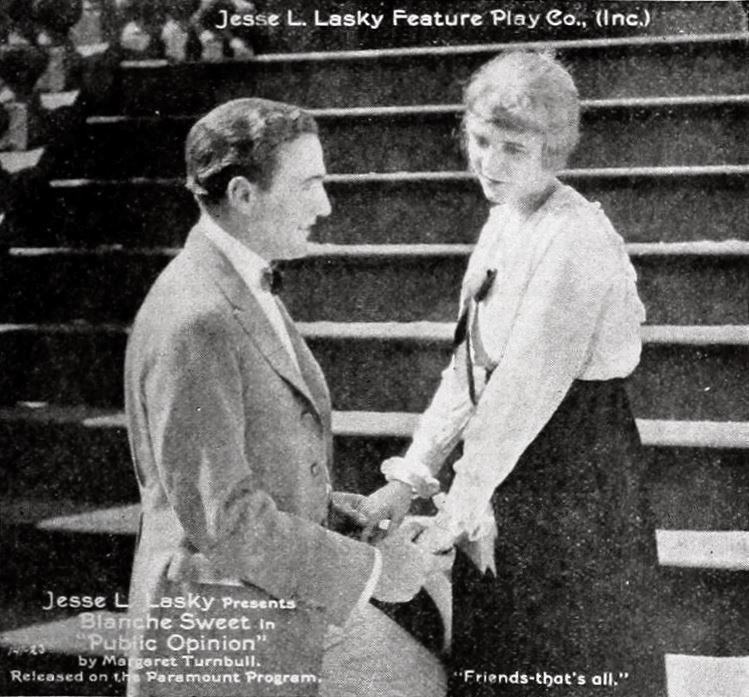
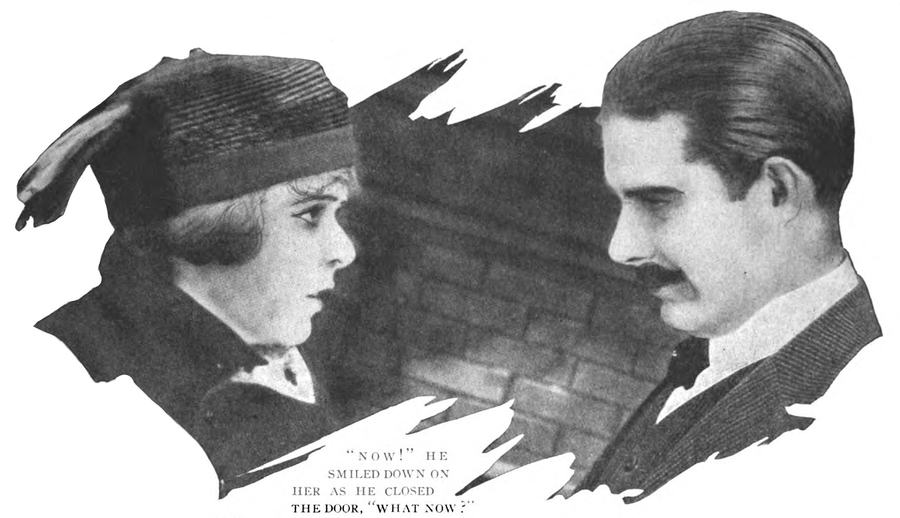
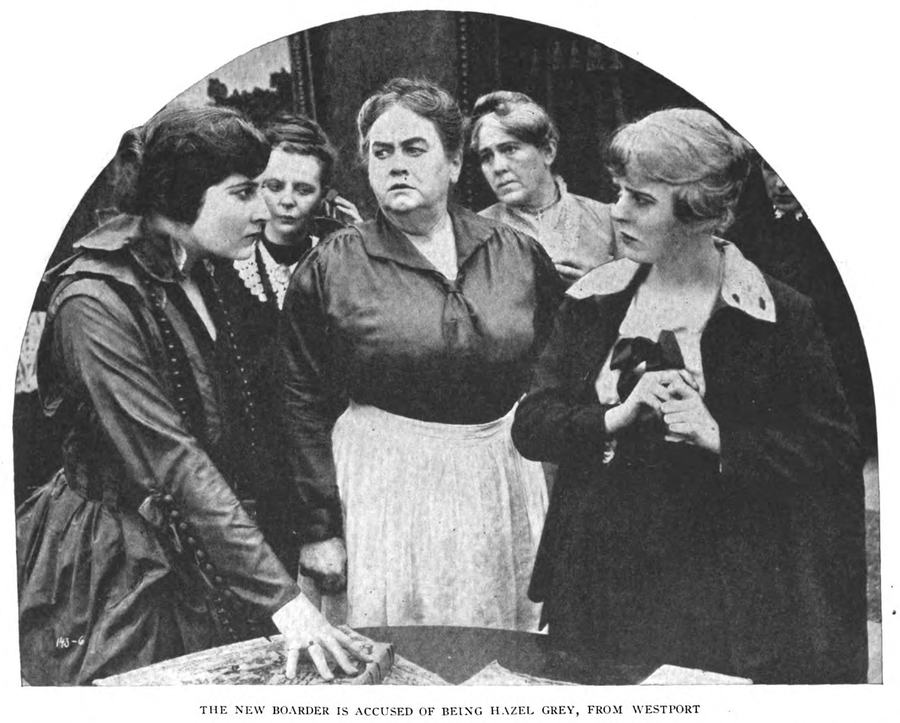
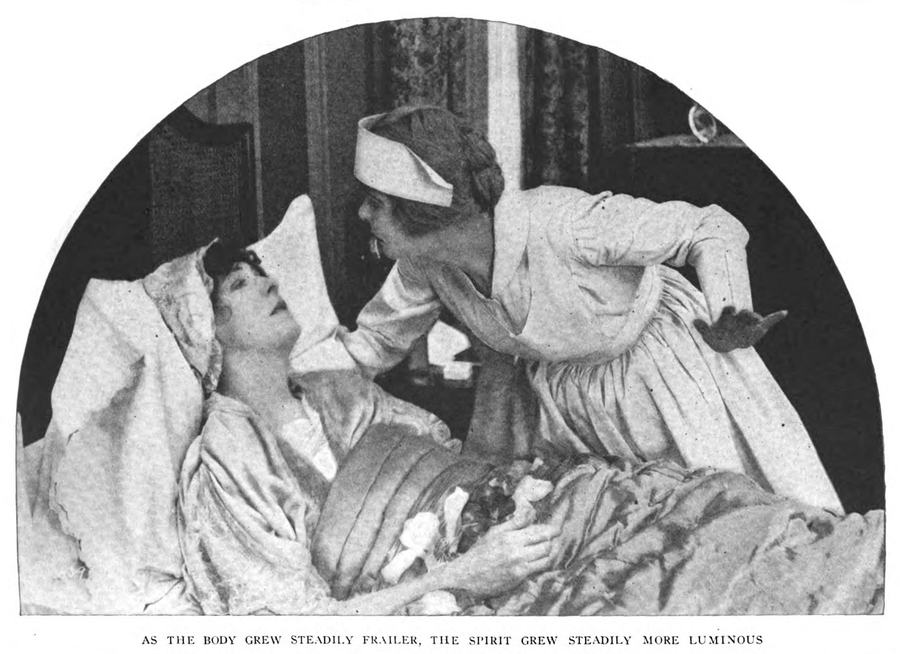
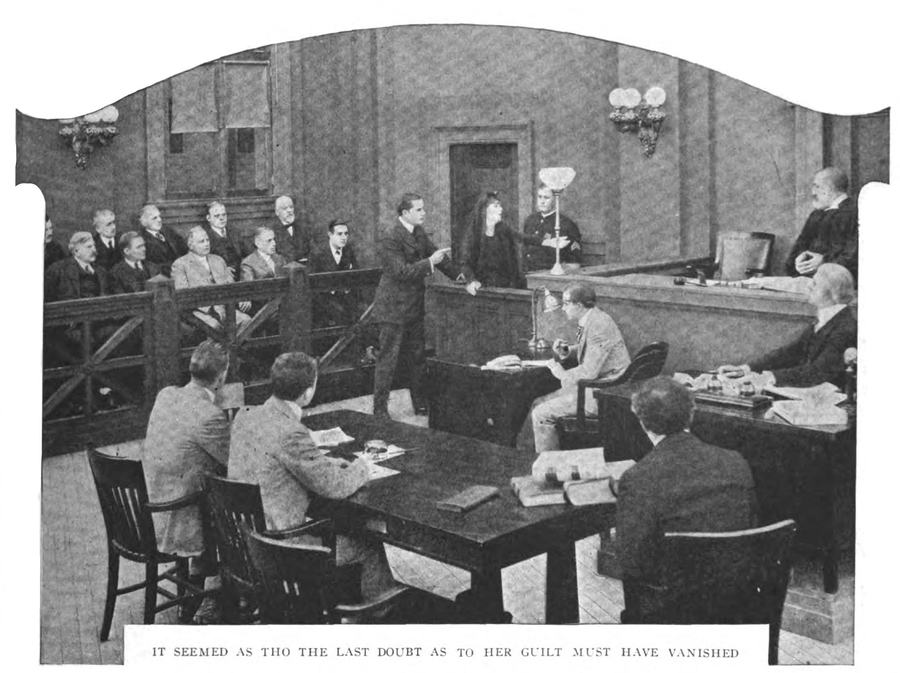
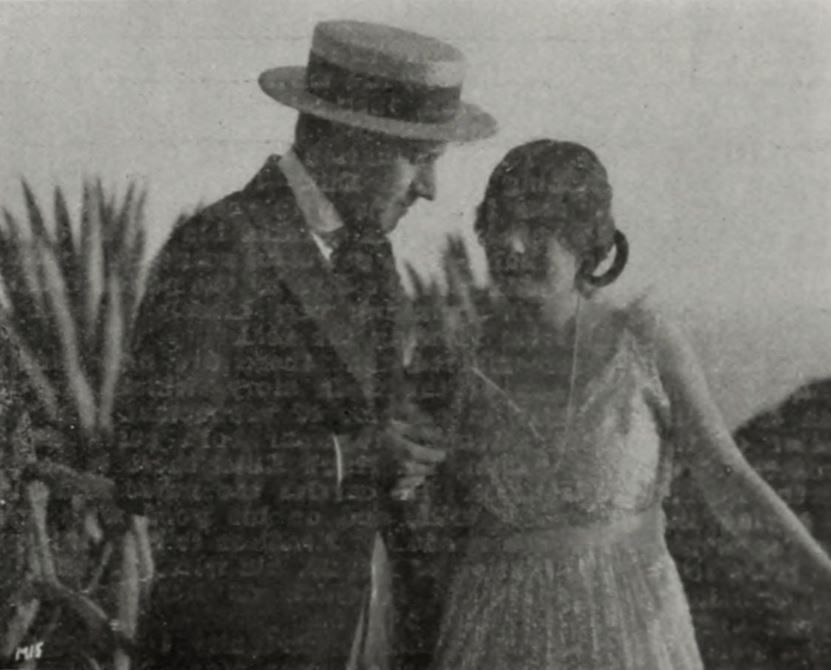
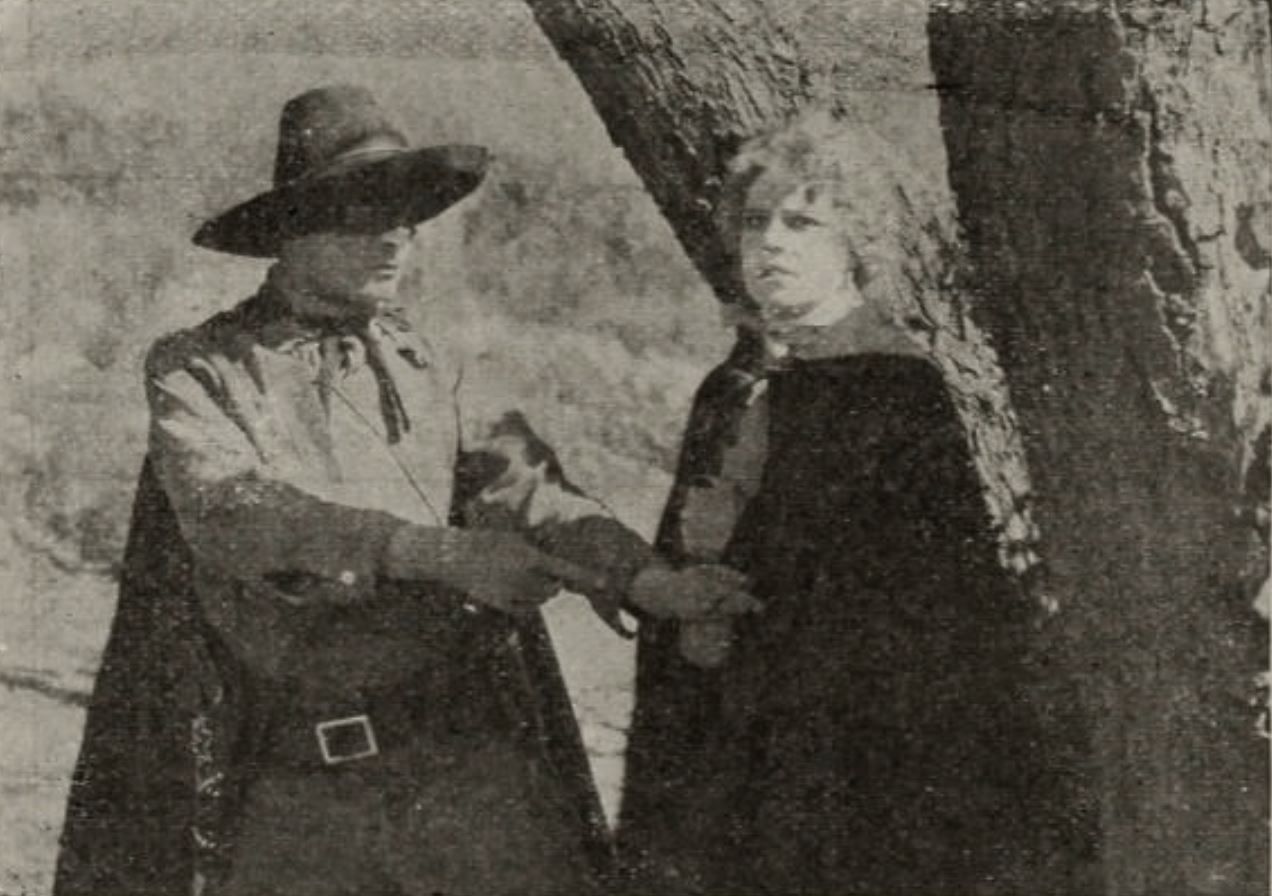
Hazel Gray, a young nurse, is in love with Phillip Carson, son of Mrs. Carson-Morgan, a philanthropist. Phillip, having quarreled with his step-father, leaves home, secures a position, and lives at the same boarding house as Hazel. Called home by his mother's sudden illness, Phillip manages to have Hazel called on the case. Her recognition of the doctor as the man whose trickery she discovered in time to save her own honor, is concealed from Phillip, but her stay is rendered almost unbearable by the doctor's forced attentions. Mrs. Morgan dies suddenly and in terrible agony, from arsenic poisoning. Suspicion points to Hazel, proof of her knowledge of the location of a bottle of arsenic being established by Morgan. Her former supposed relations with the doctor appear as a reason for the crime. Phillip's testimony is against her, but Gordon Graham, a wealthy young man who is on the jury, is at once impressed with the girl's innocence, and succeeds in securing a verdict of "not guilty." Throughout the trail the spirit of the poisoned woman endeavors to point out the guilty person. The weight of public opinion, however, falls heavily upon the girl, sensational newspapers doing their share to increase it, until Hazel can find no place to stay. Finally Graham takes her to his sister's home where he declares his love for Hazel and an unshaken belief in her innocence. Smith, a dope fiend, refused drugs by Dr. Morgan, threateningly reveals his knowledge that the doctor has substituted arsenic for powders prescribed for his wife by the attending physician. During the struggle which follows, Hazel, Graham and a policeman appear, and Smith, having secured possession of the doctor's pistol, fires the shot which mortally wounds Dr. Morgan, who confesses in his dying moments that he is the guilty person. Hazel's innocence is thus established, the public opinion is quickly changed, and the girl goes to the waiting arms of the man who has so valiantly defended her.
Review Excerpt
"
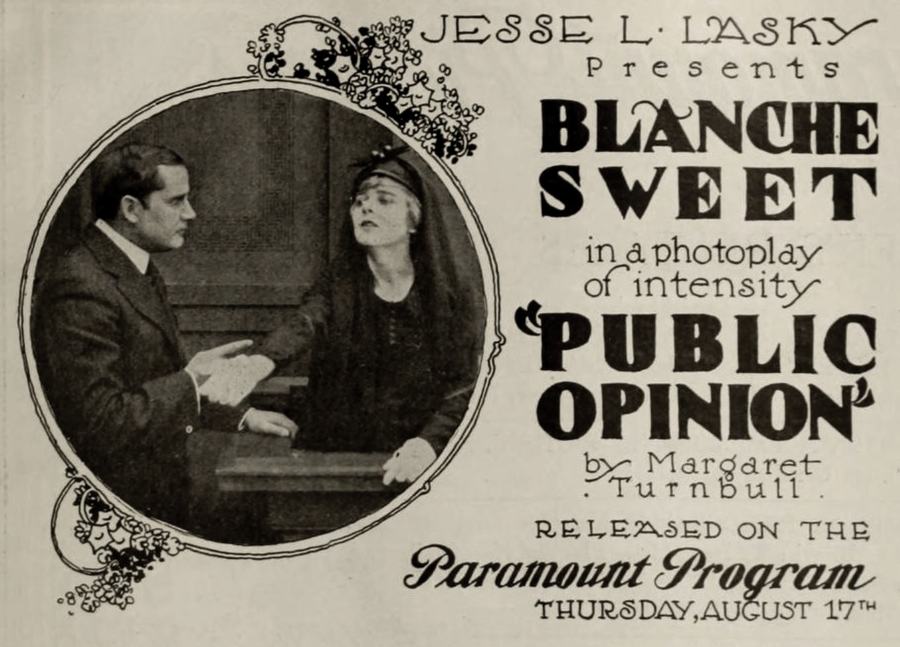
The 1916 production of Public Opinion, directed by Frank Reicher and penned by Margaret Turnbull, stands as a chillingly prescient exploration of the mob mentality and the fragility of a woman’s reputation within the early 20th-century social hierarchy. Starring the luminescent Blanche Sweet, the film navigates the perilous waters of a legal thriller while dipping its toes into the gothic and the supernatural—a combination that distinguishes it from more straightforward melodramas of the era l..."