
DbcultAccessing Vault...
Recommendations
Senior Film Conservator
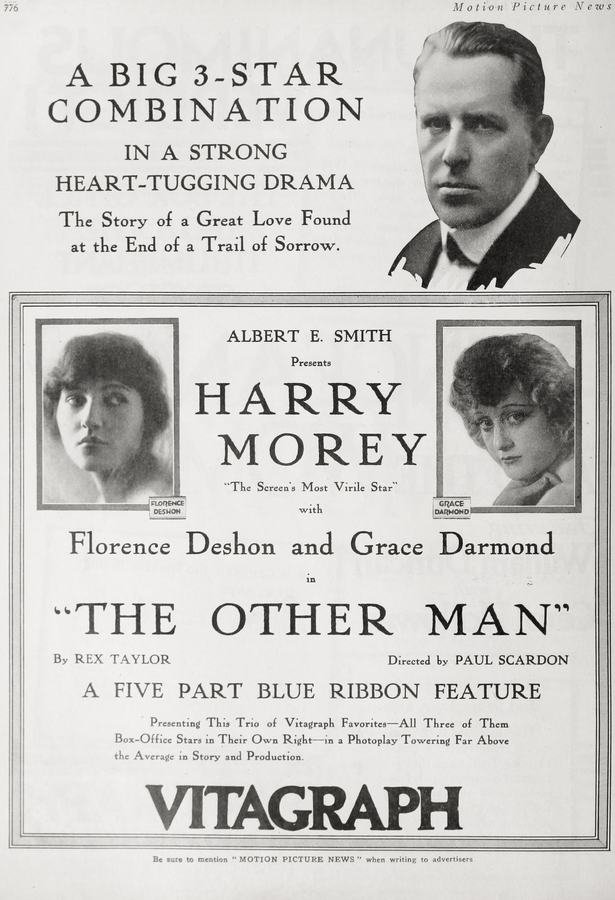
For cinephiles who admire the stylistic flair within The Other Man, the specific stylistic flair of this work is a gateway to a broader cult world. We've prioritized films that capture the 1918 aesthetic with similar precision.
At its core, The Other Man is a study in to create a dialogue between the viewer and the stylistic flair.
John Stedman, a promising young surgeon, returns home from a business trip to find his wife Lucia in another man's apartment. Shocked and depressed, John abandons his practice and becomes a derelict, earning his living as a handyman in a cheap boardinghouse. Under the name of Martin West, he meets Dorothy Harmon, who, unknown to him, is living in the slums to fulfill the terms of a $10,000 wager that she can survive for a month without money. They fall in love, and when Dorothy wins her bet, she secretly gives him the money, which John, now eager to impress the young woman, uses to re-establish his practice. Once again known as Dr. Stedman, John returns to the slums but finds that Dorothy has disappeared. Shortly afterwards, the doctor, now sporting a beard, treats Dorothy's ailing aunt, but Dorothy fails to recognize him. When she visits the old boardinghouse, John follows her and reveals himself as her missing sweetheart, with the result that they are finally married.
Based on the unique stylistic flair of The Other Man, our vault has identified these titles as the most compelling follow-up experiences for fans of cult cinema:
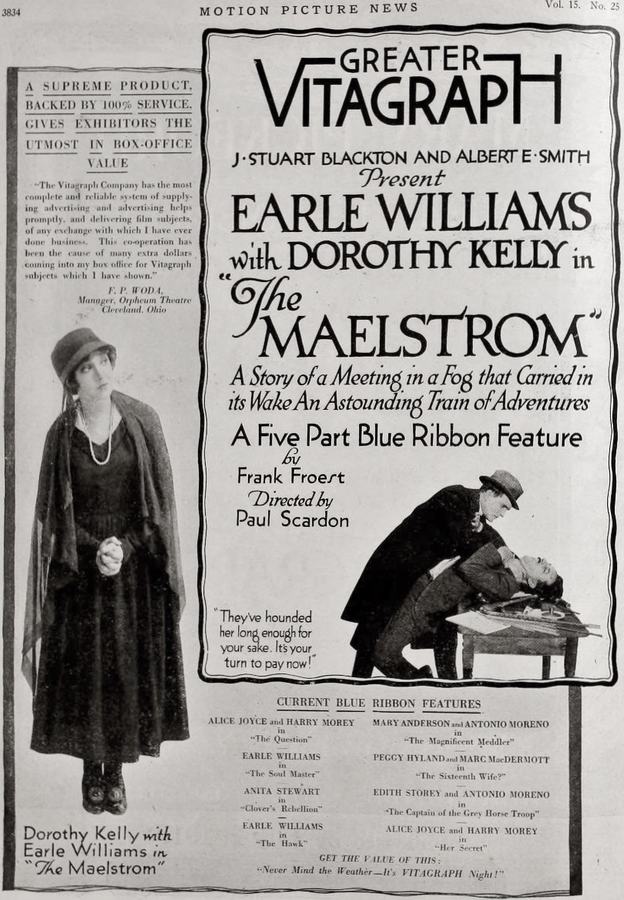
Dir: Paul Scardon
Jimmie Hallet is walking through a heavy fog one night when, seemingly out of nowhere, a girl appears, shoves a bundle of papers and a slip of paper with an address on it into Jimmie's hands, then disappears. Intrigued, he goes to the address on the paper, and is promptly knocked out by a blackjack. When he wakes up the next morning he discovers the dead body of a man named Greye-Stratton and learns that the "mystery girl" was Stratton's daughter Peggy. Jimmie soon finds himself questioned by the police about her father/s murder and mixed up with a gang of thieves and killers led by a mysterious thug named Ling.
View Details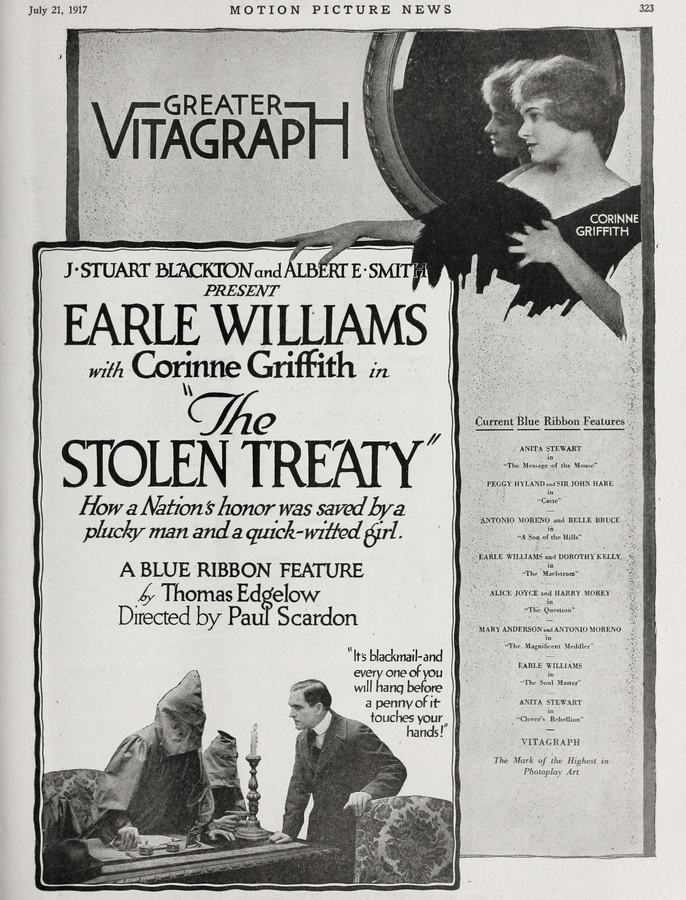
Dir: Paul Scardon
At a reception given for the vacationing Prince Zarl of Zorania, secretly the emissary of Zorania set on negotiating a treaty with the United States, Geoffrey Wynne, apparently a society dandy, but in reality a secret service agent, meets the prince. During the reception, Wynne is summoned to Washington where he learns that the treaty has been stolen and is being held for $15,000,000 ransom. Discovering that one of the thieves is an Italian named Farnelli, Wynne enlists the aid of his fiancée, Irene Mitchell, in apprehending the thief. Irene meets the Italian who offers to accompany her to New York. En route, Wynne overtakes them, chloroforms Farnelli and rips off his disguise to reveal Prince Zarl. Zarl then admits that he has stolen the treaty in order to cover his gambling debts.
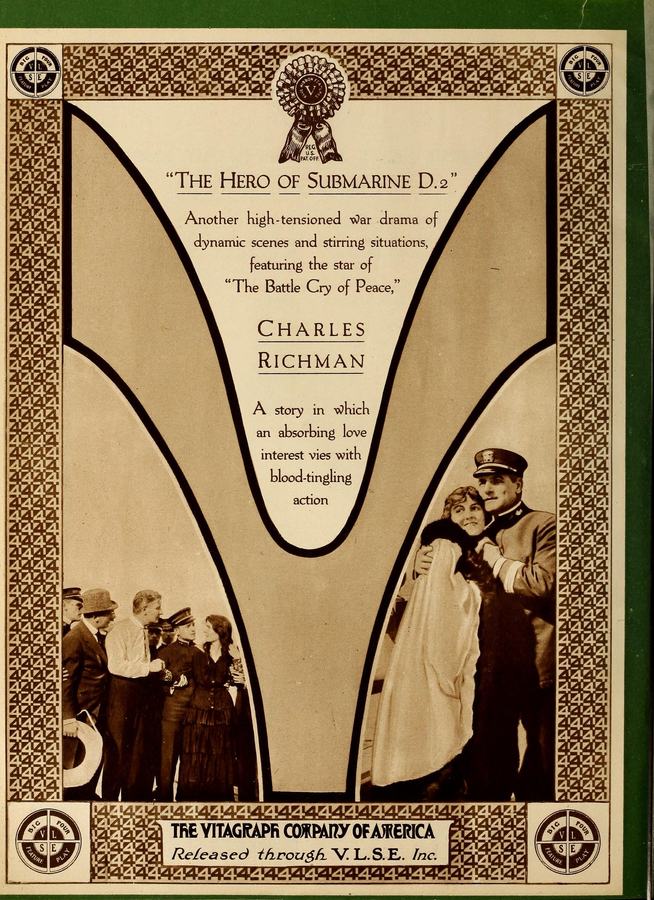
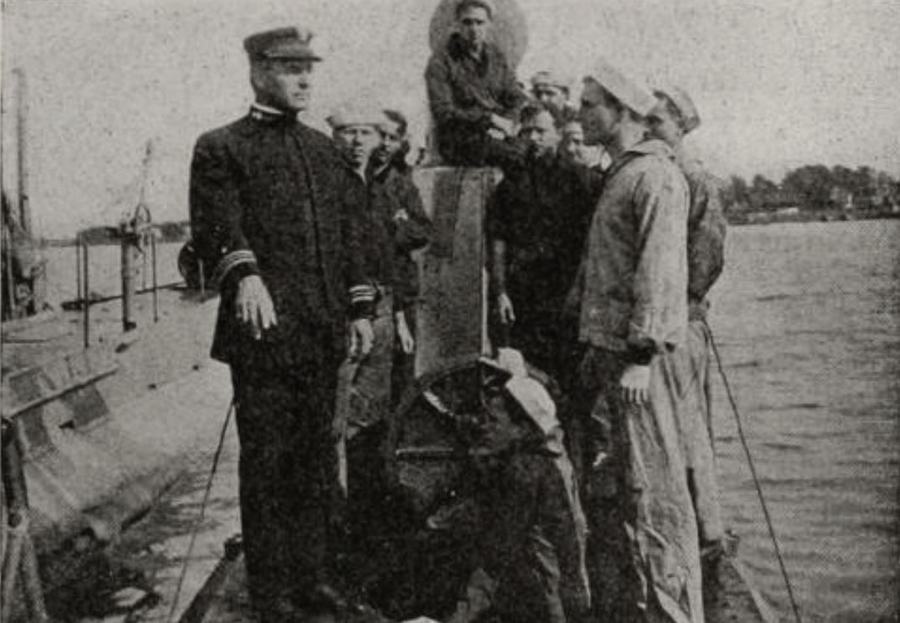
Dir: Paul Scardon
Lieutenant Commander Colton, U.S.N., is in love with Caroline Austen, daughter of a prominent political power in Washington. Colton has a rival in James Archer, a journalist of prominence, unscrupulous and secretly in league with the Ruanian Ambassador, who is endeavoring to obtain for his country inside information as to the United States naval resources. Gilman Austen, Caroline's brother, receives an appointment to the Naval Academy. He is much in love with Ethel McMasters, daughter of a superintendent, and pays so much attention to her that his term marks in navigation are so low as to preclude his passing the semi-annual examination. He is told of this by Captain McMasters, and Colton, Caroline Austen and Ethel McMasters then get busy in Oilman's behalf, Caroline working with Colton, who is in love with her. and Ethel attempting to influence her father, but these two officers absolutely refuse to exercise any influence in Oilman's favor. Mr. Austen, Sr., then takes a hand in the game, but finds naval men a different proposition from politicians, and as a result Gilman is forced to leave the Academy. Mr. Austen uses his power and has Colton transferred to the command of a collier. Gilman Austen, however, grits his teeth and 'lists in the navy as an apprentice, and here we see him carried through all his training experiences. Colton being of an inventive turn of mind and realizing the weakness of the submarines is in the battery, invents a new battery. Archer hears of this and informs the Ruanian Ambassador, who offers the traitorous journalist almost any sum to secure these plans. Archer is prevented from securing them by Gilman Austen, who is now a full-fledged able seaman, serving under the name of Roger Brown. The Ambassador then determines upon a big coup. He directs Archer, who now is completely in his power, to have a Ruanian merchant ship lay a series of mines in the channel through which the warships must pass. Colton has been placed in command of the submarine flotilla, and Gilman Austen is on duty with the D-2. Through Caroline Austen, Colton learns of the plot, and as the ships are due to arrive that night, Colton takes command of the D-2, goes out and submerges his boat. Time is precious, and Colton realizes that he cannot take the D-2 through the mines, so he has himself shot out of a torpedo tube and swims through the mines, goes on board the merchant ship and blows up the mines just before the fleet comes in. Colton is badly wounded and is rescued by Gilman Austen and the submarine crew. For his work in this action, as well as his general reputation and good character, Gilman Austen is sent back to the Naval Academy. Colton marries Caroline.
View Details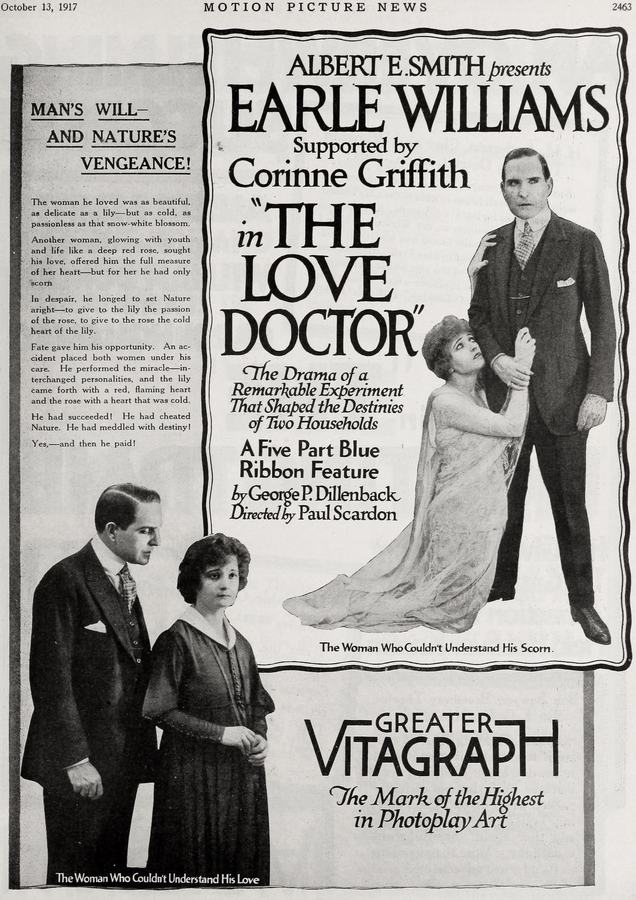
Dir: Paul Scardon
A doctor transplants the brain of a girl who is in love with him into a girl he is in love with.
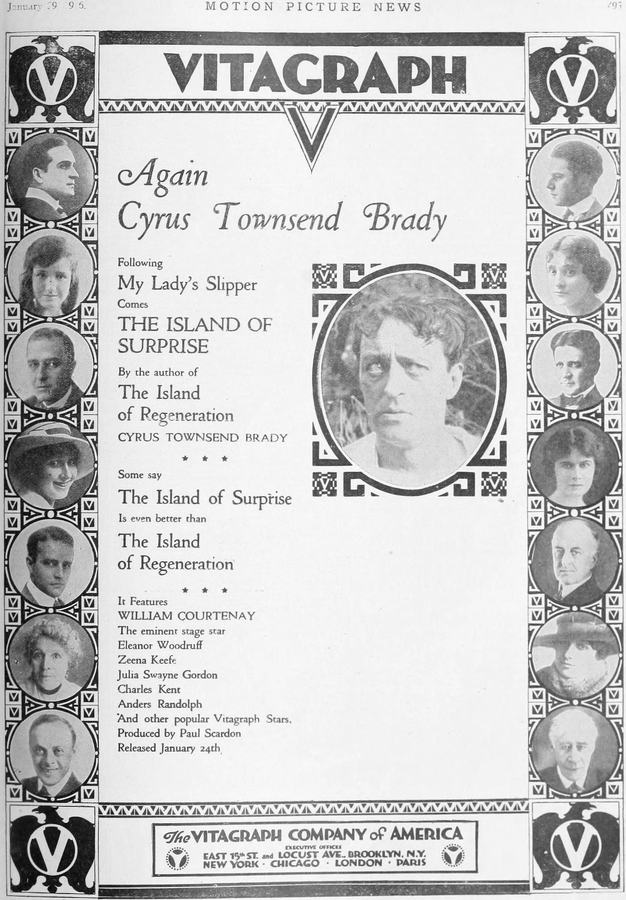
Dir: Paul Scardon
Dorothy Arden is private secretary to Godfrey Lovell, known as the Croesus of Wall Street. His Western partner is Daniel Casselis, who has a daughter named Dorothy. Lovell has a son, Robert, and the two financiers are trying to arrange a match between their children. But Robert falls in love with his father's secretary and marries her, but on returning home to tell dad, he finds that Lovell is ill and has gone on a long sea voyage to recuperate. Bob is sent to Chicago to see Casselis and invite him and his daughter to come on the cruise with Lovell, and Dorothy is greatly distressed at this turn of events. Bob reassures her, however, and still they do not tell his father. Bob meets Miss Casselis on the Limited as she is returning from an Eastern trip and they become friends. Meanwhile, Dorothy has determined to go on the yachting trip, so when the whole party arrive at Frisco Bob finds his wife awaiting them. Many amusing complications occur during the voyage and jealousies are aroused. The yacht anchors off a lonely island in the Pacific and Bob, with the two Dorothys, goes ashore. The yacht is driven out to sea by a terrible storm, leaving the three stranded on the Island of Surprise. Bob is hurt in a terrific landslide and the blow causes him to lose his memory. Dorothy tries in vain to call to mind his marriage to her, and Miss Casselis, thinking Dorothy is merely bluffing, is not to be outdone and claims Bob is her husband. Bob finally settles an uncomfortable situation by telling the women he will simply remain their friend and protector. Meanwhile, the yacht has had to send out a boat for the nearest land, owing to engine trouble, and a man-of-war is met. She is directed to the island, and arrives just in time to drop a shrapnel among a horde of island savages who are attacking the three castaways and just about to annihilate them. Rescued by the navy men, the three castaways are reunited with their party. Bob recovers consciousness and recognizes his wife, and all ends in forgiveness and happiness.
View Details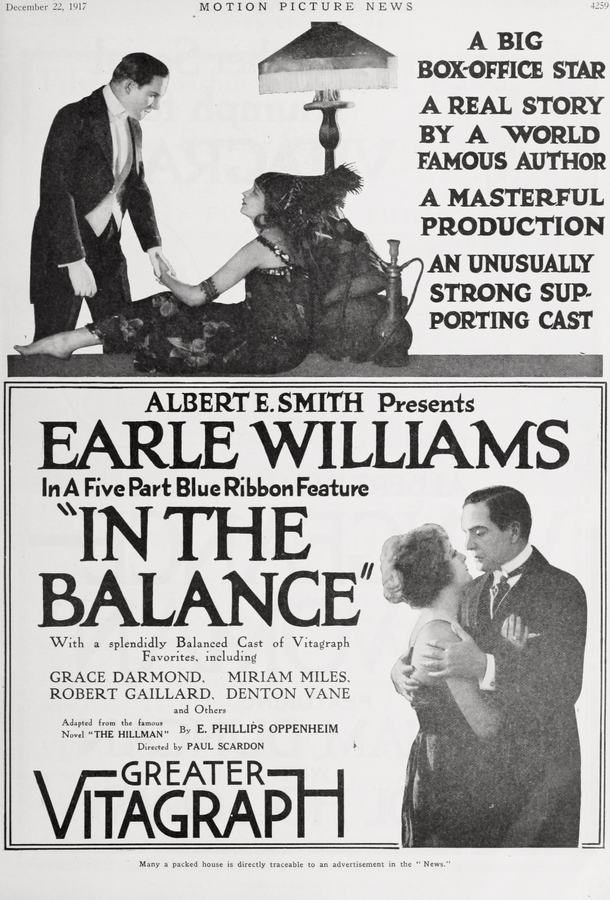
Dir: Paul Scardon
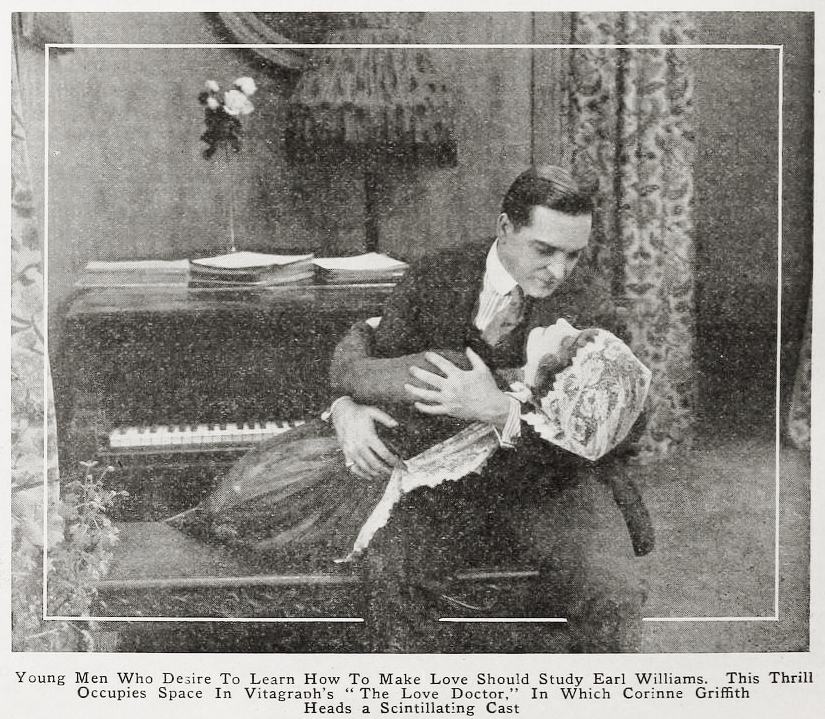
The actress is on her way to visit the Prince in his castle when she is stranded on a lonely road by an accident to her motor car. The Hillman happens along and takes her to Peak Hall. He is still young and handsome, but marked by the stern fanatical belief of his family that no member of it ever should leave the hills. In an exchange of confidence, the Hillman warns the actress not to visit the dissolute Prince, and she in turn tells him that for once he should try the broader life of the cities. Both heed the other's advice. She returns to the city, and he, in a brief period, follows. The Prince, still pursuing the actress, seeks to entangle the Hillman by throwing a notorious dancer in his path, but fails. Strangeway, the Hillman, proposes to Louise, the actress, but she withholds her answer. His brother comes from the hills to reclaim him, but his mission is vain. Again the Hillman proposes to Louise, who is always in the company of the Prince, and this time is accepted. Angered at his apparent loss of the actress, the Prince makes a scandalous remark about her at his club, which is resented with blows by the Hillman, whose love is all but crushed, when hurrying to Louise she admits what the Prince said is true. The Hillman returns to Peak Hill where a few months later as he is reading in a paper of the engagement of the actress and the Prince, she arrives at his home. She assures him that she is good, not bad, and that she did make the promise to the Prince when she believed he loved her, and both the Hillman and his brother receive her as one of them.
Dir: Paul Scardon
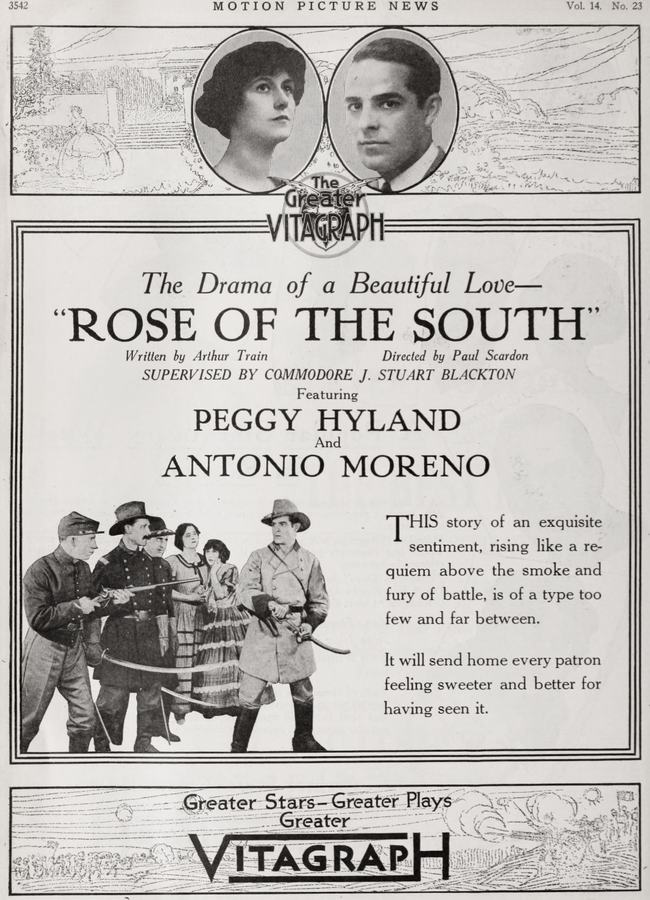
Mr. Curtis returns to his Alma mater and regales students with stories about the Civil War, which ended fifty years before. He tells them about his college friends, Dick Randolph and Watkins, who were at first rivals for Marian - who far preferred Dick - and then rivals on the battlefield. Watkins, a Union officer, captured Dick, a Confederate, but Marian helped her sweetheart escape. Watkins and Dick were then wounded in the same battle and died in each other's arms after asserting their friendship and forgetting their past differences. Back in the present, an aged Marian joins the group. She dies while listening to Mr. Curtis, and fifty years after she and Dick had been lovers in the flesh, her spirit goes to join his.
View Details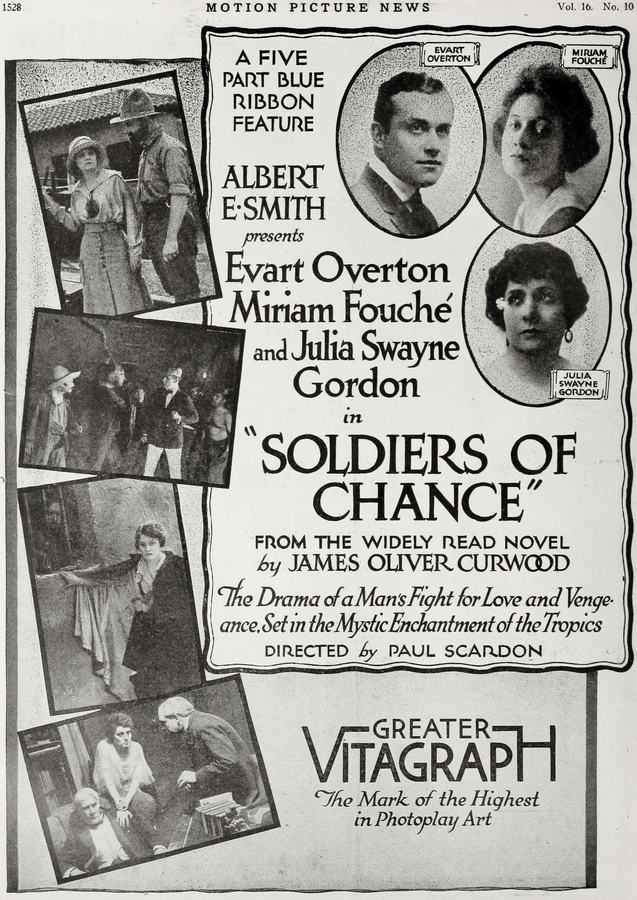
Dir: Paul Scardon
Lawler, a dishonest promoter, has Winton in his power, the latter believing that he has killed Yawkey, Lawler's partner. For his silence, Lawler demands the hand of Winton's daughter Josephine. Meanwhile, Billy Mountain, a man whom Lawler has swindled, arrives and, disguised by a heavy beard, interests his old enemy in a proposition. He invites Lawler on his yacht and makes him a prisoner. Josephine, fearing that Lawler will expose her father, accompanies them when they sail for a South American country involved in a revolution. When they land, Josephine frees Lawler, who joins the forces of the government. Billy and his partner, allied with the revolutionaries, plan an attack on the president and his forces. In the battle, Billy is captured and sentenced to death, but when the tide turns in favor of the revolutionaries, he escapes. With the appearance of Yawkey, Josephine is freed from Lawler's power and begins life anew with Billy.
Dir: Paul Scardon
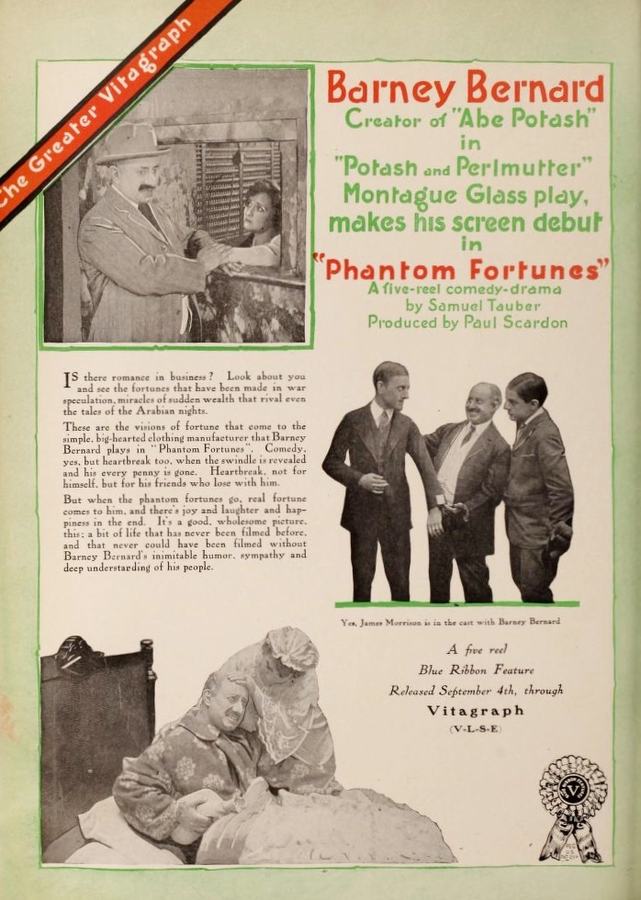
Bob Deering on his way to business meets his sweetheart, Molly Sherman. He arrives at Milliken and Co., stockbrokers, his place of employment, just in time to save Herman, Zalmon Pinsker's 14-year-old son, from a very rough engagement with the other messengers in the office. For this act Herman takes him to his father's shop and obtains a suit at wholesale, and it is here that Bob meets Ike Mandell, who is in love with Dora, the daughter of Pinsker. Previous to this meeting Pinsker re-engaged Mandell after having hired and fired him at least ten times, and also just previous to Bob's arrival with Herman, Moses Hecht and Israel Classman had an argument with Mandell, who, trying to look after Pinsker's business, tried to force them to pay certain notes which had been endorsed by Pinsker. Mrs. Pinsker and Dora arrive and realize that if Pinsker keeps up this pace of unorganized charity they will have little if any chance of obtaining the new dresses for which they came. Later the stock market closes on account of the war, and both Herman and Bob are out of a job. Bob calls upon Molly, who is a telephone operator in a hotel. There he meets "Red" Dorgan, who interests him in war orders. Clothing, sweaters, and shirts are needed for the allied armies, so Bob goes to Pinsker and agrees to get him a contract that will at once make him a rich man. Pinsker is overjoyed. Bob returns to Dorgan, and it is arranged that the manufacturer shall meet the commission. Ike Mandell has a cousin, Abie Lefkowitz, another clothing manufacturer, and he feels that if he can give Pinsker the double cross and get the business for Lefkowitz he will be able to marry Dora. Ike arranges with Dorgan to switch the order to Lefkowitz, who has to give Ike an advance commission of $8,000 for his work. Bob apprises Molly of what he has done for Pinsker, but she has her misgivings about Dorgan. The contestants for the big war order is requested by the commission, which has quarters in the hotel in which Molly is a telephone operator, to have samples of their goods at the commission's offices. The different clothing manufacturers comply, and when each at different times receives most encouraging reply concerning their samples each refuses domestic orders so that all time possible may be devoted to the commission's order. The hotel detective becomes suspicious and after a short conversation with a Scotland Yard man who has been on Dorgan's trail for months, they, with Bob, examine the commission's quarters. They are now firmly convinced that the scheme is a fake, and Bob conveys this information to Pinsker. He is greatly discomfited over the revelation, but Bob gets an idea which will net Pinsker a considerable sum. All the other clothing manufacturers are refusing domestic orders pending advices from the commission, so Bob helps Pinsker to corner the home market. This scheme is successfully executed. Ike Mandell, jealous, is busy instituting a strike among the employees, but his plan is soon frustrated by Bob. Lefkowitz scenting that something is wrong, goes to the hotel, where he is told of the fake affair. The crooks are captured. It is then that Lefkowitz tells of a $6,000 check and that it was made out to Bob. The police now go with Lefkowitz to the shop of Pinsker, where they try to fasten the check upon Bob, but he has given it to Dorgan, and Pinsker agrees that if his is the only signature on it, he, Pinsker, will make good for Bob. Molly goes to Pinsker, who introduces her to his new partner, Bob Deering, and assures her that she need not "hello" any more if she will marry this live businessman. Molly is pleased, and is further glad to know that Mandell has lost out with Dora, who is going to marry Glassman, who is now making his fortune through Bob's methods of wide-awake business.
View Details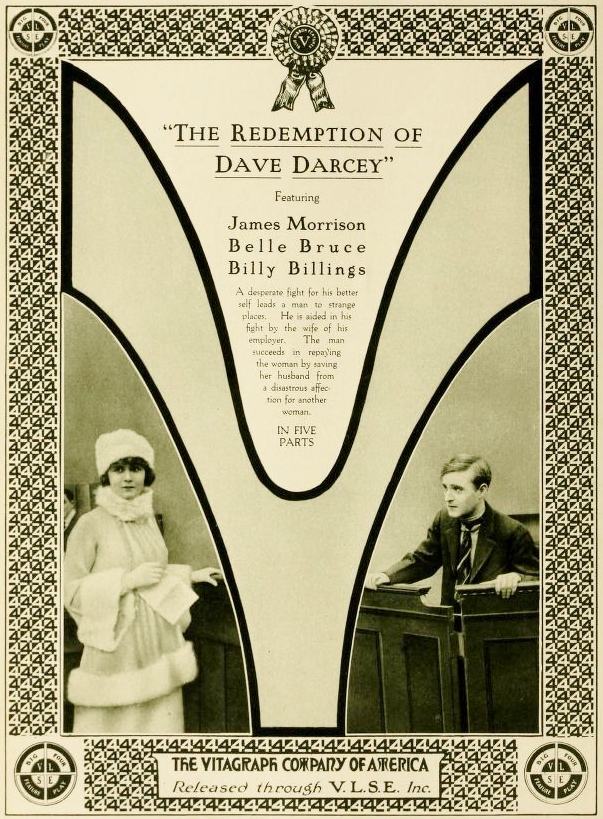
Dir: Paul Scardon
After landing a big "haul," Dave Darcey, a crook, decides to spend part of his booty by holding a dance for his followers. Paddy Burns, leader of a rival faction, decides to settle an old score with Dave by breaking up the affair. On the night of the dance he goes at the head of his gang with the avowed intention to "get" Dave. In the struggle, Dave shoots Paddy and makes good his escape. He is seen by Phillip Brenton, the son of the owner of the steel works, who thinks he is there to rob the house and demands an explanation, Dave explains the whole affair to him, and Phillip gives him a chance to make good by giving him a job in the steel plant. Phillip's father is not so sure of Dave's reformation, and tests him by leaving a large roll of bills exposed. Dave sees the money and a struggle with his other self follows. The new Dave comes out the winner and he returns the money. The Baroness Von Ehrenstein, a secret agent for a foreign government, learns that the Benton Steel Works have accepted a huge war order for a nation hostile to her own. She gets permission from Phillip to visit the plant on the pretext of getting local color for a novel she is writing. Phillip personally guides her and her accomplices through the plant and they make a thorough study of the place. Phillip has become greatly interested in the Baroness and is neglecting his fiancée, Grace. The latter notices his continued absence and asks Dave the cause. The latter, in order to protect Phillip, tells her that it is business. Dave, suspicious of the Baroness, warns Phillip of her and his young employer resents his interference and discharges him. While Phillip is in a drunken stupor, the Baroness steals his office keys from him and gives them to her confederates who hasten to the steel works. Suspicious of their actions, Dave follows them and sees them plant bombs in the factory. He tries to foil them and a fight follows. Dave is finally subdued and is left, bound hand and foot, by the burning bombs. He rolls himself over to a saw and works frantically till he severs his bonds. He then starts to stamp out the fuses of the bombs, but one of them explodes and he is caught in the wreckage. The watchman, having seen part of the struggle, follows the conspirators. The police arrive at the scene and are closely followed by Phillip and his father. The latter accuses Dave of attempting to destroy his plant, and also charges him with the murder of Paddy Burns. The watchman returns with the real culprits and tells the true story, thus clearing Dave of guilt. One of the policemen then tell Dave that he need not fear of trial for murder, as Paddy is still alive, having been only slightly injured by the shot. Dave is acquitted of the charge of assault which he had to answer to for the shooting and returns to a better job with the Benton Steel Works. Phillip and Grace are reunited.
View DetailsAnalysis relative to The Other Man
| Film Title | Atmosphere | Complexity | Similarity |
|---|---|---|---|
| The Maelstrom | Gritty | Dense | 96% Match |
| The Stolen Treaty | Surreal | Abstract | 95% Match |
| The Hero of Submarine D-2 | Surreal | Dense | 97% Match |
| The Love Doctor | Gritty | Linear | 92% Match |
| The Island of Surprise | Surreal | Dense | 95% Match |
This guide was algorithmically generated using the cinematic metadata of Paul Scardon's archive. Last updated: 6/25/2026.
Back to The Other Man Details →