
DbcultAccessing Vault...
Recommendations
Senior Film Conservator
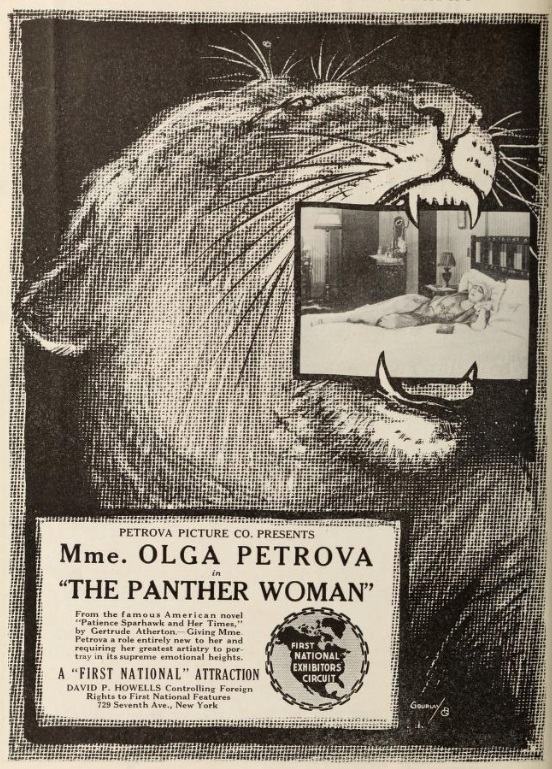
As a cultural touchstone of United States, The Panther Woman resonates with its cult status, audiences who connected with its message often look for similar thematic gravity. We've assembled a sequence of films that complement the tone of The Panther Woman perfectly.
For many, the first encounter with The Panther Woman is to establish Ralph Ince as a true visionary of the 1918s.
Following his wife's death, John Sparhawk takes his daughter Patience out West to a small mining town, where he meets and marries a dance hall girl. Patience's stepmother attempts to force the beautiful young woman to work in the dance hall, but on the advice of visiting criminal lawyer Garon Bourke, Patience refuses and returns to the East. Eventually she marries Beverly Peale, and when he is found poisoned, Patience is arrested for murder and sentenced to die. Through Garon's efforts, however, Patience ultimately escapes the electric chair.
Based on the unique cult status of The Panther Woman, our vault has identified these titles as the most compelling follow-up experiences for fans of cult cinema:
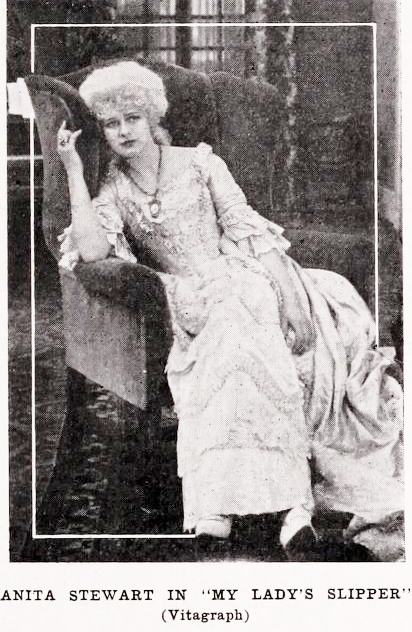
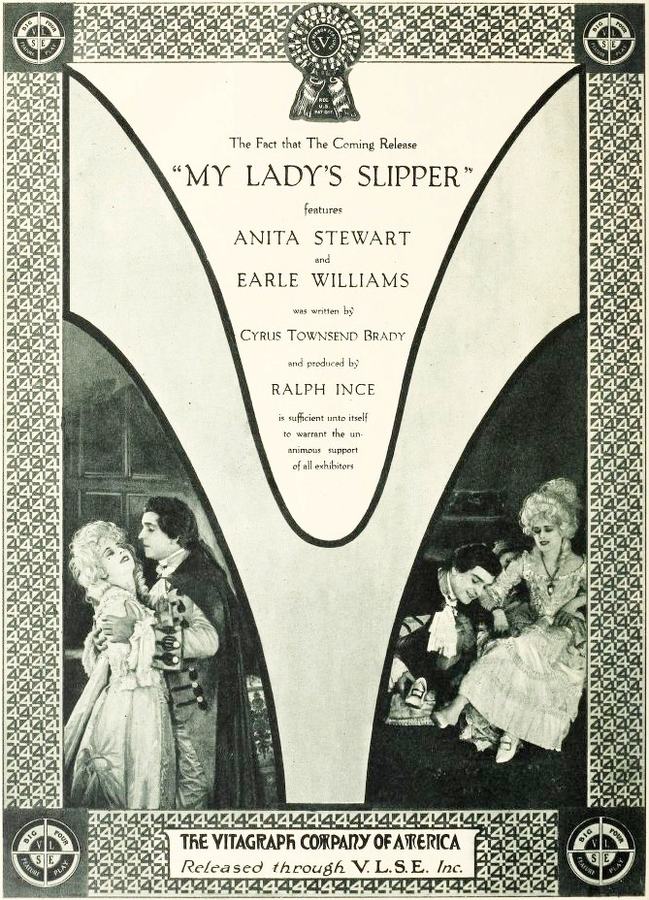
Dir: Ralph Ince
Francis Burnham, a young American naval officer in the time of King Louis XVI of France, escapes from a British convict ship. He is desirous of reaching Paris to see Benjamin Franklin, then his country's Minister, but upon his arrival there learns Franklin is away. He meets Bucknall, an old shipmate, and earns his everlasting gratitude by helping him out of financial difficulties. Later, strolling through the suburbs of Paris, he has the good fortune to rescue a beautiful lady from a highwayman, but does not learn her name. Meanwhile his restless nature gets him into gambling, he loses all and becomes indebted to a stranger who proves to be the Marquis de Tremignon. By threats and promises to wipe out his obligations, the Marquis secures Burnham's aid in the scheme he has in mind. He tells the young American that he is in love with the Countess De Villars. and she with him but her grandfather objects, so the Marquis plans to force his consent by securing some article of wearing apparel from the Countess and thus compromise her. Burnham is to be his agent. He does not think very highly of the job, but when the Marquis threatens him with imprisonment, he consents. That night he enters the Countess' apartments and succeeds in securing one of her slippers but is confronted a moment later by the lady herself. She proves to be the lady he rescued from the highwayman. Crushed and humiliated, Burnham tells his story and she believes him. He learns that she hates the Marquis and that the rascal is really trying to force her into a marriage in this cowardly fashion. Before she goes she gives him her slipper to take to the Marquis, but instead he keeps it and denounces that gentleman to his face for which he is imprisoned. The slipper Burnham entrusts to Bucknell for safe keeping, and the old seaman takes it to the Countess, telling her what has transpired. She helps Burnham to escape from prison, but he is captured by the Marquis's soldiers before he can reach the border. The Countess's influence, however, secures an audience with Queen Marie Antoinette, as a result of which the Marquis is humiliated while Burnham is freed, and marries the Countess.
View Details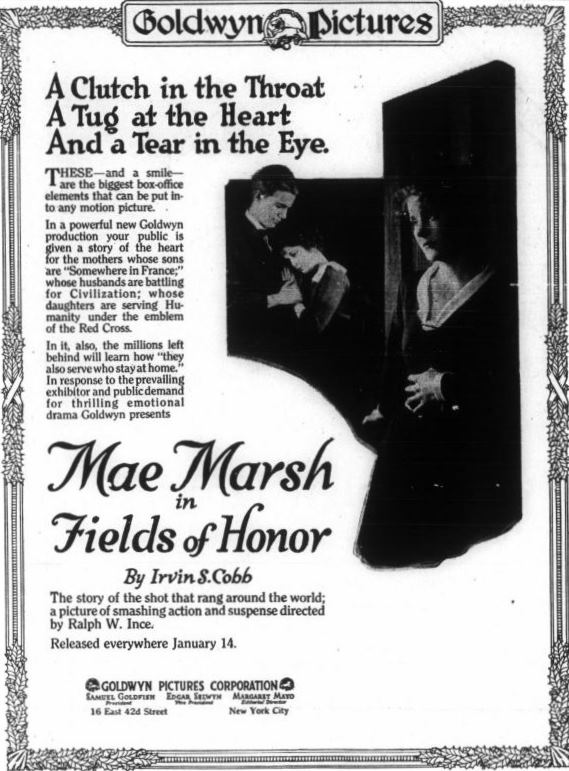
Dir: Ralph Ince
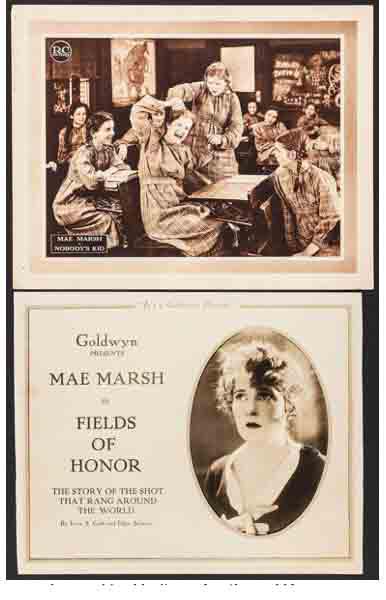
Marie Messereau, with her sister Helene and brother Paul, emigrates from France to America, the land of promise, accompanied by Helene's German fiancé, Hans Grossman. The four find employment, and all goes well until Paul and Hans are called back to Europe to fight in World War I. Robert Vorhis falls in love with Marie, but because a rejected suitor tells him that Marie's reputation is stained, he accompanies his parents to California to forget her. Helene contracts tuberculosis, and when Marie, in seeking the location of a hospital for consumptives, asks several men their address, she is arrested for street walking. Robert's father, Judge Vorhis, acquits her, but upon returning home, she discovers that Paul and Hans have been killed in battle and that her sister has committed suicide. Broken, Marie decides to return to France and is about to sail when Robert, who has been unable to forget her, rushes up the gangplank and takes her in his arms.
Dir: Ralph Ince
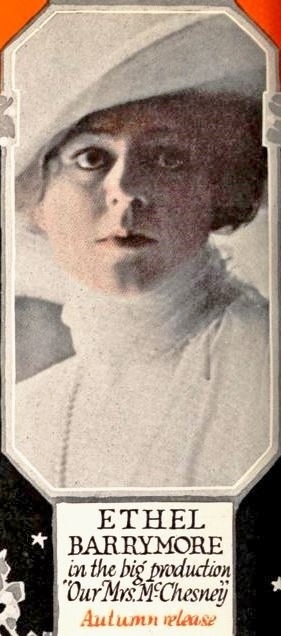
Mrs. Emma McChesney is a determined and successful traveling saleswoman for T. A. Buck's Featherbloom Petticoat Company. When Buck dies and his son, T. A. Buck, Jr., takes charge, the company suffers and Emma nearly accepts a job offer from Buck's rival, Abel Fromkin. On her last sales trip, however, she learns that her son Jack has married chorus girl Vera Sherwood, and because Buck demonstrates such concern for the boy, Emma decides to remain with him. Distraught that Jack has married so young, Emma sends the bride away to boarding school while Jack takes a job with the company. Later Emma discovers that the firm is approaching bankruptcy, so she invents a new skirt which, as modeled by Vera and promoted by Jack, rocks the fashion world and saves Buck's company. Having fallen in love with Emma, Buck proposes and she accepts.
View Details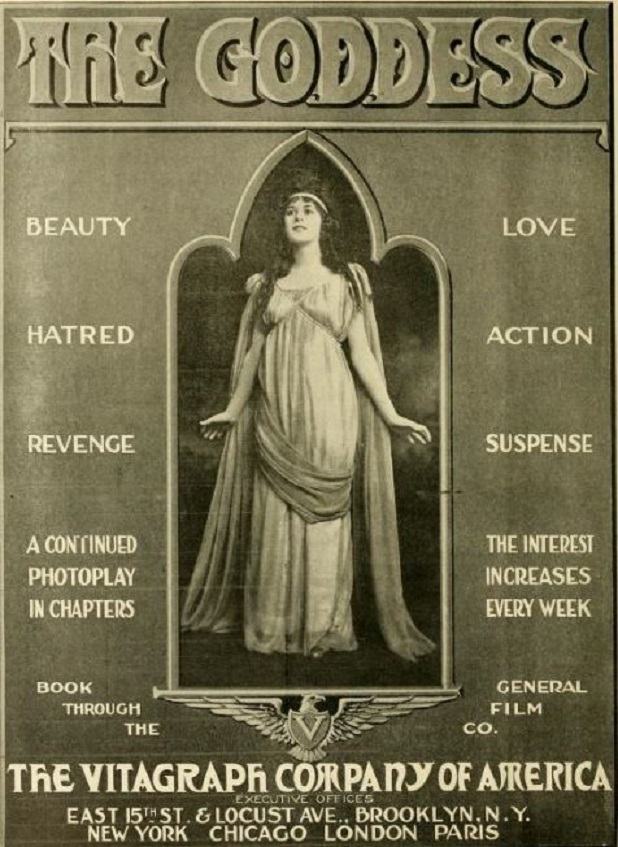
Dir: Ralph Ince
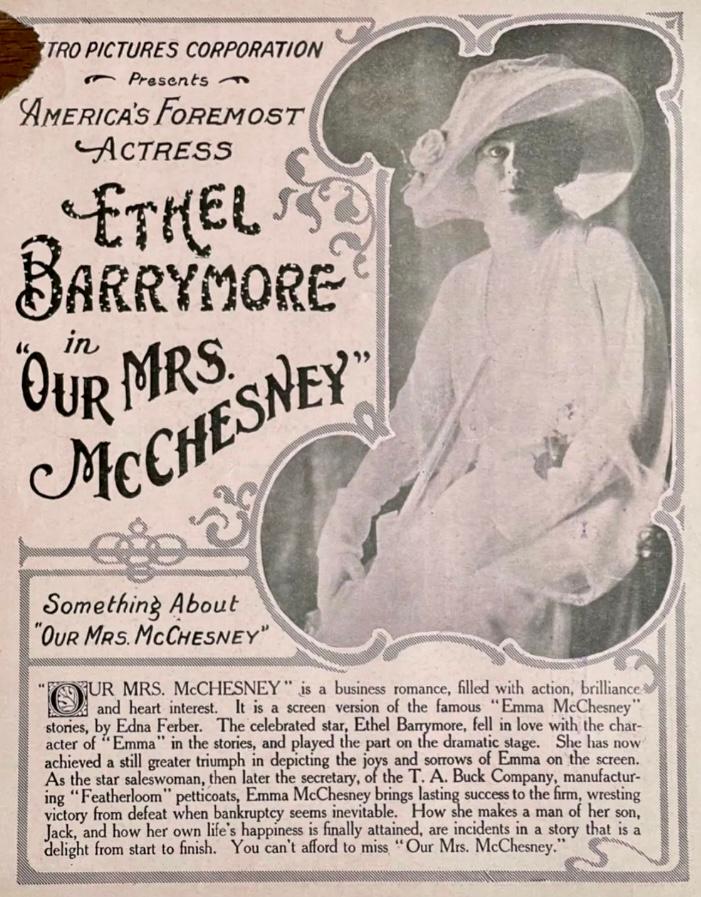
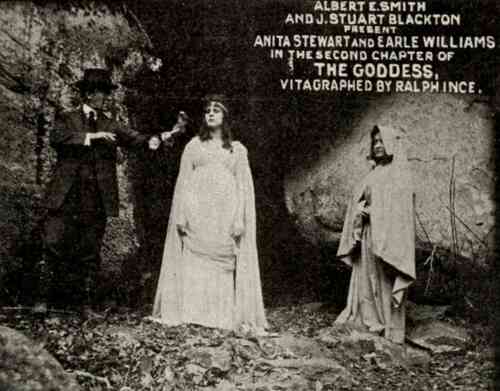
A young girl is reared on a desert island by natives and led to believe that she is a goddess. One day an outsider comes to the island, and persuades her to accompany him to preach about the kindness and love she has experienced. She agrees, but she's soon confronted by the problems and travails of the "outside" world.
Dir: Ralph Ince
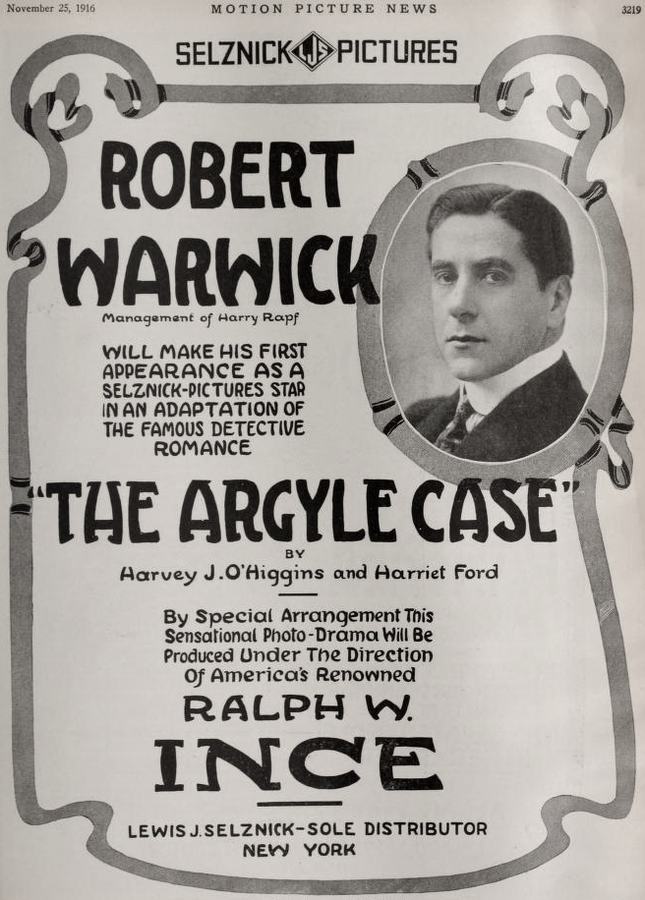
The story is that of the mysterious murder of John Argyle, a multi-millionaire, in the library of his home. Circumstances point toward Argyle's adopted daughter Mary, who is the beneficiary under his will, Argyle having quarreled with his son Bruce. Just as the case begins to look black for Mary, Asche Kayton, a great private detective, is called in by Bruce and takes hold of the investigation. His methods are scientific and swift and the trail leads to a den of counterfeiters, where, by use of the dictograph and other modern devices, the real murderer is run to his lair. Kayton falls in love with Mary, who is finally vindicated. Kayton's reward is the girl.
View Details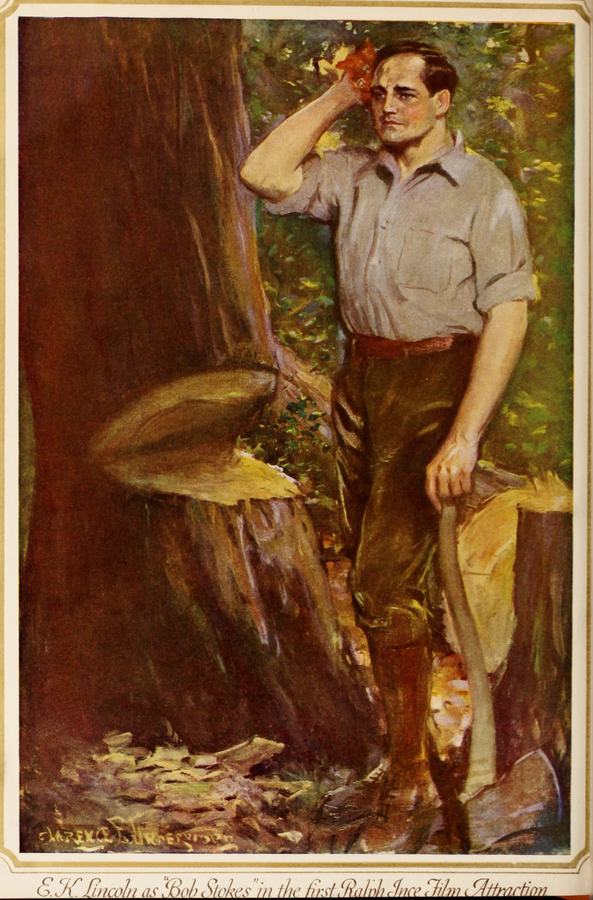
Dir: Ralph Ince
When Bob Stokes, a wealthy New York clubman, loses his fortune, he is jilted by his fiancée Marcia Fontaine. He then wanders to an upstate lumber camp where he impresses the owner, Henry Willard, with his leadership and fighting abilities. After Stokes quells a strike engineered by the previous foreman, Robert Brummon, who is really a Bolshevik agitator, to prevent shipments of lumber for government contracts, Brummon, seeking revenge, sets the forest on fire, but Stokes controls it. Willard then sends for Stokes to oversee his New York shipyards where a government "mystery ship" is under construction. After Stokes and Willard's daughter Helen fall in love, Brummon gets Marcia to attempt to seduce Stokes. Marcia lures Stokes to her apartment, where Brummon plans to kill him, but he escapes when he learns that a time bomb is set to destroy the ship. Stokes finds the bomb just before it explodes and throws it into the water. The saboteurs are captured, and together, Stokes and Helen watch the ship launch.
Dir: Ralph Ince
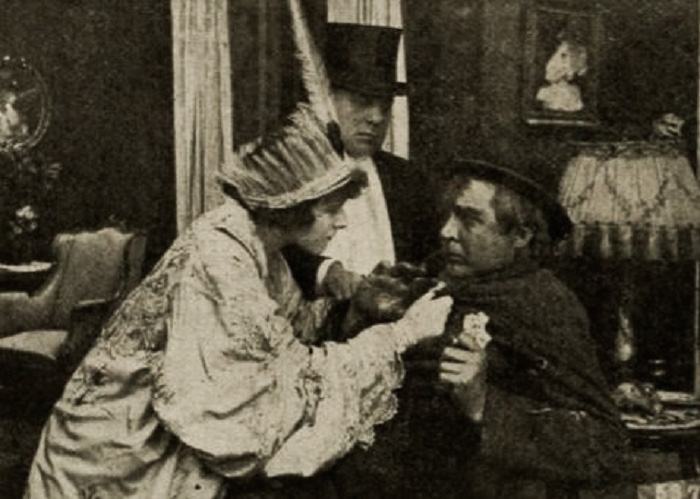
By one of those strange mistakes of nature, a child is born to Elois, an actress. The advent of the child, Yvette. arouses in Elois the one fine trait in her nature, a tremendous mother-love. To keep the child clean and to protect it from the influence of her life and that of its dissolute father, becomes the one passion of her soul. The moment comes when it is borne upon her forcibly that the child must be sent away. She sends Yvette to a fashionable boarding school, instilling in the child's mind that she is a lady and the daughter of a wealthy widow, travelling extensively. From her life at boarding school, Yvette dreads her visits home where she has to suffer the passionate, suffocating embrace and dreary companionship of a perfumed woman, her mother. On one of these visits she meets her father, under conditions so strange that she was gradually led to believe they were dreams, as her mother said, and the scar her mother carried across her eye, came to her in a fall. Her schooling over, Yvette, on the threshold of the world, returns home. Her mother leaves her alone the first night and her father, deep in his cups, pays her a visit and, in his maudlin drunkenness, discloses the fact that her mother is an actress. Yvette, unbelieving, rushes to the theater, and from a seat in the balcony, sees her posing in the semi-nude. The veneer that has been added to Yvette in years of training, lays bare the coarse, primal grain. Without letting her mother know, she becomes a burlesque queen. Her mother returns one night to find her husband there and her daughter missing. In the midst of a terrific scene, in which she tries to make him tell where the girl is, Yvette enters, now a member of the painted world. The mother realizes that her daughter is gone, and does the inevitable, saves the girl's soul at the cost of her body; lays a double crime to the man who has caused all her misery, and the tragedy ends in his being cornered, powerless to explain.
View Details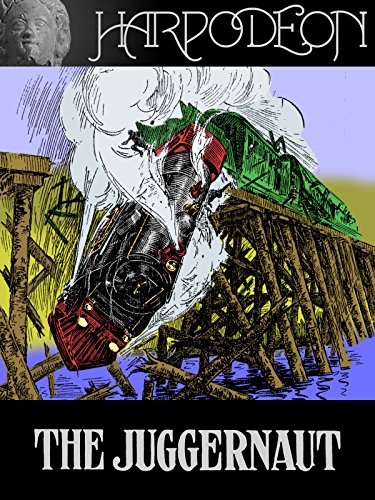
Dir: Ralph Ince
This silent film presents drama to prevent a train from falling from a damaged railroad bridge.
Dir: Ralph Ince
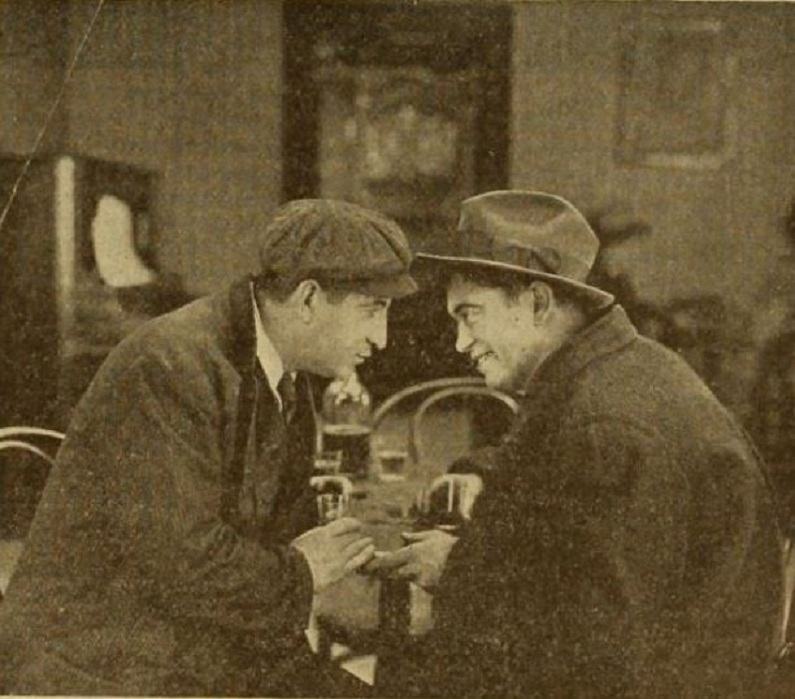
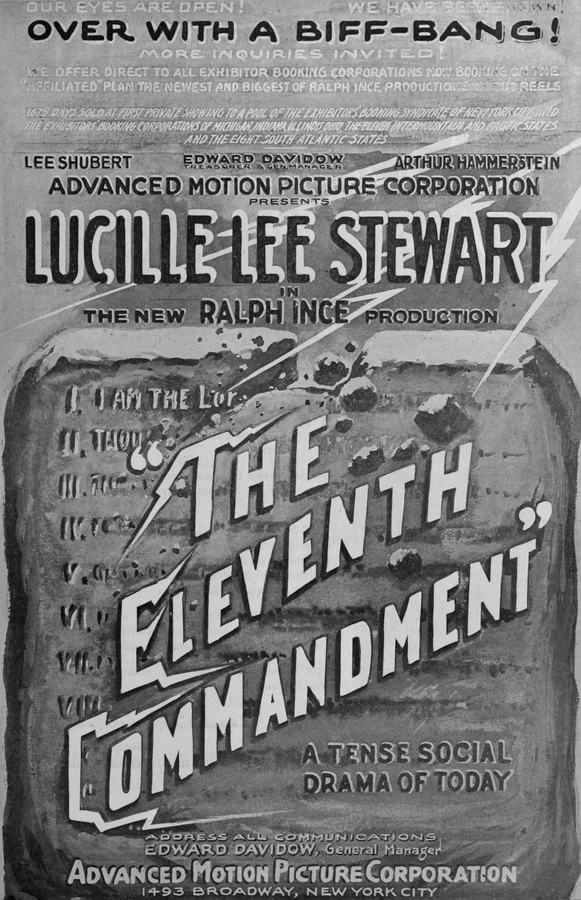
Dora Chester violates the Eleventh Commandment -- "Thou Shalt Marry None but the Man Thou Lovest" -- when she rejects her sweetheart, Robert Stanton, and becomes engaged to the wealthy Kenneth Royce. Royce is actually a stock gambler, and after he goes broke, he forces Dora to give him a sum of money that has been placed in her charge by her employer. Royce loses the money and runs away, but Dora refuses to implicate him in the crime and is sent to prison for a year. After her release, Dora meets and marries Robert, who knows nothing of the affair, but when Royce appears and threatens to blackmail her, she confesses everything. A policeman arrives and shoots Royce, who exonerates Dora just before his death.
View Details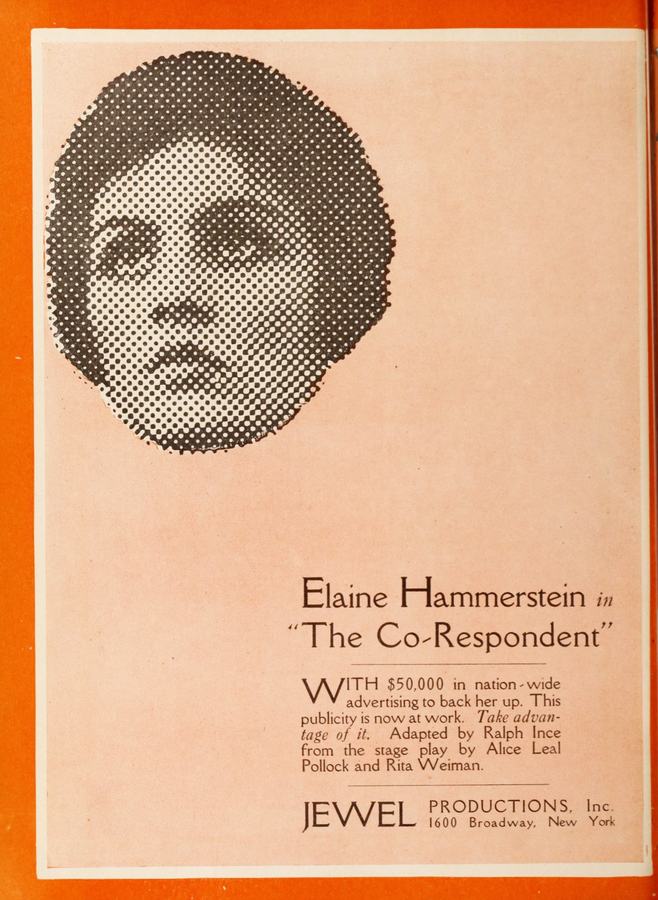
Dir: Ralph Ince
Ann Gray annoys her narrow-minded New England aunt by writing stories on an old typewriter her father left her, and selling them to the "New York Ledger." Longing for attractions available only outside her small town, Ann elopes with visiting dissolute multi-millionaire Howard Van Kreel, who identifies himself as Robert Gordon, but she leaves when detectives from his wife interrupt their mock marriage ceremony. In New York, Ann distinguishes herself as a reporter for the "Ledger" and falls in love with managing editor Richard Manning. After the paper publishes a rumor about the Van Kreels' approaching divorce suit involving an unnamed co-respondent, Van Kreel threatens to sue for libel and ruin Manning's career unless the co-respondent is named. Manning sends Ann to investigate, and she discovers that she is the co-respondent. After some deliberation, Ann tells Manning the truth. Although he does not want to print the story, Ann, who reminds him of his record of publishing the truth, writes it. After Manning thrashes Van Kreel and makes him apologize to Ann, Manning has his assistant prepare an announcement of his upcoming marriage to Ann.
View DetailsAnalysis relative to The Panther Woman
| Film Title | Atmosphere | Complexity | Similarity |
|---|---|---|---|
| My Lady's Slipper | Tense | Linear | 96% Match |
| Fields of Honor | Gothic | High | 90% Match |
| Our Mrs. McChesney | Ethereal | Dense | 89% Match |
| The Goddess | Ethereal | Linear | 93% Match |
| The Argyle Case | Surreal | High | 97% Match |
This guide was algorithmically generated using the cinematic metadata of Ralph Ince's archive. Last updated: 6/20/2026.
Back to The Panther Woman Details →