
DbcultAccessing Vault...
Recommendations
Senior Film Conservator
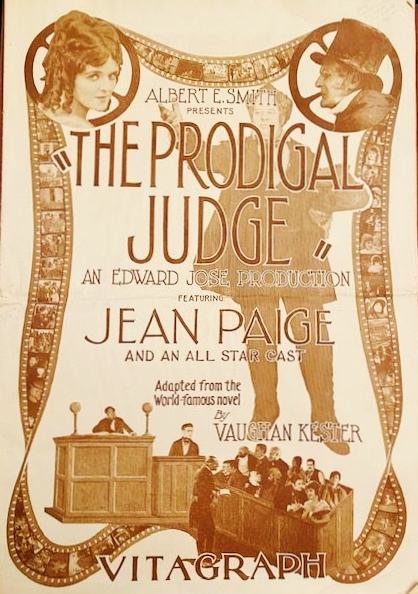
The evocative power of The Prodigal Judge (1922) continues to haunt audiences with its thematic gravity, its status as a United States icon makes it a perfect starting point for discovery. The following gems are essential viewing for anyone captivated by The Prodigal Judge.
The visceral impact of The Prodigal Judge (1922) stems from to serve as a cornerstone for Drama enthusiasts worldwide.
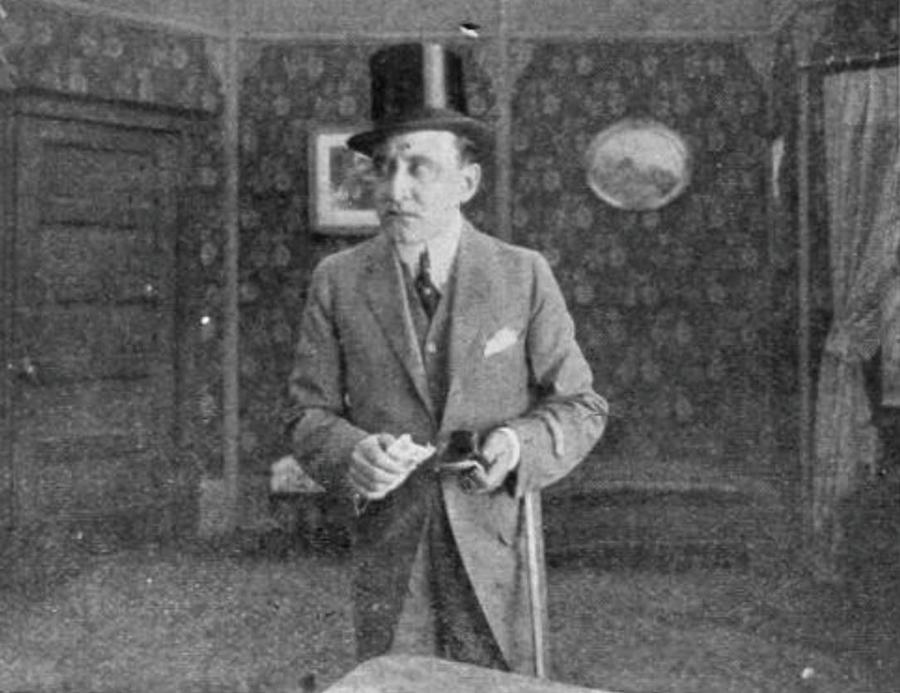
Returning to his estate in North Carolina, Judge Slocum Price, a member of Congress in 1830, finds that his wife has taken their child and eloped with David Gatewood; and the domestic tragedy causes him to become a vagabond. Five years later, the judge and his companion (Solomon Mahaffy) on a Mississippi River boat meet a child known as Hannibal, accompanied by Bob Yancy. The judge suspects Hannibal to be his missing son. Colonel Fentress, an outlaw leader, has the boy kidnapped from Yancy, but Hannibal escapes and takes refuge on a skiff; meanwhile, the judge, who has been arrested for innocently passing counterfeit money, escapes, finds Hannibal on the river, and discovers that actually Fentress was the abductor of his wife. Betty Malroy, a friend of Hannibal's, marries Charley Norton, her childhood sweetheart; but Fentress has him shot on their wedding day. Following the rescue of Betty and Hannibal from Fentress, the judge challenges him to a duel. Solomon schemes to go in the judge's place and is mortally wounded; but the judge arrives and shoots Fentress. The judge regains his fortune, and Betty is won over to the affections of Bruce Carrington, who is trapped with her in the rapids.
Critics widely regard The Prodigal Judge as a cult-favorite piece of Drama cinema. Its thematic gravity is frequently cited as its strongest asset, solidifying its place in United States's film legacy.
Based on the unique thematic gravity of The Prodigal Judge, our vault has identified these titles as the most compelling follow-up experiences for fans of Drama cinema:
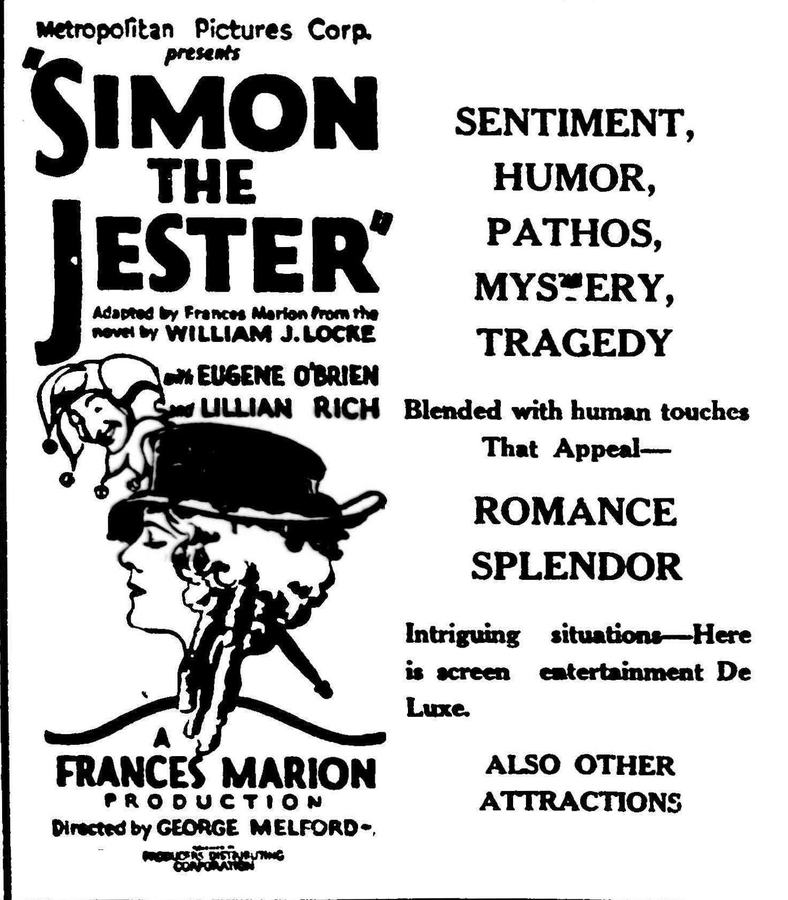
Dir: Edward José
Learning he has six months to live, the wealthy Simon De Gex decides to tell no one of his impending death and to spend his fortune madly. He breaks off his engagement to Eleanor Faversham, then is approached in a park by a dwarf and enlisted in a plot to kill the deserting husband of the beautiful Lola, a cat trainer at the London Hippodrome. The murder plans are carried out in Paris; the dwarf stabs Lola's husband and Simon departs, only to be overcome by his sickness. Selflessly Lola nurses him back to health, but, ridiculed as low-class by Eleanor and Dale, Simon's secretary, she returns to the theater. Cured by a daring operation, Simon sets out to find Lola. His search is rewarded but coincides with the reappearance of the demented dwarf. In a fury of rejection, the dwarf accidentally blinds his beloved. Simon devotes himself to Lola, but she resists his proposals until a second miraculous operation restores her eyesight and frees her to marry in good conscience.
View Details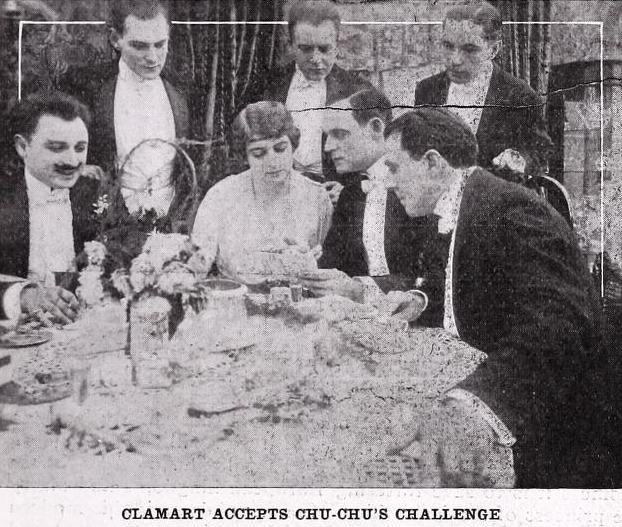
Dir: Edward José
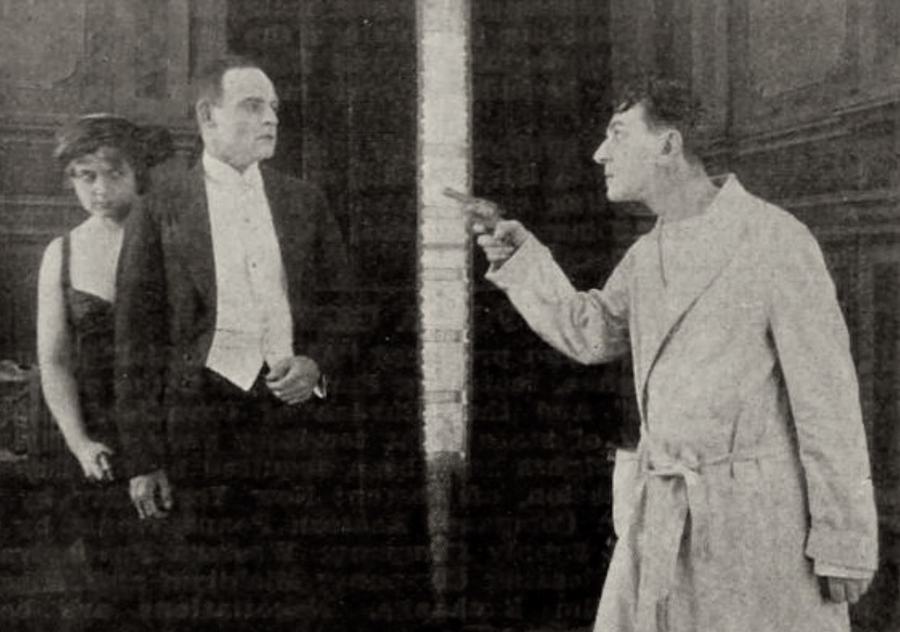
Frank Clamart, abandoned illegitimate son of a wealthy merchant, flees to Paris and joins a gang of "society crooks" led by Chu-Chu and Leontine Petrovsky, his sometime-lover. To prove his prowess to the gang and to Leontine, with whom he has fallen in love, Frank attempts to rob the house of a well-to-do family but is shot by the owner. As Leontine escapes unharmed, Frank is inspected by the owner's wife, who, recognizing a birthmark on Frank's wrist, identifies him as her husband's missing half-brother. Nursed back to health by his sister-in-law, Frank agrees to renounce his life of crime, but when a jealous Chu-Chu breaks into the house and steals the family jewels, Frank is suspected. To exonerate himself, Frank tricks Chu-Chu and retrieves the gems. Determined to have revenge, Chu-Chu tries once more to rob the house and, when caught by Frank, shoots him in the shoulder. Frank pursues Chu-Chu in a taxicab, forces him over a cliff, then leaves with his new love, the cab driver, who fires a shot that kills Chu-Chu.
View Details
Dir: Edward José
In the blossom time in spring, in the sunny southland, Anabel Lee returned home from the young ladies' finishing academy. Warner Richmond, the favorite of society and beloved by all the maids for miles around, received notice to come to his grandfather's home to stay with him during his last days. Warner did so and on his arrival was warned by his grandfather to forego the society of the fair sex, but Warner one day passed by where Anabel sat reading and to her he was her prince charming. Forced to marry Anabel, Warner insisted on keeping the marriage a secret on account of his grandfather's wishes. Just after the grandfather died, leaving Warner a large fortune, he became enamored with an opera singer of fame. Destroying all records of his marriage to Anabel, he then married the opera singer, but love in this case lasted until she secured all his money. Soon believing her husband dead. Anabel married the sweetheart of her childhood days. No cloud darkened the sky of their happiness until Warner came wandering in his drunken travels to the old countryside again. Attended in his delirium by Anabel's doctor husband, he gives out the story of his life. The doctor returns to find Anabel gone with her child. He follows. Warner in his delirium overturns a lamp and the house burns to the ground with all evidence to clear Anabel's name. But love finds the way.
View Details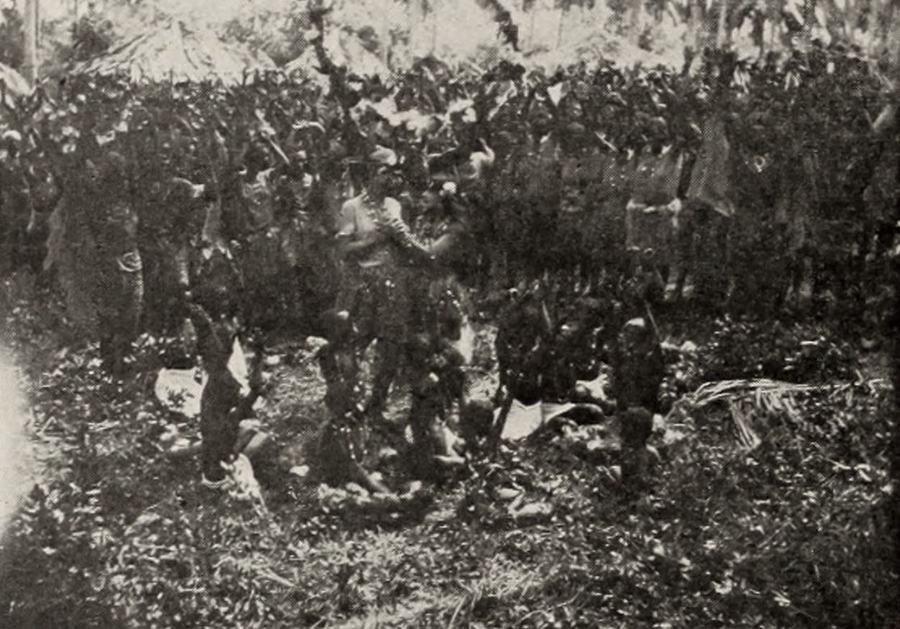
Dir: Edward José
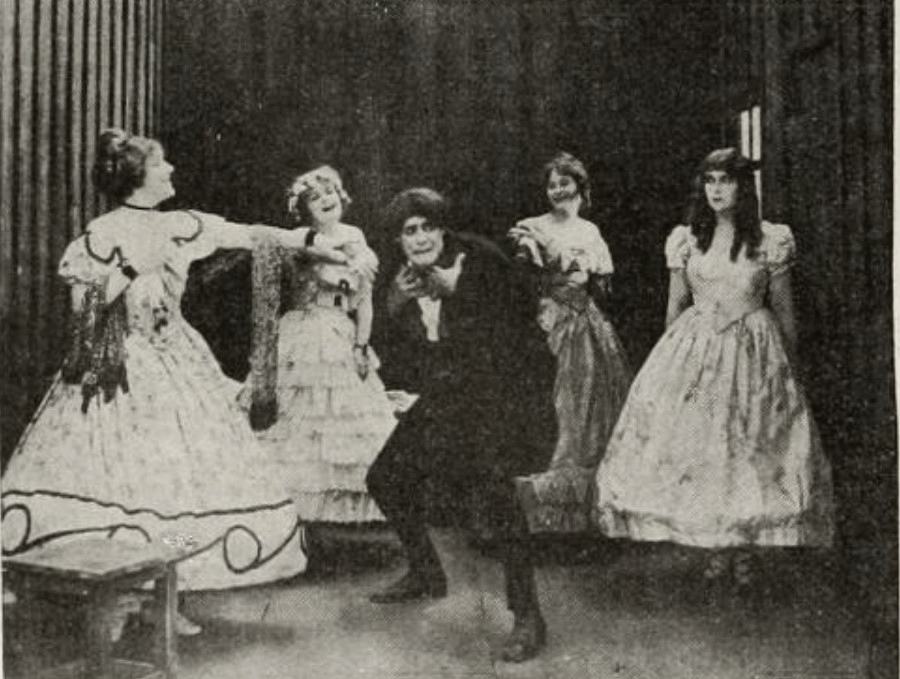
When two love-sick young people run off to be married, and aren't caught, they usually get married. It was different with Grace Vernon and Hugh Ridgway, though. Worn out by the social affairs given in honor of their approaching marriage, they elope in the wee small hours of a certain summer morning, and being mistaken for housebreakers by the gardener and other members of the household, are pursued. A couple of cops as added starters make the chase even more interesting, and they don't breathe easily until, a couple of hours after climbing a rope ladder up the side of an ocean liner, they come out from their hiding place and find themselves at sea. Not nearly so much "at sea" then, however, as later, when Hugh finds that Grace is much smitten with Henry Veath, an old-time friend of his. Hugh cares nothing about the fact that Lady Tenny, another passenger, seems to care more for his society than for anyone else. Comes a typhoon, the ship is dashed on the rocks, and in the ensuing darkness and panic Hugh makes a brave attempt to save one who clings closely to him, one he thinks to be Grace. Then blackness, and with returning consciousness and the light, the realization that he is cast away on a strange tropical isle, the isle of Nedra, with Lady Tenny. Add to this that they are found and worshiped as two gods by the savage natives of the isle; that their enforced wedding is interrupted by the landing of a U.S. ship; that Hugh goes home only to find Grace married to Veath; that he finds that he doesn't care a particle; that he rushes back to Lady Tenny, and you have just a bare conception of this romantic love story.
View Details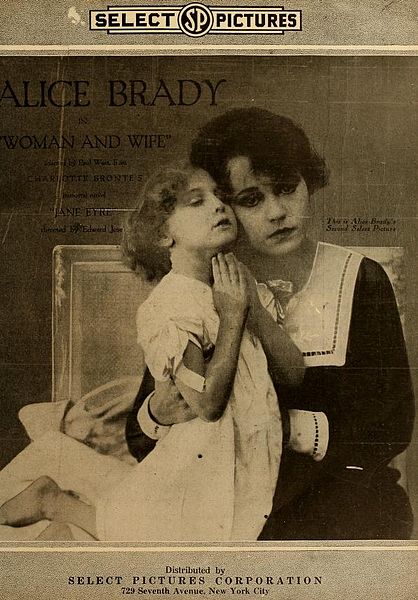
Dir: Edward José
After a harsh childhood, orphan Jane Eyre is hired by Edward Rochester, the brooding lord of a mysterious manor house, to care for his young daughter.
View Details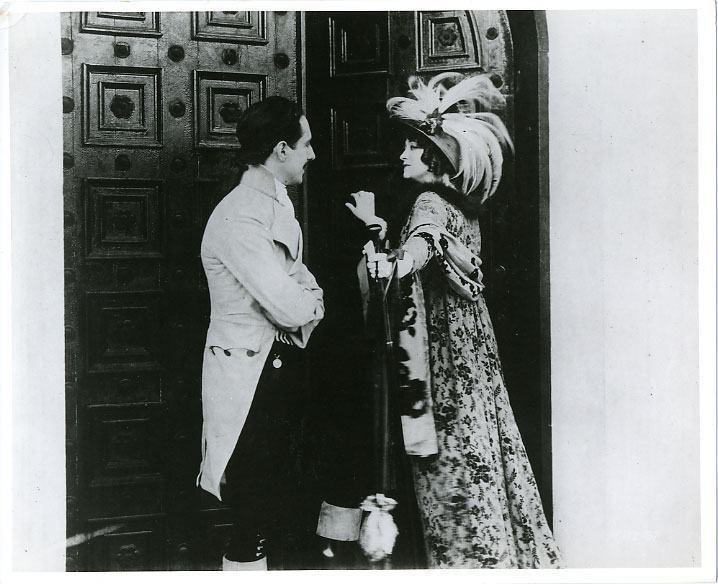
Dir: Edward José
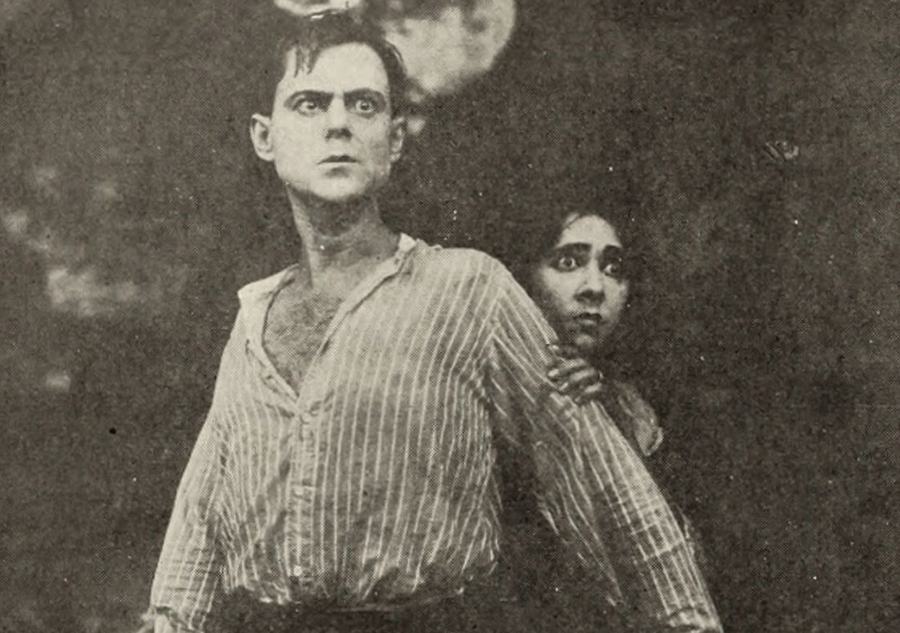
Floria Tosca, a famous Italian opera singer, suspects that her lover, Mario Cavaradossi, is unfaithful and secretly follows him to his villa on the outskirts of Rome. La Tosca is relieved to discover that Mario is harboring not another woman but Cesare Angelotti, a political prisoner. Her relief turns to despair, however, when Baron Scarpia, Rome's tyrannical chief of police, arrives and demands that Mario turn Cesare over to the authorities under penalty of torture. He refuses, but La Tosca, unable to endure Mario's screams, confesses. All three are arrested, and the baron threatens to have Mario shot unless La Tosca gives herself to him. She consents, but when Scarpia approaches her, she stabs him. Finding that Mario has been shot despite the baron's promise, she leaps from a high tower to her death.
View Details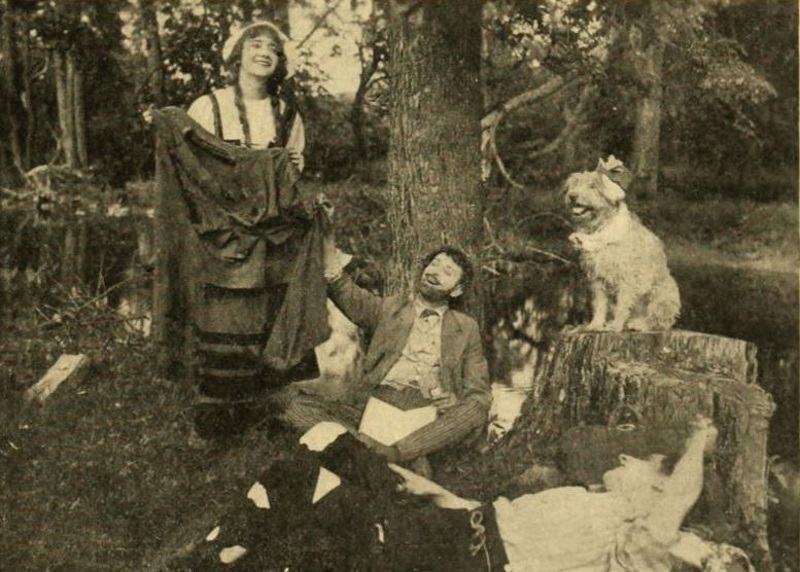
Dir: Edward José
Brilliant young architect Gaston De Nerac returns to London from France to marry his cousin Joanna Rushworth. To prevent Joanna's father from losing his business, Gaston borrows money from a rival suitor with the stipulation that he postpone the marriage and refrain from communication with Joanna for two years. After the suitor convinces Joanna that Gaston bartered her love for money, she marries the suitor. When Gaston learns of this, he begins a reckless, cynical life as a traveling musician known as Paragot. In the London slums, he makes the acquaintance of Asticot, a ragamuffin. They wander through France and Paragot adopts Blanquette, an itinerant singer, after her aged partner dies. Years later, when the happy threesome perform at a peasant wedding, Paragot encounters Joanna, who has learned the truth. After Joanna's husband is killed in the street, she and Paragot plan to marry, but because he is unable to adjust to societal conventions, Paragot marries Blanquette instead.
View Details
Dir: Edward José
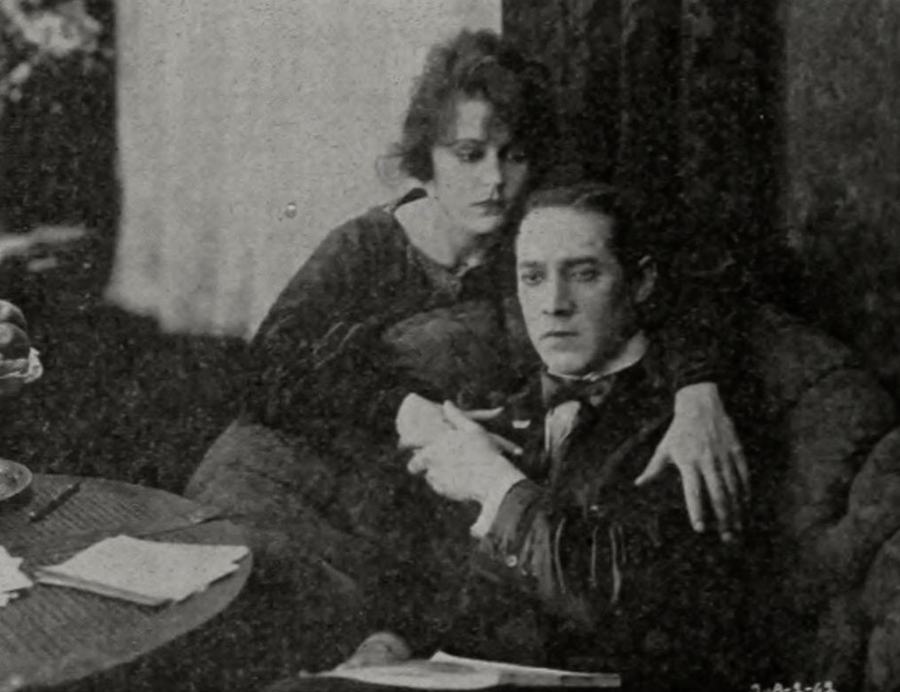
In sixteenth century Greece, Gismonda, the Duchess of Athens, entertains a stream of suitors, although she only loves her little son Francesco. Prince Zaccaria, who wishes to become the duke of Athens, kidnaps Francesco and throws him into a pit holding a huge lion. The duchess, terrified that her child is in danger, offers to marry the man who rescues her boy. The deed is accomplished by a humble huntsman, Almerio, but Gismonda soon breaks her promise, not wishing to marry a commoner. To persuade him to release her from her vow, the duchess visits Almerio one night but is seen by Zaccaria and his cohort Gregoras leaving the hut in the morning. Zaccaria determines to kill the huntsman, but Gismonda stabs him at Almerio's door. Having discovered who was responsible for Francesco's entrapment, Gismonda has Gregoras arrested. Finally realizing her great love for Almerio, she bestows on him the title of duke and marries him.
View Details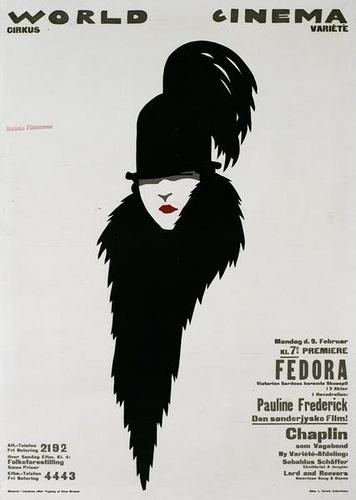
Dir: Edward José
Fedora, a beautiful and elegant woman of Russian society, travels to Paris in search of her fiance's murderer.
View Details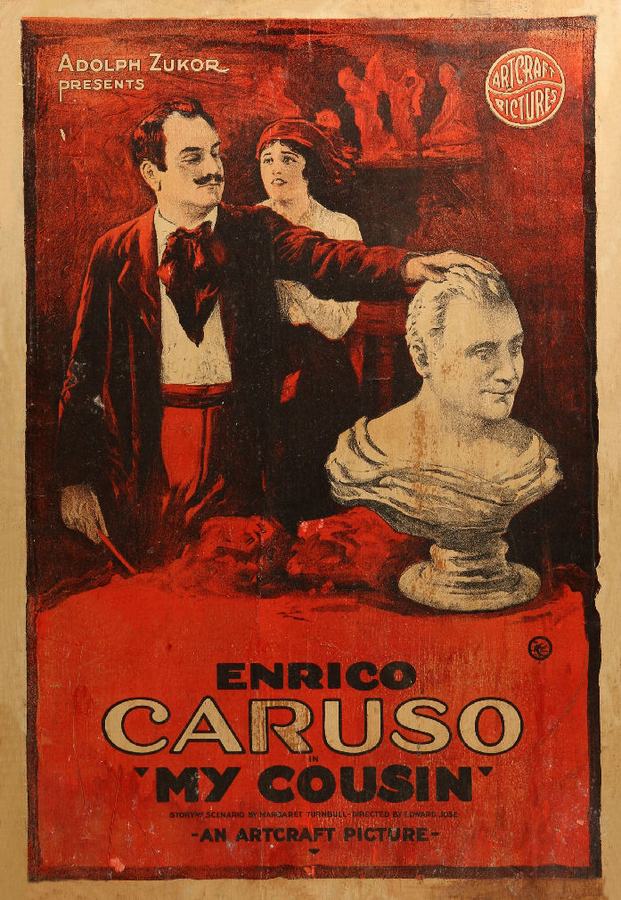
Dir: Edward José
Sincere but struggling sculptor Tommasso (Caruso--bushy moustache, gawky) works in an ornamental plaster shop, but his masterpiece on the side is a bust of his cousin Caroli (Caruso--no moustache, polished), who is the Metropolitan Opera's leading tenor. Tommasso hopes to marry his model Rosa, but her father, restaurant owner Pietro, wants her to find someone more settled and money-conscious, such as the greengrocer Lombardi down the street. Tommasso, he says, throws away his money, such as for a pair of tickets to take Rosa to the opera to see his famed cousin. After the opera, the cousins cross paths in the swanky Galeotto's restaurant, but when neither recognizes the other, Tommasso is generally mocked and Rosa believes him a liar and unworthy. Tommasso must recover his reputation and make a sale, preferably the Caroli bust to his cousin, in order to win Rosa back.
View DetailsAnalysis relative to The Prodigal Judge
| Film Title | Atmosphere | Complexity | Similarity |
|---|---|---|---|
| Simon, the Jester | Gritty | High | 92% Match |
| The Closing Net | Gritty | Abstract | 91% Match |
| Mayblossom | Surreal | Linear | 98% Match |
| Nedra | Ethereal | Linear | 86% Match |
| Woman and Wife | Ethereal | Linear | 86% Match |
This guide was algorithmically generated using the cinematic metadata of Edward José's archive. Last updated: 6/26/2026.
Back to The Prodigal Judge Details →