
DbcultAccessing Vault...
Recommendations
Senior Film Conservator
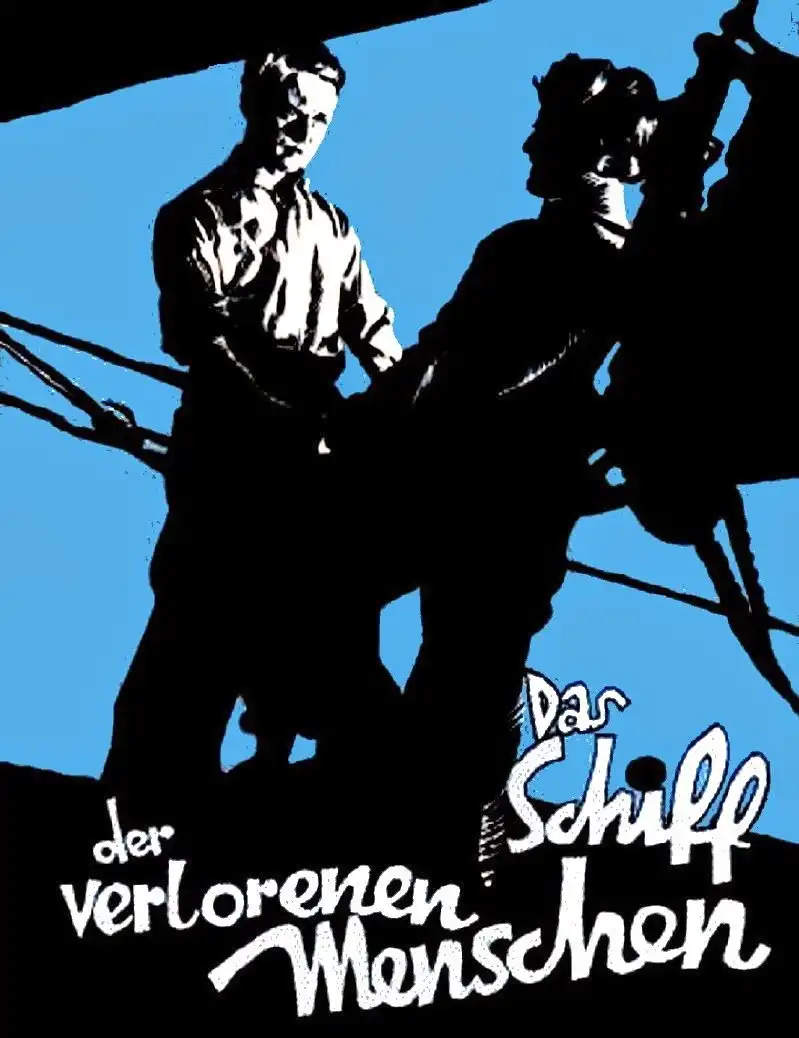
Delving into the atmospheric depths of The Ship of Lost Men reveals a master at work, the visual language established by Maurice Tourneur is something many try to emulate. From hidden underground hits to established classics, these are our top picks.
The enduring power of The Ship of Lost Men lies in to synthesize diverse influences into a singular artistic statement.
Vela, cynical captain of a slow, decrepit sailing ship, sells passage out of Germany to fugitives. His crew are no angels either. Cheyne, a young American doctor visiting the ship, is shanghaied on a 3-month voyage to Brazil when Vela abruptly embarks. In mid-ocean, Cheyne rescues the survivor of a watery plane crash, lovely American heiress Ethel Marley; he and the ship's cook keep her hidden from captain and crew. But a brutal incident leads to mutiny and murder, putting the two Americans in great danger...building to a cliffhanger climax.
Critics widely regard The Ship of Lost Men as a cult-favorite piece of Drama cinema. Its character-driven intensity is frequently cited as its strongest asset, solidifying its place in Germany's film legacy.
Based on the unique character-driven intensity of The Ship of Lost Men, our vault has identified these titles as the most compelling follow-up experiences for fans of Drama cinema:

Dir: Maurice Tourneur
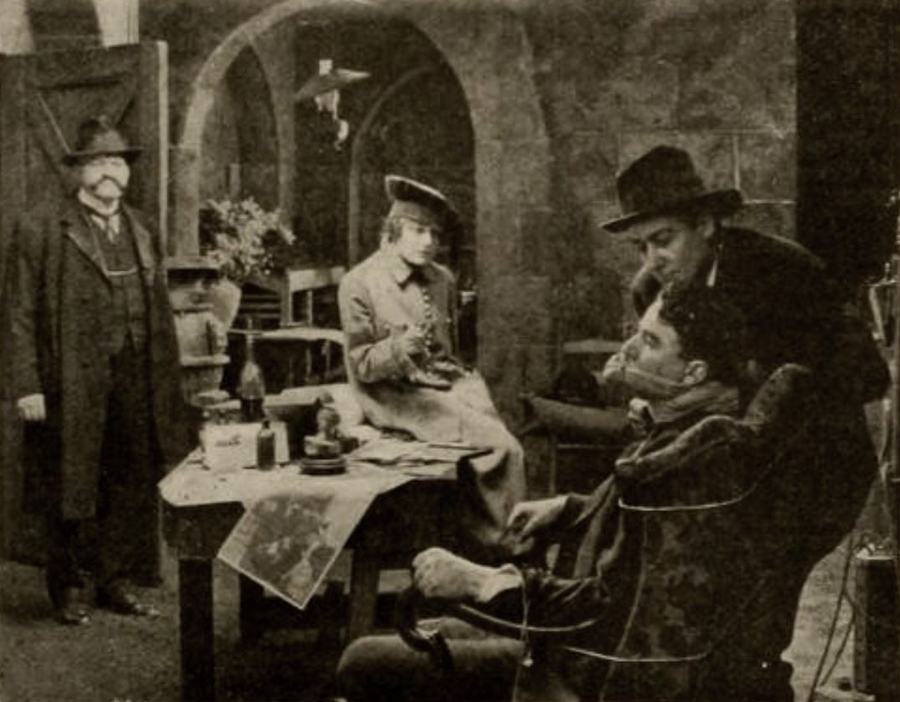
James Kestner is a government secret agent on the trail of a band of counterfeiters and particularly anxious to locate the head of the gang, Frank Lambert, who, in addition to his skill as a counterfeiter, is known to the underworld as the only man who can fill in the perforations of a used bank check. Kestner locates the band in their underground work shop near the river front. He cleverly maneuvers his way into the headquarters of the band when it is empty, but is caught in the act of searching for incriminating evidence by "Bull's Eye" Cherry, a clever girl crook, and one of the mainstays of Lambert's crowd. Lambert and his daughter, who has been educated in crime by her father, return to find Kestner held at the point of Cherry's revolver. Lambert is for killing the detective outright. Impressed by Kestner's brave demeanor, Maura intercedes in his behalf, but finding her father determined in his intention to kill the government agent, she pretends that the police are outside. The counterfeiters make their escape without settling accounts with Kestner. Kestner locates the criminals in their new quarters. One of his assistants trails "Bull's Eye," who has the new counterfeit plates in her possession, but she cleverly evades capture and returns the plates to Lambert's headquarters. Kestner forces his way into the gang's rooms, arriving just in time to witness a desperate battle between Lambert and Tony Morello, one of his accomplices, whose passion for Maura has led him to attempt to force his advances upon her. Lambert kills Morello with a knife, but before dying the man acquaints Maura with the fact that Lambert is not her real father, but that he stole her when a baby and reared her to this life of crime. Kestner places Lambert under arrest, but the crook evades capture a second time by a ruse. Kestner's assistant arrives with the police, but Kestner permits Maura to go free on account of her having saved his life on the occasion of their first meeting. Kestner is determined to capture Lambert single-handed. He trails him to a midnight rendezvous on a wharf, where he and Lambert fight it out to a finish. The revolver battle between the two men in the dark culminates in a hand-to-hand encounter in which Kestner ultimately proves victor, but has barely strength enough to handcuff himself to his unconscious opponent before collapsing. In the end Kestner induces Maura to return to the straight road, and she takes up her home with his mother. The story closes with the intimation that the romance so strangely begun will lead, as time passes, to a life of happiness for them, together.
View Details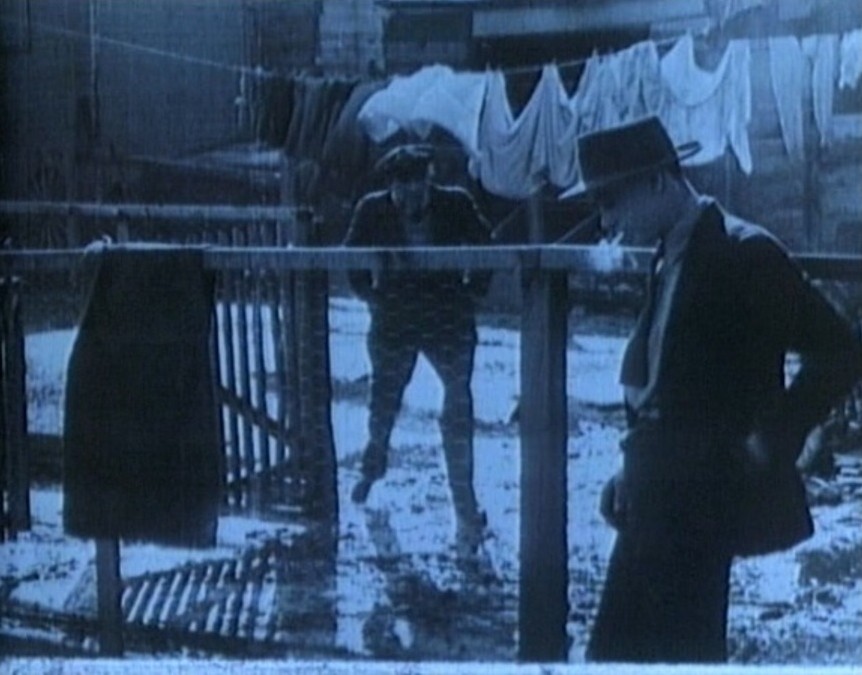
Dir: Maurice Tourneur
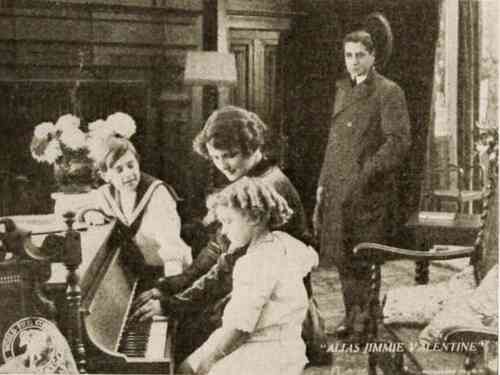
After robbing a bank, a criminal is wrongfully pardoned from prison.
View Details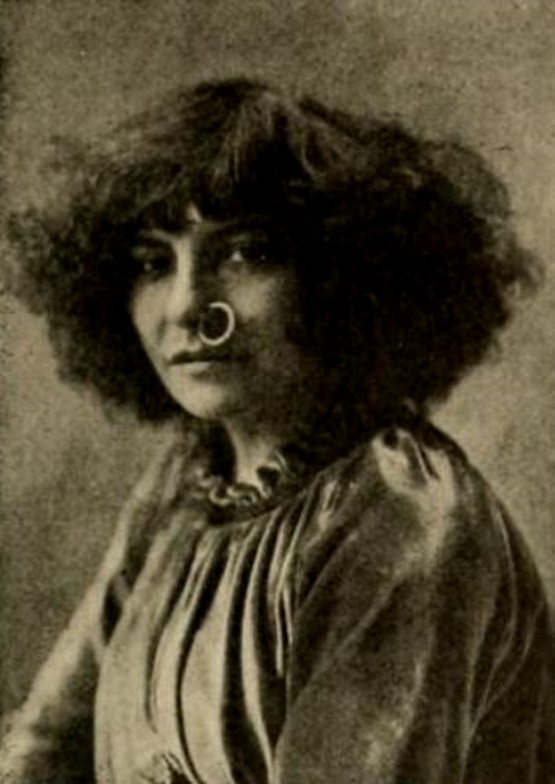
Dir: Maurice Tourneur
Mafflu, the old clown, out walking is greatly surprised to see a baby girl, fast asleep, holding in her hand a chunk of bread, at which a large number of sparrows are pecking. Mafflu decides to take the child away with him and care for it. He does this, but upon arriving at the circus where he is employed, the owner and the rest of the company have but a cold greeting for the little newcomer. However, Mafflu clings to the child. The Sparrow, as she is called, grows up and becomes the drudge of the circus. One evening, though worn out by fatigue and hunger, she must still prepare for the evening show. Scarcely has she mounted her horse and made a few rounds of the arena, when she falls and lies unconscious in the center of the arena. Romarin is in a rage and strikes the girl. Mafflu is disgusted and sends an official to the mayor. M. de Ganges, who that night happened to be a spectator. M. de Ganges takes the Sparrow with him to his home and she bids farewell to the only two beings she has ever loved, her adopted father and a poodle. Next morning, on awaking, she can hardly believe that all the beautiful things about her are a reality. The dream is indeed but a fleeting one. The Sparrow is received with jeers and mockery when she puts in an appearance in the servants' dining-room for her meals. A few days later a horse runs away in the park and the Sparrow cleverly manages to master it. This makes the groom, Charley, madly jealous. Charley abuses the Sparrow and a free fight ensues. M. de Ganges intervenes, and, disgusted with the groom's impudence, discharges him. The Sparrow is now received into the intimacy of the Mayor's family. She has fine clothes and jewels. A friend of the family, the banker Schlemmer, spends a few days at the mansion and is strangely attracted to the Sparrow. The attraction is not reciprocated, for, by degrees, the Sparrow falls in love with M. de Ganges. Alas, one day, she surprises him in a close embrace with his cousin. She is jealous. Schlemmer still persecutes the Sparrow to the extent of doing her violence. She decides to leave the house. In a few lines she thanks her benefactors for their goodness and announces her departure without, however, revealing its real cause. The Sparrow signs a very profitable contract with a new circus and she forgets, to a certain extent, her former disappointments. However, her troubles are not over yet. Charley, engaged as groom at the circus, finds occasion to exercise his hatred. After a first performance, the Sparrow goes to her dressing-room to change her costume for a second appearance. When, on hearing a noise, she turns around, and is horrified to see Schlemmer, introduced there by the groom, and who endeavors to abuse the girl, who defends herself energetically. Fortunately for her, Mafflu and the stage manager, wondering why she does not appear, enter her room and put an end to the trouble. Although not quite recovered from the shock, the Sparrow, nevertheless, takes her place on the central platform, where she is to perform her aerial act. M. de Ganges and his young wife are also spectators. In seeing the one she loves and who is forever lost to her, the Sparrow is painfully affected and, without ceasing to look at him, she makes a sudden leap, misses the rope along which she was to glide to earth, and crashes to the ground. Mafflu, in tears, picks up the girl, whose back is broken, and carries her away. M. de Ganges, deeply moved, comes to her and the Sparrow has, at least, the consolation of beholding before her death the dear face of the loved one.
View Details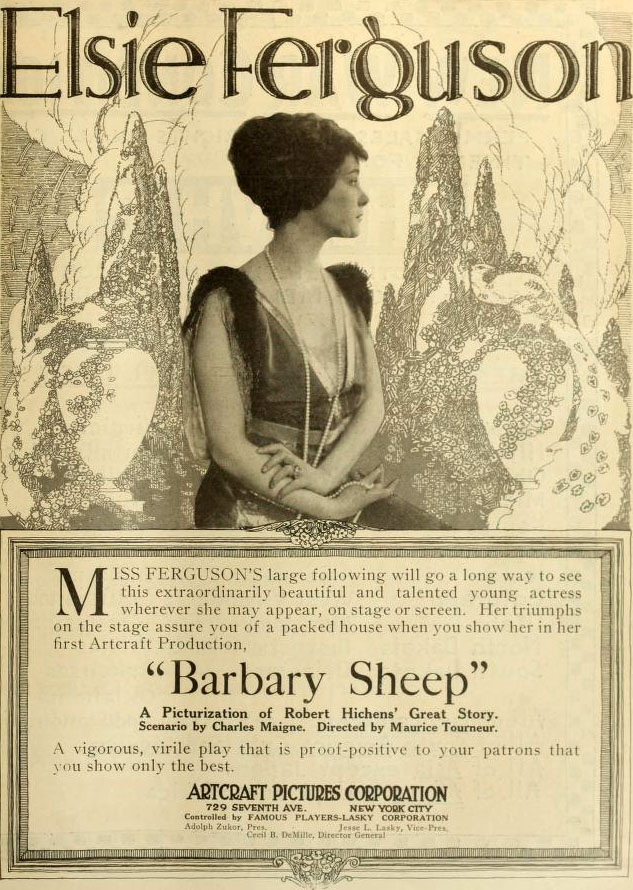
Dir: Maurice Tourneur
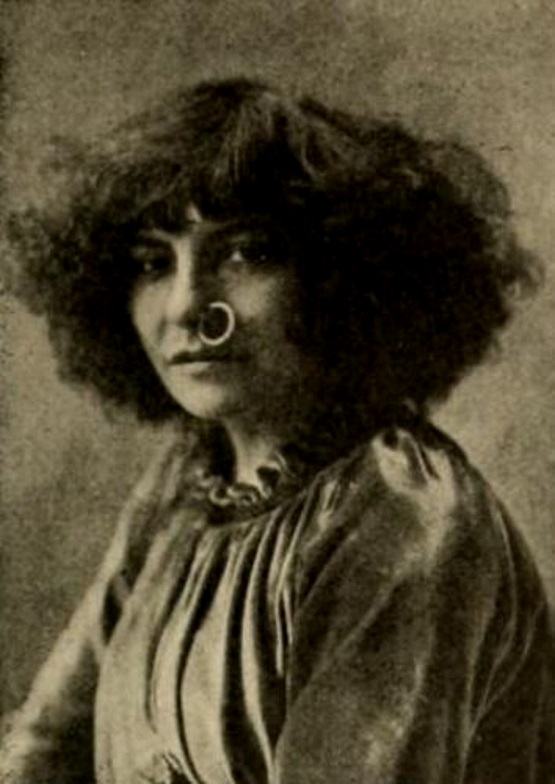
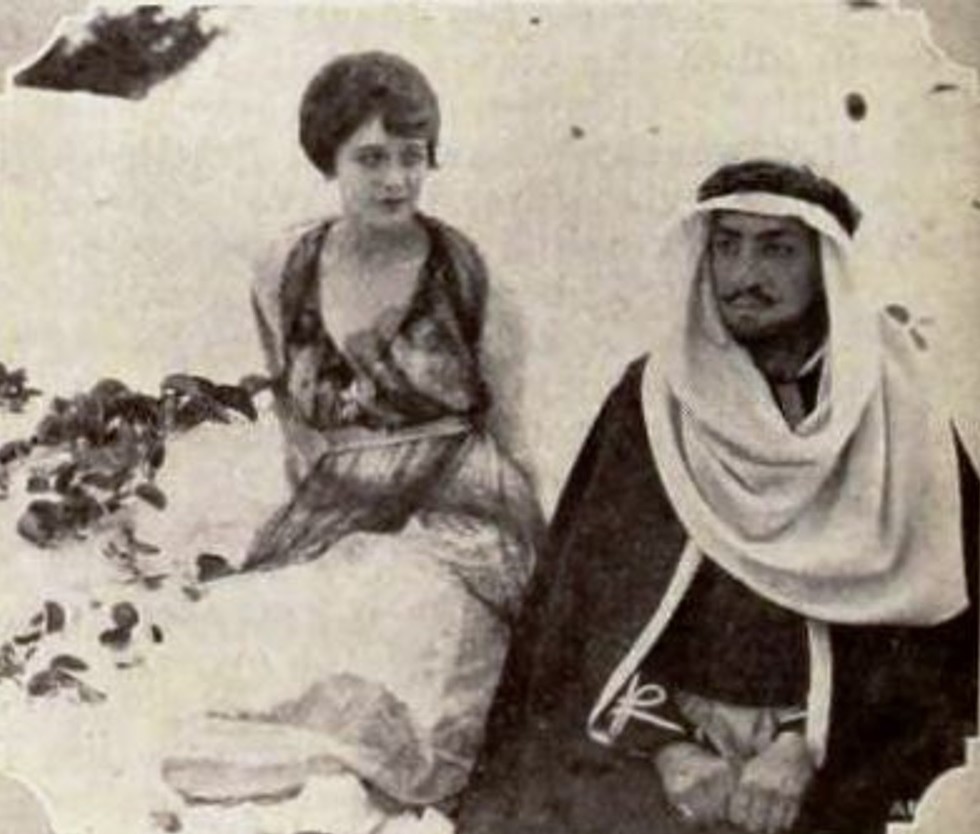
Arriving with her husband in Arabia, Katherine Wyvrne is ready for romantic times in the exotic Middle East, but her aristocratic husband prefers to be out hunting "Barbara sheep" than fulfilling his wife's desires. She soon meets up with the dashing Arab chief Benchaalai and falls for his charms, but he has a much more sinister goal in mind for her than romance.
View Details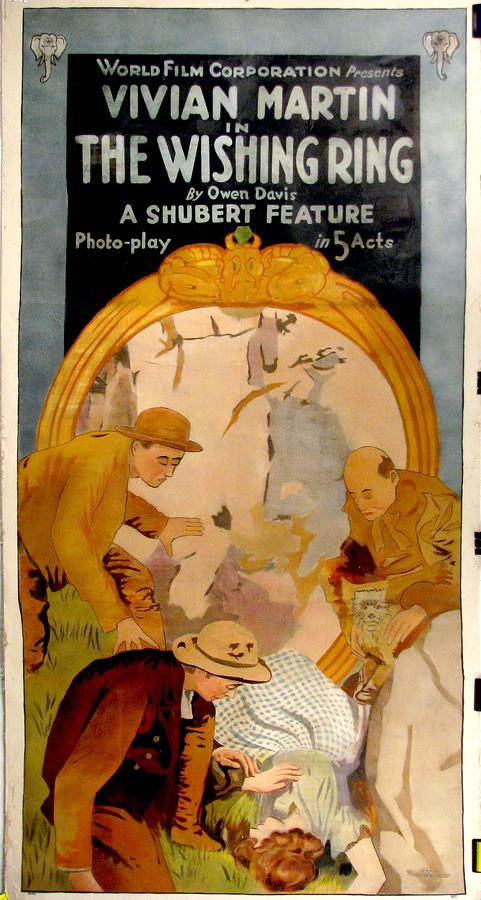
Dir: Maurice Tourneur
After being expelled from college, Giles runs away from home and meets and falls for a young lady.
View Details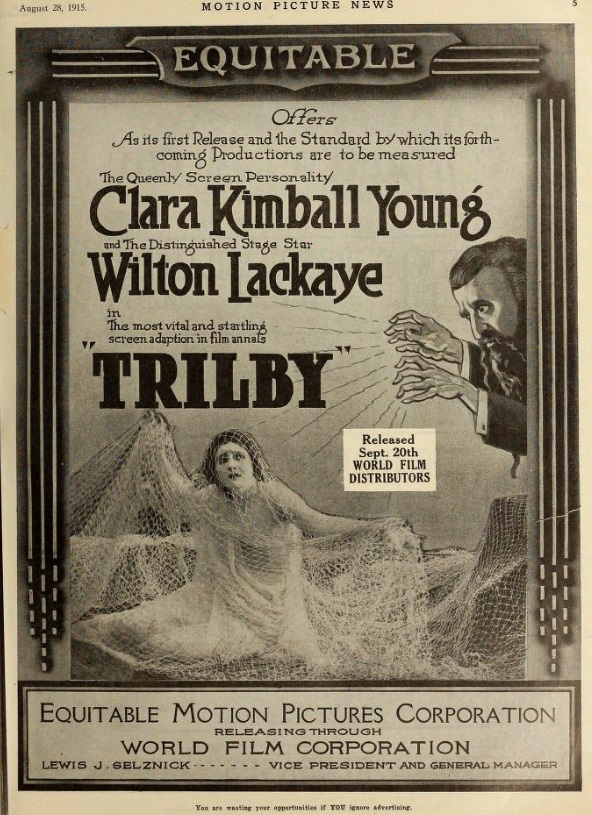
Dir: Maurice Tourneur
A hypnotic Svengali controls the singing voice of a young starlet, but he cannot control her heart.
View Details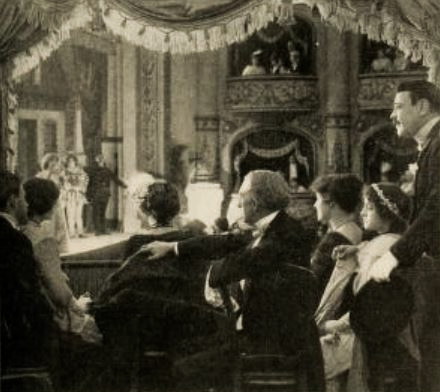
Dir: Maurice Tourneur
Novice businessman Curtis Jadwin ( Wilton Lackaye ) is introduced to the world of grain speculation by veteran broker Charles Cressler ( Alec B. Francis ). At a performance of Faust , Curtis meets and falls in love with Laura Dearborn ( Gail Kane ), the sweetheart of artist Sheldon Corthell ( Milton Sills ). Curtis pursues Laura and finally convinces her to marry him, but soon after their wedding, he neglects her for his business. In her loneliness, Laura renews her relationship with Sheldon and the lovers plan to elope. When Curtis is ruined on the market, however, Laura rejects her lover and comforts her husband.
View Details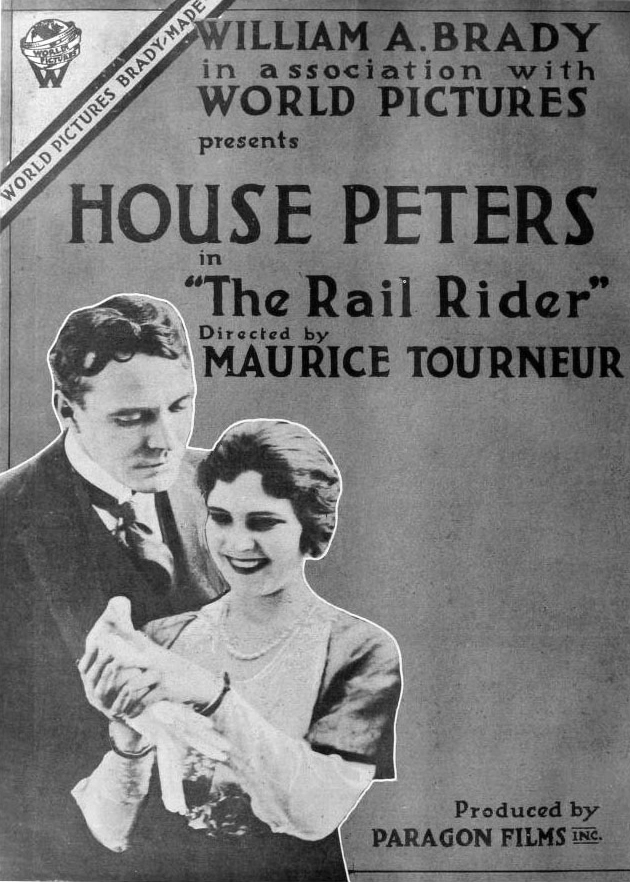
Dir: Maurice Tourneur
For 10 years the men of the D. and O., a short line, have been at the mercy of "B," supposedly Barker, president of the railroad. The line itself is run from the executive offices in New York, far distant, and none of the men have ever laid eyes of "B," yet the smallest transgression, accidental or otherwise, of the railroad's rigid and economical discipline results in a telegraphed order from "B," decreeing the fine, suspension or other punishment for the offender. Latterly, it has amounted to almost persecution and the men are on the verge of a strike. The climax comes when 48, the passenger train driven by Jim Lewis, goes off the rails on a soft spot and ties up the whole system for a day. When 48 finally limps into Wellsdale, the eastern terminus, "B's" decision is waiting for Lewis, two weeks' pay as a fine and six months' probation on a yard engine. The punishment starts a riot. The men agree to send Lewis to see Barker. Lewis calls on Barker. Barker receives Lewis, and instead of the hulky, brutal man he expected to find, Barker is an elderly, kind old gentleman, with a charming family. Mildred, his daughter, impresses Lewis. At last, Lewis, much bewildered, accepts an invitation to dinner with the family. In the morning Lewis learns that "B" is Brown, the manager. With a card from Barker he seeks an interview, but learns the manager has decamped, taking all the negotiable funds of the road. Lewis, thinking of the girl he met the night before, asks for and gets the job of running down "B." After considerable detective work he locates a man he has reason to believe is his quarry. With the aid of a bellboy, he gets a tip on the departure of the suspect and as the fleeing man enters a machine Lewis grabs him. There is a fight, which ends in Lewis's victory. Jim Lewis returns in triumph to New York with the stolen goods licked in a brand-new bag, and reaches Barker's house in the early evening, just as a group of D. and O. magnates are deciding that the road is gone and done for. Jim is the sort of stuff the road needs in its executive offices, and barker states that he is to come in to New York to be trained. Jim parts with Mildred on his way out, but to their mutual satisfaction it is only "au revoir." The future is rosy for Jim Lewis, and the boys of the road have gained more than they hoped when they sent him to see "B."
View Details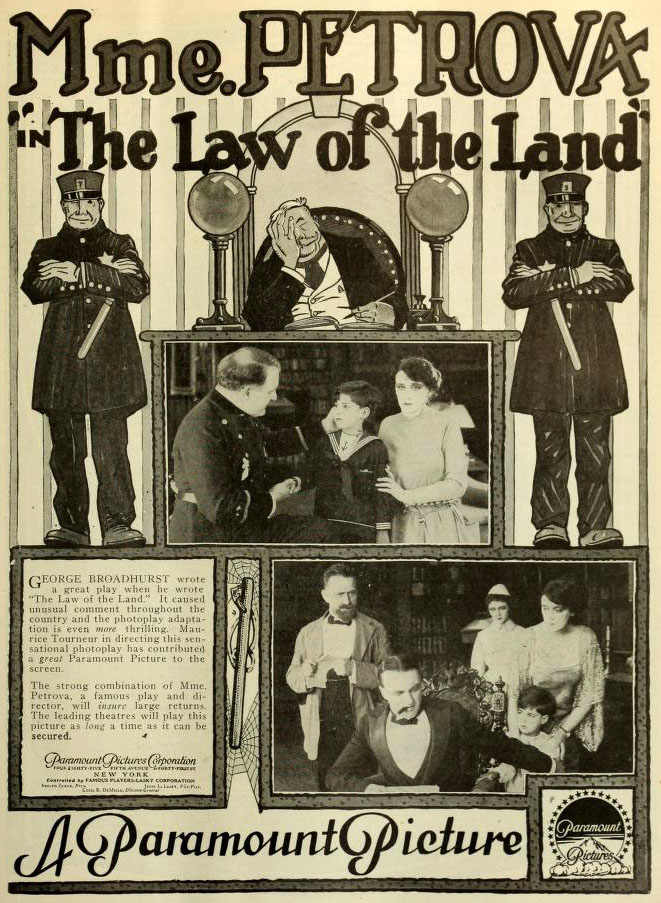
Dir: Maurice Tourneur
In order to save her mother from disgrace, Margaret marries Richard Harding even though she really loves Geoffrey Morton. Five years later, the Hardings have a little son, and Margaret's life has been made almost unbearable by her husband; she lives for nothing but her son. Morton, returning after an absence of two years, learns that Harding has made some false accusations against him and goes to his home to demand a retraction. While there, he witnesses an exhibition of Harding's cruelty as he whips his little son. After Morton leaves, Harding threatens to beat the boy again, and Margaret tells him that she will shoot him if he does. Harding defies Margaret's plea, and she carries out her threat. Together, Harding's secretary and Margaret place the revolver so that it will appear to be a suicide, but the police are not deceived. After a desperate defense by her lawyers, however, the death is ruled accidental and Margaret is free to begin life anew.
View Details
Dir: Maurice Tourneur
Editor of the Louisville Gazette sends happy-go-lucky cub reporter Steve Oldham to cover a feud in the hills that began when Jim Renlow's pig was caught eating Bill White's turnips. Although Steve tries to remain impartial, he falls in love with schoolteacher Alice Renlow. At a "Truce Dance" given to raise money for Alice's salary, Steve drinks too much and innocently kisses Peggy White, who then tells her relatives that they are engaged. Later, when Steve is seen kissing Alice's hand, the Whites take Steve captive and plan to shoot him at sunrise. Alice pleads with Tilden White, who loves her, to allow Steve to escape, but he agrees only if Steve will leave alone. When Steve refuses, Alice confesses her love. They fight until the house which they are occupying is destroyed and the cavalry, notified by Steve's newspaper, arrives. The two sides are now reconciled as Steve and Alice prepare to marry.
View DetailsAnalysis relative to The Ship of Lost Men
| Film Title | Atmosphere | Complexity | Similarity |
|---|---|---|---|
| The Hand of Peril | Surreal | Layered | 94% Match |
| Alias Jimmy Valentine | Gritty | Layered | 92% Match |
| The Sparrow | Gothic | Linear | 94% Match |
| Barbary Sheep | Tense | Abstract | 91% Match |
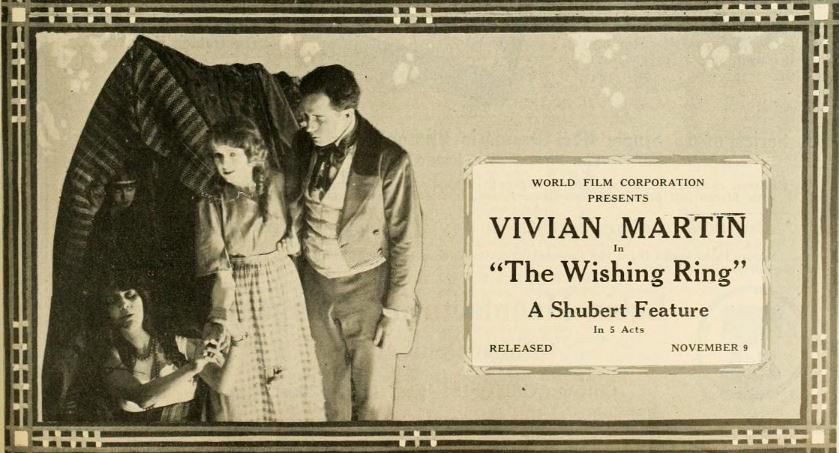
| The Wishing Ring: An Idyll of Old England | Ethereal | Abstract | 97% Match |
This guide was algorithmically generated using the cinematic metadata of Maurice Tourneur's archive. Last updated: 6/20/2026.
Back to The Ship of Lost Men Details →