
DbcultAccessing Vault...
Recommendations
Senior Film Conservator
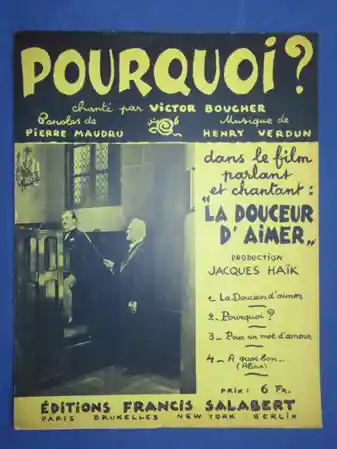
Looking back at the 1930 milestone that is The Sweetness of Loving, the specific artistic bravery of this work is a gateway to a broader Comedy world. Our archive is rich with titles that mirror the artistic bravery of René Hervil.
As René Hervil's most celebrated work, it defines to create a dialogue between the viewer and the artistic bravery.
A young provincial engineer sends romantic stories he has written to a cousin in Paris, who claims them as his own work.The writer comes to the city and for a while gets even with his relative by having a fling with the man's wife.
The Sweetness of Loving was a significant production in France, showcasing the immense talent of Arletty, Jean Diéner, Ray De Verly. It continues to be a top recommendation for anyone studying Comedy history.
Based on the unique artistic bravery of The Sweetness of Loving, our vault has identified these titles as the most compelling follow-up experiences for fans of Comedy cinema:
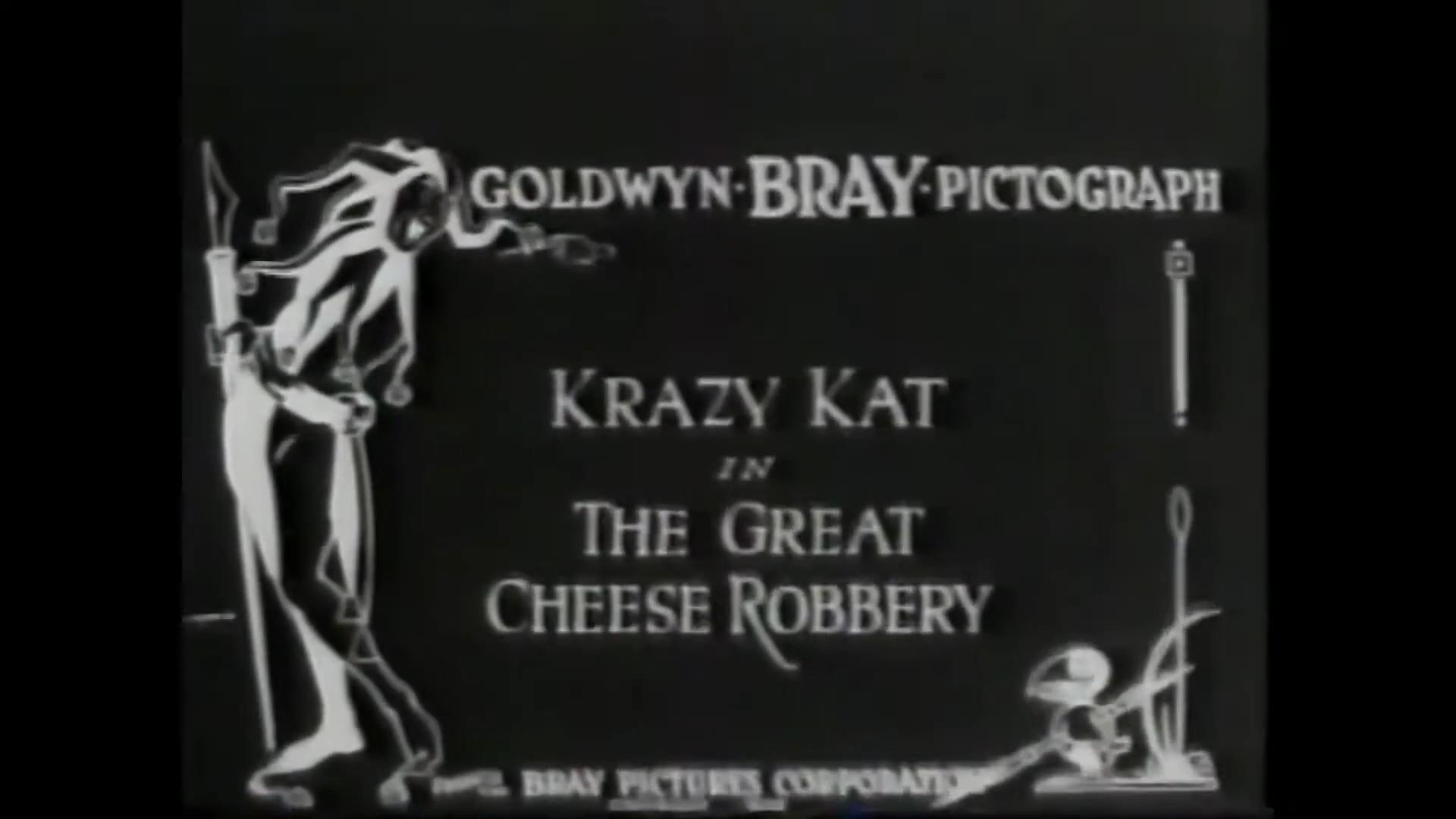
Dir: Vernon Stallings
Krazy Kat is held in jail and Ignatz finally bails him out after encountering "guilt".
View Details
Dir: Malcolm St. Clair
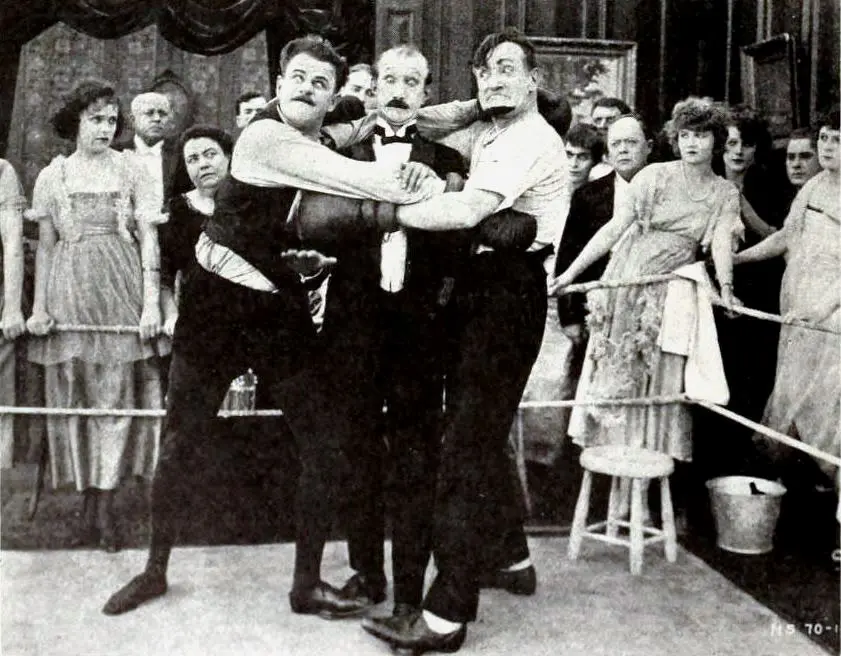
A dancing instructor gets involved with a newly rich family.
View Details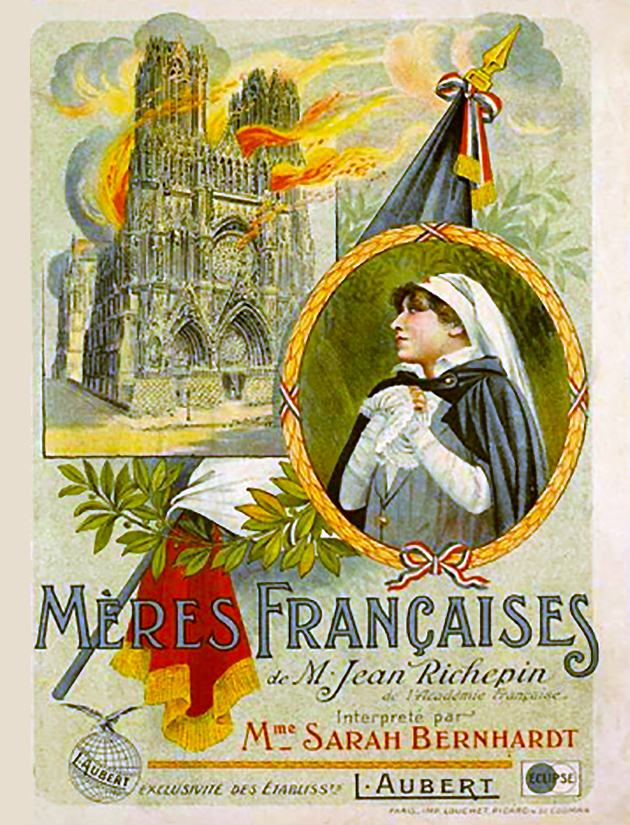
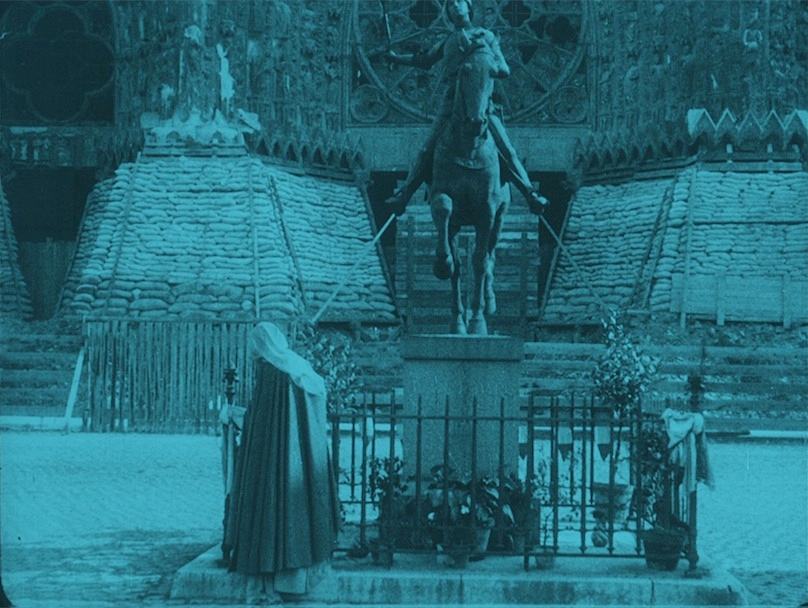
Dir: René Hervil
A mother loses first her son and then her husband in the trenches of France during the First World War. She devotes herself to the French cause and to helping those wounded in the war.
View Details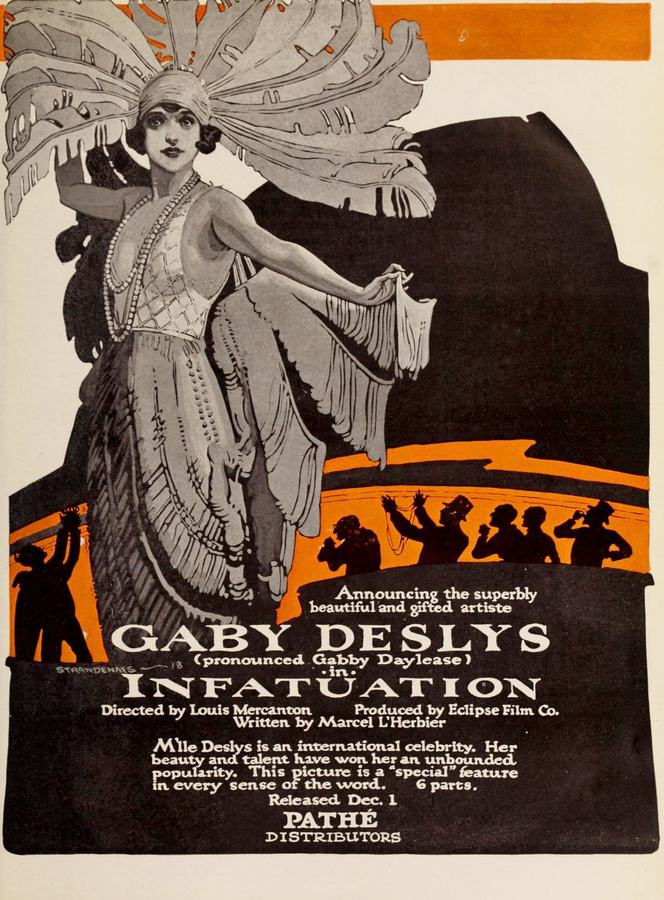
Dir: René Hervil
Flora Nys, a poor flower girl of Paris faces hard times. Her rent overdue, Le Baron, the landlord, oppresses her and puts before her a shady proposition. Indignantly she orders him out of her room. When she takes up her flowers, preparatory to going forth to sell them, she discovers that Le Baron has trampled on them. Tempted by her poverty she steals a fur in a department store. Le Baron sees her and follows her into the street where the girl, conscience-stricken, throws it away. Le Baron picks it up and follows her to the home of Paul Bernard, an actor, who every year gives a Christmas party to certain poor children of Paris. Bernard redeems the fur and, attracted by Flora's loveliness, asks her to become his wife. In time, Flora becomes an expert dancer and leading woman at Bernard's theatre. Gray Stanton, a wealthy rounder, attracts Flora. He endeavors to entice her away from her husband in which task he is assisted by Le Baron, who harbors revenge. On the night of the opening of a new production, Flora deserts the theatre, influenced by a trumped up story regarding Stanton's injury. She discovers the lie and returns to Paris to discover that her husband is suffering from an attack of brain fever occasioned by her flight. She devotes her time in efforts to bring back his memory and finally when another Christmas rolls around she dons her old clothes and sits before the open fire place as she did when Bernard first met her. This has the desired effect. Bernard's memory is restored and he readily forgives the past when he learns the unhappy story of Stanton from his wife's own lips. Motion Picture News, December 14, 1918
View Details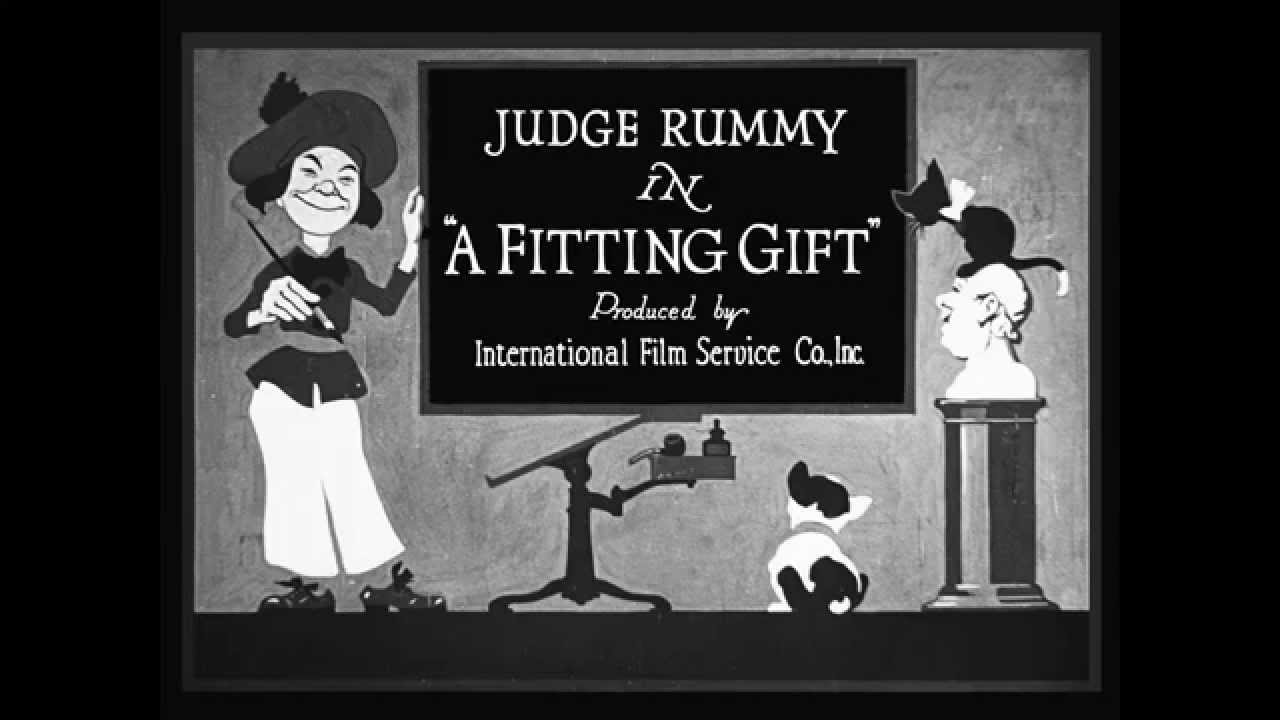
Dir: Unknown Director
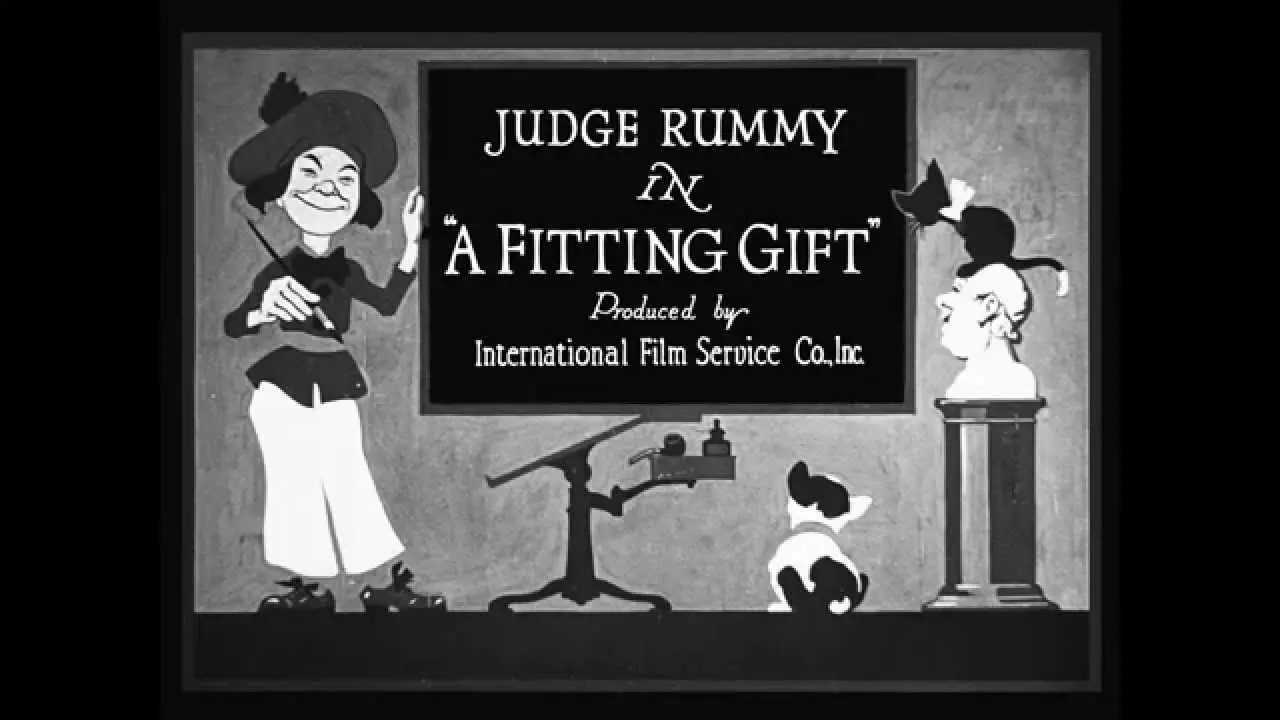
The Judge needs a present for his wife's birthday, so Harry suggests a new corset. They go to the shop, but he's so embarrassed to ask the saleslady he hides in a phone booth.Harry goes in, but finds a GUY wearing one, and runs out.They both dress as women to get back in, but Mrs. Rummy gets there and chases him out.
View Details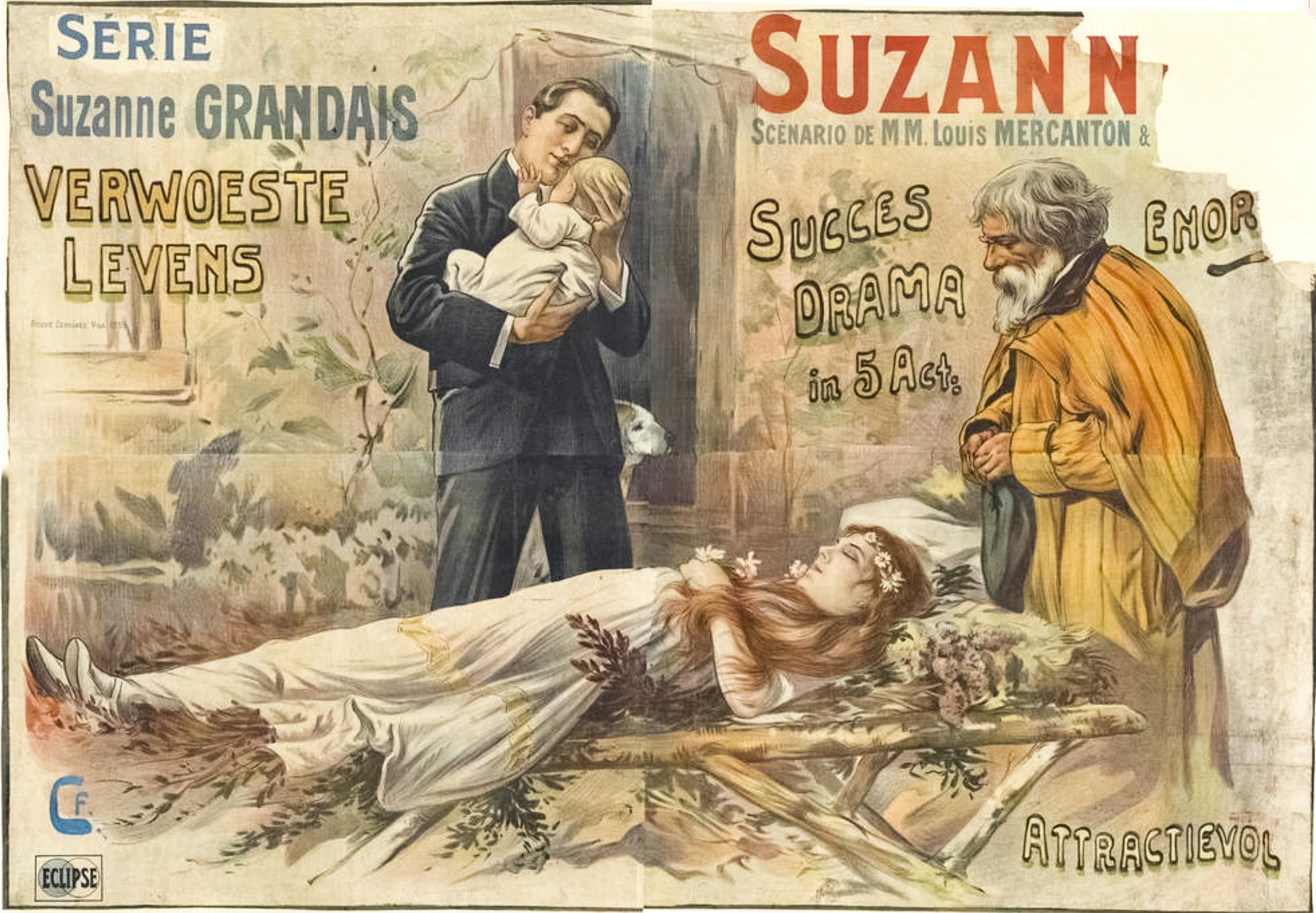
Dir: René Hervil
Suzanne Daubray, whose brother went off to war, is courted by the Prince of Sylvania who is engaged to Princess Sonia.
View Details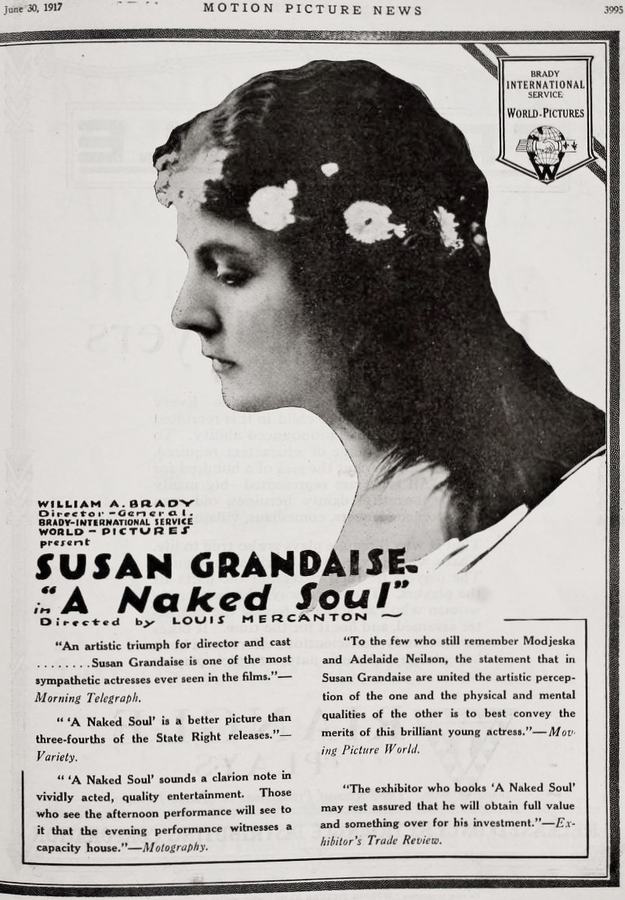
Dir: René Hervil
Susan Daubray's father, a judge, insists upon her reading law. Her brother, Robert, is her only real companion. She has a kind friend in Daddy Dorand, a goatherd on a neighboring island. Prince Michael of Sylvana is visiting the Duke of Valdimere, whose castle is near Susan's home. Susan meets the Prince and they become close friends. The Prince is called to Paris to meet Princess Sonia. He writes to Susan, but his letter is intercepted by the Duke, who disapproves of the acquaintance. Susan, unable to bear the sorrow of the loss of her friend, goes to the Duke's castle to learn the reason why the Prince does not write. While in the castle she faints and a ring which the Prince had given her is taken from her finger by the Duke and returned to its original owner, the Prince. The Prince thinks that Susan has forgotten him and he consents to marry the Princess. A baby is born to Susan and she is told by her father to leave his house. She goes with the goatherd to live. Her brother, who has gone to America, returns and, learning of the Prince's deceit, seeks him out an in a fight and he, the brother, is thrown over a balcony and killed. The Prince then learns of the intercepted letter and finds Susan and they are reconciled. Susan, after the reconciliation, is content to die in her happiness and drowns herself.
View Details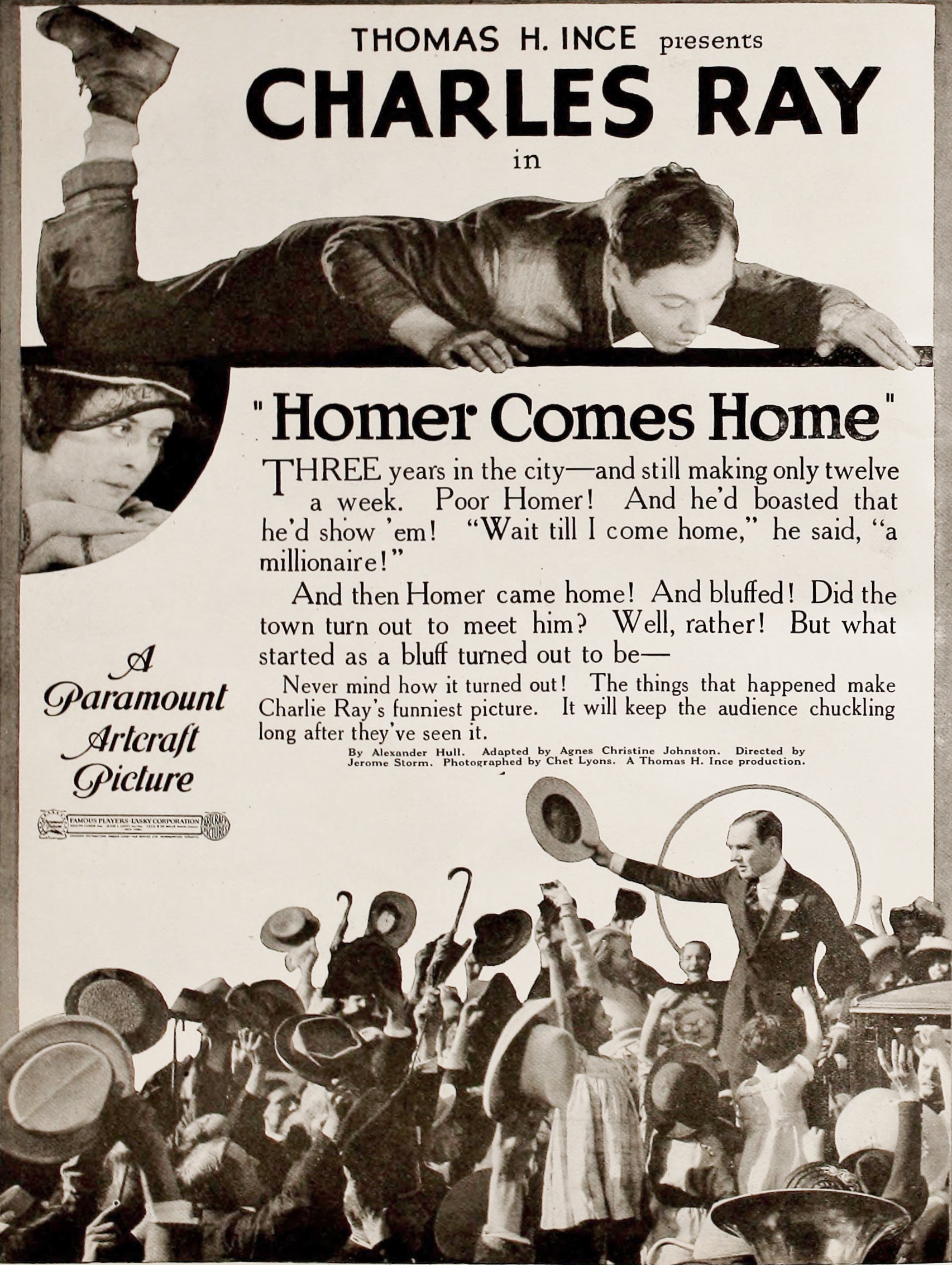
Dir: Jerome Storm
Ne'er-do-well Homer Cavender ventures to the city from Mainsville in an effort to find fame and fortune. Both elude him, and after clerking for two years, Homer returns home for a vacation. Impressed by his flashy clothes, the townspeople assume that Homer has achieved success. Attempting to win Rachel Prouty from his rival, Arthur Machim, Homer continues the deception by announcing that his employer, Kort and Bailly, has dispatched him to enroll stockholders for a proposed new plant to be built in Mainsville. Machim discovers the sham and denounces Homer as a crook. Meanwhile, Homer returns to New York, convinces his employers of the merits of his plan and comes home triumphant, with a proposal for both the new plant and for Rachel's hand in marriage.
View Details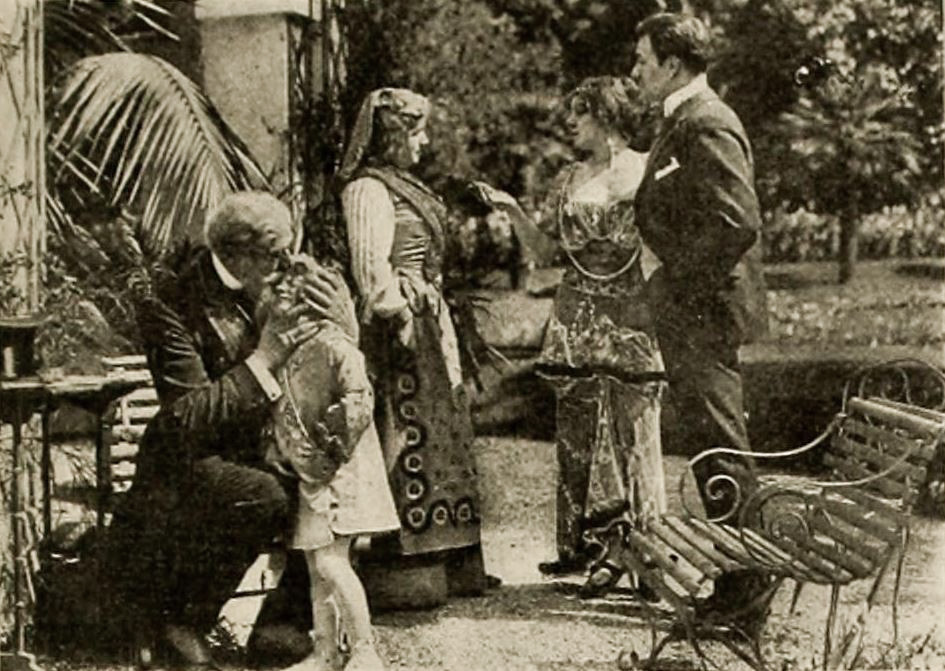
Dir: René Hervil
Fabio Romani is the husband of beautiful Nina, an Italian girl. They have a charming daughter, Stella by name, and their life in Naples on Romani's great estates is one of love and happiness. Both husband and wife are fond of Guido Ferrari, who is a constant visitor at their home, and whose friendship for Fabio has been lifelong. A great cholera plague ravages the populace of Naples and Fabio one day decides to go to town in spite of the danger, on an errand of importance. On his return he is seized with the cholera, and drops to the street. He is picked up by the hooded doctors, pronounced dead, and, as a precaution against infection, his body is immediately placed on a cheap wooden casket and buried in the long disused Romani family vault. After some hours of apparent death his body stirs. He breathes, feels, moves and his casket slips from the niche and falls to the floor of the vault, taking with it a coffin that had lain undisturbed for many centuries on a lower tier. Romani struggles to his feet and the truth dawns on him. He immediately plunges into the casket now broken open and finds tremendous riches in gold, silver and diamonds with a note stating that they had been placed there by a pirate many generations ago. Almost overcome by his adventure, and suffering an agony of mental torture, Fabio's hair turns white in a single hour. He finally breaks free of the tomb and rushes through the garden to his mansion. From behind an ornamental column he sees his old friend Guido embracing his wife and determines upon a horrible revenge. He hurries to the nearest town, buys a pair of green spectacles and a suit of clothes. Armed with almost inexhaustible riches of the treasure chest, he assumes the name of Count Oliva and after a lapse of time, returns to the scene of his misfortunes. He succeeds in obtaining an introduction to Guido and in course of time the two become fast friends. He professes himself to be an old friend of the dead Count Romani's father. In course of time he meets his faithless wife and soon becomes an almost daily visitor at his own home. At this time his child Stella is taken sick and dies. Before the little girl passes away, Fabio makes himself known to her. The wealth of Fabio dazzles Nina and, being faithless, selfish and mercenary, he has but little difficulty in laying the foundation of his vengeance. Guido leaves town for a period and during the interval, Fabio receives the consent of Nina to become his wife and to jilt Guido. Fabio then announces a grand dinner in honor of Guido's return and, at the psychological moment, announces to the assembled guests the engagement of himself and Nina. Guido, stung to the quick, strikes Fabio and a duel follows, in which Guido is mortally wounded. Before he expires, Fabio removes his green glasses and reveals his identity to the dying Guido. The night of the wedding arrives with its hundreds of guests. On that night just before the supper, Fabio takes Nina by the hand and leads her to the vault, telling her that he will show her the source of his fabulous wealth and the ever mercenary Nina follows to the door of the vault where she hesitates. Fabio seizes her and throws her through the open door and then follows himself. Safely in the vault, he discloses his identity and the shock drives Nina insane. The sight of the once beautiful woman now a crazed being with distorted face, playing among the jewels in the treasure chest, almost causes Fabio's cold heart to relent. Suddenly the earth moves beneath them. There is a rush and roar of crashing pillars, a mighty stone hurtles through the roof of the tomb, striking Nina and killing her instantly. Fabio, believing it the vengeance of the Gods, rushes from the mined vault in panic. Thus is the Vendetta accomplished.
View Details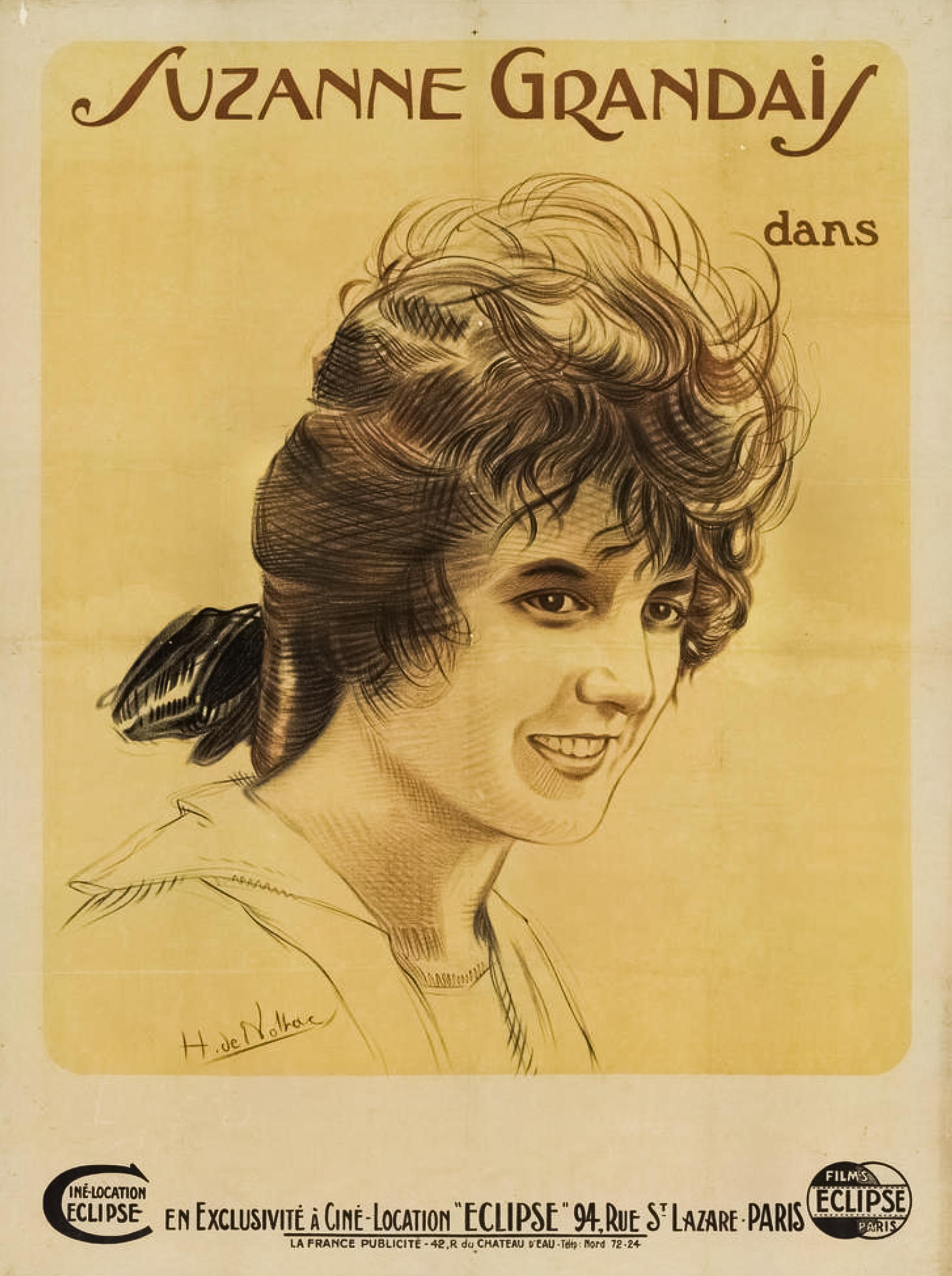
Analysis relative to The Sweetness of Loving
| Film Title | Atmosphere | Complexity | Similarity |
|---|---|---|---|
| The Great Cheese Robbery | Surreal | Linear | 87% Match |
| Don't Weaken! | Tense | Dense | 89% Match |
| Mothers of France | Surreal | Linear | 98% Match |
| Infatuation | Gothic | Abstract | 90% Match |
| A Fitting Gift | Surreal | Layered | 96% Match |
This guide was algorithmically generated using the cinematic metadata of René Hervil's archive. Last updated: 8/16/2026.
Back to The Sweetness of Loving Details →