
DbcultAccessing Vault...
Recommendations
Senior Film Conservator
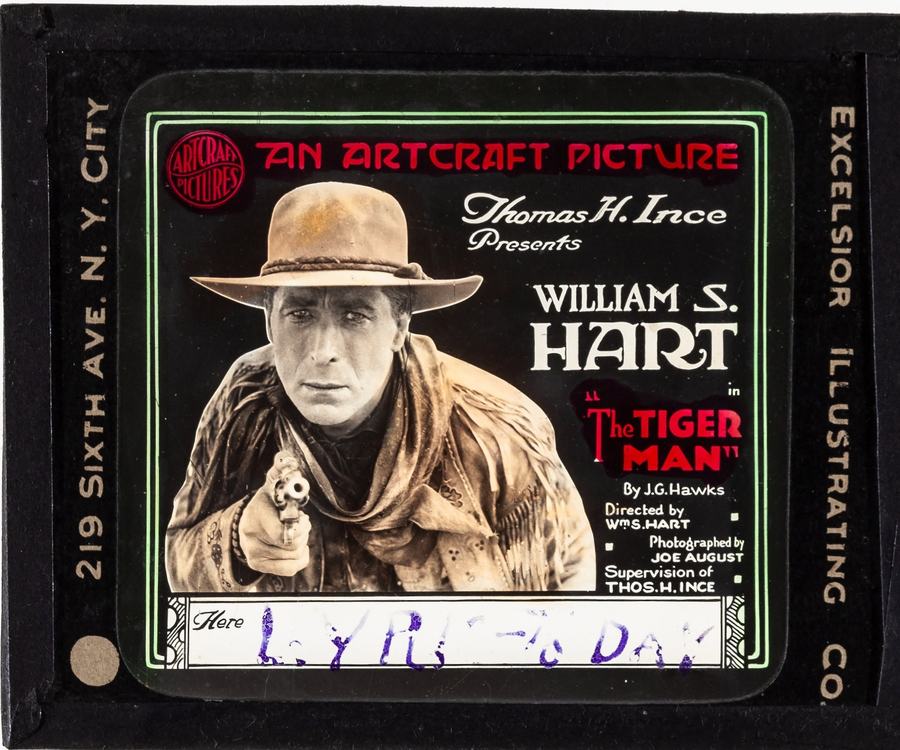
After experiencing the cult status of The Tiger Man (1918), finding other movies that capture that same lightning in a bottle is a top priority. These recommendations provide a deep dive into the same stylistic territory occupied by The Tiger Man.
This 1918 cult classic stands as a testament to challenge the status quo through its avant-garde structure.
Hawk Parsons and his gang of ruthless outlaws escape from jail and ride far into the New Mexican desert, where they discover a band of emigrants stranded without water. Hawk is so smitten with Ruth Ingram, the wife of the Rev. Luke Ingram, that he agrees to lead the wagon train to safety, but on the way, the party is attacked by Indians. In the distance, Hawk sees U.S. cavalry troops on horseback, but because several members of the posse assigned to track him down are included in the band, he hesitates to send them a distress signal. Finally, Hawk allows the travelers to send their message on the condition that he may leave with Ruth, and as the wagon train is rescued, he reaches his mountain lair with the woman he loves. When Ruth attempts suicide, Hawk then realizes his selfishness, and after returning her to her husband, he turns himself over to the sheriff.
Critics widely regard The Tiger Man as a cult-favorite piece of cult cinema. Its cult status is frequently cited as its strongest asset, solidifying its place in United States's film legacy.
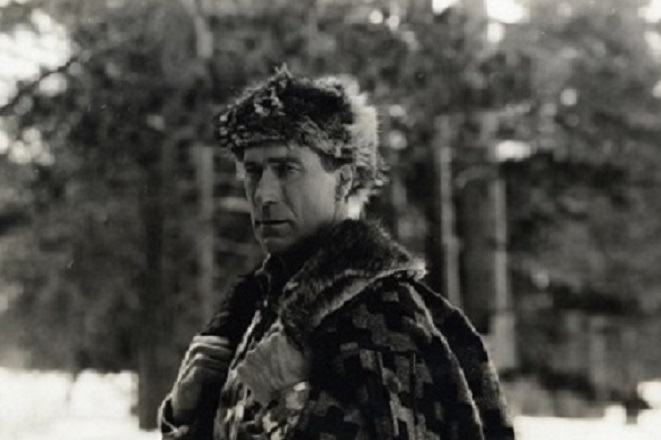
Based on the unique cult status of The Tiger Man, our vault has identified these titles as the most compelling follow-up experiences for fans of cult cinema:
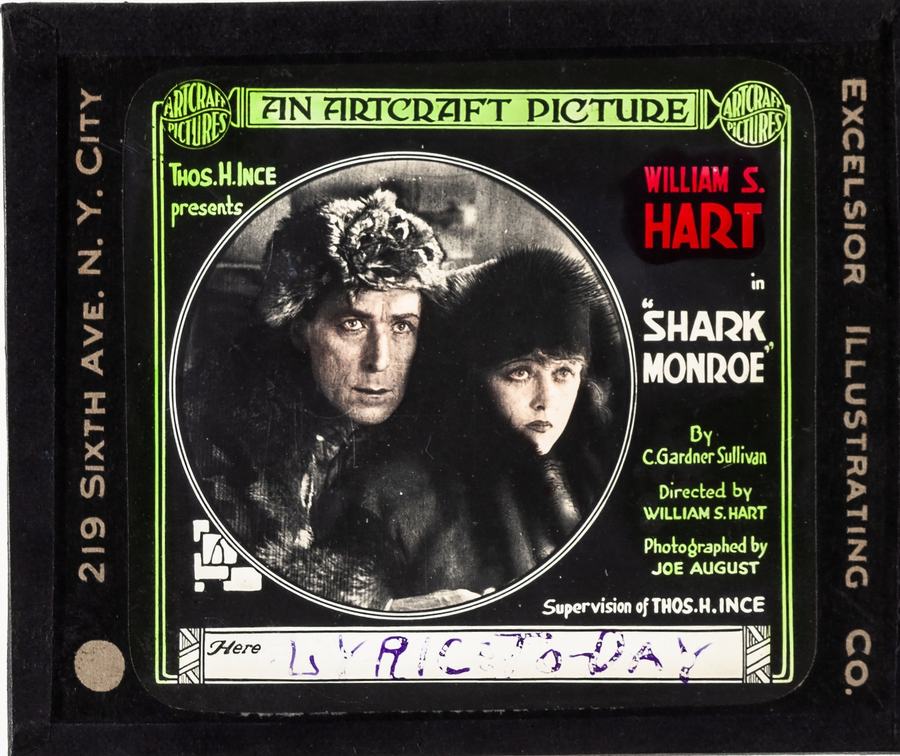
Dir: William S. Hart
Shark Monroe is the captain of a sealing vessel in Alaskan waters. He takes on Marjorie Hilton and her brother Webster as working passengers when they are left stranded. Though a tough, hard-bitten man, Monroe finds himself mellowing under the influence of Marjorie. He protects her from the unclean desires of the white slaver Big Baxter, and ultimately Marjorie sees the decent man behind Monroe's coarse exterior.
View Details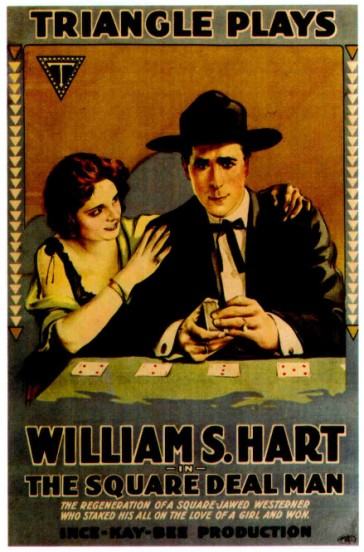
Dir: William S. Hart
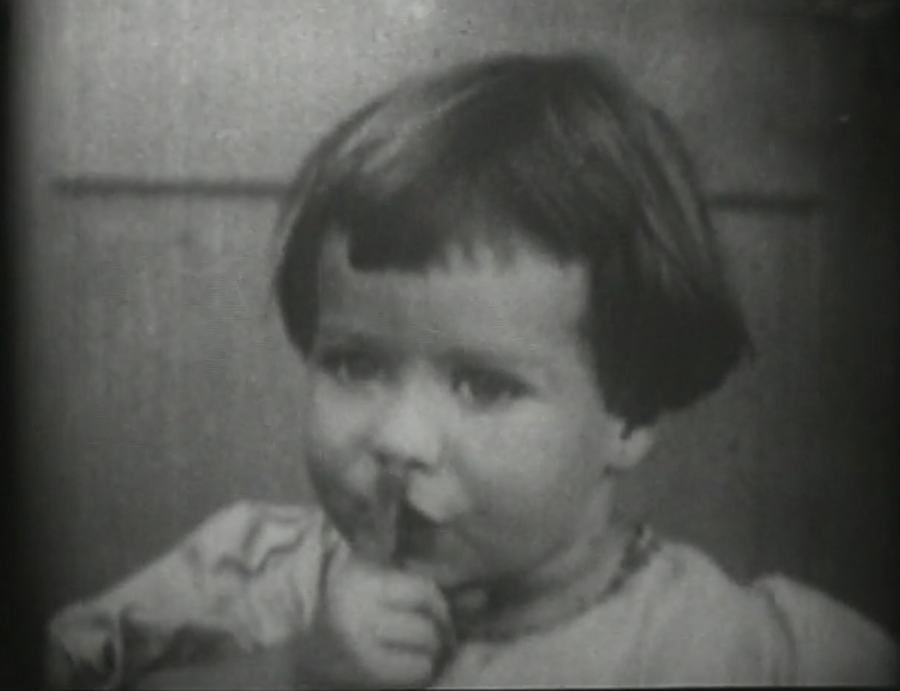
Jack o' Diamonds and his partner, Two Spot Hargis, are known as square sports in the desert town of Oxide. Jack gives liberally to all charities, and is surprised when one day a pioneer missionary refuses to take his money as he considers it ill-gotten. About this time Col. Ransome enters Jack's gambling place. The colonel, a big ranch owner, intoxicated and loaded down with money received in a cattle deal, insists on a game for the highest stakes. Jack consents, wins the colonel's money and also a deed to the ranch. In the fight that follows Colonel Ransome is shot by one of his own foremen, Anastacio, who has previously planned to rob his master and hates to see the money get away from him. The onlookers think that Jack killed the colonel, but as there is a general shooting no fuss is made about the matter. Jack becomes disgusted with his present mode of life and quits the gambling game. He takes up the ranch that has been deeded to him by the dead colonel. When Jack and his partner, Two Spot, arrive at the ranch they discover that the colonel has left an only daughter, Virginia Ransome, who is being educated in New York. Jack determines to put the ranch in order and hand it over to the rightful heiress. When things are in shape he writes to Virginia to come west. When Virginia arrives she treats Jack as a hired servant. He still keeps on with the work around the ranch, but is hampered by Virginia's attitude, as this encourages Anastacio and the hands to almost open mutiny. After plotting to dethrone Jack and secure both the ranch and Virginia for himself, Anastacio tells Virginia that Jack Diamond is the murderer of her father. Virginia dismisses Jack and makes Anastacio her foreman. Jack and Two Spot leave the ranch, but determine not to leave "the little lady" to the mercy of Anastacio. Jack dispatches Two Spot to the nearest fort for the rangers and returns in time to rescue Virginia from Anastacio and the rangers arrive in time to clear up the ranch. One of Anastacio's associates tells Virginia that her father was shot by Anastacio and not by Jack. Virginia apologizes to Jack for her past unkindnesses and offers to turn over the ranch to him as rightful owner. Jack will only entertain a proposition that involves a half ownership, and eventually wins Virginia as his wife.
View Details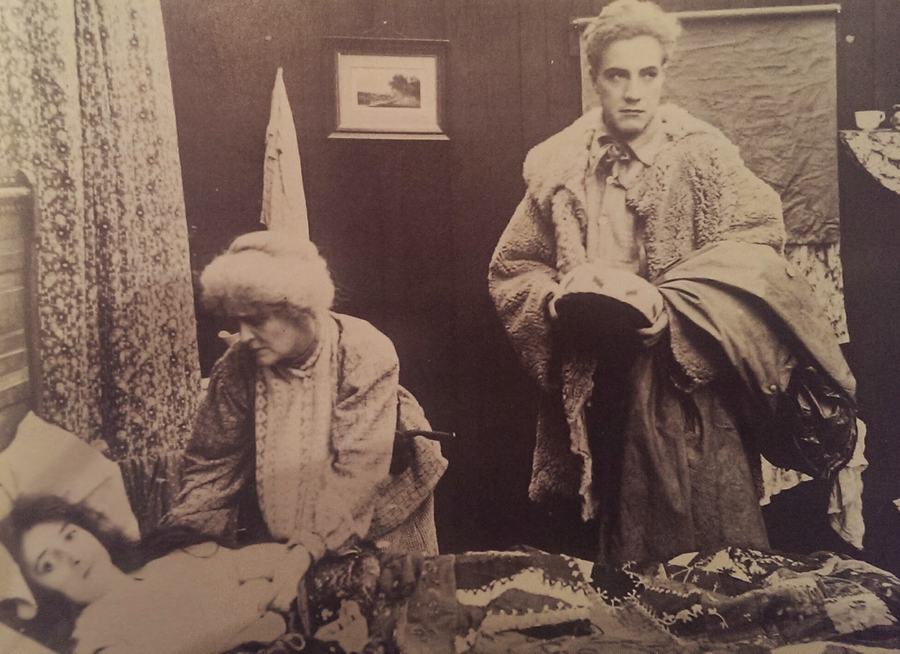
Dir: William S. Hart
Yukon Ed has asked saloon owner Ruby McGraw to marry him several times, and has been turned down each time. She falls for Jack Sturgess, a no-account who has seduced and abandoned a poor young girl and is escaping from his father's anger. She takes up with Jack to Ed's dismay, and soon the thing that Ed feared would happen does happen.
View Details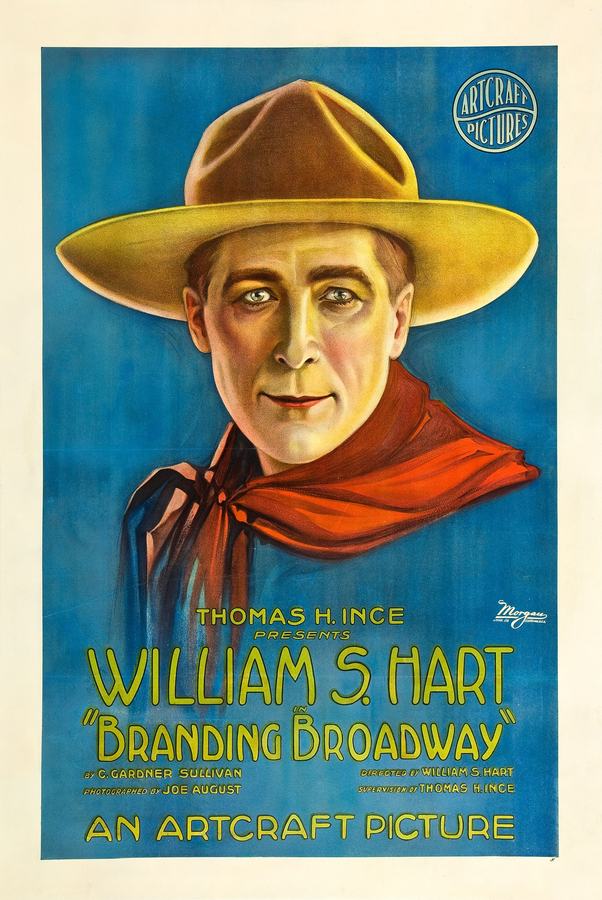
Dir: William S. Hart
Robert "Bob" Sands a rowdy cowboy, leads his friends in tearing up an Arizona town that has gone distressingly "dry," until members of the Law-and-Order League hog-tie Bob and ship him East on a passenger train. Bob, out for adventure, goes on to New York and becomes the guardian of the wild-tempered Larry Harrington, a millionaire's son. Larry commissions Bob to deliver love letters to waitress Mary Lee, an entanglement forbidden by Harrington, Sr., but Bob falls in love with the girl himself. Mary decides that she prefers cowboys to millionaires, and Bob and Mary wed and return to the West.
View Details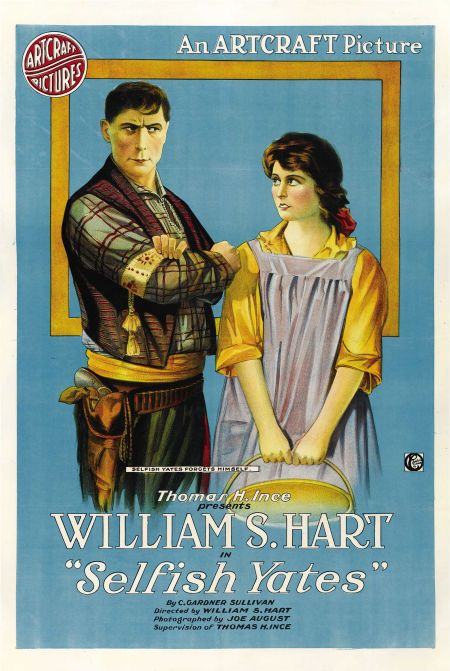
Dir: William S. Hart
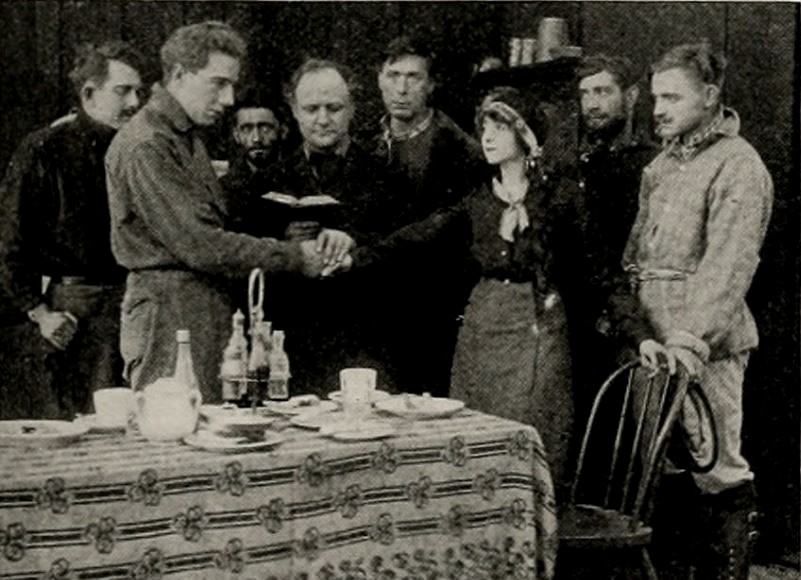
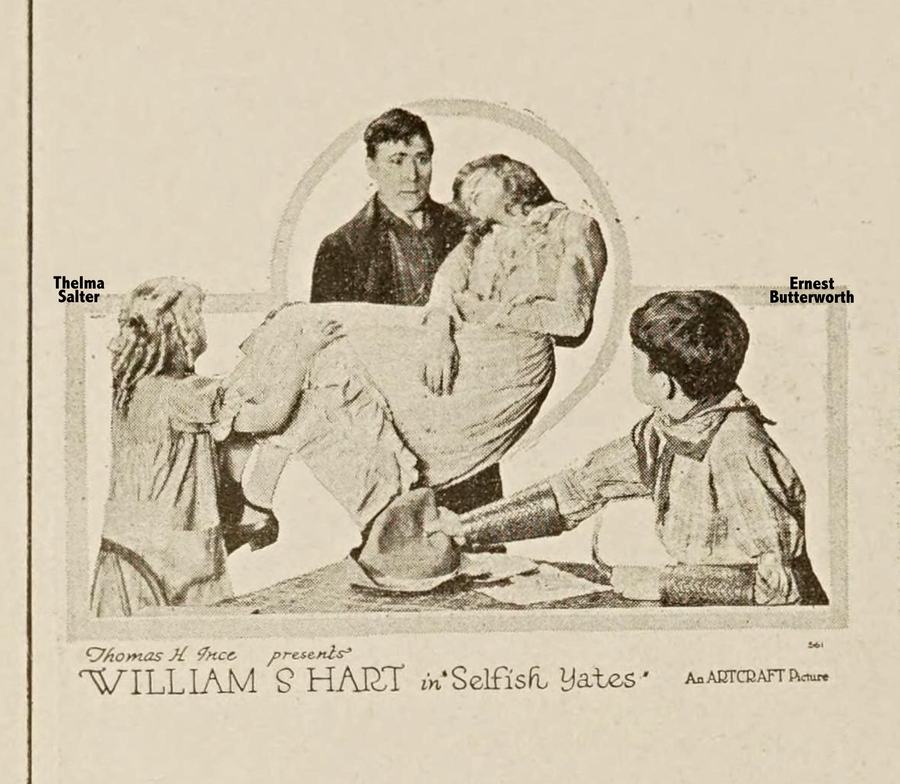
"Selfish" Yates operates a disreputable saloon on the desert's edge in Arizona. Sisters Mary and Betty Adams, who lost their father crossing the desert, arrive in the town of Thirsty Center and appeal to Yates for help and work. Yates is none too helpful, suggesting dance-hall work for Mary. She refuses, instead taking a menial job assisting Yates' cook. Yates is a hard case, but little by little Mary's influence works a renewal of humanity in him, until at last he finds himself tested by crisis.
View Details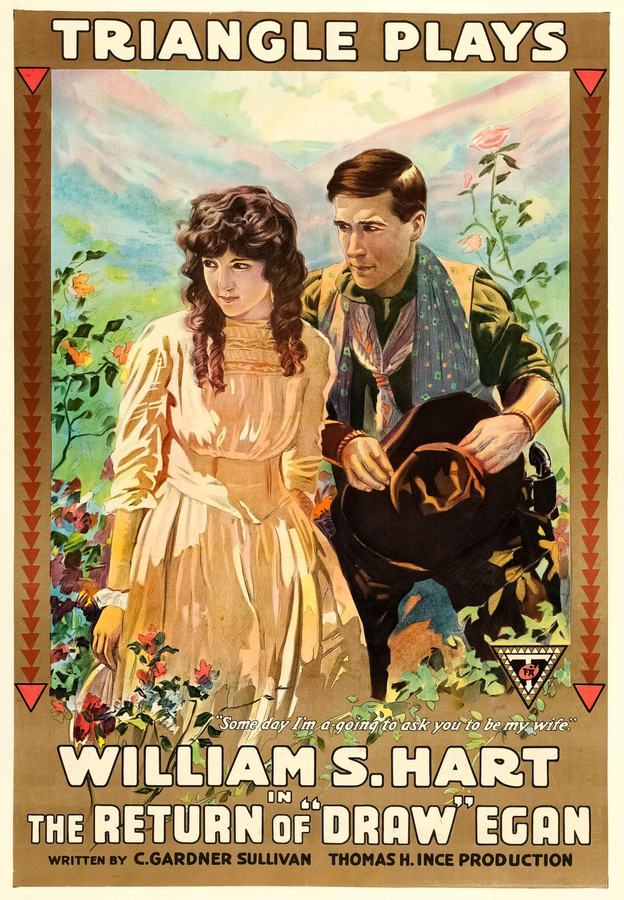
Dir: William S. Hart
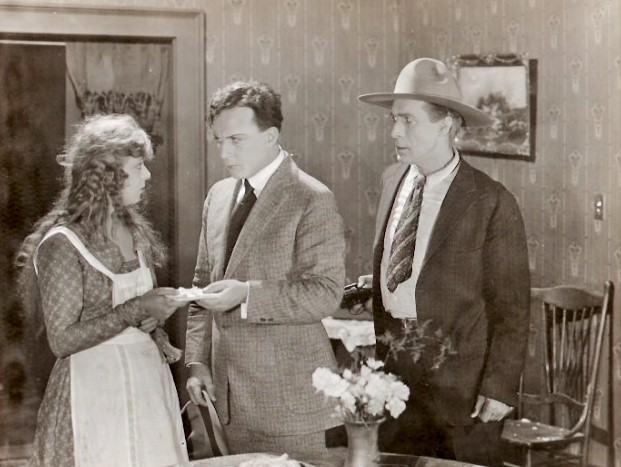
"Draw" Egan, a notorious bandit of New Mexico, has come to the end of his tether. His gang has been dispersed, many slain, and more in jail, and there is a reward of $1,000 offered for Egan, "dead or alive." While drinking in a saloon at Muscatine, Egan chances across Matt Buckton, a leading citizen of the neighboring village of Yellow Dog. Yellow Dog is a town infested with gunmen who make life miserable for the few respectable citizens. Buckton is on a still hunt for some strong men who will shoulder the unenviable responsibilities of sheriff, and put the fear of God and the law into the hearts of his undisciplined fellow-citizens. While Buckton is thinking over his seemingly impossible quest, the bully of Muscatine enters the saloon and accosting "Draw" Egan, finds himself crumpled upon the floor without opportunity for repartee. Buckton is so much impressed by the quietude and deftness of Draw Egan's work that he immediately offers him the job of cleaning out Yellow Dog. So Draw Egan, as William Blake, is installed as sheriff of Buckton's promising community. William Blake soon has the bullies and gunmen of Yellow Dog well in hand, with law and order restored by the capable ex-bandit. At the time when the respectable citizens are singing the praises of the new sheriff, one of the worst of Egan's old gang, Oregon Joe, strolls into town, sizes up the situation, and holding a threat of betrayal over the sheriff's head, proceeds with the aid of the tough element to undo the sheriff's good work. For himself Egan cares little, but while endeavoring to live down his past and lead a clean life, he has fallen in love with Buckton's daughter Myrtle. Day by day he submits to Oregon Joe's insults and the tough element gradually gets the upper hand. Things have reached such a pitch that one day the gunmen, headed by Oregon Joe, decide to drive the respectable citizens out of town and run the place for themselves. It is up to the sheriff to decide, and his manhood asserts itself. He confesses the evils of his past life, throws himself on the mercy of his fellow citizens and promises to surrender to the government if they will allow him one day to restore order. He makes good; the gunmen are whipped into submission and Oregon Joe, the blackmailer, meets his just reward. The sheriff surrenders and is locked up in the caboose, but the next morning a delegation of citizens greets him with the assurance that to them Draw Egan has ceased to exist and that Yellow Dog only recognizes Sheriff William Blake. Myrtle Buckton is one of the delegation.
View Details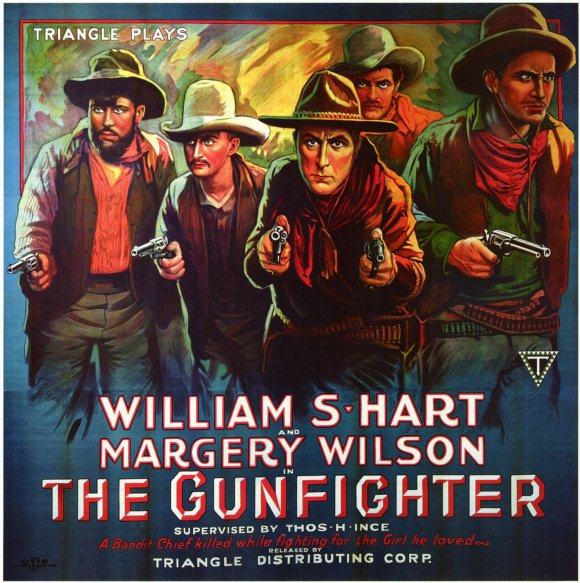
Dir: William S. Hart
Cliff Hudspeth, the leader of a band of outlaws in Arizona, has won his place by the killing of notorious gun-bullies. At their headquarters, in the Gila Mountains, in consultation with "Ace High," his lieutenant, he plans depredations on the neighboring settlements. Although Hudspeth is powerful, their rule is disputed by El Salvador, a half-breed, and his following of desperadoes. Desert Pass is the scene of many conflicts between the contending bands. Rumors of the arrival of miners with gold causes El Salvador to send "Cactus" Fuller, his henchman, to levy tribute by a hold-up, which is successful. Flushed with triumph, he boasts in the "Golden Fleece" saloon of the ignominies to which he would treat Cliff Hudspeth if he ever met him. Hudspeth arrives and makes Cactus, whom he throws out of the saloon, realize that something must be done to retrieve a shattered reputation. Coming out of the saloon, Hudspeth sees Norma Wright, a milliner, standing at the door of her little store, and waves her inside, as he anticipates trouble. The shooting commences and Cactus is defeated. As Hudspeth is preparing to leave town Norma denounces him as a cold-blooded murderer. Stung almost to madness by the girl's accusation, he seizes her and gallops out of town. At his retreat he locks the stupefied girl in a room and seeks to drown the memory of her words with whiskey. The whiskey, and his awakened conscience, bring him to review his life, and, half delirious, he sees his victims pass reproachfully before him. The girl, too, becomes aware of the human side of the man and next morning she brings him around to her way of thinking and extracts a pledge that he will never willingly kill another human being. Soon after there comes from a member of the legislature offer of a pardon and restoration to citizenship if Cliff will undertake to rid Arizona of El Salvador. Hearing of Cliff's new appointment, El Salvador is wild with rage, and burns the town and drags Norma away to the mountains. Cliff Hudspeth rescues her and kills El Salvador, although mortally wounded himself. He places the girl on a horse, which bears her to safety, and passes away consoled that his last killing was in her defense.
View Details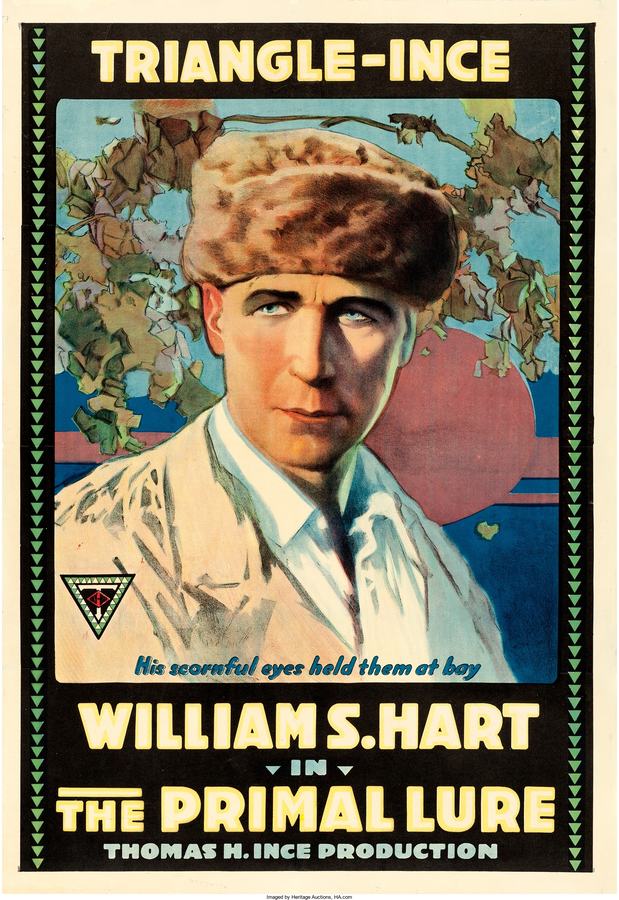
Dir: William S. Hart
Angus McConnell is factor of the outpost of the Hudson Bay Company which is dignified by the name of Fort Lu Cerne. The summer has been disastrous for the trappers, and they are deeply in the company's debt for provision. Angus keeps account of what they owe in a little book, and one night this precious book disappears. Angus vows all manner of vengeance on the culprit who has taken it. He keeps close watch on the office, and at last he beholds Lois Le Moyne, belle of the outpost, rummaging about his desk. Unknown to him, she has come to make him a gift of a beautiful pair of moccasins, made with her own fair hands, so he concludes she is the thief, and has her thrown into the goal. Then Richard Sylvester, the company inspector, comes to Fort Lu Cerne on the rounds. He sees Lois, falls in love with her, and has her released. On his promise that he will have Angus dismissed as factor and himself appointed, she agrees to wed him. This he accomplishes, and Angus takes to the trail alone. But before the wedding can take place an epidemic of sickness breaks out, and in terror the cowardly Sylvester flees with his bodyguard. Angus, who has heard that the Blackfeet Indians are about to descend on the outpost to demand a white person to be sacrificed as an offering to the god who has brought down the plague, happily returns at this time and resumes the reins of authority. The Indian attack takes place, and after a thrilling fight, in which the whites are greatly outnumbered, Angus goes forth to offer himself as the victim. He is miraculously saved, however, and returns to the fort. But he finds that all the garrison have gone save Lois; and with these two great enemies along in a terrible situation there comes about a great finish to a remarkable film. -- Moving Picture World, June 3, 1916.
View Details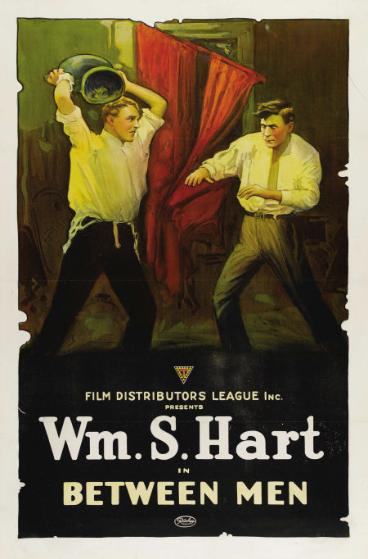
Dir: William S. Hart
Ashley Hampdon, a Wall Street financier, has a daughter named Lina. Gregg Lewiston wants to marry the girl. The father tells him that the girl can please herself. As he does not seem to progress in his love-making, Lewiston puts through a scheme to ruin Hampdon in the market, so that the father will bring pressure to bear on his daughter to marry the suitor as he has lots of money. Hampdon is distracted by his losses. While aimlessly looking over his papers Hampdon comes across a little note signed by a western mining man, Bot White. It is an offer from White to assist Hampdon at any time and in any place, physically or financially. Hampdon had once befriended White and as he would not take anything else in return, White gave him the written offer. Hampdon sends a message to White to come to New York at once. When White appears, Hampdon tells him of his suspicion, that Lewiston injured him through an accomplice who had given him a wrong tip. Lina takes offense at a conversation she hears between Lewiston and White and tells White that she objects to him. He is put up at a club by Hampdon. There Lewiston sends Rankin (the same broker that he used to ruin Lewiston) to White with a tip on the market. White sends for detectives. They connect White's room with that of Lewiston's on a floor above by means of a wire and with the aid of a Dictaphone they overhear Lewiston and Rankin concocting a scheme to ruin White as a friend of Lewiston and a possible rival to Lina's hand. White and Hampdon use this information to make a fortune much to the discomfiture of Lewiston. As his treachery is now revealed, Lewiston is unable to win Lina. He goes to the club and insults White by saying in a loud tone of voice that this is the first case he has known of a man trying to buy a girl. White wants him to fight, but Lewiston excuses himself by remarking that it is a gentlemen's club. Finally Lewiston strikes White for calling him a coward, but spectators separate the men. Lewiston goes to his uptown home and White follows him. There is a fight and White gets the best of it till Lewiston hits White over the head with a bronze vase. Just then John Worth, who is a friend of White's and is half crazed from losses due to the villainy of Lewiston, appears at a window and shoots Lewiston in the arm. White having accomplished his mission, goes to bid his friend, Ashley Hampdon, good-bye. Lina has come to admire White for his loyalty to her father and for his efficiency. He does not seem to understand the change in her and bids her farewell. She, however, gets her father to take her on the same train on which White goes. They meet on the platform of the observation car where the misunderstanding is cleared.
View Details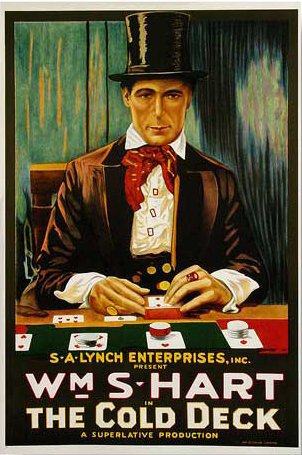
Dir: William S. Hart
Gambler "On-the-Level" Leigh gives up his profession for his little sister, Alice, whose precarious health demands that she move to the mountains. There, the gambler meets the fiery dance hall girl Coralie whose advances he rejects. His funds exhausted from the expense of the move, Level unwillingly returns to his old profession, but Coralie induces the dealer to "cold deck" Level, and he loses every cent. Out of desperation, Level decides to hold up the passengers of the stagecoach while unknown to him, Black Jack shoots and kills the driver for the express box. Learning of the driver's death, Level surrenders himself to the law and is jailed. Escaping from his cell, Level discovers Black Jack uncovering the express box and arrests him. Level returns to town with the real murderer, is cleared of all charges and is reunited with his sweetheart, Rose Larkin.
View DetailsAnalysis relative to The Tiger Man
| Film Title | Atmosphere | Complexity | Similarity |
|---|---|---|---|
| Shark Monroe | Surreal | Layered | 88% Match |
| The Square Deal Man | Gothic | Linear | 97% Match |
| The Darkening Trail | Gothic | High | 96% Match |
| Branding Broadway | Gritty | Abstract | 85% Match |
| Selfish Yates | Ethereal | Dense | 87% Match |
This guide was algorithmically generated using the cinematic metadata of William S. Hart's archive. Last updated: 6/26/2026.
Back to The Tiger Man Details →