
Shark Monroe is the captain of a sealing vessel in Alaskan waters. He takes on Marjorie Hilton and her brother Webster as working passengers when they are left stranded.

C. Gardner Sullivan
United States
When we peer through the celluloid fog of 1918, few figures loom as large or as perpetually weathered as William S. Hart. In Shark Monroe, Hart eschews the dusty plains of the West for the salt-caked rigging of an Alaskan sealing vessel, yet the thematic core remains quintessentially 'Hartian.' This is a film that brea...

still_frame
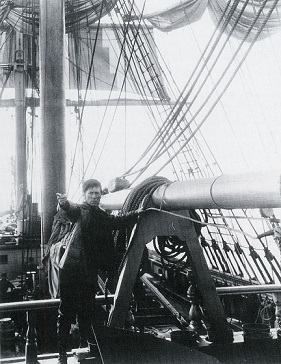
still_frame

publicity


Comparing the cinematic DNA and archive impact of two defining moments in cult history.
William S. Hart

William S. Hart
Community
Log in to comment.
"When we peer through the celluloid fog of 1918, few figures loom as large or as perpetually weathered as William S. Hart. In Shark Monroe, Hart eschews the dusty plains of the West for the salt-caked rigging of an Alaskan sealing vessel, yet the thematic core remains quintessentially 'Hartian.' This is a film that breathes the cold air of the North, a narrative that values the silent gaze over the superfluous title card, and a work that cements C. Gardner Sullivan’s reputation as a screenwriter ..."