
DbcultAccessing Vault...
Recommendations
Senior Film Conservator
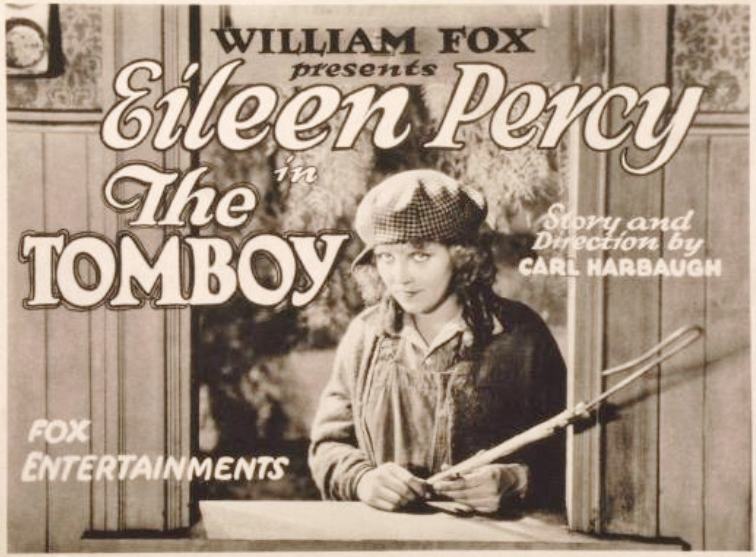
Ever since The Tomboy hit screens in 1921, fans have sought that same character-driven intensity, it's essential to look at the contemporaries that shared this character-driven intensity. Prepare to discover your next favorite movie in our hand-picked collection.
Whether it's the character-driven intensity or the thematic depth, this film to leave an indelible mark on the history of United States film.
Minnie, the village tomboy, meets a handsome Stranger after playing ball one afternoon. She invites him to see a bridge model her father has designed; but finding her intoxicated father in the act of destroying the model, she swears vengeance on the local bootleggers and joins a newspaper as sportswriter so as to expose their activities. Pike, the station agent, leader of the bootleggers, spreads a scandal about Minnie when she rejects him, but through the help of the Stranger everything is cleared up.
Critics widely regard The Tomboy as a cult-favorite piece of Comedy cinema. Its character-driven intensity is frequently cited as its strongest asset, solidifying its place in United States's film legacy.
Based on the unique character-driven intensity of The Tomboy, our vault has identified these titles as the most compelling follow-up experiences for fans of Comedy cinema:
Dir: Alexander Butler
In Alberta, Canada, a Cornish emigrant unmasks a rustler posing as the girl's "blind" father.
View Details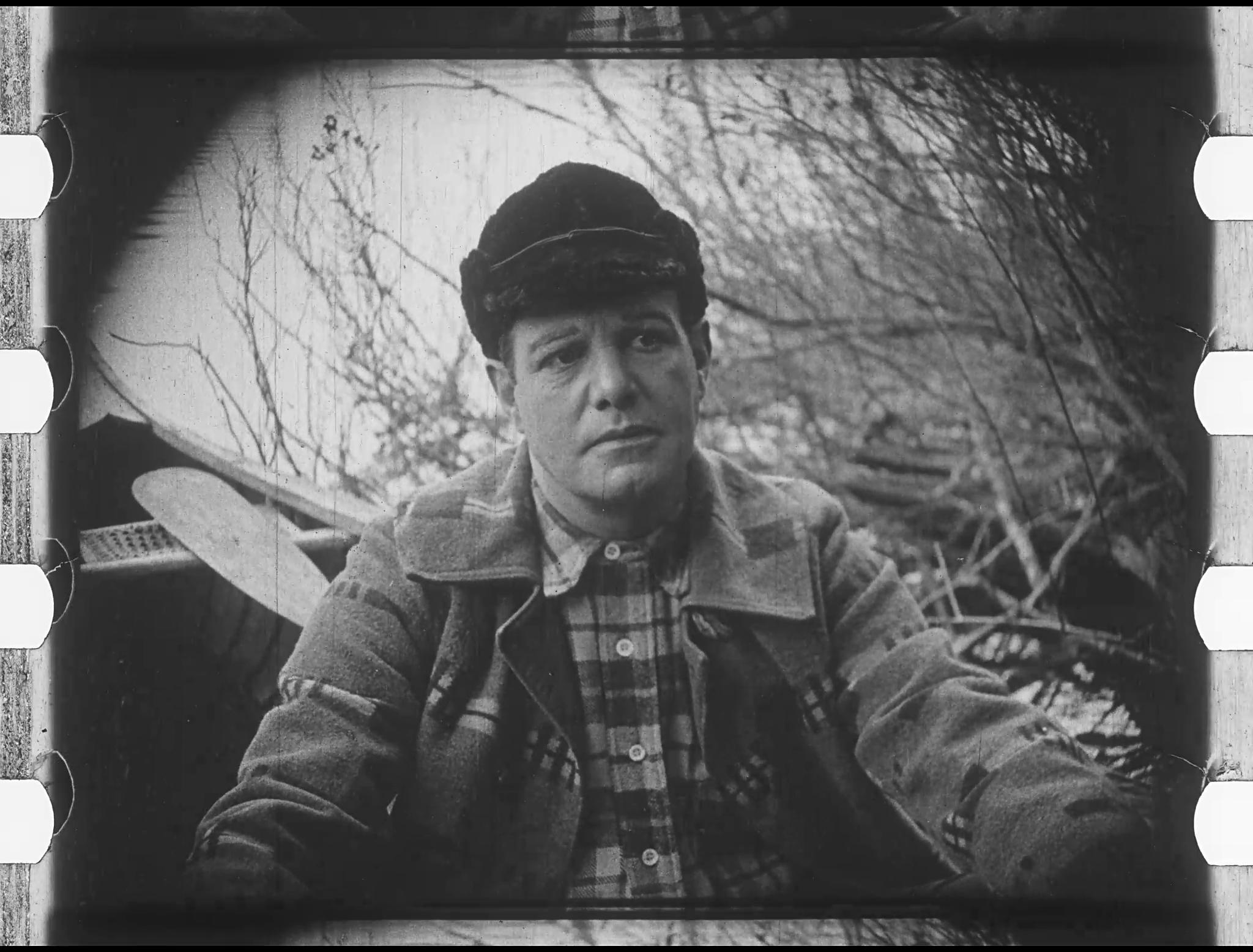
Dir: Edgar Jones
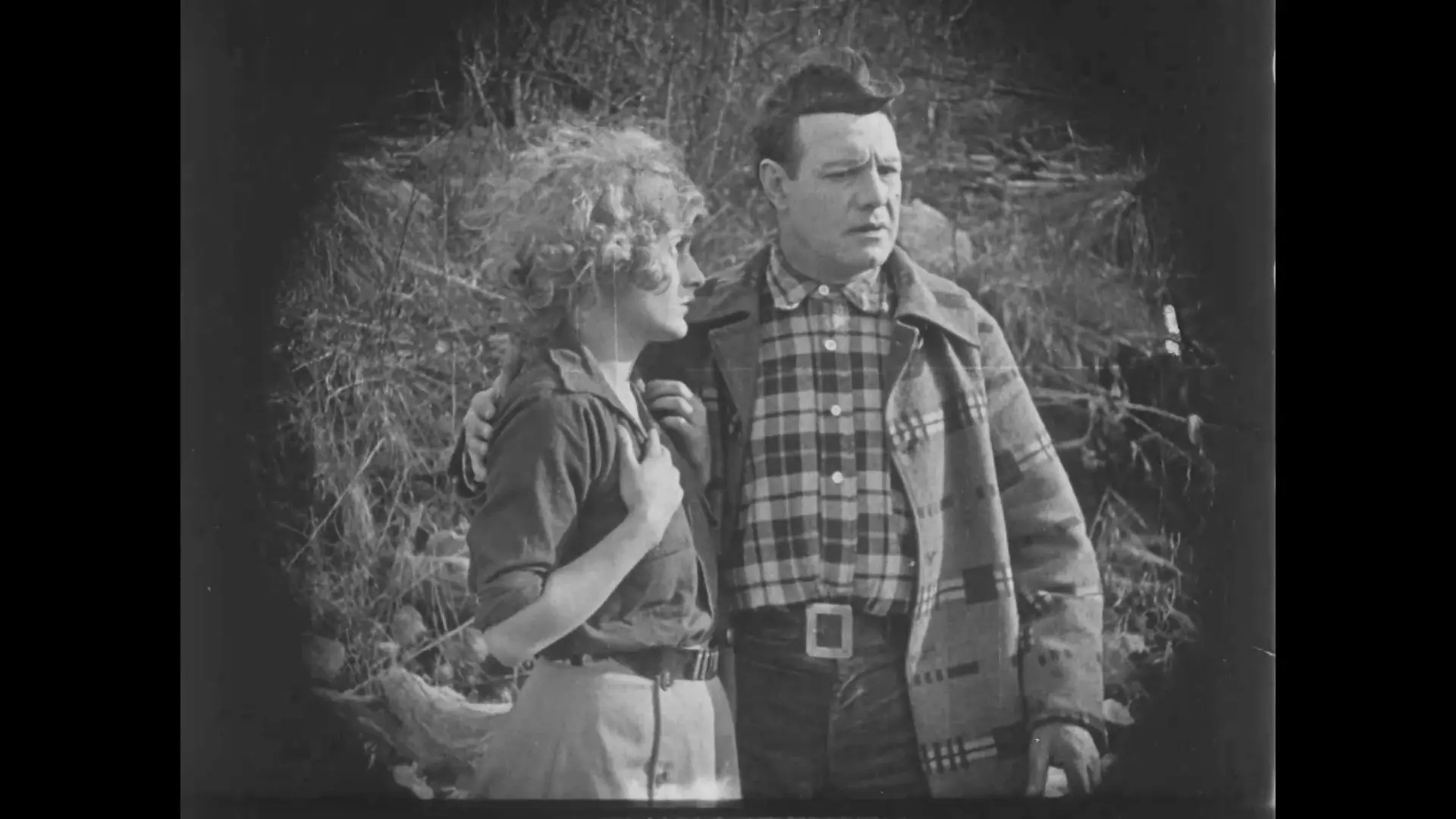
A mail-order bride arrives at a Maine lumber camp but doesn't like her prospective husband.
View Details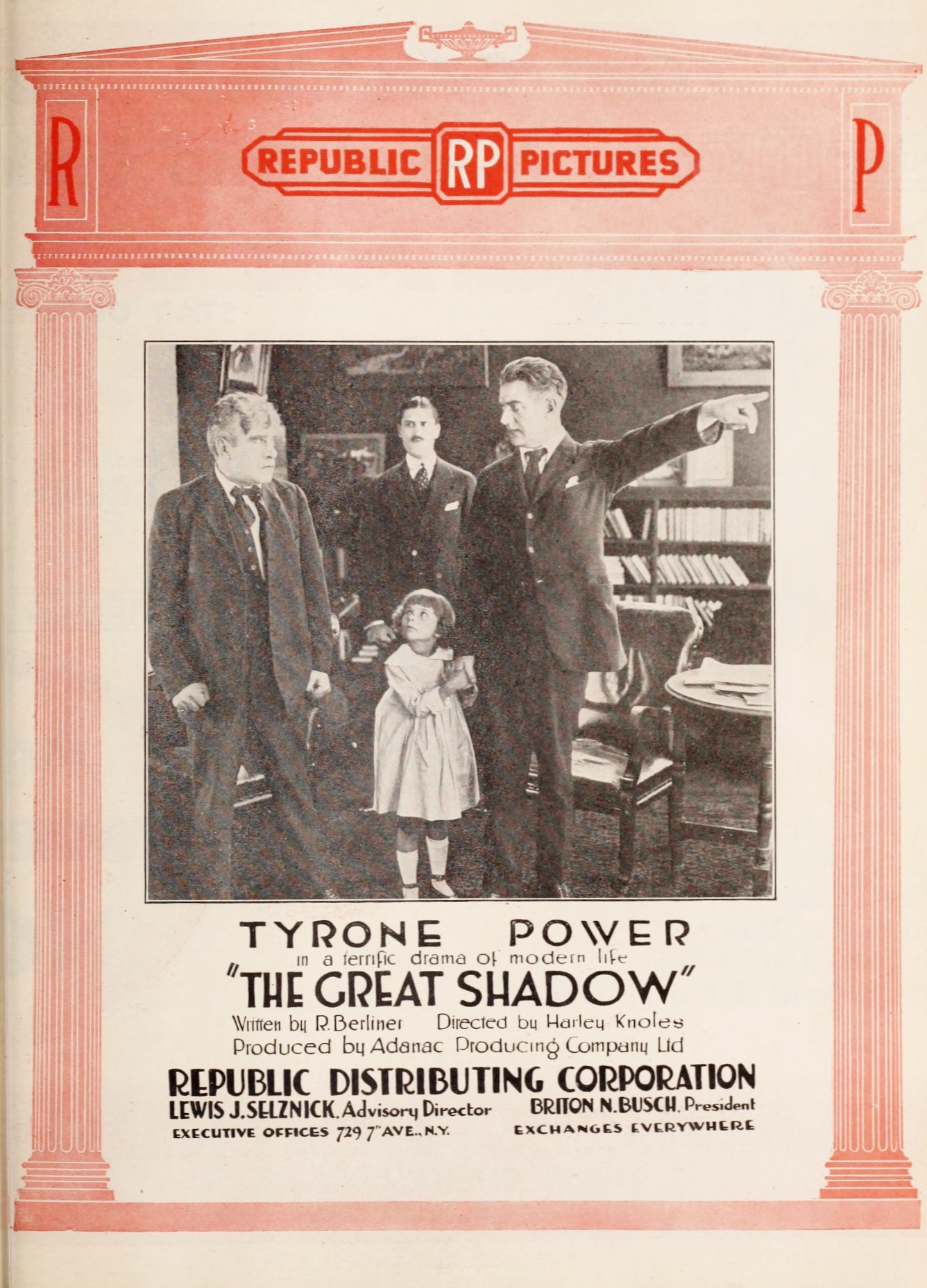
Dir: Harley Knoles
Jim McDonald, the foreman of a shipbuilding plant and head of the labor union, strives to combat the anarchistic propaganda being put forth by Klimoff, the leader of a Bolshevik gang whose goal is to disrupt the country with strikes and anarchy. Despite McDonald's efforts, a strike is called, resulting in chaos. McDonald's child is knocked down by runaway horses abandoned by their striking driver, and dies. Mob scenes take place in America, as well as in Russia. Eventually, the unrest is quelled with an armistice called between Capital and Labor for a year, during which time wages are to be increased to reflect the cost of living, and leaders are to work out a common plan for their mutual advantage. The strikers now realize that they have been pawns of the Bolsheviks and call off the strike, agreeing to the plan.
View Details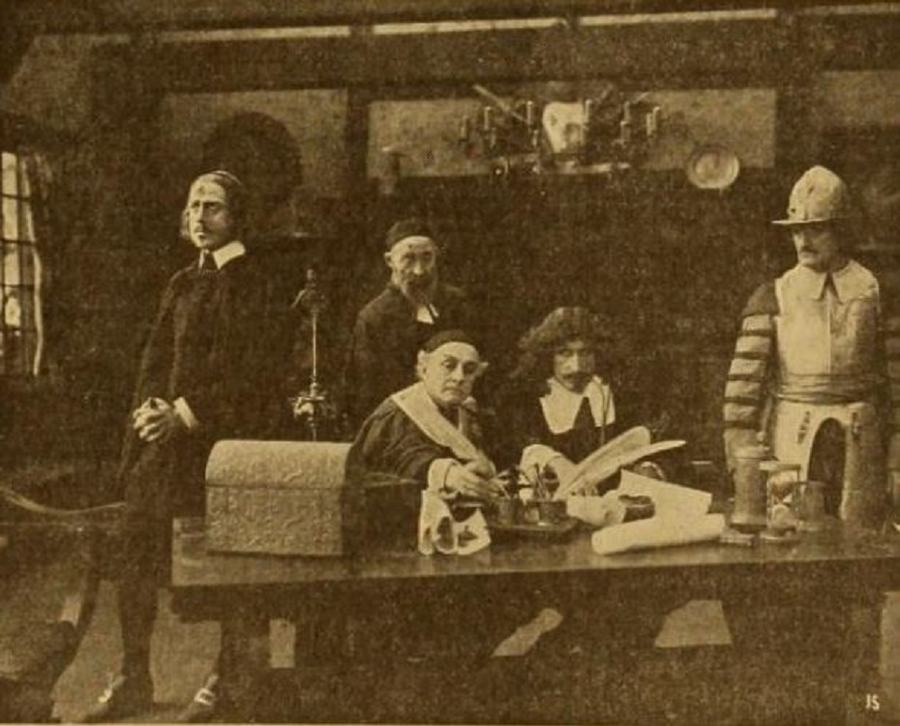
Dir: Carl Harbaugh
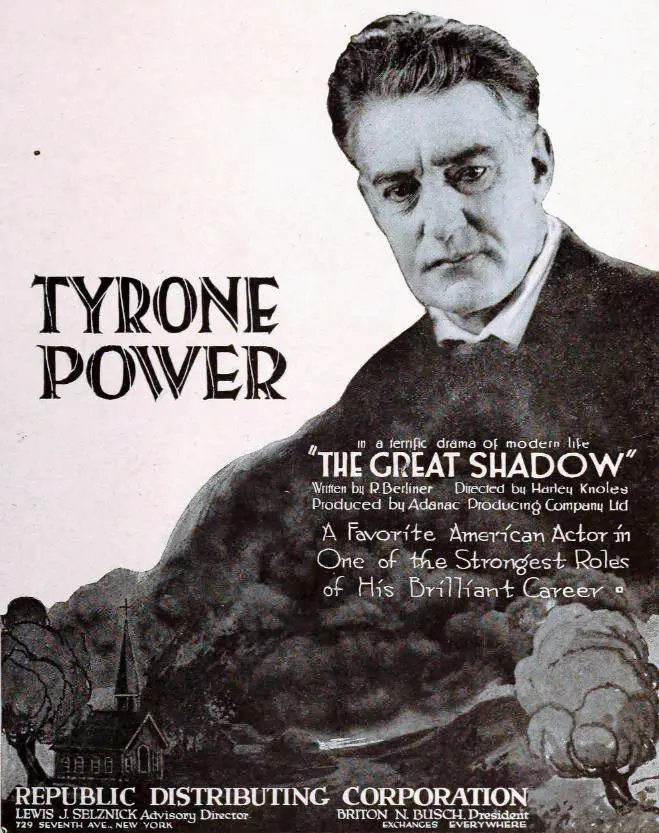
The film tells the story of a noble but poor woman who arrives at Boston in the 17th century. There she marries an old but quite rich doctor but does not become happy.
View Details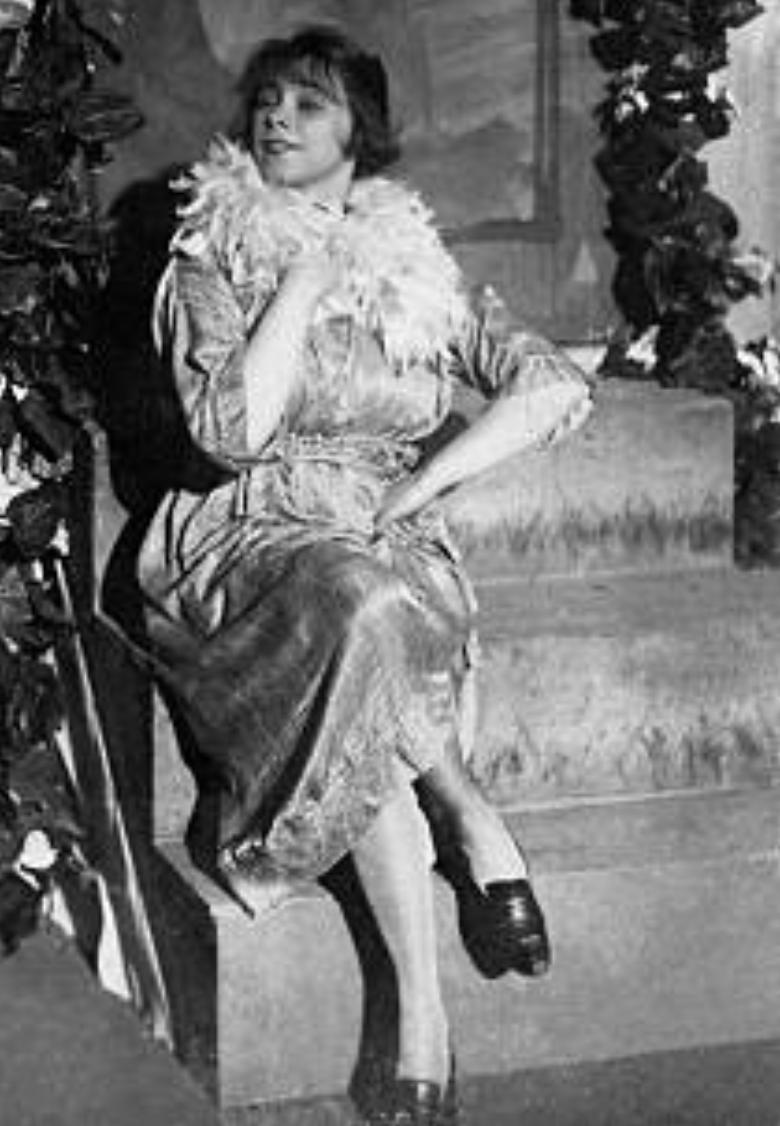
Dir: Bruno Ziener
A fascinating piece of cinema that shares thematic elements.
View Details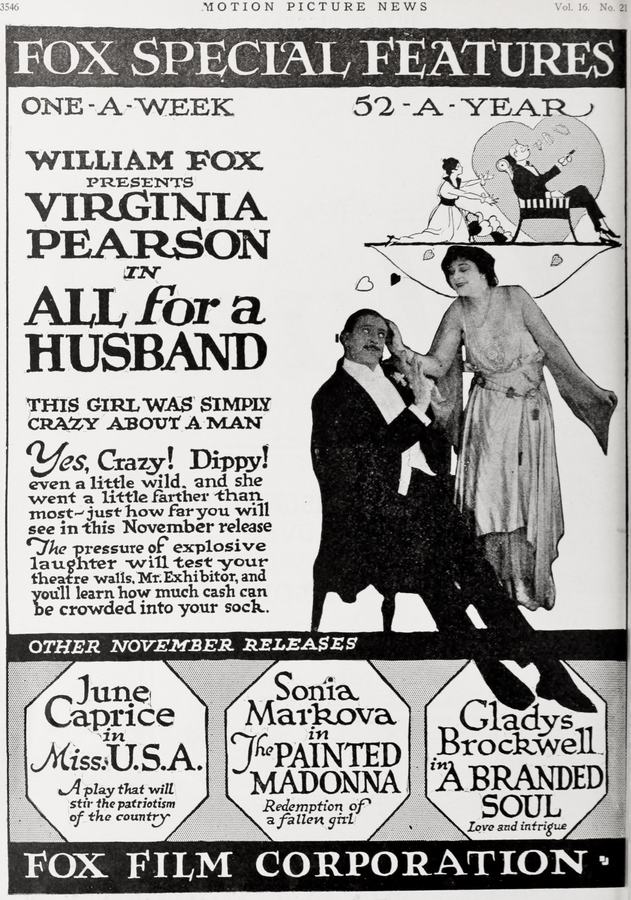
Dir: Carl Harbaugh
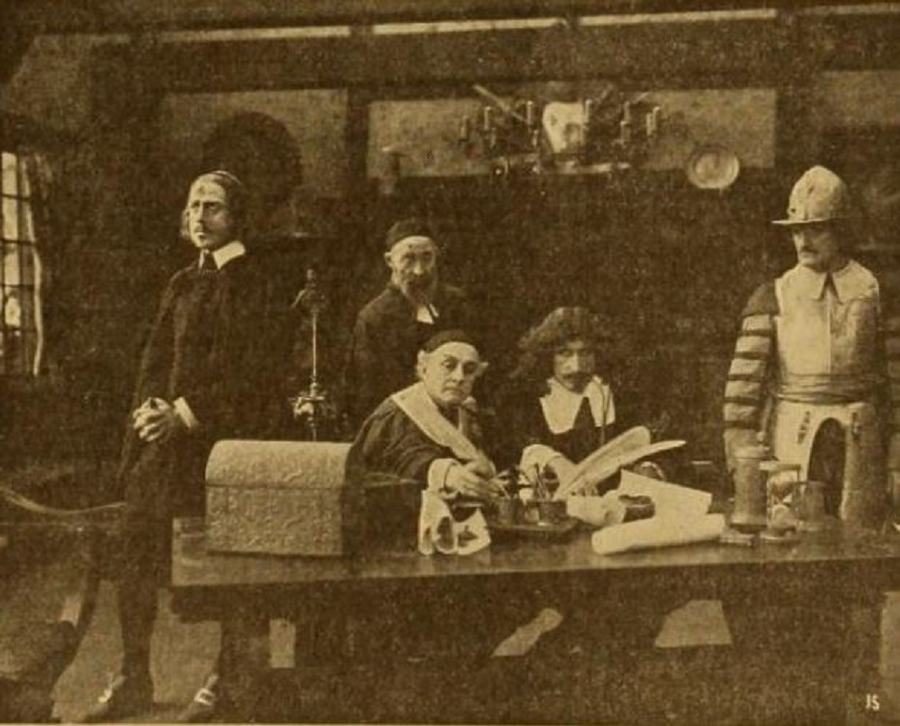
Celeste Hardin wants to set up her brother Henry, a confirmed bachelor, with her college friend Henrietta Downs, believing that she wold be a good wife for him. Henry and Henrietta discover Celeste's scheme and decide to play a trick on her--Henrietta will pose as Myra Haynes, an escaped lunatic and pretend to be in love with Henry. However, the real Myra Haynes attends a political rally, at which Henry declares his intention to run for mayor, and she becomes convinced that he is her long-lost lover, also named Henry. Complications ensue.
View Details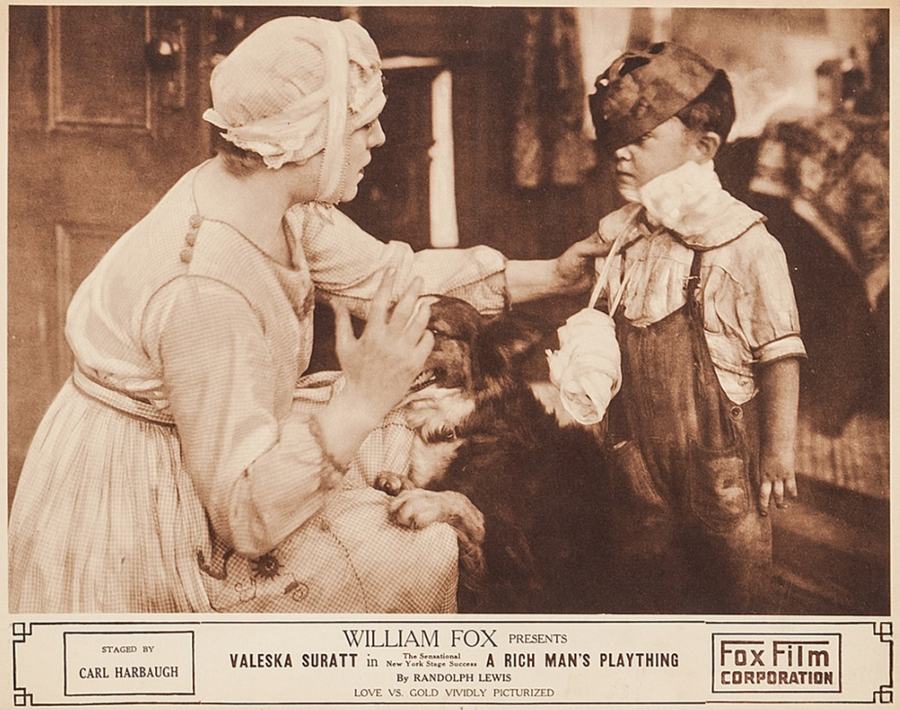
Dir: Carl Harbaugh
Marie Grandon, one of the multitude that labor in a big New England oyster cannery, meets "Iron" Lloyd, millionaire financier and tenement owner, whose yacht is cruising off the coast near the town where Marie works. Lloyd is visiting the little city incognito. He gets into a fight and is injured. During his illness he becomes acquainted with Marie, and as he convalesces their friendship ripens into love. Marie tells him that if she had the means she would wage battle against the oppressive tenement lords and carry on a campaign of reform. To test her, Lloyd, whom she knows as Strange, has his lawyer transfer a fortune to her. Marie thinks the money is a legacy from a long lost relative. The girl goes to New York and does what she vowed she would do. She concentrates her fight on Lloyd and his tenements. Ogden Deneau, Lloyd's business rival, associates himself with Marie, claiming interest in her work, but really to crush Lloyd. But Marie also has old scores to settle with Deneau, and in her plan to ruin both of these financiers enlists Strange's aid. Strange, or Lloyd, helps her gladly, and on the evening of the day the grate coup is to be made, meets her. He tells Marie that Deneau is bankrupt. When she asks about Lloyd, he informs her of the deception he has practiced. At first she is furious. Later she hears his explanation of the test and finally agrees to start life over again with him, a life not to be marred with sordid tenements.
View Details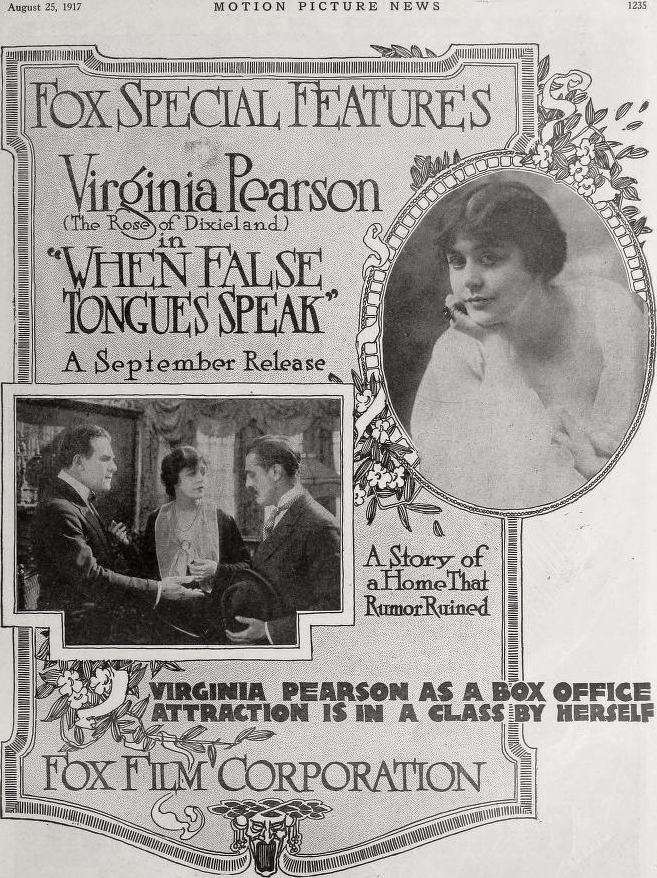
Dir: Carl Harbaugh
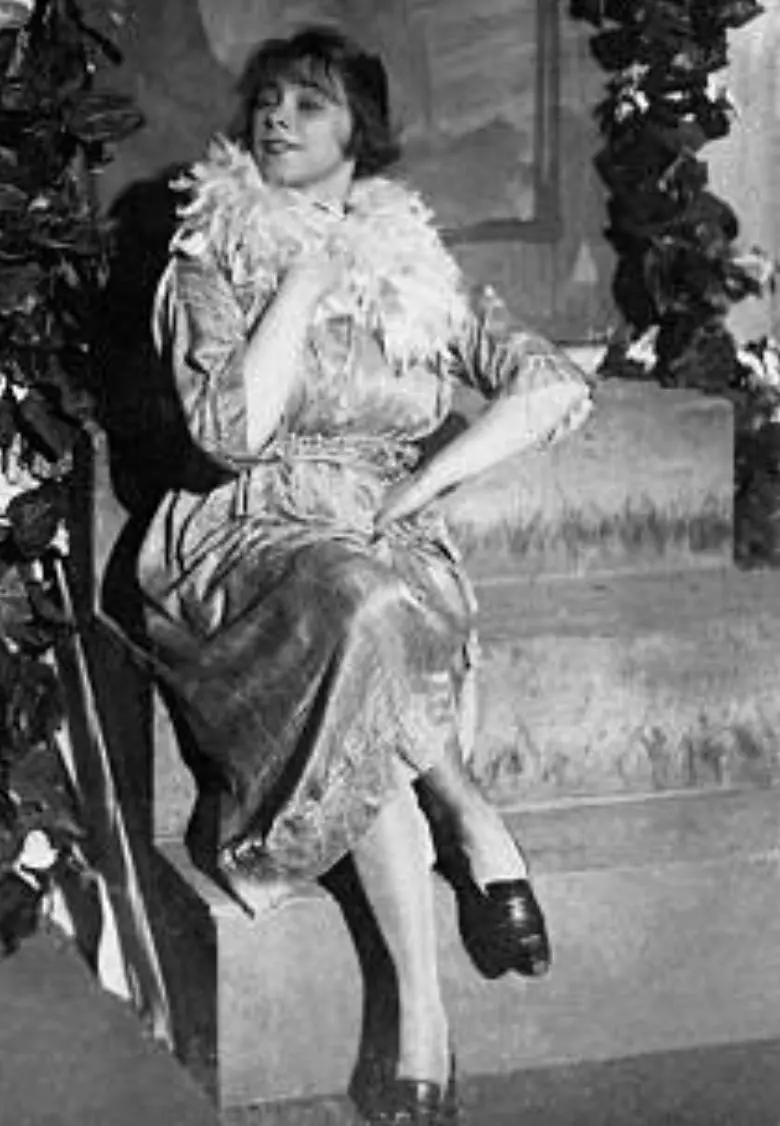
After Mary Page marries Fred Walton, she soon discovers that he is a womanizer. She tries to ignore Fred's affairs but, refuses to file for divorce even when Platt Sinclair, her husband's lawyer, urges her to do so. Mary does not realize that Sinclair is actually helping Fred, who is in love with his current mistress, Helen Lee, and wants to marry her. To escape her misery, Mary organizes a settlement house in the slums and there meets reporter Eric Mann, with whom she becomes very close. One night, as Sinclair goes to Mary's house to try to convince her to change her mind, he sees Eric through the window and informs Fred that she is seeing another man. Fred wants to sue Mary for divorce, but when Eric threatens Sinclair with disbarment, the suit is dropped. One night, Mary interrupts Fred during his evening with Helen on the same night that Jimmy Hope, a burglar, is robbing their house. The result of the night's activities are the death of Fred and the ultimate arrest of the real murderer who was obsessed with Hope.
View Details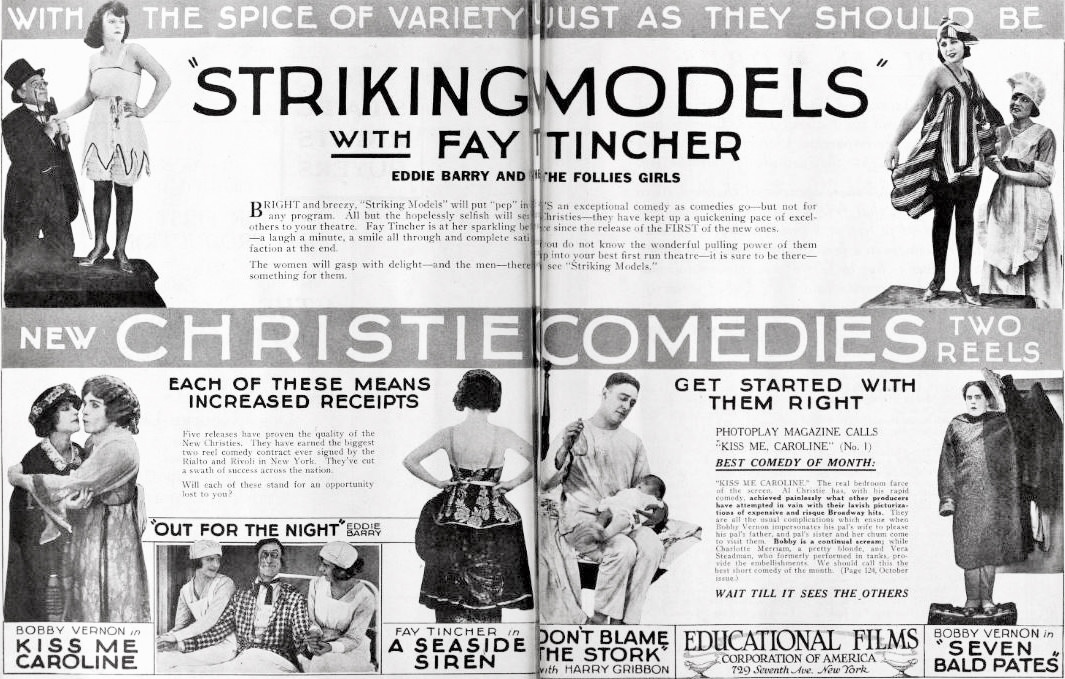
Dir: Reggie Morris
A fascinating piece of cinema that shares thematic elements.
View Details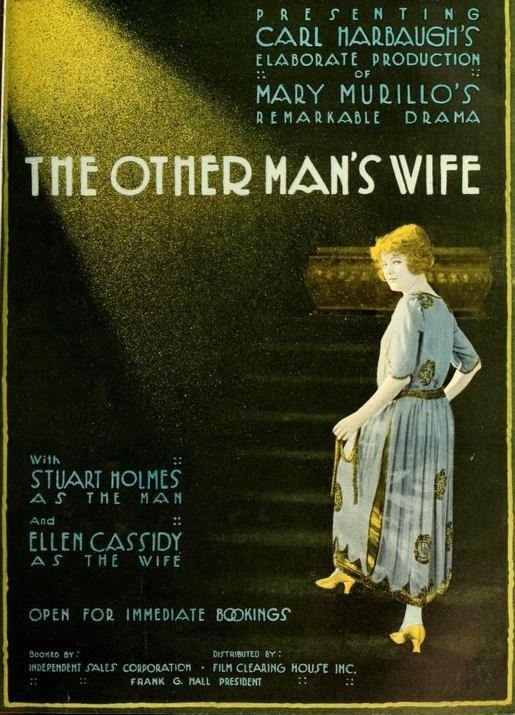
Dir: Carl Harbaugh
Three New York families are introduced: wealthy Fred Hartley and his wife, who, feeling neglected, encourages the attentions of debonair J. Douglas Kerr, the middle-class Moore family, consisting of mother, daughter, and son Jimmie who supports them, and the Simons, an East Side Jewish family. When America enters the war, Hartley, Jimmie, and Davy Simon enlist. When Jimmy says goodbye to his sweetheart Becky, one of Davy's three sisters, her father refuses to consider him as a future son-in-law. Kerr sends Mrs. Hartley a cablegram reporting Hartley's death in the war. She puts off responding to Kerr's proposal, and after the armistice, Hartley finds her trying to break free from Kerr's embrace. When Kerr hastily exits, an irate butler grabs his trousers. Mr. Simon accepts Jimmie as Becky's fiancé, and Kerr is last seen squatting so that his overcoat covers his backside.
View DetailsAnalysis relative to The Tomboy
| Film Title | Atmosphere | Complexity | Similarity |
|---|---|---|---|
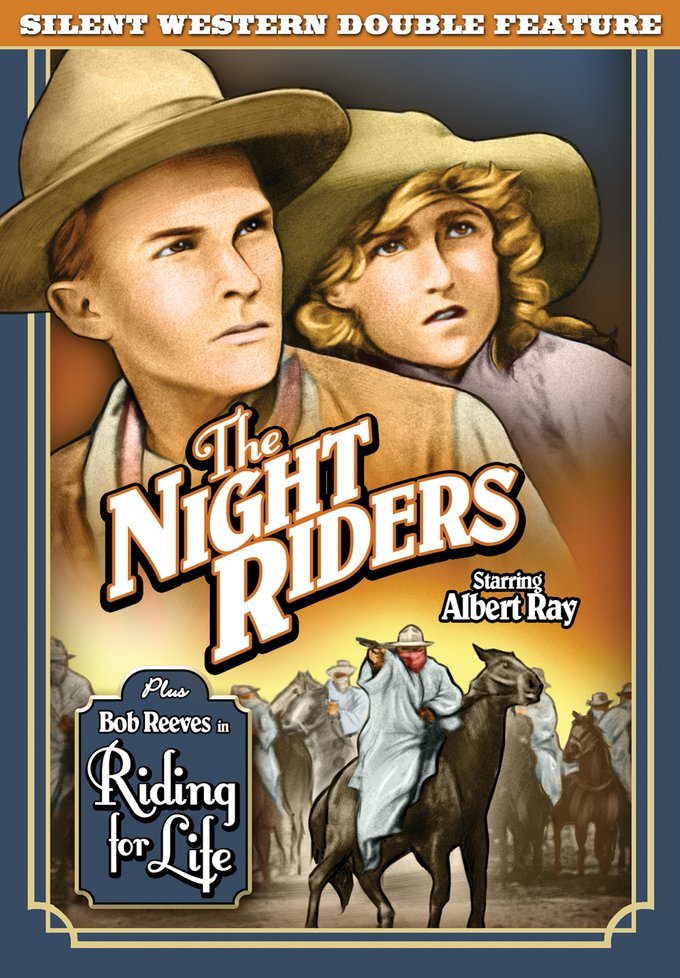
| The Night Riders | Ethereal | High | 96% Match |
| In the River | Gritty | High | 92% Match |
| The Great Shadow | Gothic | High | 94% Match |
| The Scarlet Letter | Gothic | Abstract | 87% Match |
| Eva, wo bist du? | Gothic | Dense | 86% Match |
This guide was algorithmically generated using the cinematic metadata of Carl Harbaugh's archive. Last updated: 6/26/2026.
Back to The Tomboy Details →