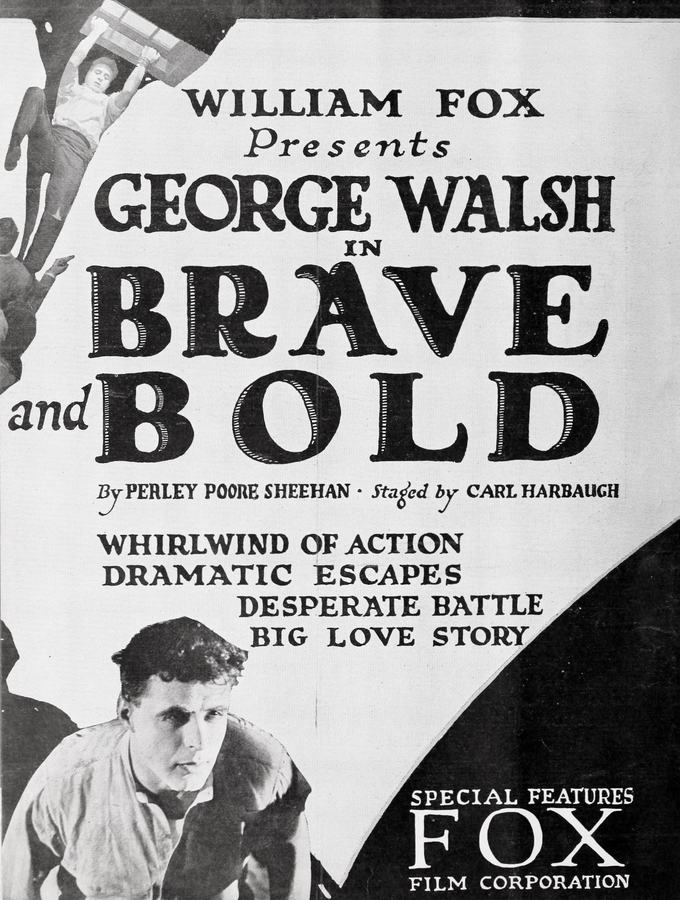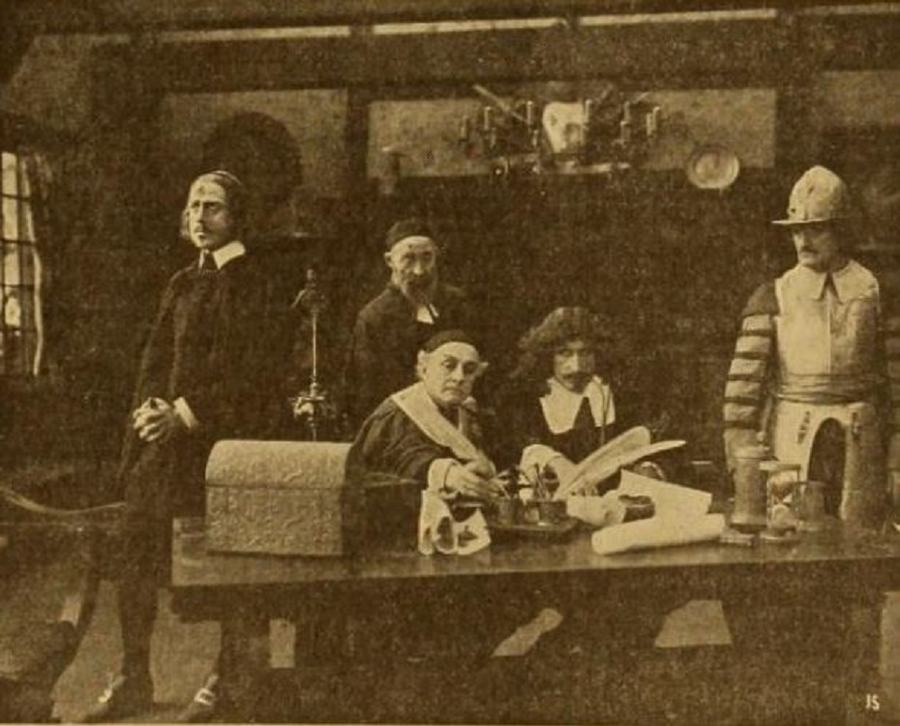
The film tells the story of a noble but poor woman who arrives at Boston in the 17th century. There she marries an old but quite rich doctor but does not become happy.
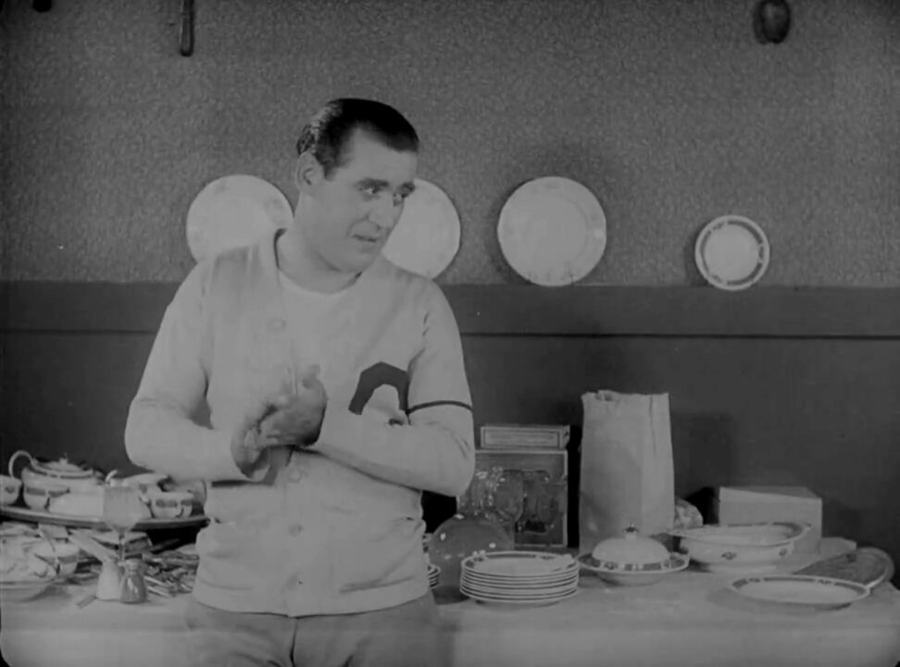
Carl Harbaugh, Nathaniel Hawthorne
United States
body{color:#fff;font-family:'Segoe UI',sans-serif;background:#000;margin:0;padding:2rem;}a{color:#0E7490;text-decoration:none;font-weight:bold;}a:hover{color:#EAB308;}blockquote{border-left:3px solid #C2410C;padding-left:1rem;margin:1rem 0;font-style:italic;} A century before binge-worthy anti-heroines, Kittens Reiche...
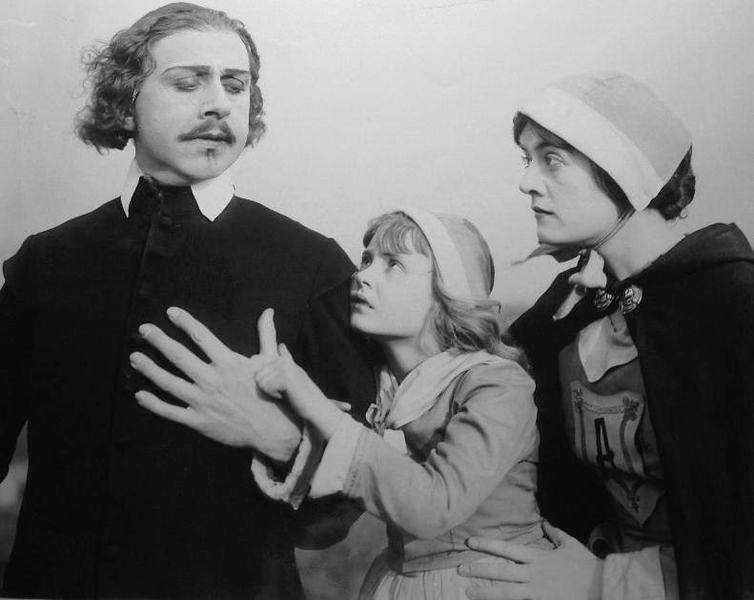
still_frame
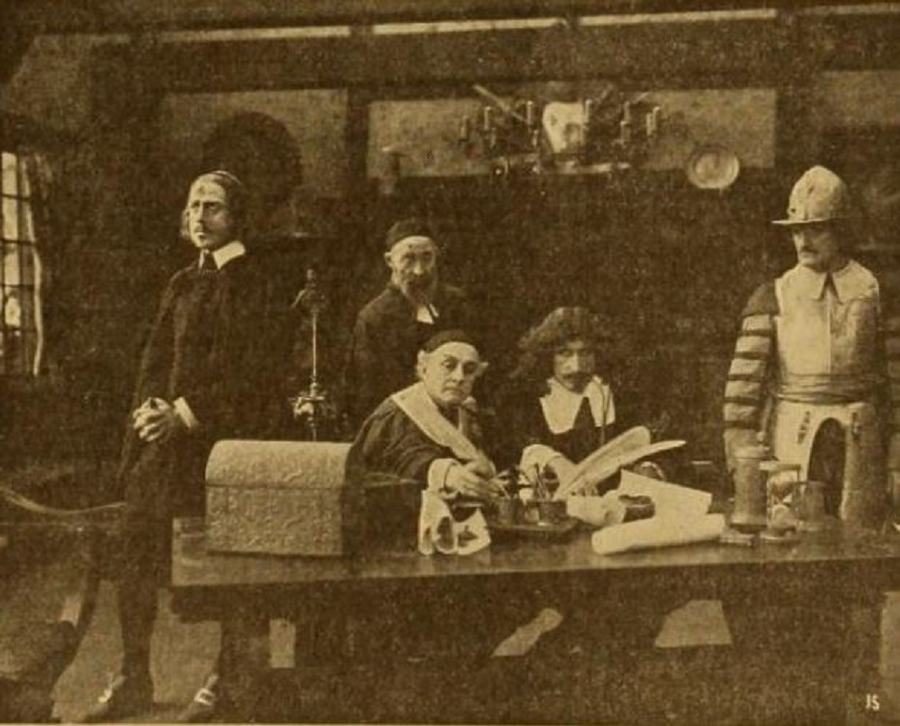
still_frame
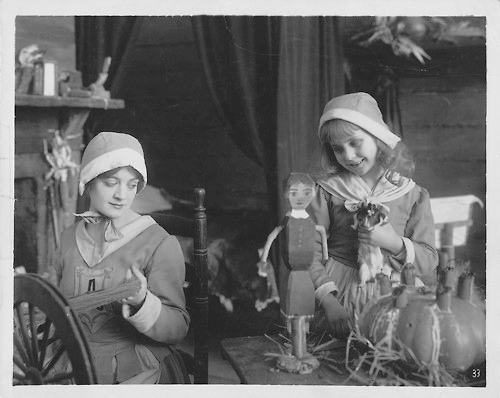
still_frame
Comparing the cinematic DNA and archive impact of two defining moments in cult history.
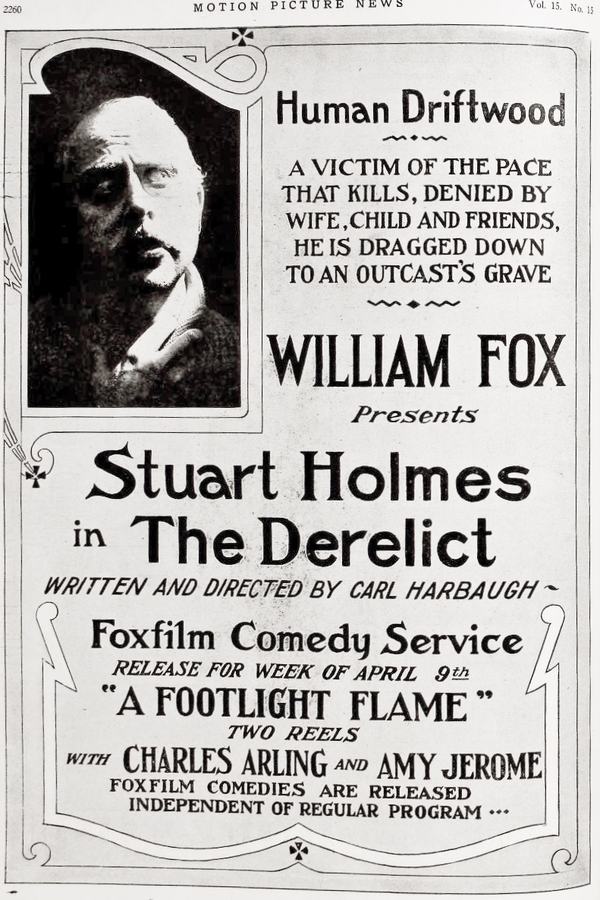
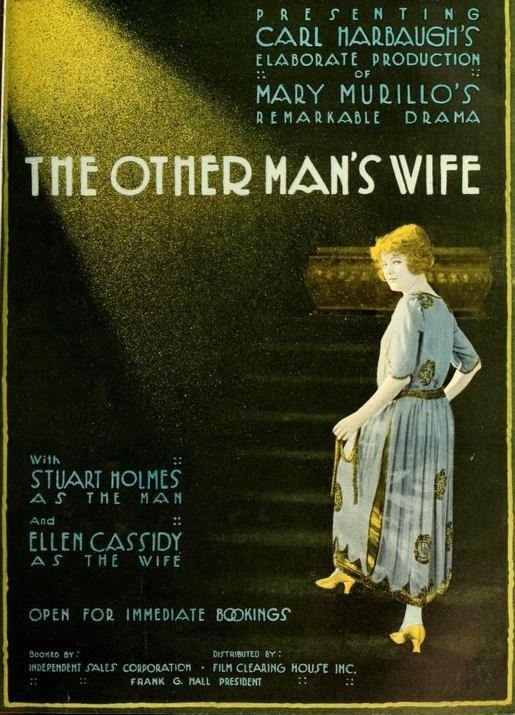
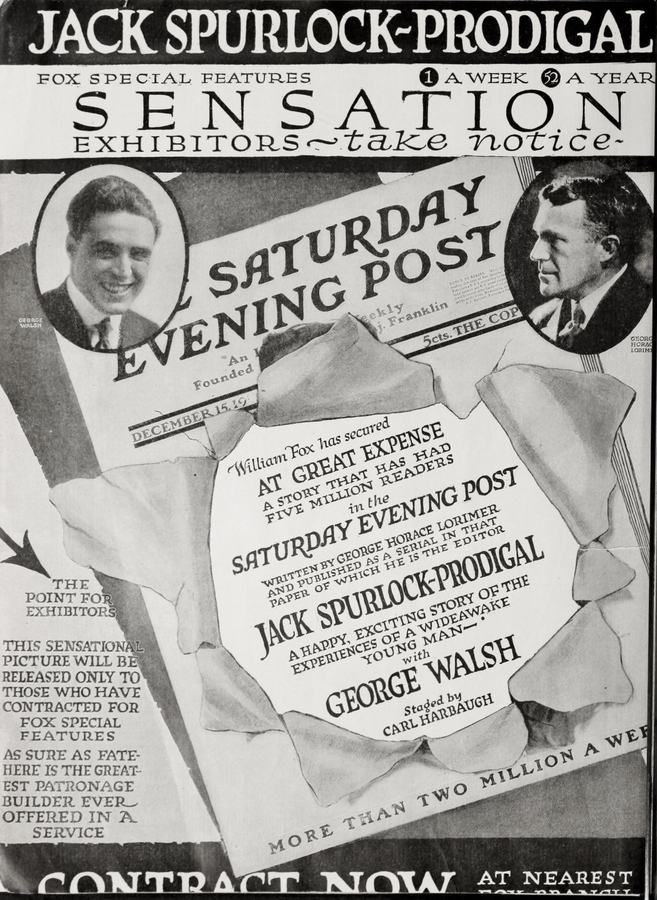
Carl Harbaugh
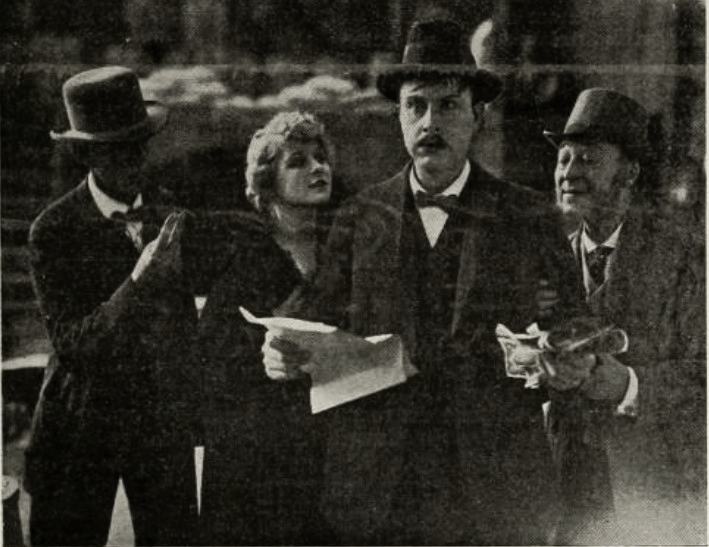
Carl Harbaugh
Community
Log in to comment.
"body{color:#fff;font-family:'Segoe UI',sans-serif;background:#000;margin:0;padding:2rem;}a{color:#0E7490;text-decoration:none;font-weight:bold;}a:hover{color:#EAB308;}blockquote{border-left:3px solid #C2410C;padding-left:1rem;margin:1rem 0;font-style:italic;} A century before binge-worthy anti-heroines, Kittens Reichert stitched the first scarlet binge into celluloid: a letter that bleeds across intertitles, mutates in tint, and finally scorches the retinas of every sanctimonious townsman who d..."
Deep dive into the cult classic
Discover similar cinematic experiences
A Directorial Spotlight on Carl Harbaugh