
DbcultAccessing Vault...
Recommendations
Senior Film Conservator
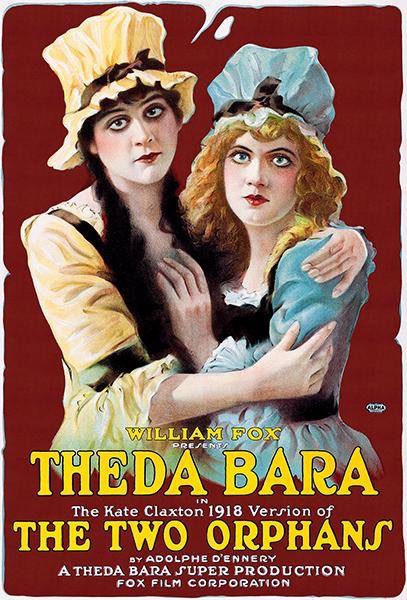
Ever since The Two Orphans hit screens in 1915, fans have sought that same cult status, the search for similar titles reveals the deep impact of Herbert Brenon's direction. These recommendations provide a deep dive into the same stylistic territory occupied by The Two Orphans.
Whether it's the cult status or the thematic depth, this film to capture the existential zeitgeist of 1915.
In Paris, the beautiful orphan Henriette is kidnapped by the Marquis de Presles, a libertine, leaving her blind and defenseless friend Louise wandering the streets alone. While Mother Frochard, a beggar and thief, forces Louise to beg for her food, Henriette is rescued by the Chevalier de Vaudrey, who loves her. The chevalier's mother, the Countess De Liniere, discovers that Louise is her long-lost daughter and resolves to find her. In the meantime, Mother Frochard's son, a hunchback named Pierre, falls in love with Louise, and when his brother Jacques cruelly beats the girl, Pierre kills him. Just then, the countess locates Louise, and after the girl regains her sight, she is joined with Pierre. The countess then gives her consent to the marriage of her son and Henriette.
The influence of Herbert Brenon in The Two Orphans can be felt in the way modern cult films handle cult status. From the specific lighting choices to the pacing, this 1915 release set a high bar for atmospheric immersion.
Based on the unique cult status of The Two Orphans, our vault has identified these titles as the most compelling follow-up experiences for fans of cult cinema:
Dir: Herbert Brenon
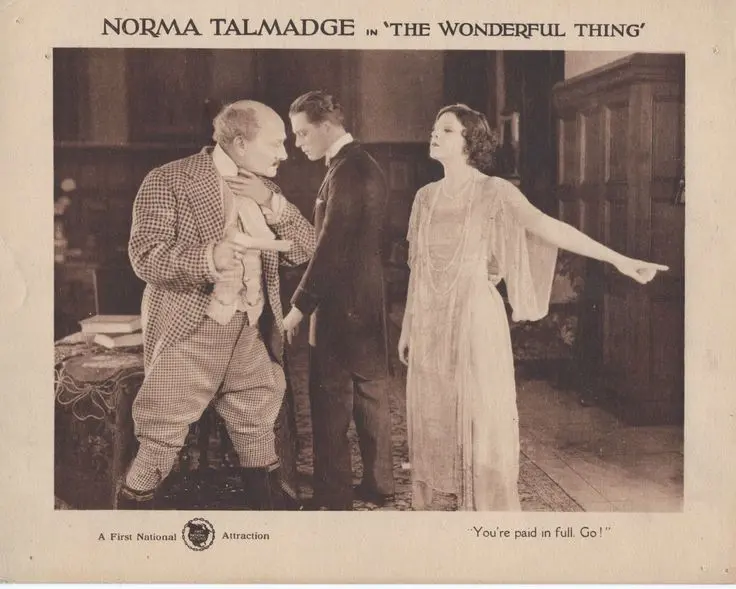
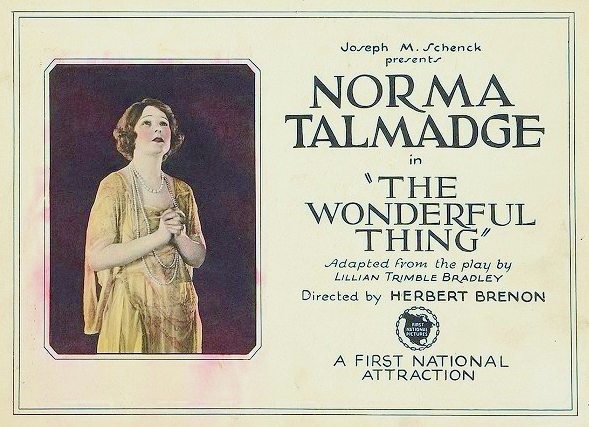
Jacqueline Laurentine Boggs, the daughter of an American hog farmer, is schooled in France and comes to stay with an English family. There she brings a dose of reality to her snobby hosts.
View Details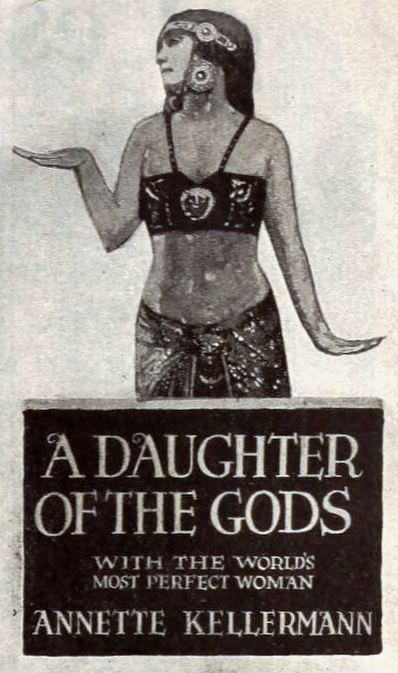
Dir: Herbert Brenon
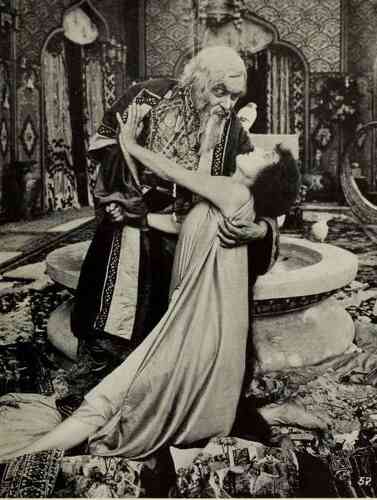
A sultan agrees to help a wicked witch destroy a mysterious young lady if the witch will bring his young son back from the dead with magic.
View Details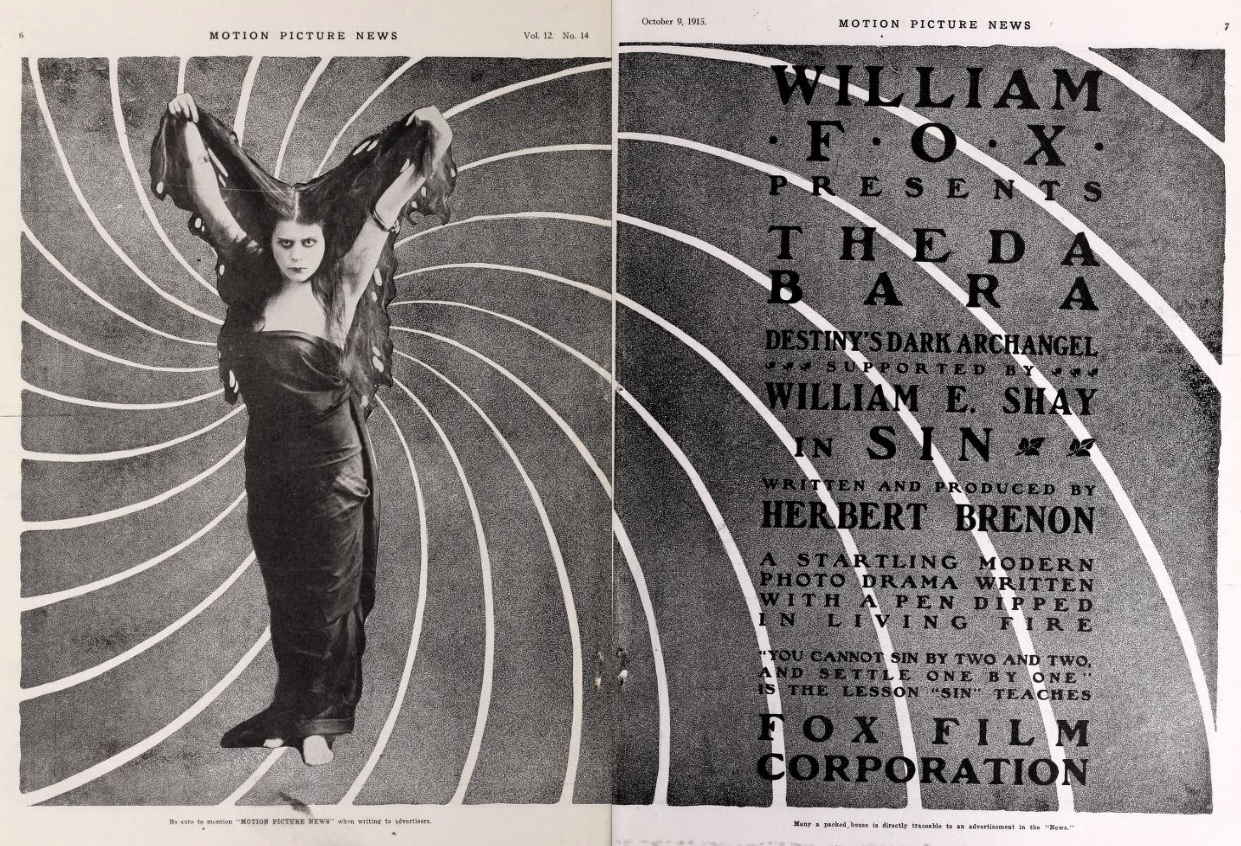
Dir: Herbert Brenon
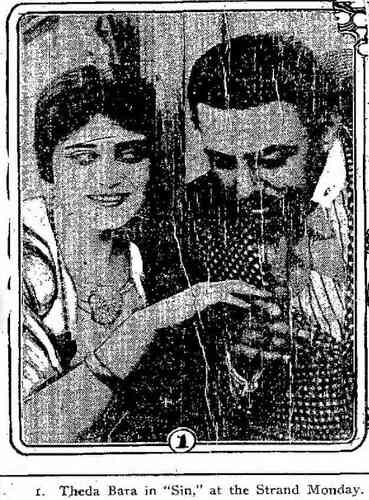
Italian peasant girl deserts her fiancé for wealthy gangster and departs for America.
View Details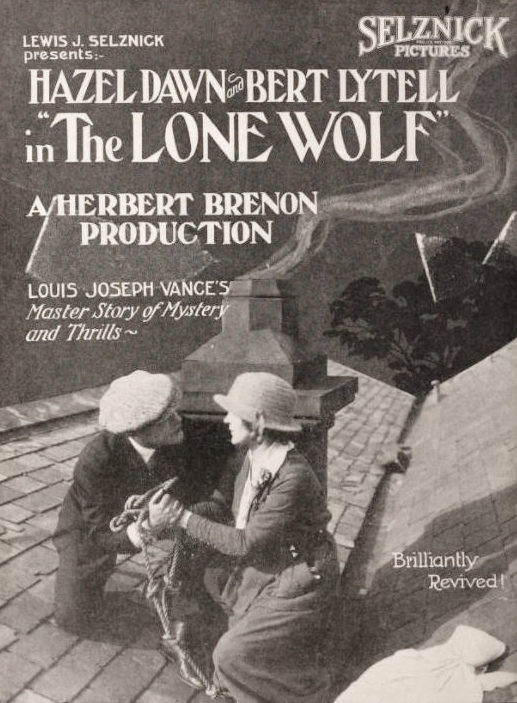
Dir: Herbert Brenon
When Marcel, a waif, saves master crook Burke from the police, Burke adopts the youngster and teaches him his profession. Years later, Marcel has become a master crook himself, working under the name of Michael Lanyard. His clever work baffles the Paris police, who dub him "The Lone Wolf". The Pack, a gang of criminals, notifies The Wolf that unless he joins them, he is marked for destruction. Lucy, an undercover agent masquerading as a crook to expose the gang, helps The Wolf escape. This inaugurates a series of adventures in which Lucy and The Wolf are pursued by the gang, finally making their escape to England by plane. The Pack follows, only to meet their death in a plane crash. Liberated from his tormentors, The Wolf vows to go straight and marries Lucy.
View Details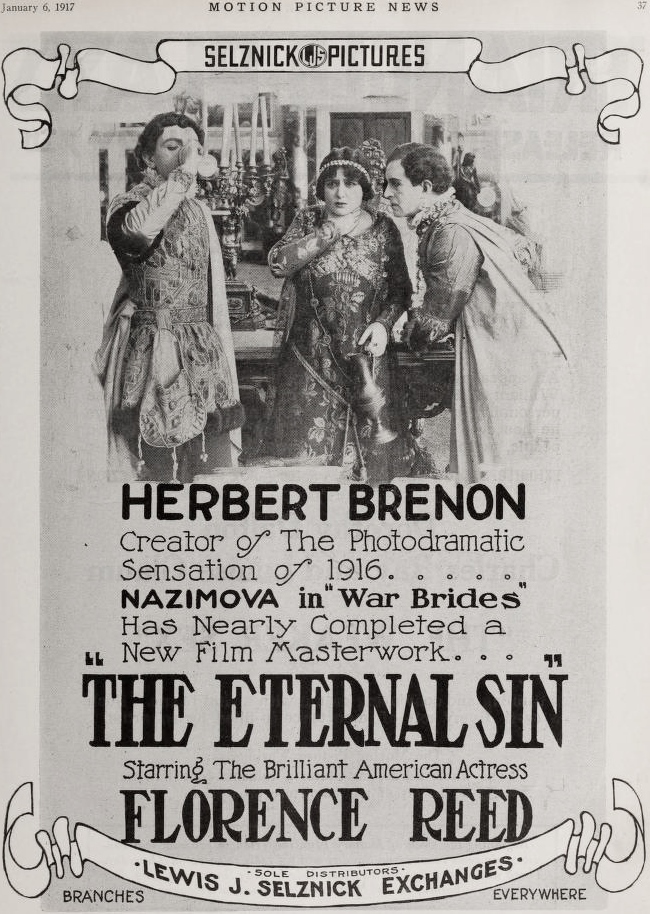
Dir: Herbert Brenon
Gennaro, the son of Lucretia Borgia, lives unaware of the identity of his mother, who has married the Duke of Ferrara. After Lucretia's brother is killed by five conspirators, the fathers of Gennaro's dearest friends, Lucretia tortures the old men to death. Later, Gennaro and his companions journey to Lucretia's domain, and she sees her son for the first time. The Duke, who believes him to be her lover, poisons him, but Lucretia administers the antidote in time and saves his life. Then she schemes to poison her sons' five friends for their fathers' mistake. She succeeds in poisoning them all at a dinner at which Gennaro is an uninvited guest. In dismay, she pleads for him to take the antidote, but he refuses and in a fury avenges his friends by stabbing Lucretia. As he lies dying, he learns that she was his mother.
View Details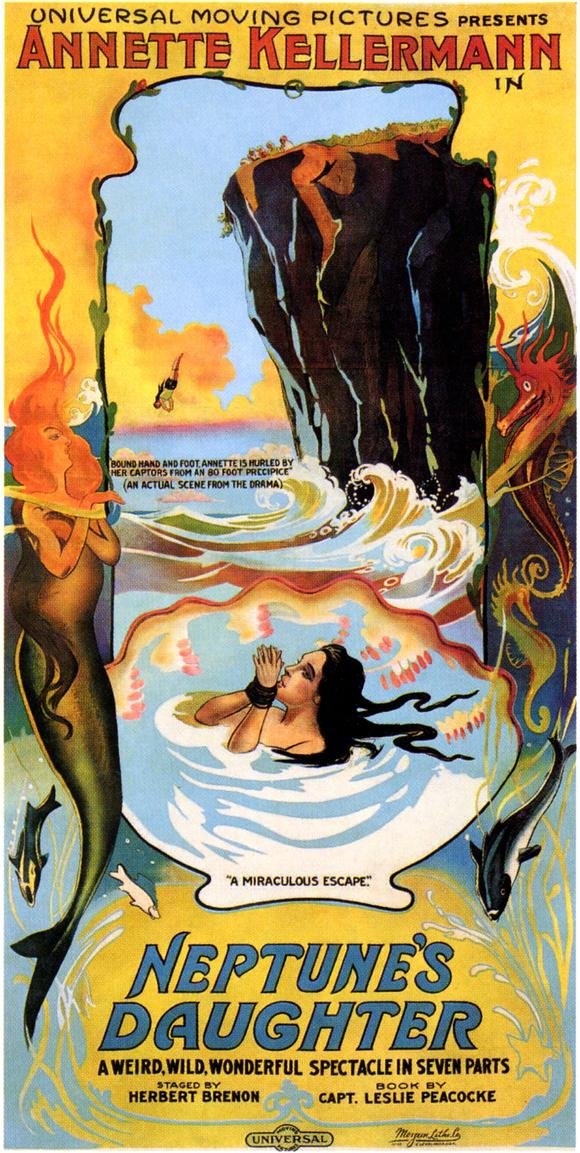
Dir: Herbert Brenon
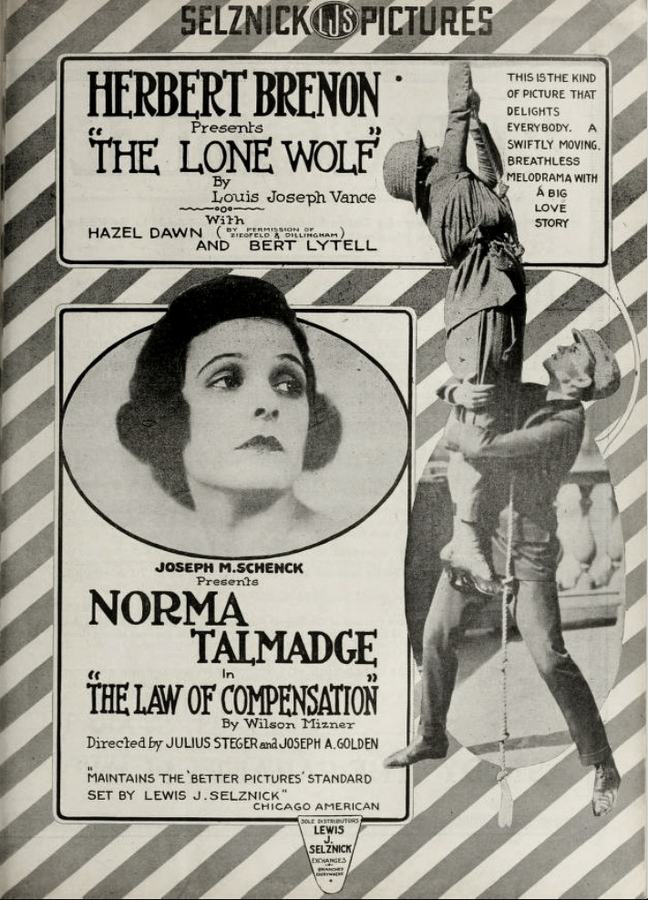
A mermaid princess plans vengeance against a prince whose net killed her sibling. But upon meeting him, she develops romantic feelings.
View Details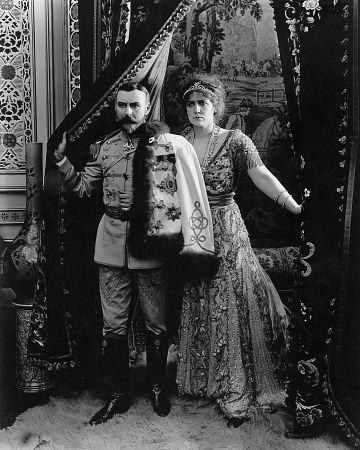
Dir: Herbert Brenon
A dramatization of the Russian revolution and the influence upon the Russian royal family of the famous "mad monk," Rasputin.
View Details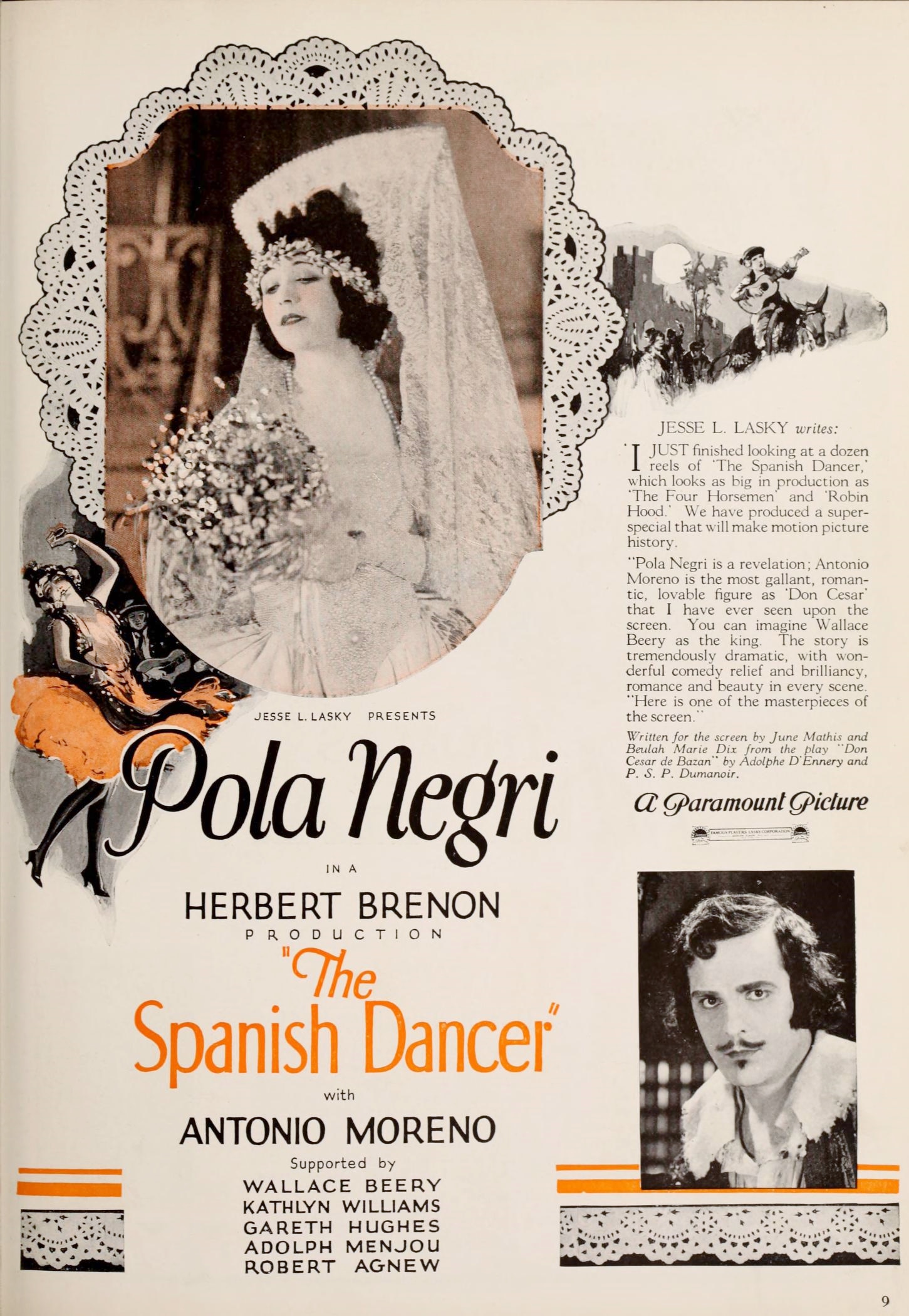
Dir: Herbert Brenon
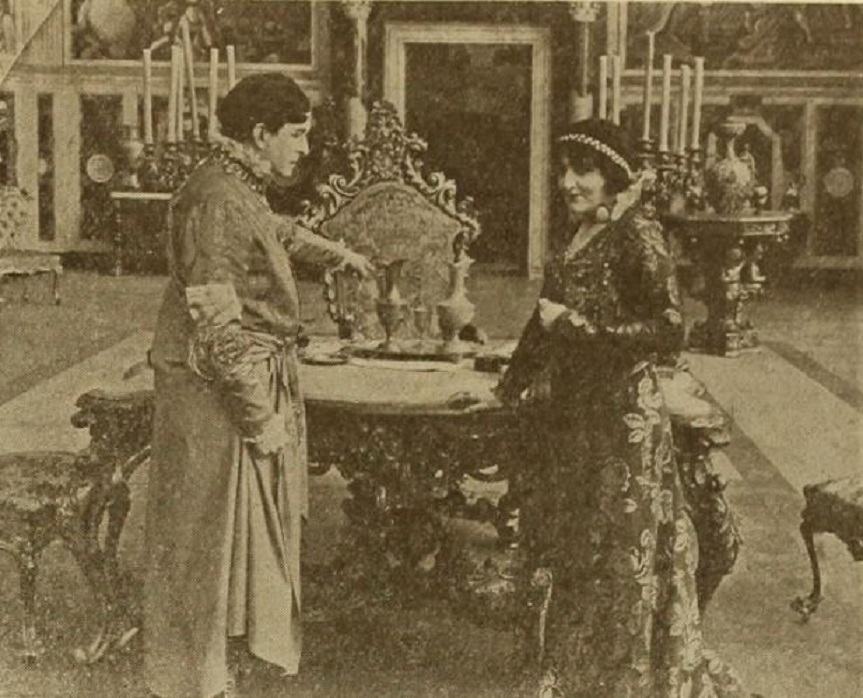
A love story between Don Cesar de Bazan and a beautiful Gypsy dancer.
View Details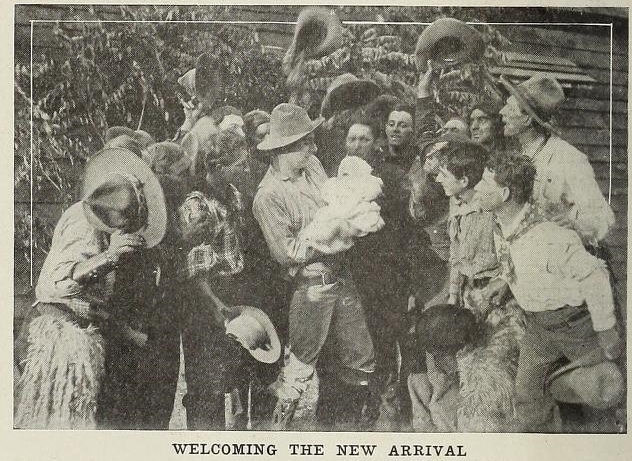
Dir: Herbert Brenon
The secret marriage of a farmer and servant girl in an English household leads to a child born that is not believed to be legitimate.
View Details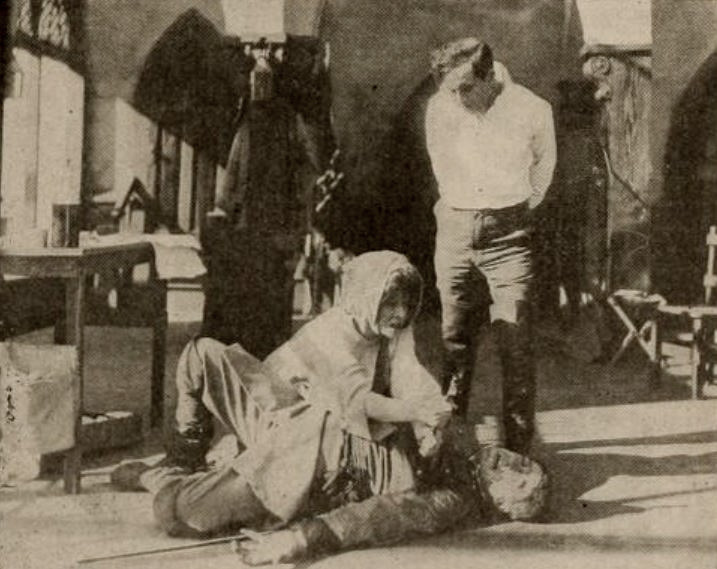
Dir: Herbert Brenon
Maryland Calvert lives in that section of Maryland divided against itself in the question of secession. Her brother Floyd is so strong a Northern sympathizer that he joins the Federal secret service unknown to his family and enlists in the Southern army to increase his efficiency. Her fiancé, Alan Kendrick, takes a commission in the Federal Army, although his father becomes a general in the Confederate forces. One Thorpe, a discredited Union officer, is given an opportunity to serve the Federal secret service and in that capacity, joins the Confederate army, becoming an aide to General Kendrick, whose headquarters are at the Calvert mansion. Alan Kendrick is among the Northern prisoners taken by the Confederates and when sent for exchange is recognized by Thorpe, whose bitter hatred has been aroused by the part the gallant Unionist had in his former discovery and degradation for conduct unbecoming an officer and a gentleman. Learning the Federal plans of campaign from Lloyd Calvert, who believes him to be a loyal member of the Federal secret service, he takes advantage of this knowledge to attempt the destruction of the Union camp to which Alan Kendrick has been sent, thereby hoping to encompass Alan's death. Thorpe fails, but Alan, taking a desperate chance to visit Maryland Calvert, is captured in a Confederate uniform and sentenced to death as a spy. Maryland Calvert, hysterical over the death of her brother Lloyd, who was shot down while trying to "run the lines" with information, is unconsciously responsible for Alan's denunciation and conviction as a spy. When she realizes his situation, Maryland braves the hazardous ordeal to reach the Union lines and secures from General Hooker a written request upon General Kendrick to delay Alan's execution until facts may be presented proving his innocence of espionage can be established. Her return finds General Kendrick dead on the battlefield, the treacherous Thorpe in supreme command and Alan imprisoned in a church awaiting momentary execution. When Maryland presents her letter to Thorpe he realizes his supreme opportunity for revenge is at hand. He orders a squad to dispatch Alan and proceeds to force his unwelcome attentions upon Maryland. With her lover standing bound before her awaiting death, Maryland is driven to such a frenzy that she plunges a bayonet into Thorpe. He falls unconscious and she releases Alan, gives him Thorpe's hat and coat as a disguise, and bids him fly for his sake as well as her own. A moment later when Thorpe regains consciousness and orders an alarm sounded. Maryland recalls that the old church-bell is the agreed tocsin. Dashing up the creaking stairs she reaches the highest spot in the belfry and clinging to the enormous clapper swings from it in its dizzy flight, using her frail hands as a muffler to kill all sound. The deaf sexton tolls away at the rope unconscious of the fact his labor is in vain. Maryland is made a prisoner and is about to be executed in her own home, when Alan appears at the head of the Union troops. Thorpe would use her as a shield to compel Alan to fire upon his beloved or abandon the attack, but at the crucial moment he is removed from command by order of General Lee, who has learned of his perfidy. Alan Kendrick grants the Confederates a truce to cover their retreat and the drama ends with a blissful reunion of the lovers.
View DetailsAnalysis relative to The Two Orphans
| Film Title | Atmosphere | Complexity | Similarity |
|---|---|---|---|
| The Wonderful Thing | Gritty | Layered | 91% Match |
| A Daughter of the Gods | Gothic | Abstract | 92% Match |
| Sin | Tense | High | 92% Match |
| The Lone Wolf | Gothic | Linear | 93% Match |
| The Eternal Sin | Gritty | Layered | 92% Match |
This guide was algorithmically generated using the cinematic metadata of Herbert Brenon's archive. Last updated: 6/20/2026.
Back to The Two Orphans Details →