
DbcultAccessing Vault...
Recommendations
Senior Film Conservator
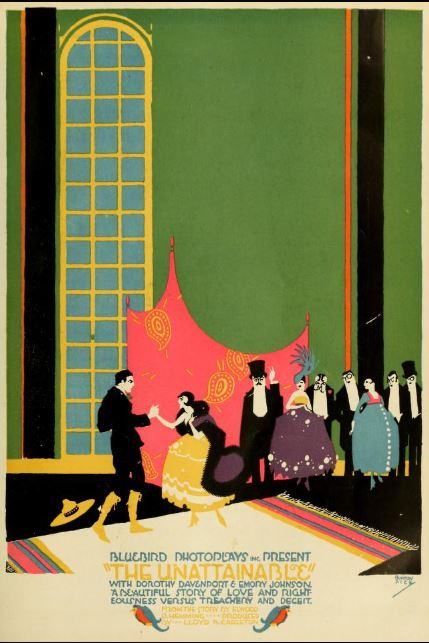
The 1916 release of The Unattainable redefined the parameters of cult storytelling, the narrative complexity found here is a rare find in the 1916 landscape. Prepare to discover your next favorite movie in our hand-picked collection.
Historically, The Unattainable represents to explore the darker corners of the human condition with stylistic flair.
Bessie Gale, known in New York night life as "the unattainable," is pursued by Henry Morton, wealthy clubman. Morton follows Bessie across the continent, traveling with the theatrical company of which she is a member. In crossing the Sierra Nevada Mountains the girl is particularly impressed with the scenery, and at a way station where the train stops for a few moments Bessie alights and strolls so far away from the depot she is unable to return in time to board the train when it proceeds. She finds shelter for the night at Robert Goodman's home, intending to rejoin her company when the next train comes along the following day. The receipt of a telegram discharging her for missing her train changes her plans, and Bessie settles down at the Goodman home for a stay of indefinite duration. Robert Goodman's mother takes a great fancy to Bessie and Robert falls in love with her. Finally they are married, but the longing for her old life is never quite stifled within her and Bessie rejoices when she is sent to New York by her husband to negotiate the sale of his formula for preventing disease among sheep that is just then devastating the flocks throughout the country. Bessie collects an immense check and contracts for royalties that make Robert a millionaire, and is about to start home when she accidentally meets some of her former associates. The call of the stage is renewed with resistless vigor when Bessie is offered an engagement by her former manager. Morton hears of her presence in town and renews his efforts to attain "the unattainable." Bessie writes to her husband that she is going back to the stage. Robert senses trouble for her and comes to New York without notifying her. He finds her dining with Morton under conditions any husband would resent, and when Morton is unable to defend himself from the physical retribution Robert rains upon him Morton shoots the husband in the coward's target, his back. The tragedy restores Bessie to a realization of her perfidy and folly; Morton acquires a streak of unheard of manliness and when Robert is taken to the hospital the clubman offers his blood for transfusion to Robert's veins that the life of his victim may be saved. The blood test reveals that Morton's blood would poison the stricken Robert and then Bessie is accepted as a volunteer to give her blood to save her husband's life, an operation that is entirely successful.
The influence of Lloyd B. Carleton in The Unattainable can be felt in the way modern cult films handle stylistic flair. From the specific lighting choices to the pacing, this 1916 release set a high bar for atmospheric immersion.
Based on the unique stylistic flair of The Unattainable, our vault has identified these titles as the most compelling follow-up experiences for fans of cult cinema:
Dir: Lloyd B. Carleton
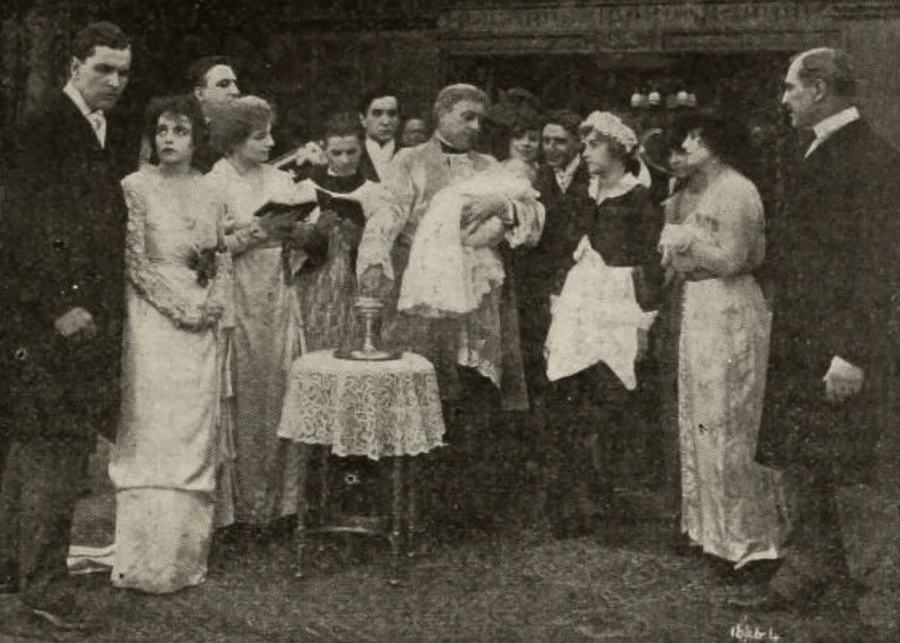
Peter Sturton, a politician and head of the machine, decides to support Walter Croydon, a rising young attorney, for the position of Governor of the State. Croyden is in love with Beatrice Farley, a young society belle, but they have not been formally engaged. Croyden, on the evening that he is to take Beatrice to a society affair, meets Sturton at the club, and becomes slightly intoxicated. He is in this condition when he calls upon Beatrice, and she refuses to accompany him. The next morning Croyden comes back and apologizes for his condition of the night before, and begs Beatrice to forgive him and promise to marry him. She tells him that she is leaving for Europe and that she will give him an answer when she returns. John Nevill, a man about town is a personal friend of Sturton's. Nevill is unhappy married, but he and his wife still continue to live together. Nevill decides to go abroad. As the boat is ready to sail, Nevill sees Beatrice bid Croyden goodbye and come on board. He is attracted by her beauty, makes her acquaintance on the ship, and becomes infatuated with her. He begins paying her attention without telling her that he is married. Beatrice comes to Monte Carlo where Nevill is staying, and finds that she loves him in return. Nevill proposes that they go to Paris to be married, and Beatrice consents, but friends of Nevill's, who have arrived from the States, betray the fact that he is already married. Beatrice, heartbroken, begins packing to return home. Nevill pleads with her to no avail. After Beatrice leaves, Nevill takes to drink, and Mrs. Nevill persuades him to return home with her. In the meantime, Croyden has married Beatrice, and has become Governor. Sturton calls upon the Nevills and asks them to attend the inaugural ball to meet the Governor and his bride. Nevill discovers that the Governor's wife is no other than Beatrice, and he becomes crafty in an attempt to win her away from Croyden. Beatrice sees the ravages of dissipation in Nevill, and listening to his plea, promises to become his friend. They are seen much together, but Croyden is of an unsuspicious nature, and Beatrice believes that there is nothing wrong in her friendship for Nevill. Time elapses and Croyden is running for reelection. Sturton has a falling-out with the Governor and is opposing him. The Croydens now have a child, a boy a few months old. A friend goes to Croyden and tells him that the people are beginning to talk of Nevill's being seen so much with Mrs. Croyden, but the Governor refuses to believe it is more than idle gossip. To turn the people against Croyden, Sturton causes an article to be published saying that while the Governor has been away on a tour of the State to secure votes, his wife has been seen continually in the company of a certain man whom the paper does not mention. When Croyden sees this, Nevill tells him that surely he can trust his wife, and Croyden dismisses the matter from his mind. Nevill decides upon a plan to turn Croyden from his wife, believing that Beatrice will then come to him. He gives Sturton a paragraph to put in the papers on the day before election. This is the day that Croyden's baby is to be christened. As the guests are gathered for the christening and Croyden is preparing to leave his office, he sees a copy of the newspaper hinting that the child's father is not Croyden but the man who Beatrice has been seen with so much of late. Overcome, Croyden drinks heavily and returns when the christening is in progress, quite intoxicated. He breaks in upon the affair, denouncing Beatrice and forbidding her to name the child after him and accuses Nevill of being the father of the child. This Nevill refuses to deny. Locking himself in his room, Croyden refuses to see Beatrice or let her explain. Beatrice, in terror over her husband's action, and realizing that Nevill alone can clear her name, decides to make him right her. She arrives at Nevill's and is admitted to see him alone. Nevill believes that he has won and tells her that he will give her a letter clearing her name, but that she must pay the price. He writes the note and then locks the door and confronts her. In the meantime Croyden has learned where she has gone, and follows. Beatrice struggles with Nevill to preserve her honor, and finally, in desperation, catches up a sharp paper cutter and stabs him, dropping the weapon to the floor. Croyden enters, accompanied by Mrs. Nevill, and finds Nevill dying. Realizing that he is on the verge of death, the good in Nevill comes to the surface. He picks up the knife and tells them that for love of Beatrice, and because she has repulsed him he has attempted suicide. He takes the note clearing Beatrice's name from his pocket and gives it to Croyden. Croyden realizes that this will clear him in the eye of the people. He begs forgiveness of Beatrice and as she grants him this, they glance down at Nevill, who falls back dead.
View Details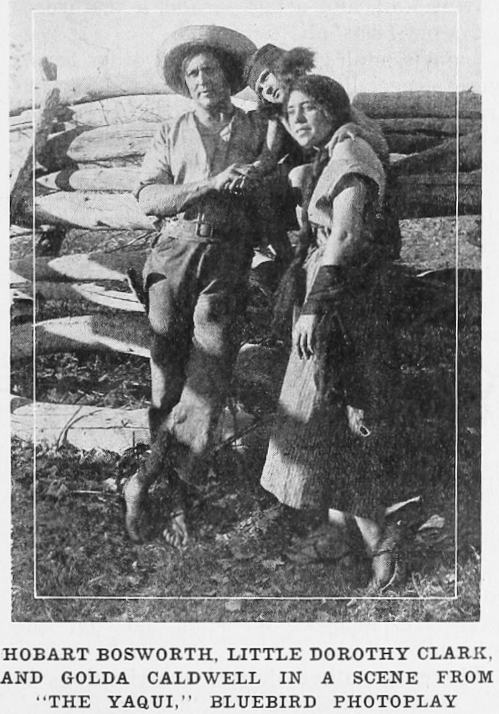
Dir: Lloyd B. Carleton
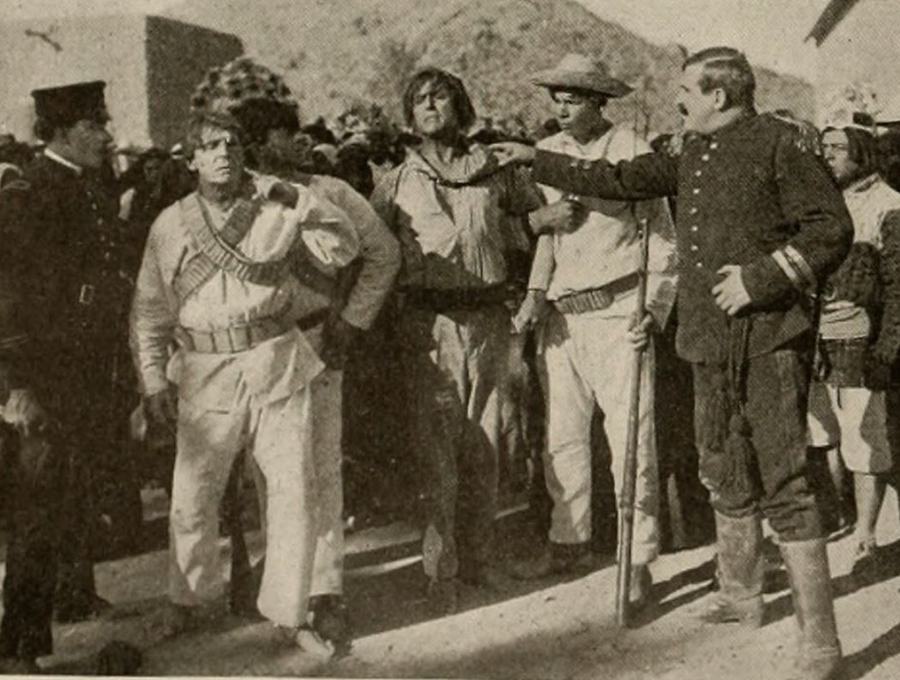
In Mexico, a poor Yaqui Indian loses his family through the actions of a racist Mexican officer named Martinez.
View Details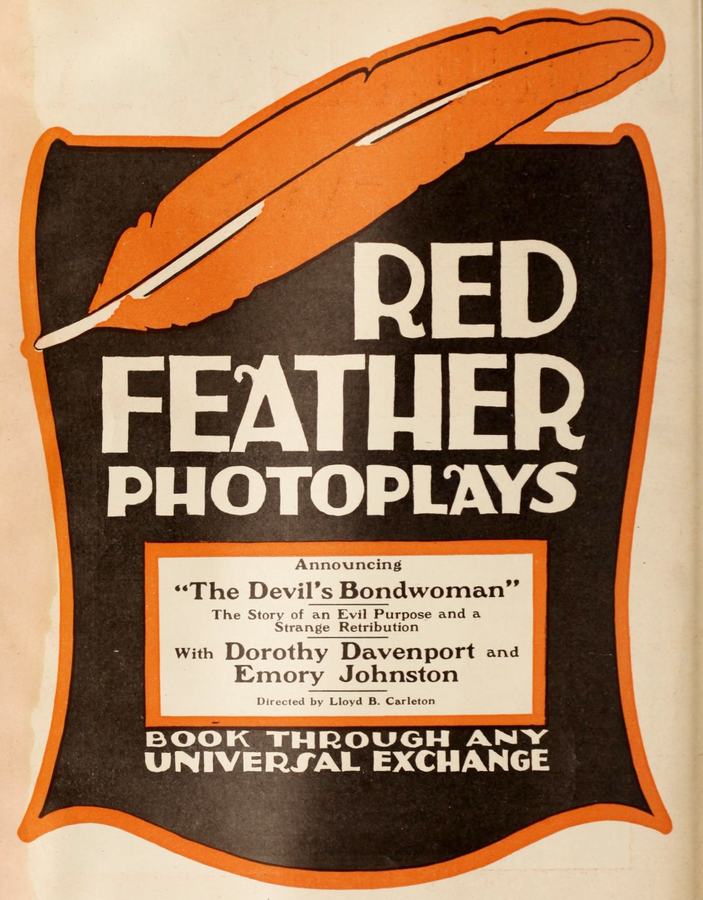
Dir: Lloyd B. Carleton
Satan has added his last touches to the mortal and feels the "Man" is ready to navigate the road of life. Satan returns to Hell, discovering the spirits have created another mortal. Satan declares this mortal a "Woman."
View Details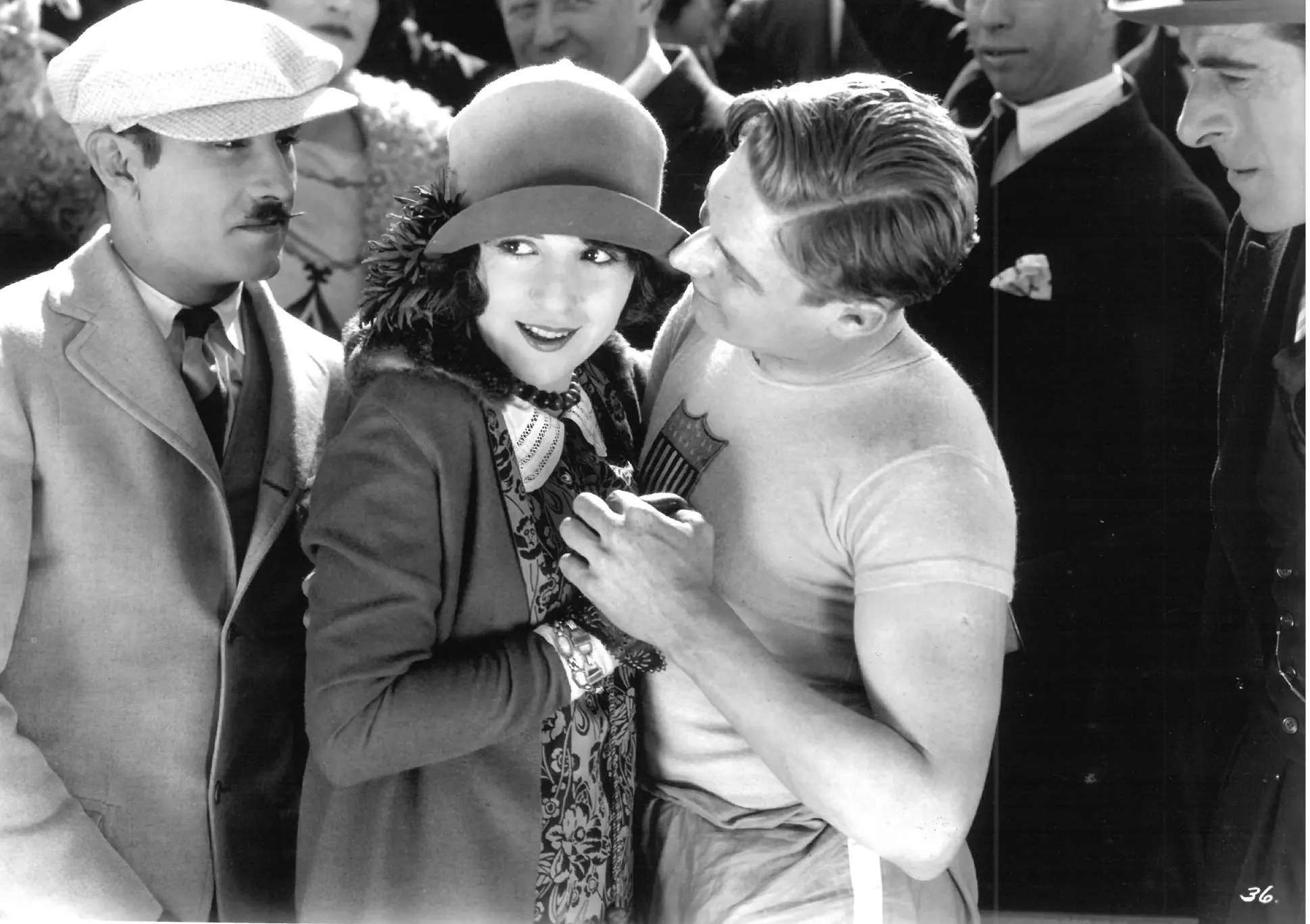
Dir: Lloyd B. Carleton
Charley Raymond, college athlete, is disowned by his father, has his clothes stolen by a hobo, assumes latter's garments and the nickname of "Chuck" and is thrown off a freight train. He meets and loves Mary Bowser, ranch-man's daughter and wins a race against a fast horse. Mary is kidnapped by a jealous suitor. Charley pursues on foot and rescues her. Later, he returns home, breaks the world sprinting record in the Olympic Games and wins Mary.
View Details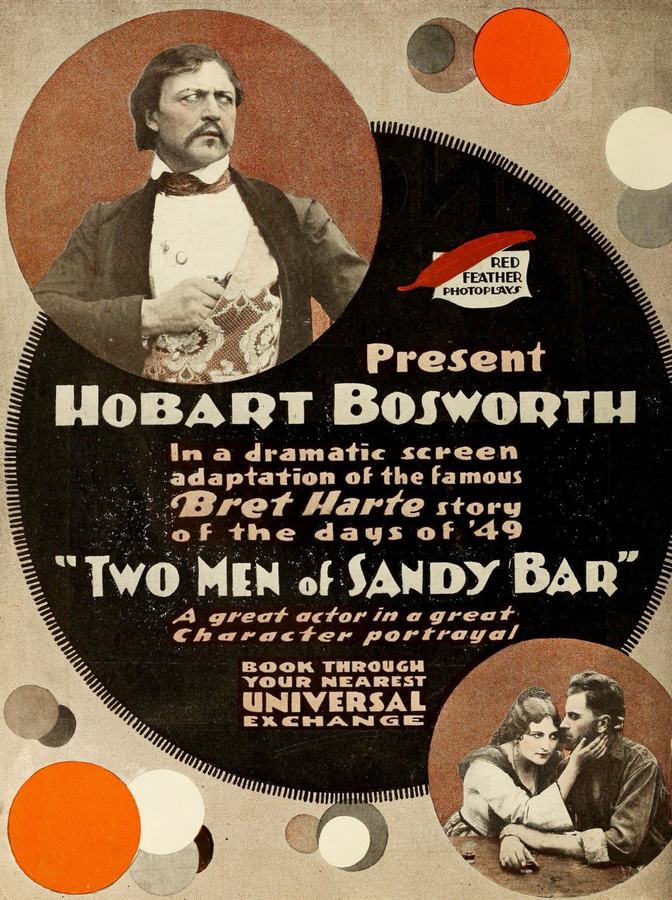
Dir: Lloyd B. Carleton
John Oakhurst is a chivalrous gambler, and his friendship for Sandy Morton forms the motif of the story. Sandy Morton was given to excessive drink, which through the connivance of the duchess, the queen--of the gambling houses--resulted in the loss of his birthright. Though his father had maintained a search for him covering a number of years, he had never been able to locate him. Circumstances so shaped themselves that Oakhurst innocently, and believing Sandy dead, took the place of the long-lost son in his father's affection and household, and these circumstances reached a climax when Sandy's true identity was revealed at the psychological moment by the duchess herself. So upright has Oakhurst been in all his dealings with the eider Morton that as he turns to leave the room, the old man calls him back and announces that henceforth the name under which he will operate his banking business will be Alex, Morton and Sons and Oakhurst. Thus do the troubles of the two men cement their years of friendship into a life-long association.
View Details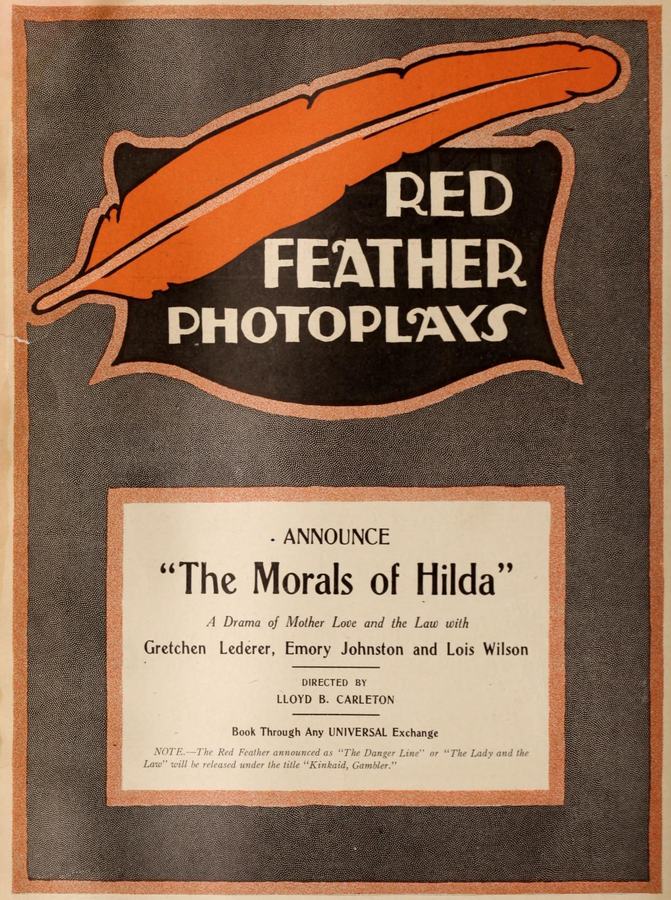
Dir: Lloyd B. Carleton
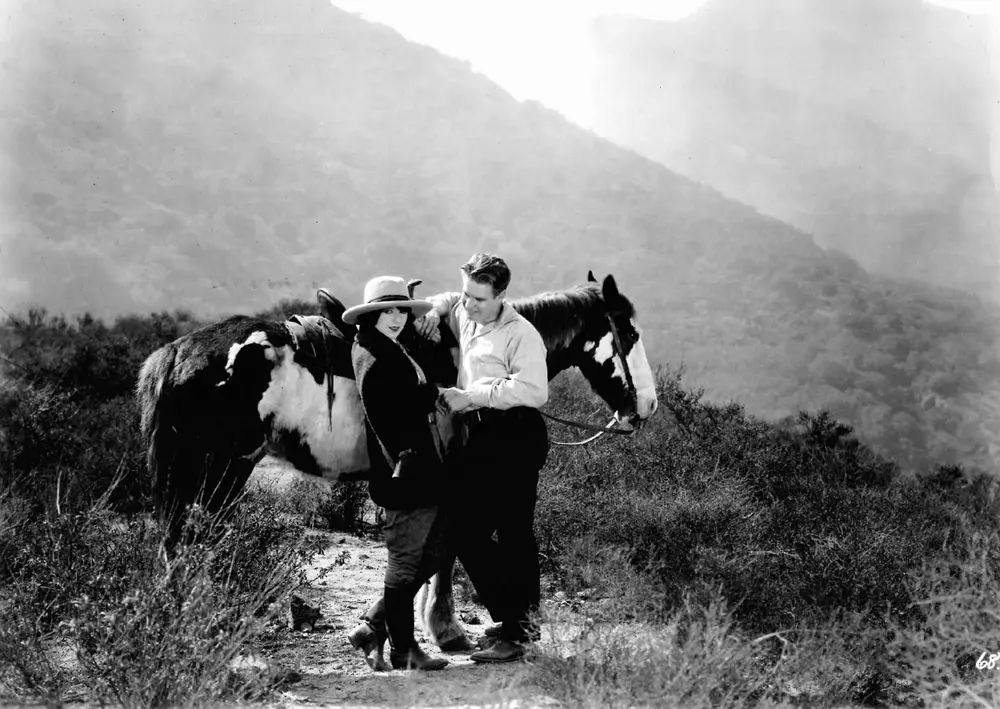
August and Hilda are recent immigrants who cannot understand the American emphasis on weddings, because in their country, couples never get married. Fearing that he will be arrested for living with a woman who is not his wife, August stows away on a ship and dies in a wreck at sea. Afterward, Hilda tries to commit suicide, but rich Esther Grail saves her, and then adopts her infant son Stephen. Years later, Esther tells him the circumstances of his birth, and so Stephen goes on a crusade for the rights of illegitimate children. He is soon elected governor, but during his inaugural speech, a fanatic tries to shoot him. Hilda, however, not having seen Stephen for years but deciding to come hear him speak out for the underprivileged, sees the madman and, jumping in front of her son before the bullet hits him, dies in his place.
View Details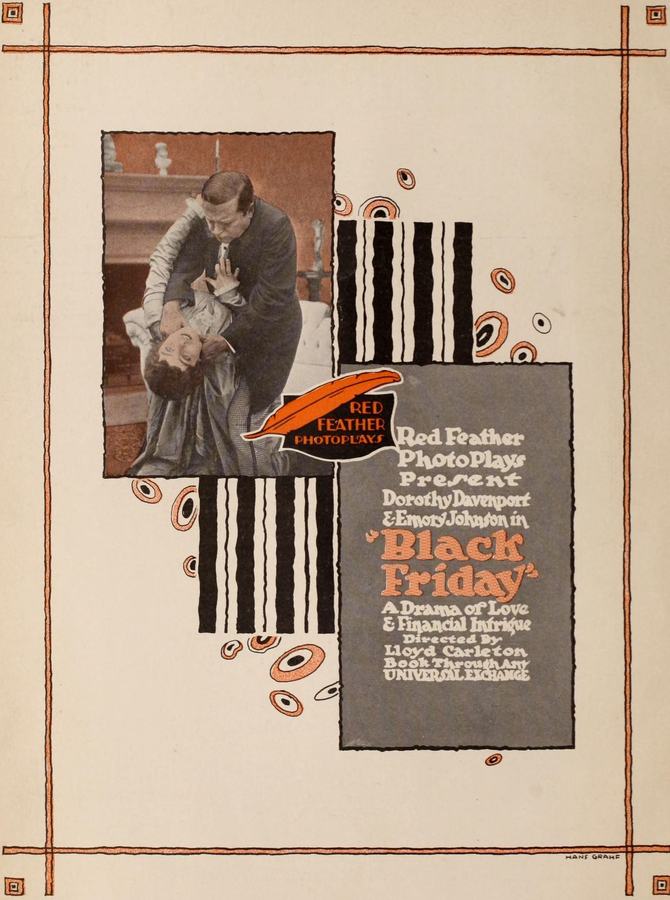
Dir: Lloyd B. Carleton
Railroad tycoon Richard Strong discovers that his enemies are scheming to bankrupt him. Strong enlists the help of Charles Dalton, and together they foil the plot. By chance Dalton meets Strong's wife, Elinor.
View Details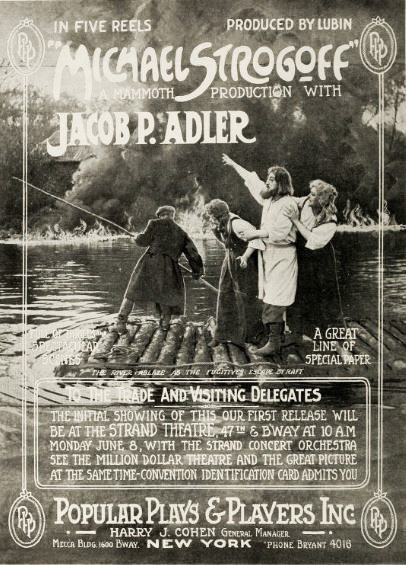
Dir: Lloyd B. Carleton
The Russian Czar sends his trusted confidant, Michael Strogoff, to warn his brother the Grand Duke of a Tartar rebellion that will be led by Feofar Khan and Ivan Ogareff.
View Details
Dir: Lloyd B. Carleton
Westie Phillips, the son of poor and simple Quaker folk, notices a woman marooned on a rock with the tide rising. He rescues her and ever this memory of her remains with him. To Martha Gorham, the daughter of a millionaire, it is only an incident to be remembered for a short time with gratitude toward the boy. In love with Martha Gorham is Harry Arnold, a man considerably older, whose one aim in life now seems to be the winning of her, despite her refusal. Her father, Silas Gorham, is fond of Arnold and favors his suit, although he does not urge his daughter to marry. Arnold invites Martha and her father to go on a cruise with him on his yacht and she consents. Arnold has arranged with his captain to have it appear that the yacht is wrecked near an uncharted island, so he can take Martha to this spot alone and after a month or so the captain is to return and pick them up. About the same time Westie Phillips decides to go out into the world and make his way. He is shanghaied aboard a vessel bound for the Orient and meets with such severe treatment that he manages to escape in Honolulu. It so happens that the Arnold yacht is in the vicinity, and one of the men becoming troublesome, the captain decides to put him ashore. Fate again brings Westie and Martha together, for he secures the sailor's place on board the yacht. He recognizes Martha, but she does not know him. Westie scents that Martha is in danger, and it is with a great deal of satisfaction that he sees Martha repulse the advances of Arnold. Then comes the time when the yacht is in the vicinity of the island. Arnold's plans work out nicely, as he gets Martha in a boat away from her father, but Westie, though he does not know exactly what is happening, senses that there is danger for the woman he loves and insists upon accompanying Arnold. The captain fells him with a blow. Gorham and the others take to the boats and Arnold and Martha are in a boat by themselves. Westie secures a boat and rows for the island. He hears a woman's screams and again comes to Martha's rescue. Then the three take up their life as they find it on the island. Arnold becomes almost crazed when he finds his plans foiled and offers Westie any amount of money if he will but move to the other side of the island. One night Arnold tries to kill the girl, and Westie again saves her. One day Westie and Martha sight a ship and manage to attract it. Before the boat arrives Westie and Martha recognize their love for each other, and their destiny is fulfilled.
View Details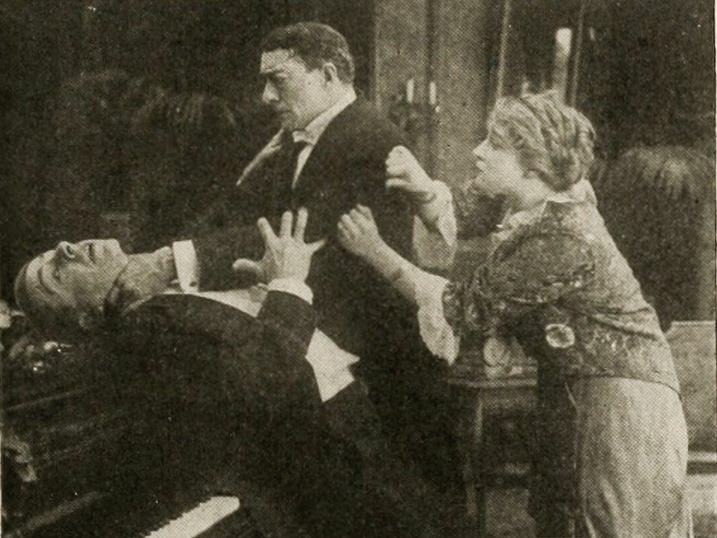
Dir: Lloyd B. Carleton
Jack Frobisher, a sheep farmer in Queensland, has returned to England a millionaire, bought his way into the inner circle of Vanity Fair, married the daughter of a marquis, and settled in Mayfair, with a country house outside, a shooting box in Scotland, and a yacht on the "Solent." Having accepted the patronage of a titled family, he is forced to lend money to his father-in-law, and having fallen in love with a society woman, he becomes a witness of the vacuous amusements of the smart set. He settles her score when she is a very heavy loser at bridge and watches her flirtations with fashionable idlers in general and with a contemptible rake, Harry Dallas, in particular. The return of Hanky Bannister, one of his Australian pals, and a millionaire like himself, opens the way for a patrician intrigue for the enrichment of the marquis' family by the marriage of Lady Lucy Derenham. Frobisher is unable to interest Eva, his wife, or her relations in his schemes for making a good use of his money in the erection of sanitary dwellings in the East End, and he is disgusted with the tendencies of fashionable life and anxious to keep his friend, Bannister, out of a marriage similar to his own. A sympathetic friend Lady Westerby, tells him that she is disappointed in finding him so tame a bear, and assures him that he has only to shout and the walls of Jericho will fall flat. At the marquis' house during a ball, and a game of bridge in Lady Alethea Frobisher's boudoir, during which one of her titled players cheats, wins a lot of money and suddenly discovers that he has an engagement and must go. The most serious flirtation of the smart wife ends in a declaration of love by Harry Dallas, which is interrupted by the gloomy, serious husband. The trumpets of rams' horns are blown, and the Australian shouts before the Jericho of smartness. The battle opens when Frobisher insists upon helping the titled brother-in-law to marry a girl whose honor his been compromised and to make a fresh start in the colonies. The Marquis is angry over the Australian interference with family coat of honor, and Lady Alethea attempts to reduce the rebel to submission by sarcastic flings at his tiresome virtue. The trumpets sound again when Frobisher attempts to prevent a marriage between his sister-in-law and the infatuated Bannister by telling him how heartless and mercenary she is, and there is another blast when the rake, Harry Dallas, is compelled to read to the indignant husband a love letter written to the wife. The Walls of Jericho are rent asunder and thrown down when Frobisher announces that he will sell his property in England and go back to Queensland with his wife and child. The welkin rings when this social Joshua guarding the ark of the covenant of manhood shouts in trumpet tones, "I have enough of these companions of yours, these wretched sexless women who do nothing but flirt and gamble. I've had enough of their brainless, indecent talk, where everything good is turned into ridicule and each word has a double meaning. I've had enough of this existence of ours, in town and country, where all the men make love to their neighbors' wives. I'm done with it. done with it all." Furious as is the onslaught, Lady Alethea offers stubborn resistance and refuses to surrender. Later, with the mediation of Lady Westerby, before a reconciliation can be effected and Frobisher enabled to carry her off to Queensland. By that time the Walls of Jericho are indeed fallen flat.
View DetailsAnalysis relative to The Unattainable
| Film Title | Atmosphere | Complexity | Similarity |
|---|---|---|---|
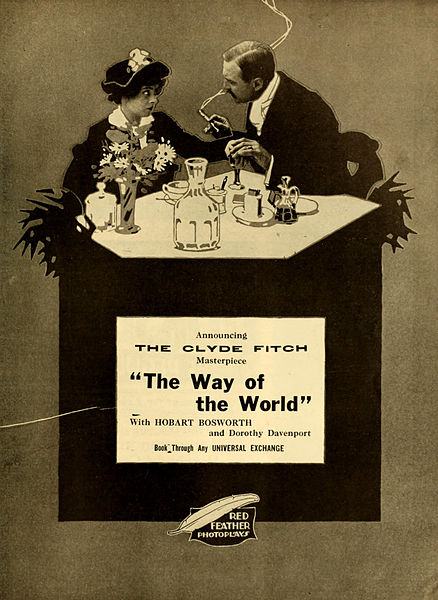
| The Way of the World | Ethereal | Dense | 92% Match |
| The Yaqui | Surreal | Dense | 93% Match |
| The Devil's Bondwoman | Surreal | Dense | 97% Match |
| Nine and Three-Fifths Seconds | Tense | Layered | 98% Match |
| Two Men of Sandy Bar | Gritty | Linear | 93% Match |
This guide was algorithmically generated using the cinematic metadata of Lloyd B. Carleton's archive. Last updated: 8/16/2026.
Back to The Unattainable Details →