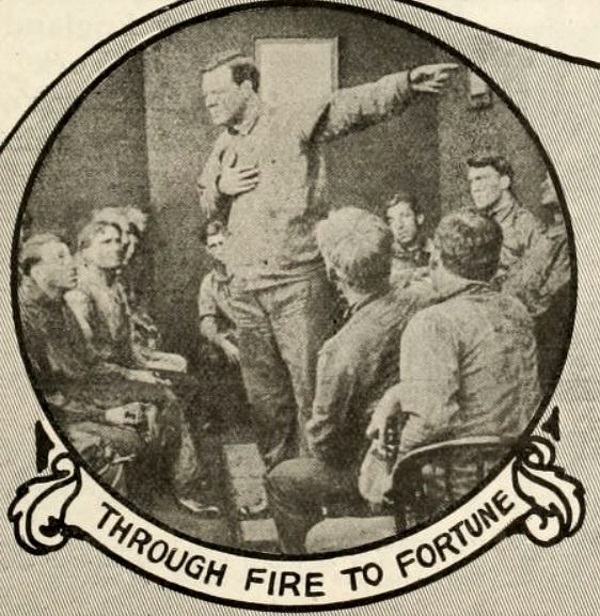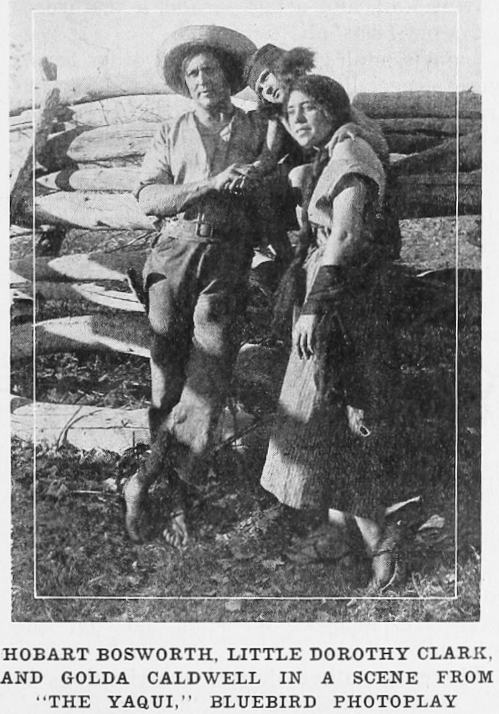
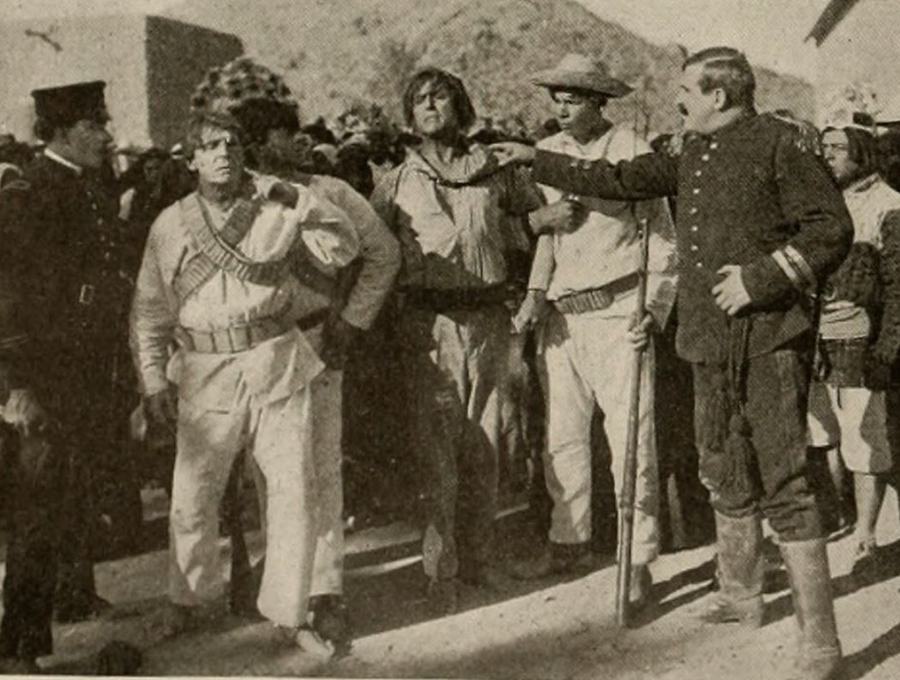
In Mexico, a poor Yaqui Indian loses his family through the actions of a racist Mexican officer named Martinez..
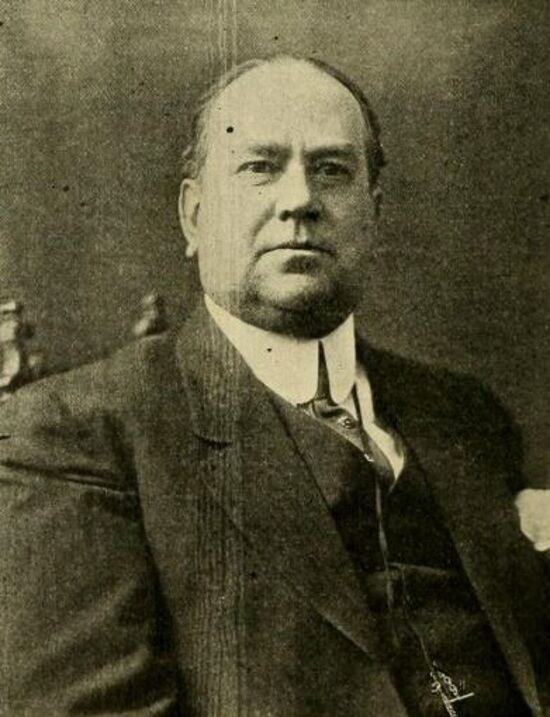
Dane Coolidge
United States
The projector’s carbon arc spits blue fire; the first frame blooms like a bruise. Immediately we are in the realm of myth, not reportage. Director Hobart Bosworth, himself a weathered plank of a man, refuses the tidy grammar of nickelodeon melodrama and instead opts for a fever-dream cantata of violence. Goldie Colwe...
still_frame
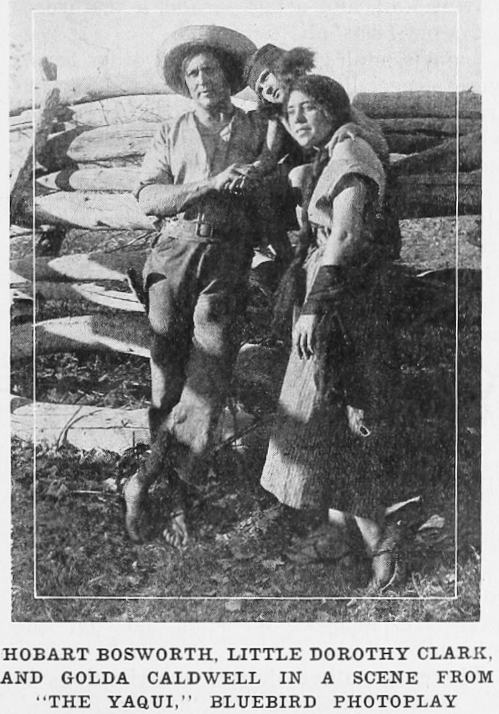
still_frame
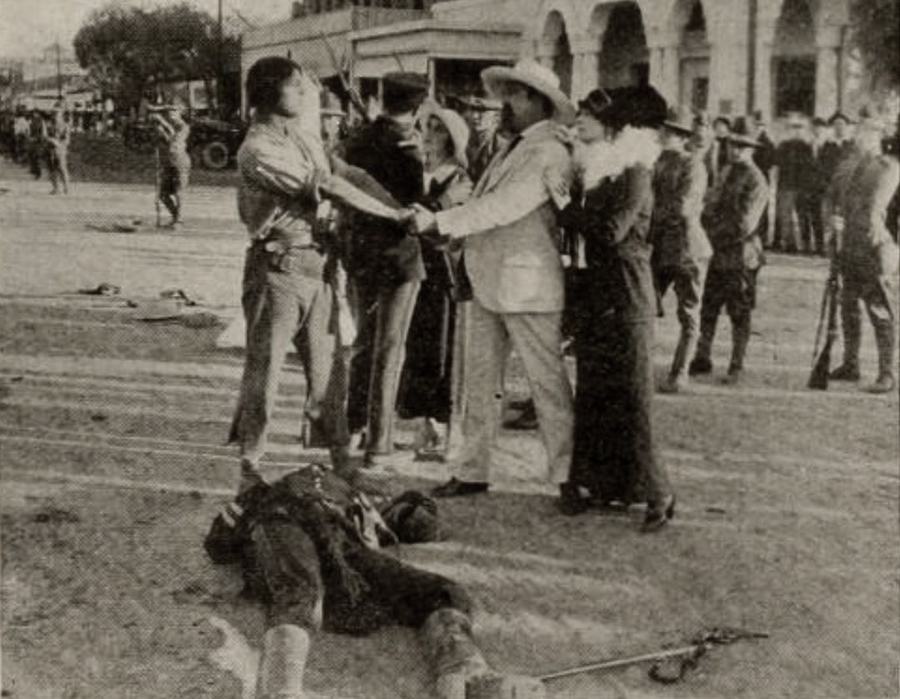
still_frame
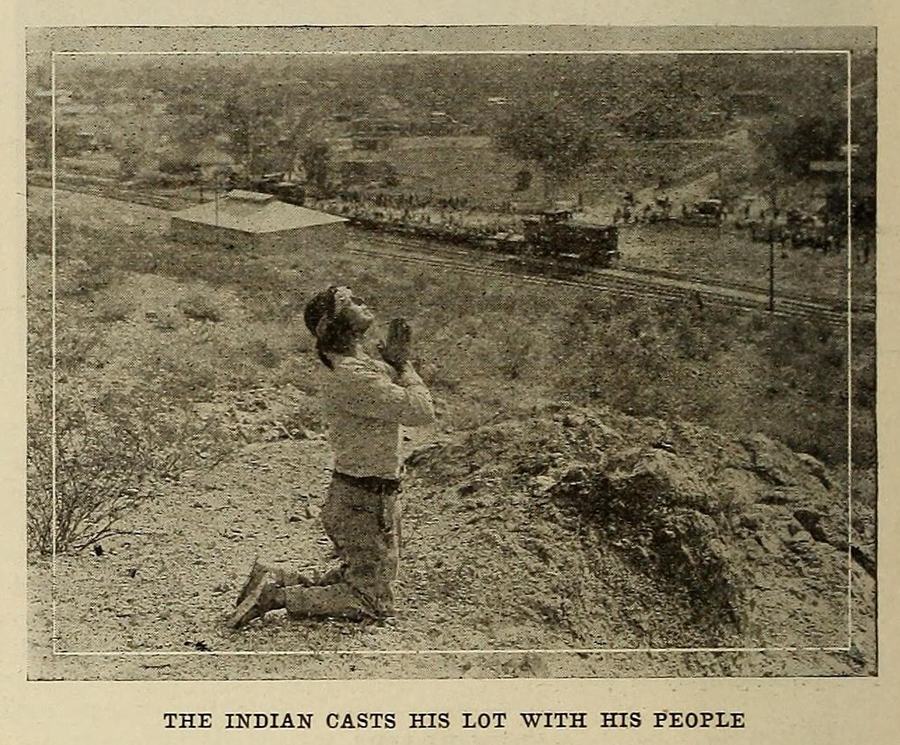
still_frame
Comparing the cinematic DNA and archive impact of two defining moments in cult history.
Lloyd B. Carleton
Lloyd B. Carleton
Community
Log in to comment.
" The projector’s carbon arc spits blue fire; the first frame blooms like a bruise. Immediately we are in the realm of myth, not reportage. Director Hobart Bosworth, himself a weathered plank of a man, refuses the tidy grammar of nickelodeon melodrama and instead opts for a fever-dream cantata of violence. Goldie Colwell’s Yaqui wife—never named, referred to in the Spanish intertitles only as la tierra que camina—dies twice: once by Martínez’s bullet, once by the camera’s erasure, her face disso..."