
DbcultAccessing Vault...
Recommendations
Senior Film Conservator
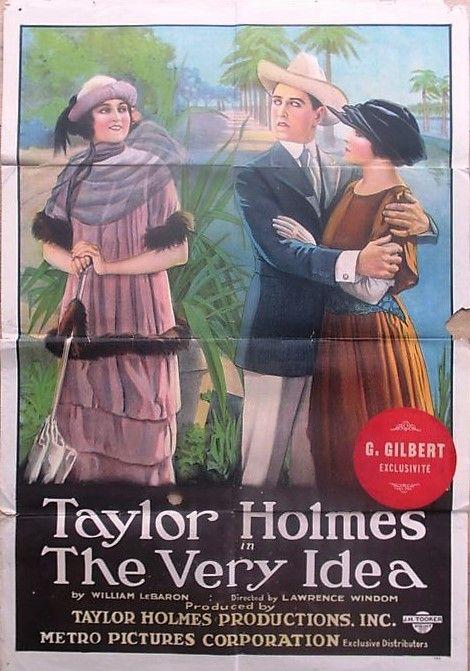
Delving into the atmospheric depths of The Very Idea reveals a master at work, the artistic provocations of The Very Idea demand a follow-up of equal intensity. These hand-selected movies are designed to satiate your craving for Comedy quality.
The enduring power of The Very Idea lies in to transcend the limitations of its 1920 budget and technology.
Gilbert and Edith Goodhue lack nothing in life except a child, which they desperately desire. Edith's brother Alan, who is interested in eugenics, suggests that they pay their chauffeur Joe and maid Nora to have a baby for them. While awaiting the proper time to elapse, Edith and Gilbert travel to Palm Beach for an extended vacation, where Gilbert, attempting to obtain a child for his wife, vamps a dancer with a baby. Edith misunderstands and becomes desperately jealous until Gilbert finally explains his motives, causing the two to renew their love with ardent fervor. Returning home, they discover that the maid has given birth to a baby boy, but is loath to part with him. Embarrassment follows as the couple puzzle over what to tell their friends who are awaiting the blessed event until Edith discloses that the Florida sunshine has worked wonders and that another baby is on its way.
The influence of Lawrence C. Windom in The Very Idea can be felt in the way modern Comedy films handle thematic gravity. From the specific lighting choices to the pacing, this 1920 release set a high bar for atmospheric immersion.
Based on the unique thematic gravity of The Very Idea, our vault has identified these titles as the most compelling follow-up experiences for fans of Comedy cinema:
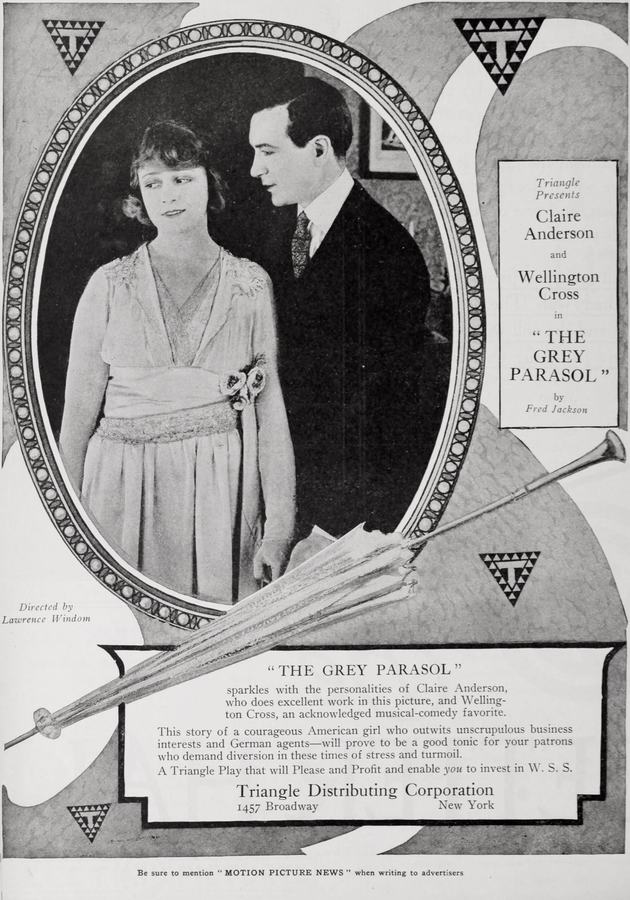
Dir: Lawrence C. Windom
Hamilton Hill meets Estelle Redding in an umbrella repair shop and rescues her from two thugs soon afterwards. Estelle has hidden in the handle of her grey parasol the formula for "Coalex," an inexpensive substitute for coal which the coal trust is trying to prevent from reaching the market. Edward Burnham, one of the thugs, tells Hamilton that Estelle is a German agent, but the infatuated young bachelor fails to believe the story. Estelle entrusts Hamilton with the parasol, but when Burnham, who is revealed as Estelle's brother, finally snatches it away from him, they discover that the formula has been removed and that she has outwitted them all. Two German agents, posing as representatives of the United States government, nearly obtain the formula from her, but Hamilton, accompanied by Burnham, who has experienced a change of heart, rescue her in time. With the formula safely delivered to U.S. government officials, Hamilton and Estelle turn to more romantic pursuits.
View Details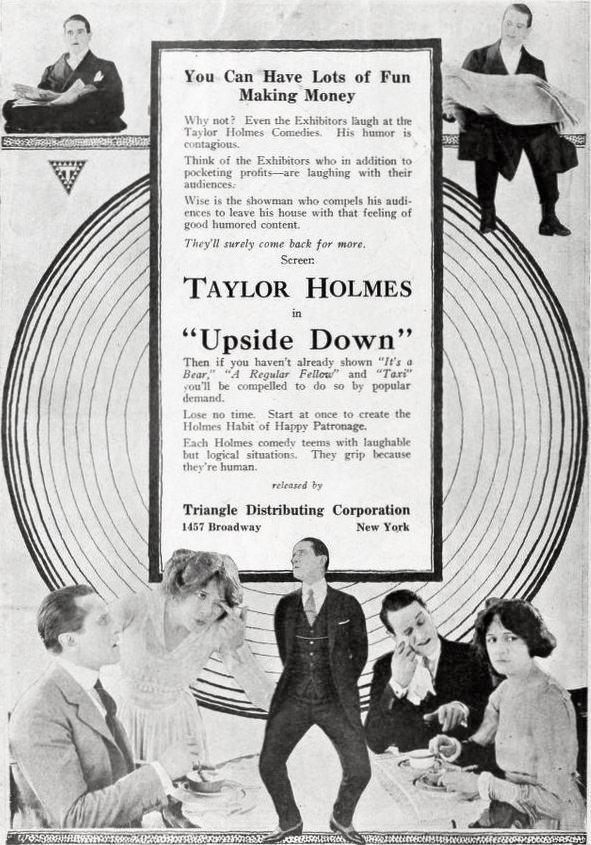
Dir: Lawrence C. Windom
When Juliet Pim, bored with her husband Archibald's habitual ardent attentions, goes to a Swami, his advice that her "individualism" is being crushed leads her to request that Pim furnish her with a "reason" for a divorce suit. Shocked but compliant, Pim rents a hotel room. Later, he finds his college friend and rival stockbroker, wealthy James Wortley Tammers, at a restaurant with his wife, who also felt neglected and went to the Swami. Pim joins them and then goes with Mrs. Tammers to a roadhouse. After Tammers locates them, and his wife returns, the two husbands engage in an all-night wine party with cabaret dancers. The next day, while Tammers sleeps, Pim manipulates the market to control Tammers' wealth. The newspaper reports of Pim's elopement with Mrs. Tammers leave Juliet valuing her husband more than her freedom. After Pim reveals he was saving Tammers from a scheme to ruin him, he sells back most of the stocks and the couples are reunited.
View Details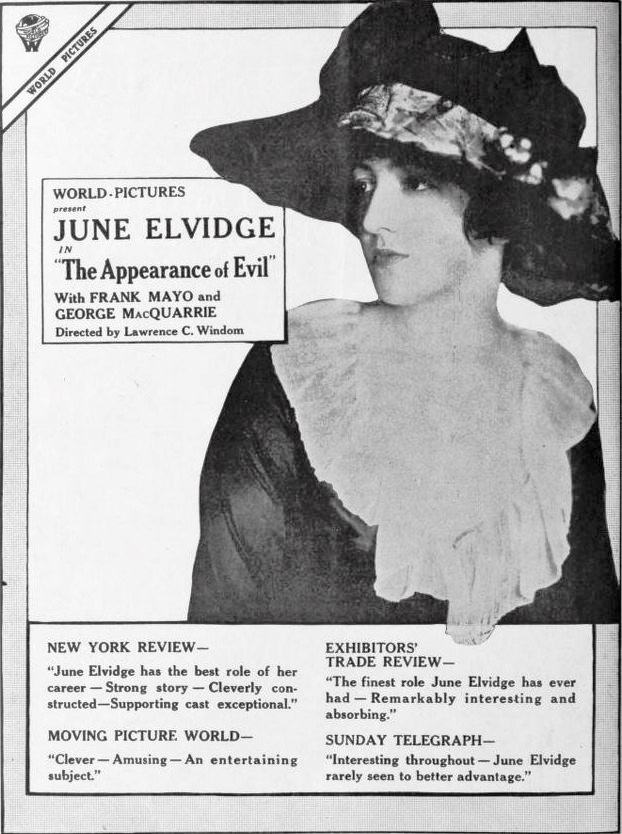
Dir: Lawrence C. Windom
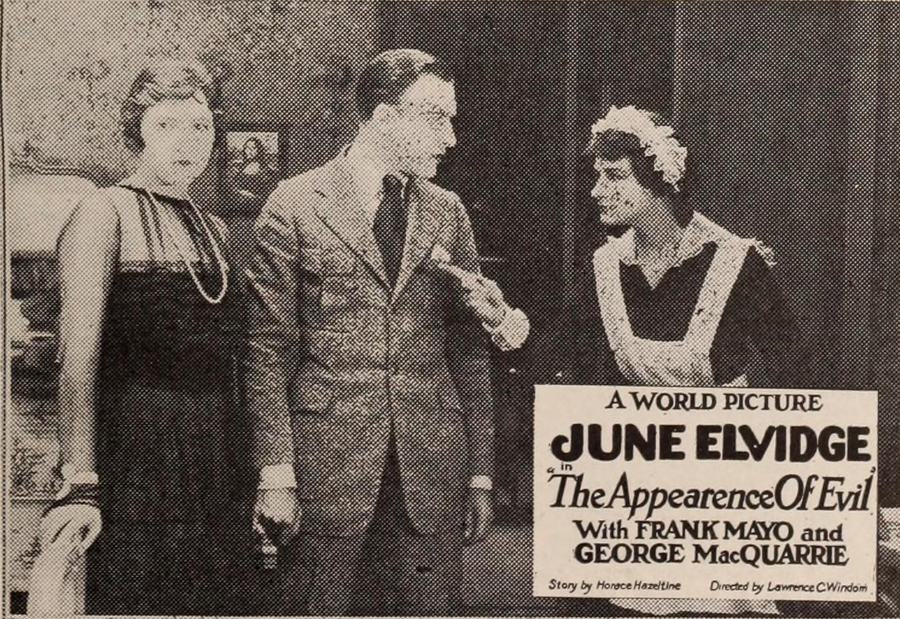
Maida Brown, a rich widow, is being visited by wealthy aircraft manufacturer Louis Letchworth at the Brown family estate in Bayport. The family maid notices the pair's affectionate behavior toward each other and, aghast, reports the incident to Maida's father, the head of the local Purity League. The local citizenry is so outraged by this scandalous behavior that they force Maida to leave town. Meanwhile, Harold Brown, her late husband's brother, is aware that the family estate will revert to him if Maida remarries, so he spies on her in order to prove that she and Louis are married, so Harold can get the family fortune for himself.
View Details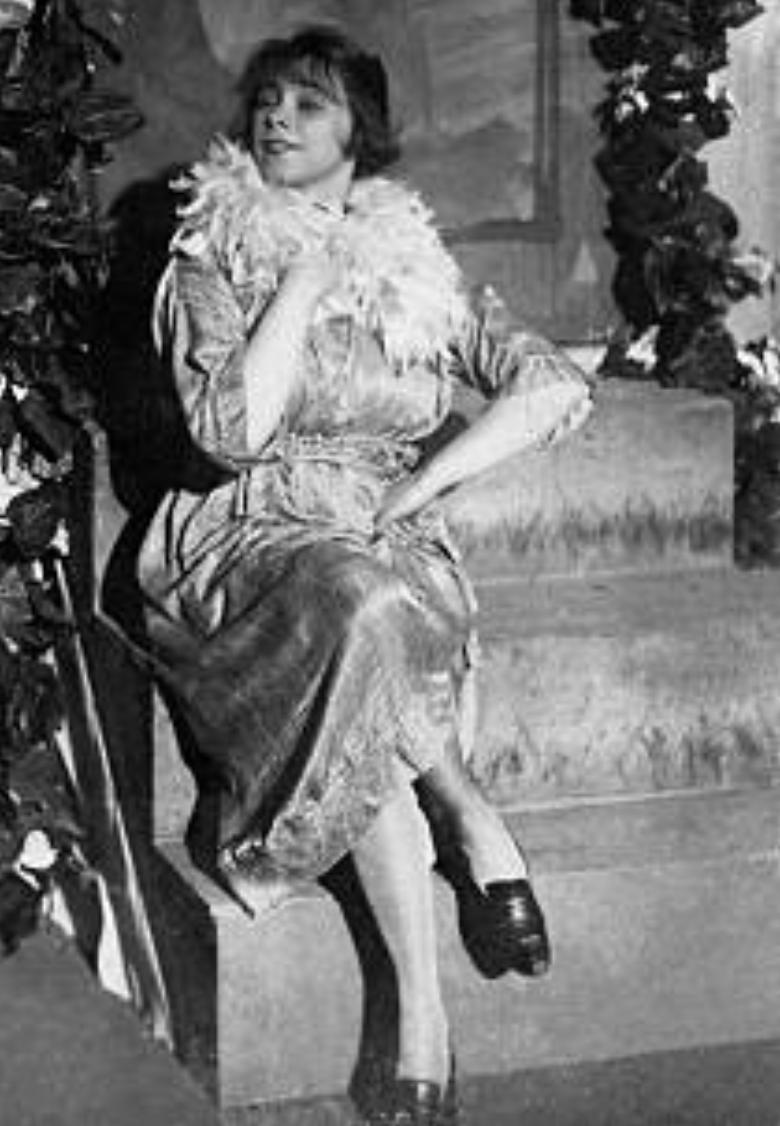
Dir: Bruno Ziener
A fascinating piece of cinema that shares thematic elements.
View Details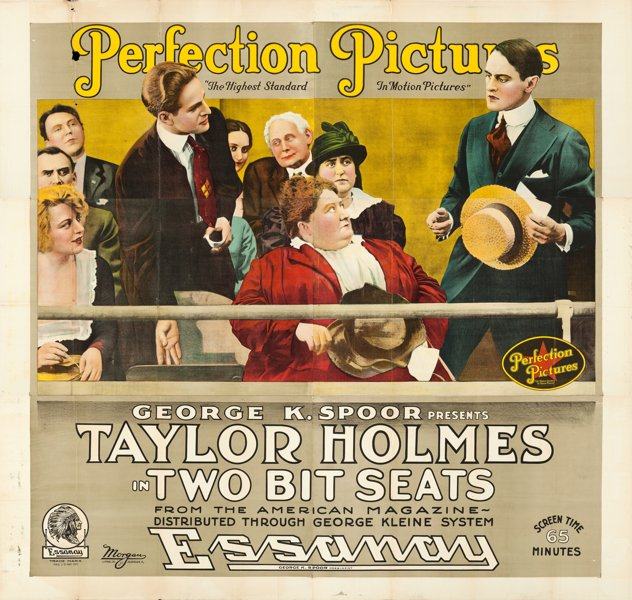
Dir: Lawrence C. Windom
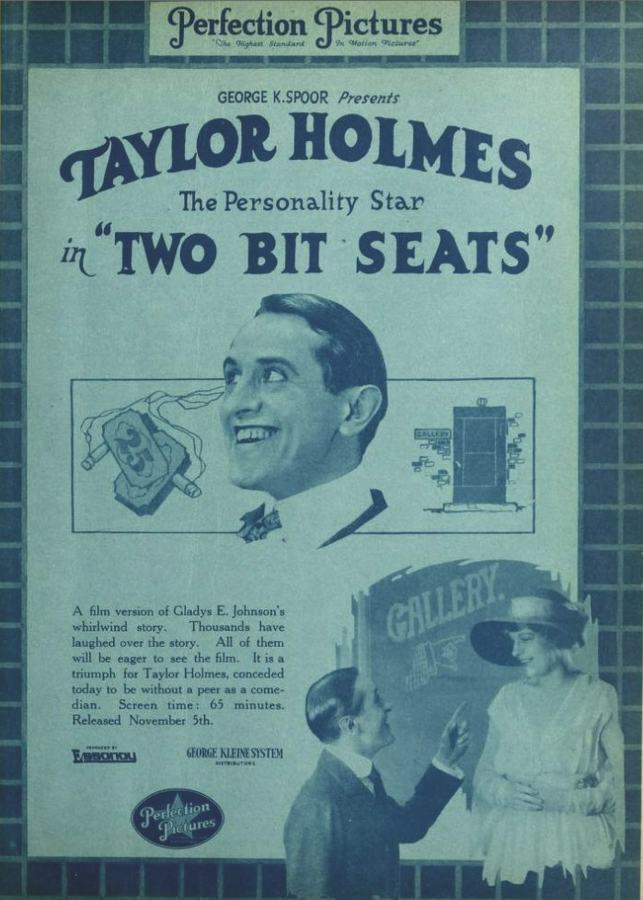
"Two-Bits," the price men used to pay for a haircut, isn't much money in these days with old Mr. H.C.L. at our heels, but one "Two-Bit" piece surely changed the life events of Jimmy Mason. Jimmy couldn't get an orchestra seat to see the wonderful lady in tights so he invested "Two-Bits" and went to the gallery. There he found a seat beside a wonderful girl. He sat to the finish but didn't see the show; her eyes blurred everything commonplace, and then they became acquainted when she accidentally jabbed him with a hatpin. The next night he asked her to go with him to an orchestra box. But Alice wouldn't listen. But she would go to the "Two-Bit" gallery. And they went often, but Jimmy always suffered the fear that Faulkner, his boss, would see him and think him a terribly cheap sport. But Alice told Jimmy not to waste money on seats in the orchestra. And so it went. Finally the blow falls when his employer sees him and Alice exiting from the gallery. Hope is gone when he is called before the boss the next morning and asked how long he had been patronizing the gallery, but all is well and the sun shines again when "the old man" approves and proves it with a promotion. Jimmie dashes to Alice's house and tells her about the promotion and what he thinks of a certain girl. Then Alice tells him that all along she had a definite idea in preferring 'Two-Bit Seats." You are entitled to one guess. You're Right.
View Details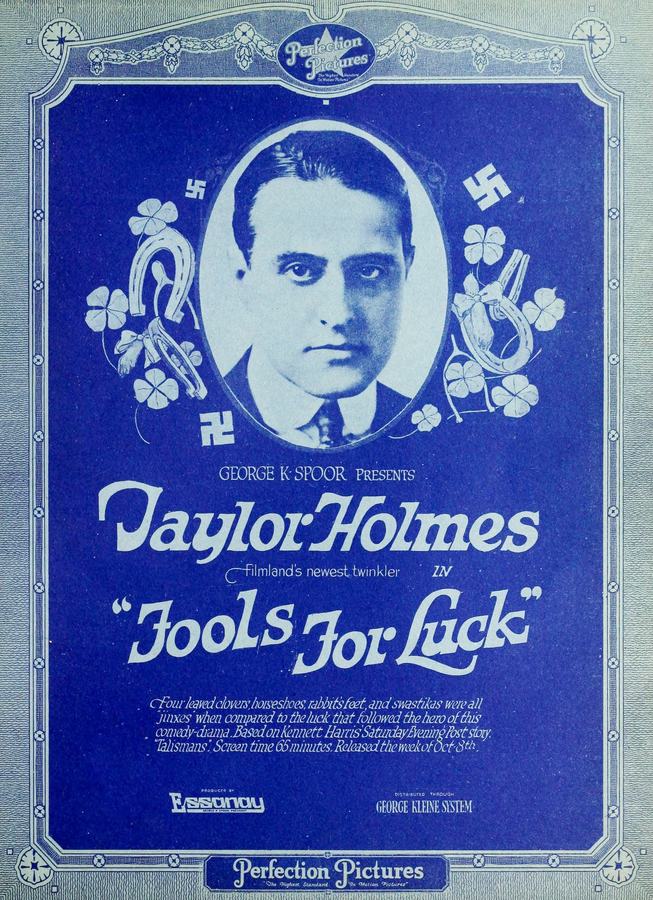
Dir: Lawrence C. Windom
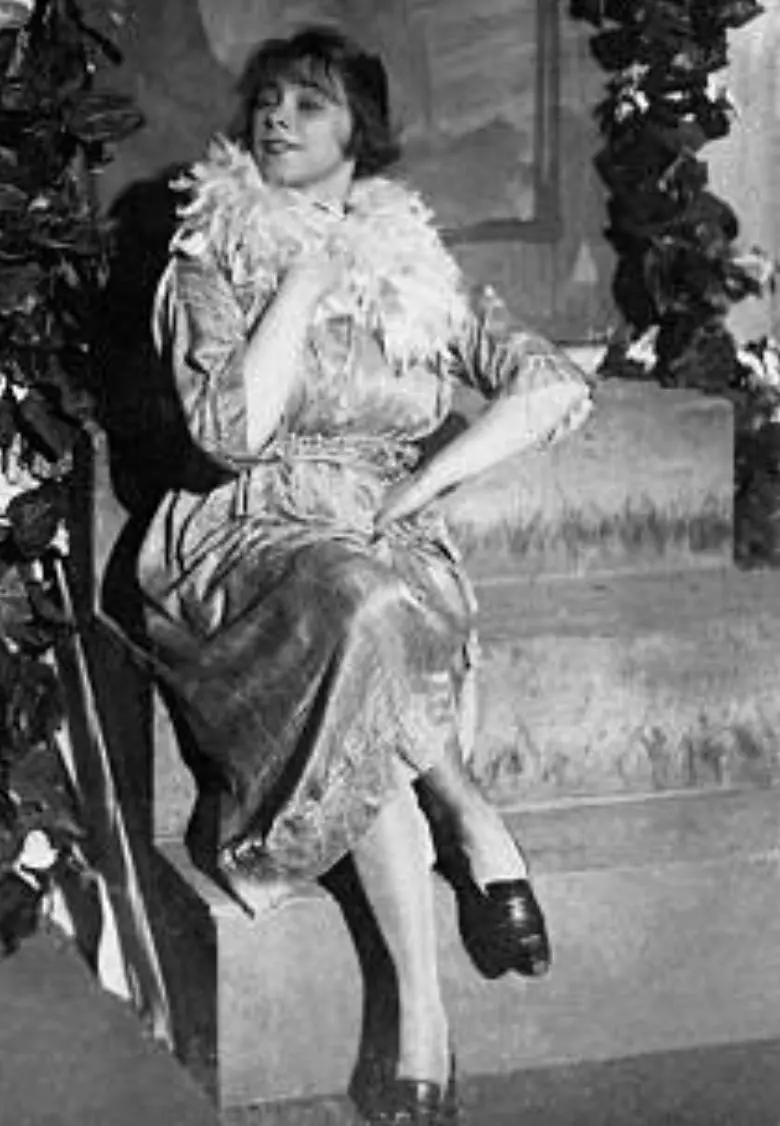
As an accountant Philander Jepson was a corking good gambler. He knew Dame Fortune has cast her optics on him at the start of his career and played his hands with corresponding confidence. After plucking a select bunch of cronies for a considerable wad he caressed his rabbit's foot and started on the annual two weeks' tour of the summer resorts. Enter Brunhilda, a young lady of quite some appearance, whose parents regard her as the family jewel and stood watch accordingly. In the eyes of Philander this surveillance was nothing more nor less than a dare. The result was romance. Unfortunately, at just this time Madame Fortune took a much-needed rest and trouble suddenly planted itself squarely in young Jepson's path. Brunhilda's pater discovered all there was to know about his gambling proclivities, and the gamblers suddenly proved that a bartender's foot on a victim's chair out-jinxes the strongest combination of horseshoes and four leaf clovers. When Philander realized what he was up against he determined to make a fresh start. Rather, he commenced to start for, after leaving his former job by request, the best he could land was fifty dollars a week work for ten per. He cast tokens, signs and omens to the winds, and strange to relate, found things were actually breaking right for him. And then, when he took the annual outing and discovered Brunhilda knew all about his changed circumstances, had been watching him all the time from a distance and thought more of him than ever; well, he could only feel thankful that good sense came to him as soon as it did.
View Details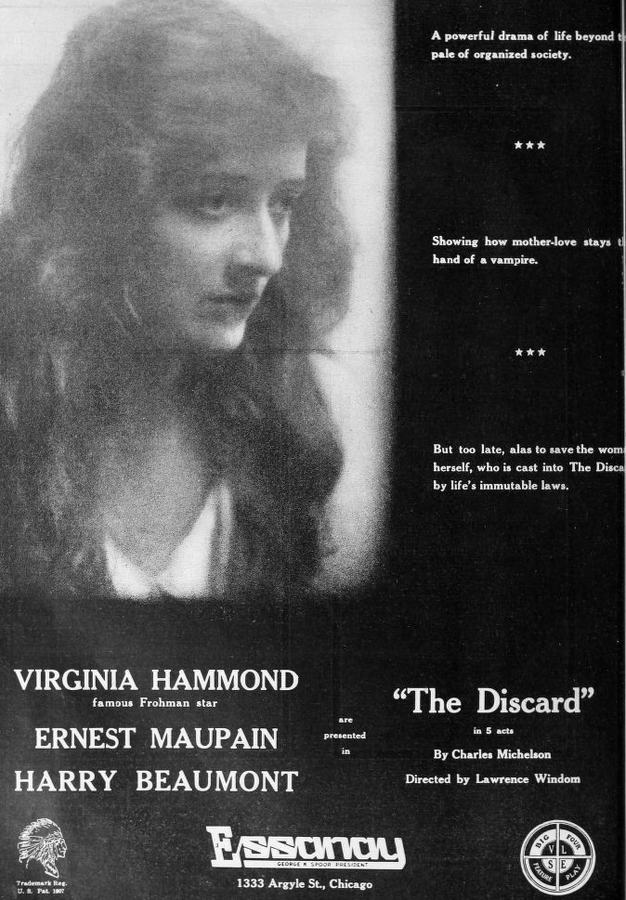
Dir: Lawrence C. Windom
Doris Wynne, at boarding school in France, is hardly acquainted with her mother, most of the dealings between them handled by a firm of lawyers. So when she falls in love with the brother of a schoolmate, she obtains her mother's consent through the attorneys. Alys Wynne's reasons for seeing so little of her daughter are that she is the companion in crime of "Python" Grant, international swindler. Having ruined a young nobleman and causing him to commit suicide, the pair escape to America. Doris, the daughter, in the meantime, is happily married to Keith Bourne, a young American. An uncle leaves him a million dollars and they decide to return to the United States. Grant and Alys discover Keith and cultivate him. That he is the husband of Doris is unknown to the mother, who is still young and beautiful herself. Grant pretends to abuse his wife and Keith comforts her. A suit for alienation of affection is the result. Bourne settles for $40,000 rather than have his young wife misunderstand him. But the swindlers try the "Follow-up" and when Keith refuses to be led further they telephone his wife and tell her the story. Through the attorneys she asks her mother to come to her. Alys goes and hears the story. She is thunderstruck to learn that her victim is the husband of her daughter. She advises the younger woman to believe in her husband and disappears. She tells the police where to find Python" Grant and next day the happy couple read in the paper that the woman accomplice of the swindler was found dead. It means nothing to them.
View Details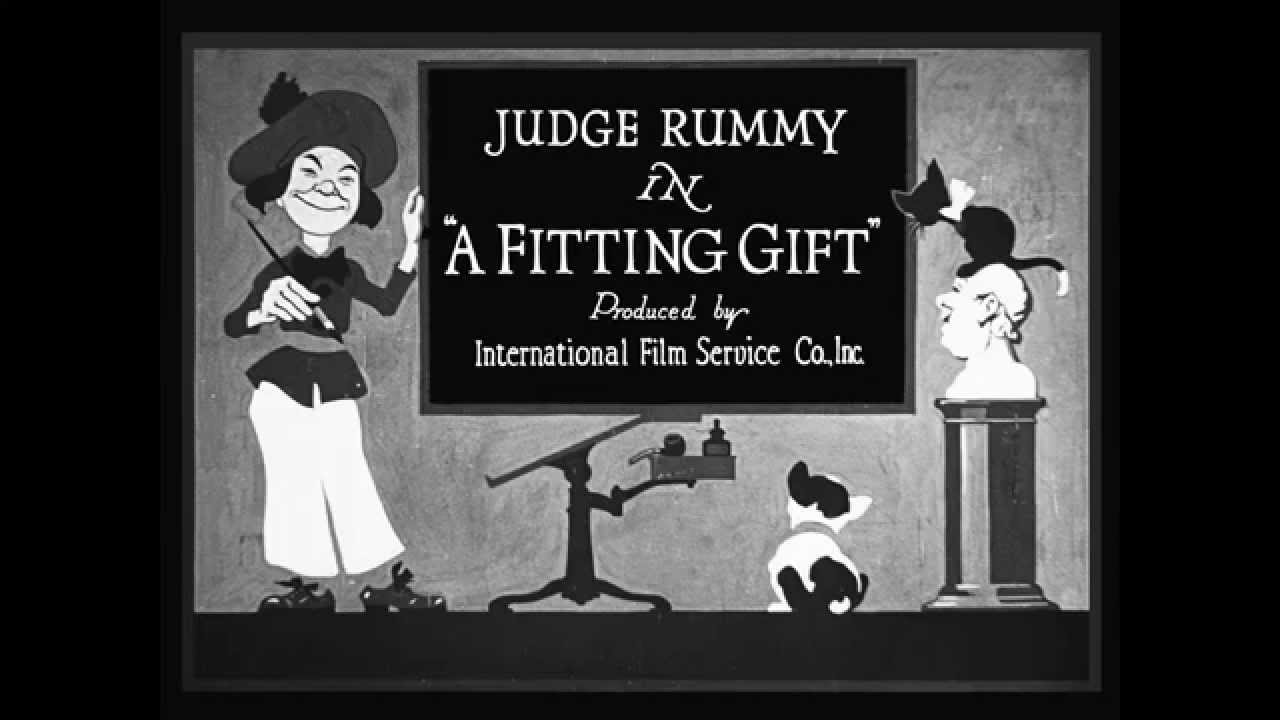
Dir: Unknown Director
The Judge needs a present for his wife's birthday, so Harry suggests a new corset. They go to the shop, but he's so embarrassed to ask the saleslady he hides in a phone booth.Harry goes in, but finds a GUY wearing one, and runs out.They both dress as women to get back in, but Mrs. Rummy gets there and chases him out.
View Details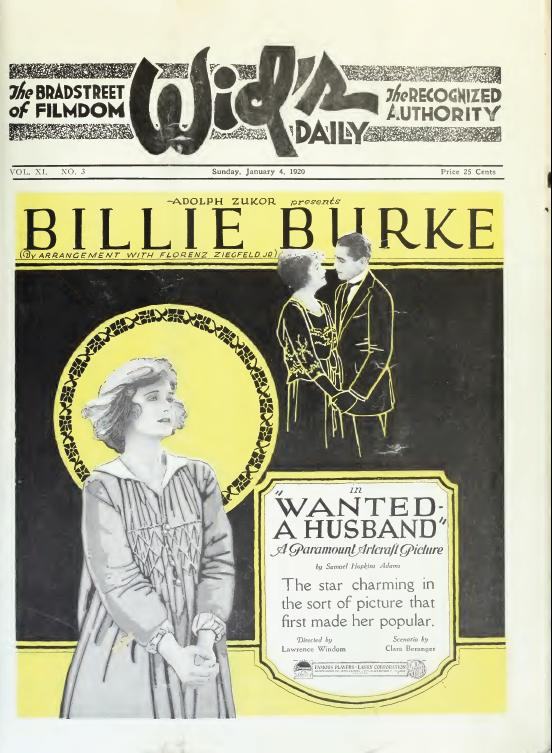
Dir: Lawrence C. Windom
When her two roommates, Maude Raynes and Helen Bartlett, become engaged, Darcy Cole invents a titled fiancé of her own, in part to ward off her friends' nasty remarks about her untidy appearance. Darcy's friend Gloria Green lends a photograph of her cousin, Jack Remsen, made up as a lord for a college play, then transforms Darcy into a stylish beauty. As a practical joke, Gloria's fiancé Tom Harmon agrees to lend his bungalow to each couple for their honeymoon. Darcy pretends to elope with her imaginary lord, played by Jack. The real and pretended honeymooners arrive in succession and are assigned bedrooms by housekeeper Veronica. When Veronica sees Jack remove his makeup, she is certain he is Gentleman Jack, the burglar she has been reading about. Finally, Gloria and Tom arrive and straighten matters out, and Darcy and Jack decide to become real honeymooners.
View Details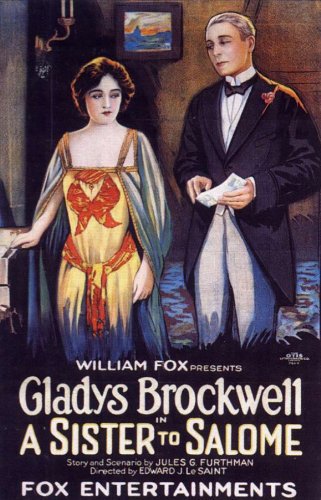
Dir: Edward LeSaint
When famous opera singer Elinore Duane undergoes an operation on her throat, she has a series of ether-induced visions. In one, she is transported to ancient Rome where she appears as a much-admired woman in love with Paul, a young heretic, and at odds with Lutor, the high priest. To save her love, she poisons Lutor with her ring. After several other visions which involve variations on this love triangle, Elinore awakens to discover that Lutor is actually her doctor, Sascha Jaccard, and that Paul is the son of a friend who has come to visit the recovering prima donna.
View DetailsAnalysis relative to The Very Idea
| Film Title | Atmosphere | Complexity | Similarity |
|---|---|---|---|
| The Grey Parasol | Tense | Dense | 96% Match |
| Upside Down | Surreal | Linear | 85% Match |
| Appearance of Evil | Ethereal | Layered | 93% Match |
| Eva, wo bist du? | Gothic | Dense | 86% Match |
| Two-Bit Seats | Ethereal | Linear | 87% Match |
This guide was algorithmically generated using the cinematic metadata of Lawrence C. Windom's archive. Last updated: 6/25/2026.
Back to The Very Idea Details →