
DbcultAccessing Vault...
Recommendations
Senior Film Conservator
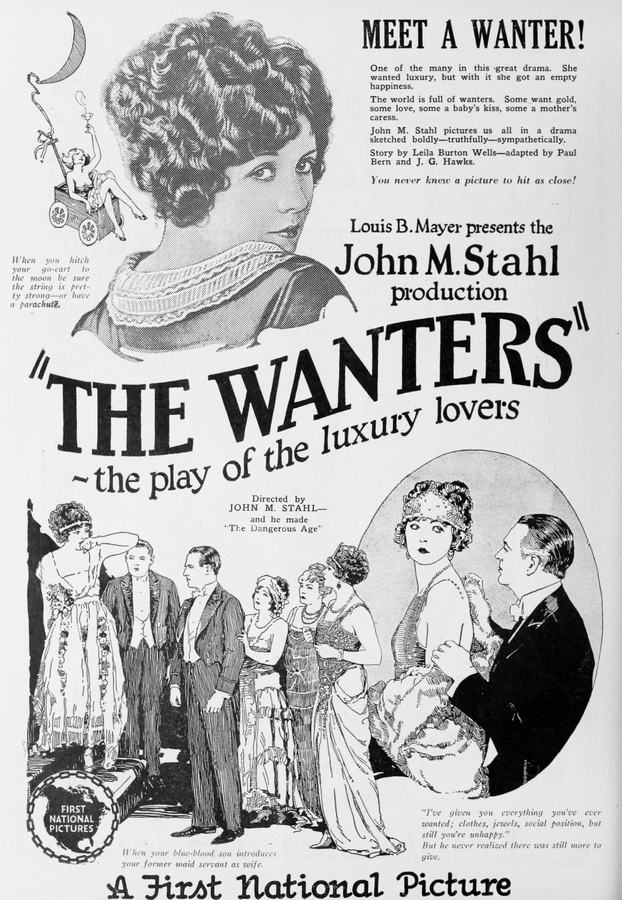
In the vast archive of Drama cinema, The Wanters stands as a emotional resonance beacon, the narrative complexity found here is a rare find in the 1923 landscape. From hidden underground hits to established classics, these are our top picks.
Few films from 1923 manage to capture to explore the darker corners of the human condition with emotional resonance.
Elliot Worthington falls in love with Myra, the maid in his sister's household. Myra is dismissed; Elliot finds her, proposes marriage, and returns home with his new bride. She is snubbed by his relatives and shocked by the hypocrisy of his wealthy friends. Disillusioned, she runs away: Elliot follows and saves her from being hit by a train when her foot gets caught in a switch.
The influence of John M. Stahl in The Wanters can be felt in the way modern Drama films handle emotional resonance. From the specific lighting choices to the pacing, this 1923 release set a high bar for atmospheric immersion.
Based on the unique emotional resonance of The Wanters, our vault has identified these titles as the most compelling follow-up experiences for fans of Drama cinema:
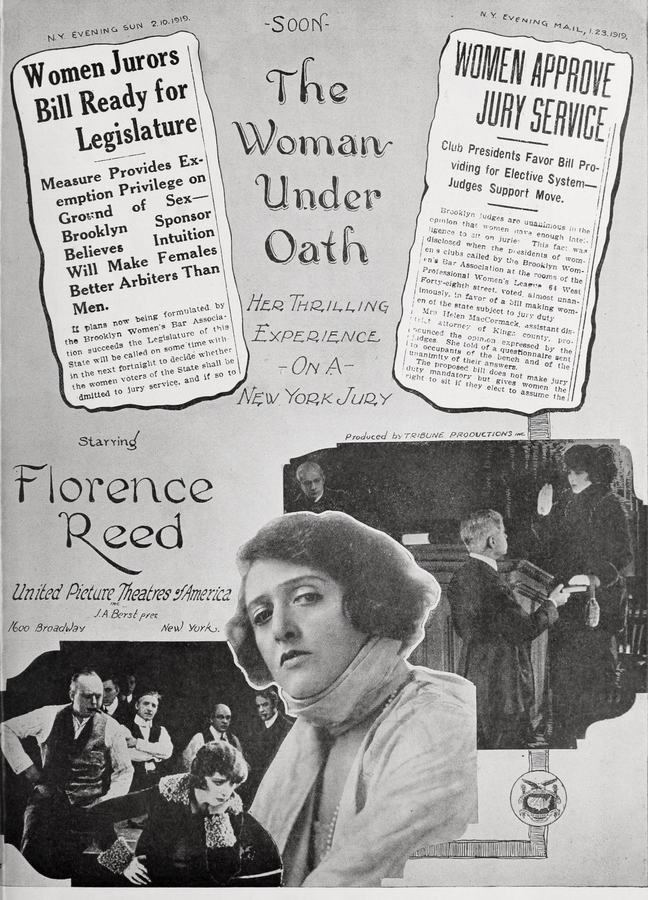
Dir: John M. Stahl
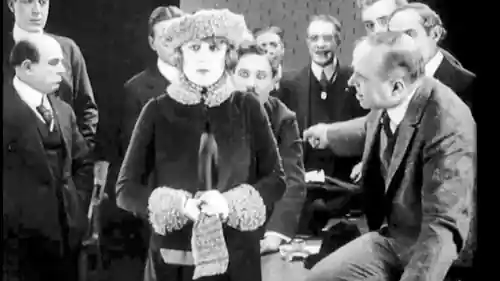
After a foreword introduces the question of whether women are temperamentally suited for jury duty, young shipping clerk Jim O'Neil is found holding a revolver over his dead employer, Edward Knox. Celebrated novelist Grace Norton, selected to be on the jury at Jim's trial, becomes New York's first female juror. Although Jim pleads innocence, he refuses to elaborate until his sweetheart Helen testifies that Knox raped her when she pleaded for Jim, who was fired unjustly, to be reinstated. Jim testifies that he intended to kill Knox but found him dead already. During an angry all-night deliberation, the jury remains deadlocked 11-to-1, with Grace voting against a guilty verdict. In the morning, when she learns that her sister Edith has died, Grace confesses to killing Knox for seducing Edith and failing to honor his promise of marriage. After the foreman reminds the jury of their oath to keep their proceedings secret, they agree not to reveal Grace's story, and vote to acquit Jim.
View Details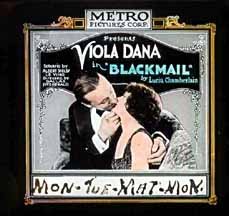
Dir: Dallas M. Fitzgerald
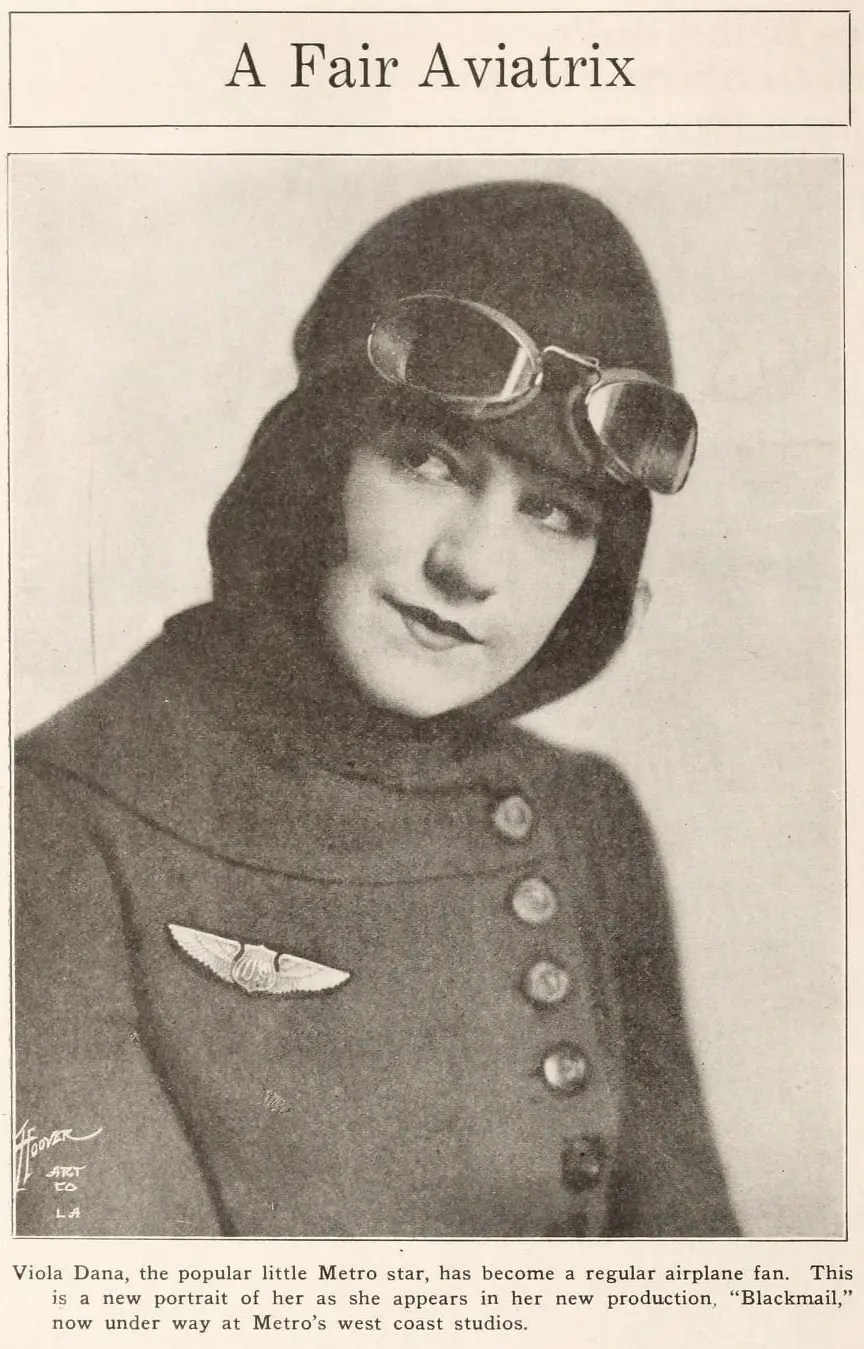
Confidence artist Flossie Golden attempts to fleece foolish but wealthy James Venable with a breach-of-promise suit. Venable's shrewd attorney, Richard Harding, outwits Flossie by proposing that she marry Venable and live on an allowance of $3,000 per year. Flossie is determined to get even with Harding for ruining her plans. In an attempt to con him, she poses as Innocence Page, but falls in love and marries him instead. Larry, Flossie's former accomplice, endeavors to blackmail her with her errant past, but Harding is already cognizant of the facts and Larry fails.
View Details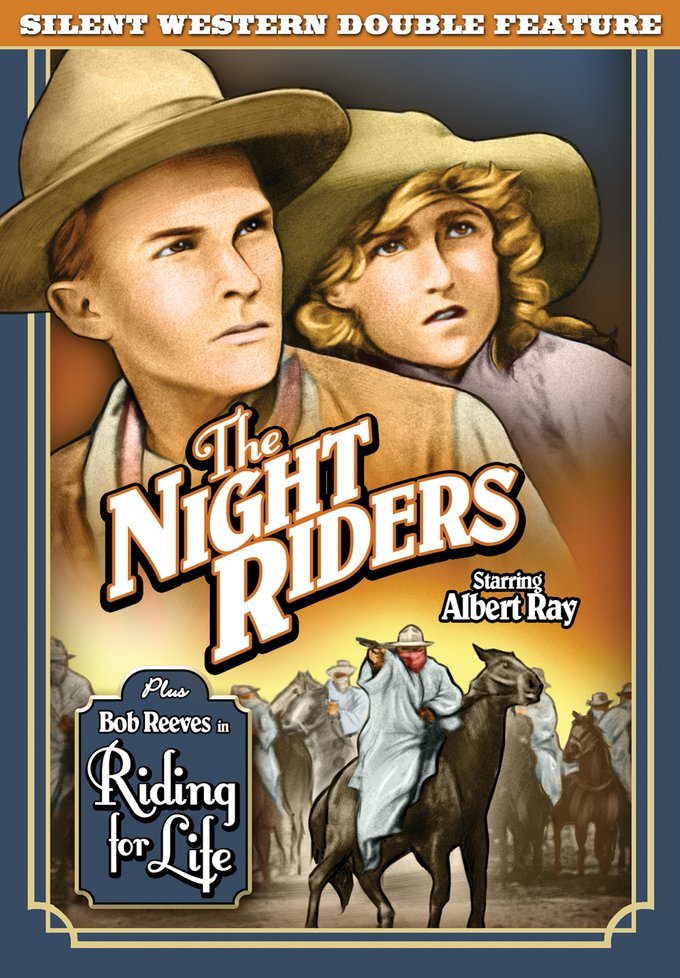
Dir: Alexander Butler
In Alberta, Canada, a Cornish emigrant unmasks a rustler posing as the girl's "blind" father.
View Details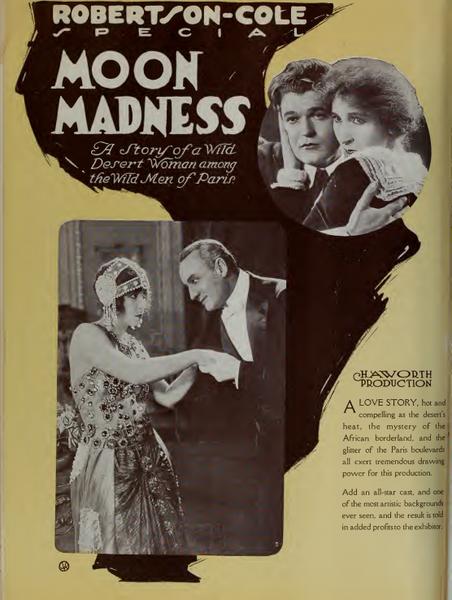
Dir: Colin Campbell
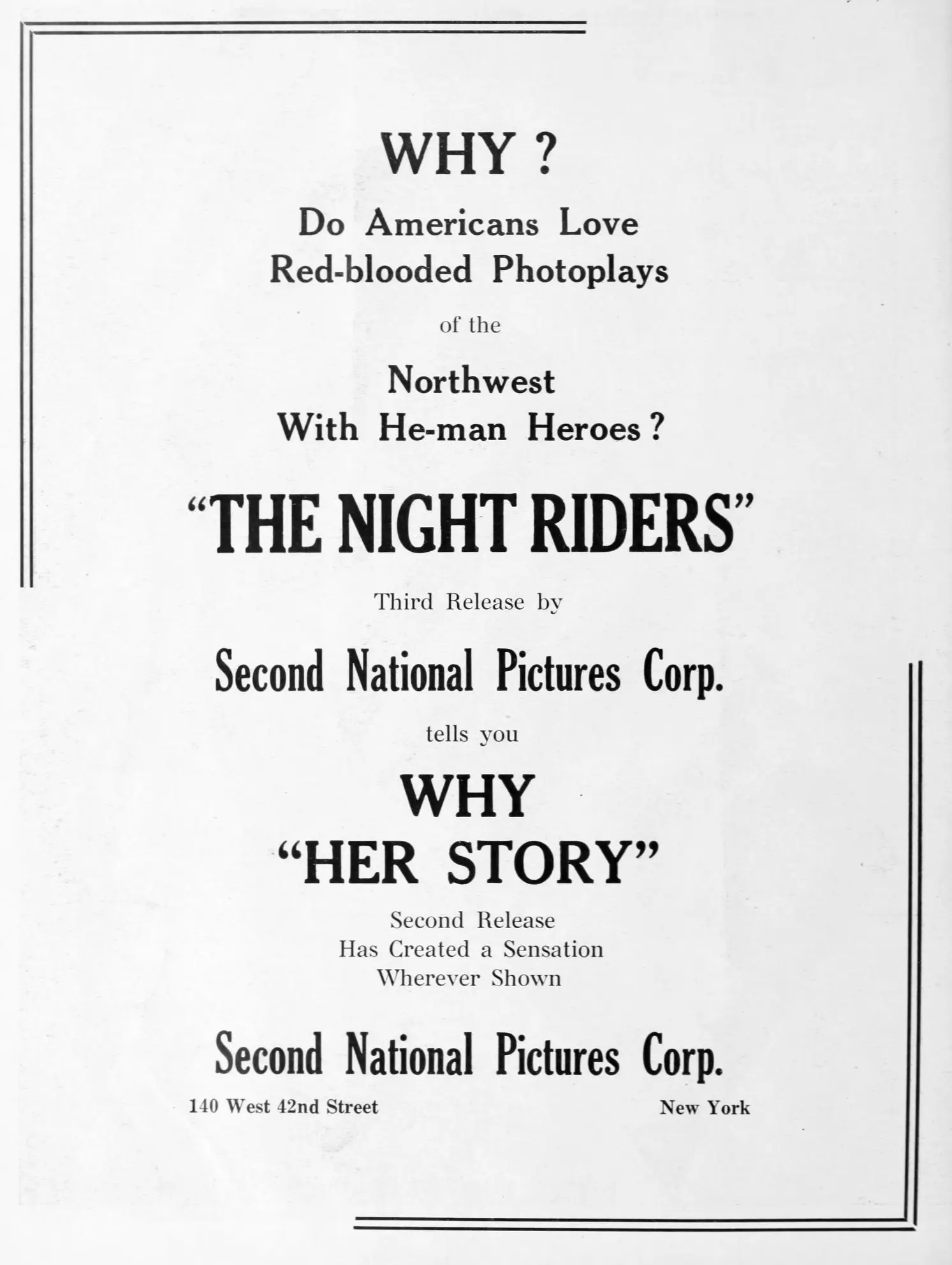
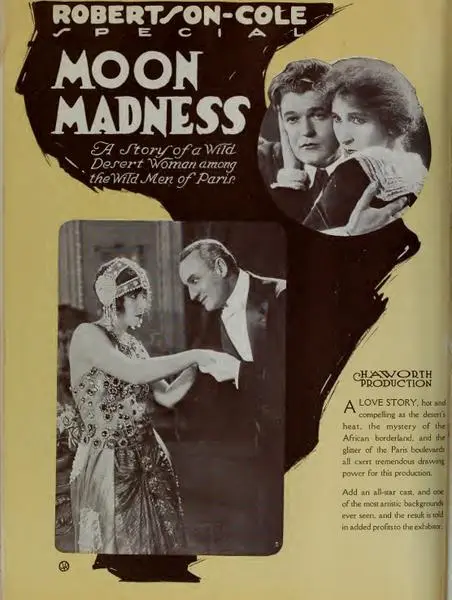
Zora, a girl of French origin, is raised by a wealthy Bedouin family after her mother Valerie dies while eloping with another man. Zora feels such great longing for the French artist Adrien that she accepts the offer of another artist, Raoul, to take her to Paris with the stipulation that if Adrien rejects her, she must give herself to him. Jan, the chieftain's son who is in love with Zora, follows the two to Paris. There Zora realizes that Adrien does not love her and discovers her real love for Jan. However, she feels bound to honor her pact with Raoul and is about to succumb to his advances when her father appears and recognizes Raoul as the man who destroyed his home years earlier. In the ensuing fight between the two men, Raoul is killed, thus freeing Zora to accept Jan's love.
View Details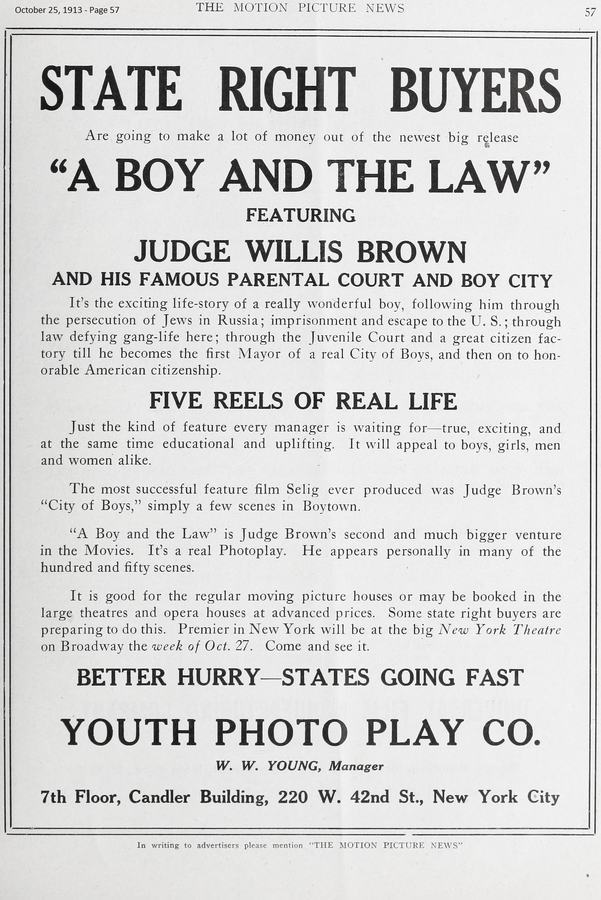
Dir: John M. Stahl
Around 1903, in czarist Russia, William ("Willie") Eckstein is at boarding school when he receives a letter from his mother describing how their prosperous Jewish family has been forced by government edict to pack up their belongings and move to a poor village. Willie joins the Eneckva, a secret Nihilist society that meets on the outskirts of town, and quickly becomes a leader because of his speaking ability. In the meantime, Cossacks kill Willie's father for defending a tavern waitress. At school, a teacher finds one of Willie's pamphlets and turns him in to local authorities, who ransack his room and throw Willie and two friends into jail. Other boys come to their rescue, however, and they escape down a cliff. Willie hurries home to his mother, to tell her he is fleeing Russia, and she gives him a peasant suit that will allow him to travel without being molested. He flees to America, where he claims he will "live free from the law." After reaching the United States, Willie makes his way to Salt Lake City, Utah, where his uncle owns a clothing store. He starts his new life as a newspaper boy, but becomes a hoodlum and ends up in the hands of truant officers. Summoned to the Parental Court of Judge Willis Brown, Willie at first defies the judge, but later realizes that Brown sincerely wishes to help him. Supported by local progressive women who see the need of moral education for wayward children rather than punishment in a reform school, Judge Brown is given an 800-acre farm for the purpose of building a community for juveniles. He chooses eighteen young felons, including Willie, and drives them to the farm to start building "Boy Town," and Willie is soon elected mayor. At Boy Town, the youths practice discipline and self-government, learning how to farm the land, deal with troublemakers, and earn a profitable living. Many of the boys grow into successful, law-abiding adults. Judge Brown sends Willie to an Eastern college, and then to a university in Missouri, where Willie studies agriculture. Finally, Judge Brown makes him the manager of a large private farm, and the young man becomes a U.S. citizen. He also sends his mother one of his regular letters with a money-order enclosed, along with a photograph of himself, and then dreams of her joy in receiving it. The judge comes in, presses Willie's hands, and assures the sleeping youth that his belief in a square game will help him prosper and be an example for other boys.
View Details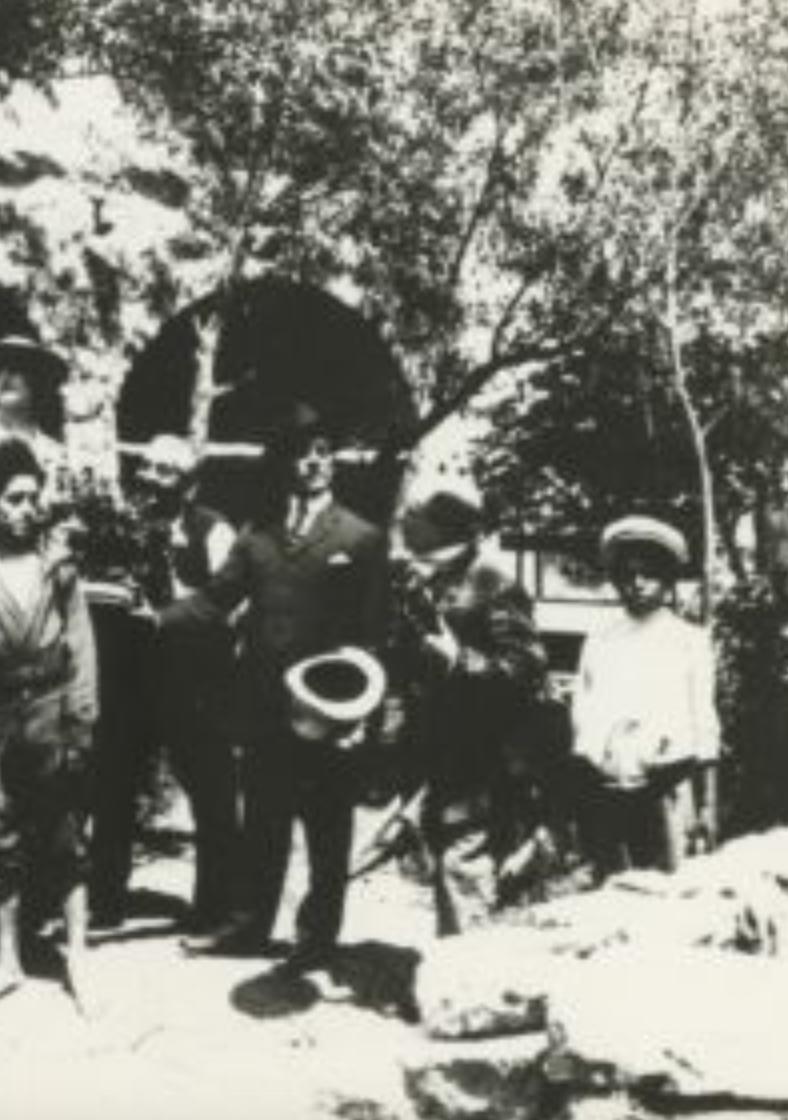
Dir: Eduardo Notari
A crime drama in the Gennariello-series. The police detective in Naples that is confronted with modern gangsters and crime events.
View Details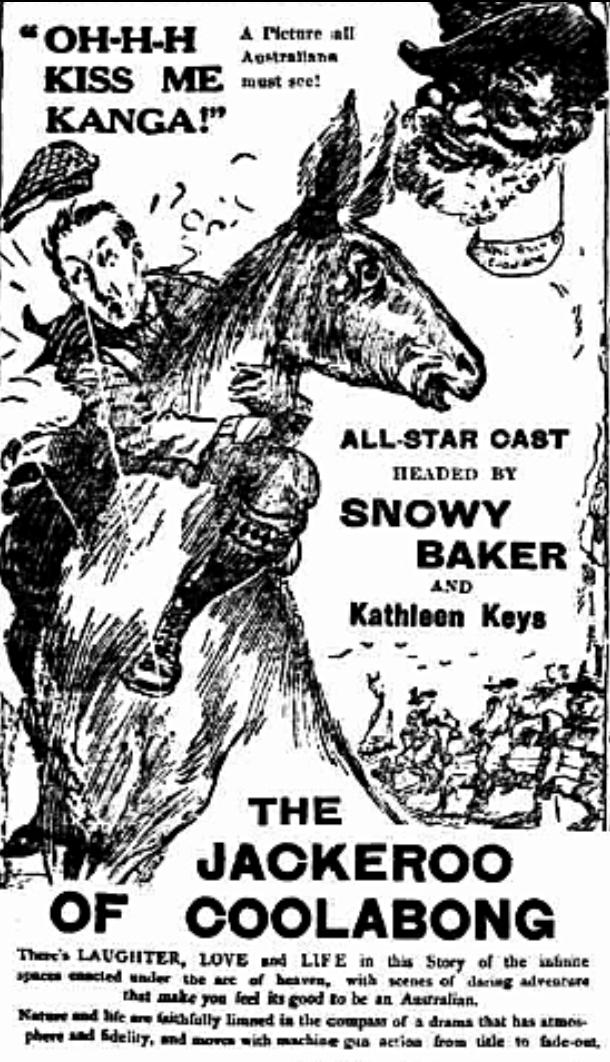
Dir: Wilfred Lucas
Brian O'Farrell (Snowy Baker), is an English 'new chum' who takes a job at an Australian cattle station. He is teased by station hands because of his appearance (including spats and a monocle) but he soon impresses them with his skills at riding and boxing. The station manager, John MacDonald (Wilfred Lucas), takes O'Farrell to Sydney to meet his daughter Edith (Kathleen Key) who is working in the slums. Edith is kidnapped by criminals after witnessing a crime but O'Farrell rescues her. It is later revealed he is the owner of the station.
View Details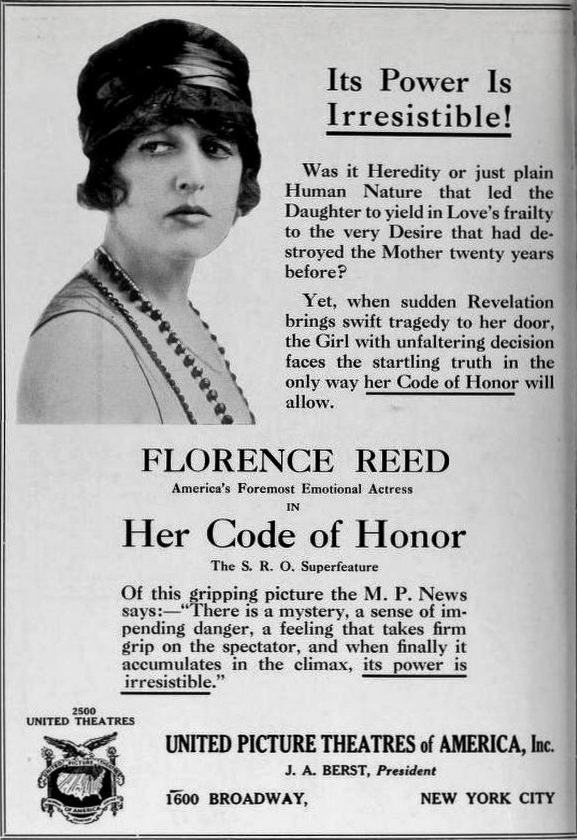
Dir: John M. Stahl
A man brings up, on Long Island, the illegitimate daughter of a deceased woman who'd been an art student in love with a married Parisian. Is a French man the daughter, now grown up, attracted to a descendant of that same Parisian as well?
View Details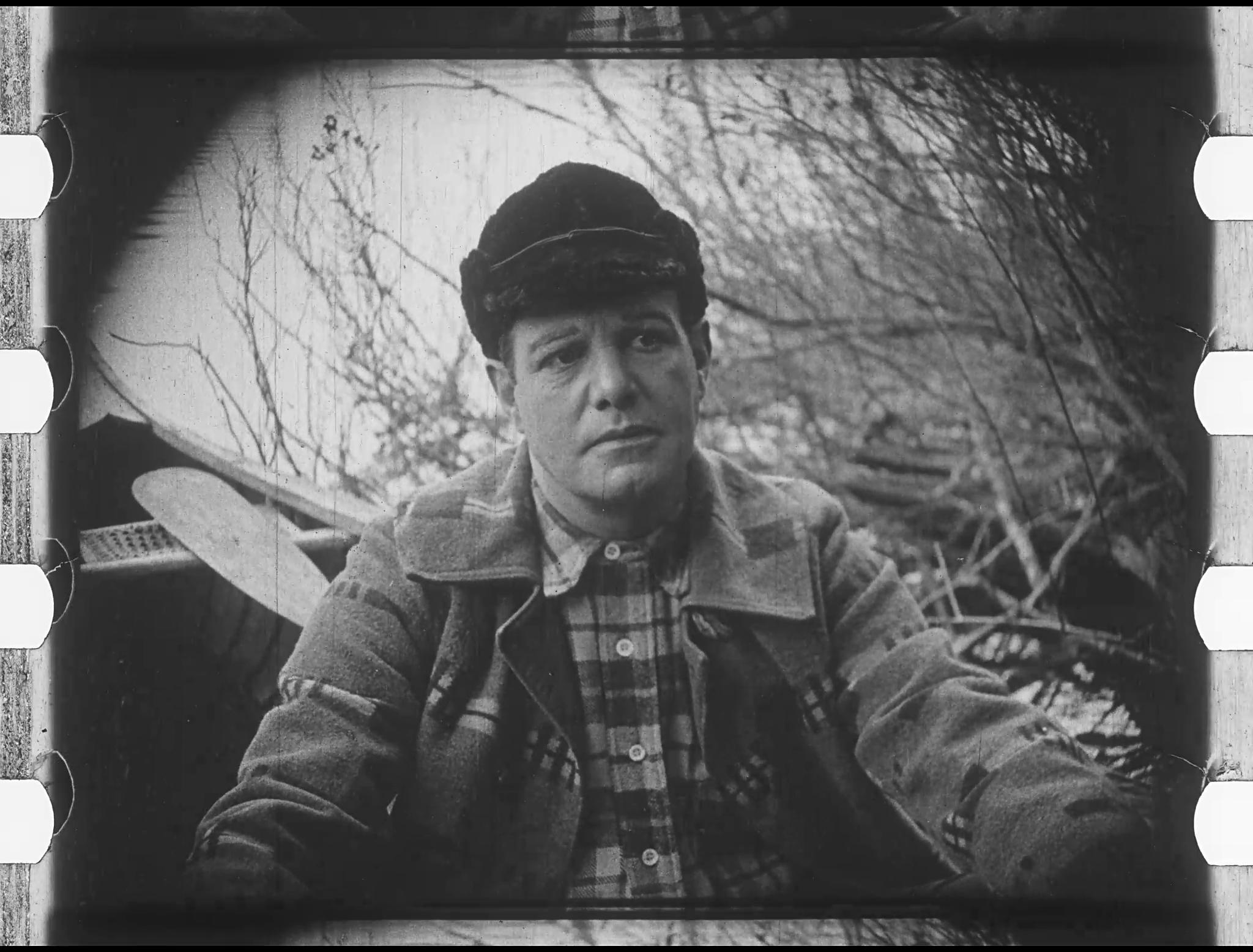
Dir: Edgar Jones
A mail-order bride arrives at a Maine lumber camp but doesn't like her prospective husband.
View Details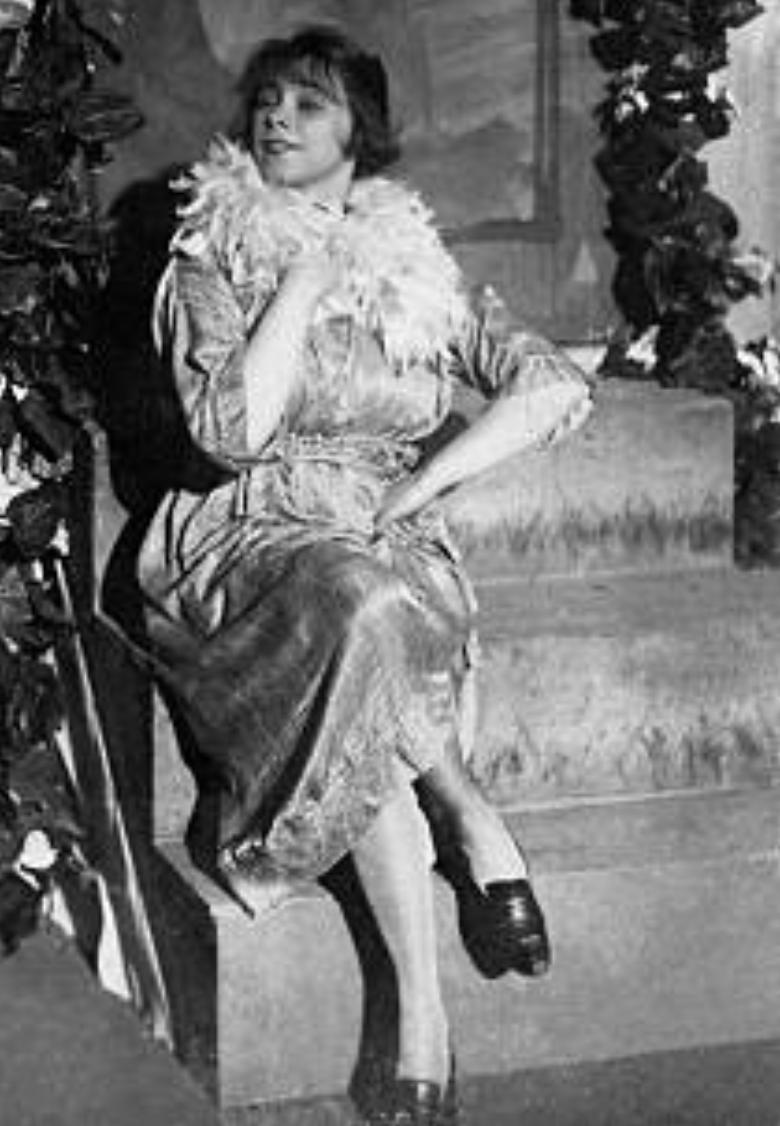
Dir: Bruno Ziener
A fascinating piece of cinema that shares thematic elements.
View DetailsAnalysis relative to The Wanters
| Film Title | Atmosphere | Complexity | Similarity |
|---|---|---|---|
| The Woman Under Oath | Surreal | Linear | 90% Match |
| Blackmail | Surreal | High | 88% Match |
| The Night Riders | Ethereal | High | 96% Match |
| Moon Madness | Surreal | Layered | 95% Match |
| A Boy and the Law | Ethereal | Dense | 93% Match |
This guide was algorithmically generated using the cinematic metadata of John M. Stahl's archive. Last updated: 8/16/2026.
Back to The Wanters Details →