
DbcultAccessing Vault...
Recommendations
Senior Film Conservator

Navigating the complex narrative architecture of The Water Lily is a artistic bravery experience, the emotional payoff of the 1919 classic is what fans crave in similar titles. The following gems are essential viewing for anyone captivated by The Water Lily.
The artistic audacity of The Water Lily ensures it to define the very concept of artistic bravery in modern film.
Genevieve Connors, a girl of the slums, is taken to wealthy Mrs. Vanderbeck's country home for a week's vacation. Although neighbor Evelyn Carlisle refers to Genevieve as a "gutter brat," her cousin Dick takes an interest in Genevieve after he rescues her when her canoe overturns. He gathers water lilies for her and notes that their fragrance and purity have not been affected by the slime and mud clinging to their roots. Although he arranges for Genevieve to take a stenography course and promises her a position with his older brother Willard later, Mrs. Lawson, Evelyn's aunt, rudely turns her away. Dick, about to leave for the war, accidentally meets Genevieve again. He buys her water lilies, and sees that she is installed as Willard's secretary. Meanwhile, Mrs. Lawson's dissipated son Dwight knocks down a policeman during a gambling raid and, thinking him dead, hides out. After Genevieve receives a note from Dwight asking for clothes and money, Mrs. Lawson suspiciously pursues her, but Dick follows and proves Genevieve's innocence.
The influence of George Ridgwell in The Water Lily can be felt in the way modern cult films handle artistic bravery. From the specific lighting choices to the pacing, this 1919 release set a high bar for atmospheric immersion.
Based on the unique artistic bravery of The Water Lily, our vault has identified these titles as the most compelling follow-up experiences for fans of cult cinema:
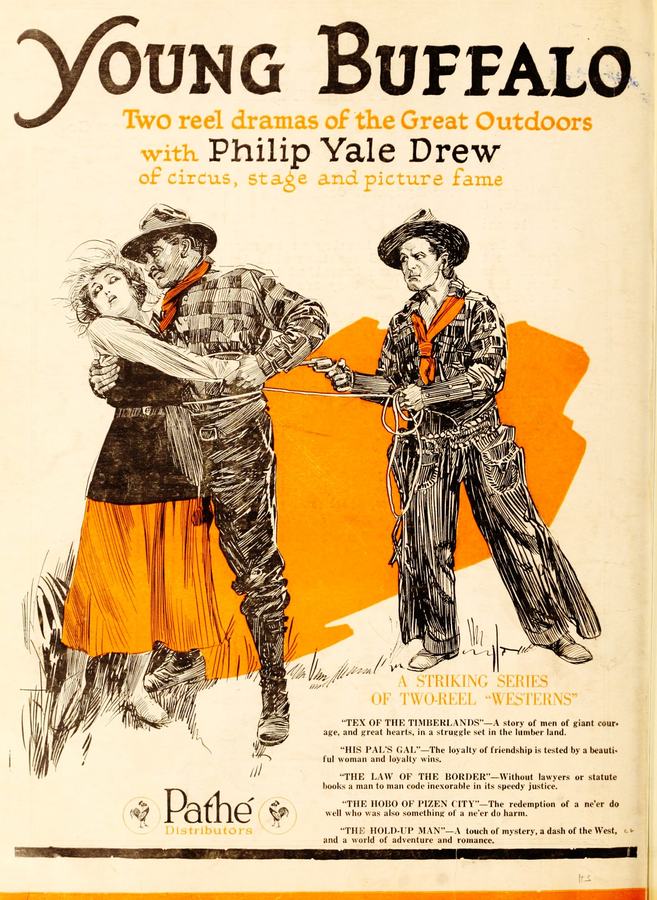
Dir: George Ridgwell
Tex, after warning his pal to keep away from the gang at the saloon, finds him dead by the roadside. His pal's girl arriving at the cabin, from the East, finds favor with Tex; and when she is about to return home they both discover that they do not want to part, and together they seek a clergyman.
View Details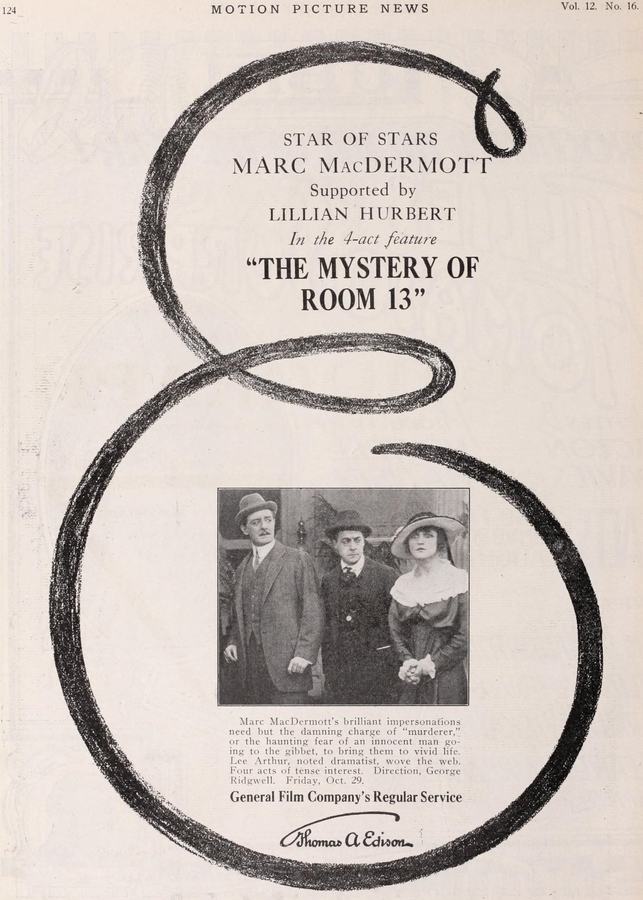
Dir: George Ridgwell
Count Giuseppe Rizzo, pressed by his creditors, marries June Baxter, heiress to a large fortune, for her money. As the wedding party emerges from the church, Phillipa Garrie, once mistress to the Count, but now cast aside, attempts to stab him. Humiliated, and realizing a. side of the Count's nature unknown to her, June secludes herself in her home and orders him out of her sight. To avoid notoriety, she leaves town to take up her home near the site of the plant left her by her father. Together, with Clay Foster, superintendent of the plant, she devotes her time to the welfare of her workmen. By threats of creating public scandal, the Count blackmails June, compelling the payments of large sums of money. As their work at the plant draws them closer together, the seeds of love take root within the breast of Clay Foster and with them a deep hatred for the Count, who refuses to give June a divorce. After a while, however, hard pressed by his creditors, and a heavy loser at gambling, the Count agrees to grant her a divorce if June will make a settlement upon him. June, determined, leaves for New York, and registers at the Count's hotel. Unbeknown to June, Clay Foster follows her to protect her from harm. The Count's demands upon June are staggering and she refuses to comply with them. The Count is enraged and June saves herself only by her presence of mind. Clay Foster enters the scene, and threatens to kill the Count if he does June any bodily harm. Adventure and complication follow each other in quick succession. Thirteen, the number on the door of .the Count's room in the hotel, has begun to cast its spell about. That night, the Count is murdered. Suspicion falls upon Clay, and he is arrested for the murder. Yet, as the numerous complications begin to untangle themselves, we find that the Count was killed, not by June, because of her fear of him alive; not by Clay, because of his hatred for him; not by Phillipa, because he had blighted her life; nor by Antonio, her father, who had sworn to take vengeance, but by one with no personal ties, urged on merely by the sight of the Count's winnings that night, and cursed by the awful spell, unable to escape the talons of number thirteen.
View Details
Dir: George Ridgwell
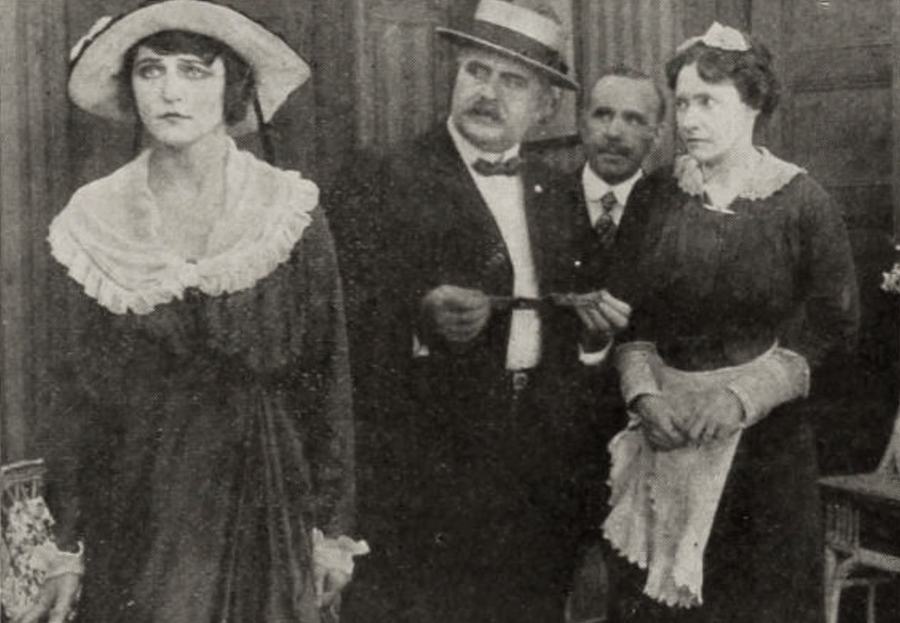
Two women are waitresses in a cheap restaurant. None of the male customers ever look Tildy's way, while Aileen is the recipient of many attentions. One day one of the customers, who has lost his job and imbibed too freely, hugs and kisses Tildy. She is so elated she cannot keep her secret; takes various steps to beautify herself, and sees visions of future happiness. After a lapse of a few days, the customer reappears and apologizes for his disgraceful conduct, and departs leaving the poor waitress almost broken-hearted.
View Details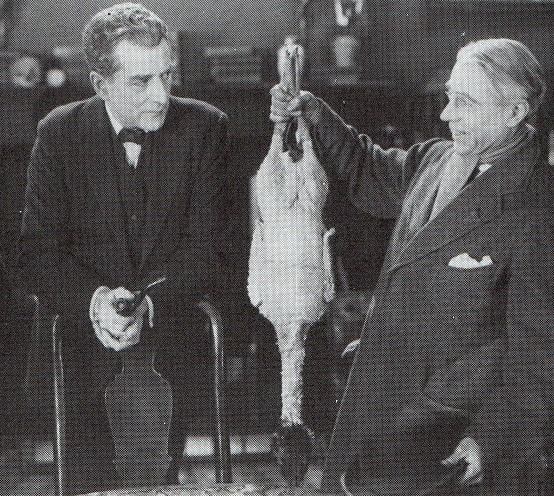
Dir: George Ridgwell
When the Countess of Morcar's priceless blue carbuncle is stolen, a reformed thief is charged with the crime.
View Details
Dir: George Ridgwell
An unsavory gang kidnaps a Greek interpreter and forces him to relate their demands to an abductee who knows only the Greek tongue.
View Details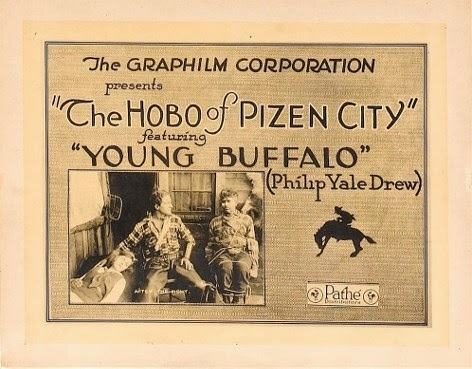
Dir: George Ridgwell
The hero rides into a western town in the garb and appearance of a hobo. The sight of the young school teacher, a newcomer, brings on a speedy change to fancy duds, and he at once begins wooing her.
View Details
Dir: George Ridgwell
A vaudeville act which falls flat after starting off with great promise furnishes the theme for this two-reel O. Henry story. No one is able to ascertain the cause, and after the cast creates so much disturbance in a restaurant that they are arrested and taken before the police sergeant do his judicious questions enable the police matron to fathom the mystery; that is, that the situation where the star always breaks down and weeps is because the leading man is in love with her and trying to show it in his singing.
View Details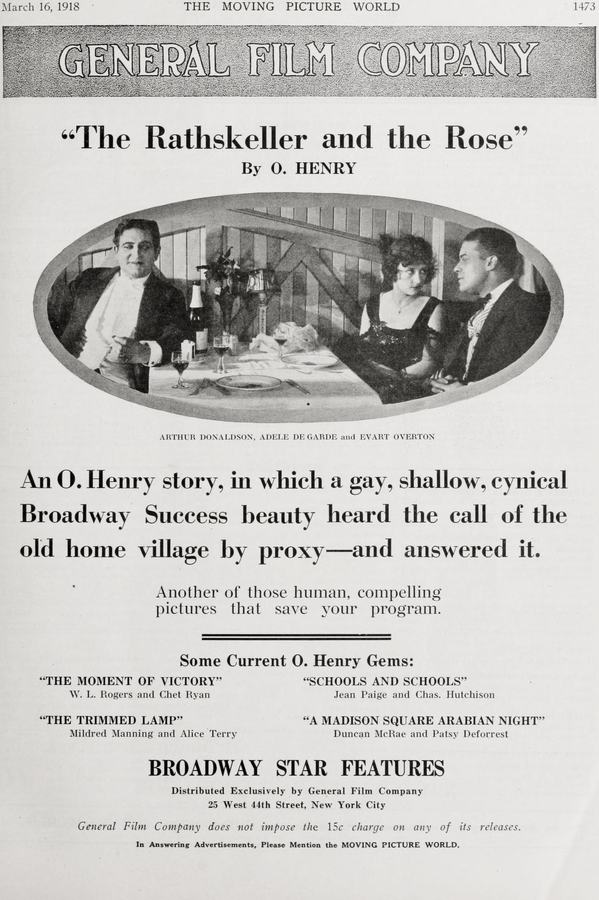
Dir: George Ridgwell
A country girl runs away to town, and achieves success as an actress. A struggling actor desiring a part in her company visits her home town, absorbs local color, and on his return brings a faded rose from the girl's mother, and poses as one of her country neighbors with such success that the girl cancels all engagements and returns home. Then the actor decides to follow her.
View Details
Dir: George Ridgwell
An inspector and a private detective fight each other to dismantle a blackmail gang.
View Details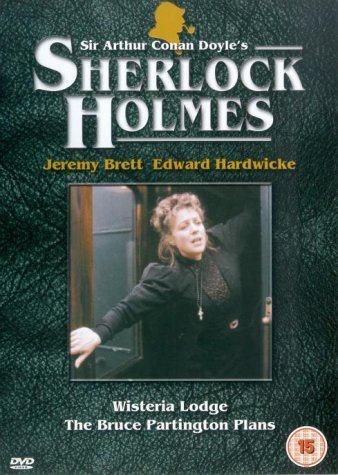
Dir: George Ridgwell
Sherlock's brother Mycroft enlists his younger sibling to locate missing patent plans that pertain to a strategically critical state-of-the-art submarine.
View DetailsAnalysis relative to The Water Lily
| Film Title | Atmosphere | Complexity | Similarity |
|---|---|---|---|
| His Pal's Gal | Tense | Layered | 92% Match |
| The Mystery of Room 13 | Surreal | Abstract | 92% Match |
| The Brief Debut of Tildy | Ethereal | High | 96% Match |
| The Blue Carbuncle | Ethereal | Abstract | 90% Match |
| The Greek Interpreter | Ethereal | Abstract | 85% Match |
This guide was algorithmically generated using the cinematic metadata of George Ridgwell's archive. Last updated: 8/17/2026.
Back to The Water Lily Details →