Summary
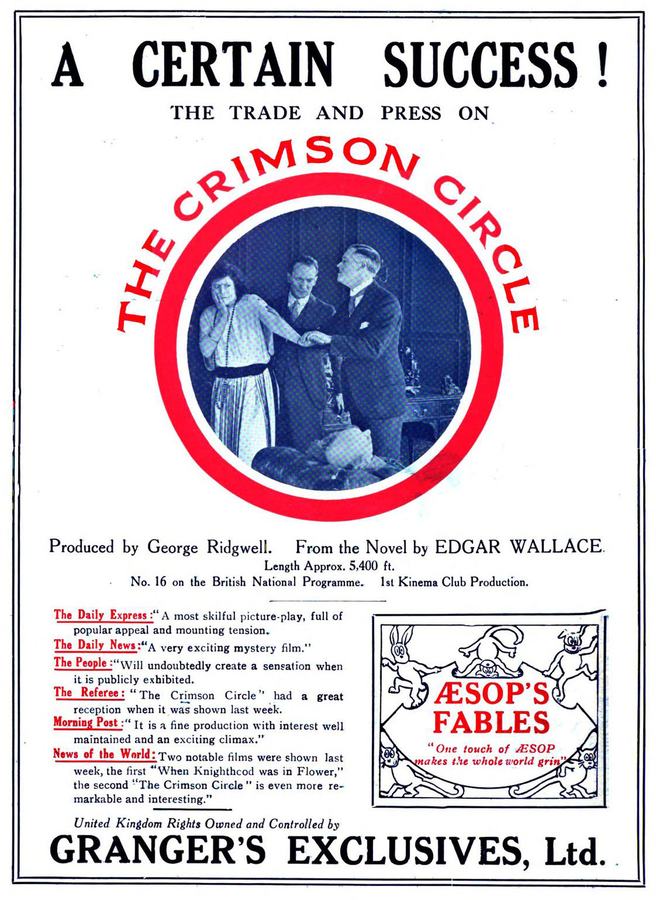
Fog-veiled London, 1922, exhales soot and secrets through its cobblestones as a clandestine fraternity known only by the vermilion seal of The Crimson Circle extorts the anxious elite, bleeding wallets dry with promises of public ruin. Into this chiaroscuro steps Inspector Parr, a Scotland Yard bulldog whose moustache bristles with moral absolutism; shadowing him, and frequently outpacing him, is Felix Marlboro, a laconic private inquiry agent whose moral compass spins like a dervish. Both men covet the same prize: dismantle the extortion syndicate that has turned blackmail into an industrial art. Their rivalry ignites when the Circle’s latest victim, the tremulous heiress Sylvia Hammond, receives a scarlet-inked ultimatum; her disappearance drags Parr and Marlboro through gin-cellars, Thames-side warehouses, and the candle-lit confessionals of bohemian Soho. Each clue—an abandoned opera glove, a blood-smudged calling card, a phonograph cylinder of muffled pleas—doubles as bait flung by the unseen puppeteer. Suspects proliferate like cigarette smoke: a disfigured ex-barrister nursing courtroom vendettas; a glamorous medium whose séances launder money; a river policeman whose ledger hides more than tidal logs. The film’s heartbeat quickens once the hunters realize the Circle’s masked mastermind anticipates their every gambit, weaponizing Parr’s rectitude and Marlboro’s guile as symmetrical blades. In a climax staged inside a half-submerged Thames barge, latticed by lantern light and rain, identities fracture: the supposed villain turns victim, the righteous inspector confronts his own mirrored avarice, and Marlboro must decide whether justice is merely another commodity to be bartered. When the scarlet seal sinks beneath the bilge water, the victor inherits not applause but the sober knowledge that London’s appetite for shadows is inexhaustible.
An inspector and a private detective fight each other to dismantle a blackmail gang.
Review Excerpt
"
img{max-width:100%;height:auto;display:block;margin:2rem auto;border:2px solid #0E7490}
A city that never truly sleeps, only dims.
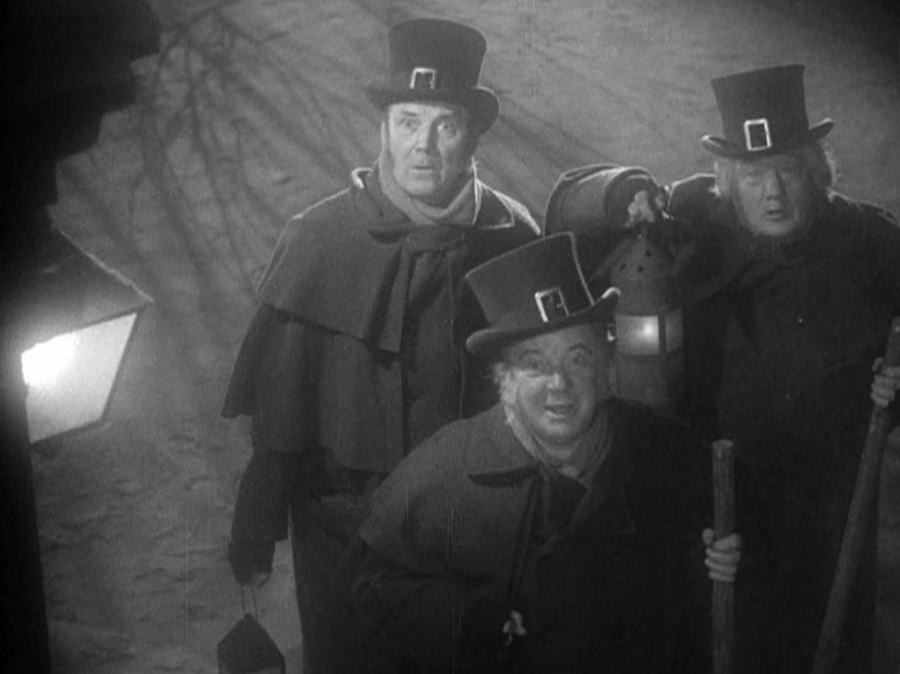
There is a moment, roughly midway through The Crimson Circle, when the camera withdraws from a frantic scuffle inside a Whitechapel doss-house and glides toward a rain-slick window. Outside, the streetlamp’s sodium flare ripples across the glass like liquid fire, distorting the silhouettes of passing constables into grotesque marionettes. That single, unbroken shot—..."