
DbcultAccessing Vault...
Recommendations
Senior Film Conservator
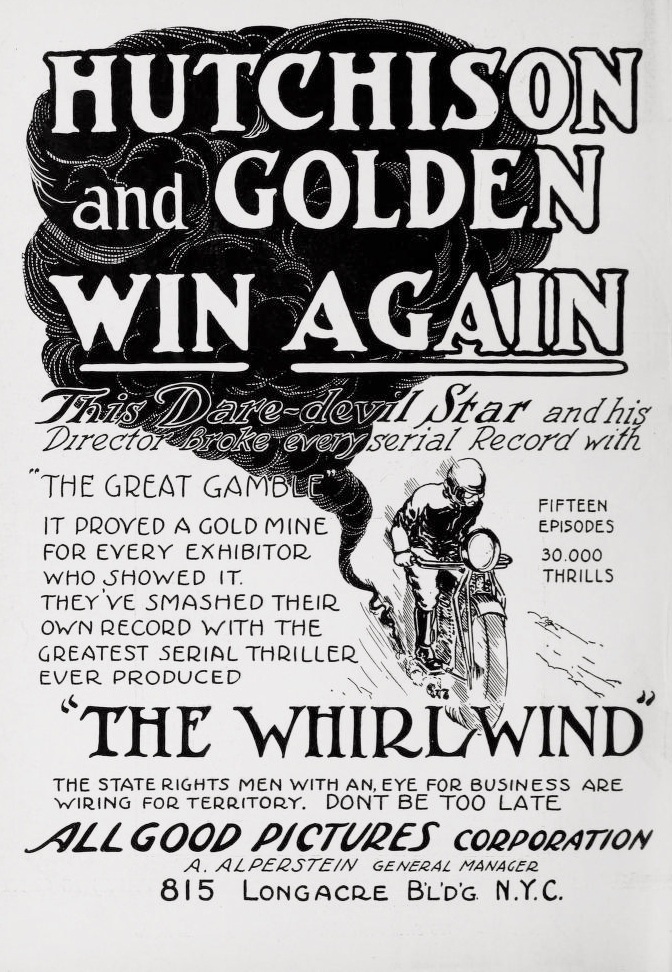
The Action sensibilities displayed in The Whirlwind are unparalleled, the emotional payoff of the 1920 classic is what fans crave in similar titles. Our criteria for this list were simple: only the most cinematic excellence and relevant titles.
The cultural footprint of The Whirlwind in United States to define the very concept of cinematic excellence in modern film.
The influence of Joseph A. Golden in The Whirlwind can be felt in the way modern Action films handle cinematic excellence. From the specific lighting choices to the pacing, this 1920 release set a high bar for atmospheric immersion.
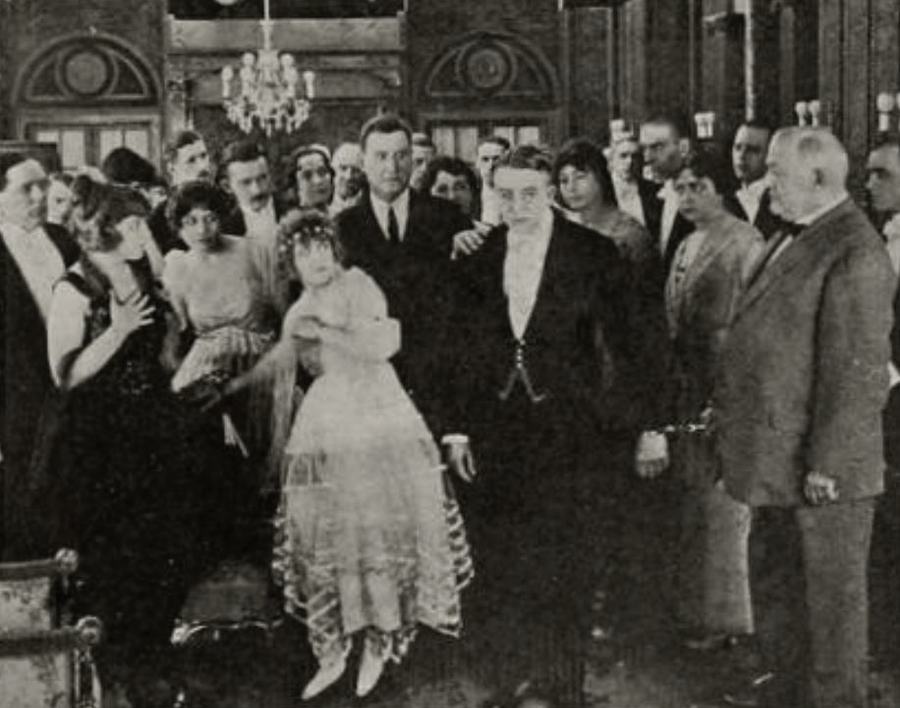
Based on the unique cinematic excellence of The Whirlwind, our vault has identified these titles as the most compelling follow-up experiences for fans of Action cinema:
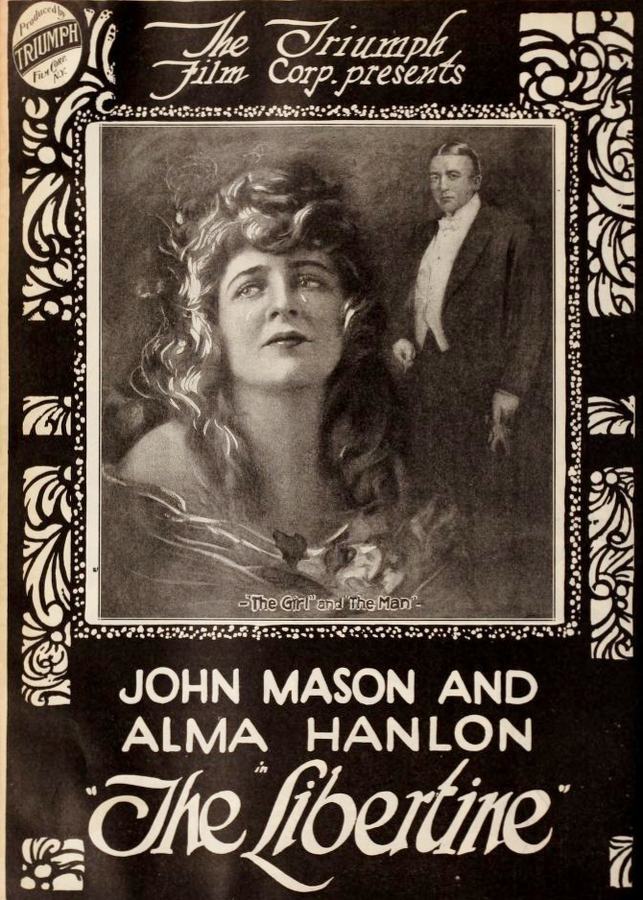
Dir: Joseph A. Golden
A modern man not only woos one woman but masterfully woos many women.
View Details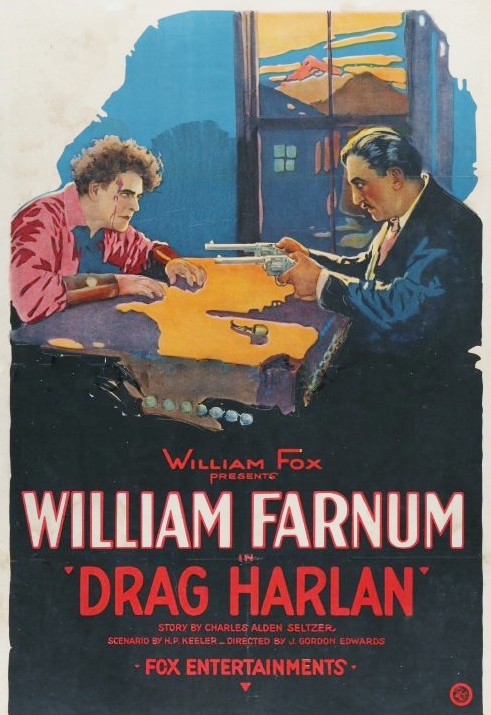
Dir: J. Gordon Edwards
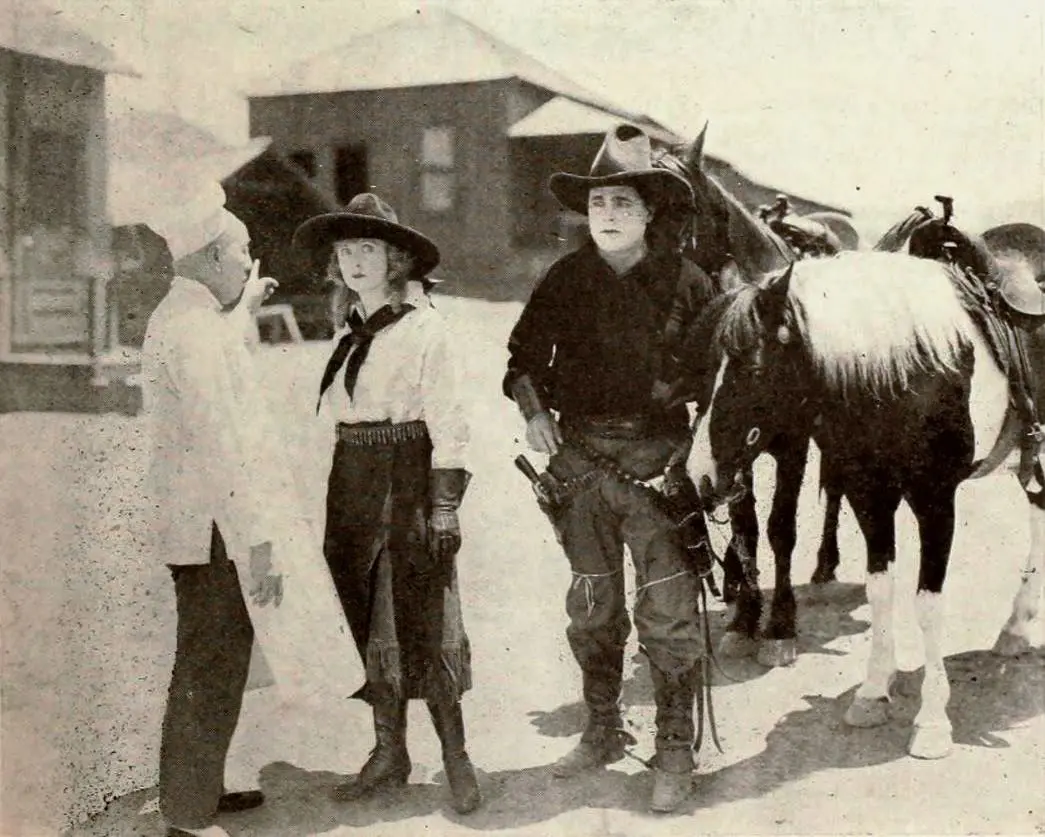
William Farnum is Drag Harlan, a tough cowboy vigilante. After learning about a gold mine from a dying man, he seeks his daughter (Jackie Saunders) as well as the gold. He falls in love with her, but the same gang that shot the old man is after the gold.
View Details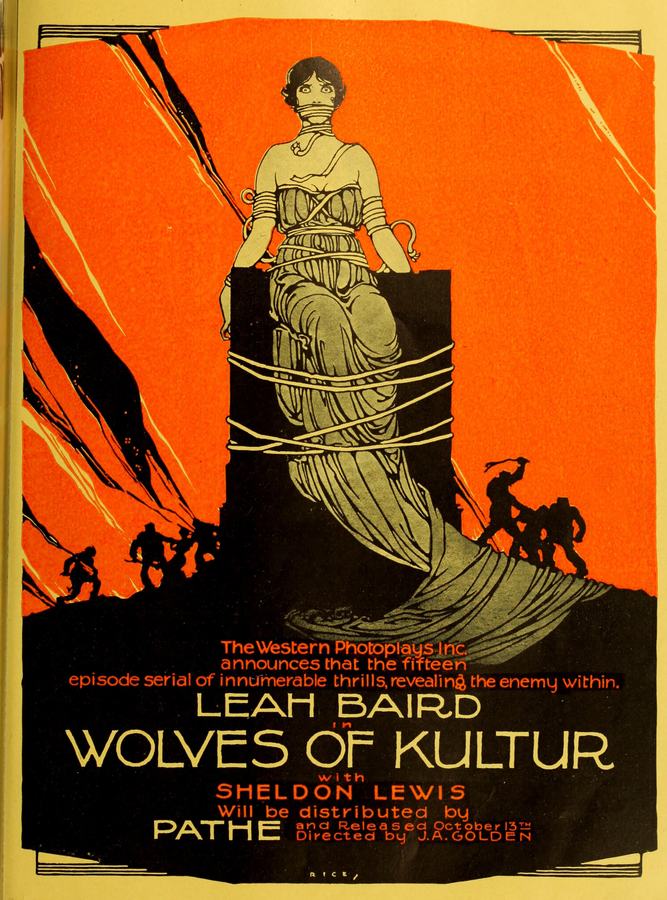
Dir: Joseph A. Golden
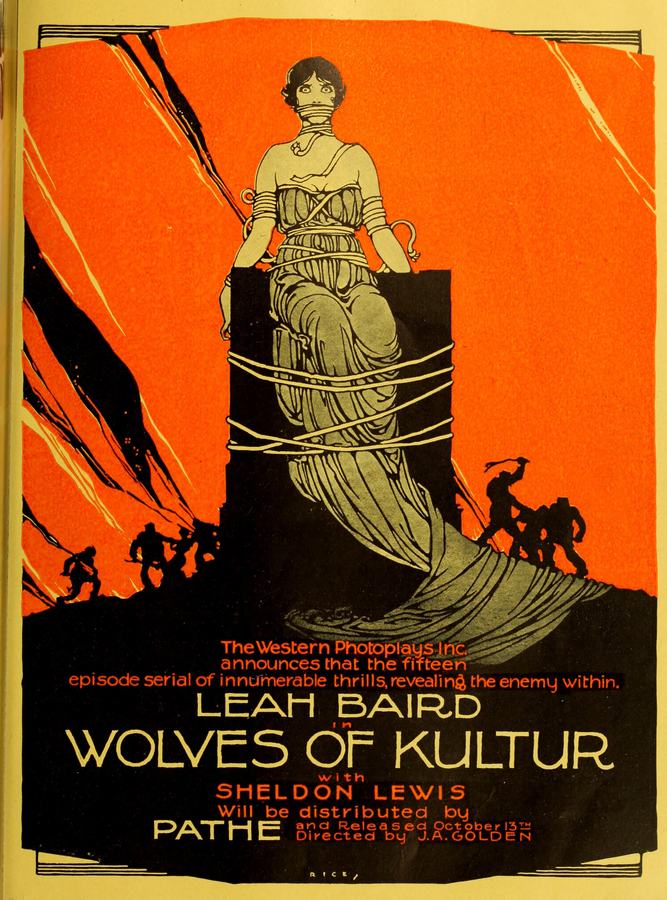
Alice Grayson's uncle develops a wireless torpedo that can be controlled by radio. After he announces his invention to several of his colleagues, two of them murder the scientist, steal the blueprints and prototype, and make plans to sell both to the highest bidder. When Alice discovers the identity of the thieves, the intrepid heroine, with the help of Bob Moore, her two-fisted boyfriend, desperately tries to recover the plans and torpedo before enemy countries can unleash the torpedoes against American ships.
View Details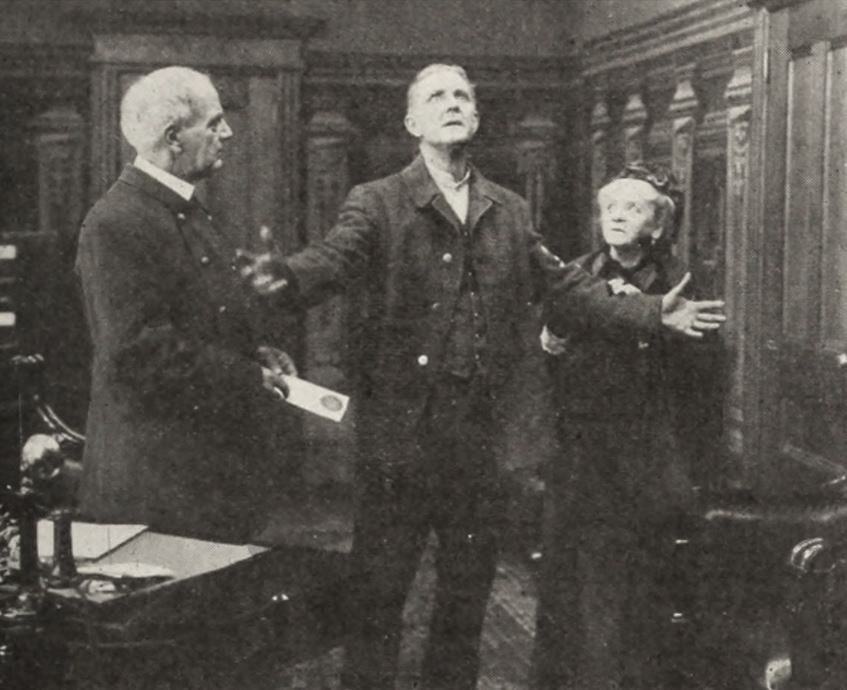
Dir: Joseph A. Golden
Ed Andrews, a young shipping clerk, is in love with Dora Birch, and has as rival Tom Matthews, but wins the girl, much to his mother's satisfaction. A raise in salary hastens their marriage and two years later their baby arrives. Andrews, celebrating the event, goes to the corner bar with George Gardner, his chum, and, after several drinks, Gardner gets into a fight with Jim Matthews, Tom's brother, knocking him down with a blow, Matthew's head striking the pavement, causing his death. George runs away, and Ed bends over Matthews, trying to raise him. The crowd threatens him and he starts to run, but is soon caught. In the morning he is fined for disorderly conduct, and is near freedom when word comes that Matthews is dead, and he is held for murder. Tom is a ward detective, and four months after the arrest, swears that Jim was killed while resisting highway robbery. Ed is sentenced to death, and the shock kills his wife, his mother taking the child and rearing her. She pleads with the Governor, and in view of the evidence he commutes Ed's sentence to imprisonment for life. His mother tells him of his wife's death, and, with his nerve crushed, he begins his prison life. Nineteen years later his daughter falls in love with Paul Matthews, son of the man who had sworn away his life. Ed's mother continues her efforts in his behalf, and Gardner, dying in a distant city, tells the truth about the assault. Ed is pardoned and meets his daughter for the first time in the warden's office. Ed and his daughter are having luncheon on the beach when he sees a man fall from a boat, swims out to save him and brings him to shore, but the man is dead and Ed recognized the body as that of Tom Matthews, the brother of the man his friend had killed, and on whose evidence he had spent twenty years in prison. Then he feels that while nothing can give him back his lost youth, his wasted life and the wife he loved, he has overtaken the man who was responsible for his troubles.
View Details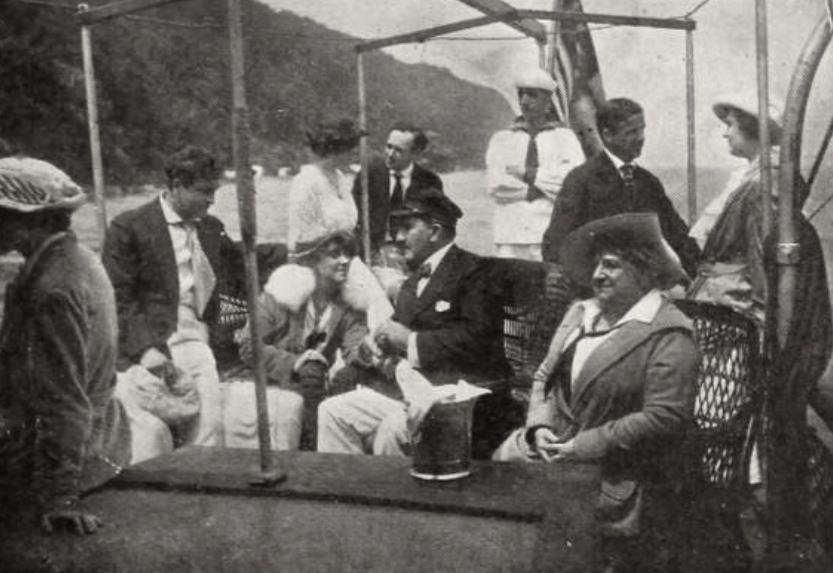
Dir: Joseph A. Golden
The husband is bored to death by years of association with his wife, whom he deems old-fashioned and settled. A governess, young and beautiful, comes to the house. The father, master of the house in every sense of the word, is infatuated with the governess's description of life in the city where one remains young even at four-score years. Many conversations occur between the man and the governess, and one day he tells his wife that he is tired of her and that he is going away to the city with a younger and prettier woman. Time passes and the master of the house sees the other side of the governess. Her family is a lot of parasites who live on him. The man, broken in health, his spirit revolting against present conditions, feels a longing away down in his heart for his old-fashioned wife and their three children and the old home that is a home. In a frenzied burst of anger he strikes her, casts aside the woman and the unpleasant associations with her and, older, wiser, sadder and penitent, he returns to his wife and fireside.
View Details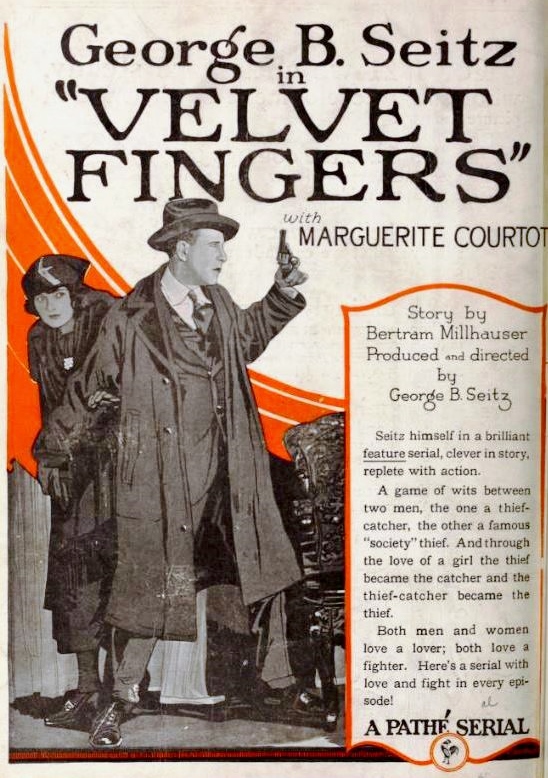
Dir: George B. Seitz
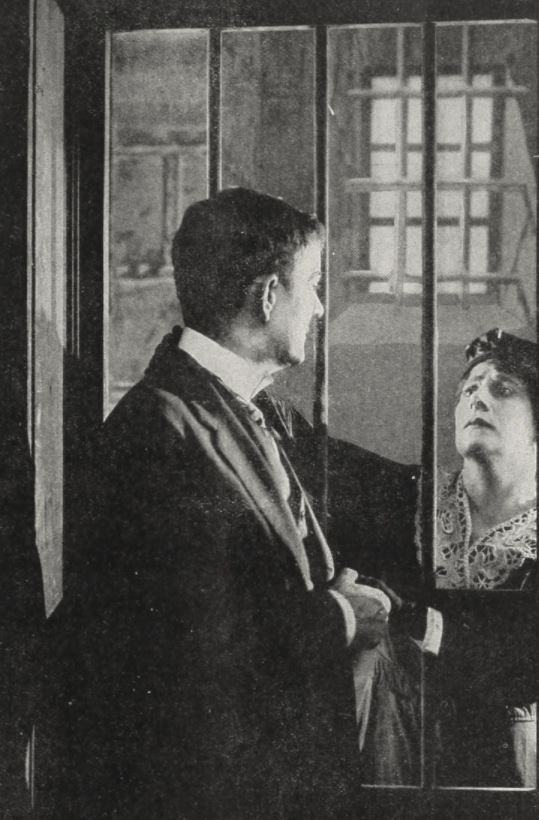
The adventures of a gentlemanly crook of astonishing resourcefulness.
View Details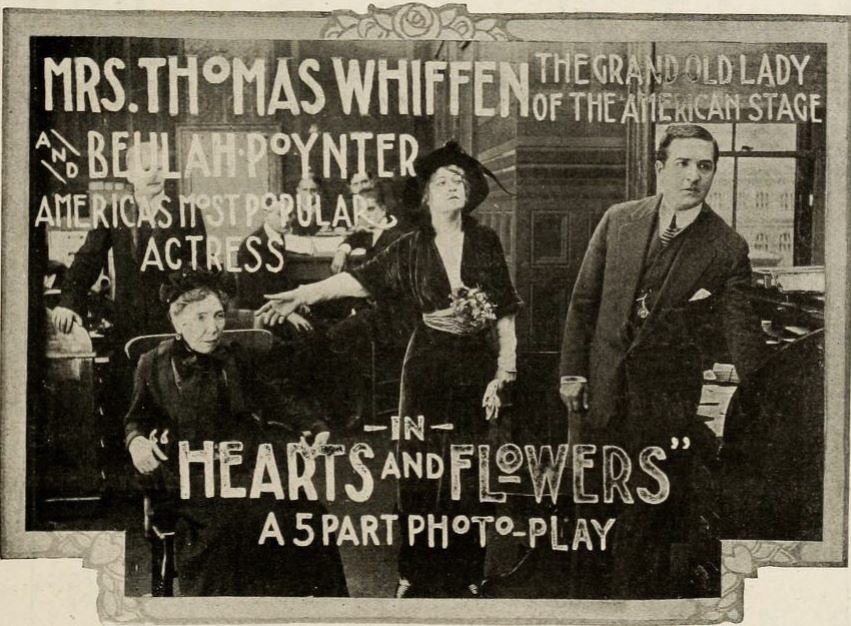
Dir: Joseph A. Golden
Tom, the son of John and Mary Landers, an old-fashioned country couple is in love with a pretty country girl, who is also being courted by Walter Terry. Tom surprises the latter making violent love to her and, crazed with jealousy, strikes Walter and in the fight that ensues Tom accidentally pushes Walter over the edge of a cliff. Fearing that he had killed his rival, Tom leaves the farm for the city. Unable to secure a position there, he appeals to his mother, who sends him money. He finally secures a position with Grant and Co., stockbrokers. The Wall Street fever soon gets the better of him and he tries his luck in the stock market. Being successful in his first venture, he plans to make a fortune. He writes his mother informing her that he has an opportunity to go into a good business for himself and begs of her a loan of $1,000. The devoted mother having faith in Tom's promise of a speedy return of the money, takes the money which they had saved to pay off the mortgage on the farm. Tom loses it in speculations and is ashamed to reply to his mother's appeals for the promised return of the money. Meanwhile, Pa Landers is killed by an accidental discharge of his gun while out hunting. The poor widow is now unable to meet the payment of the mortgage and is forced to leave the old home. Miss Elsa Norman, a society girl in the city, is attacked by a thief, but is rescued by Tom and a close friendship is the result of this incident, which later develops into mutual love. Tom's mother arriving in the city visits him in his office. He is ashamed of her appearance and takes her to a boarding house in the suburbs and asks her not to call on him. Terribly hurt at the indifference of her son, she resolves never to annoy him again. Alone in her grief she is forced to move to a poor tenement house. She visits daily the lobby of Tom's office building, where she is seen one day by Elsa Norman, who in deep sympathy for the poor old woman gives her a bunch of violets, not knowing she is the mother of the man she loves. Ma Landers' money gone, she is in actual want and is overcome one day by weakness and faints in front of the building, where she is picked up by Elsa and her chauffeur and carried to her miserable lodging. There she tells her story to Elsa, who is horrified to learn that the old lady is Tom's mother; Elsa 'phones Tom to come at once and he is brought face to face with the terrible result of the neglect of his mother. Elsa touched by the heroic acceptance of the old lady's sad fate, purchases the old farm and presents it to her. Tom returns to the old homestead and in a touching love scene which follows Ma Landers forgives Tom, who wins back Elsa's love.
View Details
Dir: Joseph A. Golden
An actress with a wild reputation finally settles down to a sedate, pleasant marriage. One of her former lovers, an architect, arrives to disrupt her happiness by renewing their affair. She humiliates this suitor in public with her rejection, and he seeks revenge--revenge that catapults her into tragedy.
View Details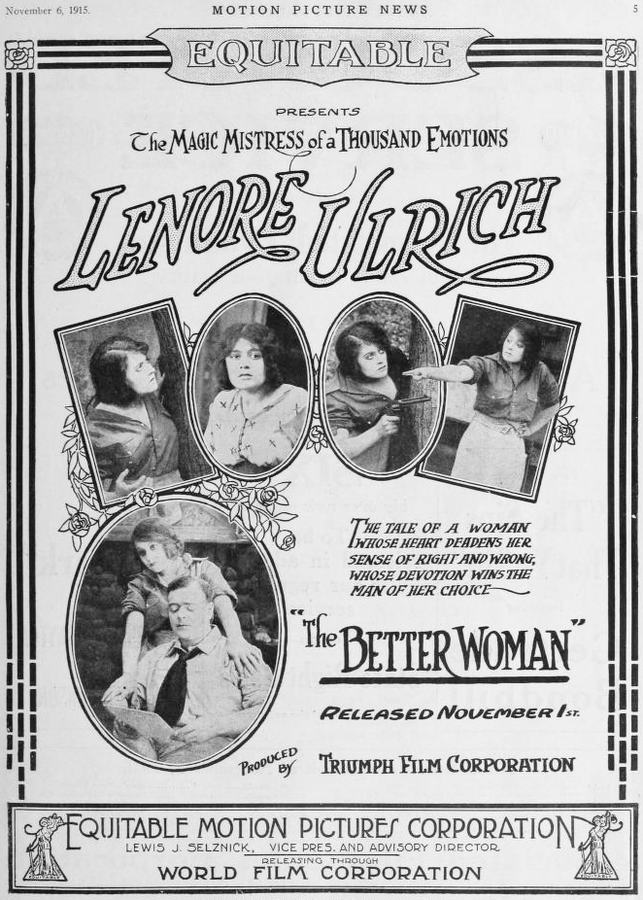
Dir: Joseph A. Golden
Kate Tripler, the motherless uneducated daughter of the proprietor of a small hotel in a western town, is full of sentiment and has a craving for love. Frank Barclay, a young civil engineer, loved by Aline Webster, comes to the town to build a railroad bridge. Kate meets him at her father's hotel and tries to attract his attention, but he disregards her. Frank saves the life of Jim Travers, an engineer on the bridge, and they become friends. Kate, trying to make Frank jealous, flirts with Jim, but only amuses Frank. Frank tells Jim of his love and shows him pictures of Aline and her sister, Alicia, saying nothing of his preference. Jim goes east, meets the girls, falls in love with Alicia, marries her and plans a surprise for Frank. A newspaper makes a mistake and says he has married Aline. She writes to Frank telling him of the error. Kate gets the mail at the hotel, reads the letter and destroys it, giving the paper to Frank, who takes the story as truth, gets drunk, makes love to Kate, out of spite, asks Kate to marry him and after a rush for a license, they are married. Recovering from his drunken fit, he is horrified to find what he has done, and has a quarrel with Kate. Jim and his wife, with Aline and her father, arrive at the town and the mistake is cleared up. Frank leaves the cabin. Kate sees him meet Aline, and is about to shoot her when she hears Aline tell Frank to go back to his wife. Frank's father dies and he takes his wife back to New York with him, where she learns to be more like the people he associates with. Aline flirts with Frank, but Kate keeps on with her efforts to improve. Later, at a new big job in the west, where all are gathered, there is a labor riot. Aline shows cowardice and Kate surprises Frank by her bravery. Kate determines to be fair, tells Frank about the letter, and they quarrel, Frank leaving. Kate sends a note saying she will go out of his life, and Aline leaves one saying that a divorce will make everything all right. Going to the station, Kate sees strikers planning to blow up the works. Aline has an appointment with Frank, keeps it on the bridge, and is ordered away by Kate, who threatens her. Aline flees. Frank sees Kate's danger and calls her to come back. The explosion injures Kate, and as Aline is comforted by her sister, Frank finds Kate in the ruins, sees that she is the better woman, and tells her that it is she he wants, not Aline. Kate knows that her punishment is ended.
View Details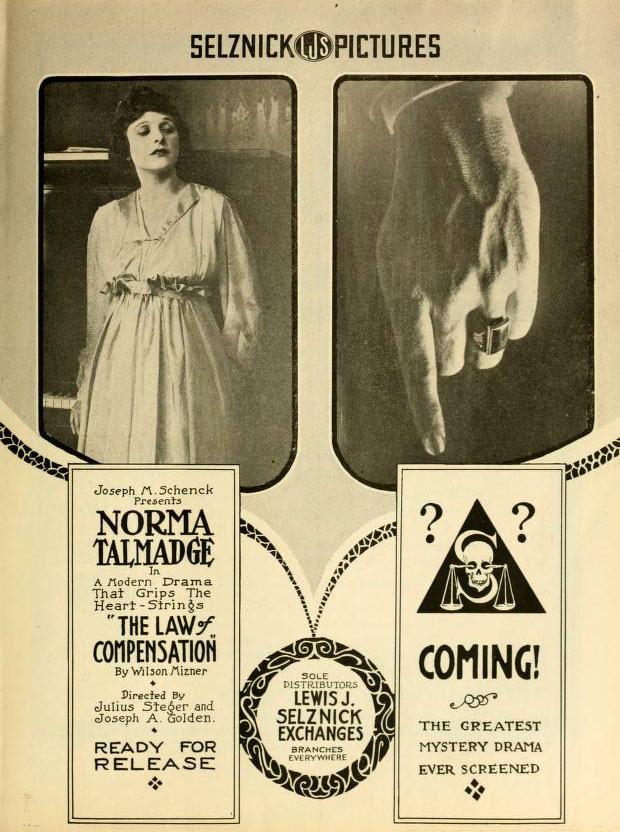
Analysis relative to The Whirlwind
| Film Title | Atmosphere | Complexity | Similarity |
|---|---|---|---|
| The Libertine | Surreal | Layered | 90% Match |
| Drag Harlan | Tense | High | 93% Match |
| Wolves of Kultur | Gothic | Linear | 98% Match |
| Not Guilty | Tense | Linear | 92% Match |
| The Master of the House | Surreal | Dense | 87% Match |
This guide was algorithmically generated using the cinematic metadata of Joseph A. Golden's archive. Last updated: 6/26/2026.
Back to The Whirlwind Details →