Summary
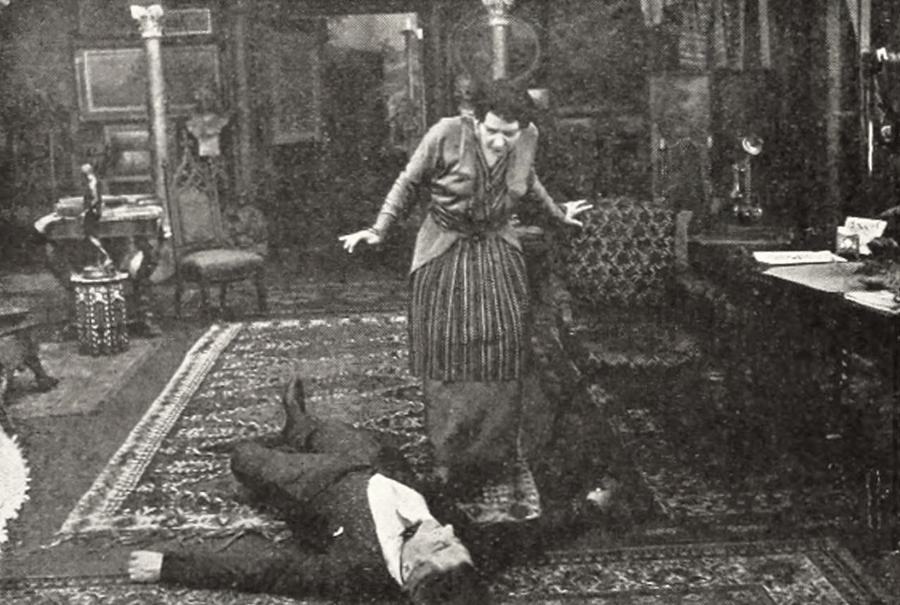
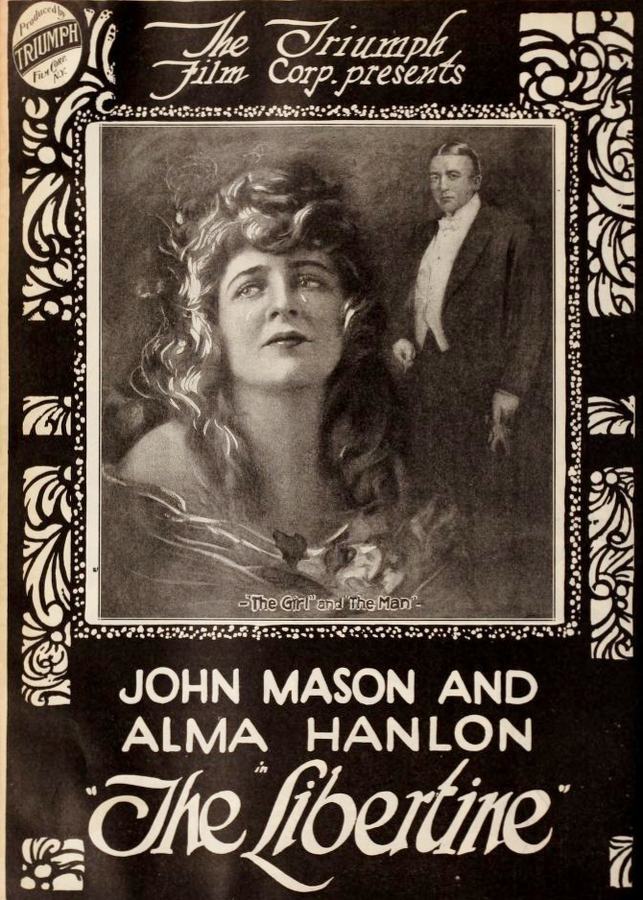
A porcelain heiress topples from velvet-lined carriages into the soot of self-reliance when her father’s fortune evaporates overnight; she trades satin for shorthand and lands in the atelier of a lionized painter whose brush once depicted duchesses but now merely placates a wife he pawned himself to in exchange for garret rent. The maestro, starved for a muse, sniffs fresh innocence in the newcomer and presses her against the canvas, coaxing pigment and submission with equal ardor; believing affection has bloomed, she yields, only to discover that her skin is merely another ground for oils. Salvation arrives in the form of a brisk young surgeon whose stethoscope hears heartbreak as clearly as arrhythmia; true tenderness galvanizes her, yet the past—still wet like a careless brush-load of alizarin—threatens to drip onto the doctor’s spotless cuffs. The painter, wheezing beneath a corset of cardiac frailty, vows to discard the squatting spouse and reclaim his model; she recoils, the word “no” a silver scalpel across his aorta, and he collapses amid turpentine fumes. Guilt festers; to shield the physician from scandal the girl refuses his ring, but death has already voided her debt to the artist, so she and the healer ultimately wed under cathedral light, while the discarded widow prowls the periphery like a smudged outline that refuses to be erased. Years later the vengeful first wife infiltrates their domestic Eden as housekeeper, sowing suspicion that the doctor dotes too warmly on the foundling child cradled in his care; jealousy erupts, statues shatter, and in the melee she unveils the dead painter’s diary—a Pandora’s codex of trysts—reading aloud the very pigments of the wife’s disgrace. Betrayed and betrayer fuse in a single howl; the wife bolts toward the river, intending to dissolve her shame in silt, but a quick-witted maid drags her back to shore, forcing her to confront the arithmetic of guilt: one refusal, one corpse, one marriage, endless echoes. Dawn finds the couple in separate rooms, yet a fragile resolve steels her to rekindle devotion, stitch by stitch, while the widow departs with a serpent’s smile, having proven the past is never past—only repainted.
Synopsis
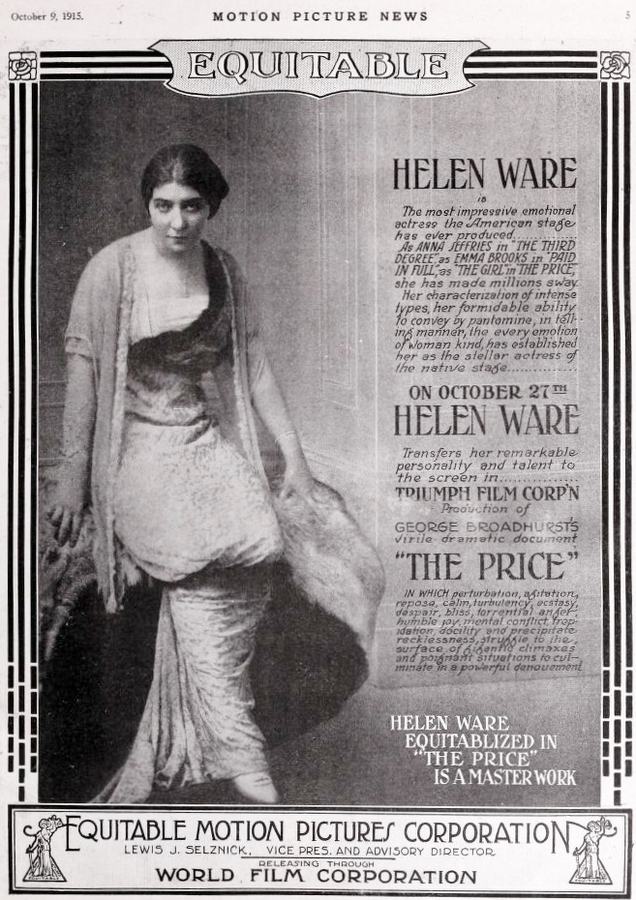
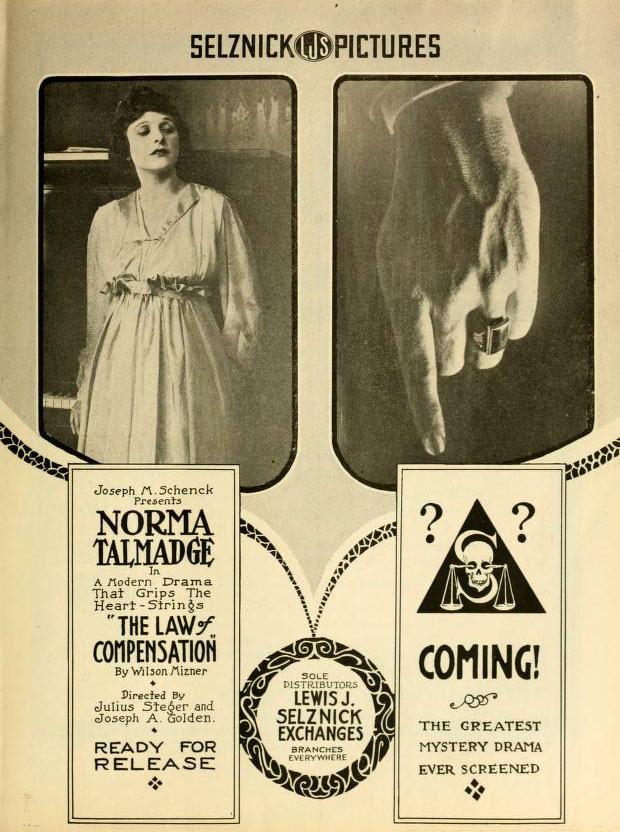
A young girl, reared in luxury, is thrown penniless upon her own resources. She becomes secretary to a great artist, who, in younger and poorer days, married the landlady's daughter. In need of inspiration, the artist turns to his charming secretary. Believing that she loves him, the girl submits, but finds her mistake, when, meeting a flourishing physician, she learns true love. Both the physician and the artist want to marry the girl, the latter promising to get rid of his present encumbrance. Fearing that the physician will learn of her past, the girl refuses his offer of marriage. The artist, having a weak heart, drops dead at her feet upon learning that she does not love him; whereupon the girl becomes the physician's bride. The artist's widow, seeking vengeance, after a protracted discussion between the physician and his wife, secures the position of housekeeper in their home. She plants seeds of jealousy within the wife by telling her the physician loves his adopted child, whom he has brought up from infancy. The wife flies in a rage, charging her husband with infidelity; whereupon the widow, making her revenge complete, reads a diary to husband and wife foolishly kept by the artist, telling of his relations with the former secretary. In her frenzied protestations, the wife also reveals the fact that it was her rejection of his love that caused the death of her lover. Attempting suicide, the wife is prevented by her maid, who shows her the folly of such an act. The wife, impressed by the recital, decides to live down the past, and try to win back her husband's love.
Review Excerpt
"
Broadhurst’s 1914 curio The Price arrives like a moth-eaten valentine slipped between the pages of cinema’s pubescent diary—its lace edges singed, its ink still heady with turpentine and forbidden musk. Viewed today, the film feels less a relic than a ghost that refuses to acknowledge its own burial, flitting across projector beams with a coyness both maddening and magnetic.
A Canvas Splashed with Class Anxieties
From the first iris-in, the narrative lunges at the jugular of Gilded Age precarit..."