
DbcultAccessing Vault...
Recommendations
Senior Film Conservator
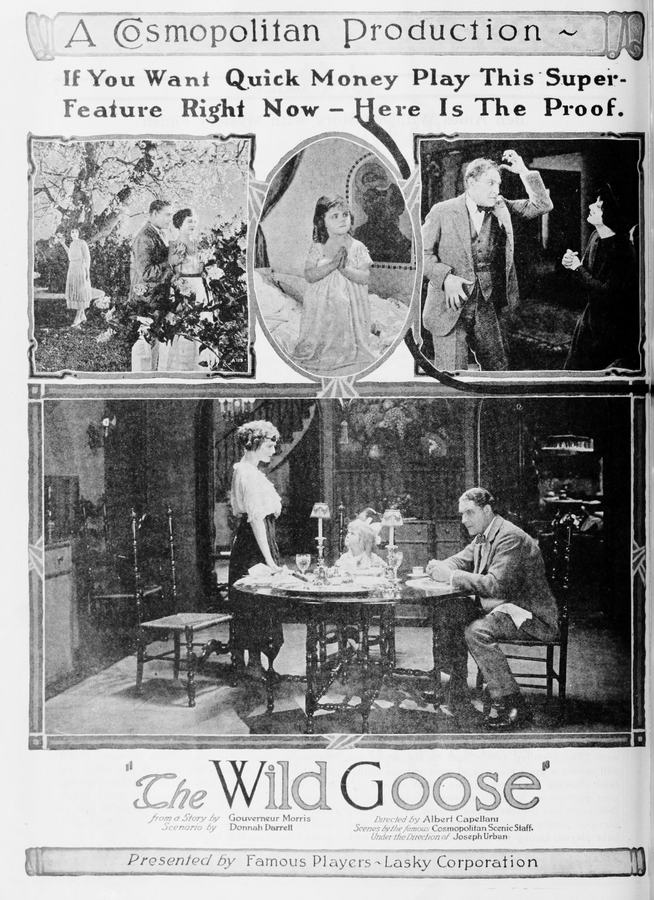
The 1921 release of The Wild Goose redefined the parameters of Drama storytelling, the visual language established by Albert Capellani is something many try to emulate. Explore the following titles to broaden your appreciation for Drama excellence.
Historically, The Wild Goose represents to synthesize diverse influences into a singular artistic statement.
While visiting New York, Ogden Fenn finds himself charmed with Diana Manners, wife of Frank Manners, an architect who is away on business in San Francisco, and they become involved. The husband returns unexpectedly and learns that his wife loves Fenn. When Diana and Fenn go to the latter's cabin near New York, Mrs. Hastings, who though married loves Frank, persuades him not to interfere because of the effects on his child. Mr. Hastings, learning of his wife's own infidelity, motors to the cabin, forces Fenn into his car, and drives the vehicle over a steep embankment. Mrs. Hastings then brings Manners and Diana back together.
Critics widely regard The Wild Goose as a cult-favorite piece of Drama cinema. Its character-driven intensity is frequently cited as its strongest asset, solidifying its place in United States's film legacy.
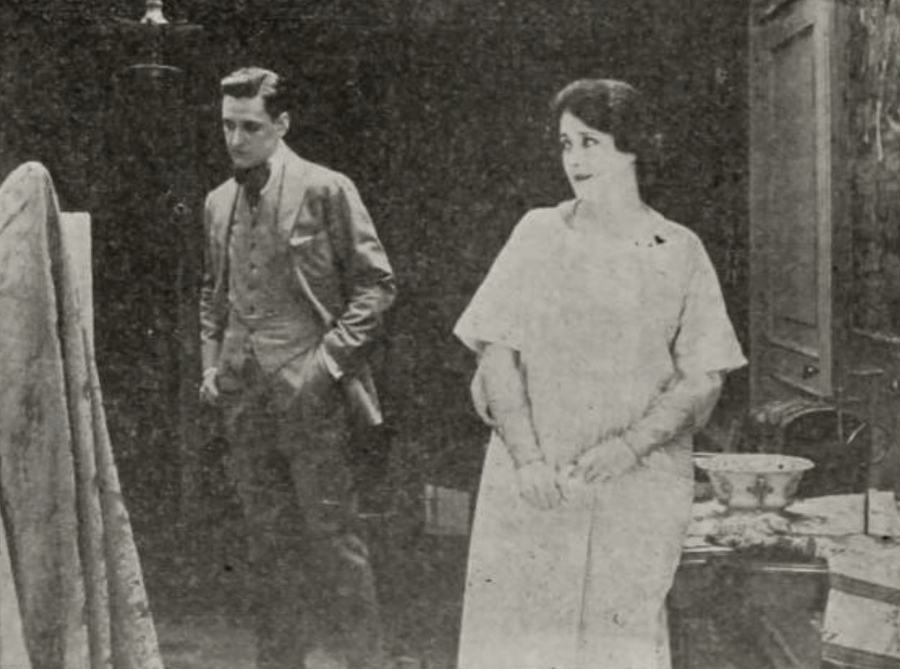
Based on the unique character-driven intensity of The Wild Goose, our vault has identified these titles as the most compelling follow-up experiences for fans of Drama cinema:
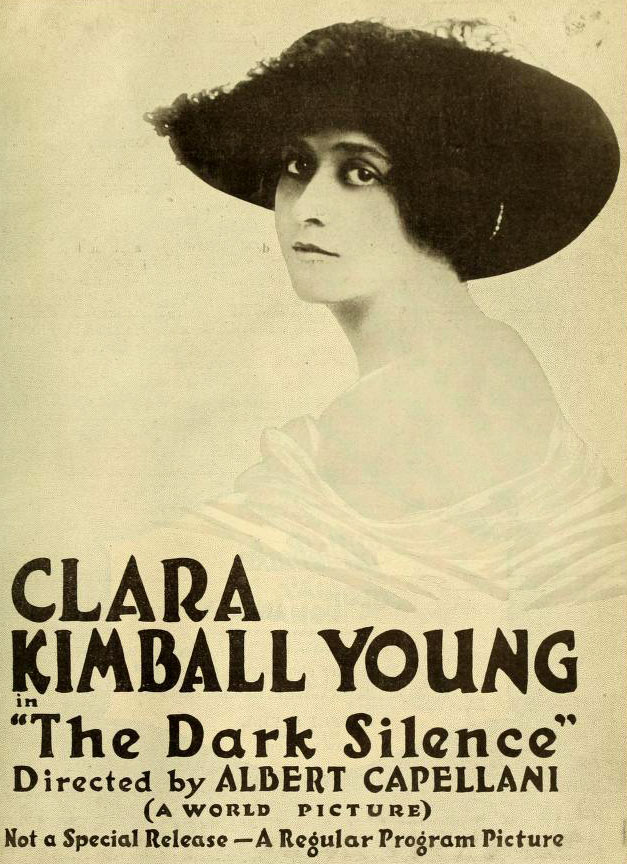
Dir: Albert Capellani
Mildred White becomes romantically involved with both Derwent Ainsworth and Dr. Mario Martinez while in Paris. She prefers Derwent, but when he leaves suddenly to see his dying father, Mario convinces Mildred that he has deserted her. When World War I begins, Derwent returns for Mildred, but upon learning that she is leaving Paris with Mario, he enlists in the army. Mildred discovers Mario's initial deception and joins the Red Cross to be near Derwent, who is blinded in battle and then tended to by Mildred. Unaware of the true identity of his nurse, Derwent falls in love with her, and the two are soon married. Mildred then prevails upon Mario to perform a special operation on Derwent's eyes. His vision restored, Derwent realizes that Mildred has returned to him, while Mario, after helping his former rival, dies in battle.
View Details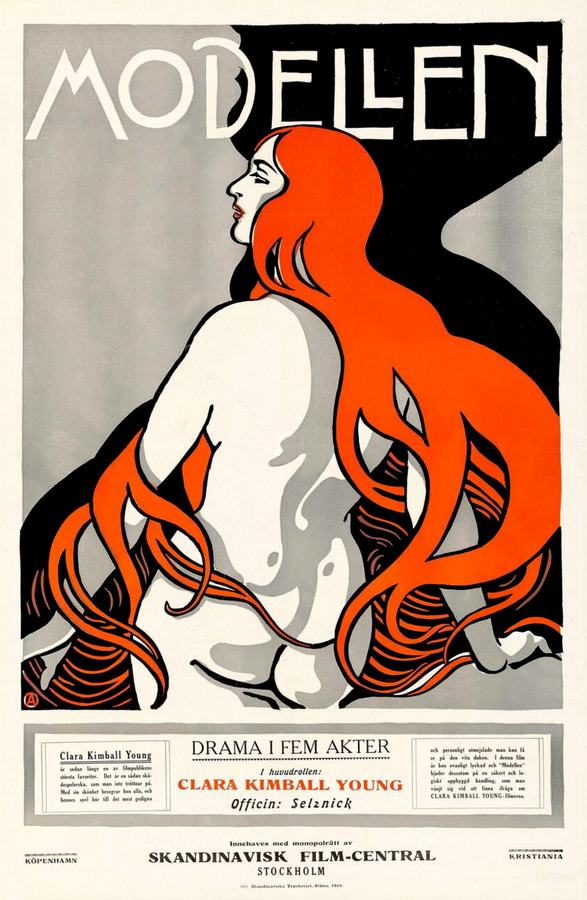
Dir: Albert Capellani
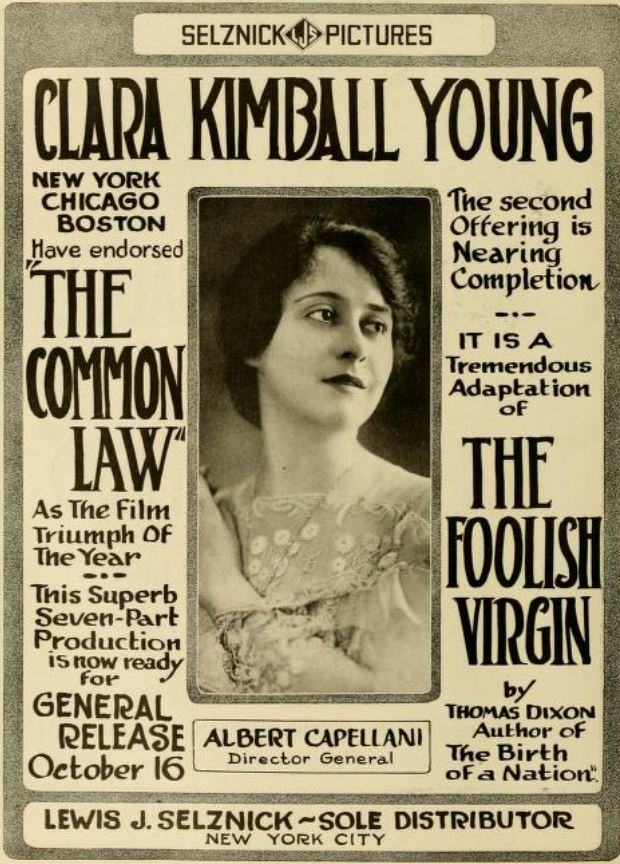
Based on Robert W. Chambers' novel about New York CIty life among the upper crust: Artist/model and philosopher Valerie West undergoes much sorrow and joy,many trials and tribulations ,and final triumph on her journey to become the living personification of sweet, noble womanhood.
View Details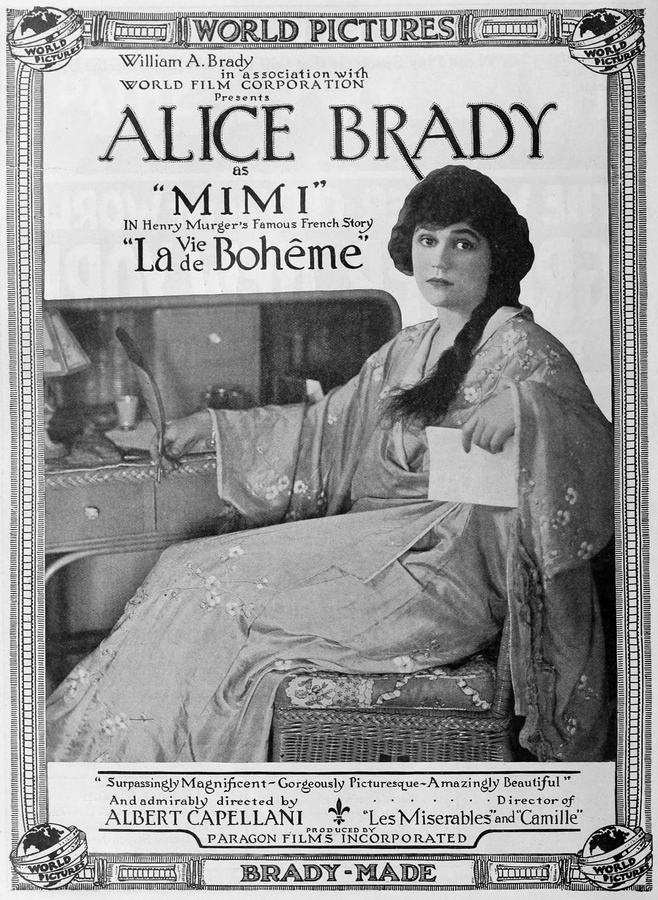
Dir: Albert Capellani
Orphaned Mimi (Alice Brady) is taken in by a drunken innkeeper and becomes a maid. She meets Rudolphe (Paul Capellani), heir of a upper-class family, who rescues her from the unwanted advances of a drunken hotel guest. They fall madly in love, but Rudolphe's uncle, M. Durandin, wants Rudolphe to marry a family friend, Madame De Rouvre, and writes Mimi a letter, telling her that she is ruining Rudolphe's life. Musette and Marcel, friends of Mimi, also try to break up the romance by introducing Mimi to other men, and Rudolphe becomes jealous and leaves her. Shattered, Mimi declines in health and eventually throws herself into the river but is rescued and taken to the hospital. Realizing it is only a matter of time before she dies, she drags herself back to the room where she and Rudolphe were happiest. Rudolphe is there and she dies knowing that he loves her.
View Details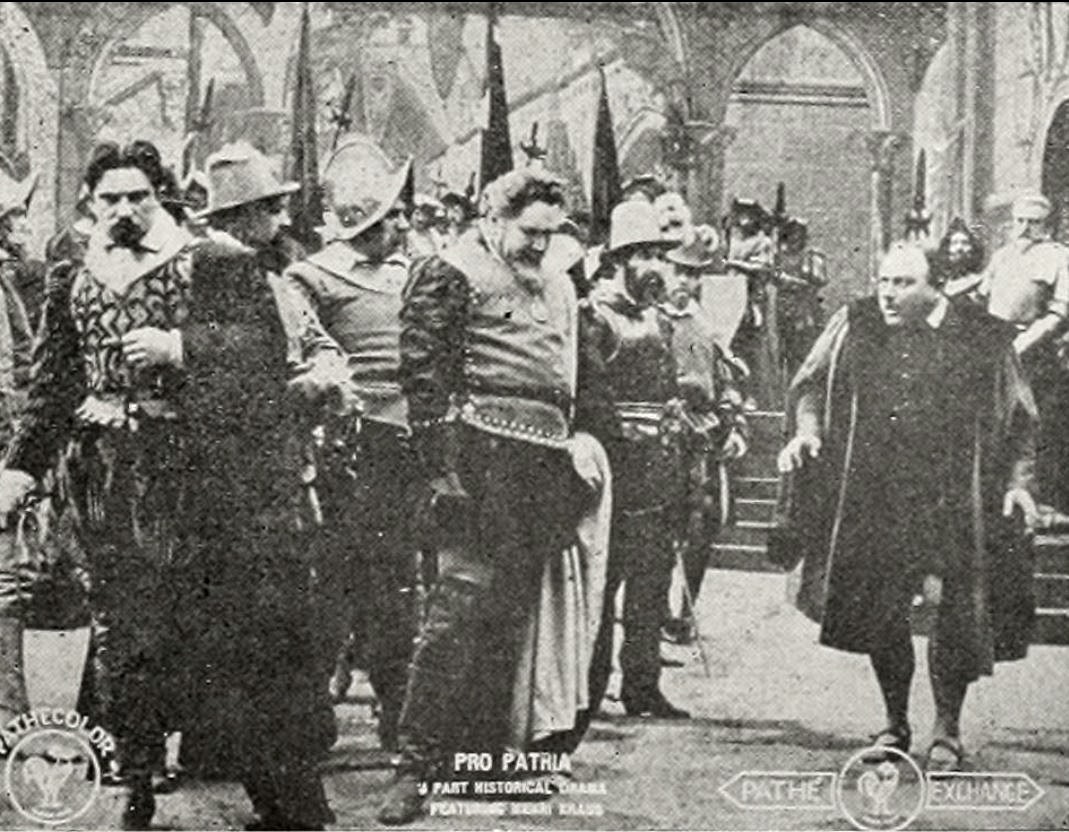
Dir: Albert Capellani
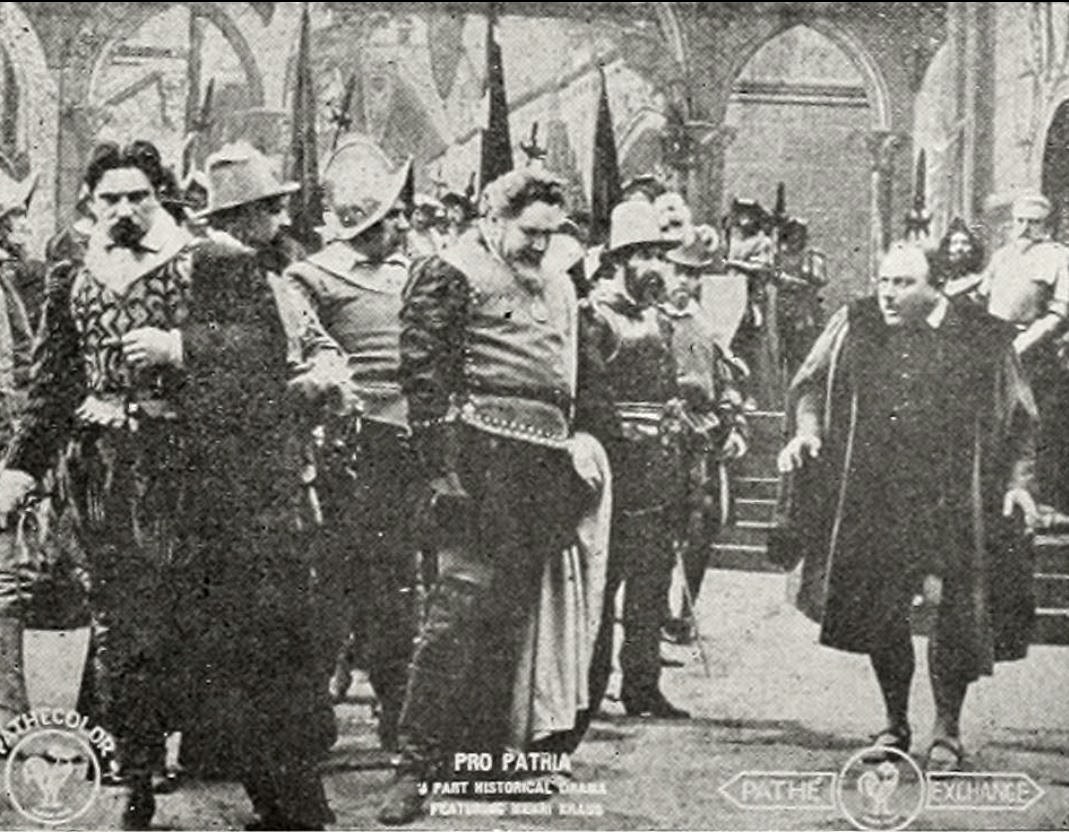
Paul Capellani, the famous star, plays the part of "Karloo." which gives him a chance to show his remarkable ability. This is a picturization of the play "Patrie," written by Victorien Sardou, the famous French dramatist. The author was noted for being a master of stage effect, and the film follows closely the stage production. "Pro Patria" deals with the efforts of the people of the Netherlands to throw off the iron rule of Spain, and the plots and intrigues which were perpetrated at that time. It was staged in Louvain, Belgium, that beautiful city which has since been ruined beyond redemption by German shells. The costuming, arms, customs and properties are absolutely accurate, and the whole production is most lavish. The acting is truly great and the entire six reels grip from start to finish.
View Details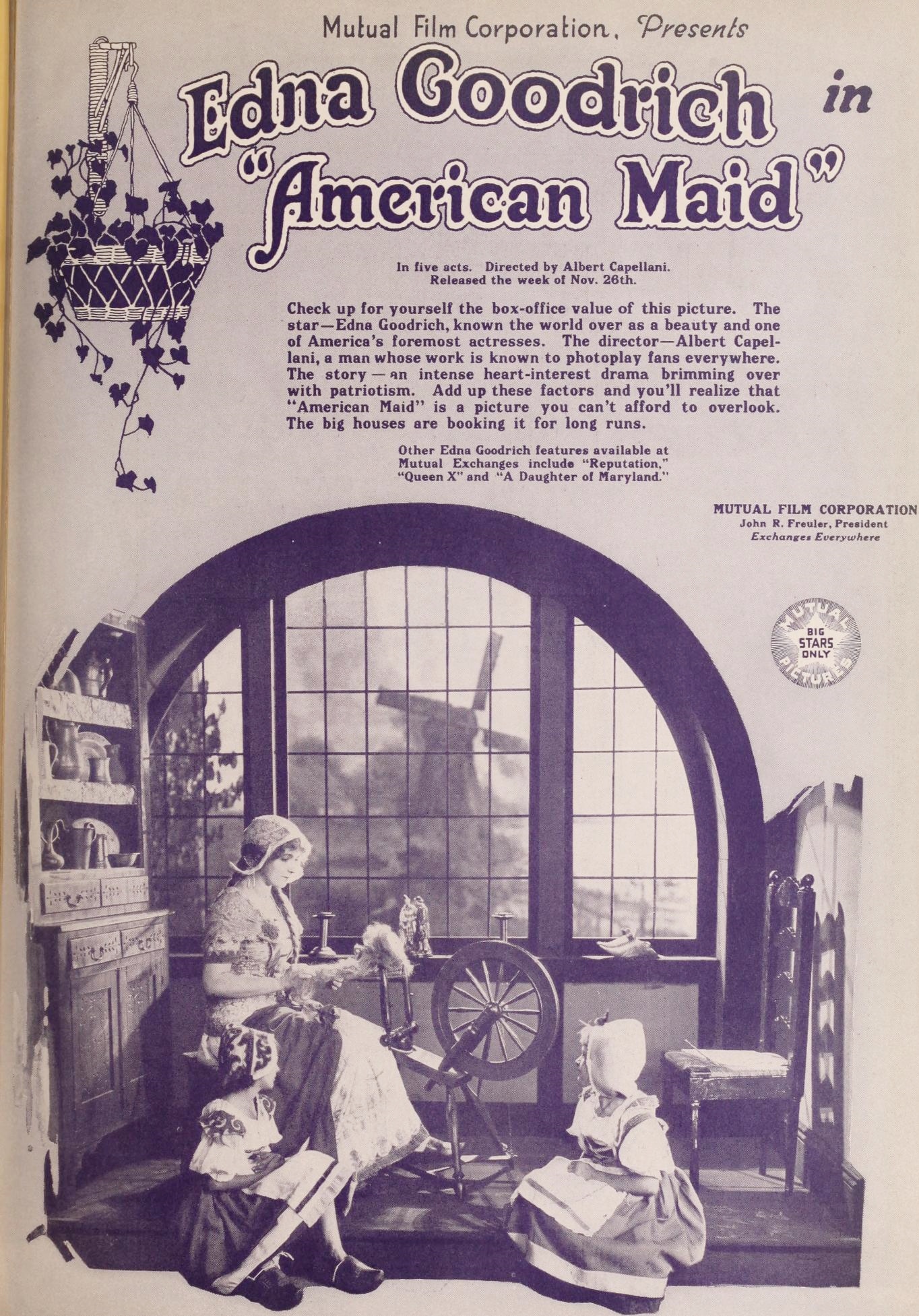
Dir: Albert Capellani
Virginia Lee, daughter of a United States Senator, meets David Starr, a wounded United States soldier, in a field hospital in which she is serving as a Red Cross nurse. Star returns to the trenches and Virginia's base hospital is moved. Starr is again wounded and invalided home. Virginia has lost sight of him. She returns to America; and in Washington, Starr sees her at a ball at the French Embassy. Feeling her too far above him, socially, he goes West, whither Virginia's father takes her, on a business trip, and there a vital drama is enacted.
View Details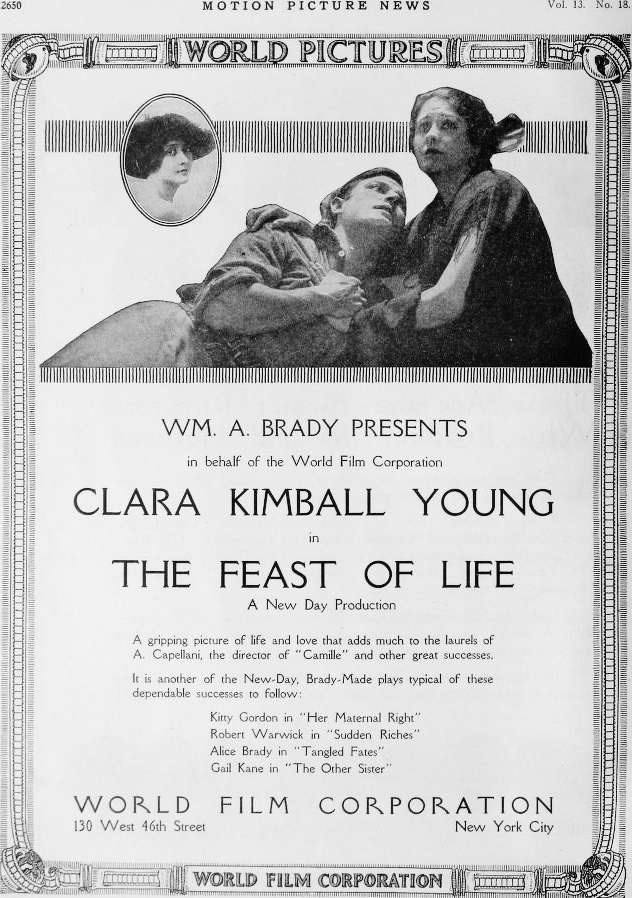
Dir: Albert Capellani
Aurora Fernandez, a poor Cuban girl, is persuaded against her will to become betrothed to Don Armada, a wealthy Cuban. She loves Pedro, a young fisherman, who lives with his uncle, Father Venture, and his sister Celida, who has been secretly stealing to Don Armada's villa, but is cast off by him on his engagement to Aurora. Longing for a sight of Pedro, disguised as a dancing girl, Aurora goes to an inn where Pedro comes with other fishermen for a nights revelry. He does not recognize her as his "Lady of the Lily" as he calls her, but falls a victim to the charms of the dancing girl. Celida, dying of a broken heart, confesses to Pedro and Father Venture, and Pedro, to avenge Celida, summons all the fishermen in the village and leads them against Armada in whose villa the wedding feast is being held. The guests fly in terror and Armada is wounded. Aurora alone remains undaunted, and Pedro, finding her, recognizes not only his love of the tavern, but Aurora, and that she is the wife of Armada. Notwithstanding her pleadings not to kill her husband, he is about to strike when he sees that Don Armada is blind. This awakens his pity and he leaves the house. Don Armada has an operation performed on his eyes which proves successful, but the physicians warn him that any shock may result in blindness for life. Aurora, in the meantime, has been carrying on clandestine meetings with Pedro and Armada, hoping to find out who Aurora's lover is, tells her that the operation has been a failure. He intercepts a note from Pedro and, locking Aurora in her room, stabs Pedro. He then returns to Aurora and she discovers he has tricked her. He tells her what he has done, but the shock kills him. Aurora escapes and finds Pedro still alive. She takes him home where she watches over him; and the crisis over, the lovers are reunited.
View Details
Dir: Albert Capellani
The Archduke Rodolphe d'Illyrie is secretly united to Countess Sarah Mac Gregor and they have a daughter together. The young woman learns that her father-in-law is potting to have the marriage annulled so she writes her brother to ask him to get rid of the old man. When her letter is intercepted, she leaves her child in the care of farmers near Paris and escapes to America. The Archduke finds the whereabouts of his daughter but he finds the house has been destroyed by a criminal fire and figures that she died. He sets out to find his daughter's murderers and meets the evil Schoolmaster and his friend la Chouette. They actually hide the child, that they call Fleur de Marie, and force her to beg for their profit.
View Details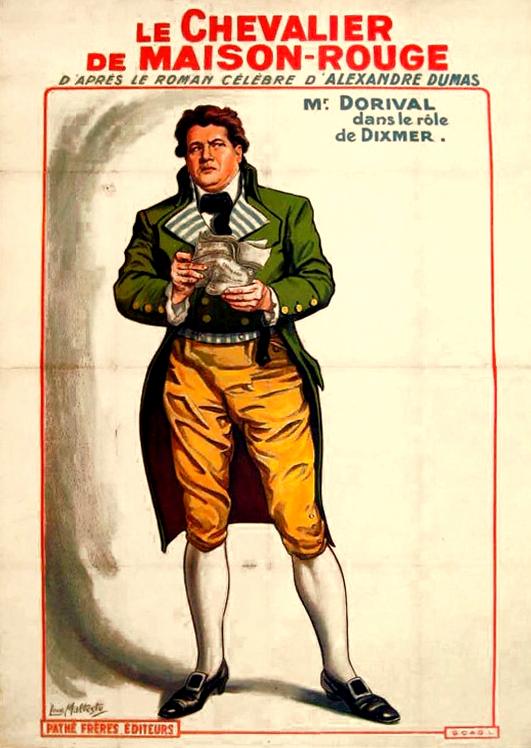
Dir: Albert Capellani
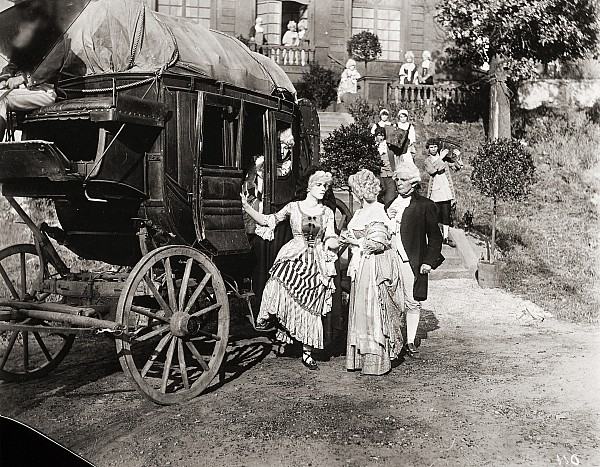
The scene takes place in Paris in March 1793 during the Reign of Terror. The Knight of Maison-Rouge, posing as Citizen Morand, is organizing the escape of Queen Marie-Antoinette. He is assisted in his undertaking by Dixmer, a master tanner who passes himself off as an ardent revolutionary and his wife Geneviève, who also happens to be the Knight's sister. While on mission with her brother, she is saved from arrest thanks to the intervention of Lieutenant Maurice Lindey. Geneviève, who is married without love to Dixmer, falls for the young man, who requites her love. A tunnel is dug between a house rented by Dixmer and the Tower of the Temple but the various attempts to rescue the queen attempts fail. Marie-Antoinette risks the guillotine. Lindey finds himself involved in the plot.
View Details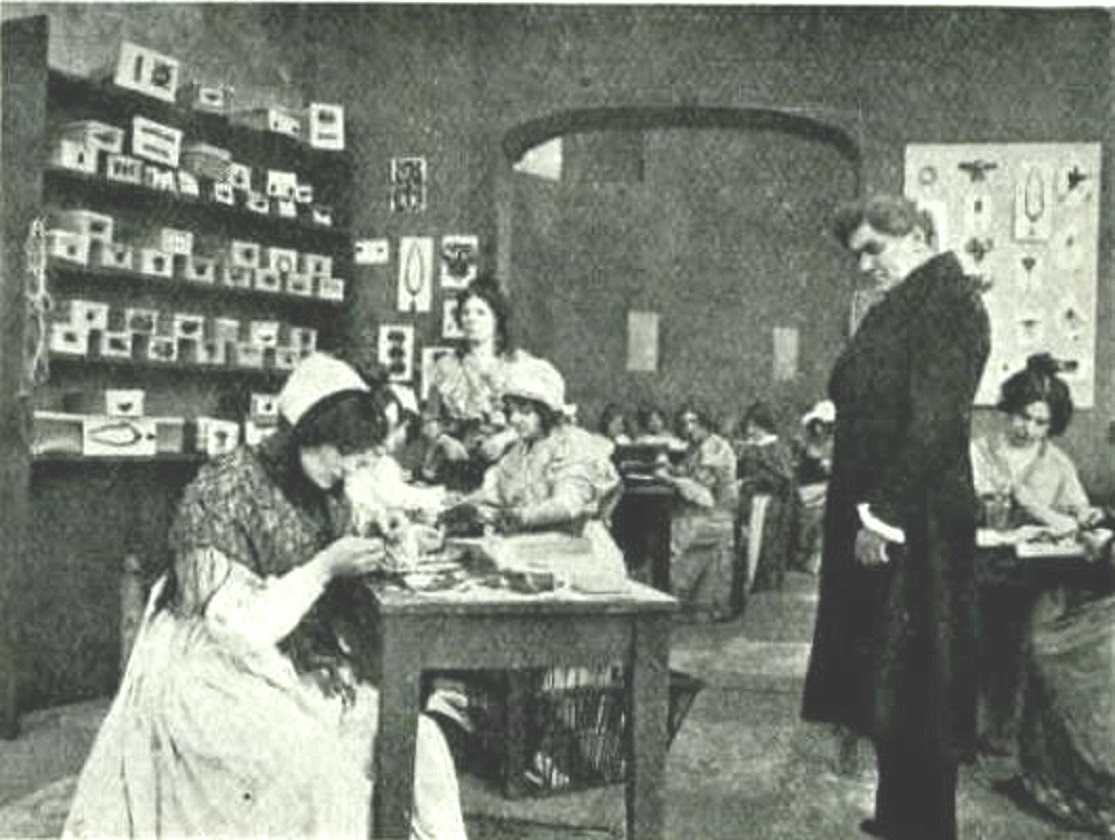
Dir: Albert Capellani
Jean Valjean, guilty of a minor theft of food, is pursued and hounded for years by a relentless lawman, Javert.
View Details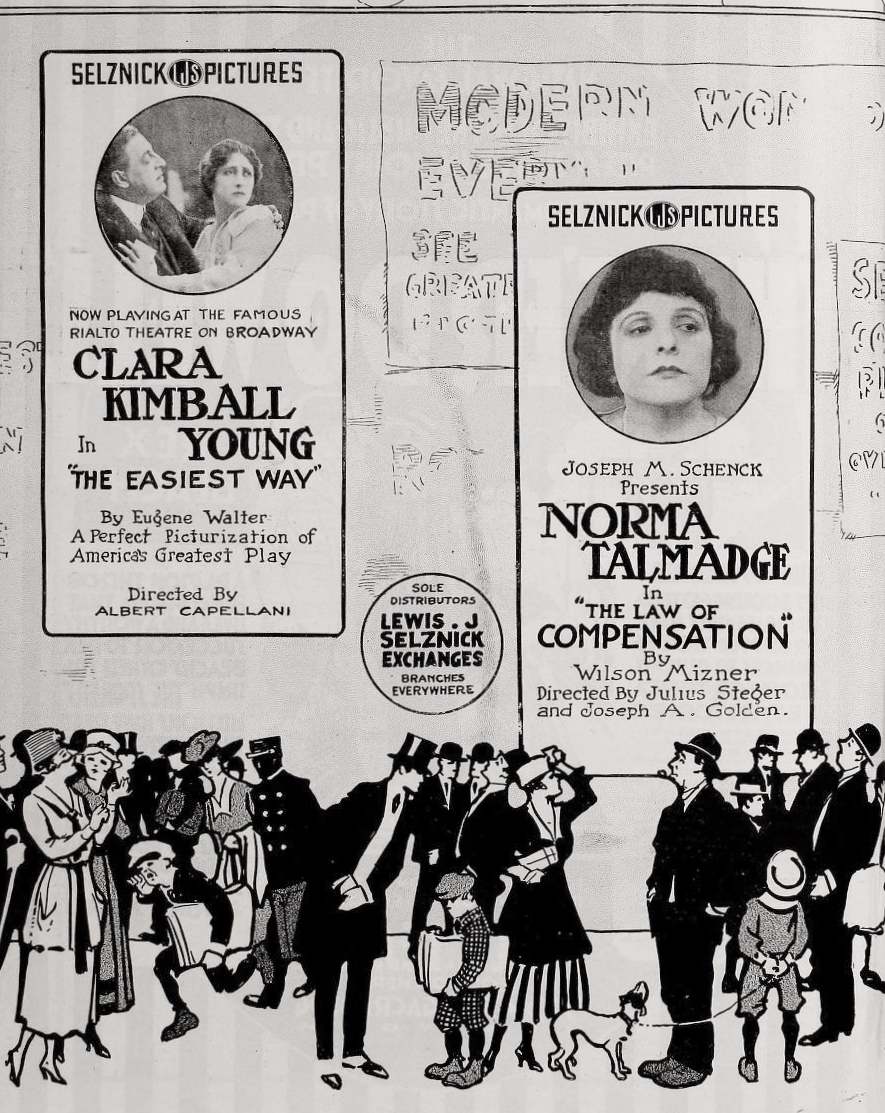
Dir: Albert Capellani
Laura Murdock is a young actress. Her husband, a drunkard, is killed by a fall. Laura goes to New York to get an engagement, and finds herself blocked at every turn by the petty jealousies and politics of the profession. Willard Brockton, a wealthy broker, has been asked to finance a production and has refused. He meets Laura and becomes interested, furnishes the producer with money, demanding in return that Laura be given the best role in the piece. Eventually Brockton claims the customary reward of such assistance, although Laura holds out as long as possible. The following summer she goes to Denver for a stock engagement, and falls in love with John Madison, a newspaper writer. He cannot afford to marry, and Brockton, who comes west to take Laura back with him, sneers at the idea of his marrying the luxury-loving Laura. Laura promises to wait, however, and Brockton promises Madison that if Laura returns to him he will let Madison know. Laura returns to New York, and Brockton's influence prevents her from getting an engagement. She reaches the end of her resources, and not hearing from Madison submits to what she regards the only course open, a renewal of her relations with Brockton. Brockton dictates a letter to Madison which Laura promises to mail, but she burns it instead. Madison finds gold and hurries to New York to marry Laura. He discovers the facts of the situation, and Laura confesses that she burned the letter Brockton had promised to send. Deserted by both men she becomes desperate, and tries to fling herself into the dissipations of the night life of Broadway. She is disgusted, however, and attempts to end her life in the river. She is rescued and taken to a hospital. Madison is notified, and learns also of the fight she made to remain true to him. He hurries to her side just in time to let her know he understands and forgives, and she dies in his arms.
View DetailsAnalysis relative to The Wild Goose
| Film Title | Atmosphere | Complexity | Similarity |
|---|---|---|---|
| The Dark Silence | Tense | Dense | 86% Match |
| The Common Law | Ethereal | Layered | 92% Match |
| La vie de Bohème | Tense | High | 93% Match |
| Pro Patria | Gritty | Linear | 87% Match |
| American Maid | Tense | High | 96% Match |
This guide was algorithmically generated using the cinematic metadata of Albert Capellani's archive. Last updated: 6/25/2026.
Back to The Wild Goose Details →