
DbcultAccessing Vault...
Recommendations
Senior Film Conservator
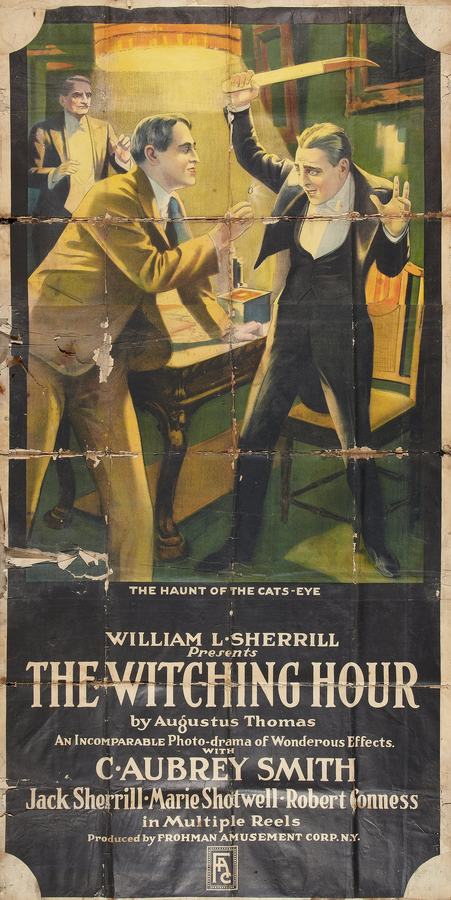
Navigating the complex narrative architecture of The Witching Hour is a stylistic flair experience, the emotional payoff of the 1916 classic is what fans crave in similar titles. The following gems are essential viewing for anyone captivated by The Witching Hour.
The artistic audacity of The Witching Hour ensures it to define the very concept of stylistic flair in modern film.
Jack Brookfield, a famous gentleman gambler of Louisville, Ky., finds that he is possessed of remarkable psychic power. His intuition in card games and other games of chance seems to be the result of mental telepathy or mindreading and his power over other men is a combination of hypnotism and will. He dominates everyone with whom he comes in contact. As a young man, Brookfield was deeply in love with Helen who answered his proposal with a request that he give her a written promise never to gamble again. Brookfield resented her distrust of him and they drifted apart. Years afterward, Brookfield, now conducting a famous gambling house to which only the wealthy come, finds that Helen, who has been married and is now a widow, is again in Louisville with her son Clay, a youth of twenty-one. Brookfield sees in the eyes of the boy the reflection of his mother, and his old love for the mother is awakened. Brookfield gives a theater and supper party in honor of Helen's return to Louisville, and while the guests are enjoying themselves, one of the habitues of Brookfield's place intrudes and makes himself obnoxious to both the men and women of the party. He has been annoying Clay Whipple ever since Clay first came to Brookfield's gambling house, and the night of the party, this annoyance reaches its height. For generations, the Whipple family has had a strange obsession in the form of a fear and unexplained dread of the sight of a cat's eye, and this fear is most marked in Clay. At the dinner party. Denning, the pest, is wearing a large cat's eye pin, and as he torments Clay, the boy's eyes fall upon the dreaded cat's eye. Immediately he becomes half-crazed but tries to control himself. Clay rushes from the room, only to be followed by the drunken, leaving Denning, who is bound that the boy shall look at the pin. Finally Clay, driven to desperation, picks up a heavy ivory tusk, which Brookfield uses for a paper cutter, and kills Denning. One of the guests of the party is Frank Hardmuth, the District Attorney of Louisville, who is in love with Brookfield's niece, Viola Campbell. Hardmuth is jealous of Clay, who is the real object of Viola's affection. As a witness to the murder, Hardmuth sees a means of putting Clay out of the way and he conducts the trial himself, obtaining a verdict of guilty, and a sentence of death. There seems to be no appeal from the verdict until Clay's mother is looking over some old letters finds one from George Prentice to her mother. George Prentice has become a justice of the Supreme Court of the U.S., and Helen goes with Brookfield to obtain Justice Prentice's help. The Justice agrees to be a witness for the defense. The Justice gives his testimony at the trial and then he and Brookfield, who has recognized in one of the jurors a mind susceptible to his telepathic powers, tries to project, by telepathy, the thought that Clay should be acquitted. Frank Hardmuth, the prosecuting attorney, is now candidate for Governor and just before the first trial, Hardmuth and his corrupt political associates had tried to murder the then-Governor of the State, Scovill. Failing in the first attempt, Hardmuth had called at the gambling house where, sitting with Brookfield, discussing the attempt, Brookfield had thought of a way of killing Scovill, which thought was telepathically transmitted to Hardmuth, and when the murder occurred in exactly the way that Brookfield had thought of he realized and felt that he was partially guilty. While he and Prentice are awaiting the verdict in the second trial, the actual murderer of Scovill, a broken-down gambler named Raynor, comes to Brookfield seeking information about Hardmuth. Brookfield's suspicions are aroused and through the force of will power and hypnotism, he makes Raynor confess that Hardmuth instigated the shooting. He then telephones the news to the papers, believing that the mental reaction in the minds of the people against Hardmuth will influence the jury in their verdict. This actually occurs and a verdict of "Not Guilty" is brought in. Freed from the law, Clay is still afraid of the cat's eye, but Brookfield forces him to realize that it is a purely mental state of mind and makes him get the cat's eye pin and hold it before his eyes. And finally, to prove that Clay is entirely cured of that fear and also that he is not a coward, Brookfield sends him to Hardmuth's hiding place to bring Hardmuth back as he intends to help him escape, feeling that Hardmuth was more or less the victim of his telepathic suggestion. This Clay does, and Viola realizes that her sweetheart is now worthy of her love. Brookfield promises Helen that he will quit his gambling and she accepts his word for it, and the old romance is completed.
The influence of George Irving in The Witching Hour can be felt in the way modern cult films handle stylistic flair. From the specific lighting choices to the pacing, this 1916 release set a high bar for atmospheric immersion.
Based on the unique stylistic flair of The Witching Hour, our vault has identified these titles as the most compelling follow-up experiences for fans of cult cinema:
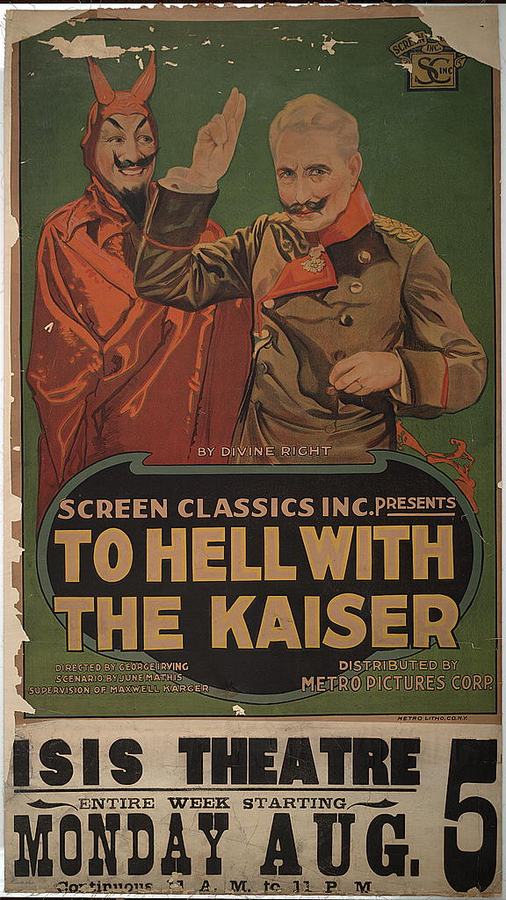
Dir: George Irving
A farce in which the German Kaiser and the Crown Prince are defeated and made sport of by a plucky American girl and several American prisoners of war.
View Details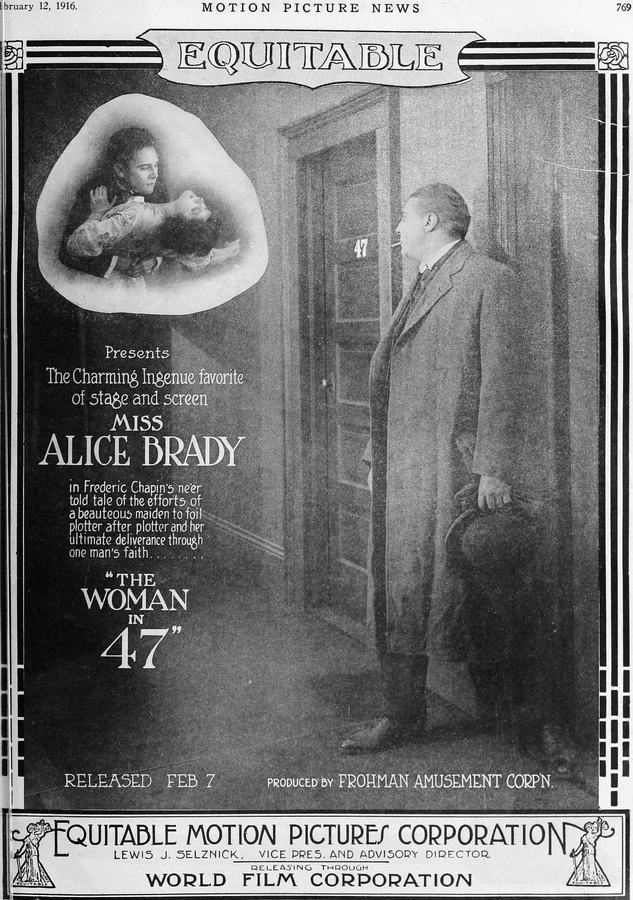
Dir: George Irving
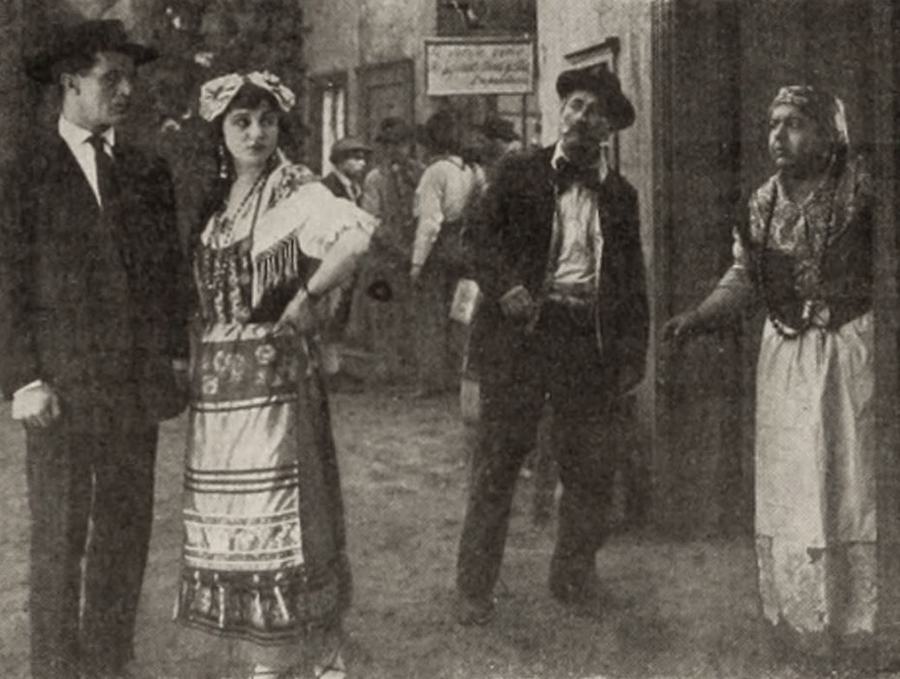
Viola Donizetti emigrates from Italy to the United States, running away from her father and the fiancé he has chosen for her, determined to rejoin Tony, her sweetheart. Unable to find Tony, however, Viola begins a relationship with the wealthy Collingswood, but leaves him when she discovers that he has a wife. Then, Viola finally locates Tony, with whom she makes plans to get married. Before the ceremony, they check into room 47, while Collingswood, obsessed with Viola, goes to the hotel and moves into room 48. He writes a suicide note citing his failed affair with Viola as the reason for his actions and then shoots himself. When Tony reads the note, he decides to leave Viola, but the priest who has been summoned to perform the ceremony persuades him to forget about the letter, and then, finally, Tony and Viola marry.
View Details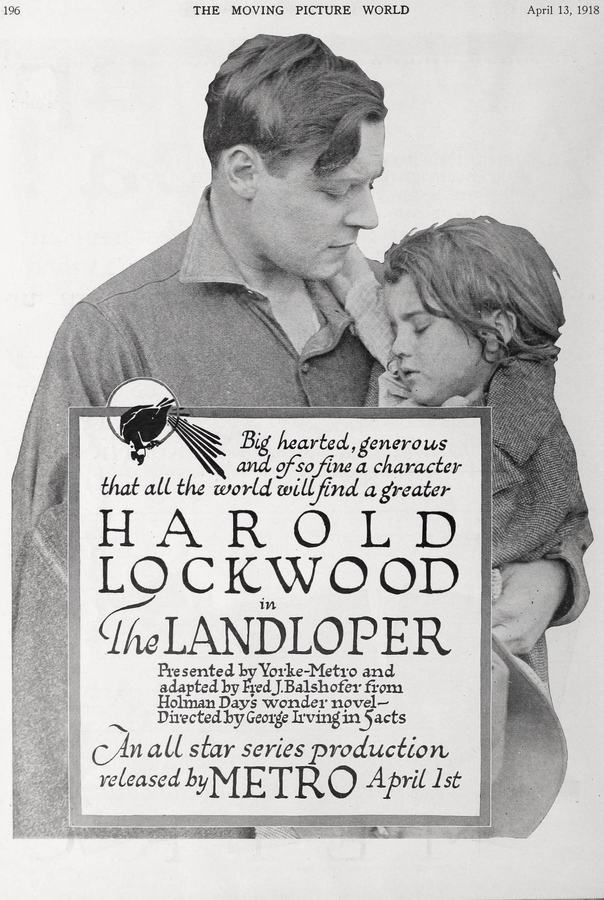
Dir: George Irving
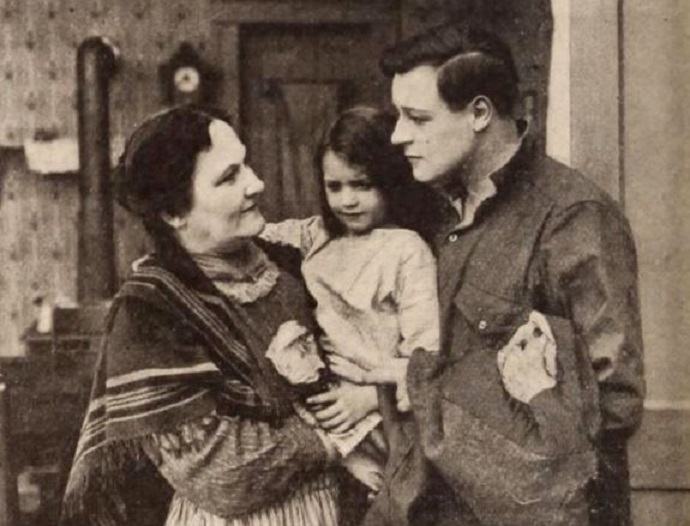
At a lavish luncheon in Palm Beach, Walker Farr, a wealthy and idle young man, bets that he can live in perfect contentment as a penniless hobo and sets out to prove it. On the road, Walker meets Kate Kilgour and her fiancé, Richard Dodd, but upon his arrival in the town of Marion he learns that she is being forced into the marriage by her mother, who owes Richard $5,000. Walker helps a deformed but cheerful river man named Etienne Pickerone to retrieve the body of a woman who has drowned herself, and after reading the note found on her clothing, he goes directly to her house and adopts her little girl Rose-Marie. For a time, Walker works as an ice wagon driver to support the child, but a typhoid epidemic caused by contaminated drinking water strikes the town, and Rose-Marie dies. Having learned that Col. Simon Dodd, Richard's uncle and a corrupt local official, is responsible for the epidemic, Walker leads an election campaign that results in Dodd's defeat. After Kate settles her debt with Richard, which leaves her free to marry Walker, the "hobo" discloses his real identity, and all ends happily.
View Details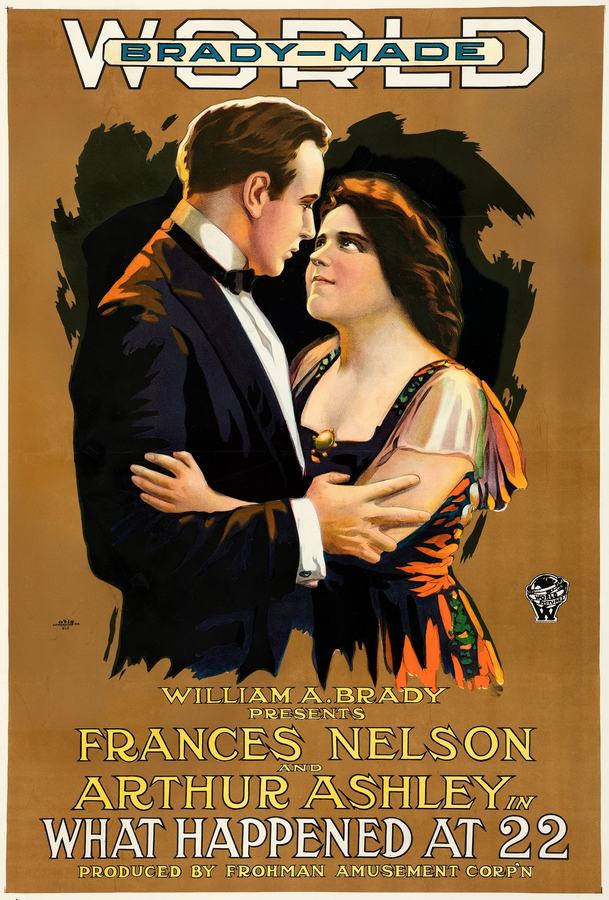
Dir: George Irving
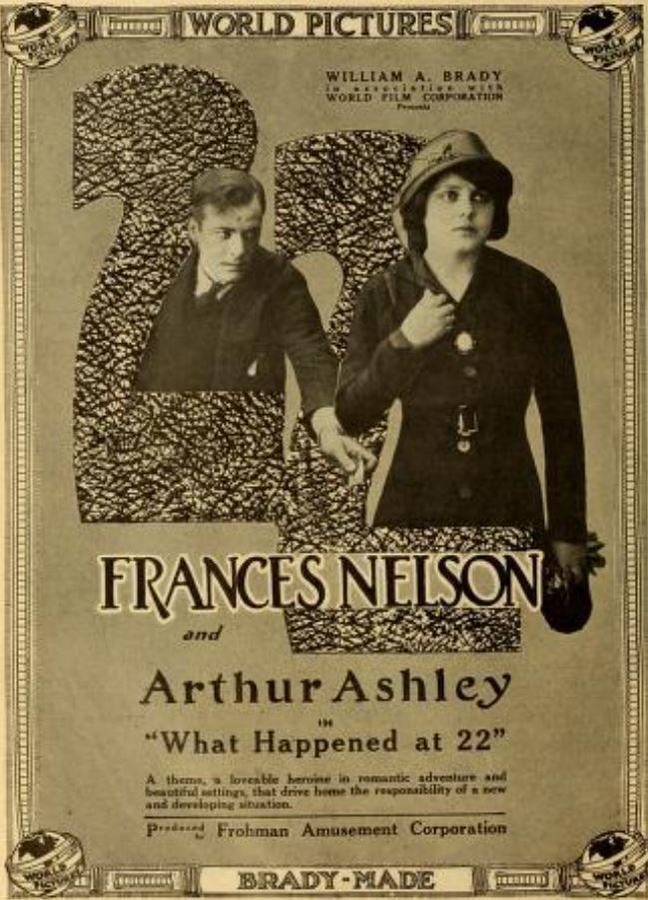
Louise Lloyd comes to New York to obtain a position and applies to the Hollister Employment Agency, which caters to high class trade, but which is run by a crook and forger named Wilson, with a Mr. Hollister as figurehead, who meets the people and sends applicants. Wilson falls in love with Louise, but she does not reciprocate. Wilson passes a forged check and decides to leave the city till the excitement blows over. Hollister gets him a position with a Mr. White, Toledo millionaire, as private secretary. When the New York job blows over, Wilson returns. While at the White home, he has noticed that Mr. White's New York representative resembles him and plans to cash a check on White's account, disguising himself as Mr. Hart, the New York representative. This he does by forging a check for $35,000 instead of $35.00, his salary. He divides the profits with his co-conspirator, Hollister. The bank calls to its assistance a celebrated lawyer, Edward Knowlton, who, desiring to engage a companion for his elderly sister, stops with his son, Frank, at the Hollister Agency. There the Knowltons meet Louise and offer her the position, but Wilson wants to keep her out of the situation so that, in her poverty and distress, she will accept Wilson's proposal of marriage. Unable to get Louise, Knowlton leaves orders to send someone. When Wilson learns that Knowlton has taken up the case, he says he must get in Knowlton's house as a servant of some kind to watch what clues Knowlton finds. He tells Hollister to send Louise, where she is installed in the house as companion. By her wonderful charm and sweetness, she captivates the entire family, including the son, Frank. Wilson soon finds a way to install himself as valet to Knowlton, just at the time when Knowlton's clues lead him to certain suspicions. As these suspicions point to him, he decides to put Knowlton out of the way. Knowlton and his son, Frank, after dinner, have a parley on the division of the Knowlton property. The will, as made, gives Frank the greater share of the property and Frank's sister the smaller part, whereas Frank believes his sister's share should be increased to equal his own. When the family has gone to bed, Wilson finds Knowlton alone in the library. Wilson strikes, there is a struggle, and he leaves Knowlton for dead, after having stolen and changed the will so that it goes back to the original unequal division of the estate. The body is found and the police called. Wilson, who is supposed to have left for Brooklyn, enters. Questioned by the police, he says the only suspicious circumstances that he noticed was the quarrel over the will between the son and father. The police get the will, notice the change in the son's favor, and accuse the son of the murder. Louise, who has had her suspicions of Wilson, takes the will and says, "Whoever changed this will left a finger mark and blot on the paper." Wilson slyly looks at his hands and. as he does so, Louise calls the police's attention to his queer acting. She orders him arrested, and Wilson, frightened, says, "But I have no blot on my hand," and she holds out the will and says, "Nor is there such a blot on the paper." Wilson, realizing that he is tricked, attempts to escape, but is caught and led away by the police. Louise is taken into Frank's arms as the doctor comes from the father's room saying that Mr. Knowlton will live.
View Details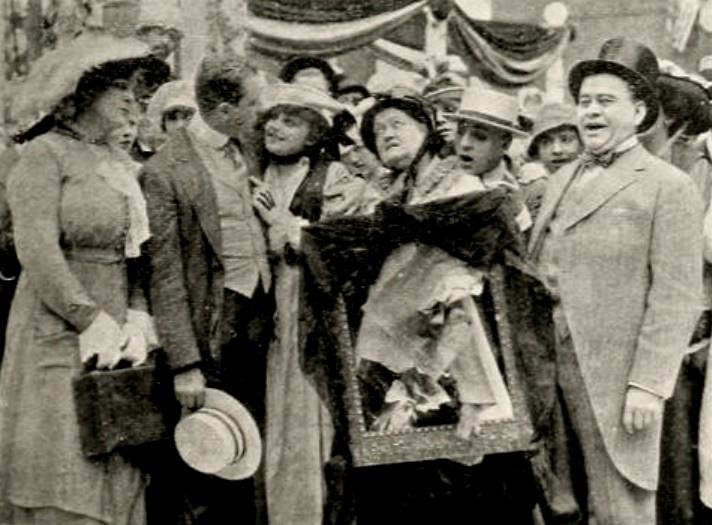
Dir: George Irving
Edward Swinger contrives to win the hand of the lovely Caroline Pickering by selling her father his business - a business that doesn't actually exist.
View Details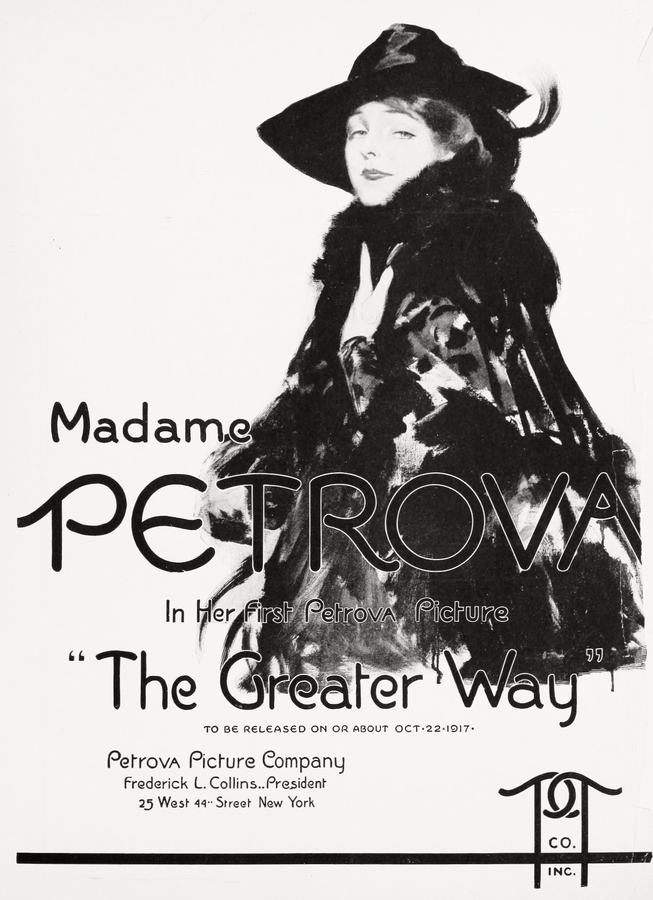
Dir: George Irving
Married to a spy who seeks to induce her to betray her country, the daughter of the American Ambassador to Belmark welcomes the news of her husband's death not knowing that he has merely staged a deception. She becomes the morganatic wife of Prince Leopold, of Belmark, but renounces the marriage that war may be avoided, only to learn that the new alliance means a still greater war. She persuades Leopold to renounce the compact, then saves his life by throwing herself between him and an exploding bomb, but the story does not end there.
View Details
Dir: George Irving
Claire Martin, niece of the wealthy Mrs. Taylor, suffers from loss of memory. Under the effect of this, Claire acts as an entirely different person. She wanders through the woods seeking shelter and food, and finally reaches a cabin temporarily occupied by a New York sportsman, who is fishing and hunting in the woods. For a week, Claire accepts the shelter from this sportsman whose love grows with each day's stay. Finally a strange rider passing the cabin asks for a drink, and Claire in her innocence shows her admiration for the new man, making him finally accept the temptation of her eyes to kiss her. At this moment Houghton, the sportsman, returns and bursts into the cabin. He drives out the stranger and then takes a knife and marks the woman so that she will always remember that her love must be for him alone. Houghton returns to New York. While walking down Fifth Avenue he sees in a photographer's showcase a picture which closely resembles the girl he thinks he lived with in the woods. He finds out who she is and decides to visit Great Neck and see if it is the same girl. Returning to his boat, Houghton looks at some pictures which he had taken of the girl and decides it must be she. He returns to the grounds of Mrs. Taylor's home and meeting Claire declares she is the woman who was with him at the cabin. Pushing back the dress from her shoulders, he points to the scar. She begs him to tell her what he knows about the scar, and he thinking she is bluffing, tells her to come to the houseboat and he will tell her. There Houghton proves that she must have been with him at the cabin and when he demands that she love him now as she did then and attempts to take her, she picks up a knife from the table and kills him. Kent, who has been over to the Yacht Club to a committee meeting, sees this when returning to his launch. He rushes to the boat and carries the fainting body of Claire home, gets her to her room and calls the doctor to see if he can help her. The doctor declares that the girl is guiltless of the crime, having gone back to her old personality, and they decide to make the case appear as one of suicide. When Kent is returning to the boat the following morning he finds there some pictures of her and her scarf, but when he himself is charged with the murder by the man who heard the quarrel, he is made to believe that Claire is innocent by Kent and the doctor, who point out to him the terrible weakness of circumstantial evidence. After Charlie goes, the doctor tells Kent that Claire needs care and attention and must be protected, and Kent in his great love takes her to his heart.
View Details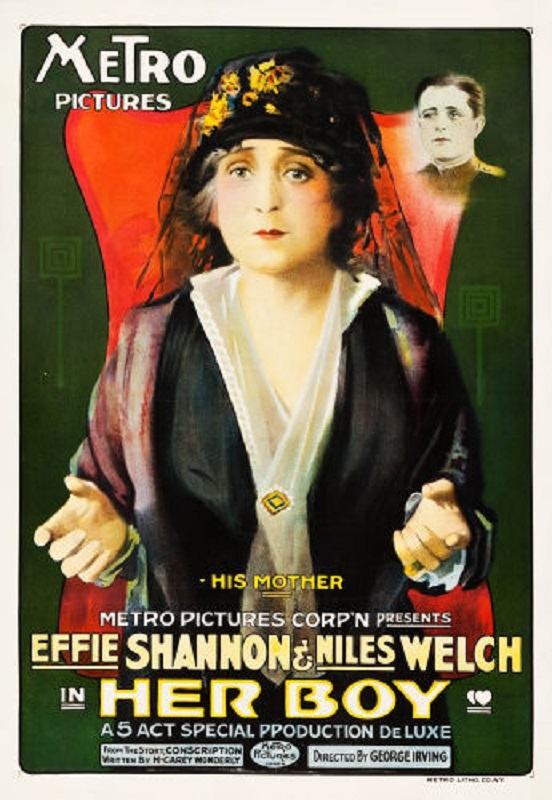
Dir: George Irving
When the United States enters World War I, widow worries that she will lose her only son David, who has just turned 21. Although David patriotically urges the employees at his factory to enlist, he reluctantly gives in to his mother's pleas to remain at home with her. When David is drafted, his panic-stricken mother alters the date on his birth certificate, although the later birth date implies that he is illegitimate. Disgusted, David enlists under an assumed name, thus shaming Helen, who confesses her dishonesty to the townspeople. Her son, now in uniform, then forgives her.
View Details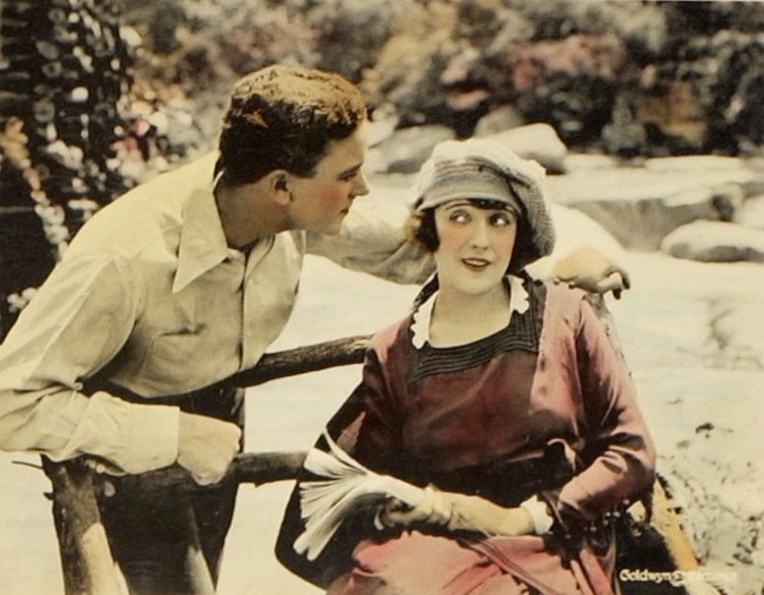
Dir: George Irving
Daughter of an Eastern lumber king, Stephanie Trent travels in the guise of a schoolteacher to the logging village of Trentsville to search for "a real man." There she meets Jimmy Raymond, a young novelist posing as a local while writing his story. When Stephanie comes to Jimmy's cabin to report a supposed plot against him, he acts as though he intends to assault her. She nearly throws herself out the window but is stopped by Jimmy, who explains that he is working on a novel and merely wanted to determine a young girl's reactions. In retaliation, she orders that he be kidnapped and held in a nearby cabin, but remorsefully nurses him back to health when he is shot trying to escape. They meet again at a hearing in the city, where her father has filed an injunction to prevent publication of Jimmy's novel, and she consents to his proposal of marriage.
View Details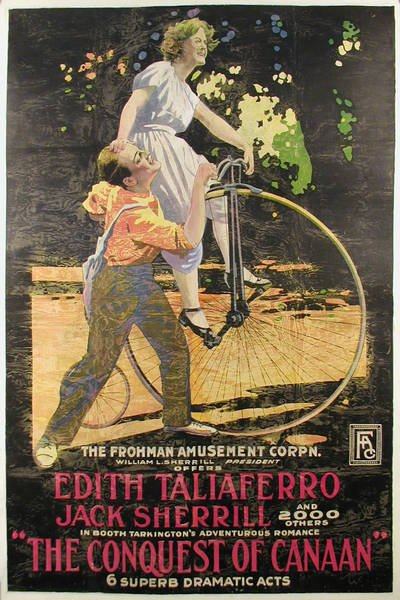
Dir: George Irving
Ne'er-do-well Joe Louden scandalizes his small town and especially the proper Judge Pike. But through the love of young Ariel Taber, Joe shows the town who the real scoundrel is.
View DetailsAnalysis relative to The Witching Hour
| Film Title | Atmosphere | Complexity | Similarity |
|---|---|---|---|
| To Hell with the Kaiser! | Surreal | High | 96% Match |
| The Woman in 47 | Surreal | Dense | 98% Match |
| The Landloper | Ethereal | Dense | 89% Match |
| What Happened at 22 | Tense | Dense | 97% Match |
| Just Out of College | Tense | Abstract | 91% Match |
This guide was algorithmically generated using the cinematic metadata of George Irving's archive. Last updated: 8/16/2026.
Back to The Witching Hour Details →