
DbcultAccessing Vault...
Recommendations
Senior Film Conservator
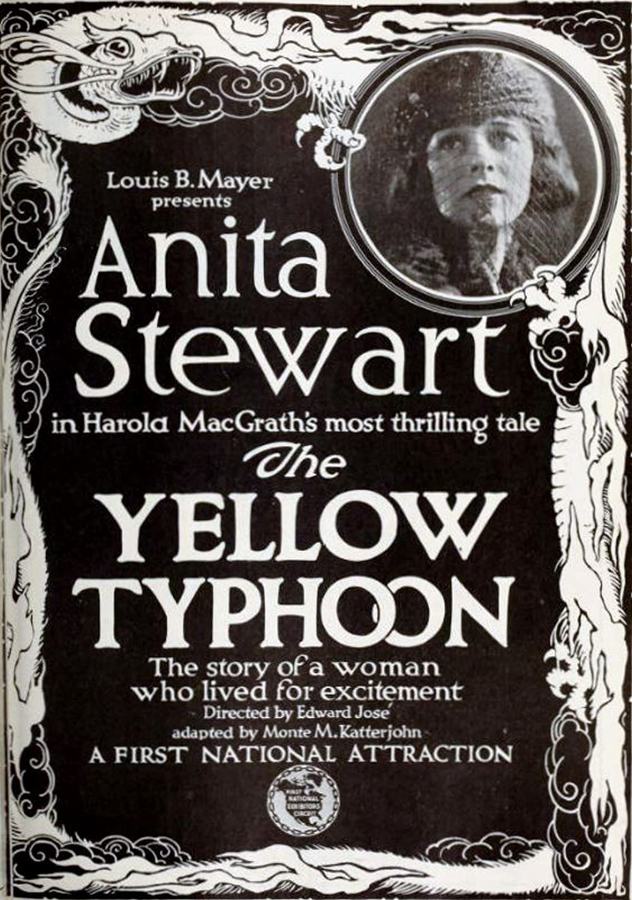
Navigating the complex narrative architecture of The Yellow Typhoon is a character-driven intensity experience, the emotional payoff of the 1920 classic is what fans crave in similar titles. The following gems are essential viewing for anyone captivated by The Yellow Typhoon.
The artistic audacity of The Yellow Typhoon ensures it to define the very concept of character-driven intensity in modern film.
Hilda and Berta Nordstrom, although identical in appearance, are opposites in temperament. Berta weds naval engineer Robert Hallowell, deserts him in Europe, and travels to the Orient in search of the gay life where she becomes a notorious courtesan known as The Yellow Typhoon. Meanwhile, Hilda has become a secret service agent and is assigned to protect Hallowell while he perfects an invention to insure American submarines against enemy attacks. Berta, in league with saboteur Karl Lysgaard to steal the plans, raids Hallowell's bungalow and kills the engineer. However, the plans are in possession of Lieut. Commander John Mathison who is transporting them to Washington. Hilda sails aboard his ship as do Berta and Lysgaard. Mathison does not wholly trust Hilda but when she foils the plotters' final attempt to steal the plans, he becomes convinced of her sincerity. The police arrive and in the ensuing fight, Karl and Berta are slain. In Washington, Mathison and Hilda deliver the plans and declare their love for each other.
The influence of Edward José in The Yellow Typhoon can be felt in the way modern Drama films handle character-driven intensity. From the specific lighting choices to the pacing, this 1920 release set a high bar for atmospheric immersion.
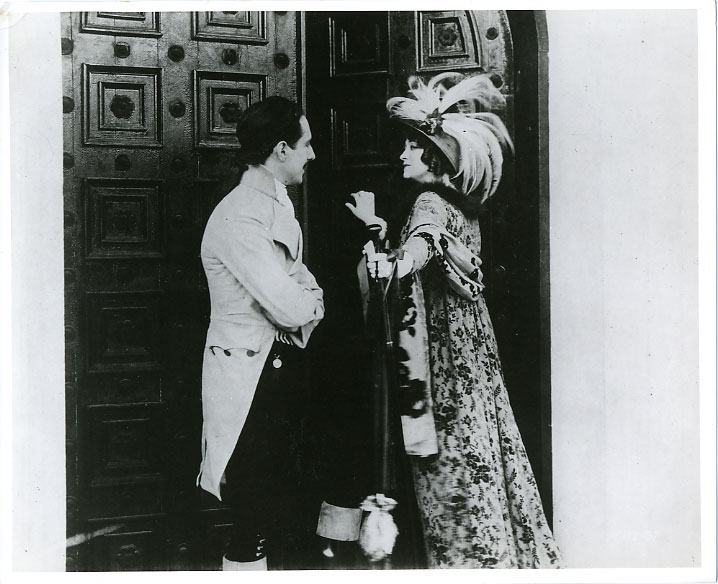
Based on the unique character-driven intensity of The Yellow Typhoon, our vault has identified these titles as the most compelling follow-up experiences for fans of Drama cinema:
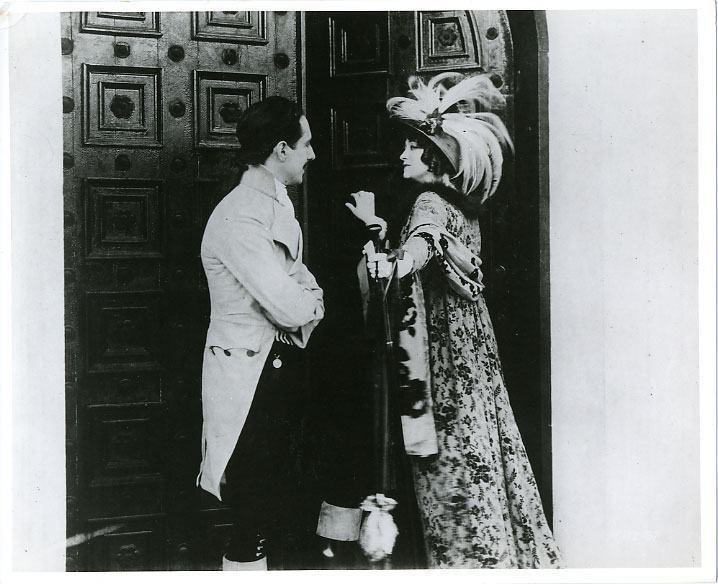
Dir: Edward José
Floria Tosca, a famous Italian opera singer, suspects that her lover, Mario Cavaradossi, is unfaithful and secretly follows him to his villa on the outskirts of Rome. La Tosca is relieved to discover that Mario is harboring not another woman but Cesare Angelotti, a political prisoner. Her relief turns to despair, however, when Baron Scarpia, Rome's tyrannical chief of police, arrives and demands that Mario turn Cesare over to the authorities under penalty of torture. He refuses, but La Tosca, unable to endure Mario's screams, confesses. All three are arrested, and the baron threatens to have Mario shot unless La Tosca gives herself to him. She consents, but when Scarpia approaches her, she stabs him. Finding that Mario has been shot despite the baron's promise, she leaps from a high tower to her death.
View Details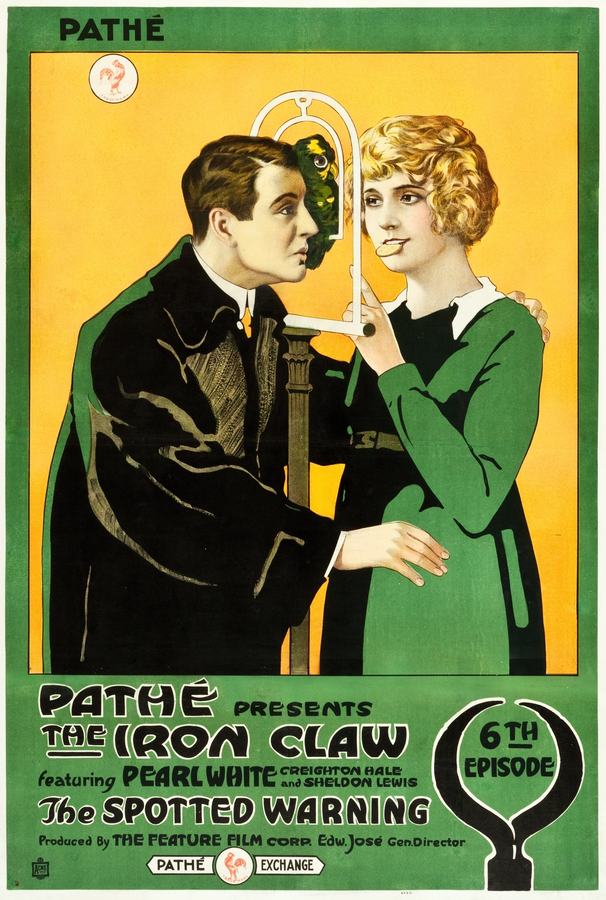
Dir: Edward José
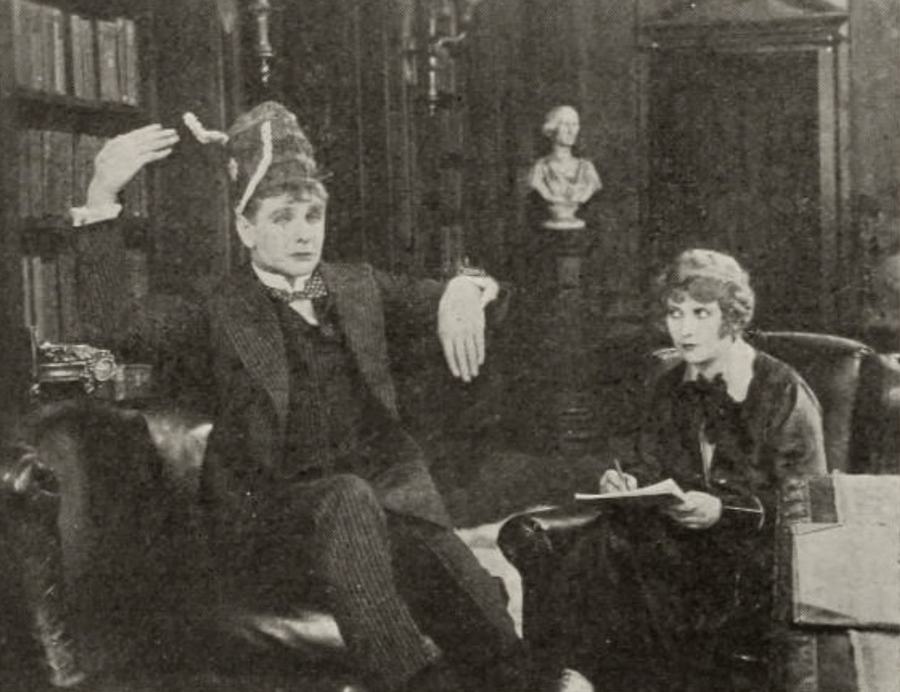
Episode 1: "The Vengeance of Legar" The story begins years ago on an island in the South. Enoch Golden, a wealthy planter, catches Jules Legar, a scheming physician, making love to his wife in an attempt to learn the secret hiding place of Golden's wealth. Suspecting the worst, Golden sends his wife away, and as punishment to Legar has his handsome face branded with white-hot irons and his hand crushed in a vise. Then Legar, set free, swears vengeance and begins his villainy by opening the sluice-gates that keep the sea from inundating the island. The waters rush in and the entire island is flooded and its houses swept away in the swirling waters. Legar kidnaps Golden's daughter, Margery, whom, in the next scene, twenty years later, we see grown to beautiful maidenhood, in his ominous power. Hate still lives in Legar's heart, and he sends Margery to a denizen of the underworld in whose house she is to be detained. But here steps in a mysterious gallant known as "The Laughing Mask," who saves her, for the nonce, from her fate.
View Details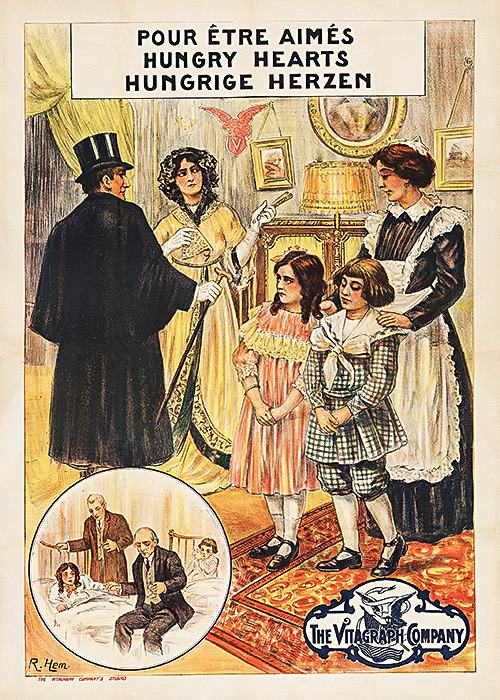
Dir: Edward José
A fascinating piece of cinema that shares thematic elements.
View Details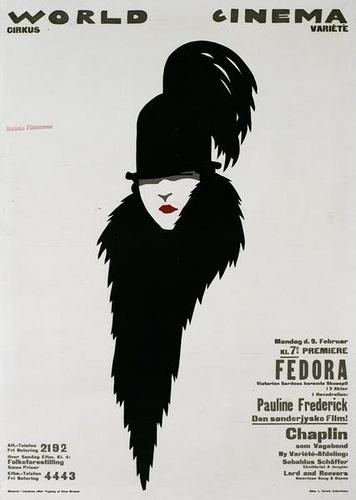
Dir: Edward José
Fedora, a beautiful and elegant woman of Russian society, travels to Paris in search of her fiance's murderer.
View Details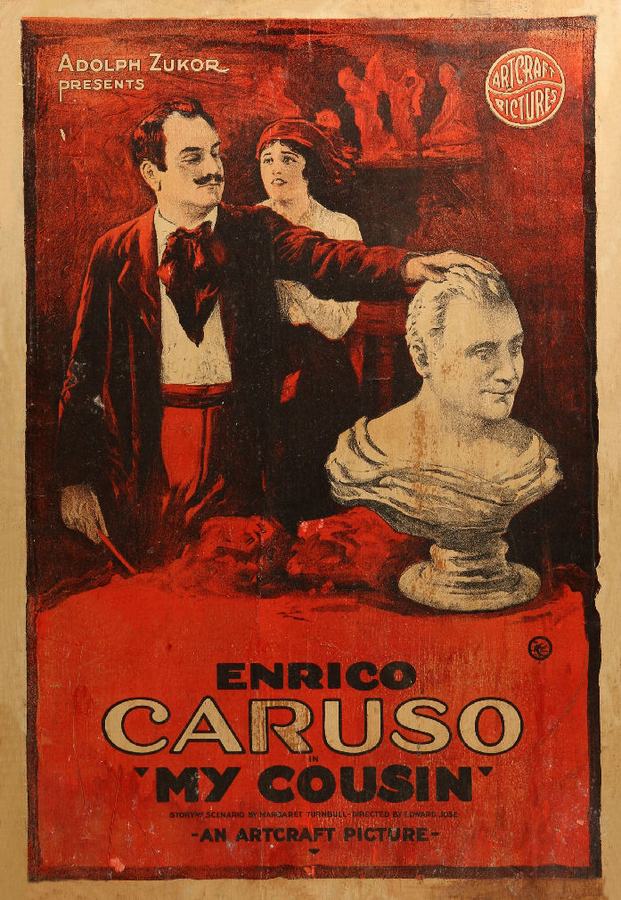
Dir: Edward José
Sincere but struggling sculptor Tommasso (Caruso--bushy moustache, gawky) works in an ornamental plaster shop, but his masterpiece on the side is a bust of his cousin Caroli (Caruso--no moustache, polished), who is the Metropolitan Opera's leading tenor. Tommasso hopes to marry his model Rosa, but her father, restaurant owner Pietro, wants her to find someone more settled and money-conscious, such as the greengrocer Lombardi down the street. Tommasso, he says, throws away his money, such as for a pair of tickets to take Rosa to the opera to see his famed cousin. After the opera, the cousins cross paths in the swanky Galeotto's restaurant, but when neither recognizes the other, Tommasso is generally mocked and Rosa believes him a liar and unworthy. Tommasso must recover his reputation and make a sale, preferably the Caroli bust to his cousin, in order to win Rosa back.
View Details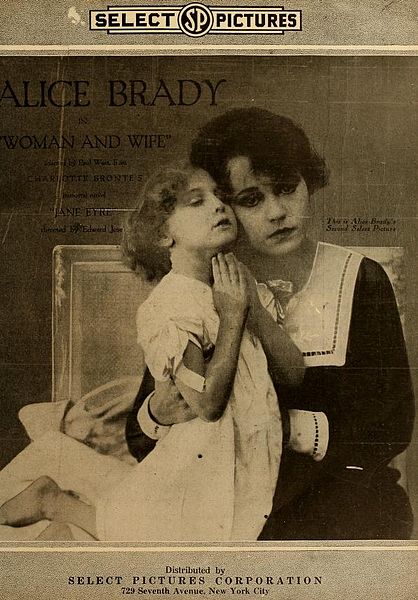
Dir: Edward José
After a harsh childhood, orphan Jane Eyre is hired by Edward Rochester, the brooding lord of a mysterious manor house, to care for his young daughter.
View Details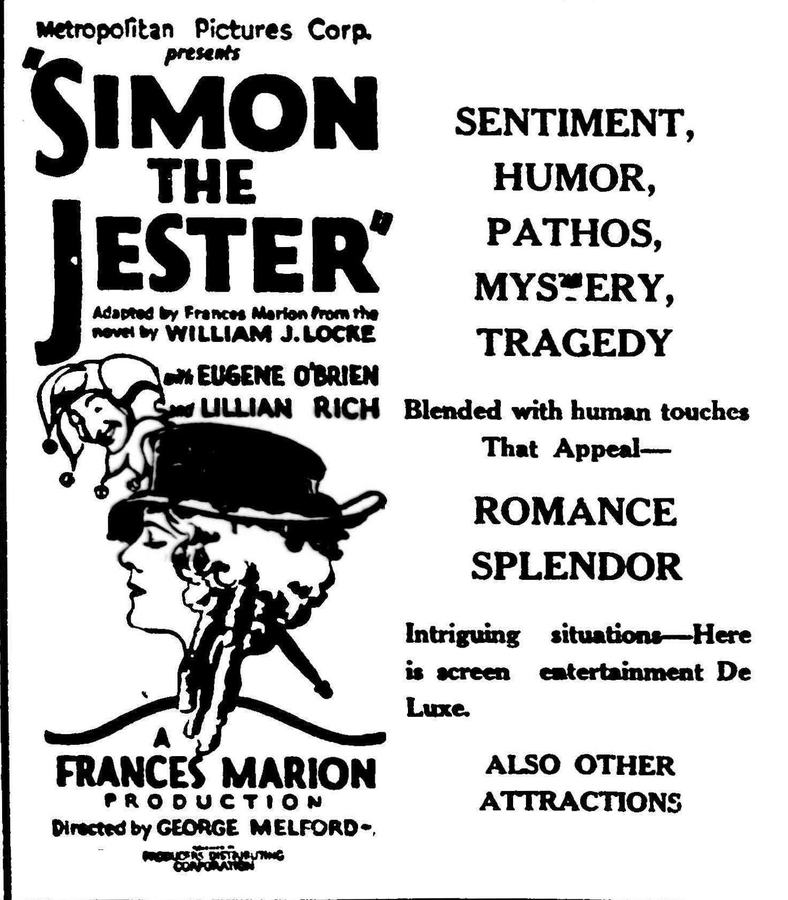
Dir: Edward José
Learning he has six months to live, the wealthy Simon De Gex decides to tell no one of his impending death and to spend his fortune madly. He breaks off his engagement to Eleanor Faversham, then is approached in a park by a dwarf and enlisted in a plot to kill the deserting husband of the beautiful Lola, a cat trainer at the London Hippodrome. The murder plans are carried out in Paris; the dwarf stabs Lola's husband and Simon departs, only to be overcome by his sickness. Selflessly Lola nurses him back to health, but, ridiculed as low-class by Eleanor and Dale, Simon's secretary, she returns to the theater. Cured by a daring operation, Simon sets out to find Lola. His search is rewarded but coincides with the reappearance of the demented dwarf. In a fury of rejection, the dwarf accidentally blinds his beloved. Simon devotes himself to Lola, but she resists his proposals until a second miraculous operation restores her eyesight and frees her to marry in good conscience.
View Details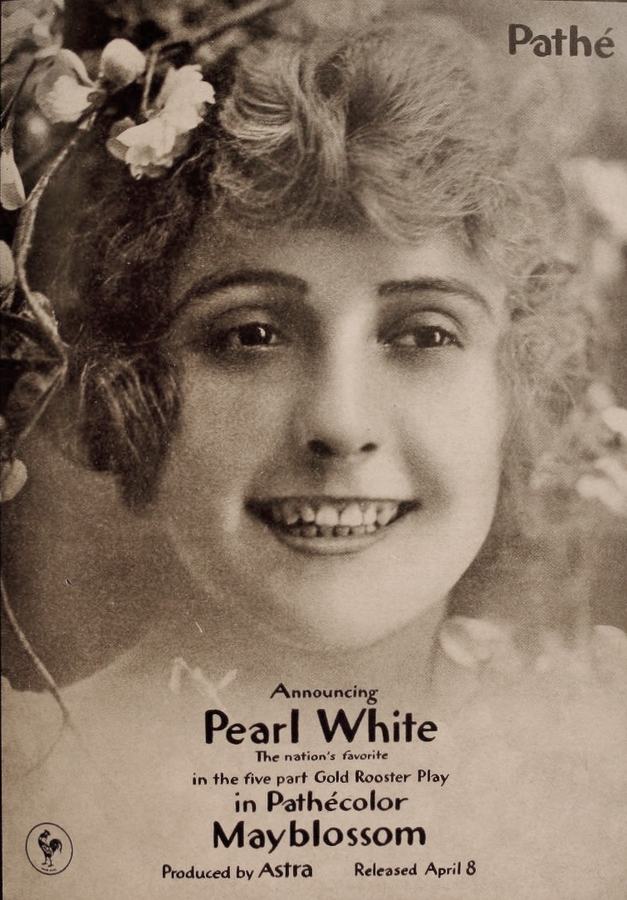
Dir: Edward José
In the blossom time in spring, in the sunny southland, Anabel Lee returned home from the young ladies' finishing academy. Warner Richmond, the favorite of society and beloved by all the maids for miles around, received notice to come to his grandfather's home to stay with him during his last days. Warner did so and on his arrival was warned by his grandfather to forego the society of the fair sex, but Warner one day passed by where Anabel sat reading and to her he was her prince charming. Forced to marry Anabel, Warner insisted on keeping the marriage a secret on account of his grandfather's wishes. Just after the grandfather died, leaving Warner a large fortune, he became enamored with an opera singer of fame. Destroying all records of his marriage to Anabel, he then married the opera singer, but love in this case lasted until she secured all his money. Soon believing her husband dead. Anabel married the sweetheart of her childhood days. No cloud darkened the sky of their happiness until Warner came wandering in his drunken travels to the old countryside again. Attended in his delirium by Anabel's doctor husband, he gives out the story of his life. The doctor returns to find Anabel gone with her child. He follows. Warner in his delirium overturns a lamp and the house burns to the ground with all evidence to clear Anabel's name. But love finds the way.
View Details
Dir: Edward José
Harold R. Peat tries to enlist in the United States army so that he may fight in World War I but is rejected by the recruiting officer. He is despondent until he and his friend, Old Bill, concoct a scheme whereby they are both accepted. After a stint in training camp, Harry bids his sweetheart Mary goodbye and accompanies Bill to France. Following several adventures at the front, Bill is killed and Harold, in trying to save a load of ammunition, is wounded. Harold spends some time in a French hospital, after which Mary comes to France to bring her heroic private home.
View Details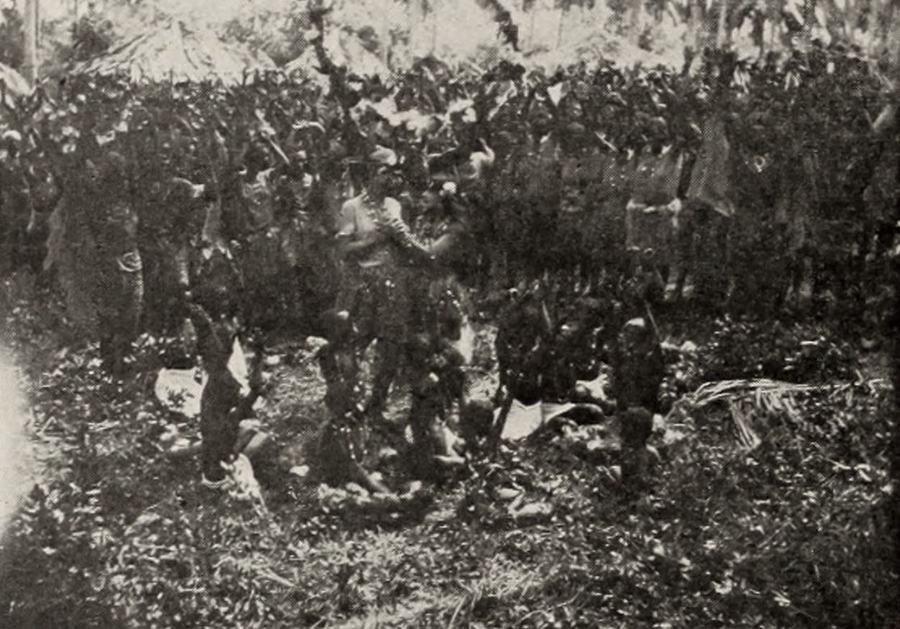
Dir: Edward José
When two love-sick young people run off to be married, and aren't caught, they usually get married. It was different with Grace Vernon and Hugh Ridgway, though. Worn out by the social affairs given in honor of their approaching marriage, they elope in the wee small hours of a certain summer morning, and being mistaken for housebreakers by the gardener and other members of the household, are pursued. A couple of cops as added starters make the chase even more interesting, and they don't breathe easily until, a couple of hours after climbing a rope ladder up the side of an ocean liner, they come out from their hiding place and find themselves at sea. Not nearly so much "at sea" then, however, as later, when Hugh finds that Grace is much smitten with Henry Veath, an old-time friend of his. Hugh cares nothing about the fact that Lady Tenny, another passenger, seems to care more for his society than for anyone else. Comes a typhoon, the ship is dashed on the rocks, and in the ensuing darkness and panic Hugh makes a brave attempt to save one who clings closely to him, one he thinks to be Grace. Then blackness, and with returning consciousness and the light, the realization that he is cast away on a strange tropical isle, the isle of Nedra, with Lady Tenny. Add to this that they are found and worshiped as two gods by the savage natives of the isle; that their enforced wedding is interrupted by the landing of a U.S. ship; that Hugh goes home only to find Grace married to Veath; that he finds that he doesn't care a particle; that he rushes back to Lady Tenny, and you have just a bare conception of this romantic love story.
View DetailsAnalysis relative to The Yellow Typhoon
| Film Title | Atmosphere | Complexity | Similarity |
|---|---|---|---|
| La Tosca | Gothic | Abstract | 96% Match |
| The Iron Claw | Gritty | Layered | 86% Match |
| Hungry Heart | Ethereal | High | 94% Match |
| Fedora | Surreal | Abstract | 95% Match |
| My Cousin | Gothic | Linear | 90% Match |
This guide was algorithmically generated using the cinematic metadata of Edward José's archive. Last updated: 8/16/2026.
Back to The Yellow Typhoon Details →