
DbcultAccessing Vault...
Recommendations
Senior Film Conservator
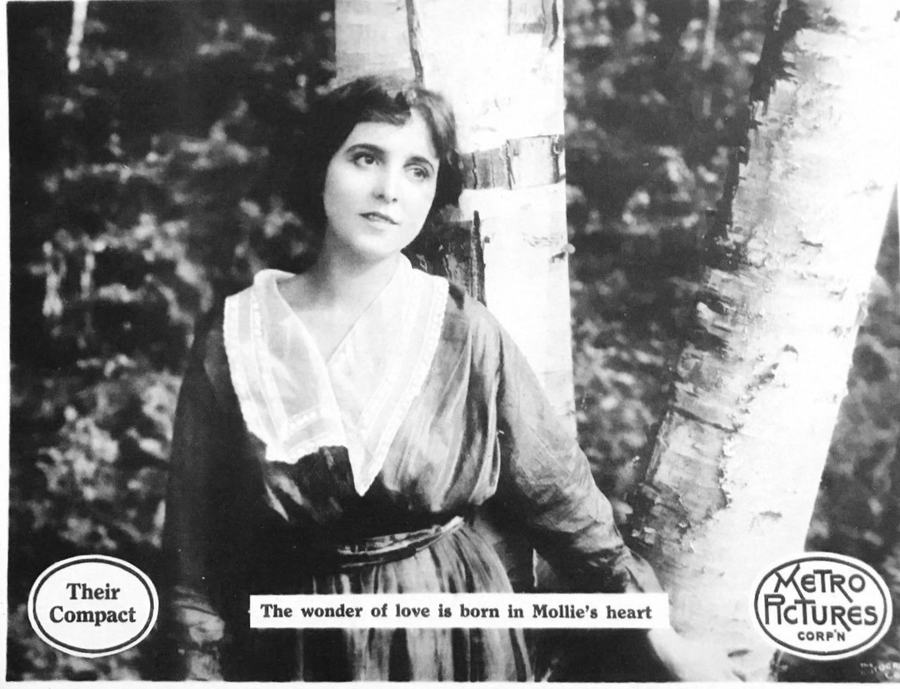
The evocative power of Their Compact (1917) continues to haunt audiences with its artistic bravery, its status as a United States icon makes it a perfect starting point for discovery. The following gems are essential viewing for anyone captivated by Their Compact.
The visceral impact of Their Compact (1917) stems from to serve as a cornerstone for cult enthusiasts worldwide.
Shortly after arriving in the West, James Van Dyke Moore, an Easterner fleeing from a soured love affair, has his courage tested when "Ace High" Horton, the town bully, threatens to take over the family mine. Forced into battle, the tenderfoot stands his ground against Horton, an act that impresses pretty Mollie Anderson. One day, Robert Forrest arrives from the East with Verda, his bride, who is Moore's former lover. While Forrest is off inspecting his mines, Verda and Horton become lovers and plan an elopement, but upon Forrest's return, Verda informs him that she is leaving town to escape Moore's advances. Because he has vowed not to reveal anything about their past affair, Moore is unable to defend himself. That night, Forrest sees Verda riding away with Horton and shoots him, but Moore is accused and arrested. Through the intervention of Mollie, Moore is released in time to intercept the couple in the desert. After disposing of Horton, Moore returns Verda to the town, whose angry citizens drive her back into the desert, and then proposes to Mollie.
Critics widely regard Their Compact as a cult-favorite piece of cult cinema. Its artistic bravery is frequently cited as its strongest asset, solidifying its place in United States's film legacy.

Based on the unique artistic bravery of Their Compact, our vault has identified these titles as the most compelling follow-up experiences for fans of cult cinema:

Dir: Edwin Carewe
The Escott family, on their way to Montana, is attacked by Indians. Army Lt. Joe Lanier afterwards finds little Elsie Escott, the only survivor, and brings her to his mother, who takes in the girl and raises her. Joe later leaves the army and becomes a successful miner, and over the years as he sees Elsie grow into a woman, he falls in love with her. Soon, however, a handsome stranger named Bob Stanton becomes his rival for Elsie's affections, and when Joe becomes jealous Elsie gets angry and makes plans to elope with Stanton. However, a war with Spain complicates everything.
View Details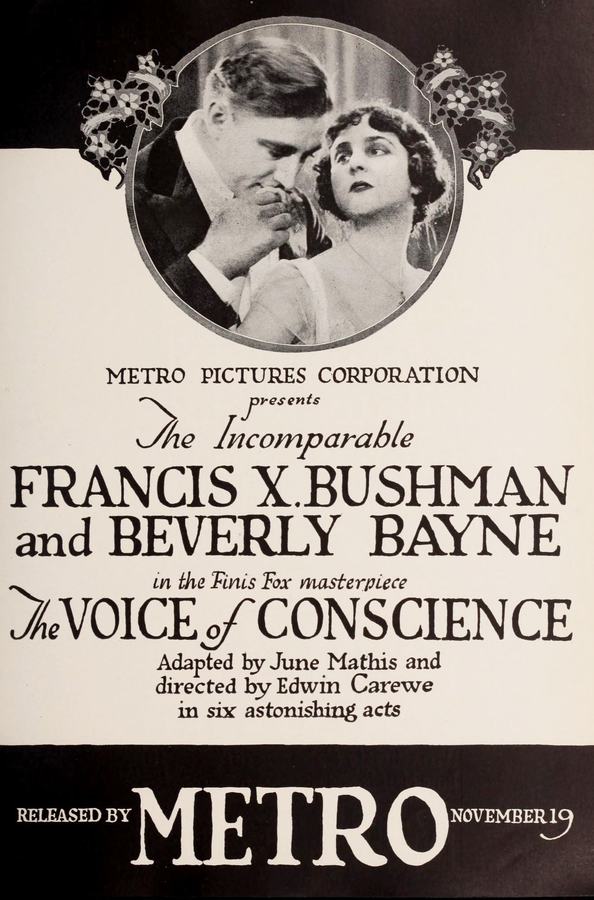
Dir: Edwin Carewe
A daughter is grief-stricken by the loss of her father. His male friend becomes her guardian, and she is taken to live with the friend's mother. Time passes and romance blossoms in the girl's heart for her guardian. However, a love rival arrives from the city and catches his eye, and the drama unfolds.
View Details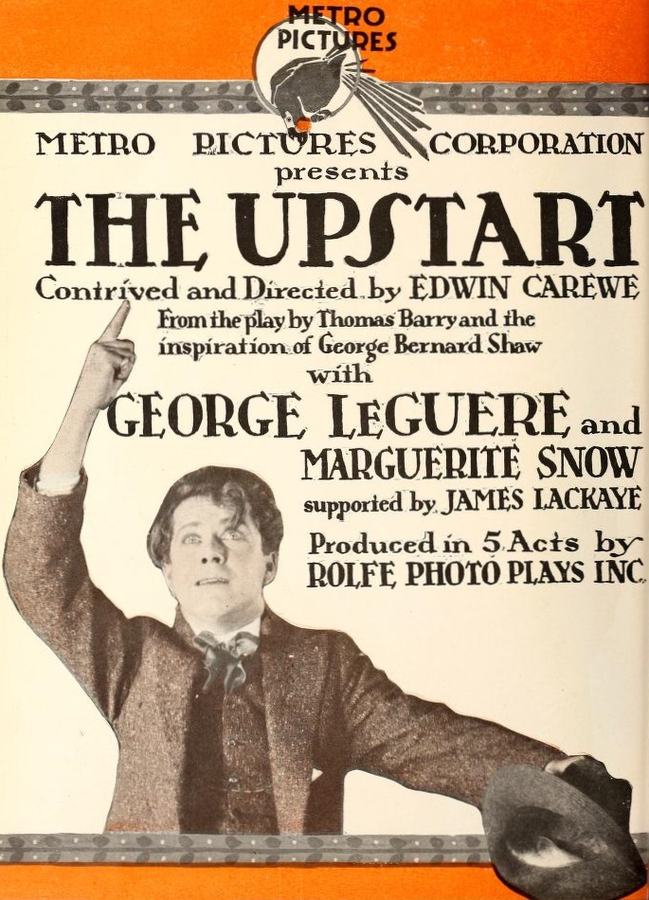
Dir: Edwin Carewe
One day Coventry Petmore leaves his wife and child to go out in the world and fight the social evils of divorce and loveless marriage. Circumstances lead him to the home of Judge Mitchell, where the judge's son, a minister, and his wife Beatrice reside. The minister does not believe in expressing affection to his wife, and Beatrice becomes enamored of her chauffeur Larry Price. Petmore encourages Beatrice to tell the minister that she is running away with Price, then surreptitiously coaches the minister to give a response that Petmore believes will win Beatrice back. The plan backfires, however, and only a rainstorm and car trouble prevent Beatrice and Price from running off. Getting wind of Petmore's role in the affair, the judge has him ejected from the household, and Petmore returns home to discover that his wife has run away with her chauffeur. Petmore's conviction in his theories remains unshaken, however.
View Details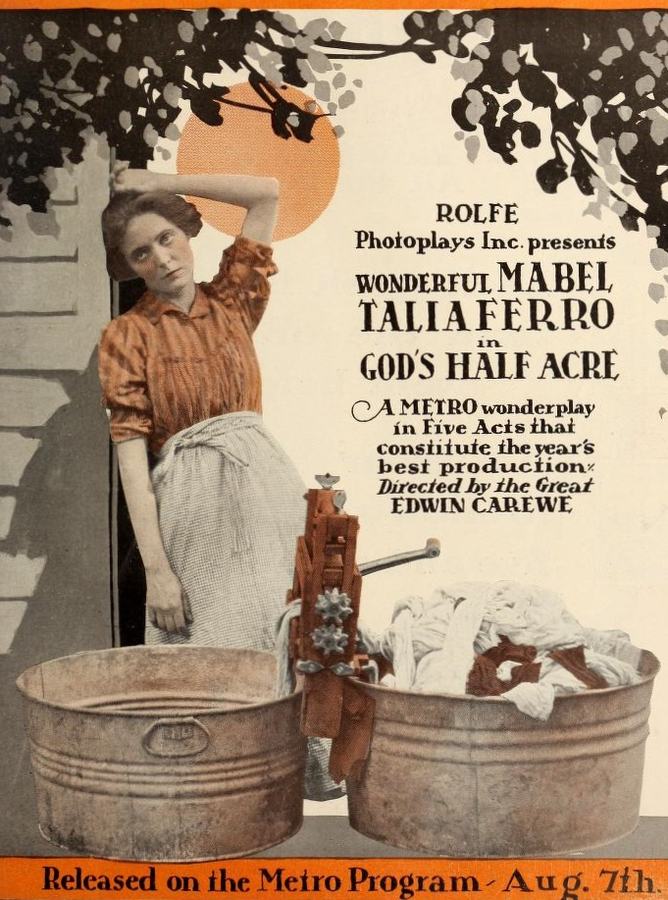
Dir: Edwin Carewe
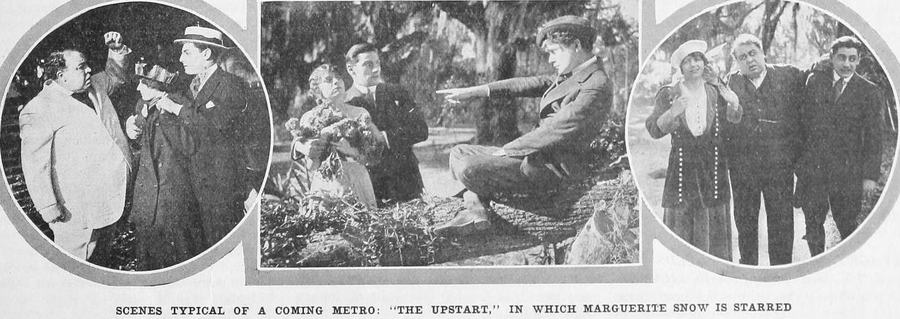
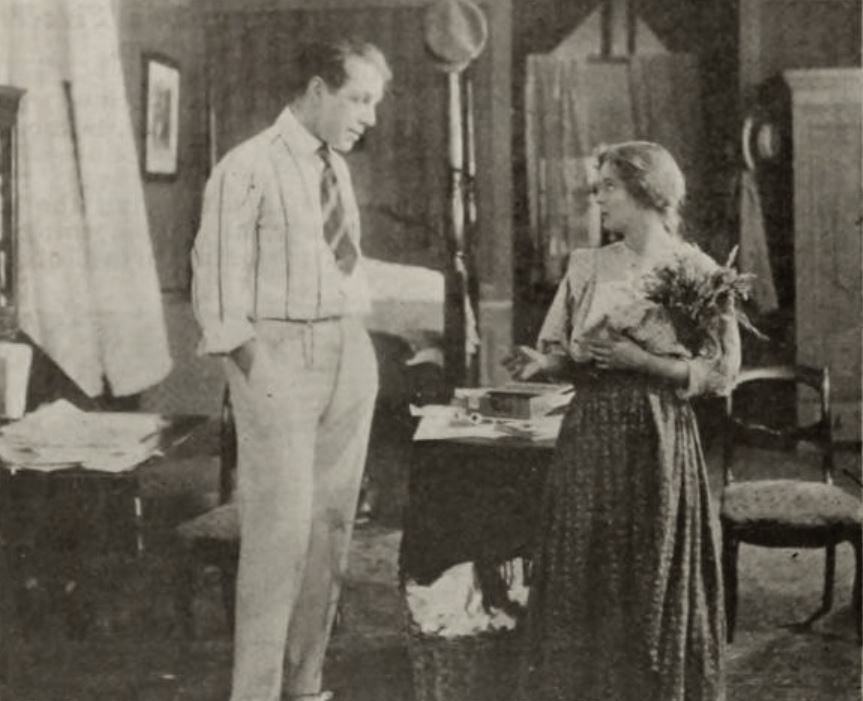
Leaving his wife Rose for a few weeks and eager to do research for his new novel about the elderly, Henry Norman goes to live in a home for the aged, where Blossom, the home's young maid, falls in love with him. When she lets him know how she feels, however, Henry tells her that he has a wife. When his research is over, he returns to her--and discovers that she has eloped with his friend Perry Westley, and that they were both killed by a lightning bolt that struck Perry's car. While Henry recovers from this double shock, Blossom quits her job and finds work at God's Half Acre, an orphanage. While on a picnic with the children, she once again meets Henry, who realizes that he loves Blossom. They marry.
View Details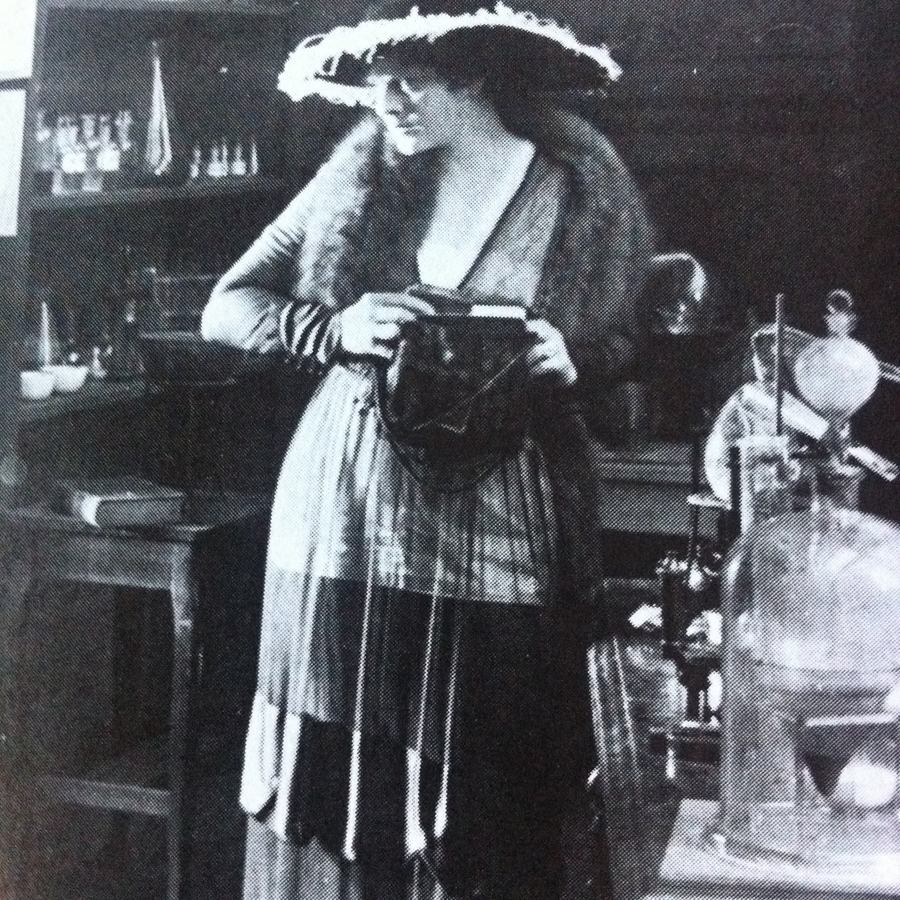
Dir: Edwin Carewe
Actress Jane Carleson has three admirers: Henry Strong (a millionaire), Hamilton Ross (a chemist), and Murray Campbell (a district attorney). When Jane weds Campbell, Ross writes an anonymous letter to Campbell, warning him that Strong is after his wife. Ross smears the flap of the envelope with poison. However, Strong is the one who opens the envelope, and dies from the poison. Since Campbell and Strong had quarreled just before the arrival of the letter, Campbell is convicted of the murder. Jane must expose the true murderer and save her husband.
View Details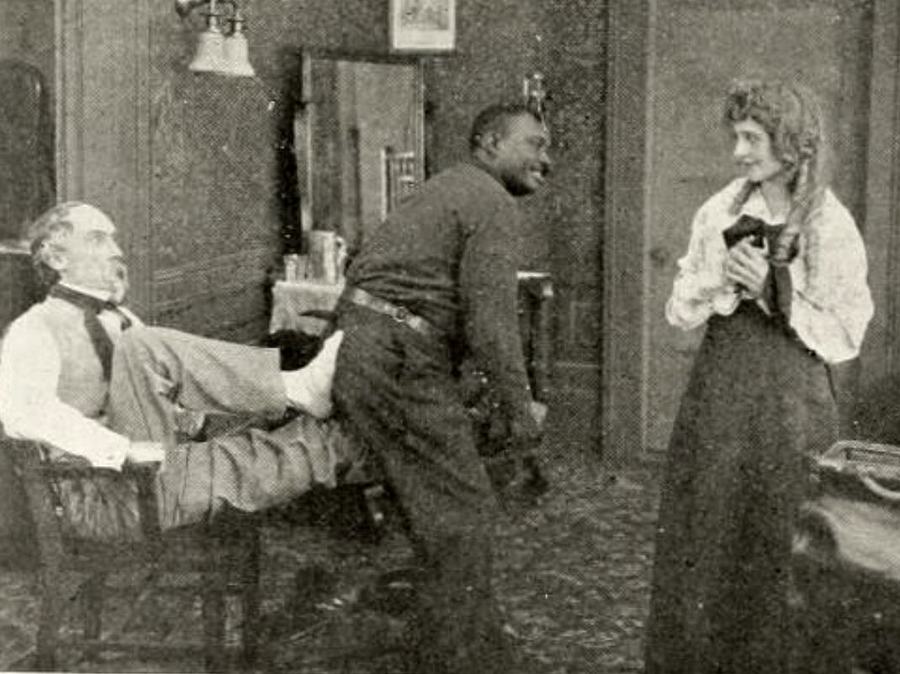
Dir: Edwin Carewe
Proud Confederate Captain Covington Halliday refuses to allow his daughter Martha to marry Northern lawyer Walter Lewis. As a boy, Covington was given an African American servant named Dan, who has always called him "Marse Covington." After the Civil War, Dan refused his freedom and stood by Covington, sharing his misfortunes. Jim Daly, who holds the mortgage on Halliday House, also wants to marry Martha, so he schemes with gambler Edward Bantree to fix a race in which Covington has wagered all his property on his beloved horse, Bess. Although Bess loses, Martha refuses to marry Jim to reclaim her family home. She moves to New York City with her father and Dan, but their savings are soon exhausted and Covington is forced to stand in bread lines. After Dan goes to work for Edward, he learns about the plot to fix the race. He tells Walter, who is later hired to defend Edward for Jim's murder. In lieu of cash, Walter demands the Halliday House deed as payment. Covington returns to his home with Dan, and gives Walter his blessing to marry Martha.
View Details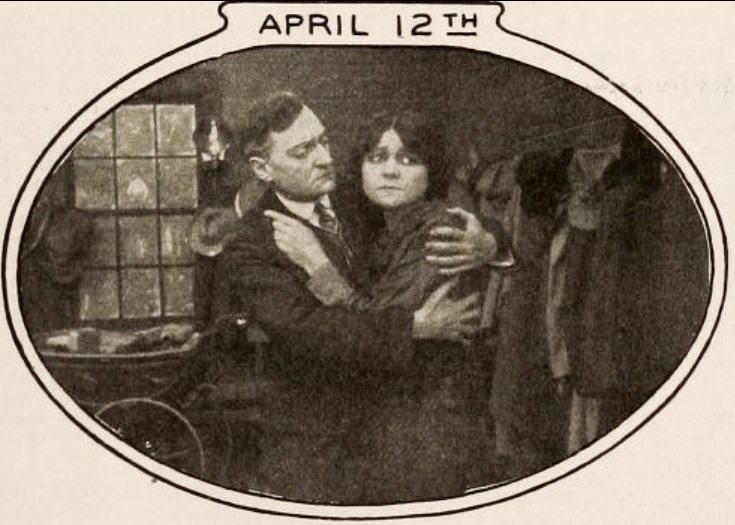
Dir: Edwin Carewe
Margaret Primrose is not permitted to see Ted North, who loves her, by her father, whom Ted's father ruined. To spite Ted, Primrose forces Margaret to marry Weston, a dissolute young millionaire, and Ted, heartbroken, goes West. Weston neglects Margaret and continues drinking. Seven years later, the Westons move West on the advice of his doctor to improve his health. Ted, meanwhile, has adopted the small daughter of a cattle rustler who was lynched by Ted's cowboys. When he spots a runaway horse and lassoes its rider, Margaret, they embrace, but realizing the impropriety, they bid each other goodbye. Weston resumes drinking and takes an interest in Molly, the proprietress of a dance hall. When Molly's sweetheart, "Quick Foot Jim" learns that Molly and Weston are planning to elope, he kills Weston. After Ted is convicted of the murder, based on circumstantial evidence, Jim abducts Molly. When Margaret learns the truth, a posse is organized to find Jim. No information has been located concerning the film's ending.
View Details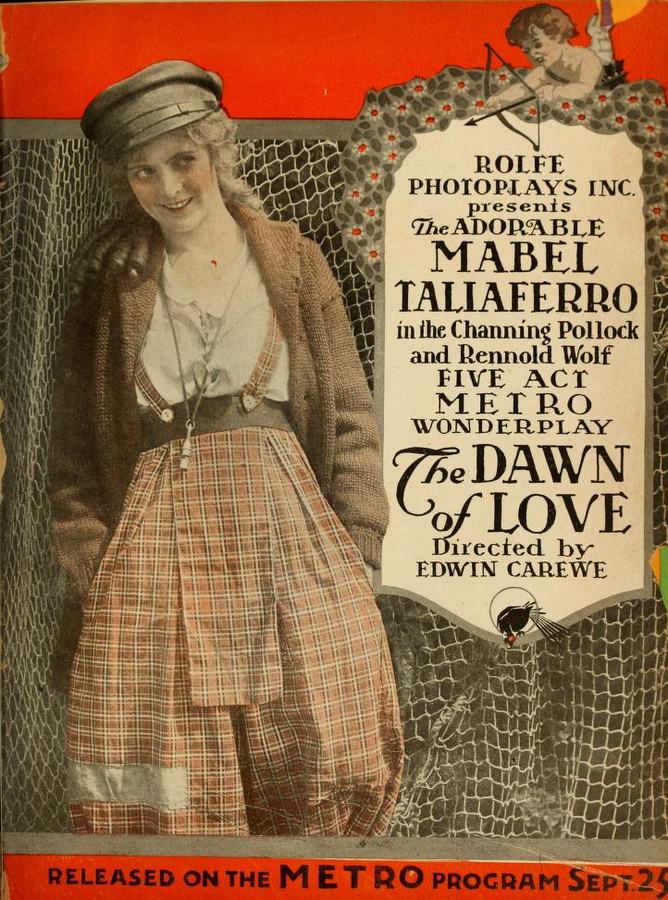
Dir: Edwin Carewe
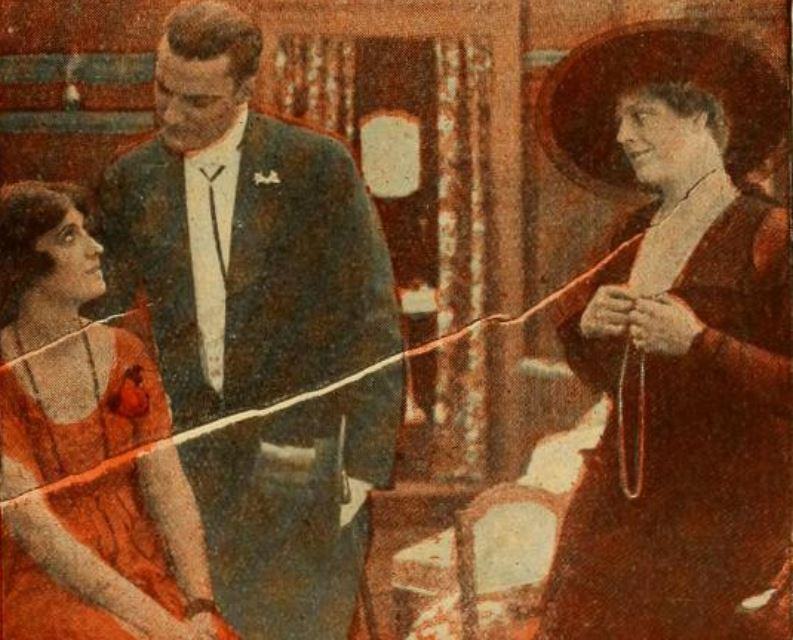
Unknown to his daughter Jacqueline, Miles Allen, in the guise of a fisherman, smuggles silk and fur into the country. Customs officer John Lang comes to investigate, and he and Jacqueline quickly fall in love. Ward Jennings, the owner of Miles' boat, also loves her, but Miles refuses to let him marry her, so Ward gets revenge by revealing Miles' smuggling operation to Coast Guard officers, who kill Miles in a struggle at his home. Jacqueline mistakenly blames John for her father's death and goes to Ward for help. She then learns the truth about Ward; they fight on a cliff-top and he falls to his death. John comes to comfort Jacqueline, and they begin making plans for their life together.
View Details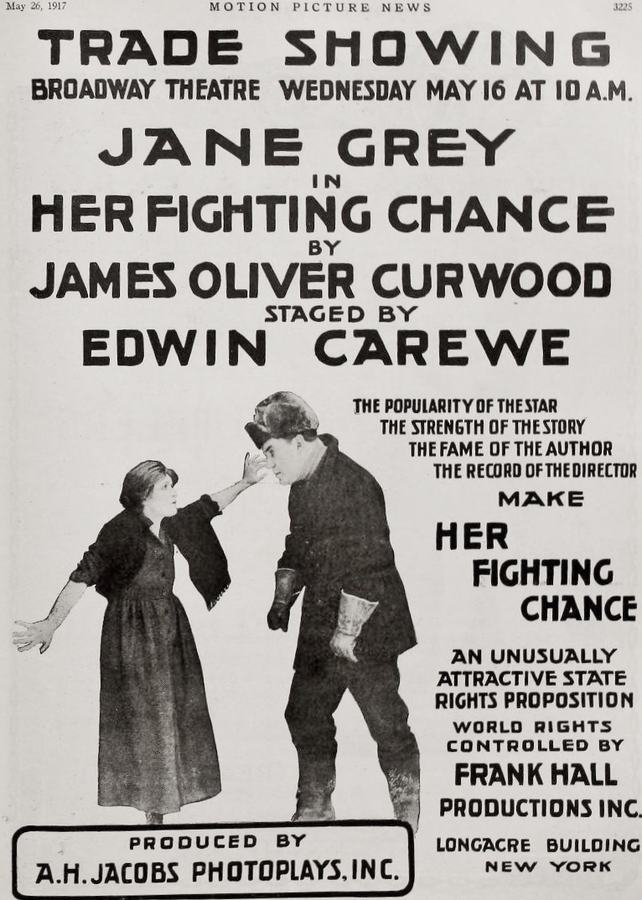
Dir: Edwin Carewe
Corporal Blake is sent to apprehend the murderer of François Breault. All evidence points to Jan Thoreau as the guilty man. Blake arrives at Thoreau's cabin while he is away and is greeted by his wife Marie. Posing as a friend of her husband, Blake learns that Thoreau and Breault had quarreled shortly before the murder. This, together with Breault's dying accusation that Thoreau was his murderer, seems undeniable evidence. Blake, fascinated by Marie, agrees to let Thoreau escape, providing that she become his mistress. After much anguish, she consents. When Thoreau arrives, Blake arrests him, but during the night Marie helps him escape. Blake goes in pursuit. Meanwhile, officers at the post have received the dying confession of Pastamoo that he committed the murder. They hurry to Thoreau's cabin where the chase has led pursuer and pursued around in a circle and back to the cabin. Blake mistakes another officer for Thoreau and fires at him. The officer returns the shot, killing Blake. Thoreau and Marie then learn that they are free from suspicion.
View Details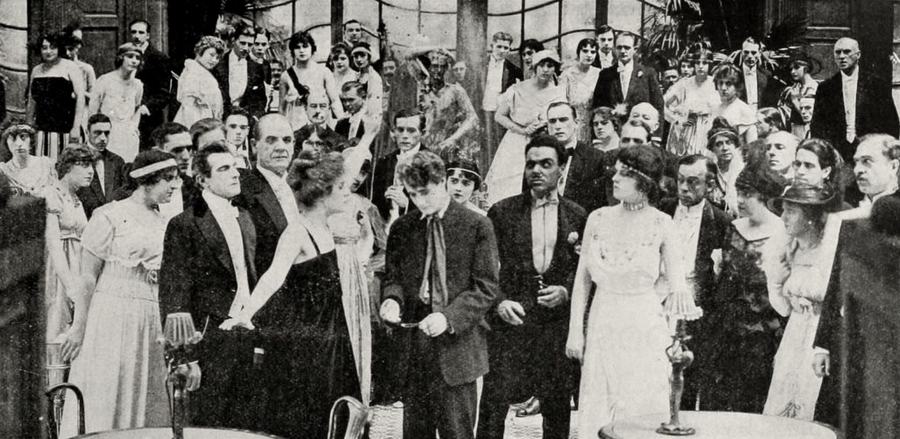
Dir: Edwin Carewe
Standish, an artist, finishes a painting of the Madonna. His wife, Mary, acted as model, and when the Connoisseur and the Parishioner inspect the picture, the former tells Standish that he recognizes in the model a one-time paramour of his. The Connoisseur and the Parishioner buy the painting and after their departure Standish upbraids his wife, who tells him that she believed herself legally married to the Connoisseur. Standish refuses to accept her explanation and ejects her and their baby son. Mary leaves her boy on the steps of a monastery, and seventeen years later, just before becoming a monk, he receives permission to see the world. He wanders into a gay café and succumbs to the charms of Beauty. The other inmates of the place, Lust, Rum, Avarice and Passion are dancing around him when the proprietor enters. It is Mary, his mother. She recognizes him from the crucifix which he wears and which she left with him when he was a baby. Without revealing her identity she persuades him to go back and later when he has become a priest, a bedraggled old woman (his mother) enters his church. She recognizes him and just before she dies her son gives her absolution.
View DetailsAnalysis relative to Their Compact
| Film Title | Atmosphere | Complexity | Similarity |
|---|---|---|---|
| Across the Pacific | Tense | High | 97% Match |
| The Voice of Conscience | Tense | Abstract | 91% Match |
| The Upstart | Ethereal | Layered | 93% Match |
| God's Half Acre | Ethereal | High | 87% Match |
| The Final Judgment | Surreal | Dense | 97% Match |
This guide was algorithmically generated using the cinematic metadata of Edwin Carewe's archive. Last updated: 6/20/2026.
Back to Their Compact Details →