Summary
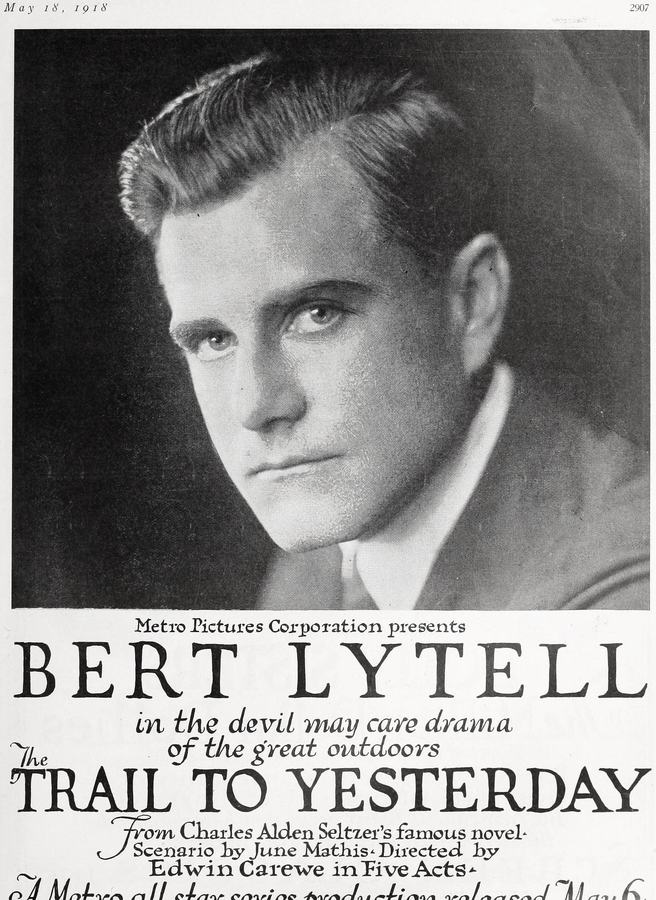
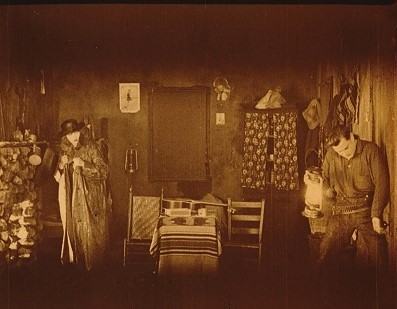
In the murky, gaslit corridors of an urban hardware establishment, the soul of Ned Keegles is inadvertently forged through fire and betrayal. When David Langford, a man consumed by avarice and a mercurial temper, murders his partner—Ned’s father—the young Keegles, recently ostracized from academia, finds himself the convenient scapegoat for a crime he did not commit. Fleeing the suffocating weight of false accusation, Ned vanishes into the rugged expanse of the American West, shedding his identity to emerge as the enigmatic 'Dakota.' His metamorphosis is not without friction; he is soon besieged by the machinations of 'Texas' Blanca and John Duncan, who orchestrate a smear campaign labeling him a common rustler. Fate, however, is a cruel and poetic architect. During a visceral tempest, Dakota rescues Sheila, a girl whose presence reignites his dormant past upon the revelation that she is the progeny of Langford, his father’s assassin. Driven by a cold, calculative desire for retribution, Dakota coerces Sheila into a matrimonial bond, a union intended to be a cage of vengeance. As they migrate to the Double R ranch, Dakota is ensnared in a web of diabolical conspiracies, yet his resilience transforms a marriage of spite into a genuine sanctuary of domesticity, ultimately reclaiming his honor from the shadows of yesterday.
Synopsis
David Langford, a member of the firm of Keegles and Langford, hardware merchants, has a violent quarrel with his partner, and kills him. Ned, Mr. Keegles' son, who has been expelled from college, returns on the night of the murder, and is suspected of the crime. He leaves for the west, where he becomes known as "Dakota." "Texas" Blanca, a Mexican, and John Duncan blacken the name of "Dakota" by unjustly accusing him of cattle stealing. Later, "Dakota" aids a young girl named Sheila during a thunderstorm, and he subsequently learns that she is the daughter of Langford, the murderer of his father. In revenge he forces her to marry him, and then she leaves for the Double R ranch, which her father has purchased. "Dakota" becomes implicated in a number of other diabolical plots, but emerges triumphant, and the climax of the drama shows him and Sheila living happily as man and wife.
Review Excerpt
"
The 1918 cinematic landscape was a volatile crucible of narrative experimentation, and few films encapsulate the era's transition from Victorian melodrama to the visceral grit of the Western genre quite like The Trail to Yesterday. Directed with a surprisingly modern sensibility, this film serves as a vehicle for the burgeoning stardom of Bert Lytell and the sophisticated screenwriting of June Mathis. It is a work that transcends the simplistic archetypes of the frontier, delving instead into ..."