
DbcultAccessing Vault...
Recommendations
Senior Film Conservator
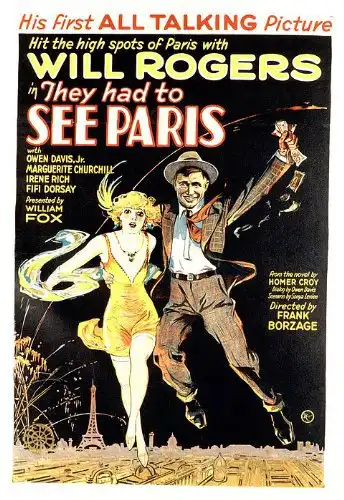
Navigating the complex narrative architecture of They Had to See Paris is a stylistic flair experience, the emotional payoff of the 1929 classic is what fans crave in similar titles. The following gems are essential viewing for anyone captivated by They Had to See Paris.
The artistic audacity of They Had to See Paris ensures it to define the very concept of stylistic flair in modern film.
Oklahoma mechanic Pike Peters strikes it rich in an oil field. His wife decides that the family must go to Paris to get culture and meet the right kind of people. They soon have flirtatious French admirers as Pike clashes with aristocracy.
The influence of Frank Borzage in They Had to See Paris can be felt in the way modern Comedy films handle stylistic flair. From the specific lighting choices to the pacing, this 1929 release set a high bar for atmospheric immersion.
Based on the unique stylistic flair of They Had to See Paris, our vault has identified these titles as the most compelling follow-up experiences for fans of Comedy cinema:
Dir: Frank Borzage
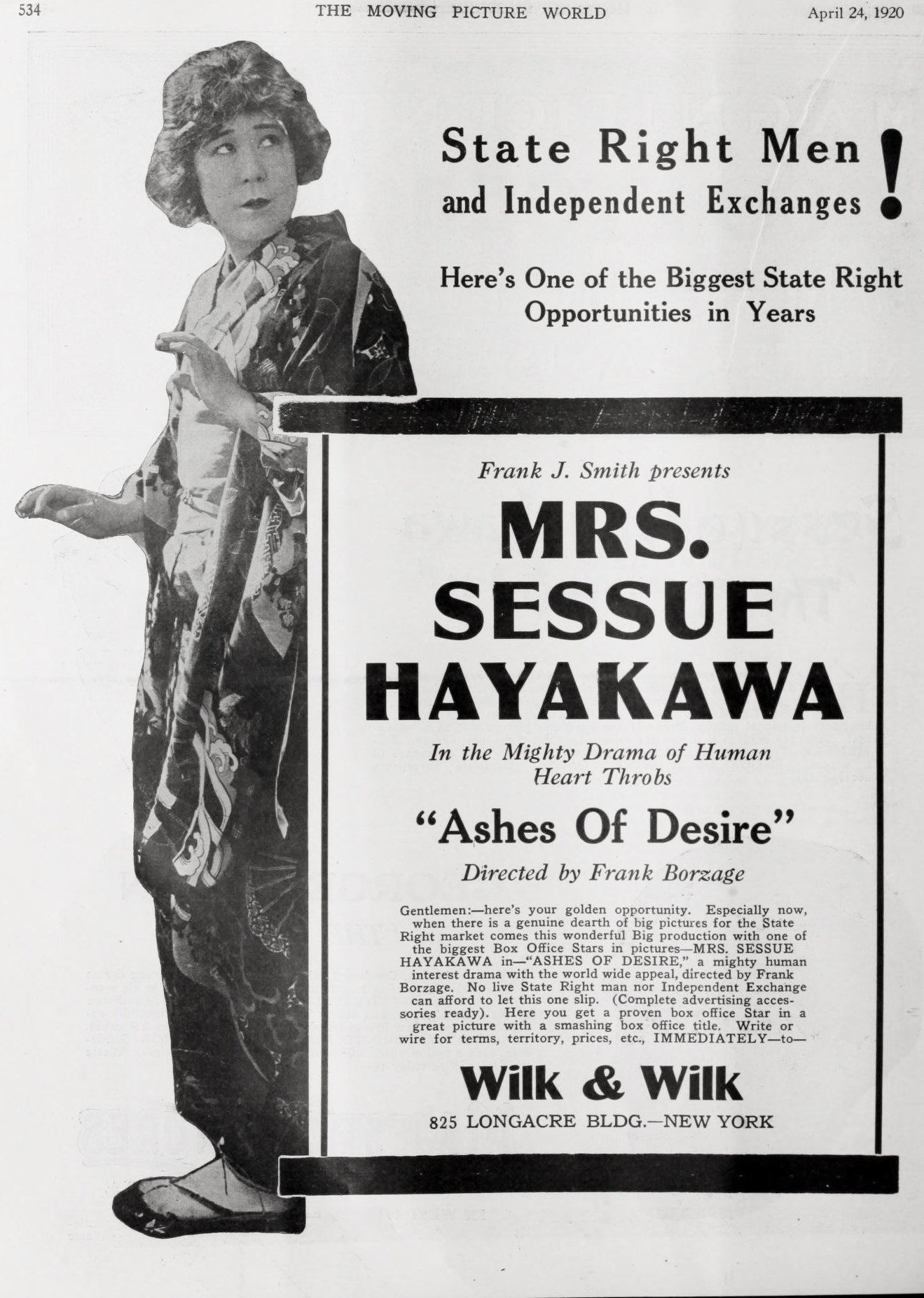
American sailor Allan Carroll, an American sailor, is shipwrecked of the coast of Japan in the 19th century. He makes it to shore and is rescued by kind Yori. The local ruler, Prince Iku, has ordered that all foreigners who are "trespassing" on Japanese soil should be killed. He hears about a foreign sailor who washed ashore and has been hidden by villagers, so he sends his sister Omi San to investigate. She finds Alan, and instead of turning him in to be executed, she falls in love with him. Prince Iku captures both Allan and Yori and intends to execute both of them. Complications ensue.
View Details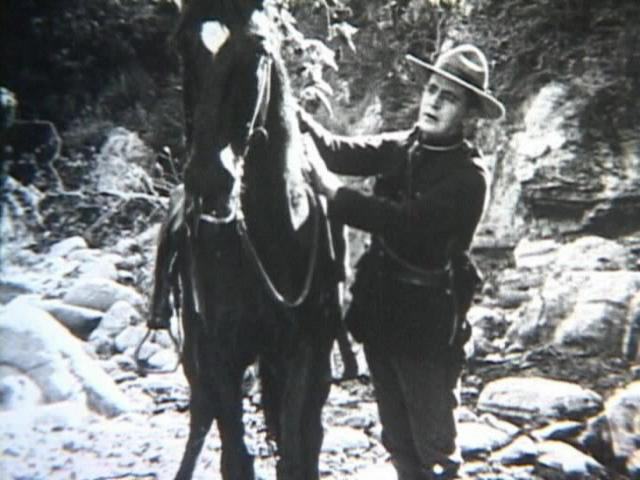
Dir: Frank Borzage
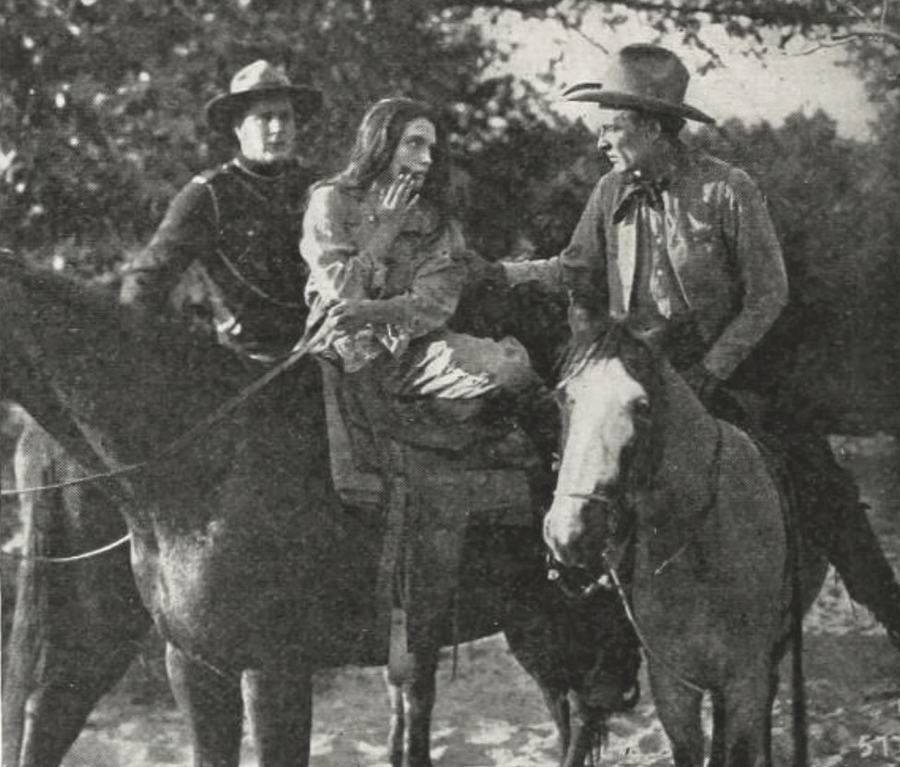
Kirby kills a man in self-defense and becomes a fugitive from the police.
View Details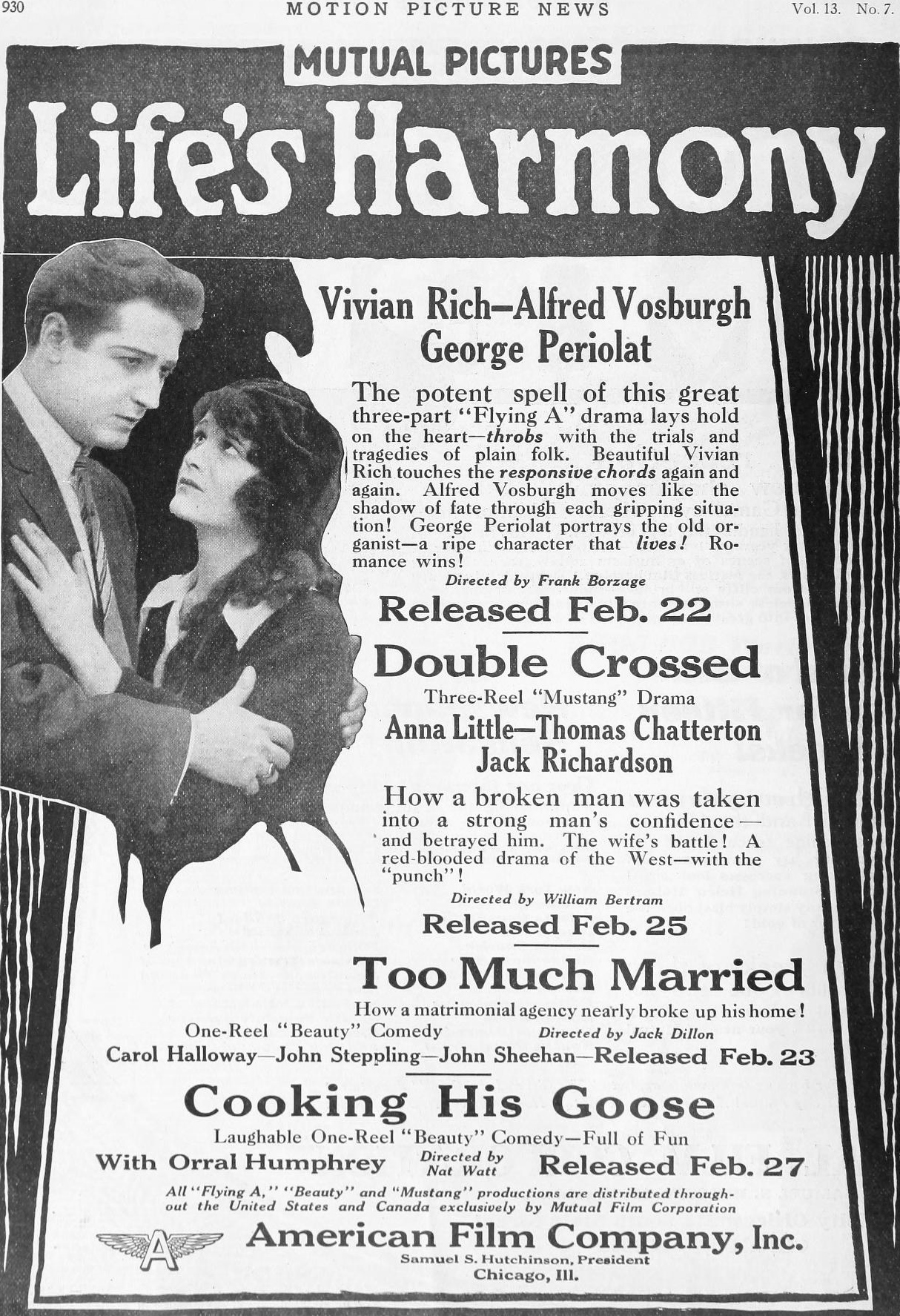
Dir: Frank Borzage
Josiah Pringle, a benevolent old musician, who ekes out his livelihood by giving music lessons, after playing the organ for twenty years in the church of a little New England hamlet, must make way for a younger man, Gordon Howard, who comes from Boston. Faith Pringle, adopted by Josiah and his aged sister, Letitia, is leader of the choir, and when Pringle is replaced, she refuses to sing, but relents at Pringle's gentle insistence. When the new organist appears, Pringle's pupils leave him for the younger man, but he feels no resentment against Howard and compliments him on his playing. A young ruffian attacks Faith, but Howard rescues her and Pringle, deeply appreciative, invites Howard to the house. For many years Pringle has been working upon an improvement in organs. He shows the model to Howard who discovers a point that has baffled the old musician for ten years. The young ruffian, seeking a way to revenge himself on Howard through Pringle, shows Pringle a newspaper bearing the picture of a young man, resembling Howard closely, sought as an embezzler, but Pringle, in his kindly way, says that if Howard has reformed, he will not be the first to persecute him. Pringle places his model in the hands of Howard, to obtain a patent. Howard writes that he has secured an advance of $20,000 royalties and they hear nothing further from him. As the weeks drag by and Pringle's small store of money is exhausted, he and his sister are forced to the decision that Faith must be returned to the orphanage whence she came. The day of her departure comes all too soon. At the last moment, Howard comes in and explains that after receiving the money he placed it in a safe for the time being. In passing a building in the course of construction, he was injured. At the hospital to which he was taken, no means of identification were found on him, and just as soon as he recovered his memory he returned to the Pringles. The cloud on his antecedents is cleared when he looks at the newspaper pictures and says "My brother, the poor fellow is dead now." Through Howard's influence, Pringle is reinstated as organist and the friendship between Faith and Howard quickly ripens into love.
View Details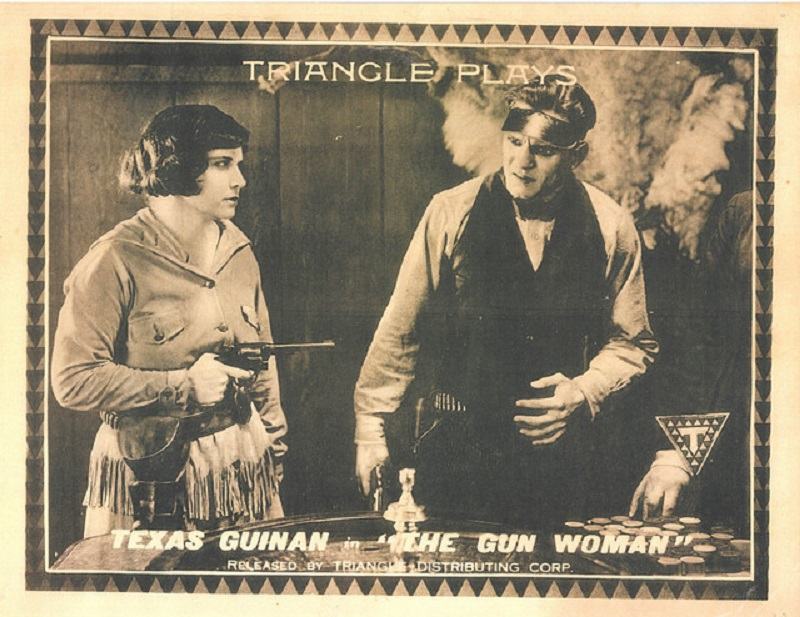
Dir: Frank Borzage
A saloon owner loans her lover the money to buy a house, which he has led her to believe they will live in after they're married. Instead, he takes the money and buys a saloon in another town.
View Details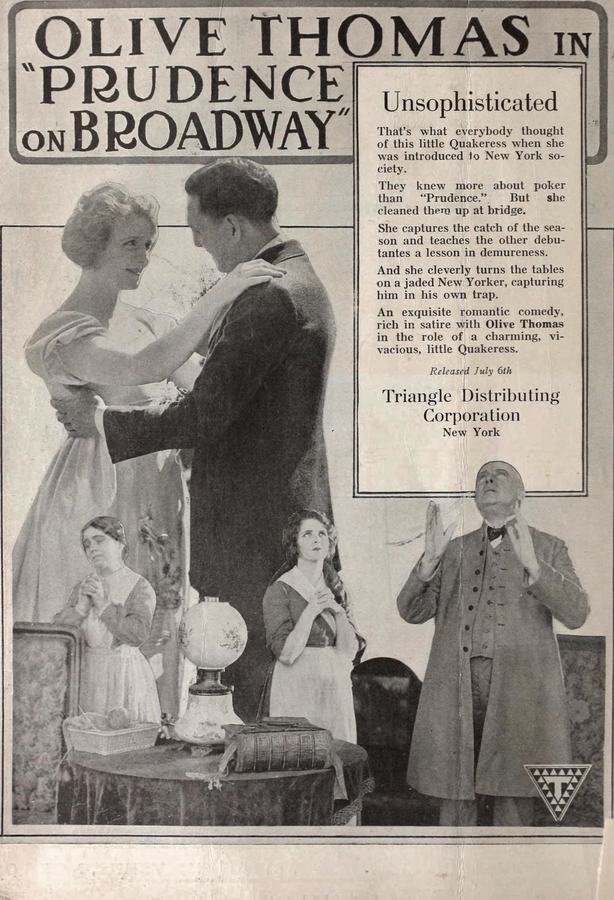
Dir: Frank Borzage
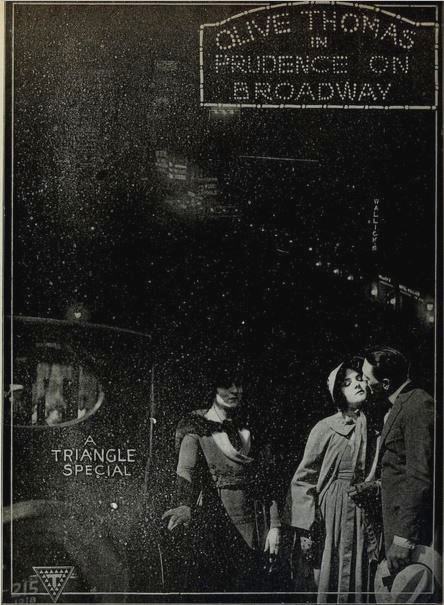
Prudence's ( Olive Thomas ) parents send her from their Pennsylvania Quaker colony to a fashionable girls seminary, hoping she can learn about the devil's tricks, instead she engages in girlish pranks, but uses her pure appearance to escape blame. Later, Prudence visits her New York aunt, a society matron, and soon attracts an array of male admirers. She falls in love with wealthy Grayson Mills, but John Melbourne, who lives off of his wife's wealth, plots to seduce her. After Melbourne loans Prudence $200 to pay a gambling debt, he forces her to go to a roadhouse by threatening to show her stern father her canceled check. At dinner, Prudence produces a love letter which Melbourne had earlier written to an actress, and says that if she is not back by midnight, her hotel clerk will show Melbourne's wife his nineteen other love letters. After Melbourne hurries her back, he discovers that she only had the one letter. Prudence now becomes engaged to Grayson.
View Details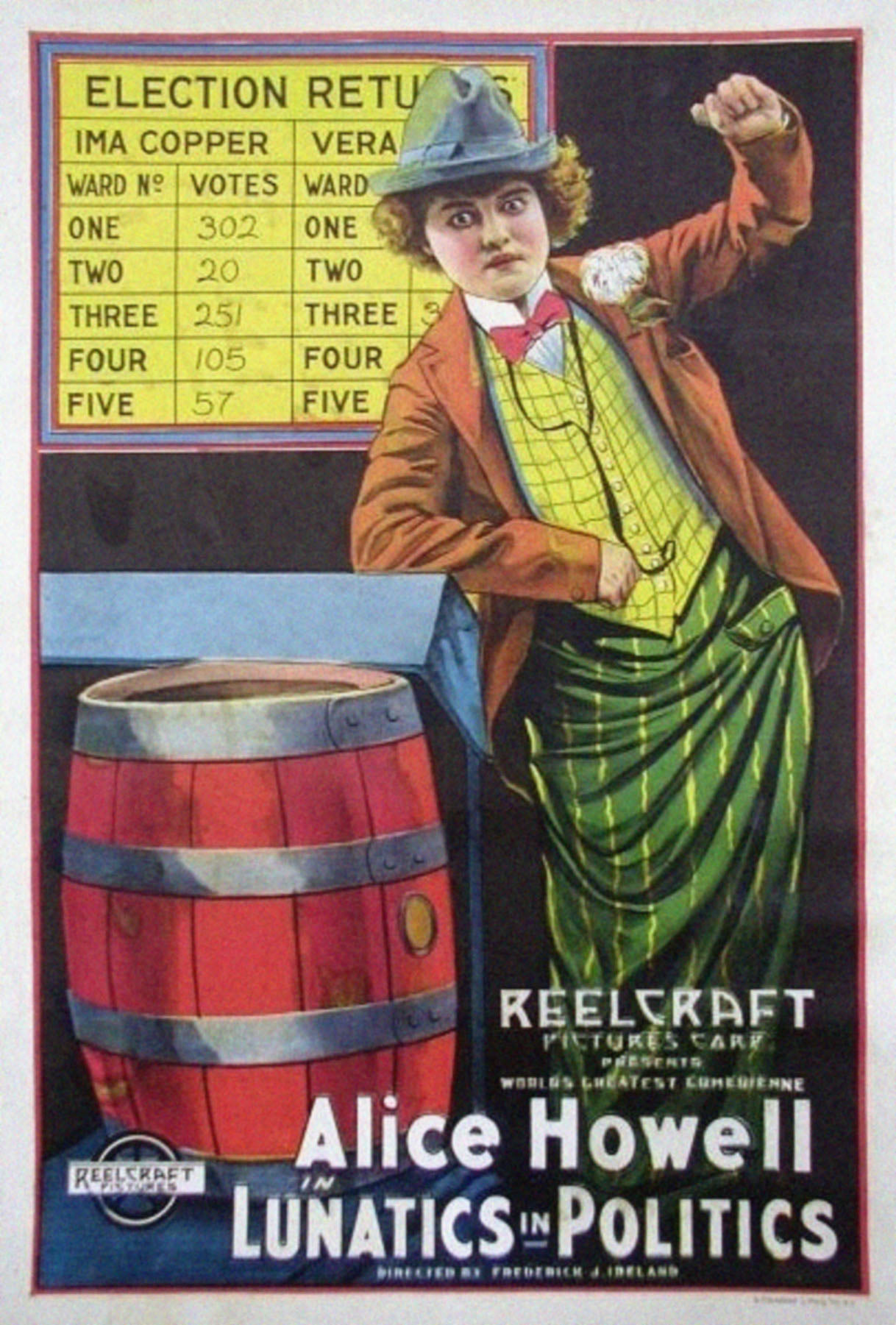
Dir: Richard Smith
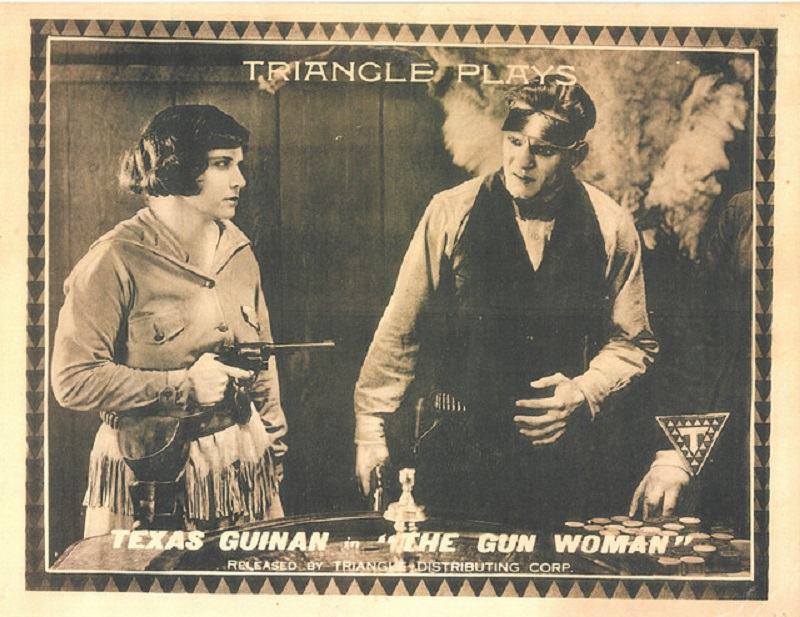
Two female candidates for Chief of Police live across the hall from each other, and their political rivalry follows them home, leading to plenty of hi-jinks.
View Details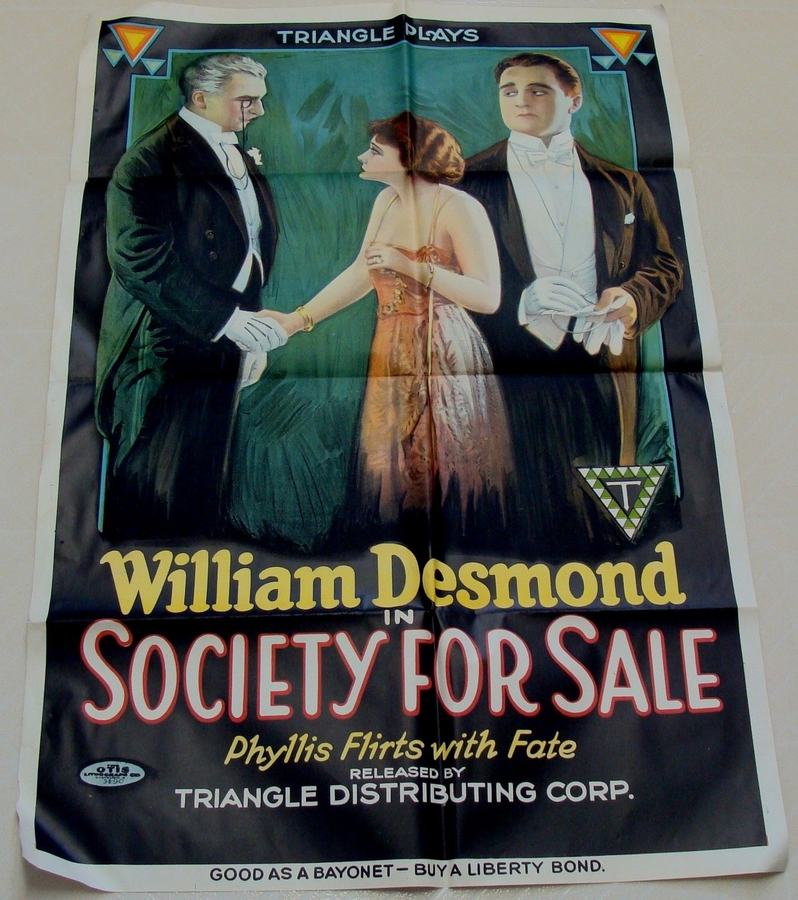
Dir: Frank Borzage
Successful model, Phyllis Clyne, convinces a down-and-out nobleman, Billy, to pass her off in society as titled gentry. They fall in love and when it turns out that her late father actually was a lord, they decide they now can marry.
View Details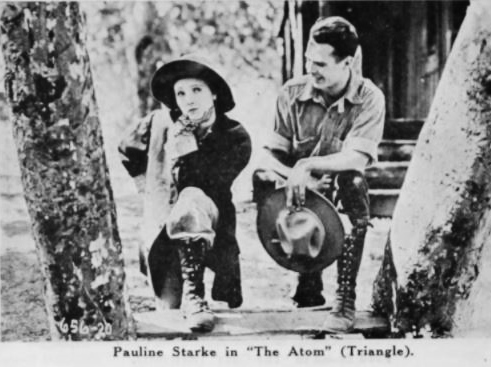
Dir: Frank Borzage
Jennie is a slavey in a theatrical boarding house. To her the actors are all wonderful, but Montague Booth is the chief. In an accident Booth is disfigured for life and is saved from suicide by Jennie. They join a medicine show in which Booth is lecturer, but Jennie cannot stand the road. Booth leaves the show and takes up a homestead claim. The manager of the show sends one of Booth's old loves to get him back, for his services are valuable, but Belle fails after very nearly wrecking everyone's happiness.
View Details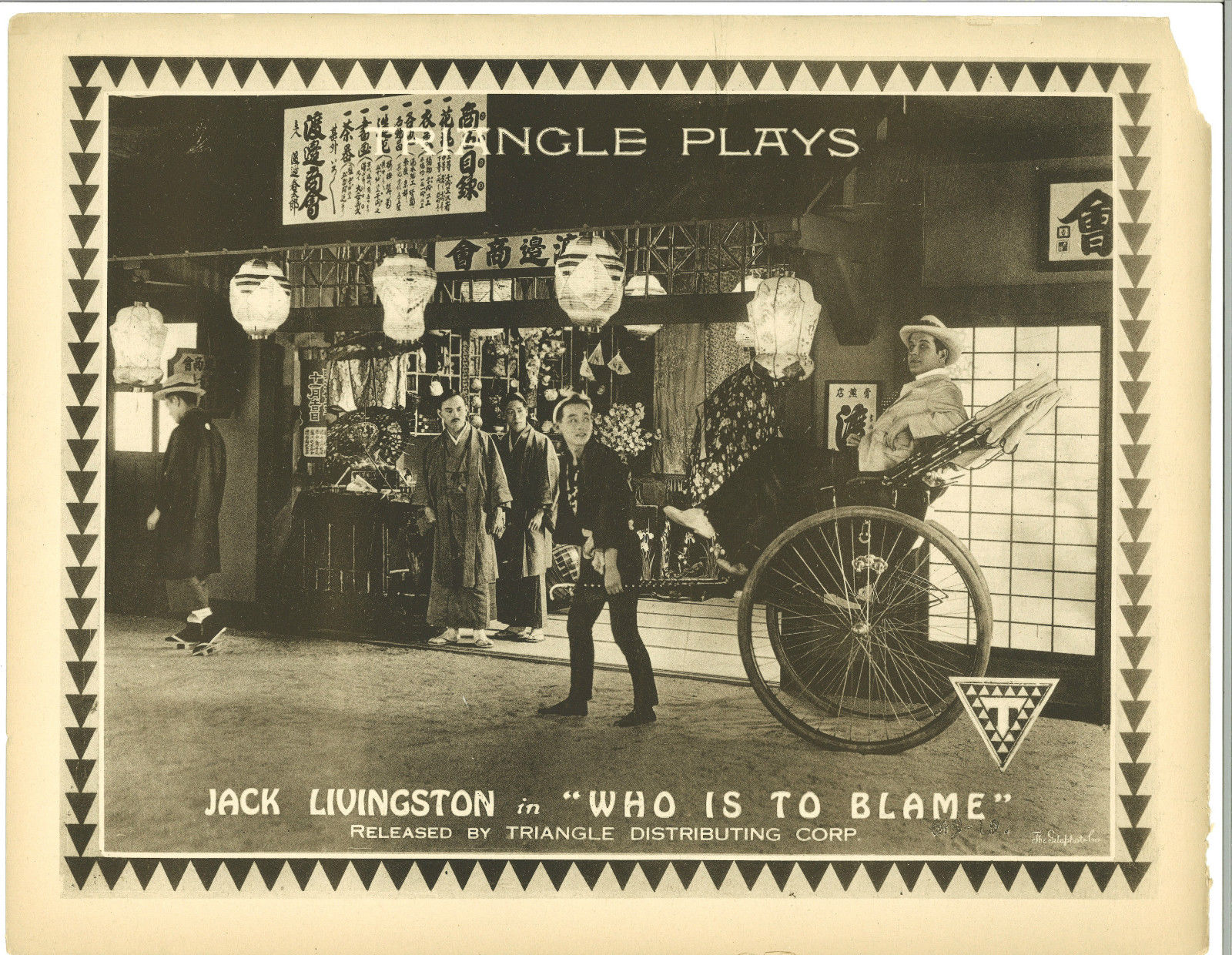
Dir: Frank Borzage
Charmed by the bright smile of Taro San, a Japanese rickshaw boy, Grant Barton takes the young man to the United States as his valet. Grant marries Marion Craig, but when she departs for California to visit her sick mother, he becomes enamored of Tonia Marsh, a vamp. Marion discovers them together and leaves Grant, whereupon Taro resolves to help his kind employer out of his difficulties. Persuading Tonia that he is a member of the imperial family of Japan, Taro pays court to the adventuress, and when Grant finds them in each other's arms, he immediately fires Taro. Grant and Marion are reconciled, while Taro sadly returns to Japan.
View Details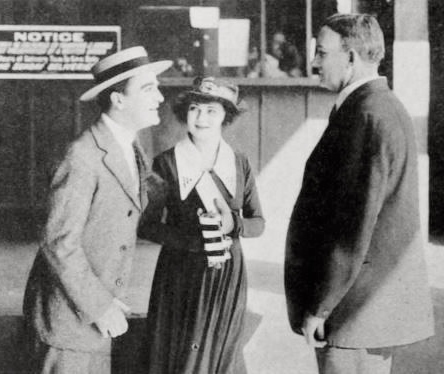
Dir: Frank Borzage
When Benny Boggs, a good-natured hobo, is rejected by the U.S. Army, he decides to overcome his aversion to work and offers assistance to a farmer known as Old Man Cushing. Cushing falls seriously ill and, believing he is about to die, asks Benny to deliver a package to his daughter Ruby, who left home to pursue an acting career. Benny soon learns that the package contains $50,000, but resolves to earn the old man's trust, despite his poverty. After arriving in the city, Benny rescues Beatrice Burnett from an attacker, and the two become friends. Later, Beatrice takes Benny to visit her ailing friend, who identifies herself as Cushing's long-lost daughter. Benny gives the money to Ruby and accompanies her back to the farm, where they receive a warm greeting from Cushing, who has recovered from his illness. The army finally accepts Benny, and Ruby promises to marry him when he returns from active duty.
View DetailsAnalysis relative to They Had to See Paris
| Film Title | Atmosphere | Complexity | Similarity |
|---|---|---|---|
| The Curse of Iku | Surreal | High | 90% Match |
| Until They Get Me | Surreal | Abstract | 91% Match |
| Life's Harmony | Gothic | Dense | 90% Match |
| The Gun Woman | Ethereal | Dense | 91% Match |
| Prudence on Broadway | Gritty | Linear | 90% Match |
This guide was algorithmically generated using the cinematic metadata of Frank Borzage's archive. Last updated: 6/28/2026.
Back to They Had to See Paris Details →