
DbcultAccessing Vault...
Recommendations
Senior Film Conservator
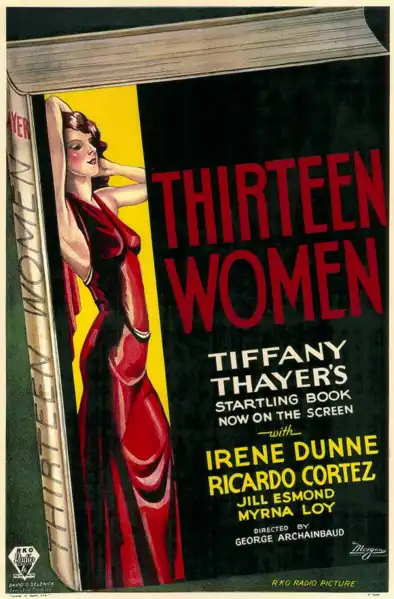
Navigating the complex narrative architecture of Thirteen Women is a visceral dread experience, the emotional payoff of the 1932 classic is what fans crave in similar titles. The following gems are essential viewing for anyone captivated by Thirteen Women.
The artistic audacity of Thirteen Women ensures it to define the very concept of visceral dread in modern film.
A young woman plots astrological revenge on schoolgirls from her past.
The influence of George Archainbaud in Thirteen Women can be felt in the way modern Horror films handle visceral dread. From the specific lighting choices to the pacing, this 1932 release set a high bar for atmospheric immersion.
Based on the unique visceral dread of Thirteen Women, our vault has identified these titles as the most compelling follow-up experiences for fans of Horror cinema:
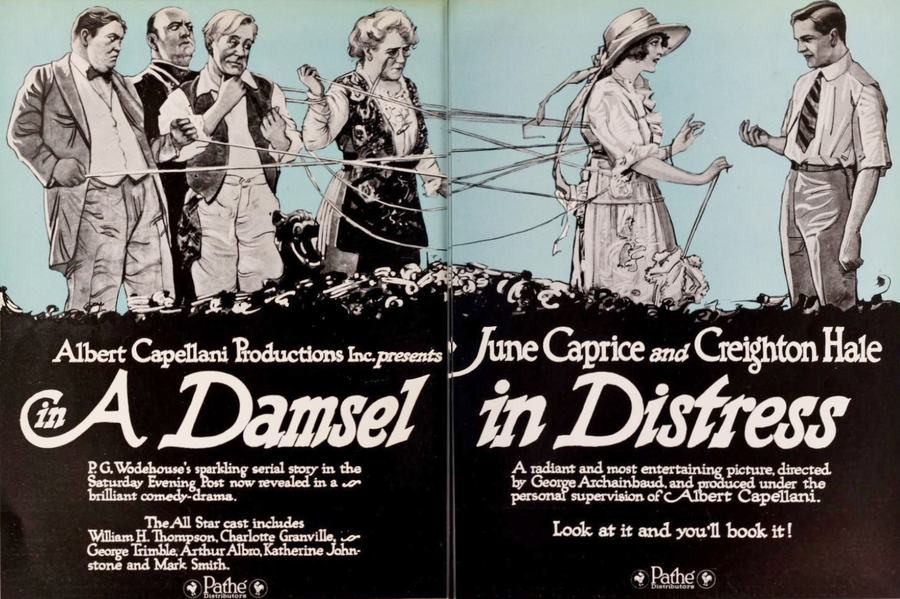
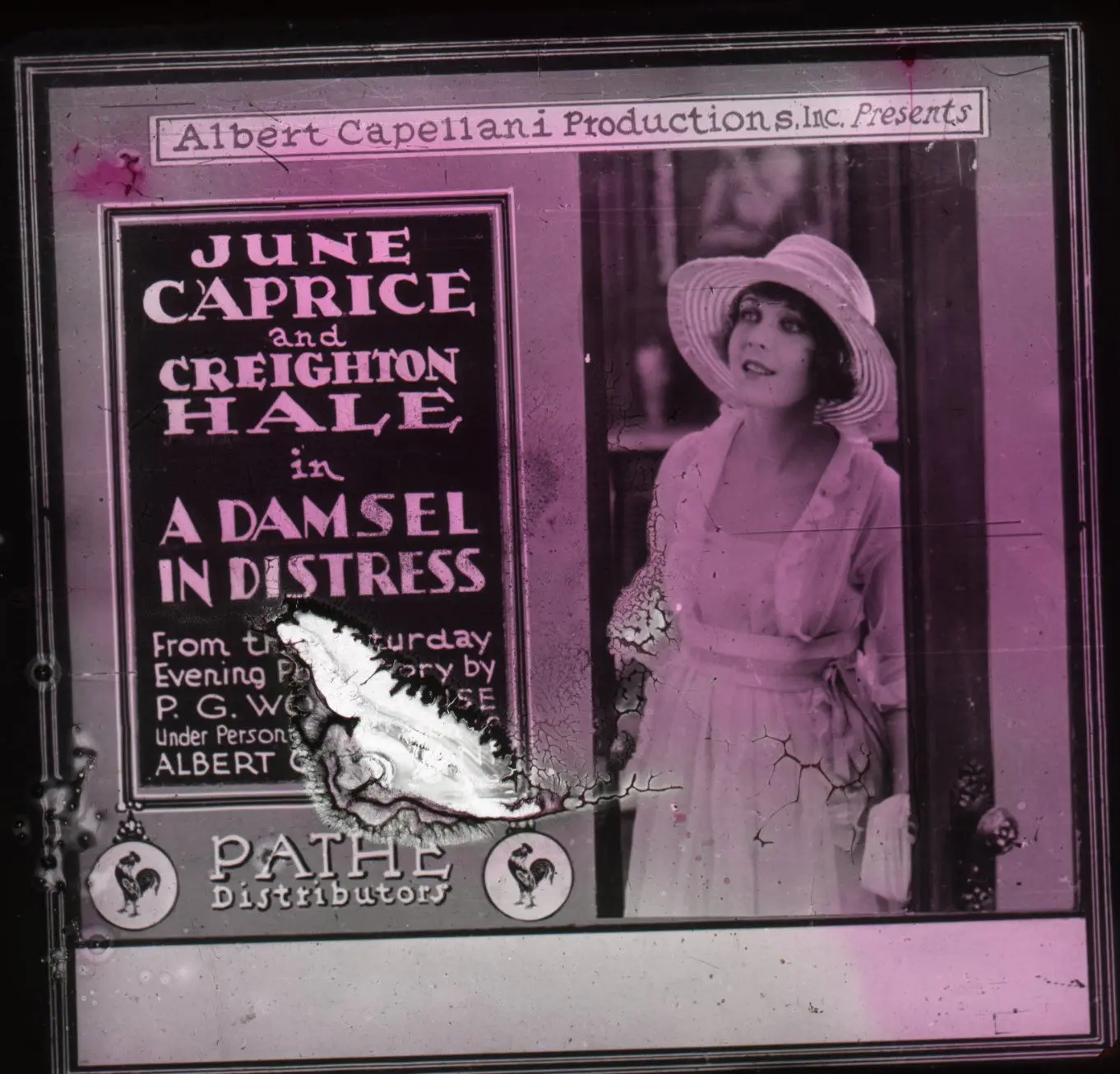
Dir: George Archainbaud
Maud March, the rebellious daughter of a a millionaire, goes to New York to see her sweetheart Geoffrey who left town years ago. Her aunt Carolyn wants Maud to marry her son Reggie and sends the girl's brother Percy after her to act as chaperon. Maud, trying to escape, enters a taxi where she meets handsome composer George Bevan. The man falls in love with the young lady who, when she sees Geoffrey has become fat and ugly, soon agrees to marry George.
View Details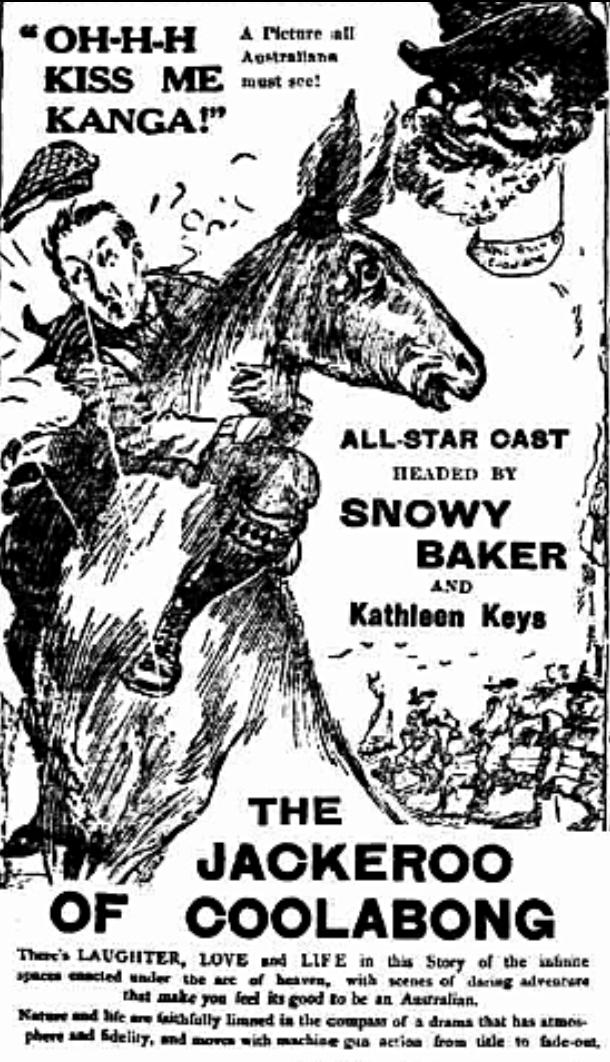
Dir: Wilfred Lucas
Brian O'Farrell (Snowy Baker), is an English 'new chum' who takes a job at an Australian cattle station. He is teased by station hands because of his appearance (including spats and a monocle) but he soon impresses them with his skills at riding and boxing. The station manager, John MacDonald (Wilfred Lucas), takes O'Farrell to Sydney to meet his daughter Edith (Kathleen Key) who is working in the slums. Edith is kidnapped by criminals after witnessing a crime but O'Farrell rescues her. It is later revealed he is the owner of the station.
View Details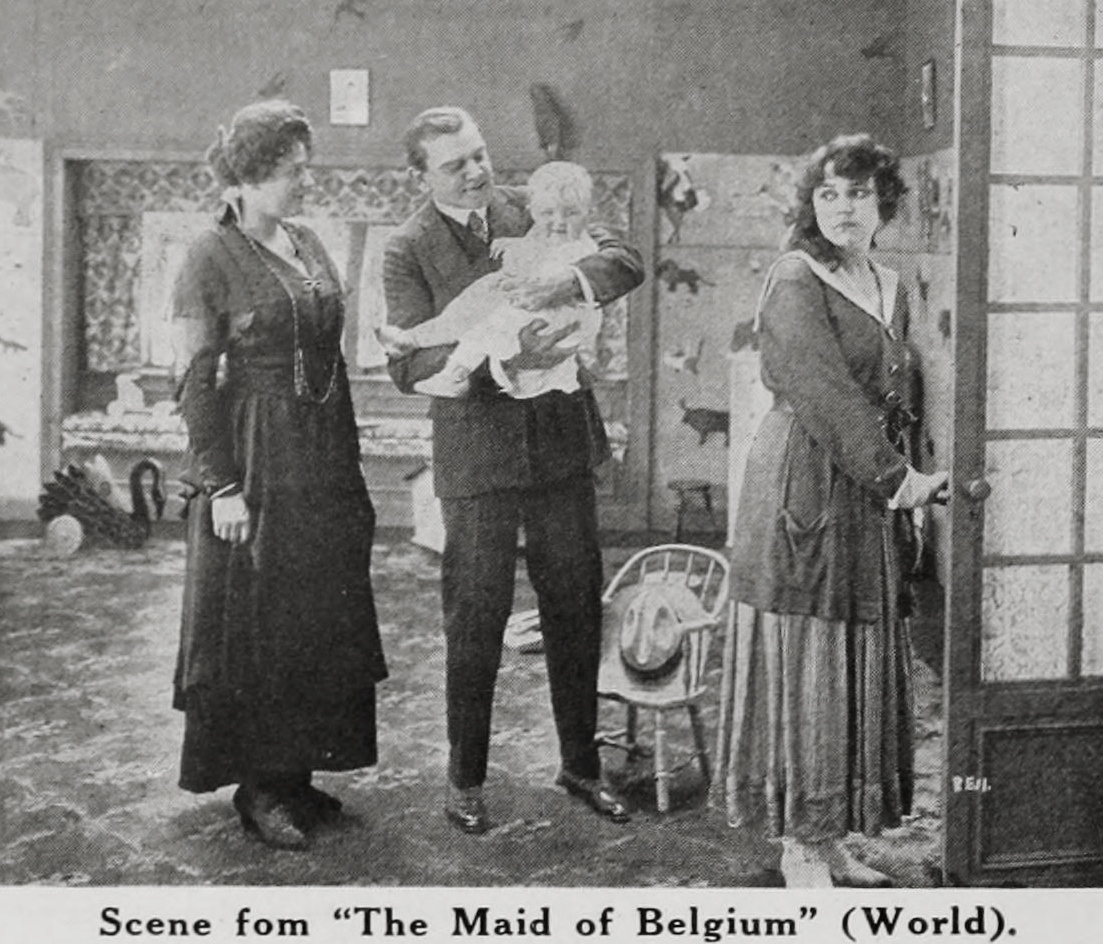
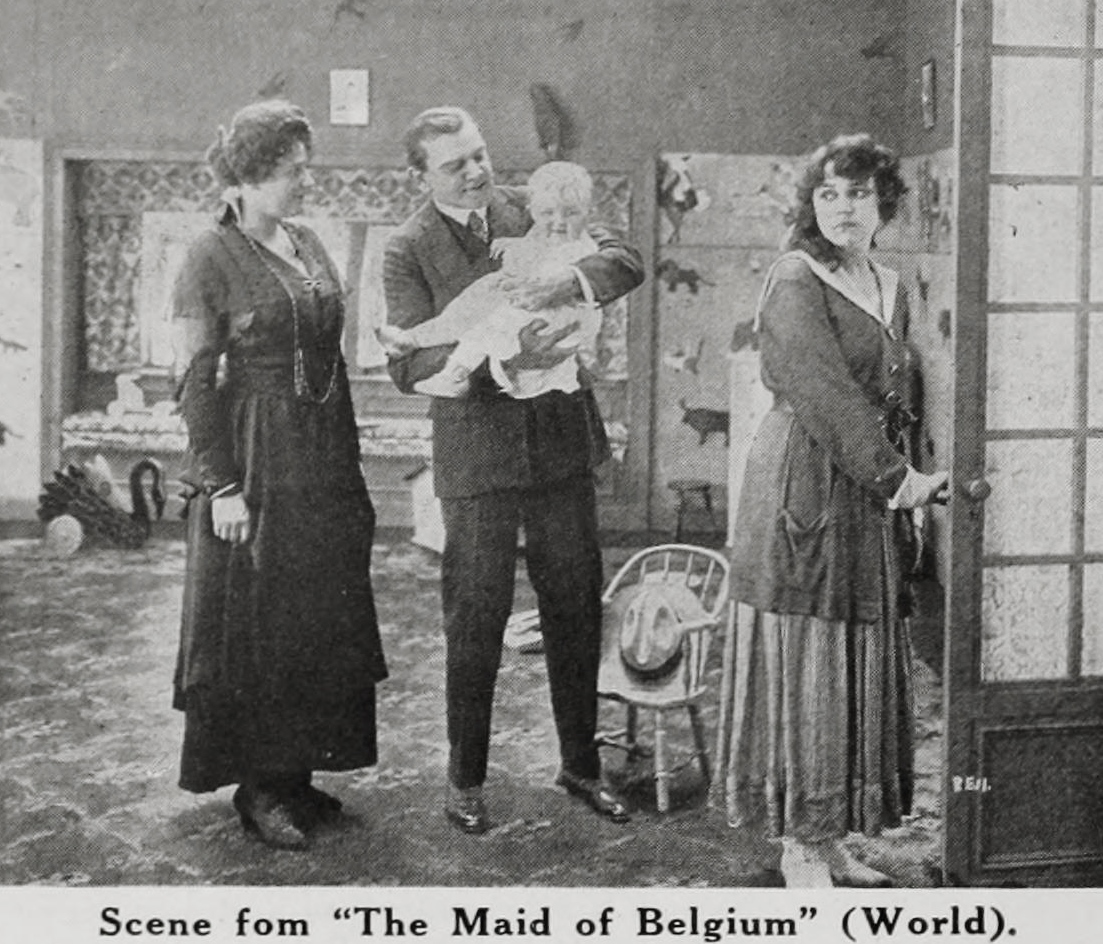
Dir: George Archainbaud
Adoree, a young Belgian girl, half-mad by the war horrors that she has experienced,is found by the Hudsons, a wealthy American couple who take the amnesia-stricken girl back to the United States with them. Soon after, Roger Hudson is called away to business in South America, and when his wife Claire discovers that Adoree is pregnant, she convinces the girl to allow the Hudsons to claim the child as theirs. The child is born and Dr. Thorn cables Hudson to come home because his wife has given birth. Meanwhile, Adoree, longing for her baby, steals the infant and disappears. Finding the girl's coat near a lake, Hudson assumes that she has drowned and dynamites the lake in order to locate her body. The explosions restore Adoree's memory, and she recalls her marriage to the Vicomte Jean de Michelet, who happens to be in town raising money for Belgian relief. The vicomte is brought to his wife and the family is happily reunited.
View Details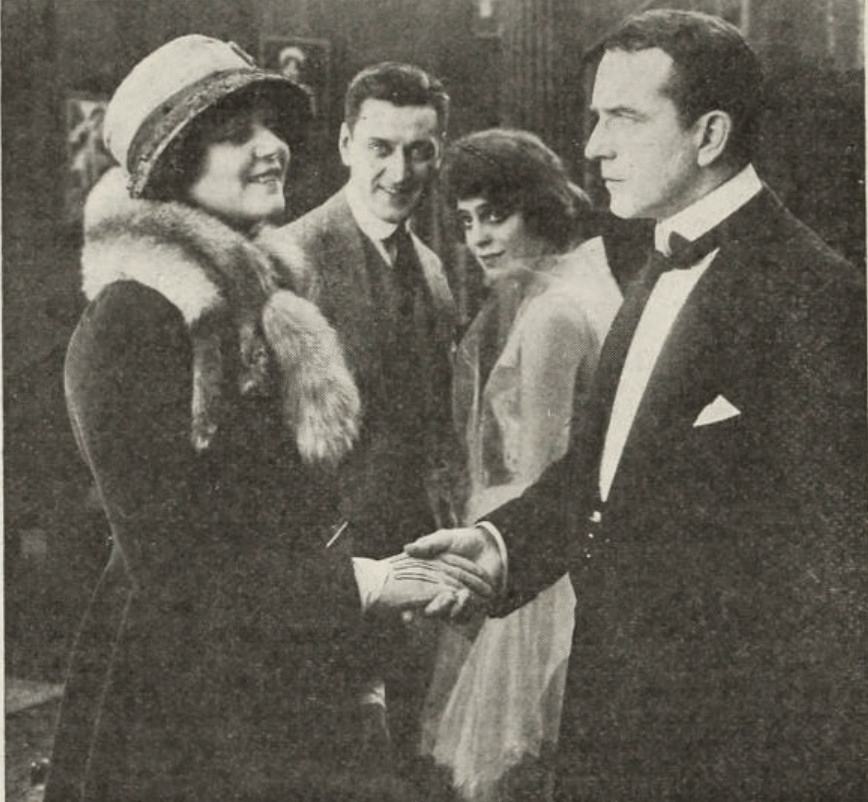
Dir: George Archainbaud
After graduating from finishing school, Claire Wilson falls into the hands of wealthy rake Mason Forbes. After installing her as his mistress, Mason abandons Claire to marry socialite Grace Hughes. Out of revenge, Grace marries Harold, Mason's younger brother and the two couples live together under one roof. Mason tires of his wife and begs Claire to leave her husband, but she is pregnant and refuses. An indifferent mother, Claire leaves her child with a nurse while she spends her time with Mason in cabarets. When Claire and Harold are reconciled after the near fatal illness of their child, Mason, furious, divulges Claire's sordid past to his brother. Although overwhelmed by the revelation, Harold forgives Claire and Mason, rejected, turns to alcohol.
View Details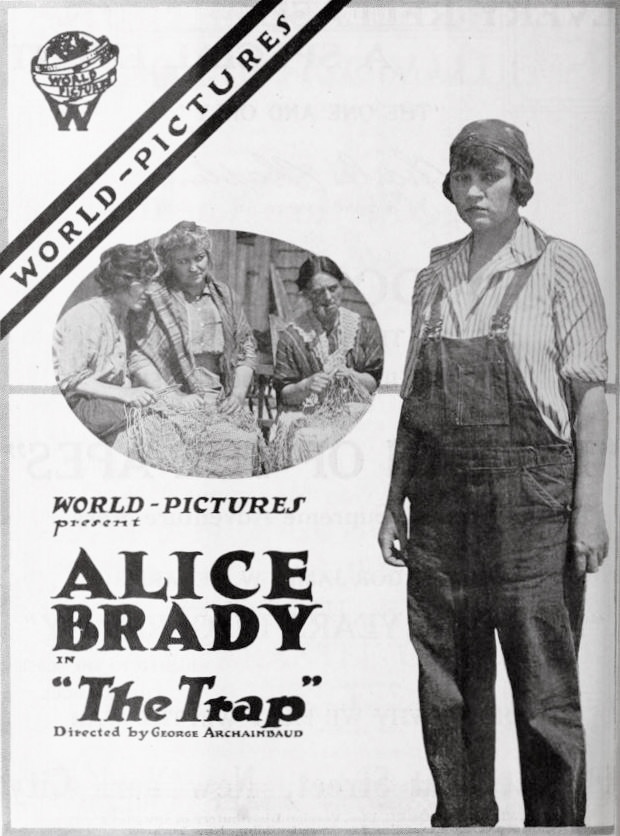
Dir: George Archainbaud
Doris is driven from her small New England fishing village when a jealous admirer implies that her mild flirtation with visiting artist Stuart Kendall was an intimate love affair. Arriving in New York, alone and penniless, Doris finds employment in a Greenwich Village café, where she again meets Stuart and agrees to become his model. Unaware of his true intentions, Doris lives at Stuart's expense and innocently evades his advances. Out West, rancher Jack Masterson sees Doris' face on a poster and journeys East to propose to her. Doris returns his affections, which so angers Stuart that he resolves to prevent the marriage. On the eve of the wedding, Stuart throws a party for Doris, and when the celebration becomes an orgy, he telephones Jack, who arrives and denounces his fiancée. Realizing Stuart's trick, Doris, in turn, denounces him, but Jack overhears their conversation, and the wedding takes place as planned.
View Details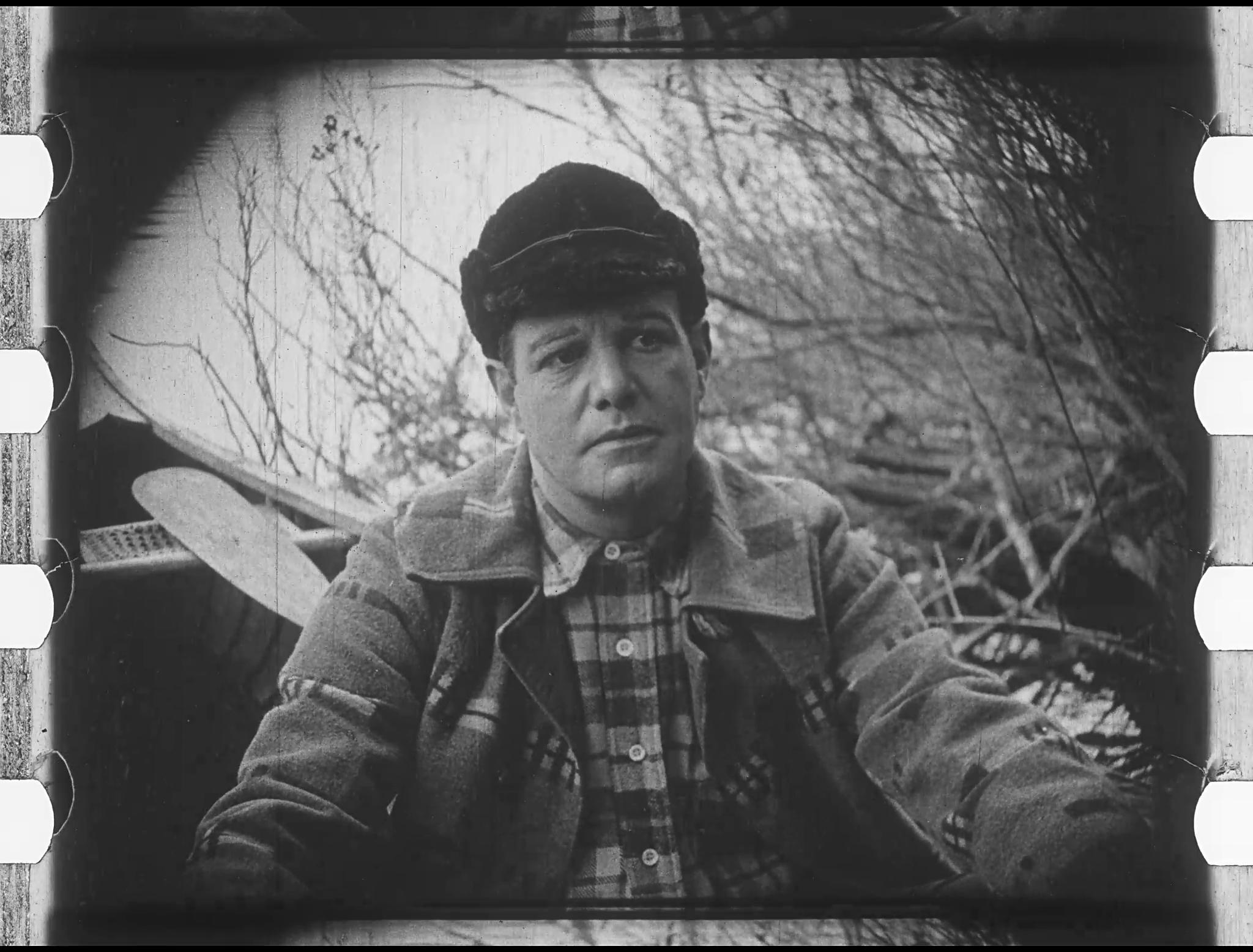
Dir: Edgar Jones
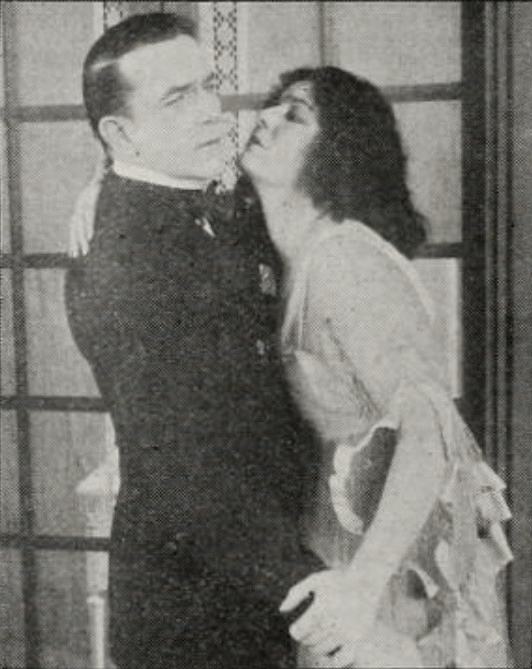
A mail-order bride arrives at a Maine lumber camp but doesn't like her prospective husband.
View Details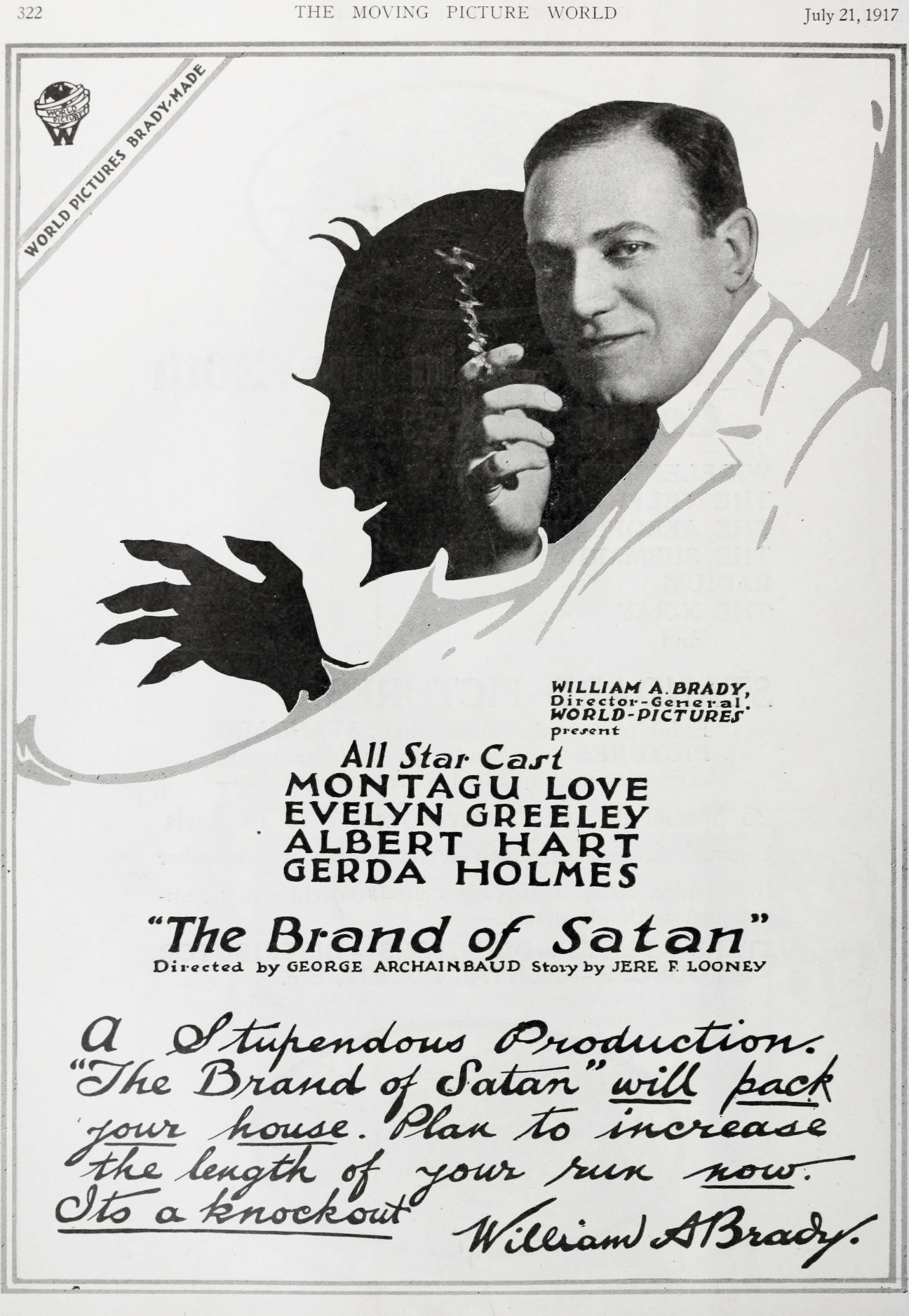
Dir: George Archainbaud
A man discovers that he has two personalities--and one of them is a notorious strangler.
View Details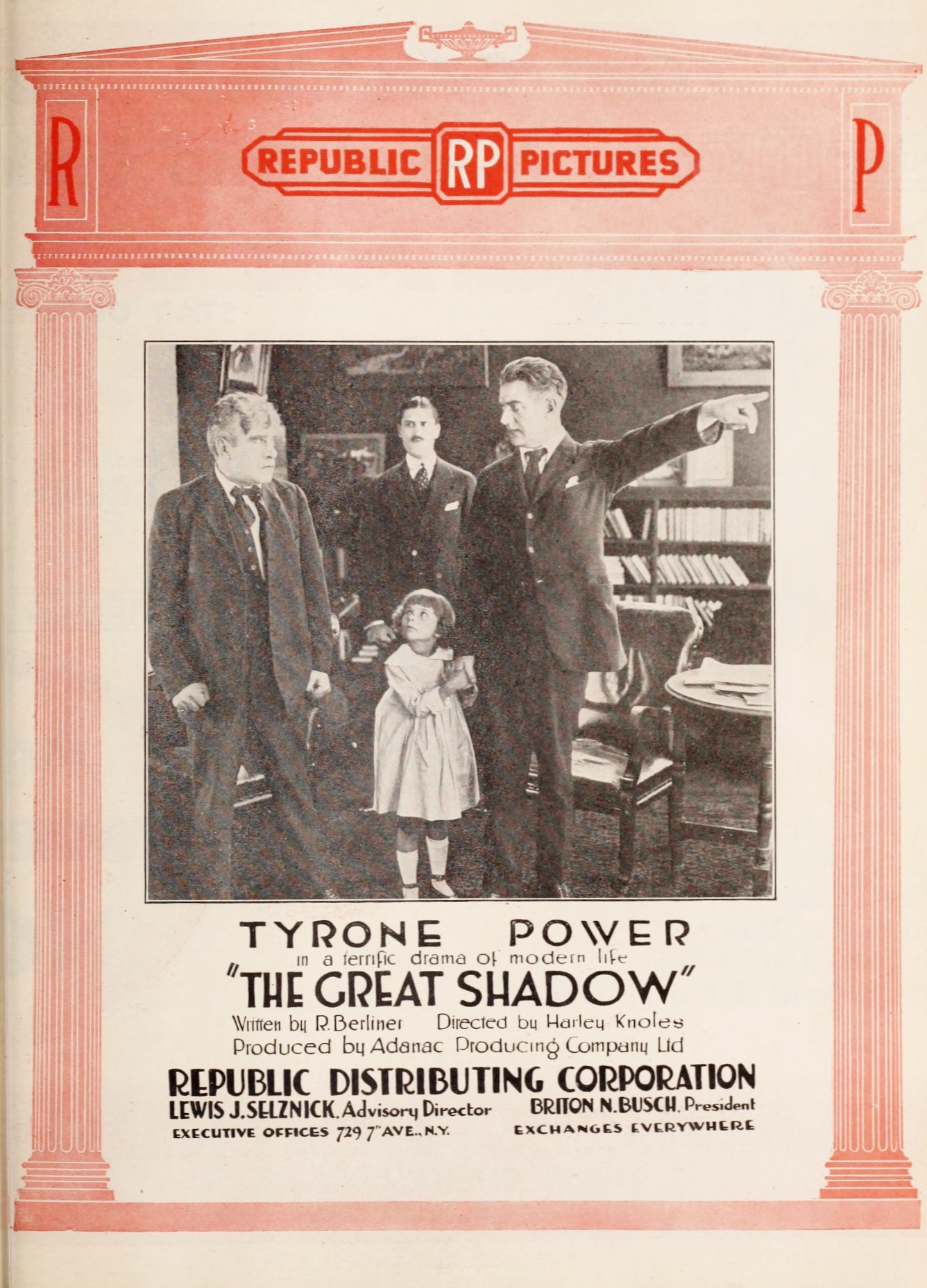
Dir: Harley Knoles
Jim McDonald, the foreman of a shipbuilding plant and head of the labor union, strives to combat the anarchistic propaganda being put forth by Klimoff, the leader of a Bolshevik gang whose goal is to disrupt the country with strikes and anarchy. Despite McDonald's efforts, a strike is called, resulting in chaos. McDonald's child is knocked down by runaway horses abandoned by their striking driver, and dies. Mob scenes take place in America, as well as in Russia. Eventually, the unrest is quelled with an armistice called between Capital and Labor for a year, during which time wages are to be increased to reflect the cost of living, and leaders are to work out a common plan for their mutual advantage. The strikers now realize that they have been pawns of the Bolsheviks and call off the strike, agreeing to the plan.
View Details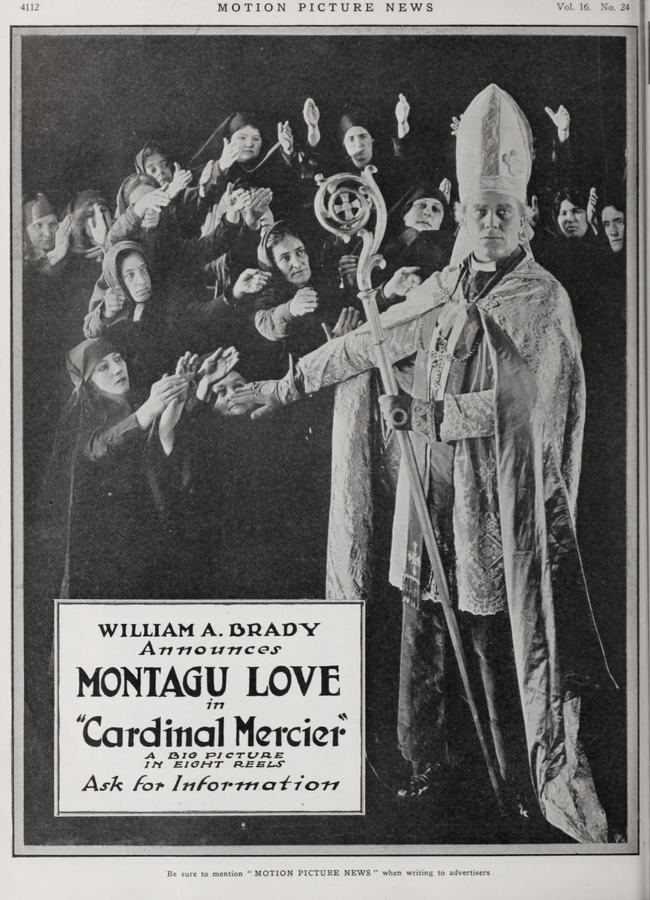
Dir: George Archainbaud
Cardinal Mercier protects the altar of his church from desecration when German forces invade the Belgian city of Louvain during World War I. Although the soldiers commit widespread atrocities, the cardinal does his best to protect the townspeople. Cardinal Mercier's young ward, Liane de Merode, is betrothed to Belgian officer Maurice Lambeaux, but the German governor general tries to gain possession of her against the cardinal's will. Despite the plotting of the governor general, Maurice breaks through the German lines in a disguise. Secretly the cardinal marries the young couple and smuggles them across the border to France.
View Details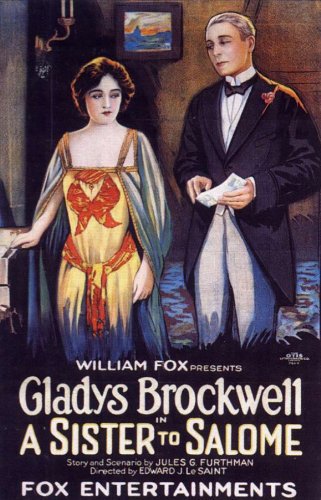
Dir: Edward LeSaint
When famous opera singer Elinore Duane undergoes an operation on her throat, she has a series of ether-induced visions. In one, she is transported to ancient Rome where she appears as a much-admired woman in love with Paul, a young heretic, and at odds with Lutor, the high priest. To save her love, she poisons Lutor with her ring. After several other visions which involve variations on this love triangle, Elinore awakens to discover that Lutor is actually her doctor, Sascha Jaccard, and that Paul is the son of a friend who has come to visit the recovering prima donna.
View DetailsAnalysis relative to Thirteen Women
| Film Title | Atmosphere | Complexity | Similarity |
|---|---|---|---|
| A Damsel in Distress | Surreal | Layered | 86% Match |
| The Jackeroo of Coolabong | Ethereal | High | 85% Match |
| A Maid of Belgium | Surreal | High | 89% Match |
| As Man Made Her | Ethereal | Linear | 93% Match |
| The Trap | Gritty | High | 89% Match |
This guide was algorithmically generated using the cinematic metadata of George Archainbaud's archive. Last updated: 6/27/2026.
Back to Thirteen Women Details →