
DbcultAccessing Vault...
Recommendations
Senior Film Conservator
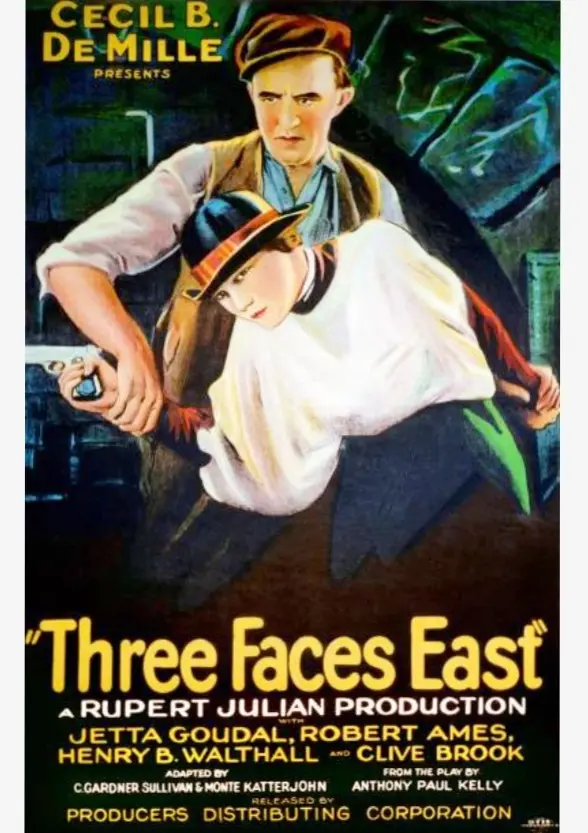
If you found yourself captivated by the poignant storytelling of Three Faces East (1926), the profound questions raised in 1926 still require cinematic answers today. Experience the United States influence in these recommendations that echo Three Faces East.
Three Faces East remains a monumental achievement to provide a definitive example of Rupert Julian's stylistic genius.
An English aviator who is taken prisoner during the war is nursed by a woman who bears a German name but in reality is a British intelligence bureau operative. He falls in love with her. She gees to England and is commissioned to investigate the activities of a spy, with whom she is soon in love. Her love of her country prevents her marrying him, however, and the aviator, also returned to England, is told she will wed him.
Three Faces East was a significant production in United States, showcasing the immense talent of Clive Brook, Edythe Chapman, Clarence Burton. It continues to be a top recommendation for anyone studying Drama history.
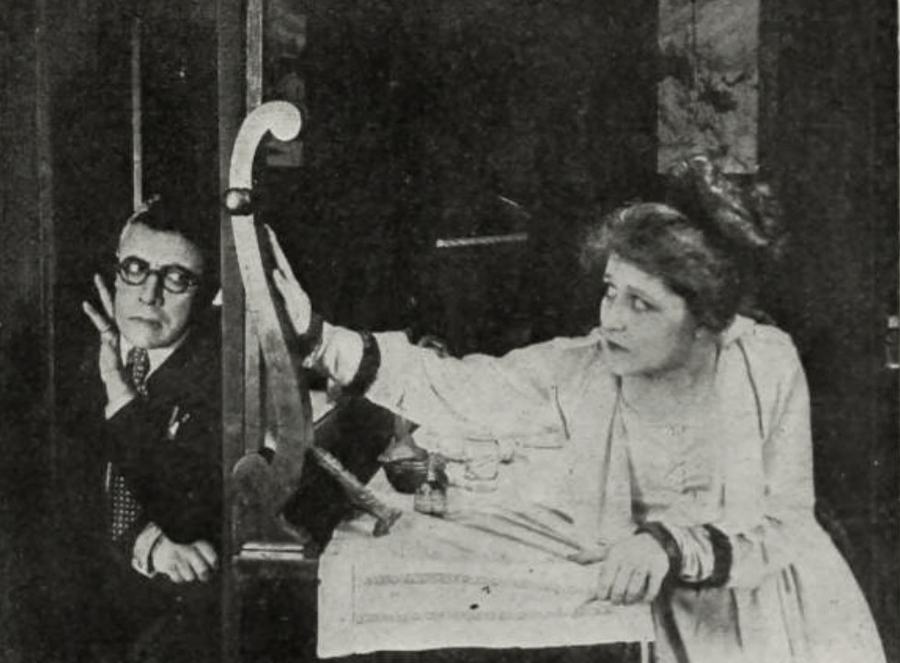
Based on the unique poignant storytelling of Three Faces East, our vault has identified these titles as the most compelling follow-up experiences for fans of Drama cinema:
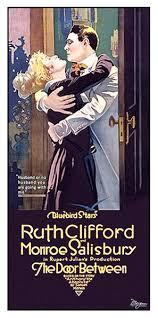
Dir: Rupert Julian
Anthony Eckhart, a student of Oriental music, meets Crocker in a Geisha house where he extricates the intoxicated man from the results of an attack upon a waiter. Crocker explains that his wife has left him and there is only drink left. Anthony discovers a woman with marvelous voice at the hotel and falls in love with her before he finds that she is Crocker's wife. He confesses to Crocker and offers to leave if Crocker will leave her alone. Crocker promises an answer, but comes to kill his wife. Anthony prevents him and at last Crocker proves a man.
View Details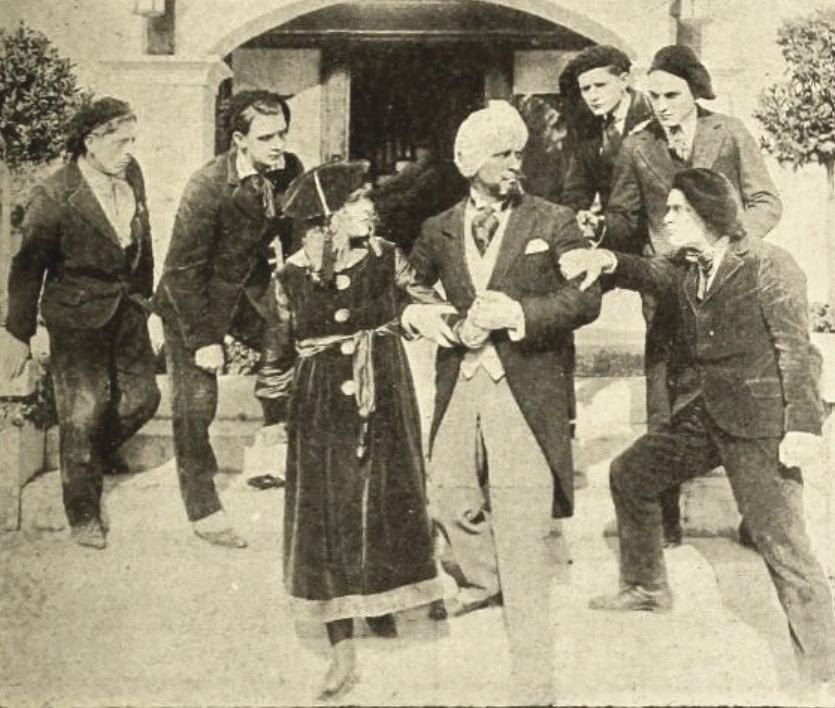
Dir: Rupert Julian
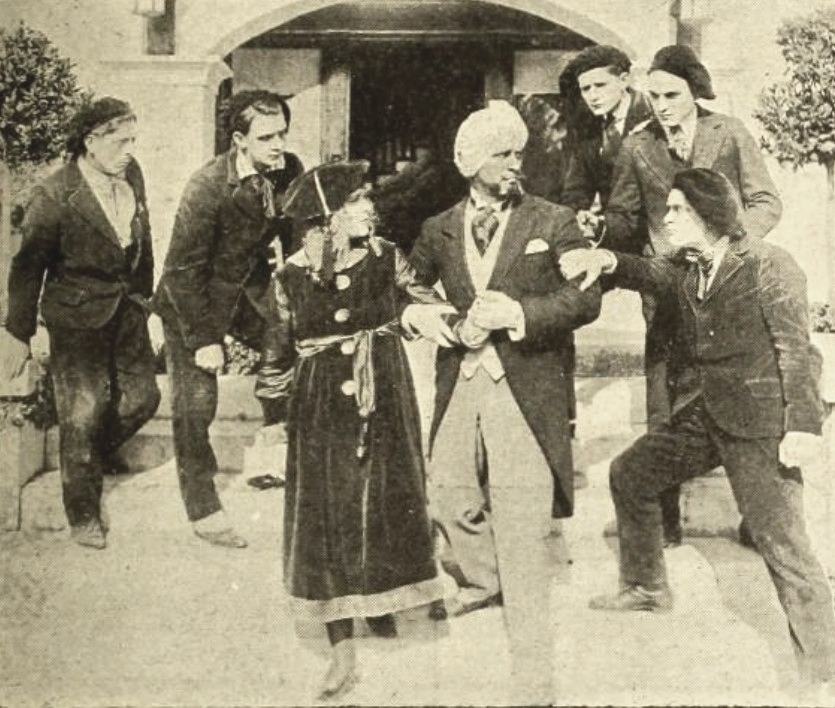
While Major Abercrombie and wife were hurrying through a Persian forest, in order that Mrs. Abercrombie might reach an English settlement to bear her child, a tent was hurriedly pitched, and there a little girl was born. The mother surrendered her life and Major Abercrombie went mad with grief. He ran into the forest and was killed by lions. Usun Hassan, while passing with his huntsmen, discovered the tent and sent Malec, his secretary, to investigate. Malec found the dead body of Mrs. Abercrombie and heard the faint cry of her baby. The body of the woman was buried and the babe was carried to Hassan's harem. There she grew to become a beautiful girl, with Malec acting as her tutor. They called her Rokaia. Hassan having decided she should marry a merchant whom she loathed, Rokaia readily listened to Malec's proposal that she go with him to France. Having provided her with clothes, money and tickets, Malec was detected while helping the girl escape. Malec hid himself away to save his head, while Rokaia proceeded to France. Arriving at Marseilles the girl was robbed of her purse, thus becoming easy prey for a young gallant who made her acquaintance and started to take her to his apartments. Rokaia was struck by an automobile and her admirer found safety in flight. The motor was owned by Marquis De Tonquin, who helped Rokaia into the tonneau and drove her to his home. There she was found to be little hurt. The Marquis about this time received a letter from the Parisian college where his son, Marcel, was being educated, stating that the boy was incorrigible. Believing that there must be a "woman in the case," the Marquis prevailed upon Rokaia to go to Paris as his son's companion. Marcel did not look upon the girl as his father would have him, but secured separate lodgings for her, where he lived, and treated her with utmost respect. The day Rokaia arrived in Paris she halted before a Persian bird-vendor and asked the directions to Marcel's lodgings. It so happened that Malec had just arrived from Persia and lived at the Asiatic lodgings where the bird-vendor stopped. He heard the man's gossip about the girl who spoke in his own tongue and bought his birds. Malec believed he was on the trail of the girl be sought, and went to the address the bird-vendor gave him, and there found Rokaia. Through hypnotic influence he controlled the girl so far as to cause her to go away with him. Marcel was informed by his fellow students, when he returned, after a brief absence from his lodgings, that Rokaia had just departed, and the note she left for him confirmed the story. When a drayman called for Rokaia's trunk, Marcel learned her address, and leading a party of students, went to her rescue. The happy ending was attained when Marcel and Rokaia were married.
View Details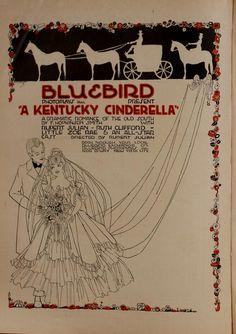
Dir: Rupert Julian
After the death of her father, a young girl goes to live with her uncle in Kentucky. She immediately comes into conflict with her uncle's shrewish wife.
View Details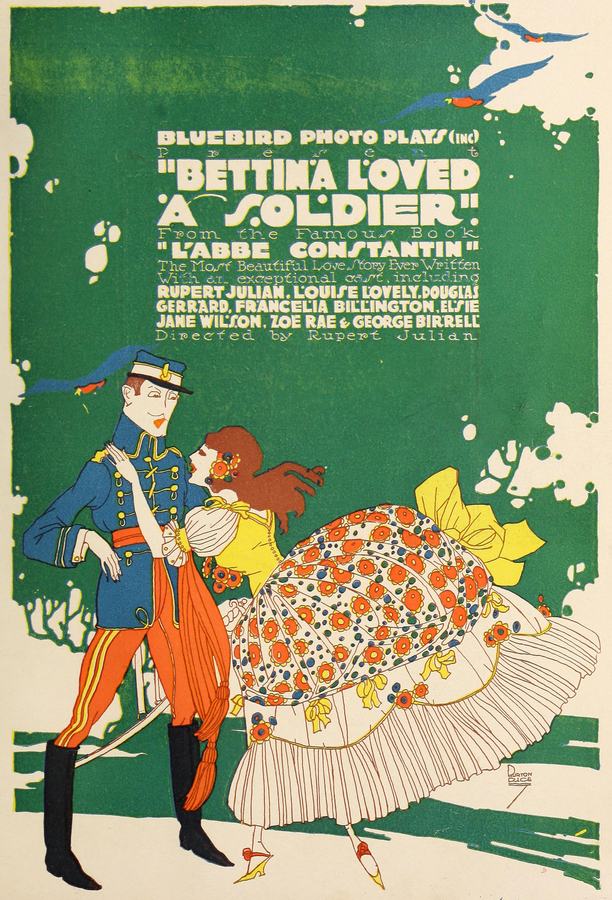
Dir: Rupert Julian
In 19th-century France, wealthy, single young Bettina is pursued by dozens of young men, but she believes that they're interested more in her money than in her and rejects them all. Young Army Lt. Jean Reynaud meets her and falls for her without knowing how wealthy she is; when he finally finds out, he is afraid that, because of her high social status and his low one, he'll be perceived to be just another gold-digger, and his sense of honor won't permit that, so he turns her away. She, however, doesn't want to be turned away, and he finds the tables turned when she pursues him.
View Details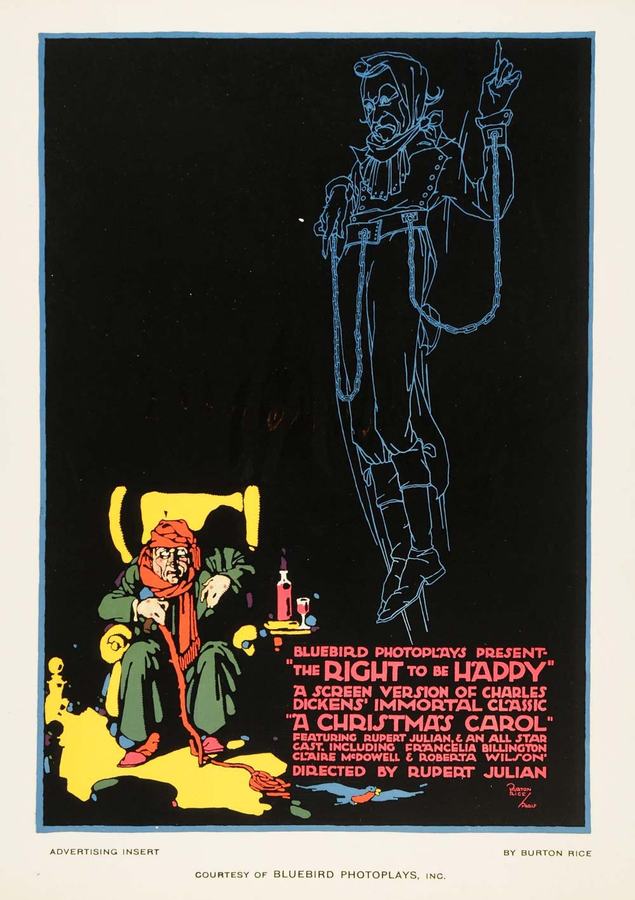
Dir: Rupert Julian
A heartwarming retelling of Charles Dickens' 'A Christmas Carol' where Ebeneezer Scrooge is visited by three spirits in an attempt to save his soul.
View Details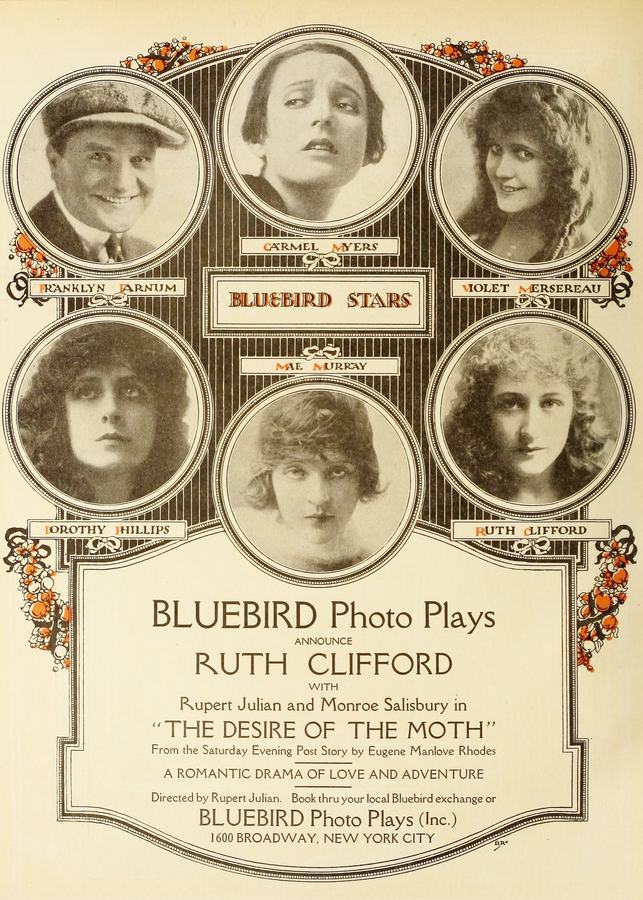
Dir: Rupert Julian
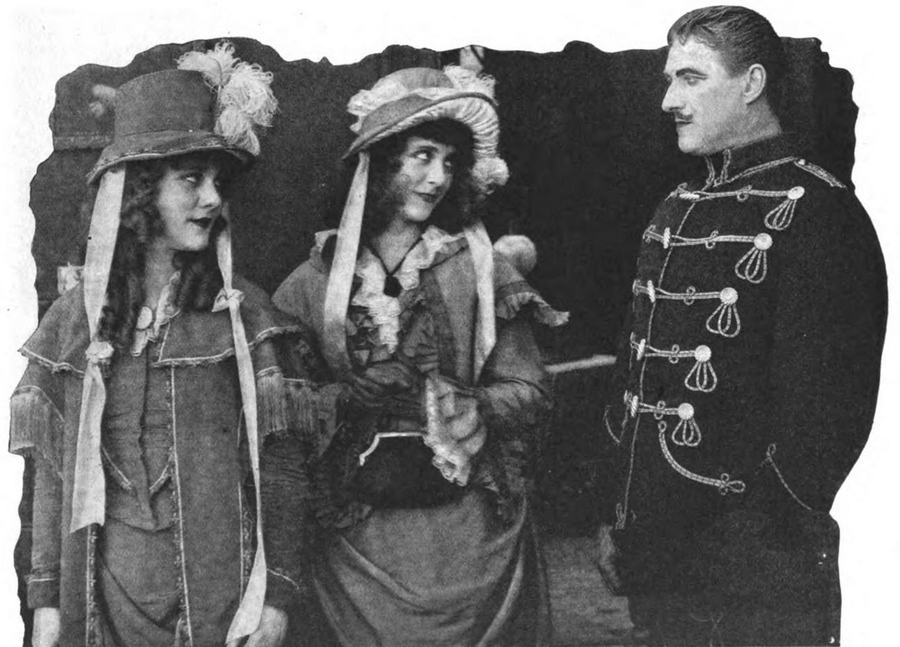
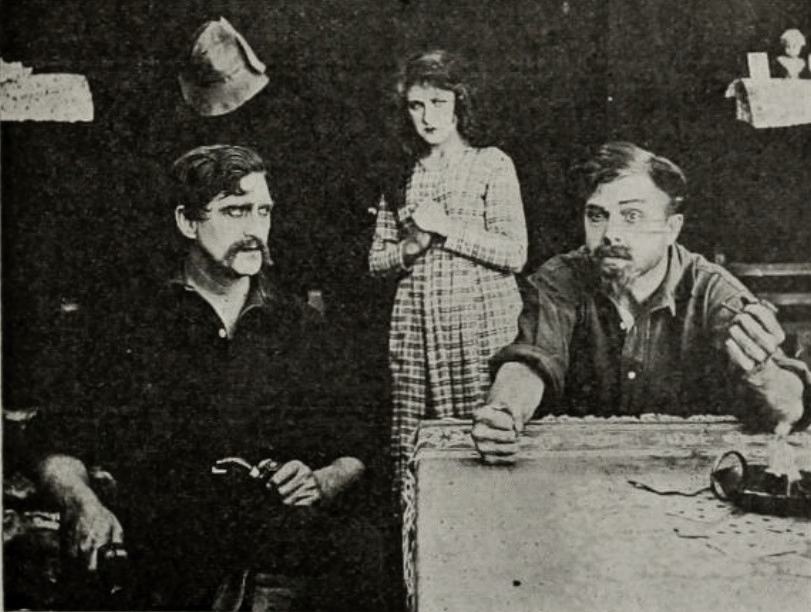
Christoper Foy, who is running away from the authorities, is injured during his escape and takes refuge at the mountain cabin of Colonel Vorhis and his daughter Stella. Stella takes pity on Foy, and the Colonel, admiring Foy's confession of guilt, takes steps to have him pardoned. He and Stella fall in love and Foy remains honest, but when he is accused of cattle stealing, he again runs away. When John Wesley Pringle, who also loves Stella, learns that Foy is innocent but is the object of a conspiracy, he helps Foy by uncovering the plot. Despite his love for Stella, Pringle helps to prove that Foy is innocent so that Stella can find happiness with the man she loves.
View Details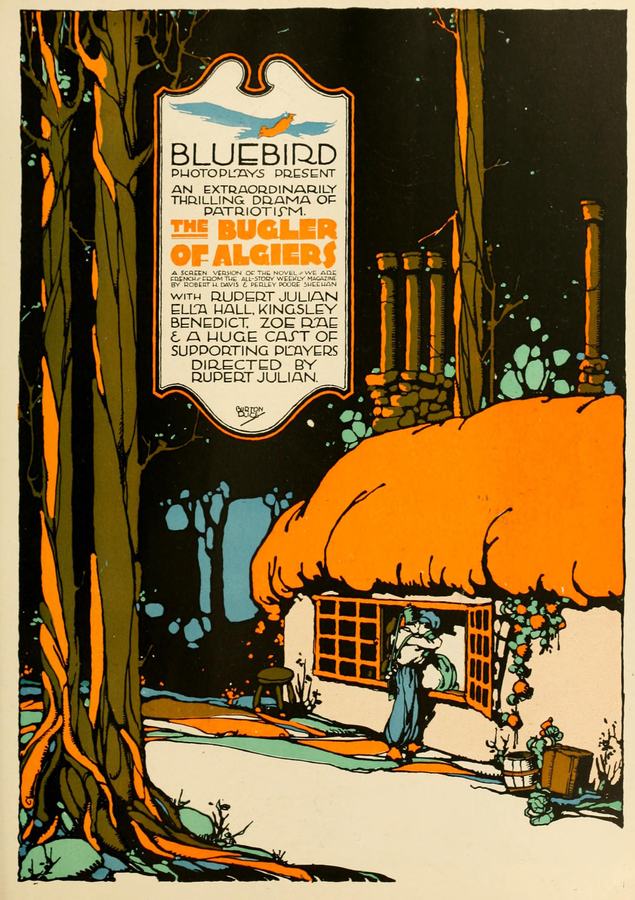
Dir: Rupert Julian
In a little town in France live orphan siblings Gabrielle and Anatole Picard. Gabrielle has been a mother to her brother since their own mother died and they are devoted to each other. Their friend is Pierre Dupont, who is in love with Gabrielle. When the call comes to fight for France, the two men join the colors. Gabrielle promises Pierre that if he will watch out for her brother that she will marry him upon his return. In the field, Anatole becomes the bugler of the regiment and during one of the skirmishes he and Pierre become separated from the main division of the army and with them, Peppy, the drummer boy, who dies. So it is that the report comes to the village that the two men are dead. Later the invading army reaches the village. They enter the cottage of Gabrielle and order her to serve them with drinks, which she does, but when they order her to drink a toast against France, she throws the liquor in the officers' face. Years elapse and Anatole and Pierre return to the village. No one knows of Gabrielle's whereabouts, as she was last seen when the invading army entered the village. Their search is fruitless. At last they settled down in the rebuilt cottage. But never does Pierre lose an opportunity to recount the valor of Anatole when the commander of the foe ordered him to give the bugle call for retreat with the promise that he would be spared and instead Anatole had given the call to charge. Thus the enemy was routed. Dissard, an officer of the French government, is at the head of a committee to bestow honors upon those who have done brave deeds. It so happens that the reception which he has planned for a certain officer will have to be abandoned, owing to the hero's death, unless Dissard can find some other one to take his place. The records are searched and it is decided to decorate Anatole Picard. Accordingly he is sent for. Pierre and Anatole decide to march to Paris in spite of the protest of the villagers, but just as they are at the gates of Paris, Anatole becomes so weak that he cannot go further and dies in a peasant's cabin. Pierre goes on alone and receives the decoration from the President and makes a speech which wins the hearts of his audience. He tells them of Gabrielle and the part she had had in making a hero of Anatole, spectators thinking that Pierre is Anatole. Much to his surprise, Gabrielle, now an old woman, enters the banquet room and the two are united. On their way back to the village, she asks where her brother is and Pierre promises to take her to him. They go to the little peasant cabin where Pierre left Anatole and shrouded in the flag of France. Then Pierre decorates the body with the cross which he received for Anatole, as he never intended keeping the honor for himself.
View Details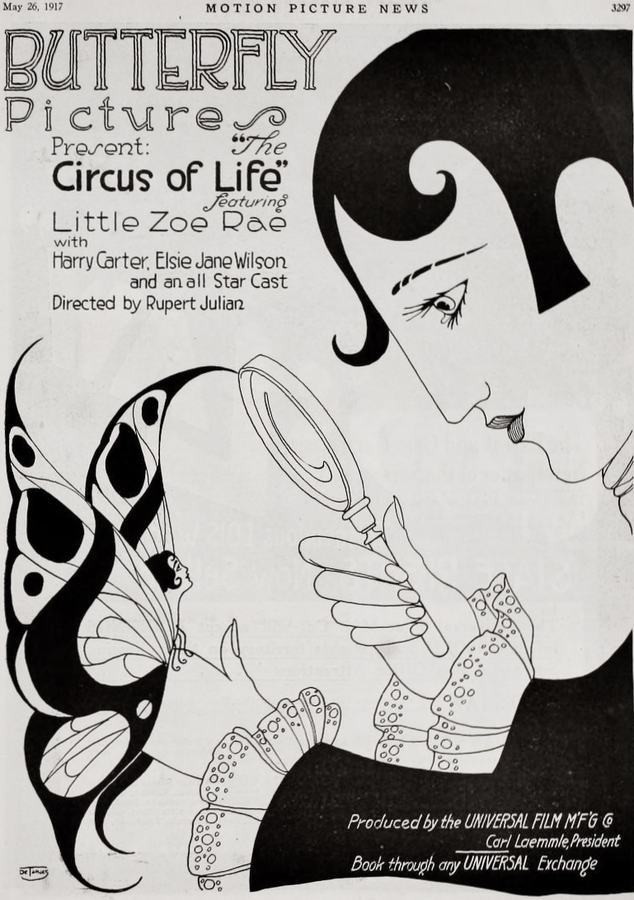
Dir: Rupert Julian
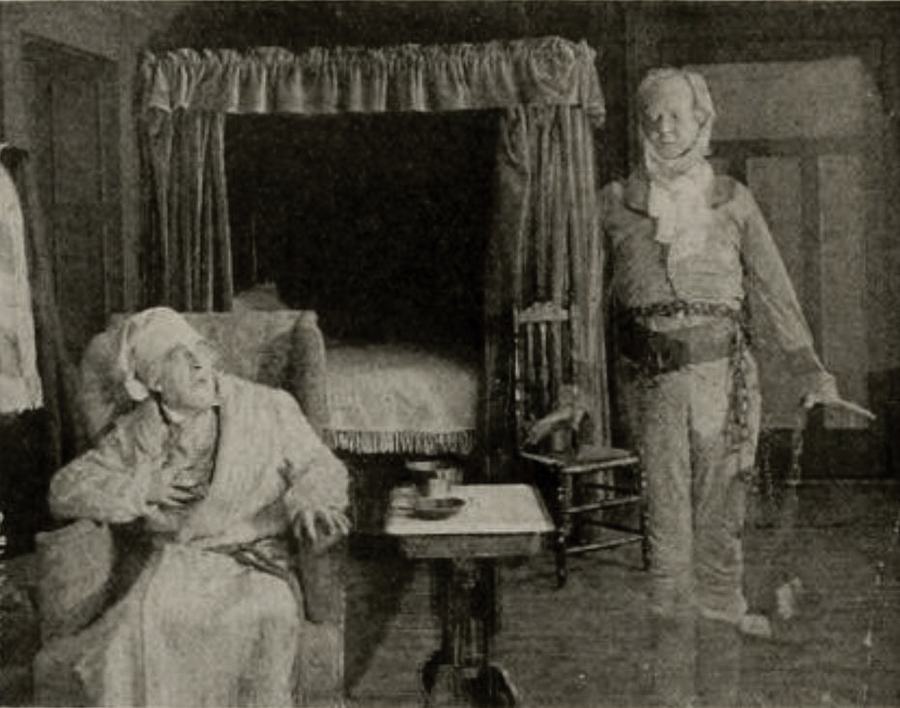
Danny, the driver of a brewery wagon, marries Mamie; soon after, she becomes infatuated with artist Gaston Bouvais. When Marie gives birth to Daisy May, Danny is led to believe at the hospital that the baby is not his. Shattered, he embarks upon a life of drinking and carousing. Nevertheless, he loves the little girl, and as she grows up, Daisy May joins him on the brewery wagon. On one of these trips, Danny drinks too much and loses control of his horses, and Daisy May is injured in the melee. Meanwhile, Bouvais has finally convinced Mamie to run away with him, but Danny's accident finally awakens in her the love she feels for him, and she refuses to go. Rejected, Bouvais marries another woman and happiness is restored to Danny and Mamie. When they reconcile, Daisy May recovers and Danny embarks upon the new career of driving a milk wagon.
View Details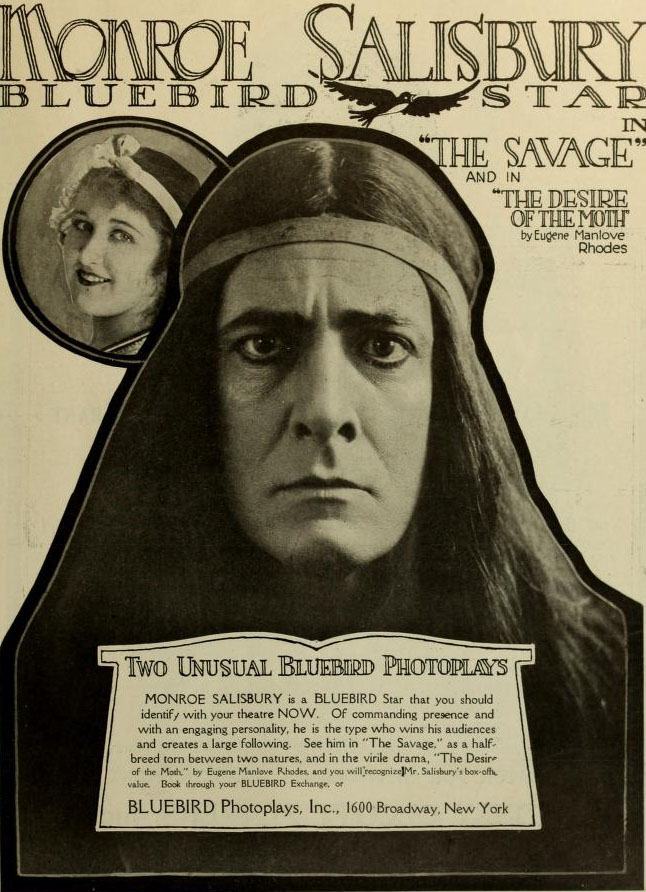
Dir: Rupert Julian
When Marie Louise, the daughter of the town factor, returns home from school, Julio Sandoval, a reckless young half-breed ruled by his animal instincts, develops a passion for the girl, even though she is engaged to Captain McKeever of the mounted police. Meeting Marie when she is alone in the woods one day, the half-breed carries her to his cabin on the mountain top where he collapses from an attack of mountain fever brought on by overexertion. Taking pity on Julio, Marie nurses him back to health, and when the rescue party arrives, she does not betray him. Upon her return to town, Marie learns that McKeever has been taken prisoner by the outlaw Joe Bedotte. Marie pleads with Julio to rescue the captain, and in gratitude, he goes to the mountains, frees the captain and surrenders his own life as a consequence.
View Details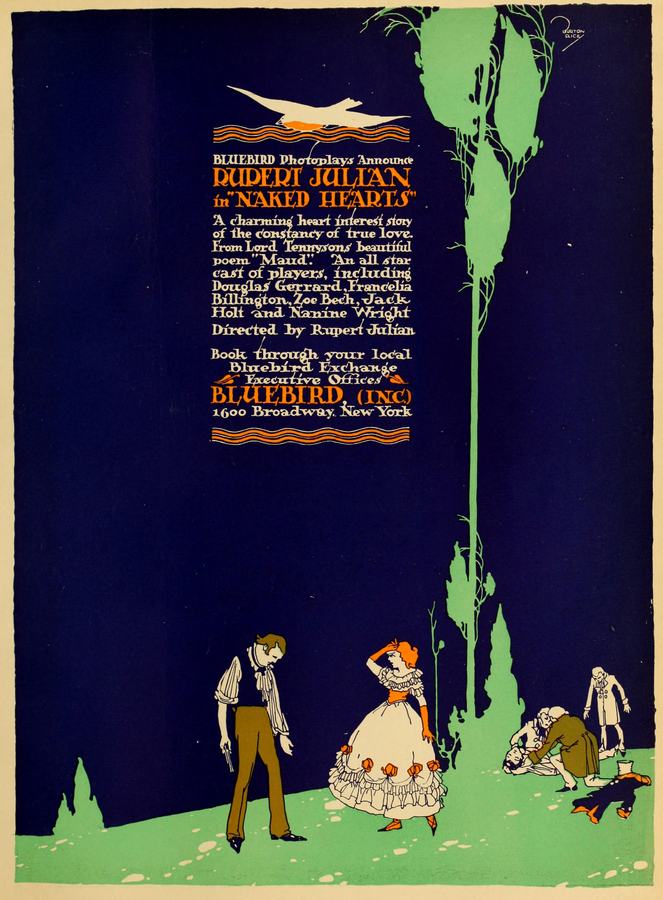
Dir: Rupert Julian
Two families had been neighbors in the South for years; Maud, her brother Howard, and Cecil Lane were playmates. One day as they were playing on the lawn the fathers of Maud and Cecil betroth their children in a bumper of wine. Shortly thereafter Cecil's father loses his fortune through poor speculation and commits suicide. Maud is sent away to school. Cecil begins a musical education, remaining at home and growing up to be the village music teacher. Years later Maud returns home, and soon her brother Howard arrives with a foppish friend, Lord Lovelace, who straightaway lays siege to Maud's heart. Maud and Cecil meet at the village shrine and renew their childhood love. Against her will Maud consents to a betrothal with Lord Lovelace. On the night of the betrothal party Maud and Cecil plan to elope, but their arrangements are discovered and thwarted, a duel between Cecil and Howard developing with in the hour. Maud hears the shots fired, and beholding her brother slightly wounded sends Cecil away in anger. He leaves the village under the impression that Howard will die. Cecil goes far away, and in a great city his musical talents are recognized. Maud, meanwhile, in contrition, would have Cecil return to her, but he keeps his mother poorly informed and Maud is unable to get word to him. When Cecil composes the song, "Come Into the Garden, Maud," his fame is assured. At this time war breaks out and Cecil, Lord Lovelace and Howard become soldiers, eventually meeting on the battlefield. Lord Lovelace knows of Cecil's song and his great fame as its composer, and at the moment he is about to die of his wounds, Lord Lovelace sends word to Cecil, that Maud is waiting for Cecil in the garden. Believing that Cecil has been killed in battle at the same time her brother Howard and Lord Lovelace die of their wounds, Maud decides to dedicate her life to religion and enters a convent. When Cecil ultimately comes home he is too late to reach Maud with any communication. He spends the rest of his life in sorrow going every day to the convent walls and playing his famous song that Maud might hear and know that he thus awaits the final end, faithful to his childhood sweetheart.
View DetailsAnalysis relative to Three Faces East
| Film Title | Atmosphere | Complexity | Similarity |
|---|---|---|---|
| The Door Between | Surreal | Dense | 87% Match |
| The Gift Girl | Tense | Linear | 85% Match |
| A Kentucky Cinderella | Ethereal | High | 94% Match |
| Bettina Loved a Soldier | Surreal | Linear | 93% Match |
| The Right to Be Happy | Gritty | Linear | 95% Match |
This guide was algorithmically generated using the cinematic metadata of Rupert Julian's archive. Last updated: 8/17/2026.
Back to Three Faces East Details →