
DbcultAccessing Vault...
Recommendations
Senior Film Conservator
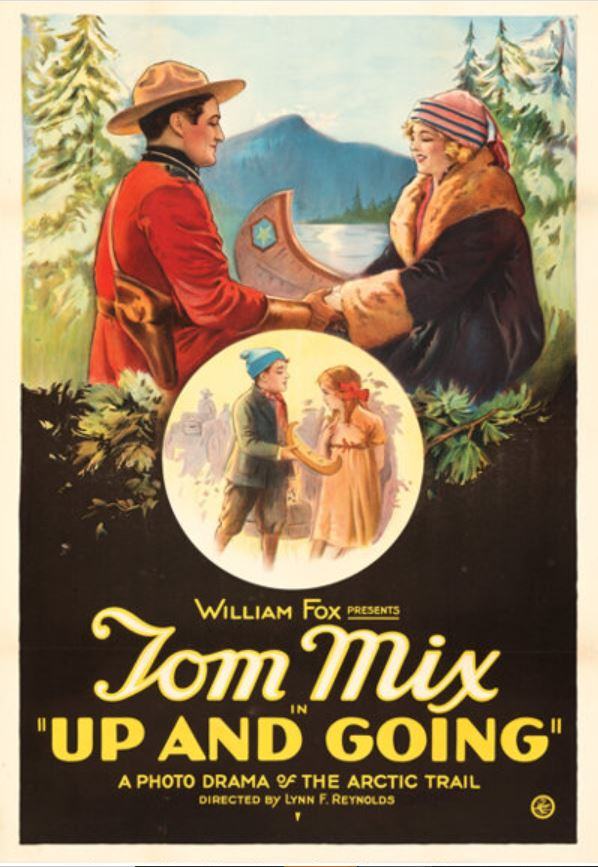
In the vast archive of Action cinema, Up and Going stands as a emotional resonance beacon, it's essential to look at the contemporaries that shared this emotional resonance. Our cinematic experts have identified several titles that reflect the spirit of 1922.
Few films from 1922 manage to capture to leave an indelible mark on the history of United States film.
David Brandon, born in the Canadian Northwest, is taken to England when his father, Albert, inherits a title and a fortune. Later, as a youth, when he fails to win the girl he loves, David returns to Canada. Joining the Mounted Police, he aids in tracking some bootleggers. Jackie, his childhood sweetheart, warning him of an attempt to frame him, is kidnapped and held prisoner. David learns of her plight through an old woman (actually his mother, whom he had previously thought dead) who befriends him. Following a long chase and an undersea fight, he rescues Jackie and discovers the identity of the woman his father had deserted years before.
Critics widely regard Up and Going as a cult-favorite piece of Action cinema. Its emotional resonance is frequently cited as its strongest asset, solidifying its place in United States's film legacy.
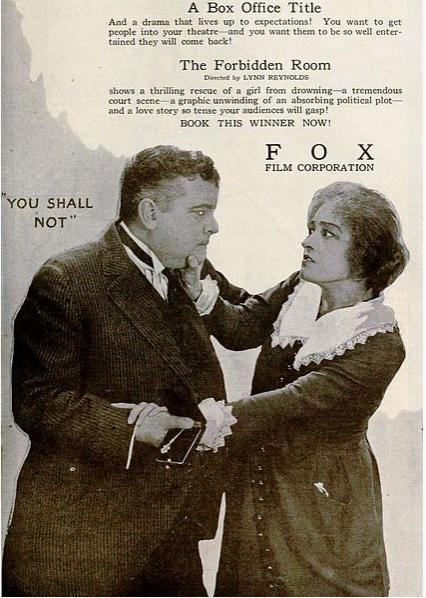
Based on the unique emotional resonance of Up and Going, our vault has identified these titles as the most compelling follow-up experiences for fans of Action cinema:
Dir: Lynn Reynolds
Ruth, a shorthand, quits to avoid the advances of her employer, the police chief. The young woman finds a new job with Anthony Curtis, the district attorney who, with his battles for the law, is disliked by many police officers.
View Details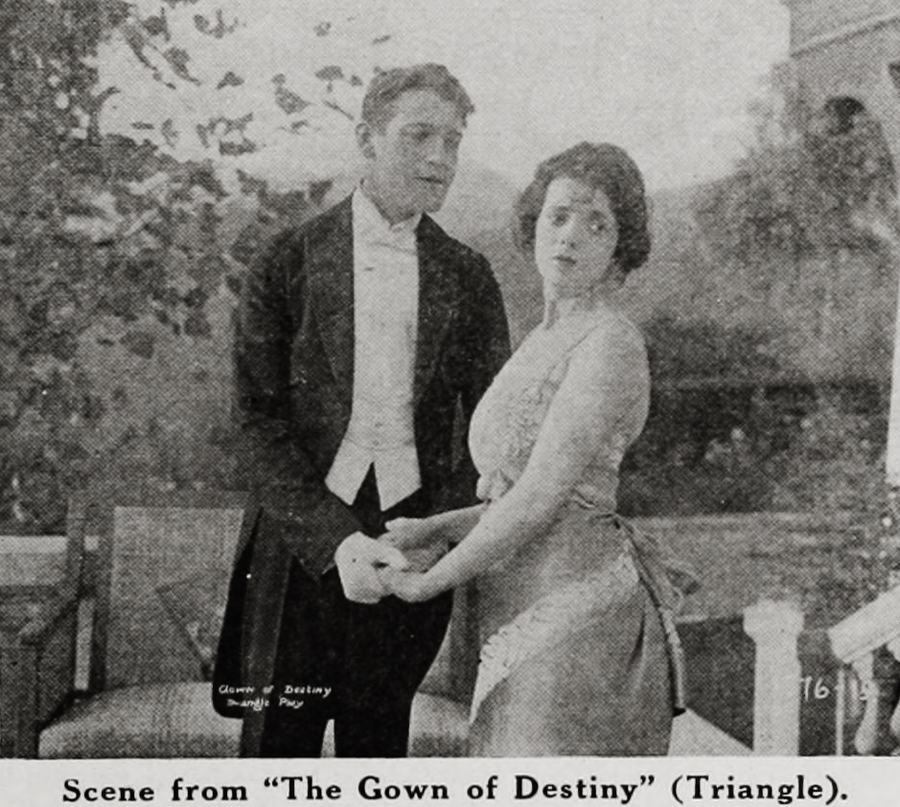
Dir: Lynn Reynolds
Rejected by the army because of his petite size, French dress designer Andre Leriche conceives the idea of designing a gown that will aid his country. His employer, Madame Felice, sells the gown to Mrs. Mortimer Reyton, a middle-aged woman who is gradually losing the love of her husband. The gown so transforms her that, in honor of their wedding anniversary, Reyton buys three ambulances for France. Mrs. Reyton then sends the gown to her cousin Natalie. The garment so inspires Englishman Neil Cunningham that, to win Natalie's love, he returns home to enlist. In France, Neil proves himself a hero and, while leading an attack on a German stronghold, saves Andre's father, the mayor of the town, from death. Thus, the gown made a reality of Andre's dream to serve his country.
View Details
Dir: Lynn Reynolds
In New Mexico, one of the large tungsten mines is owned and operated by William Morton, affectionately known by his associates and employees as Uncle Billy Morton. At the outbreak of the war, he increases his activities as this metal is of great value to the Government for war purposes. Uncle Billy lives near the shaft of the mine with his niece Suzanne. When things at the mine are humming, a man giving his name as Gage arrives in the town. He is in reality an agent of the German government, come with the purpose of instigating a strike among the miners. His accomplice turns out to be the superintendent of the mine. About the same time, Jim Logan comes to town. He shortly wins Suzanne's gratitude and admiration by shooting a Gila monster as it is about to strike at her and then rescuing her from a perilous position on the side of a cliff, where in her nervous fright she fell. Gage is successful in persuading the miners to call a strike, but Logan succeeds in frustrating his plot for the present by breaking up the meeting. To discredit him with Suzanne, Gage circulates stories about his relations in a public place with chorus girl Dolly Dugan. Uncle Billy is beset by four of the plotters and is rescued by Logan. But Gage again plays against him. On a trumped up charge Logan is arrested by the sheriff. Dolly aids in his escape. Gage kidnaps Suzanne and lays plans to blow up the mine. But Logan at last gains the upper hand. He routs the strikers with the assistance of some mule skinners and their animals and captures Gage and Suzanne after a long pursuit. Only then does he disclose the fact that he and Dolly are Secret Service operatives and so, of course, all ends happily. Motion Picture News, September 28, 1918
View Details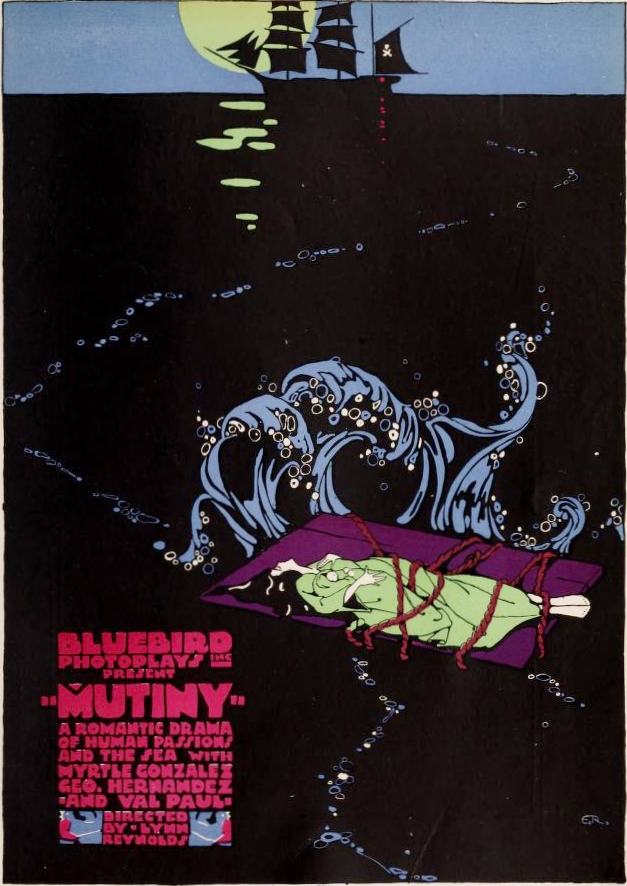
Dir: Lynn Reynolds
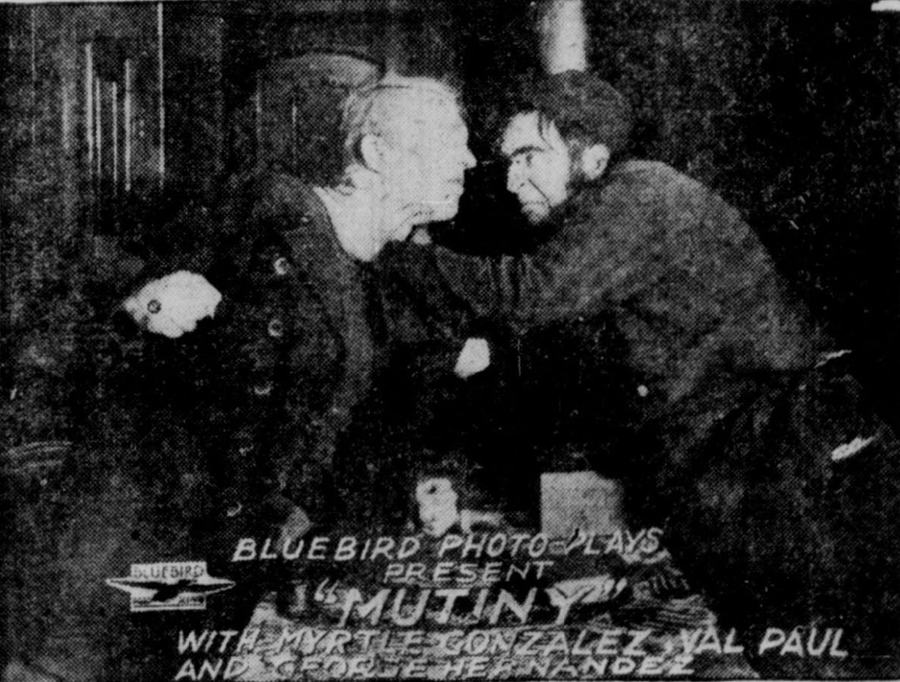
Aaron Whitaker is a seafaring man, owner of the sailing ship Alden Besse. He has promised Jacob Babcock, his first mate, that his daughter Esther shall become Babcock's wife. But Esther is in love with Caleb Tilden, her childhood sweetheart, and her grandfather, in sympathetic interest, advises her to marry Caleb and run the chance of gaining her father's forgiveness. The Alden Besse is at sea when Esther's marriage to Tilden takes place. At about the same time Grandfather Whitaker dies. Jacob Babcock has remained ashore for the purpose of marrying Esther, and when the Alden Besse returns and her skipper finds that his daughter has not married Babcock, his anger is intense. Accidentally he discovers, in Esther's sewing basket, a baby's stocking, and divines the truth. He compels Esther to board the Alden Besse and locks her in a cabin. Then he seeks out Caleb Tilden, and in a fight believes he has killed him. Tilden, however, has simply been stunned and when Whitaker throws him from the wharf his sudden immersion in the cold water revives him and he manages to crawl into a string-piece under the dock, At that moment the Alden Besse is sailing, and Tilden watches her with frenzied interest. He sees Esther as she runs to the stern and attempts to jump overboard. Esther's father drags her back to her cabin and securely imprisons her there. The cook of the craft, Eben Wiggs, is the only man on board who has any sympathy for her. The cook cares for her, even when her child is born. Babcock is sailing on the Alden Besse, and when Whitaker tries to compel his daughter to marry the mate, Esther declares that she will throw herself into the sea before allowing her father to conclude the marriage ceremony. Whitaker, in disgust, abandons his purpose. Later the seamen join in mutiny and kill Whitaker, their leader being Jacob Babcock. In the meantime, Tilden has tried to come upon the Alden Besse by shipping as a sailor in a craft that sailed the same sea the Besse usually did, and has found her lying in Panama Bay. When he attempts to board the Besse, Captain Whitaker thinks he sees the ghost of the man he believes he has killed, and drives Tilden from the ship. Tilden returns home and waits for the return of the Alden Besse. The mutiny has broken out as the ship is approaching her home port. There is a fierce storm approaching at the time, and when it breaks the Besse is wrecked. Tilden heads the villagers who go to the rescue, and is the one who wades into the water and secures a raft upon which Esther and her baby have been lashed by the cook. The reunion follows and the final cruise of the Alden Besse becomes tradition.
View Details
Dir: Lynn Reynolds
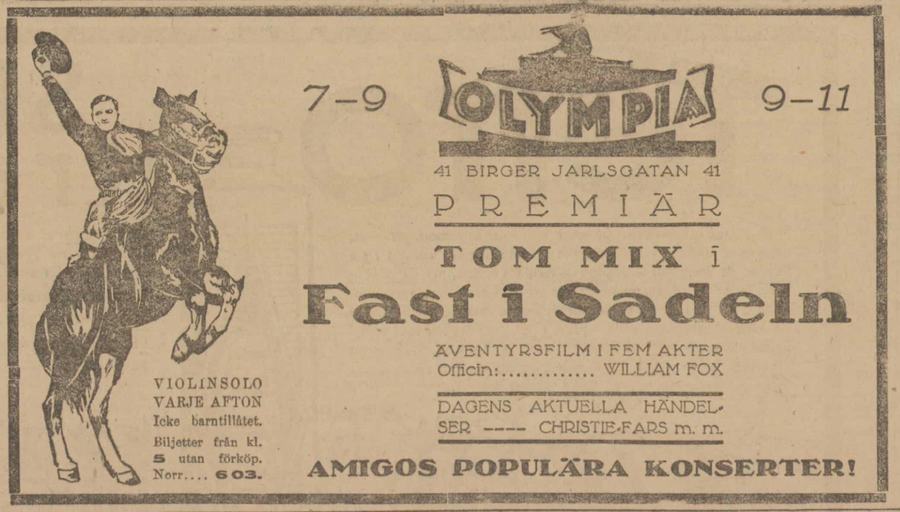
Tex Taylor has met the heroine on one of his visits to Los Angeles. He is owner of one of the biggest ranches in Texas and she is a daughter of a Colonel buying horses for the Government. He is invited to a dance by the Colonel and comes in his old clothes, as he is traveling light, yet has given his promise to appear. The foil to the hero is another horse buyer, agent for the Allies, who loves the girl. The bandit messenger mistakes him for Tex and entices him out of the ranch while the punchers are doing the honors to the Colonel and his daughter. The girl follows this man out and is captured by the Mexicans, for Phul. This gives Tex a chance to ride over the Rio Grande to rescue her by his own right arm and skill. The cowboys, after being fooled for a minute, beat off the raiders and then the girl and the hero come riding back on the same noble steed.
View Details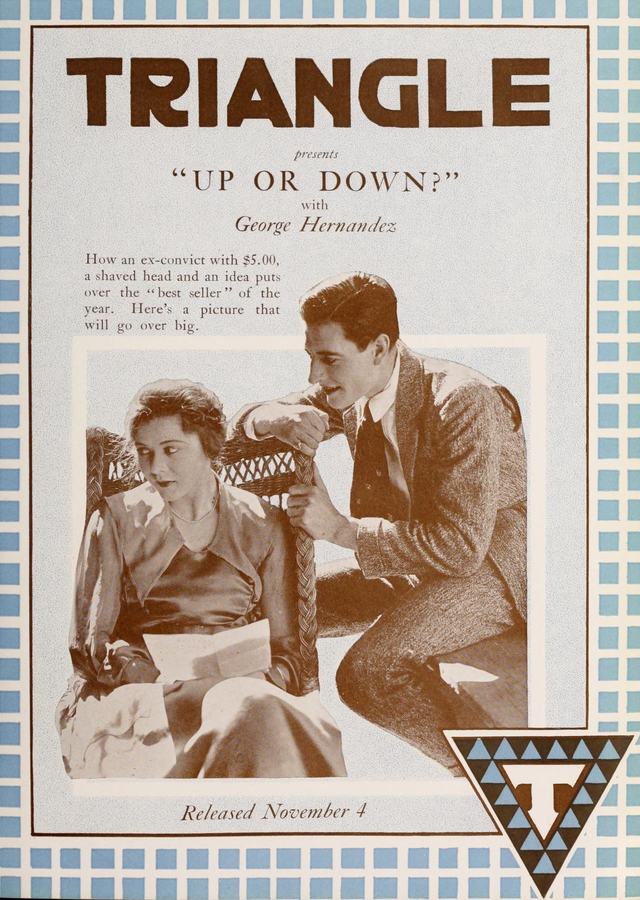
Dir: Lynn Reynolds
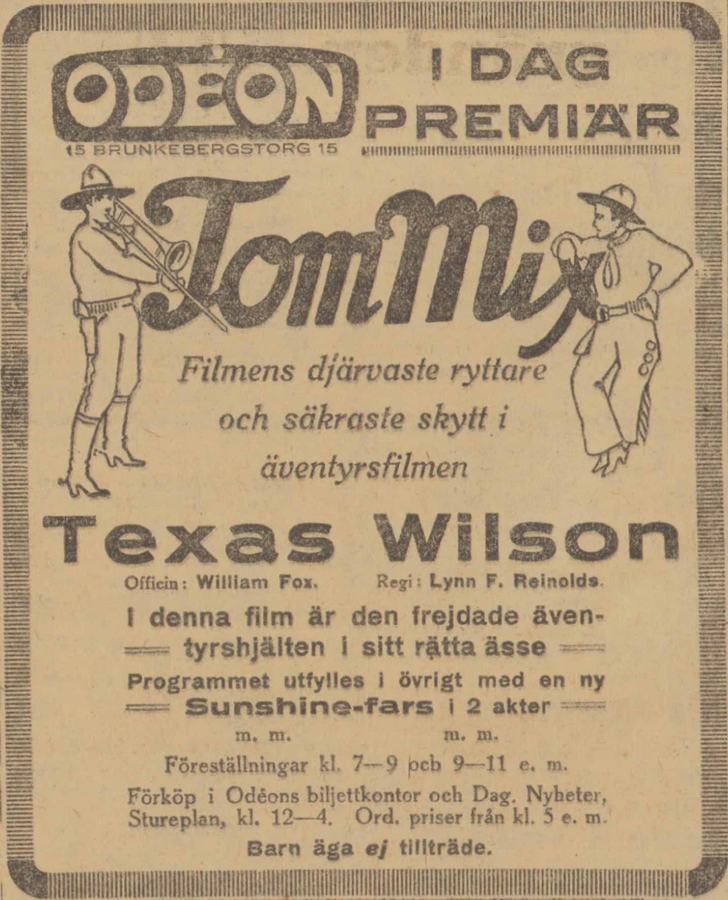
When Allan Corey, a writer who is out of ideas, encounters Mike beating up a man who abused his horse, he asks Mike to accompany him West for inspiration. Mike, who was recently released from prison, goes along with the idea, but looks for a chance to return to crime as soon as possible. The two stop at the ranch of Esther Hollister where Mike is able to plan a series of robberies. Because he cleverly drags four horses along with him, Mike's crimes are wrongfully attributed to the gang of "Texas" Jack, who are hiding in the vicinity. Esther is disgusted with Allan when he does nothing to stop a bank robbery that they witness, so to prove his mettle, he finds and captures Texas Jack's gang single-handedly, and even finds the loot that Mike hid nearby. The adventure gives Allen great ideas for a new novel and gives Esther ideas to marry her daring hero. Mike, not wanting to see the wrong bandits convicted, releases them from prison one night, but instead of returning to his life of crime, he returns to his partner at the ranch instead.
View Details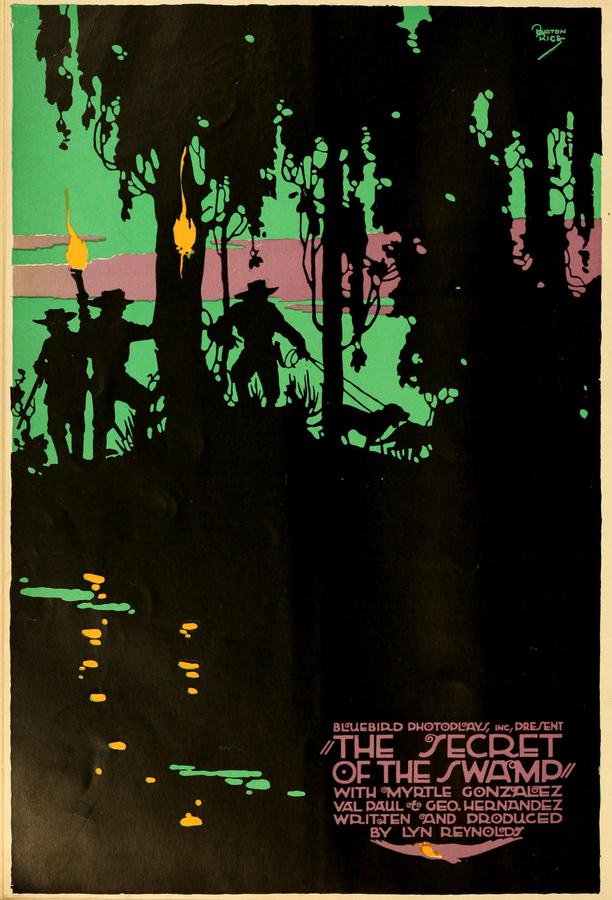
Dir: Lynn Reynolds
With his invalid mother, Chet Wells rents a piece of property from Deacon Todd for the purpose of demonstrating Chet's ideas of "scientific farming." Major Burke and his daughter Emily are near neighbors. Emily is engaged to marry a wealthy young neighbor man. Her neighborly kindness to poorly Mrs. Wells brings her into frequent association with Chet, and the young people become fond of each other without openly expressing their mutual regard. Chet is unable to make the farm pay, and when Deacon Todd demands his rent, the young man cannot pay. During the argument Mrs. Wells arises from her bed and the excited conversation between Todd, the sheriff, and Chet gives her such a shock that she falls to the floor, fatally stricken. Chet swears vengeance upon Deacon Todd whom he blames for hastening his mother's death. Finally compelled to vacate, Chet sells his chattel and goes away to seek his fortune. Deacon Todd moves into the house Chet has vacated and an enmity develops between Major Burke and the miserly old deacon, climaxing when the major sends a charge of shot in Todd's direction because he discovers the deacon letting his cows into the major's corn. Todd disappears the night that Chet returns. Suspicion is directed toward Chet because threats he had made to "get even" with the deacon. Major Burke is conscience-stricken when he sees a flock of buzzards hovering over a nearby swamp and fancies that the dead body of his "victim" is the attraction for the vultures. Taking assiduously to drinking for the purpose of quieting his conscience the major is overcome by the stuff and sleeps. Chet enters the major's house to call upon Emily and hears the major talking in his maudlin slumber, revealing the facts in the shooting of Todd. By the same method of transmission, Emily has learned from her own father's lips that truth of "the deacon's demise." When officers come to Burke's house and accuse Chet of the crime the young man admits that he is guilty and tells the officers to search the swamp for Todd's remains. Chet's heroism in submitting himself as a victim to her own father's action greatly stirs Emily's latent admiration, and forgetful of her obligation to marry another, the girl easily surrenders her heart to Chet and proceeds to help him out of his dilemma. Chet is locked in the rickety neighborhood jail and Emily releases him, giving him opportunity to decamp and begging him to take her along to be married. Thus matters arrive at the conclusion of the film, but the exact manner in which the story ends is not revealed. Suffice it to say that the "surprise finish" changes the whole nature of the story from tense melodrama to boisterous farce, ending in the "biggest laugh" ever produced by a moving picture.
View Details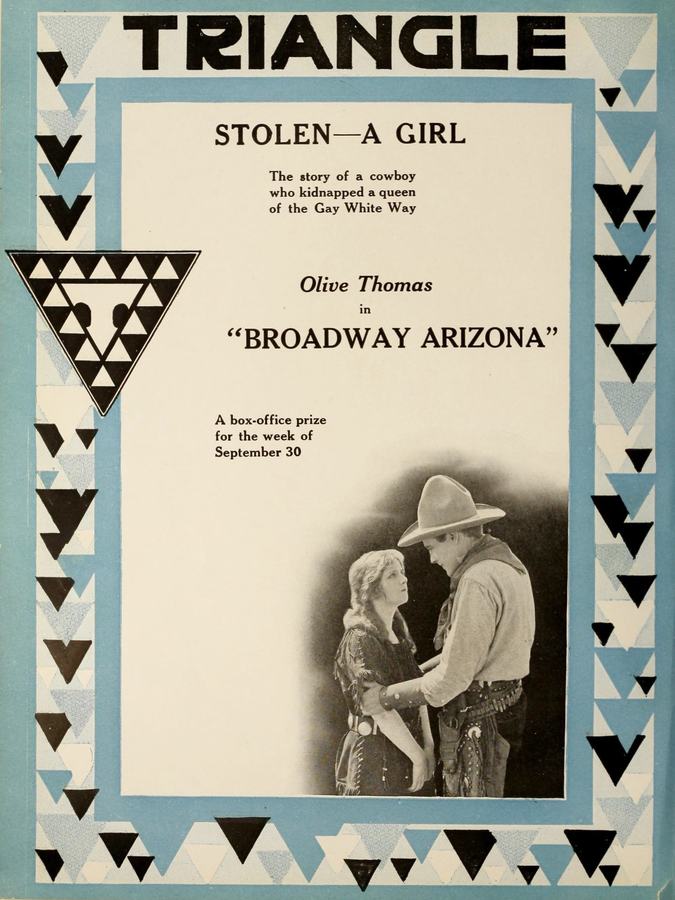
Dir: Lynn Reynolds
While on vacation in New York, millionaire cattle rancher John Keyes falls in love with musical comedy star Fritzi Carlyle. Recognizing the opportunity for a great story, Fritzi's press agent encourages her to accept the Westerner's proposal of marriage, only to deny it the next day in a wave of newspaper publicity. Disheartened, Keyes returns to Arizona and Fritzi continues performing until she suffers a nervous breakdown. Reading of Fritzi's misfortune, Keyes returns East, kidnaps Fritzi and takes her to Arizona. There, the change of climate performs wonders and she recovers quickly. Meanwhile, her stage manager sends detectives after her, and when they arrive in Arizona ready to arrest Keyes for kidnapping, Fritzi explains that the whole adventure was an elaborate publicity stunt and announces that she and her Arizona cowboy are going to be married.
View Details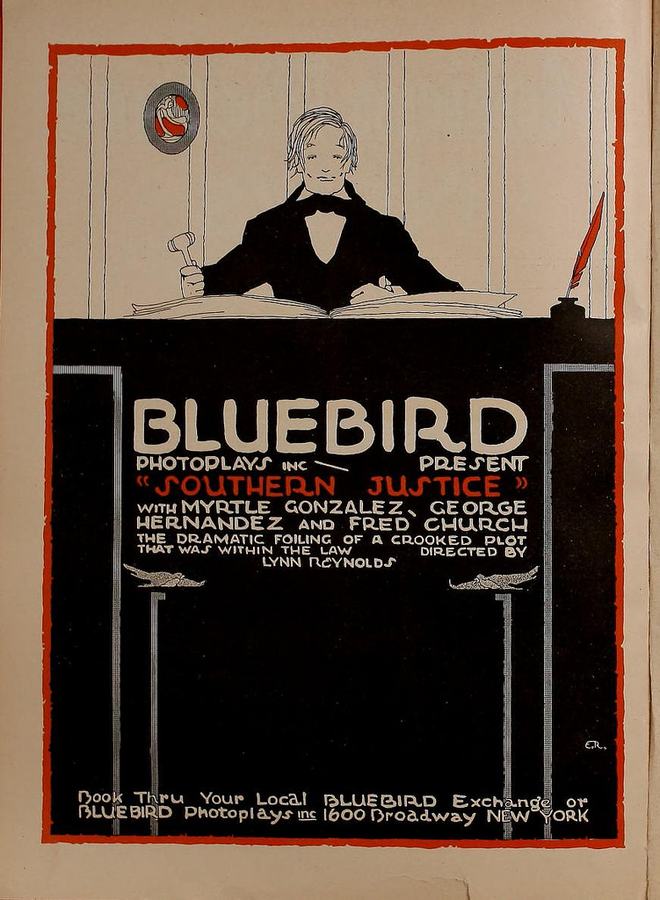
Dir: Lynn Reynolds
Daws Anthony, a boy of 16, is cared for by three old men: Judge Morgan, Roger Appleby, and Caleb Talbot. One day, Northerner Ray Preston comes to their Southern town and proceeds to buy some of the judge's property. He also succeeds in breaking up the romance of village belle Carolyn Dillon and Wallace Turner. When traces of oil are discovered on the purchased property, Preston, at the suggestion of Major Dillon, consents to sell a half-interest in the land to the townsfolk for a large sum of money. Daws is suspicious, however, and undertakes an investigation, only to discover that Preston has oiled the land to swindle the town. Threatened with tarring and feathering, Preston returns the money and leaves town, thus removing all obstacles in the path of Carolyn and Turner's romance.
View Details
Dir: Lynn Reynolds
When McAndrews was a boy his father took him to Lost Lake for a vacation, and a childish friendship was established between Vaughan and Jude Clark. He now goes to Lost Lake for recreation. Because the hotel accommodations are insufficient, Abner Clark takes Vaughan to his home, where in daily association with Jude the childhood friendship is renewed, and it gradually intensifies. Judge West, sensing the trend of events, charges Vaughan with "trifling" and reminds him that Jude is engaged to marry Dave Bean, a man of her own style. Harrison has induced Jude to pose for him, promising payment of $50 for the service, but the completed picture shows Jude in a pose she had never assumed. When Vaughan sees the picture, the opinion he has formed of the mountain girl suddenly changes. Several of the gossips get a view of the canvas and Harrison says he understood that Jude posed exactly as she was painted. Jude spurned the artist's $50 when she discovered the trick he played upon her, but when her father falls ill and needed hospital attention,, she pockets her pride and calls to get the cash. While she's at Harrison's camp Dave Bean, guided by the village gossips, enters and accuses her of lax morality, punishes the artists, and declares that the mountain girl shall never become Mrs. Bean. When Abner Clark dies, Jude is left without a protector or means of support, but Judge West intercepts her as she is about to leave Lost Lake and installs her at his own camp as full partner with him in his gold prospecting. Vaughan had left Lost Lake heartbroken because he believed ill of Jude. Months later, he writes to Jude that he has reconsidered and asks her to invite him to return. Jude's eager answer is unhappily stowed in Judge West's pocket for an indefinite time, and it is not until they strike gold that the missive is accidentally revealed. Discovery of the letter leads to a speedy understanding.
View DetailsAnalysis relative to Up and Going
| Film Title | Atmosphere | Complexity | Similarity |
|---|---|---|---|
| The Forbidden Room | Gritty | Linear | 87% Match |
| The Gown of Destiny | Ethereal | Abstract | 92% Match |
| Mr. Logan, U.S.A. | Tense | High | 89% Match |
| Mutiny | Surreal | Layered | 88% Match |
| Western Blood | Gothic | Layered | 93% Match |
This guide was algorithmically generated using the cinematic metadata of Lynn Reynolds's archive. Last updated: 6/26/2026.
Back to Up and Going Details →