
DbcultAccessing Vault...
Recommendations
Senior Film Conservator
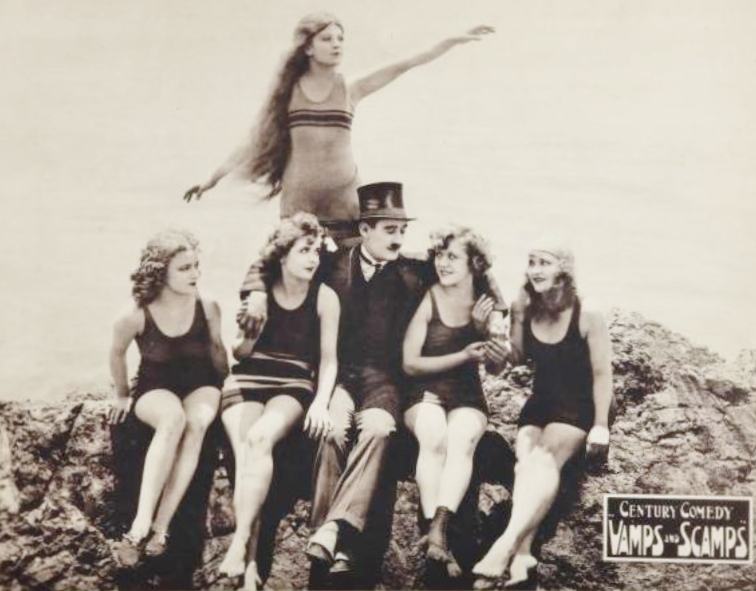
Looking back at the 1921 milestone that is Vamps and Scamps, the cinematic shorthand used by James D. Davis is both ancient and revolutionary. Dive into this collection and find the spiritual successors to James D. Davis's vision.
As James D. Davis's most celebrated work, it defines to articulate the unspoken anxieties of United States's 1921 era.
A man goes to a sea-side hotel where the proprietor wagers him a thousand dollars that he will fall in love with one of the girl guests.
Vamps and Scamps was a significant production in United States, showcasing the immense talent of Zip Monberg. It continues to be a top recommendation for anyone studying Comedy history.
Based on the unique cinematic excellence of Vamps and Scamps, our vault has identified these titles as the most compelling follow-up experiences for fans of Comedy cinema:
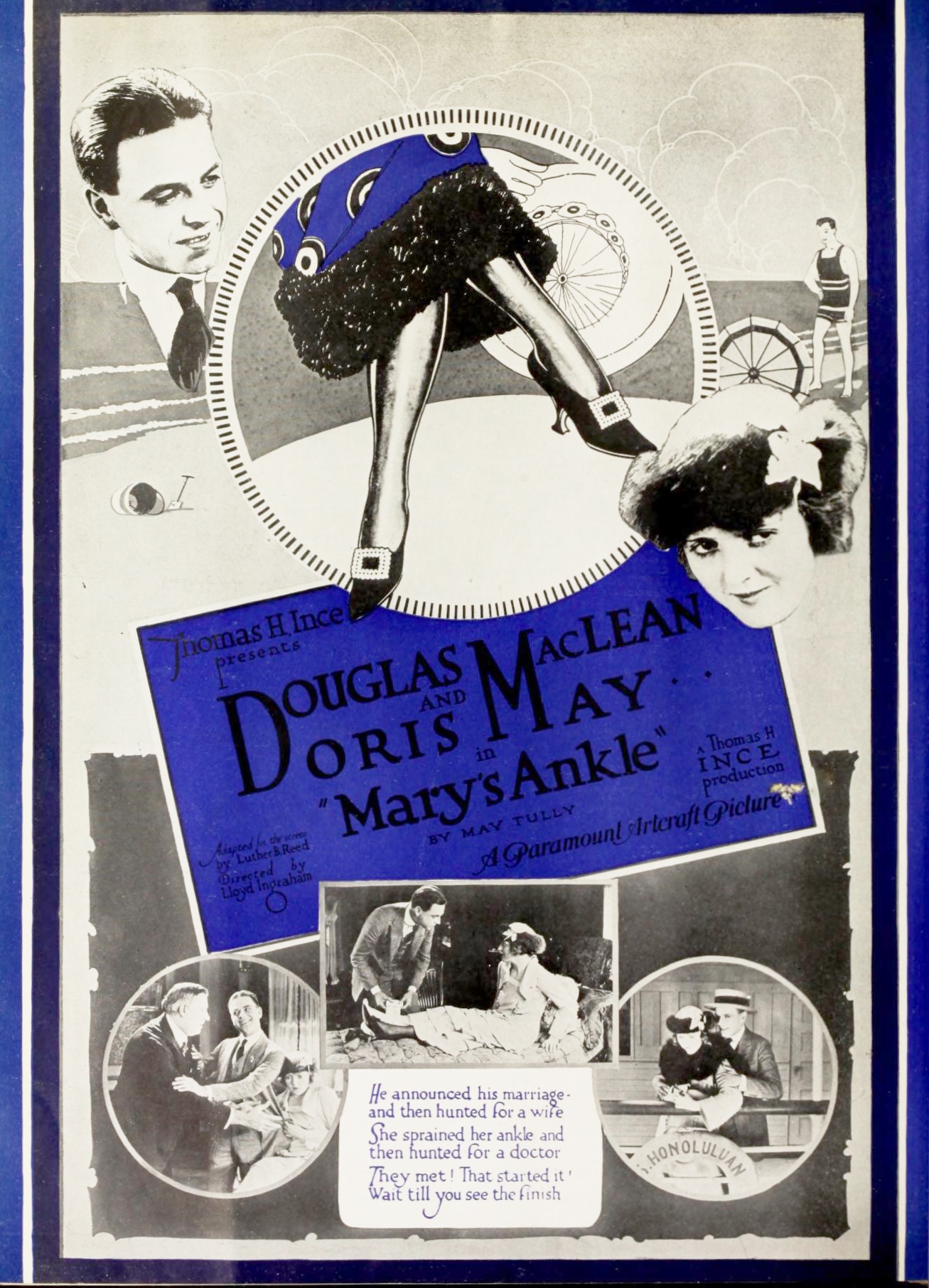
Dir: Lloyd Ingraham
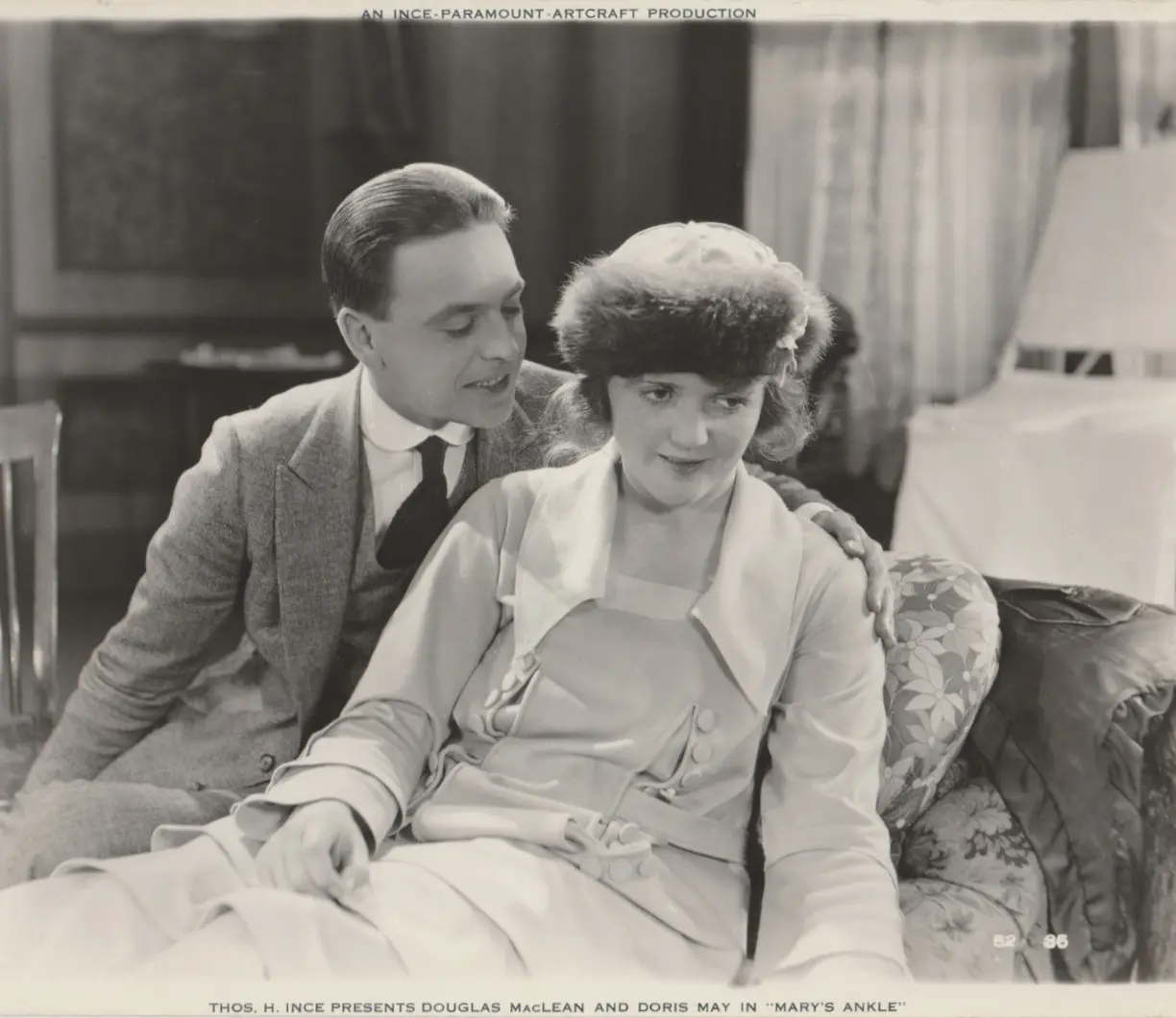
While walking along the street one day, Arthur P. Hampton, an impoverished young doctor, and his chums, Stub Masters and Johnny Stokes, are persuaded to part with their last remaining funds by tag day solicitor Mary Jane Smith, with whom the doctor promptly falls in love. Doc's friends then hit upon a get-rich-quick scheme. Knowing that his Uncle George has promised a large sum of money upon his nephew's marriage, they persuade Doc to send out fake wedding invitations naming Mary Jane as the blushing bride. Uncle George, elated at the good news, writes to Mary Jane's aunt, Angelica Burns, an old sweetheart, to invite Mary Jane and Angelica to be his guests on an ocean voyage. Meanwhile, Mary Jane pays a visit to the doctor's office and, upon seeing the wedding invitations, becomes so flustered that she trips and sprains her ankle. Doc comes to her rescue and then begs her to pose as his wife. She agrees, but at ship-side, Stub and Johnnie confess all to Uncle George, who flies into a rage until Doc announces that he and Mary Jane have chosen a wedding at sea.
View Details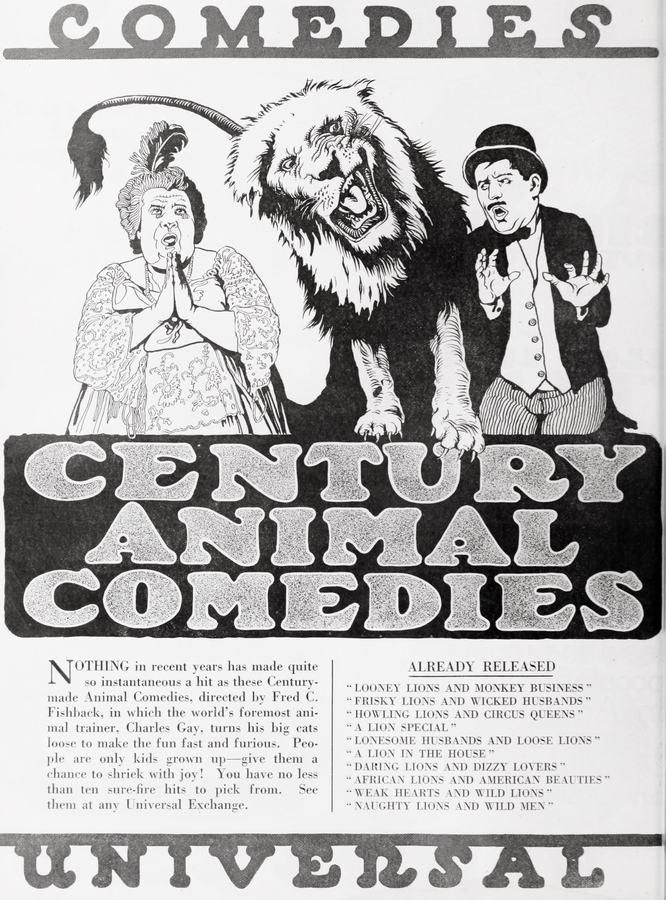
Dir: James D. Davis
Down on the farm old Pop Hebenezer had his troubles keeping his two daughters from spooning with his hired help. Luke loved Lucy, the younger daughter, and Billy loved Sally, the older one. The girls were serving their sweethearts with food but they forgot the food and made love. In the meantime the animal family, consisting of a goat, a donkey, a dog and a pig, were hungry, too. The dog spied the tray of food on the table, jumped through the window, grabbed the food and, ran away. Charlie, the oriental cook, the greatest little K. P. that ever was. He happened to pass outside of the window where the lovers were deeply engrossed, when they suddenly discovered the loss of their food, and blamed Charlie. They threw a pail of water over him for revenge. Pop invented a Nutt motor that would make anything on wheels stand as permanent as rock. The girls are keen about this, invention and all have a hand in perfecting it. When Pop looks around for his help he discovers Luke and Lucy on top of the barn on a see-saw. They had assigned the goat to beat the carpet and water the lawn, the donkey to put the hay in the loft, and the dog to mow the lawn. Sally and Billy camouflaged themselves like trees and were having a wild time all by their lonesome. Pop chases the lovers back to work and all is peaceful again. Two crooks are on their way to steal Pop's new invention, but the chief of police advises Pop of their arrival. The daughters put a lion in the case where the Nutt motor originally was, and the crooks steal this case and are very much surprised to find a not too loving lion staring them in the face. An uproarious chase follows, wherein the lion scares nearly everybody half to death.
View Details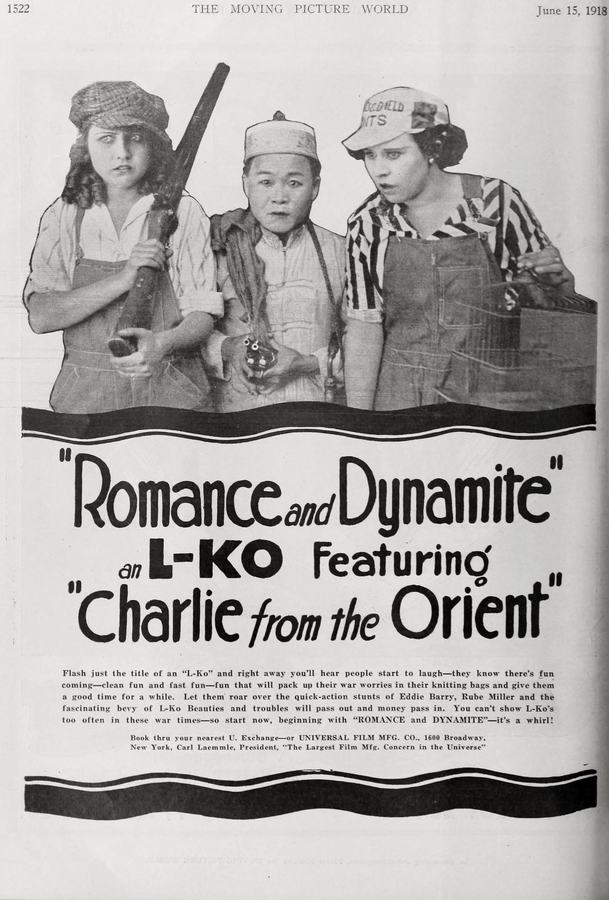
Dir: James D. Davis
A fascinating piece of cinema that shares thematic elements.
View Details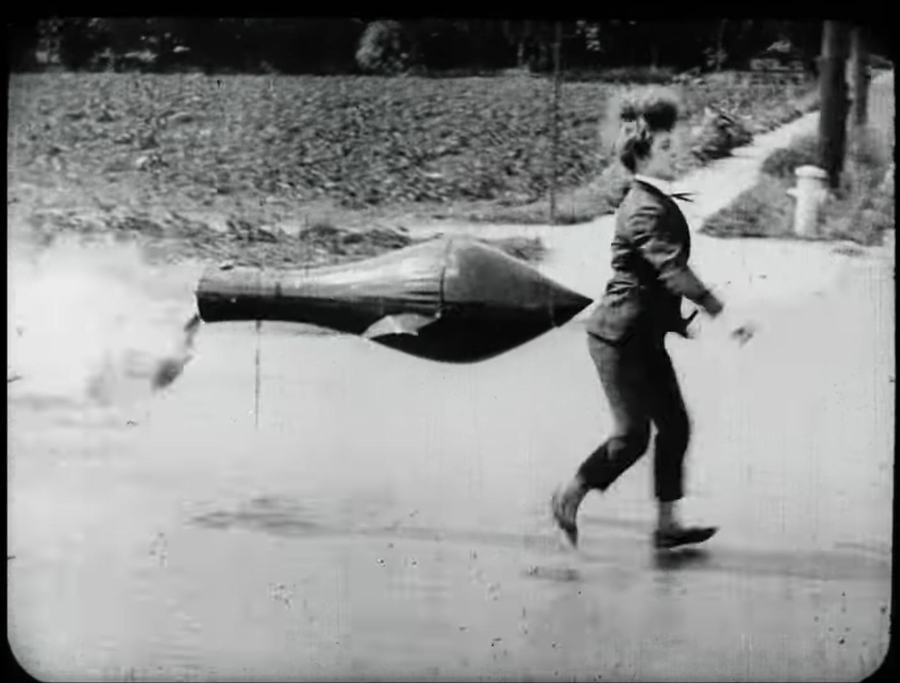
Dir: James D. Davis
Magnolia Milkshake wants to help the war effort to compensate for her husband who is exempt for being overweight. She tries to join the Red Cross, then the rifle corps.
View Details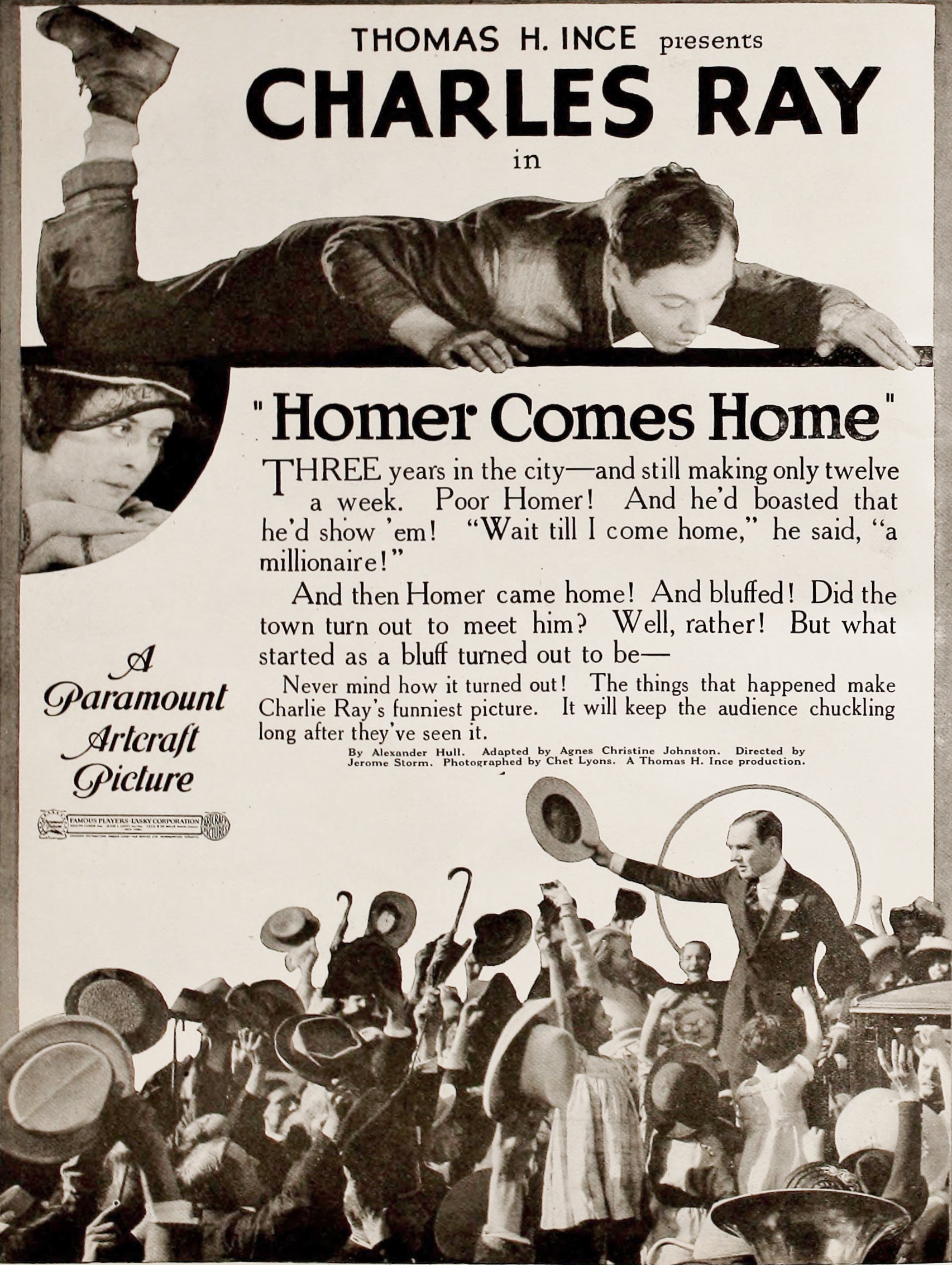
Dir: Jerome Storm
Ne'er-do-well Homer Cavender ventures to the city from Mainsville in an effort to find fame and fortune. Both elude him, and after clerking for two years, Homer returns home for a vacation. Impressed by his flashy clothes, the townspeople assume that Homer has achieved success. Attempting to win Rachel Prouty from his rival, Arthur Machim, Homer continues the deception by announcing that his employer, Kort and Bailly, has dispatched him to enroll stockholders for a proposed new plant to be built in Mainsville. Machim discovers the sham and denounces Homer as a crook. Meanwhile, Homer returns to New York, convinces his employers of the merits of his plan and comes home triumphant, with a proposal for both the new plant and for Rachel's hand in marriage.
View Details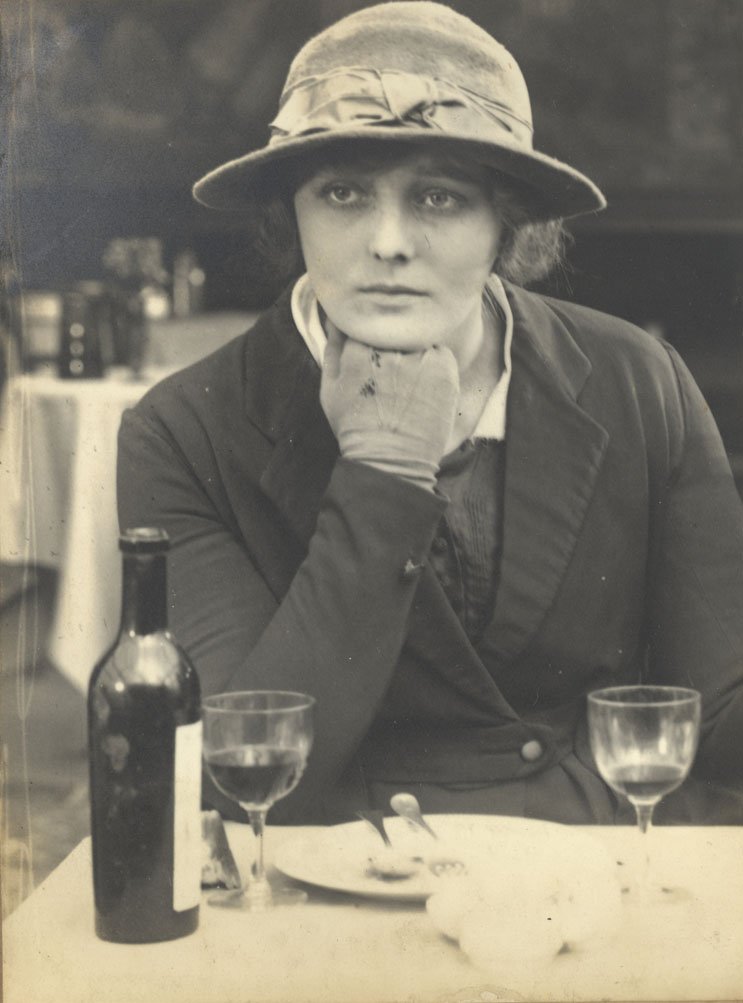
Dir: Henry Edwards
A millionaire bets £25,000 that he can earn his own living for six months.
View Details
Dir: Eduardo Notari
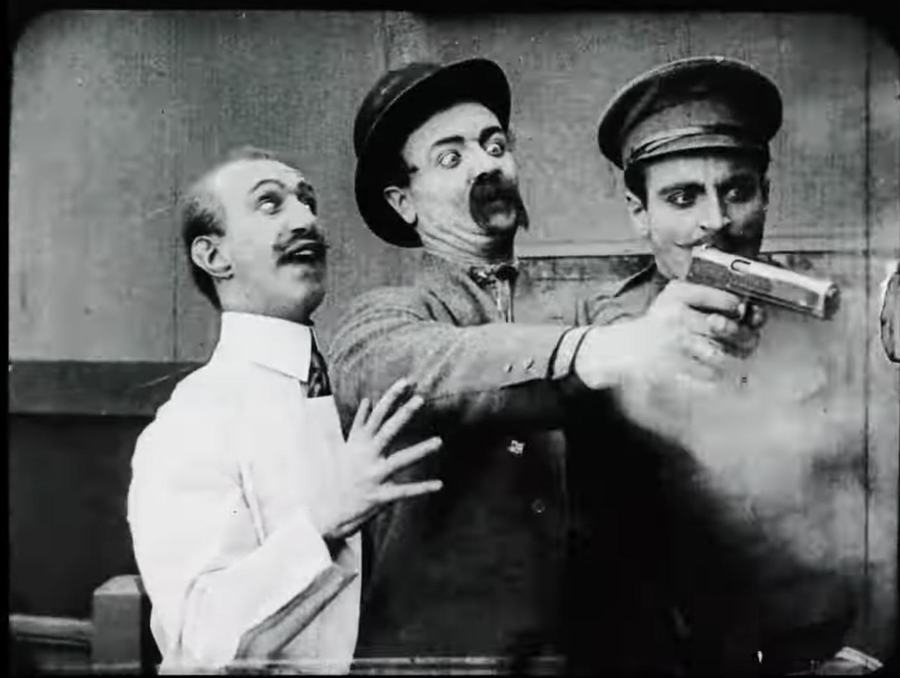
A crime drama in the Gennariello-series. The police detective in Naples that is confronted with modern gangsters and crime events.
View Details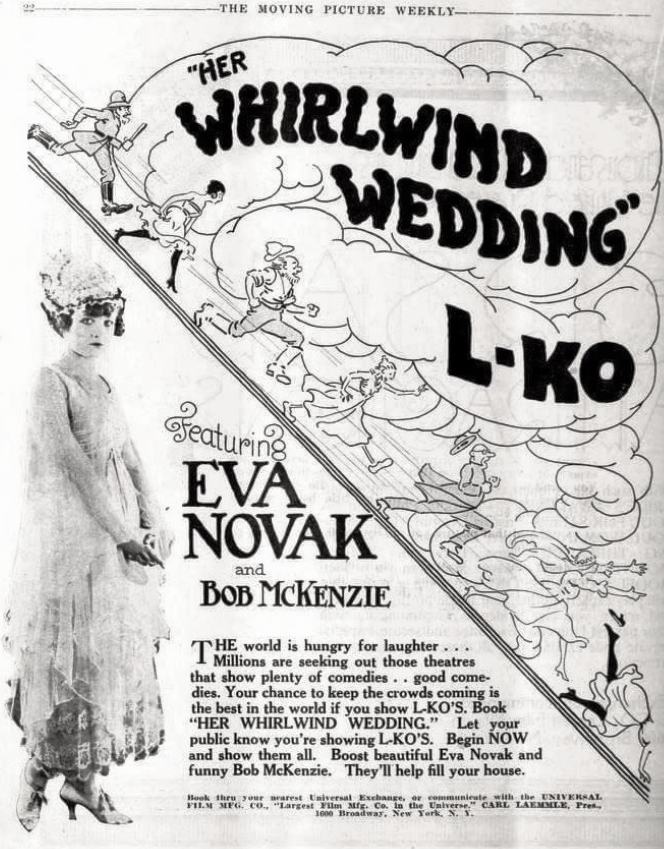
Dir: James D. Davis
Two men who seek the same girl are switched back and forth in the wedding ceremony.
View Details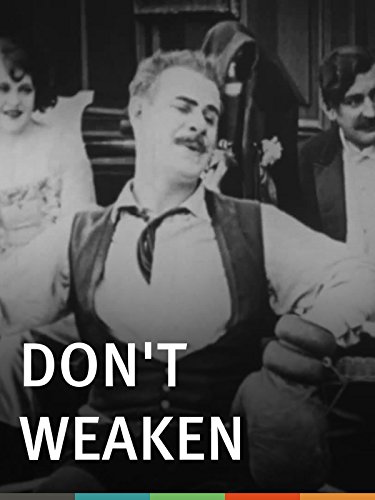
Dir: Malcolm St. Clair
A dancing instructor gets involved with a newly rich family.
View DetailsAnalysis relative to Vamps and Scamps
| Film Title | Atmosphere | Complexity | Similarity |
|---|---|---|---|
| Trail of the Rails | Tense | Layered | 96% Match |
| Mary's Ankle | Surreal | High | 86% Match |
| A Lion Special | Gritty | Layered | 92% Match |
| Romance and Dynamite | Gothic | High | 89% Match |
| Hoot Toot | Surreal | Abstract | 87% Match |
This guide was algorithmically generated using the cinematic metadata of James D. Davis's archive. Last updated: 6/25/2026.
Back to Vamps and Scamps Details →