
DbcultAccessing Vault...
Recommendations
Senior Film Conservator
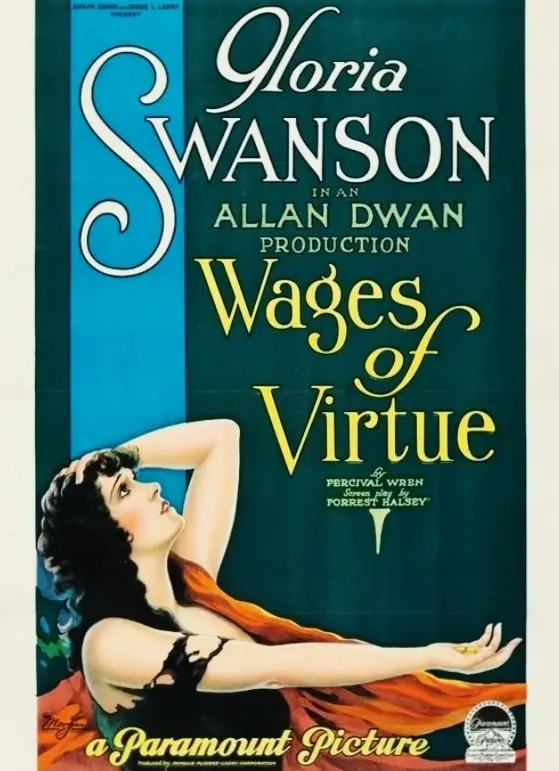
If you found yourself captivated by the character-driven intensity of Wages of Virtue (1924), the profound questions raised in 1924 still require cinematic answers today. Experience the United States influence in these recommendations that echo Wages of Virtue.
Wages of Virtue remains a monumental achievement to provide a definitive example of Allan Dwan's stylistic genius.
Luigi, a traveling-show strongman, saves Carmelita from drowning and persuades her to join him. When Luigi kills his assistant, Giuseppe, in a jealous rage, they flee to Algiers, where Luigi joins the Foreign Legion and installs Carmelita as proprietress of a cafe. Marvin, an American legionnaire, falls in love with Carmelita, who has become a favorite of the regiment, but she remains loyal to Luigi out of gratitude. Luigi frames Marvin, who is punished by the authorities. In the ensuing fight between Marvin and Luigi, the strongman is getting the better of the American when Carmelita, who has learned of Luigi's intent to marry Madame La Cantinière, stabs her benefactor. The legionnaires decide to attribute Luigi's death to an Arab; Marvin and Carmelita are united.
Wages of Virtue was a significant production in United States, showcasing the immense talent of Norman Trevor, Joe Moore, Paul Panzer. It continues to be a top recommendation for anyone studying Romance history.
Based on the unique character-driven intensity of Wages of Virtue, our vault has identified these titles as the most compelling follow-up experiences for fans of Romance cinema:
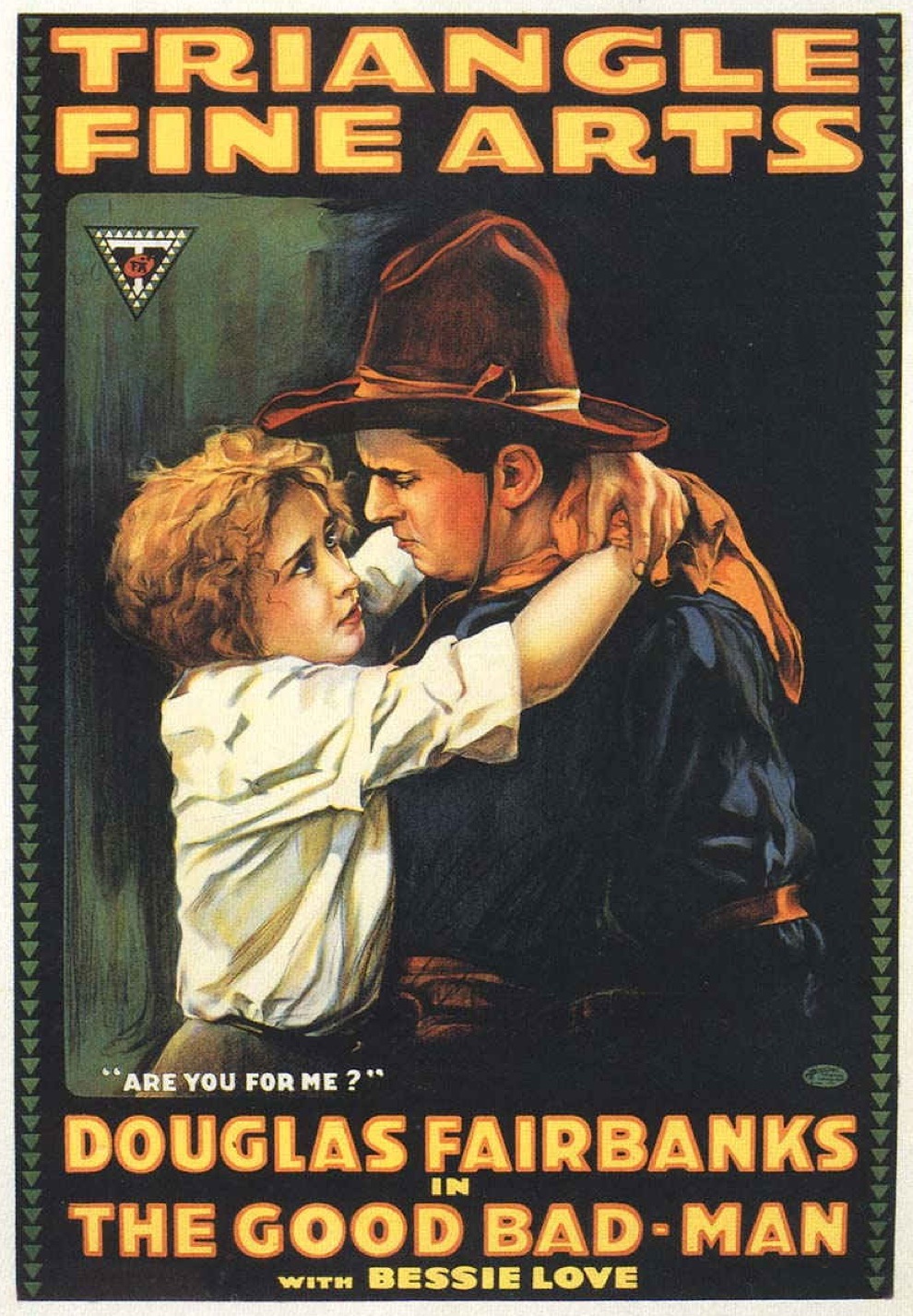
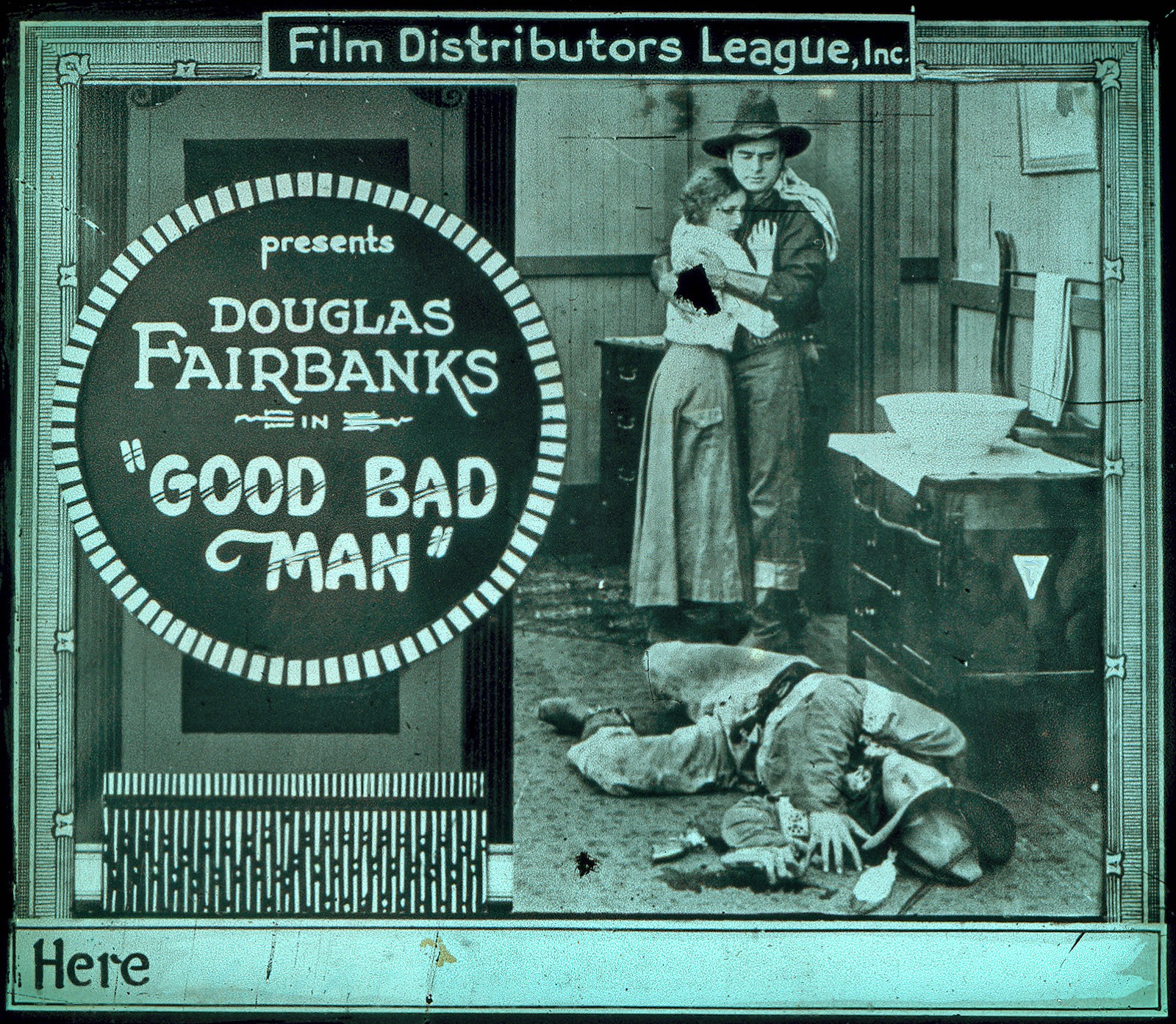
Dir: Allan Dwan
An outlaw calling himself Passin' Through halts his evil ways long enough to help out some children in difficulty.
View Details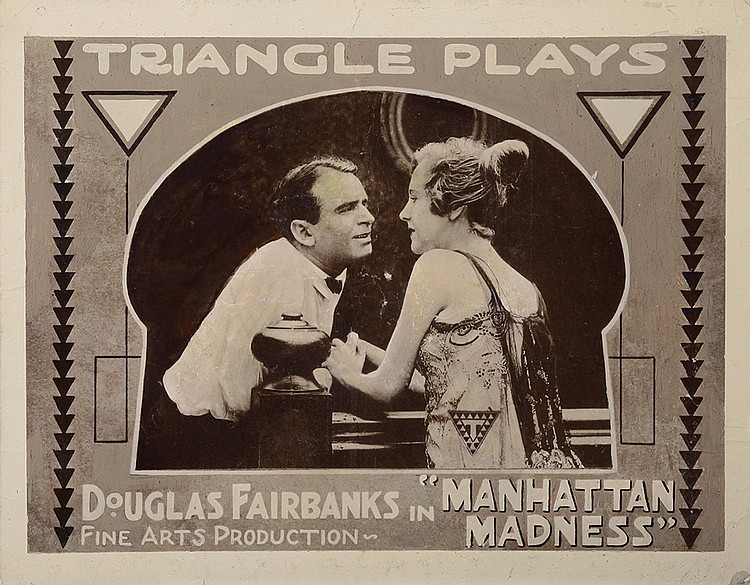
Dir: Allan Dwan
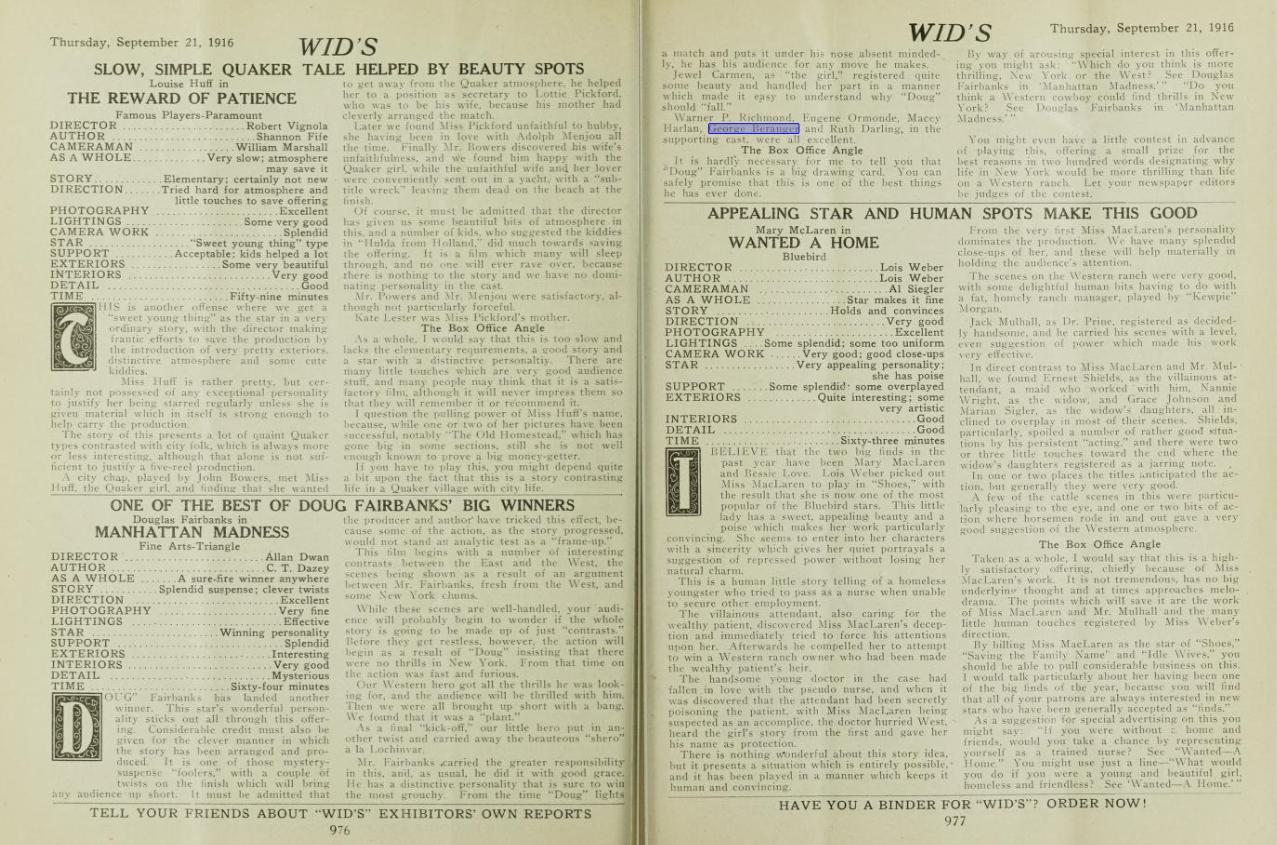
Steve O'Dare, a rich young man who has lived on his Nevada ranch for some years, returns to New York for a visit. He goes to the University Club, of which he is a member, for a week of New York gaiety with his club companions, but fails to get thrills out of the pleasures of the Great White Way. While lunching at a country club, he tells the boys that there isn't a thrill in Manhattan. And then, through an open doorway he sees at a table in the garden outside a middle-aged couple of distinguished appearance--and a beautiful girl. Upon inquiring of his companions who the people are, he learns that they are the Count and Countess Marinoff and their ward. One of his pals offers to bet him $5,000 that if he will stay in New York a week he will get the thrill of his life. Steve takes the bet. Remembering that he has sold stock to Count Marinoff he wonders whether it might not be possible for him to meet the ward. The problem is solved when the Count calls Steve up and asks him to come to his home. Steve goes and meets the ward, who mystifies Steve by making mysterious signs to him. The Count informs Steve that the girl is crazy. The girl's maid passes Steve a note that says the girl is in great peril and wants him to help her. The Count being called away, the maid directs Steve to go up to the second floor. Ascending the stairs he drops through a trap door on the landing and is bound and gagged by the Count's butler, but the maid releases him, and he telephones to the boys at the club and asks some of them to come out to the Count's house. The boys come, and a battle follows between the Count and his servants on one side, Steve and the clubmen on the other. Steve battles up through the house to the roof with one of the Count's henchmen, who has carried the ward off in his arms early in the conflict. After finally knocking the villain cold Steve searches for the girl but cannot find her. All the men who have been fighting, both his friends and the Count have mysteriously disappeared. As he is at his wits end he sees the face of the butler peeping through a sliding panel in the wall. The panel quickly closes and Steve kicks his way through it and finds himself in a banquet hall where the whole company of his friends and supposed foes are dining together, the persecuted ward beaming at him from the end of the table. The friend with whom Steve made the bet now explains that he has been given the promised thrill, the members of the party, except the clubmen, being members of the theatrical profession, especially engaged for the doings. Just then there arrives four of Steve's cowboys, for whom he telephoned at the same time that he telephoned the club. With their aid Steve quickly turns the tables on the jokers. While cowboys cover the party with their guns Steve announces that he, like Lochinvar, came out of the West, grabs the girl, and rides away with her. She is a not-unwilling captive, and as hour later the weary party still held under the guns get a wireless from Steve that he is quite willing to pay his bet; he has had the thrill of his life, for he is married and sailing away on his wedding tour.
View Details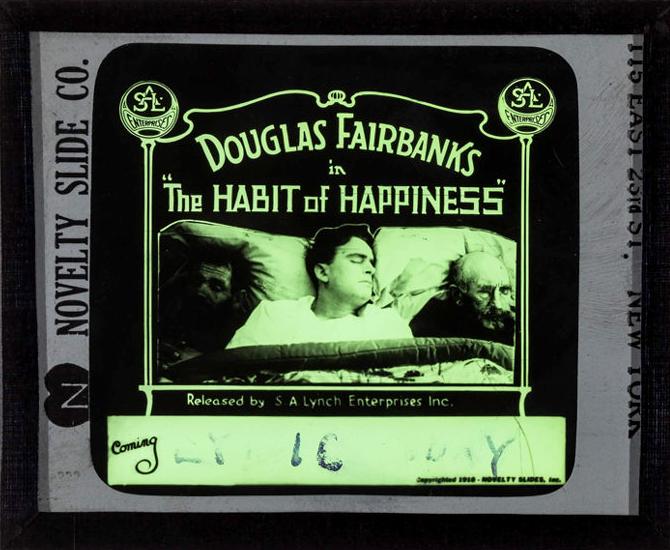
Dir: Allan Dwan
Sunny Wiggins is regarded as worthless by the other members of his family, who have risen to the social station where they are snubbed by the best people. The morning of the day the play begins his sister is preparing to entertain a party of butterflies, among whom is the mentally lacking beanpole she intends to marry. Sunny is in bed with as queer a lot of associates as could be collected. He has recruited his following from the bread line; two of them are in bed with him while the others are sleeping on the carpet, and one has even gone to rest in the bathtub. Not too willingly do all hands go to the shower, but it is a wash or no breakfast. Downstairs goes the motley array and into the dining room. Sunny thinks it fine that such a spread has been prepared for his guests and there is little left when sister enters with her guests. Of course, Sis at once tells father and Sunny is called to book. Dismissing his own guests, he finds that he has only one friend in the place, one of his sister's guests, and he doesn't know her name. She thinks Sunny is splendid and when his father has sent him out to try his sociological theories along the Bowery, she wishes him luck. There in a cheap lodging house Sunny teaches the derelicts to laugh, and with such success that an eminent specialist drafts him to cure a millionaire grouch of dyspepsia. In the rich home of the dyspeptic he finds that the girl is the millionaire's daughter. She enters heartily into his plans but an aged 'cellist, whose favorite music is Chopin's "Funeral March," exerts more influence in the household than he. But when father has discovered his daughter and the supposed physician in fond embrace there is a fight, which ends with father a prisoner in his room, to be cured by starvation. Meanwhile a broker, whose offer of marriage has been refused by the daughter, is plotting to ruin her father in Wall Street. How Sunny thwarts the attempt, cures the grouch, becomes his son-in-law and partner and thereby is reinstated in the good graces of his own family, is the story this comedy tells.
View Details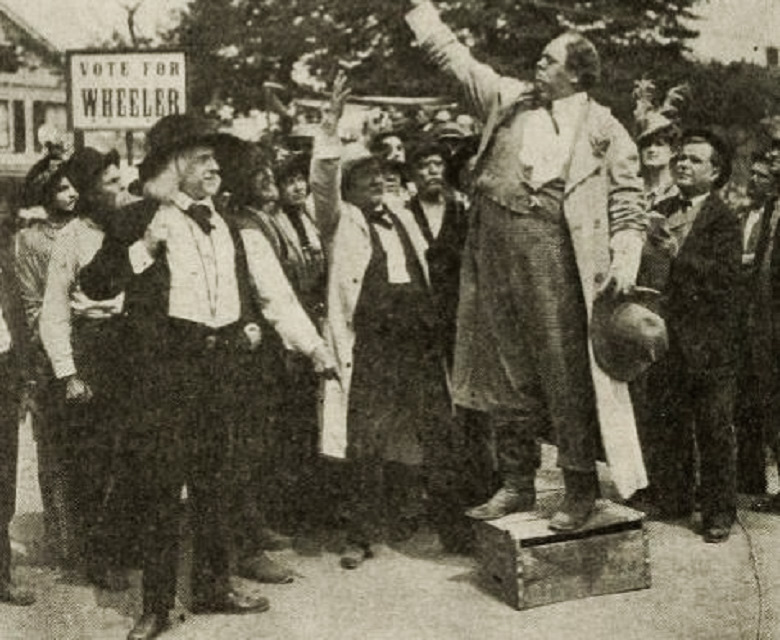
Dir: Allan Dwan

Jim Hackler is the political boss of a small town. When local lawyer Elias Rigby decides to run for Distrct Attorney, Hackler sees a chance to get revenge on Rigby--years ago both men were in the Army and best friends, but Rigby had intercepted letters to Hackler from his sweetheart, and wound up marrying the girl himself. Hackler persuades Rigby's daughter's fiance' to run against him, but things don't quite work out the way he wanted.
View Details
Dir: Allan Dwan
Winthrop Clavering a mystery writer, is continually ridiculed for the fiction of the crimes he depicts, so he decides to solve a case himself. To that end, he determines to find the slayer of Pedro Alvarez, who whispered before dying that his assailant was a woman. At the City Refuge for Homeless Girls, Clavering obtains the assistance of Margaret Holt, the sister of Victor Holt, the district attorney. Margaret, it is revealed, was abducted by Juanita, a member of a gang of white slavers led by Alvarez. After escaping from a brothel, Margaret became Alvarez' stenographer, hoping to gather secret information on his gang. While searching for evidence, Margaret was surprised by Alvarez, whom she killed. Finally, Clavering captures the gang, clears Margaret, and encourages her romance with cub reporter Jack Howell.
View Details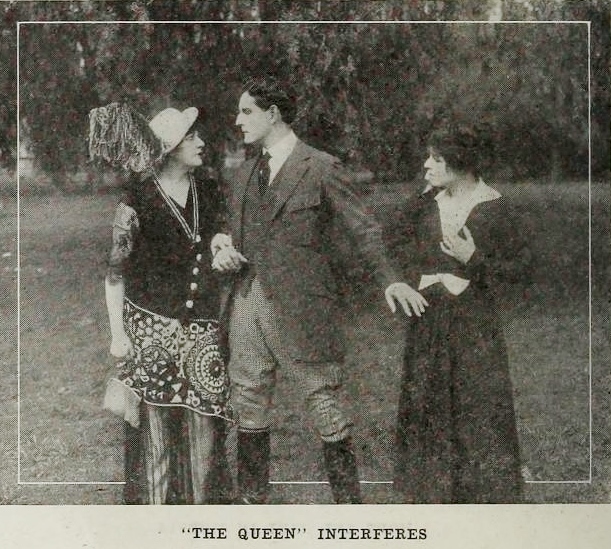
Dir: Allan Dwan
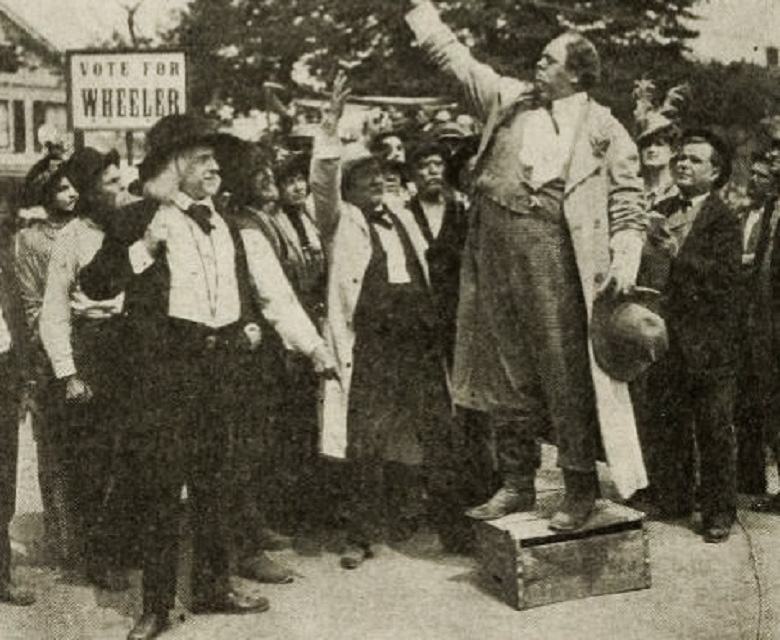
When Colonel Archer, the military post commanding officer, refuses to loan money to his second-in-command, Captain Waring, Waring gets the money from Brent Lindsay of the nearby mining town, in exchange for his note. Both Waring and Lindsay court Floyd Bingham, the daughter of a retired colonel, but Floyd learns that Lindsay is involved with Queen, a dance hall girl. Following the urging of her father, Floyd marries Archer, who has two children left to him by his dying sister, whom Floyd loves. When Lindsay continues his attentions to Floyd, Archer quarrels with her and leaves to go hunting. Floyd goes walking in the woods with Lindsay and his kiss is photographed by Waring, who attempts to blackmail Lindsay. When Lindsay is found dead and Archer, who suspects Floyd, is arrested, the men from the mining town almost lynch Archer, but Queen, who witnessed the murder, clears him.
View Details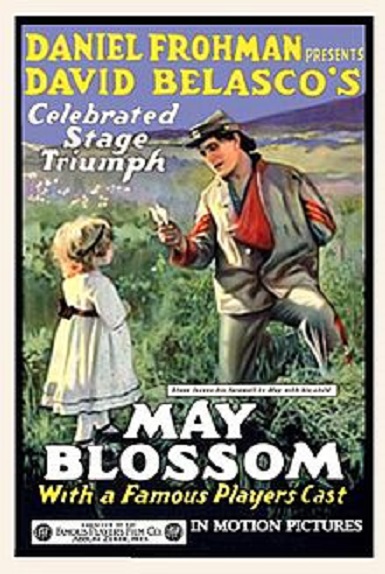
Dir: Allan Dwan
May Blossom loves Richard Ashcroft, a Southern officer, and accepts his proposal of marriage immediately after receiving one from her father's choice, a suitor named Steve Harland, who loves her madly. She sorrowfully tells him she prefers Richard, nearly breaking Steve's heart. That night, without a chance to bid May good-bye, Richard is arrested by officers from the Northern army, who have suspected from his frequent trips across the river that he is a spy. Richard is torn away by his captors, exacting a promise from Steve, who witnessed his arrest, to tell May the circumstances, that she must be faithful, and that he will return some day, if he lives. Steve yields to temptation and only tells May Richard has fled, never to return. May believes Richard false, tries to shut him out of her heart, and finally succumbs to Steve's importunities and marries him. Steve and May are married a year, and a little girl comes to them, who is adored by both. Steve is tortured constantly by the remembrance of his perfidy to Richard, who has not been heard of since his arrest, and is thought by all to be dead. Richard returns to claim his promised wife, having finally escaped, and finding her married to Steve, tells her the story of the arrest, and Steve's oath to him. May calls Steve, who mutely confronts the man he wronged, till May is about to be torn from him, when, like an angered lion, he protects his own. Richard is sent away by May, and Steve goes to war, returning finally to be forgiven.
View Details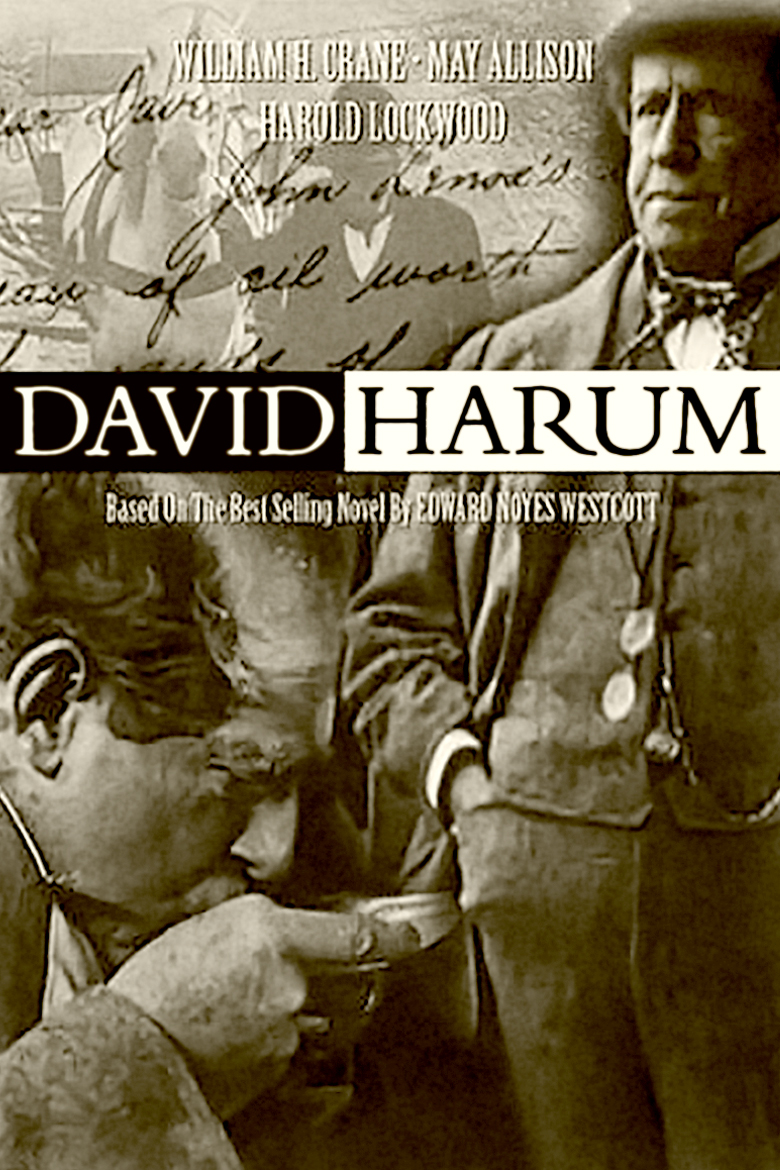
Dir: Allan Dwan
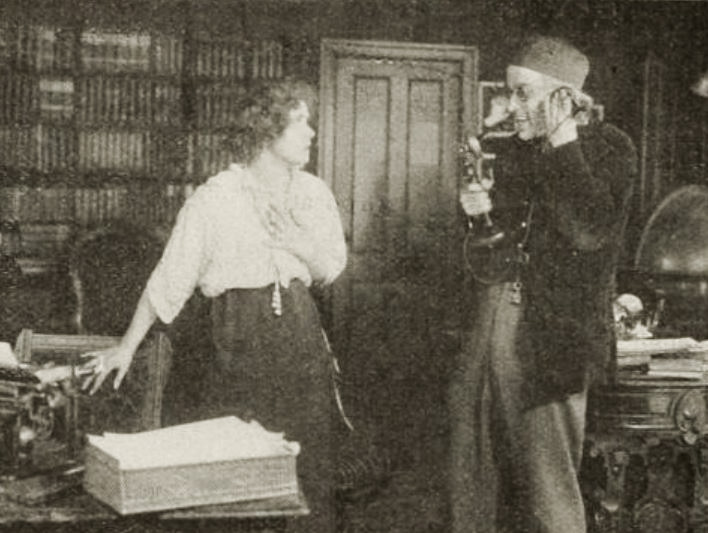
The story of David Harum, a small-town banker, and how what he does and who he is affects the lives of everyone in his town, whether they--or he--realize it.
View Details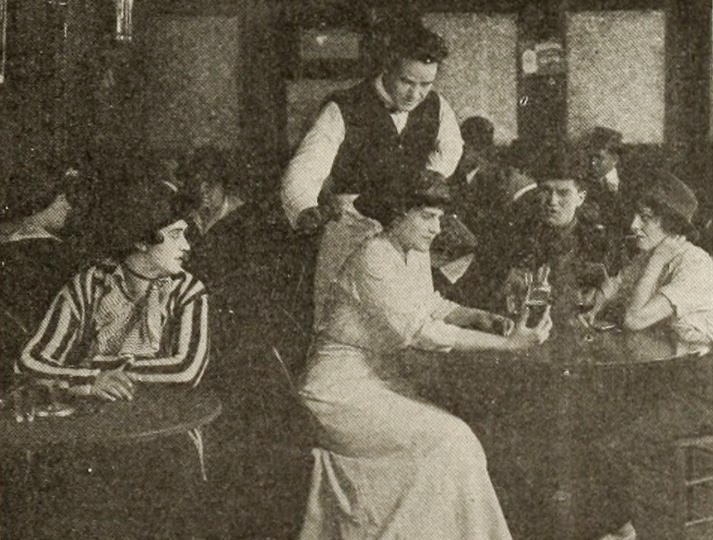
Dir: Allan Dwan
Moll O'Hara, a child of the gutter, grows up with the horrible example of her drunken mother before her, and when, reaching womanhood, the girl loses her mother she keeps as a terrible souvenir the mother's craving for liquor, thrust upon the child when helpless to defend itself. But, save for the love of drinking and of fighting, Moll keeps to "the straight road" and the other temptations of her squalid life leave her unscathed. One day Moll is attacked by Liz, a disreputable woman in Bill Hubbell's saloon; the two women fight and are arrested. On their way past the settlement, Ruth Thompson a wealthy young settlement worker and her fiancé, Douglas Ames, see the pitiful procession, but Ruth insists that Moll and the others be brought into the settlement until she has the affair investigated. They come in and with them Bill Hubbell, the handsome and athletic saloon-keeper, and when he tells the true story of Moll's being first attacked by Liz. Moll is released, at the solicitation of Ruth Thompson. When the others have gone, Ruth pleads with Moll to quit drinking, and aided by the pleading of Mike Finnerty, a little crippled boy, Moll at last gives in, the callous indifference of her nature vanishes, and she becomes a different creature. Mrs. Finnerty, made kindly by Moll's love for little Mike, takes her home with her and a new life begins for Moll. Bill Hubbell, the saloon-keeper, instead of being offended by Moll's abstaining from his wares, encourages her, and a friendship springs up between the two that soon ripens into romance. But Douglas Ames, though engaged to Ruth, with the day set for their wedding, has determined to make a conquest of Moll, and one day, just as she is leaving Ruth, having told of her engagement to Bill, Ames follows and catches her in his arms. Ruth comes upon them, and Ames treacherously throws the fault on Moll, pretending that she had made advances to him, which he was repelling. Naturally, Ruth believes the man she loves in preference to the girl from the gutter, but at last promises the frantic Moll that she will come to her rooms at Finnerty's at 6 o'clock the following evening. After Moll leaves, Ames follows, as Moll knew he would, and begs that he be allowed to visit her. She coquettes with him and promises to be at home to him at six next evening, determined that Ruth shall find him and realize his vileness and the truth of Moll's story. But Bill Hubbell sees and overhears the appointment, and the next night when Ames calls, Bill, instead of Ruth, bursts into the room and sees Ames in the act of embracing Moll. In vain Moll tries to tell Bill the trap she had set for Ames. He laughs scornfully, and when Ruth enters tells her what he saw. Ames sneaks away, and both Ruth and Bill leave, believing Moll guilty. The frenzied and desperate Moll seizes the whiskey Ames had brought her and starts to drink, determined to go back to the gutter, when her despairing eyes fall on the sweet pictured face of the Madonna, a gift from Ruth. Throwing away the liquor, Moll falls on her knees and prays for succor and vindication. How her prayer is answered, her enemy crushed, her innocence established and her love and faith restored is developed in the climax of this drama.
View Details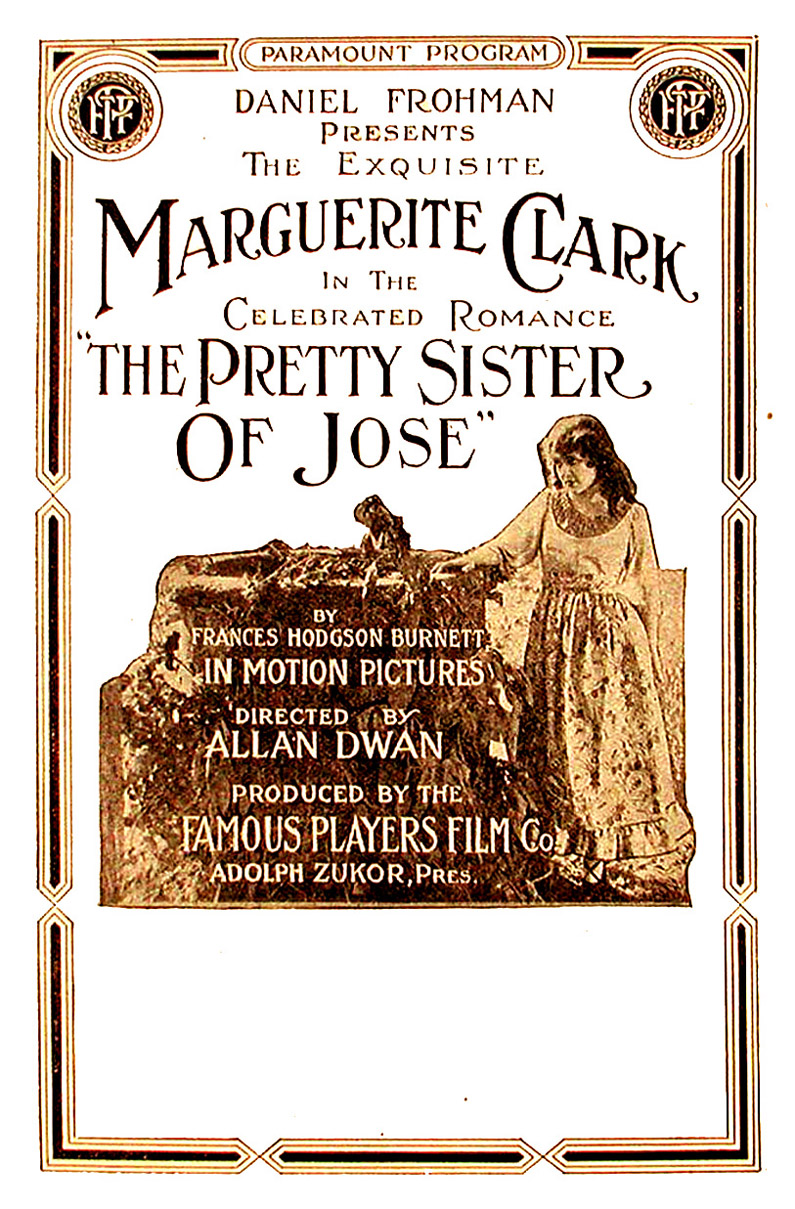
Dir: Allan Dwan
Pepita, a radiant and merry Spanish beauty, and her playful brother Jose, witness their mother, whose faded beauty led her husband to abandon her for another, plunge a dagger into her breast. After their uncle avenges the death, Pepita develops a fierce hatred of men and pledges never to marry, while Jose leaves for Madrid with a benevolent padre. Sebastiano, Spain's most famous toreador, arrives in town and, after seeing Pepita, spurns the pretty Sarita, who dies hopelessly infatuated. Later, Pepita visits Jose in Madrid and encounters Sebastiano. She resists his attempts at conquest and haughtily makes him serve her. Finally, when Pepita responds to Sebastiano's protestations of love with vehement hatred, he leaves for Lisbon. His departure awakens Pepita's love, and when he returns with a fiancee, Pepita suffers intense jealousy. During a bullfight, Sebastiano glances at Pepita and is gored by the bull. As he is about to die, Pepita, ready to die with him, declares her love, and Sebastiano revives.
View DetailsAnalysis relative to Wages of Virtue
| Film Title | Atmosphere | Complexity | Similarity |
|---|---|---|---|
| The Good Bad-Man | Tense | Linear | 92% Match |
| Manhattan Madness | Gothic | Dense | 96% Match |
| The Habit of Happiness | Ethereal | Linear | 86% Match |
| The County Chairman | Surreal | Layered | 90% Match |
| The Conspiracy | Gritty | High | 89% Match |
This guide was algorithmically generated using the cinematic metadata of Allan Dwan's archive. Last updated: 6/28/2026.
Back to Wages of Virtue Details →