
DbcultAccessing Vault...
Recommendations
Senior Film Conservator
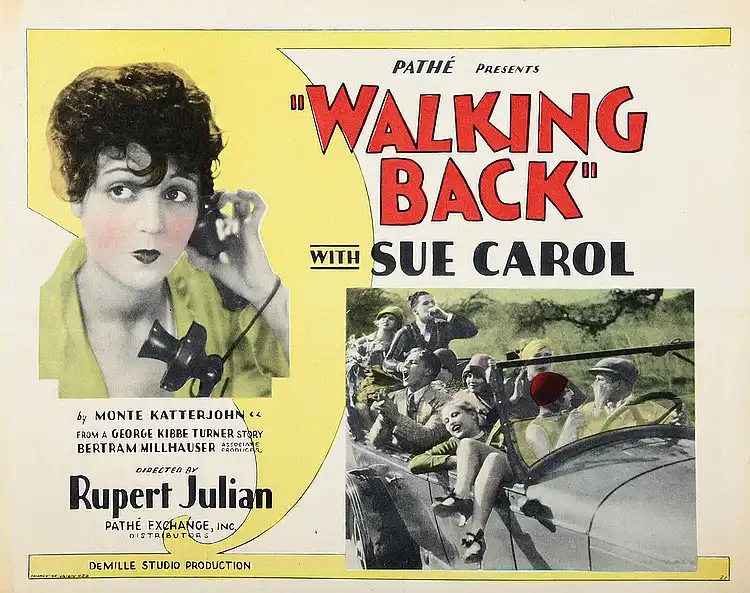
Exploring the nuanced performance in Walking Back is a journey into United States cinema, the thematic layers of this 1928 classic invite a wider exploration of the genre. If Florence Turner, Robert Edeson, Rupert Julian impressed you, these next recommendations will too.
With Rupert Julian at the helm, Walking Back became to reinvent the tropes of Drama cinema for a global audience.
Jazz age youngster Smoke Thatcher "borrows" a neighbor's car to take Patsy, his sweetheart, to a dance after his father refuses to lend him his car. A car-fight with a rival results in the borrowed automobile's being so wrecked that Smoke cannot return it. The garage to which he and Patsy take the car for repair turns out to be actually a gang's hideaway and a place where stolen cars are brought and later fenced. The gangsters compel Smoke, accompanied by Patsy, to drive a getaway car, promising enough money to replace the neighbor's car. The gang robs the bank where Smoke's father is employed, and they shoot Thatcher in making their getaway. Forced to leave his father wounded in the street, Smoke makes a wild drive through the city, ending up at the police station. He is rewarded for "capturing" the crooks.
Walking Back was a significant production in United States, showcasing the immense talent of Florence Turner, Robert Edeson, Rupert Julian. It continues to be a top recommendation for anyone studying Drama history.
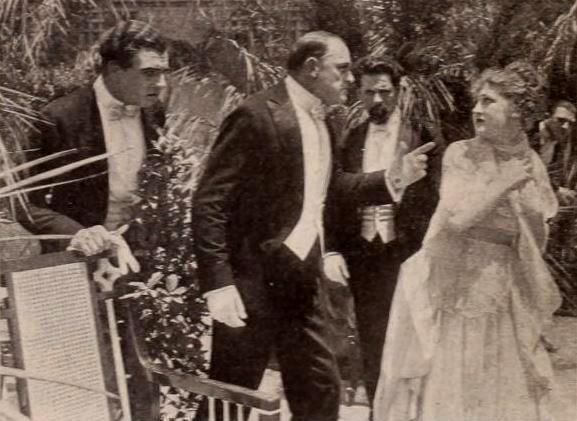
Based on the unique nuanced performance of Walking Back, our vault has identified these titles as the most compelling follow-up experiences for fans of Drama cinema:
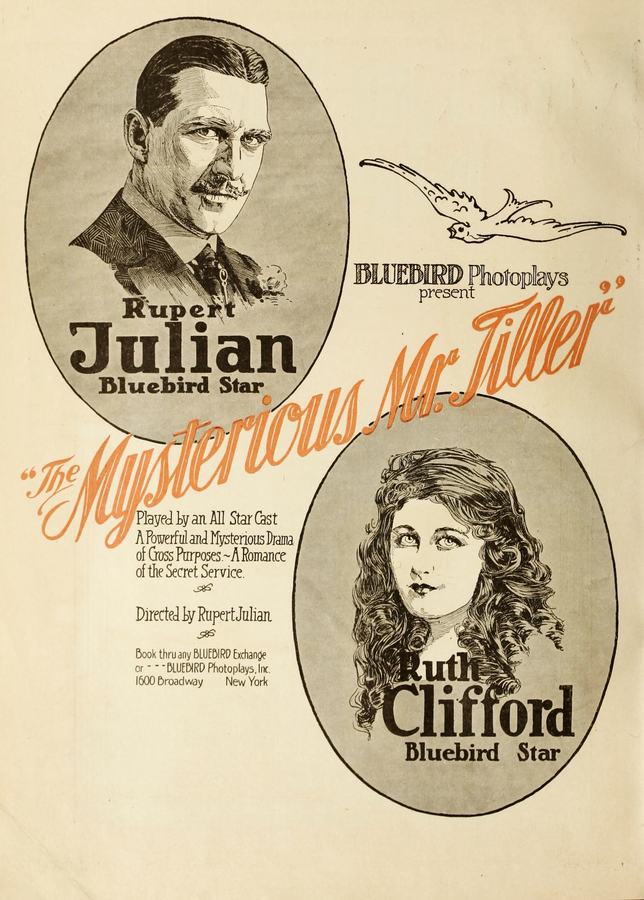
Dir: Rupert Julian
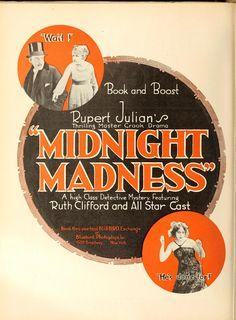
Police headquarters has been plagued by a series of robberies, culminating in the theft of a priceless necklace smuggled from Europe. The detectives are on the track of a gang led by master thief Ramon Mordant and his accomplice known as "the Face" because of his twisted and hideous countenance. Among the detectives on the case is undercover agent Clara Hawthorne, masquerading as a mysterious, glamorous woman. The Face and Clara play a cat and mouse game until, while they are both in pursuit of Mordant, the Face secures the necklace and turns it over to Clara, at the same time revealing himself to be Prentice Tiller, chief of the Secret Service.
View Details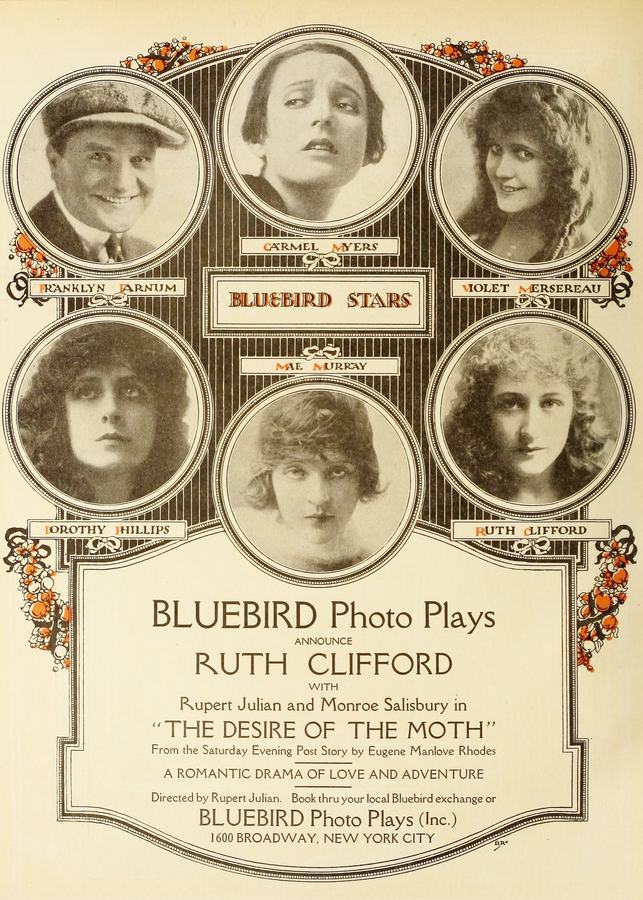
Dir: Rupert Julian
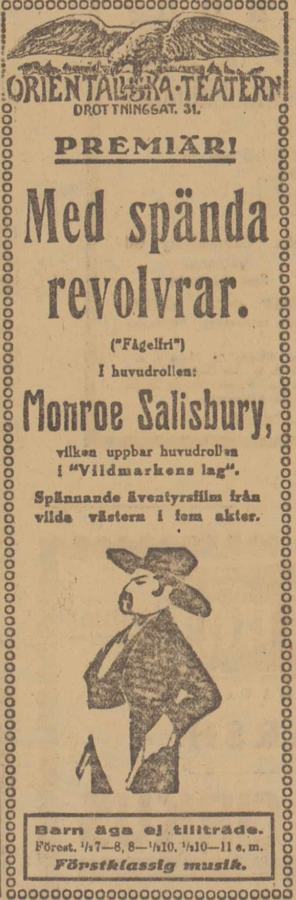
Christoper Foy, who is running away from the authorities, is injured during his escape and takes refuge at the mountain cabin of Colonel Vorhis and his daughter Stella. Stella takes pity on Foy, and the Colonel, admiring Foy's confession of guilt, takes steps to have him pardoned. He and Stella fall in love and Foy remains honest, but when he is accused of cattle stealing, he again runs away. When John Wesley Pringle, who also loves Stella, learns that Foy is innocent but is the object of a conspiracy, he helps Foy by uncovering the plot. Despite his love for Stella, Pringle helps to prove that Foy is innocent so that Stella can find happiness with the man she loves.
View Details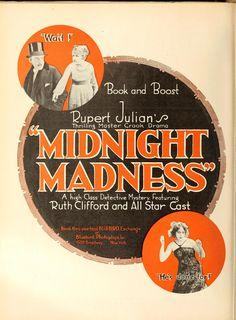
Dir: Rupert Julian
In the act of robbing a set of rare jewels from a museum, a robber is wounded in the hand. Prentice Tiller, while dressing a wound in his hand, overhears the woman in the next hotel room, Gertrude Temple, telephoning Aaron Molitor, to whom she is to deliver some jewels. Posing as Molitor, Prentice calls on Gertrude but disappears when Molitor, who also has been wounded in the hand, suddenly arrives. Molitor's men capture Prentice, who narrowly escapes death in the ruins of an old church and then continues to track Molitor. Gertrude accompanies Molitor and her uncle, Simon Temple, to Paris, where they are met by master crook Chevat and the woman who loves him, Lola Montez. Lola becomes jealous of Gertrude and tries to kill her, but Prentice rescues her. Through a ruse, Prentice, who finally is revealed as a detective, captures Chevat and his gang, returns the jewels to their rightful owner and then proposes to Gertrude.
View Details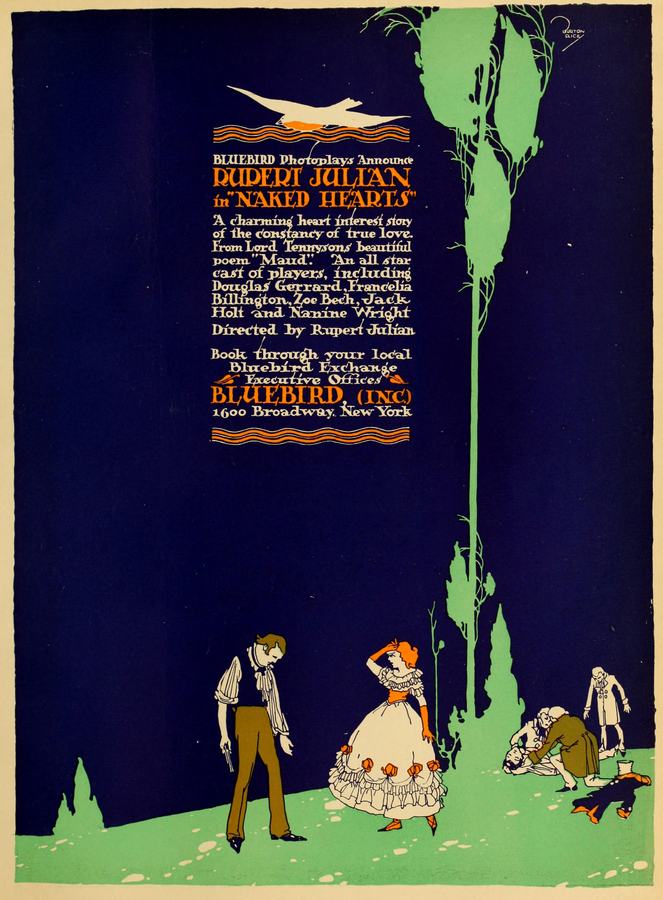
Dir: Rupert Julian
Two families had been neighbors in the South for years; Maud, her brother Howard, and Cecil Lane were playmates. One day as they were playing on the lawn the fathers of Maud and Cecil betroth their children in a bumper of wine. Shortly thereafter Cecil's father loses his fortune through poor speculation and commits suicide. Maud is sent away to school. Cecil begins a musical education, remaining at home and growing up to be the village music teacher. Years later Maud returns home, and soon her brother Howard arrives with a foppish friend, Lord Lovelace, who straightaway lays siege to Maud's heart. Maud and Cecil meet at the village shrine and renew their childhood love. Against her will Maud consents to a betrothal with Lord Lovelace. On the night of the betrothal party Maud and Cecil plan to elope, but their arrangements are discovered and thwarted, a duel between Cecil and Howard developing with in the hour. Maud hears the shots fired, and beholding her brother slightly wounded sends Cecil away in anger. He leaves the village under the impression that Howard will die. Cecil goes far away, and in a great city his musical talents are recognized. Maud, meanwhile, in contrition, would have Cecil return to her, but he keeps his mother poorly informed and Maud is unable to get word to him. When Cecil composes the song, "Come Into the Garden, Maud," his fame is assured. At this time war breaks out and Cecil, Lord Lovelace and Howard become soldiers, eventually meeting on the battlefield. Lord Lovelace knows of Cecil's song and his great fame as its composer, and at the moment he is about to die of his wounds, Lord Lovelace sends word to Cecil, that Maud is waiting for Cecil in the garden. Believing that Cecil has been killed in battle at the same time her brother Howard and Lord Lovelace die of their wounds, Maud decides to dedicate her life to religion and enters a convent. When Cecil ultimately comes home he is too late to reach Maud with any communication. He spends the rest of his life in sorrow going every day to the convent walls and playing his famous song that Maud might hear and know that he thus awaits the final end, faithful to his childhood sweetheart.
View Details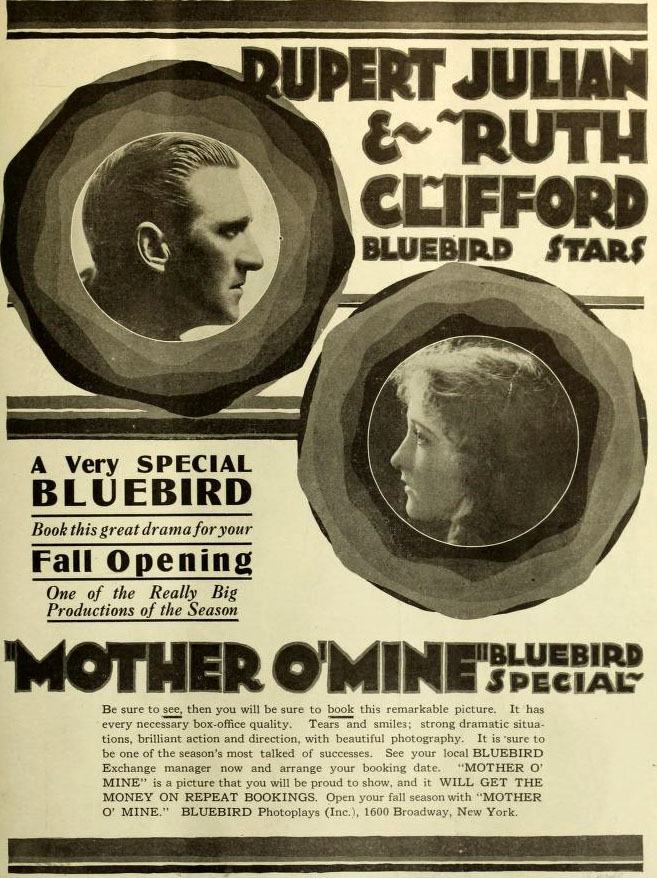
Dir: Rupert Julian
Mrs. Standing, an old-fashioned country mother, sacrifices to put her son John through college so he can have a better life. Upon completing school John goes to the city, where his financial success blinds him to the basic values his mother taught him. During an important social event one evening, Mrs. Standing comes to her son's house carrying wicker basket full of homemade jams. Ashamed, John tells his wealthy fiancée, Catherine Thurston, that the old lady was his childhood nurse. Mrs. Standing overhears her son's deception and goes home devastated. John, remorseful, follows with the firm resolution to devote future years to the care of his mother. Learning the truth, Catherine, accompanied by her own mother, visits the Standings' country home and all is forgiven.
View Details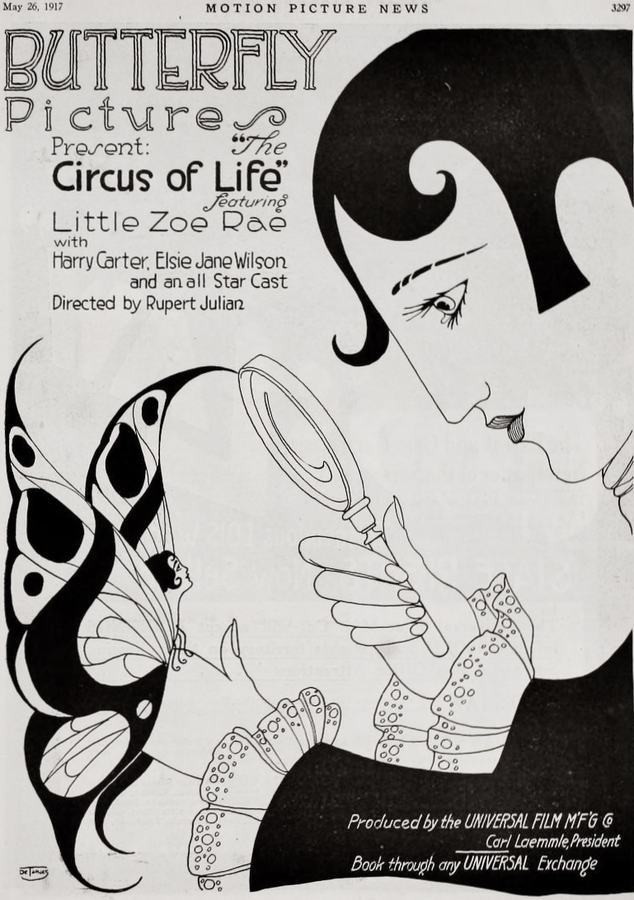
Dir: Rupert Julian
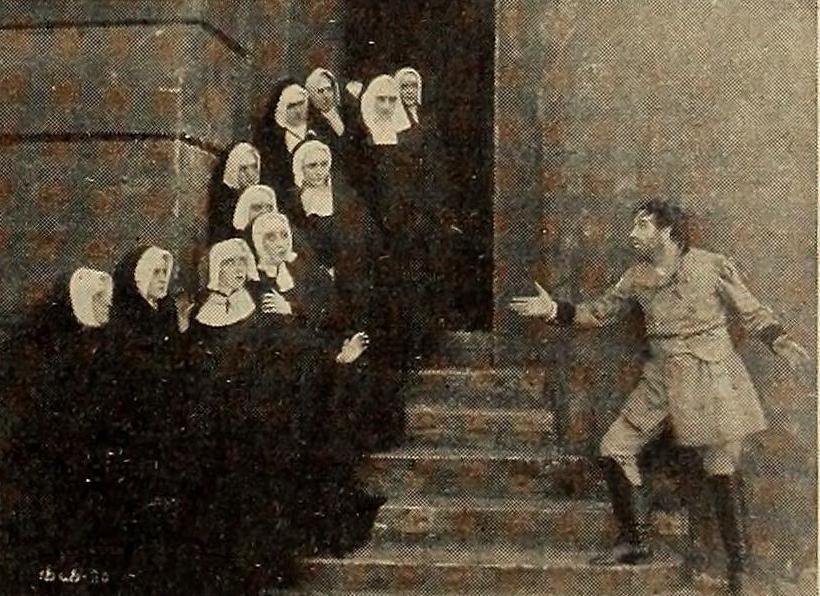
Danny, the driver of a brewery wagon, marries Mamie; soon after, she becomes infatuated with artist Gaston Bouvais. When Marie gives birth to Daisy May, Danny is led to believe at the hospital that the baby is not his. Shattered, he embarks upon a life of drinking and carousing. Nevertheless, he loves the little girl, and as she grows up, Daisy May joins him on the brewery wagon. On one of these trips, Danny drinks too much and loses control of his horses, and Daisy May is injured in the melee. Meanwhile, Bouvais has finally convinced Mamie to run away with him, but Danny's accident finally awakens in her the love she feels for him, and she refuses to go. Rejected, Bouvais marries another woman and happiness is restored to Danny and Mamie. When they reconcile, Daisy May recovers and Danny embarks upon the new career of driving a milk wagon.
View Details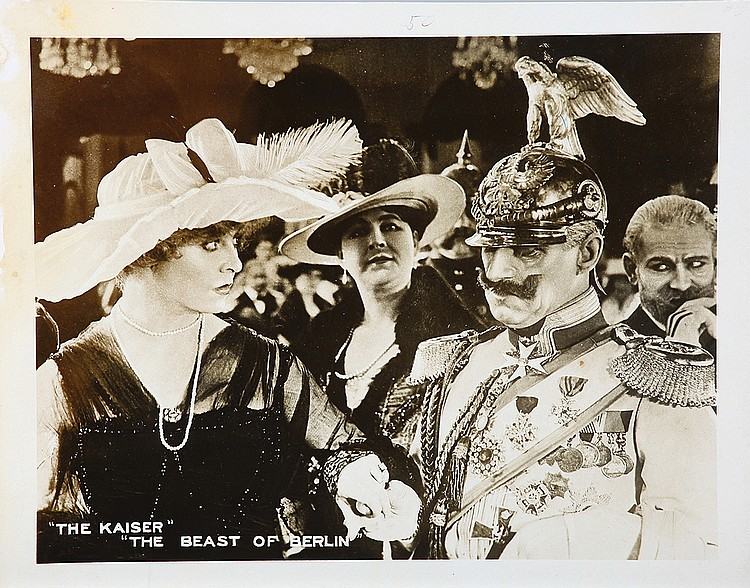
Dir: Rupert Julian
A propagandistic view of the First World War, showing the political greed of the German Kaiser Wilhelm, the resistance of some of his own soldiers, and fanciful prediction of the nature of the war's end.
View Details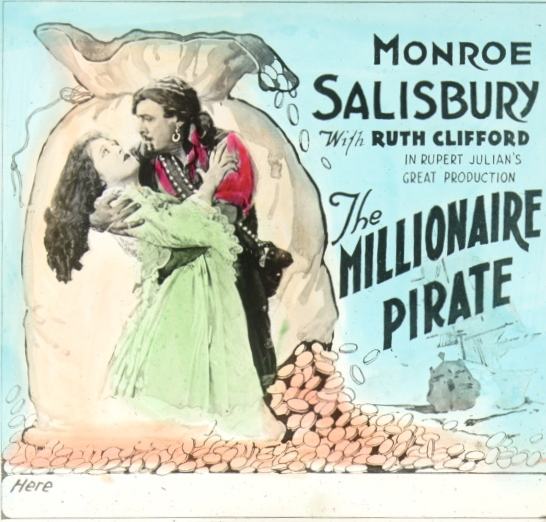
Dir: Rupert Julian
In modern times Paul Winthrop visits an island and paints a picture of Joe, a picturesque pearl diver. He dresses him in pirate garb and when the picture is done Joe cannot take his eyes from it. The two men instinctively recognize each other. Joe is another Jean Lafitte, Paul is his antagonist of the years before. Later Joe stumbles across a case of pirate treasure buried along the shore. By a plate on the box he reads the name of the one-time owner, Jean Lafitte. With this treasure he is enabled to visit the United States, where in New York he again finds Paul Winthrop. Paul is in love with Lily Demorest, but her parents have signified their desire that she marry Robert Spurr, a millionaire. Joe is immediately attracted to her and decides to kidnap her. First his motive is charitable. He intends turning her over to Paul, who is timid about such action himself. Then he decides to keep her for himself, but Lily cries out for Paul and then to the pirate descendant dawns the true meaning of the curse fastened on his ancestor by the woman he coveted. So he returns her to Paul, and though it is difficult he finds some happiness in the thought of their reunion.
View Details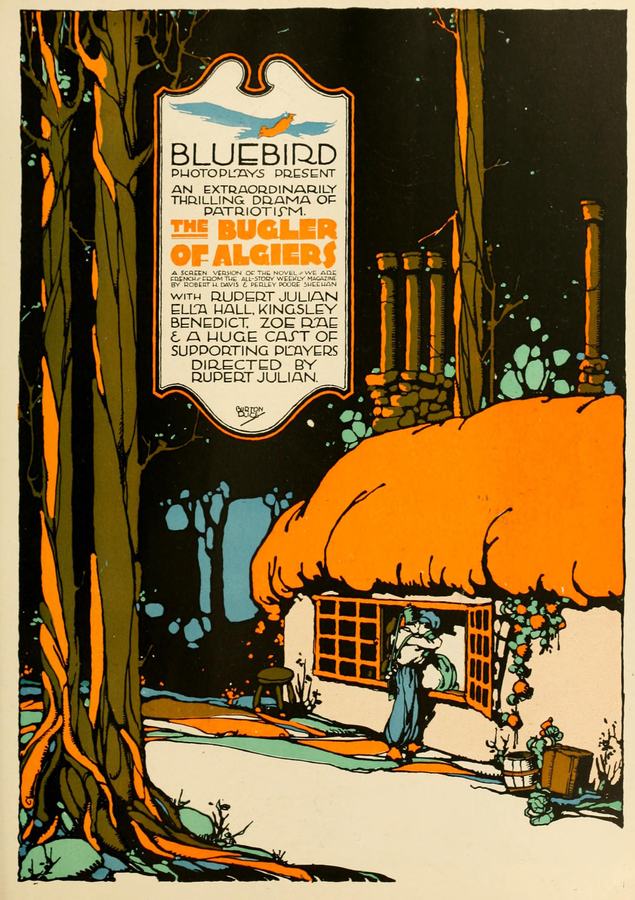
Dir: Rupert Julian
In a little town in France live orphan siblings Gabrielle and Anatole Picard. Gabrielle has been a mother to her brother since their own mother died and they are devoted to each other. Their friend is Pierre Dupont, who is in love with Gabrielle. When the call comes to fight for France, the two men join the colors. Gabrielle promises Pierre that if he will watch out for her brother that she will marry him upon his return. In the field, Anatole becomes the bugler of the regiment and during one of the skirmishes he and Pierre become separated from the main division of the army and with them, Peppy, the drummer boy, who dies. So it is that the report comes to the village that the two men are dead. Later the invading army reaches the village. They enter the cottage of Gabrielle and order her to serve them with drinks, which she does, but when they order her to drink a toast against France, she throws the liquor in the officers' face. Years elapse and Anatole and Pierre return to the village. No one knows of Gabrielle's whereabouts, as she was last seen when the invading army entered the village. Their search is fruitless. At last they settled down in the rebuilt cottage. But never does Pierre lose an opportunity to recount the valor of Anatole when the commander of the foe ordered him to give the bugle call for retreat with the promise that he would be spared and instead Anatole had given the call to charge. Thus the enemy was routed. Dissard, an officer of the French government, is at the head of a committee to bestow honors upon those who have done brave deeds. It so happens that the reception which he has planned for a certain officer will have to be abandoned, owing to the hero's death, unless Dissard can find some other one to take his place. The records are searched and it is decided to decorate Anatole Picard. Accordingly he is sent for. Pierre and Anatole decide to march to Paris in spite of the protest of the villagers, but just as they are at the gates of Paris, Anatole becomes so weak that he cannot go further and dies in a peasant's cabin. Pierre goes on alone and receives the decoration from the President and makes a speech which wins the hearts of his audience. He tells them of Gabrielle and the part she had had in making a hero of Anatole, spectators thinking that Pierre is Anatole. Much to his surprise, Gabrielle, now an old woman, enters the banquet room and the two are united. On their way back to the village, she asks where her brother is and Pierre promises to take her to him. They go to the little peasant cabin where Pierre left Anatole and shrouded in the flag of France. Then Pierre decorates the body with the cross which he received for Anatole, as he never intended keeping the honor for himself.
View Details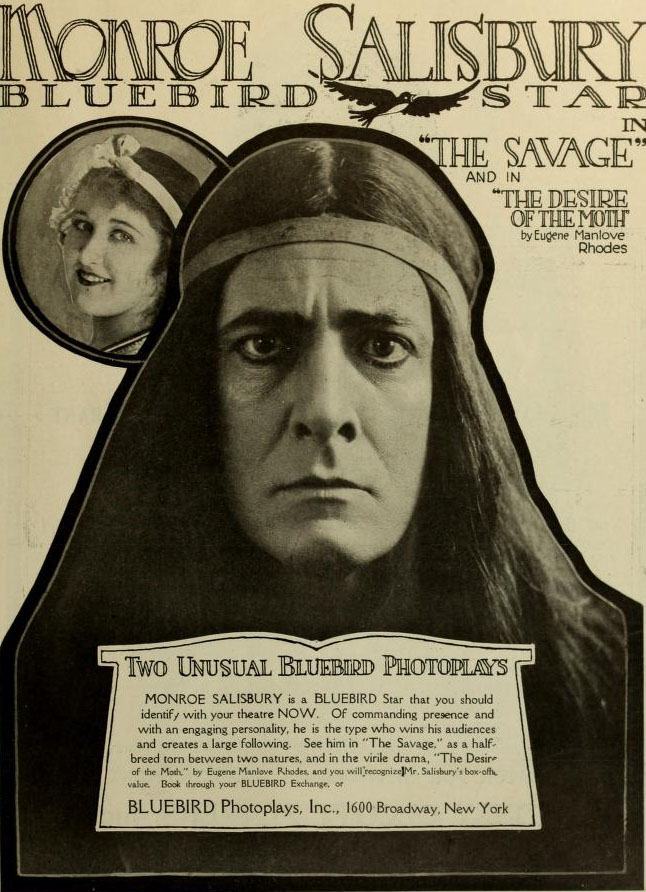
Dir: Rupert Julian
When Marie Louise, the daughter of the town factor, returns home from school, Julio Sandoval, a reckless young half-breed ruled by his animal instincts, develops a passion for the girl, even though she is engaged to Captain McKeever of the mounted police. Meeting Marie when she is alone in the woods one day, the half-breed carries her to his cabin on the mountain top where he collapses from an attack of mountain fever brought on by overexertion. Taking pity on Julio, Marie nurses him back to health, and when the rescue party arrives, she does not betray him. Upon her return to town, Marie learns that McKeever has been taken prisoner by the outlaw Joe Bedotte. Marie pleads with Julio to rescue the captain, and in gratitude, he goes to the mountains, frees the captain and surrenders his own life as a consequence.
View DetailsAnalysis relative to Walking Back
| Film Title | Atmosphere | Complexity | Similarity |
|---|---|---|---|
| The Mysterious Mr. Tiller | Surreal | Layered | 95% Match |
| The Desire of the Moth | Ethereal | High | 91% Match |
| Midnight Madness | Surreal | Dense | 88% Match |
| Naked Hearts | Gothic | High | 95% Match |
| Mother o' Mine | Gritty | Dense | 89% Match |
This guide was algorithmically generated using the cinematic metadata of Rupert Julian's archive. Last updated: 8/16/2026.
Back to Walking Back Details →