
DbcultAccessing Vault...
Recommendations
Senior Film Conservator
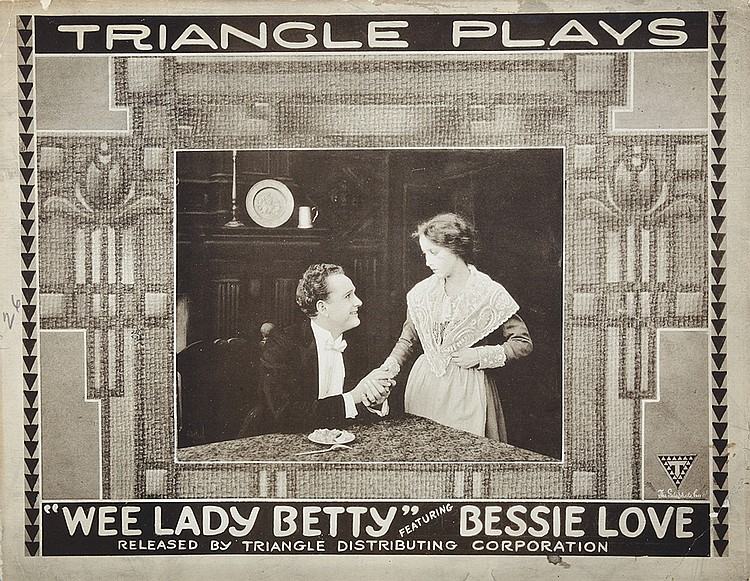
Looking back at the 1917 milestone that is Wee Lady Betty, the specific artistic bravery of this work is a gateway to a broader cult world. Our archive is rich with titles that mirror the artistic bravery of Charles Miller.
As Charles Miller's most celebrated work, it defines to create a dialogue between the viewer and the artistic bravery.
Wee Lady Betty rules the O'Reilly castle with a stern hand and a big heart until she learns that Roger, the O'Reilly heir, is coming to take possession of his estate. Unable to provide for her aged father, Betty conceives of a scheme. Feigning to leave the castle, she returns after dark with her father and installs him in the haunted chamber. The next day when Roger arrives with his mother, he is met by villagers angry at Betty's banishment. In the guise of a maid, Betty shows the O'Reillys through the castle, laying special emphasis on the haunted chamber. That night, while bringing food to her father, Betty hears Roger opening the chamber door. Attempting to frighten him away, she jumps behind a suit of armor, but he shoots at the "ghost." Meanwhile the villagers storm the castle and Roger goes to appease them. Betty saves Roger by commanding them to leave, and her future at the castle seems secure when she and Roger embrace.
Based on the unique artistic bravery of Wee Lady Betty, our vault has identified these titles as the most compelling follow-up experiences for fans of cult cinema:
Dir: Charles Miller
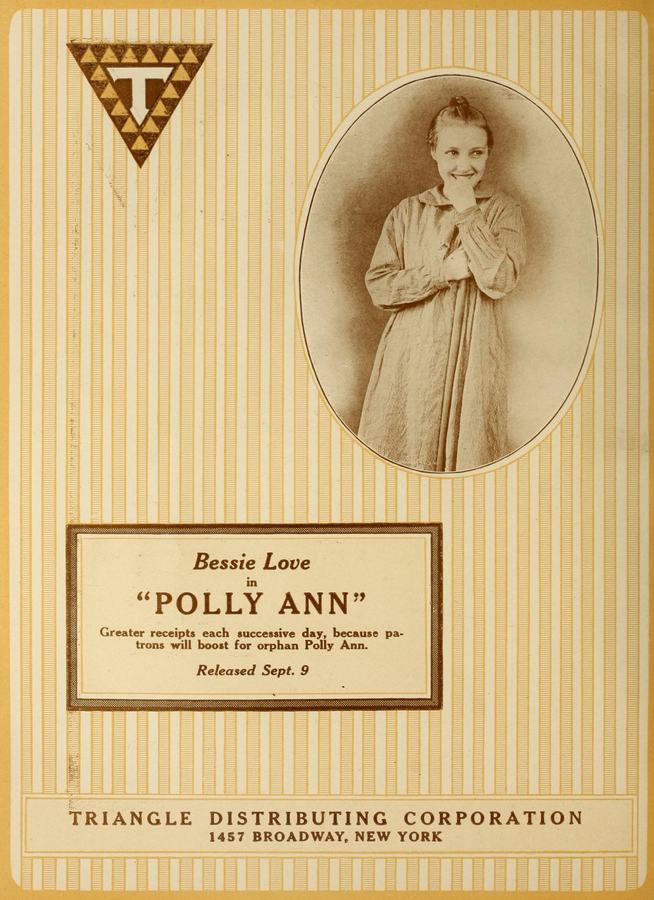
Young Polly-Ann works in a small town inn as a maidservant. A troupe of actors comes to town and the innocent girl falls in love with one of its members. Howard Straightlane is sent to the small town by his father, to work as a schoolteacher in hopes of smartening up the young man from his wild ways. Howard soon meets Polly-Ann and saves her from the unscrupulous actor, meanwhile Howard's father has discovered Polly-Ann is his niece and sends for her. Another niece, greedily tries to force Polly to give her, all of her share of the family fortune. Upon hearing this the father insists that Polly return and since she and Howard have fallen in love, his son is now forgiven.
View Details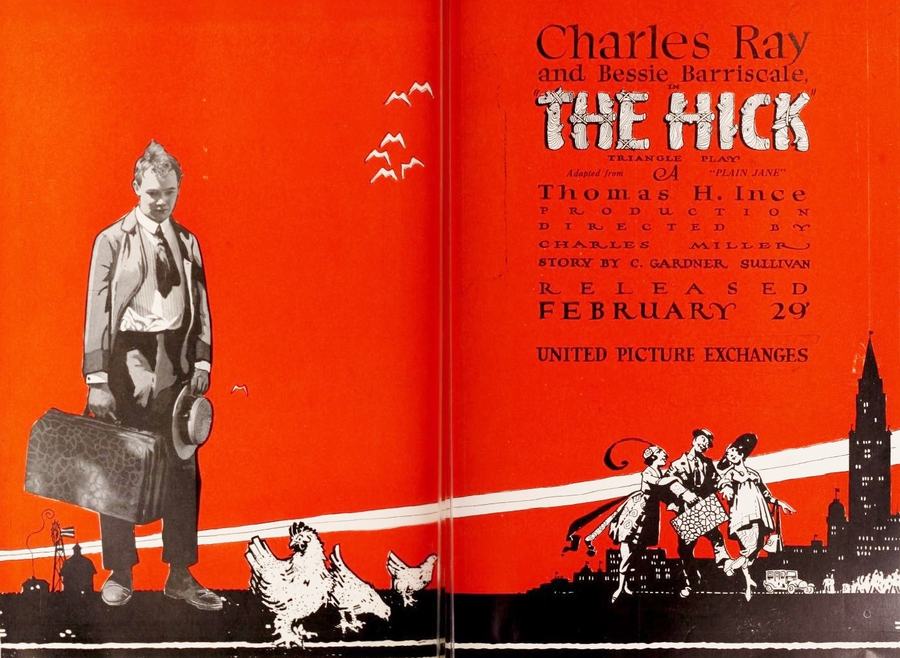
Dir: Charles Miller
John Adams is working his way through college. Jane is the little slavey in his boarding house. John at first has no idea of falling in love with Jane, but she is completely gone on him from the beginning. In fact, he has his eyes on Ethelda Rathbone, a young college girl. There came a time when John wanted to attend a ball at which Ethelda was to be present, but he hadn't a dress suit. Jane chanced to become aware of this, and with her scanty savings rented him one. Of course she couldn't tell him she did that, but she pretends that it was left there by a former boarder. So he goes to the ball. But boys will be boys, and his classmates rip the coat up his back, and he is compelled to come home without having seen Ethelda at all. Jane takes the suit back to the dealer, unaware that it is ruined. When the dealer discovers it, he demands payment. There follows a scene in the street in which she is humiliated. It was then that old Frederick Verstner, the town photographer and a man of considerable means, came to the crowd. Hearing her pitiful story, he made good the amount to the dealer. Shortly after this, Jane went to Verstner's to have her picture taken that she might give it to John. A newspaper in New York was offering a prize for the most beautiful photograph of a college girl, and Verstner's was crowded with girls from the school. Verstner took a picture of Jane, and, by loosening out her tresses and placing something filmy about her shoulders, he made her look beautiful. Through a course of circumstances, and without Jane's knowledge, this photograph is sent along with the others to the paper. And it wins the prize. Jane is, of course, as much surprised as the rest. And so is John. Verstner adopts the girl, educates her and makes her the most popular girl in the place. And then comes a great awakening for John.
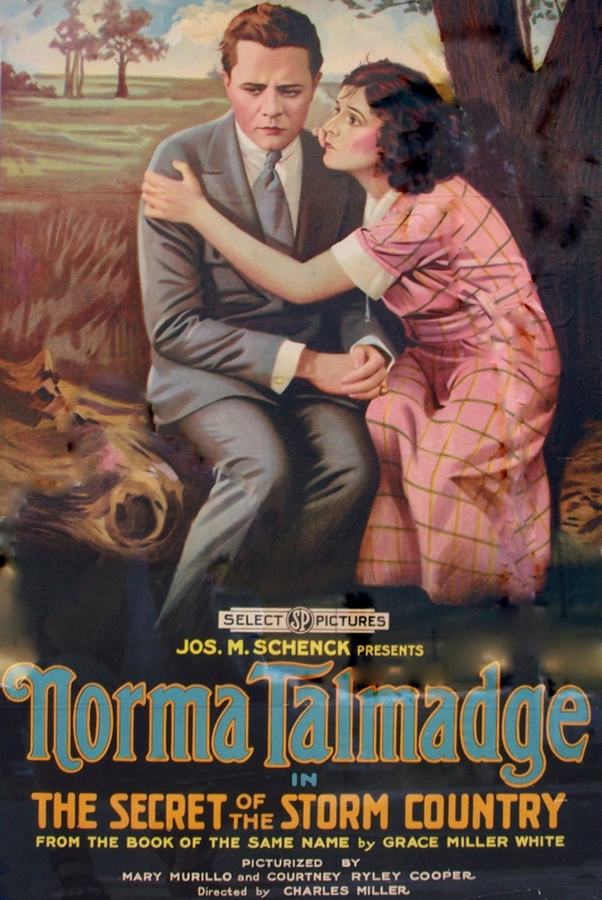
Dir: Charles Miller
Rejected by the townspeople because her father is a squatter, Tess Skinner nevertheless wins the love of the wealthy Frederick Graves, who secretly marries her. When Frederick's mother insists that he marry heiress Madelene Waldersticker, he lacks the courage to admit that he is already married and instead acquiesces to his mother's wishes. For her husband's sake, Tess conceals his crime of bigamy. When her baby is due, Tess is summoned before a council of churchmen and banished from the church because she refuses to name her betrayer. Left alone upon the death of her father, Tess is shielded by Mr. Young, a middle-aged admirer who offers her and her baby the protection of his home. Several years later, Frederick dies of a heart attack and Tess rewards her faithful friend by becoming his wife.
View Details
Dir: Charles Miller
In a prologue, Wilhelm II is born into opulence to continue the Hohenzollern dynasty of his father Frederick III, while Woodrow Wilson is born into the modest manse of his father, a Presbyterian reverend who tells his wife that the boy must be brought up "in the fear of the Lord." Conrad Le Brett from Alsace-Lorraine is forced to fight for Germany because his land has been conquered. Conrad, seeing other soldiers take girls into a church to rape them, kills one who murders a baby, and is then shot and taken to a Brussels hospital run by famous nurse Edith Cavell. He and his American nurse, Amy Gordon, fall in love. After Cavell helps Amy escape the pursuance of General von Bissing, the German governor, von Bissing has Lieutenant Ober execute Cavell. Learning of the Kaiser's order that all unmarried women be given to soldiers so they can bear sons for the army, Ober returns to Alsace-Lorraine, where he earlier insulted Conrad's sister Vilma. Ober kills Conrad's grandfather and rapes Vilma. Conrad honors her dying request that he go to America and defend Alsace-Lorraine's reputation. He marries Amy and convinces President Woodrow Wilson that Alsatians should be allowed to enlist. Fighting with the "doughboys," Conrad kills Ober, and after the armistice, returns to Amy.
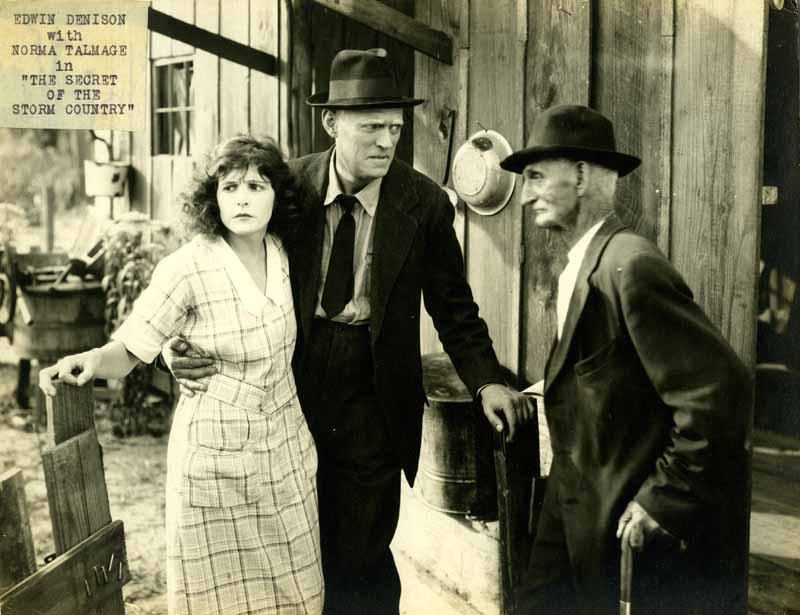
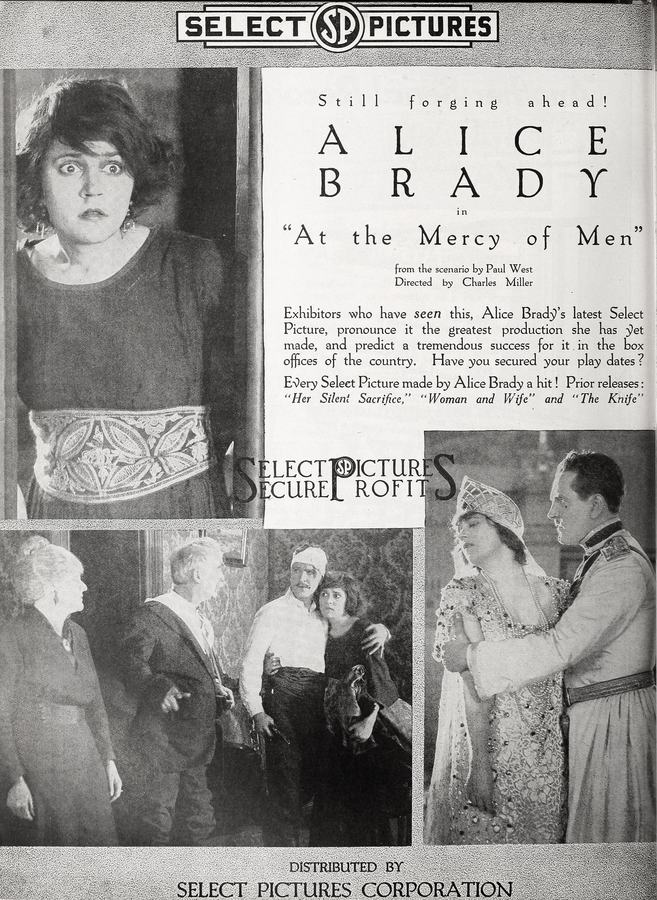
Dir: Charles Miller
Vera Souroff, a young Russian girl, is seized on the street and dragged into a room where three officers of the Czar's guard have been dining. The lights are turned out and the girl is outraged. The crime is brought to the attention of the Czar. Vera cannot tell which of the three officers is the guilty man. The Czar orders Count Nicho, the eldest of the three officers, to marry the girl, and makes them all turn over their fortunes to her. They are then sent to prison. The revolution breaks out. Vera saves her husband at the risk of her own life, as she wishes to wring from him the name of the man that violated her. Nicho, now honestly in love with his wife, admits that he was her assaulter, and the couple clasp each other in a fervent embrace.
View Details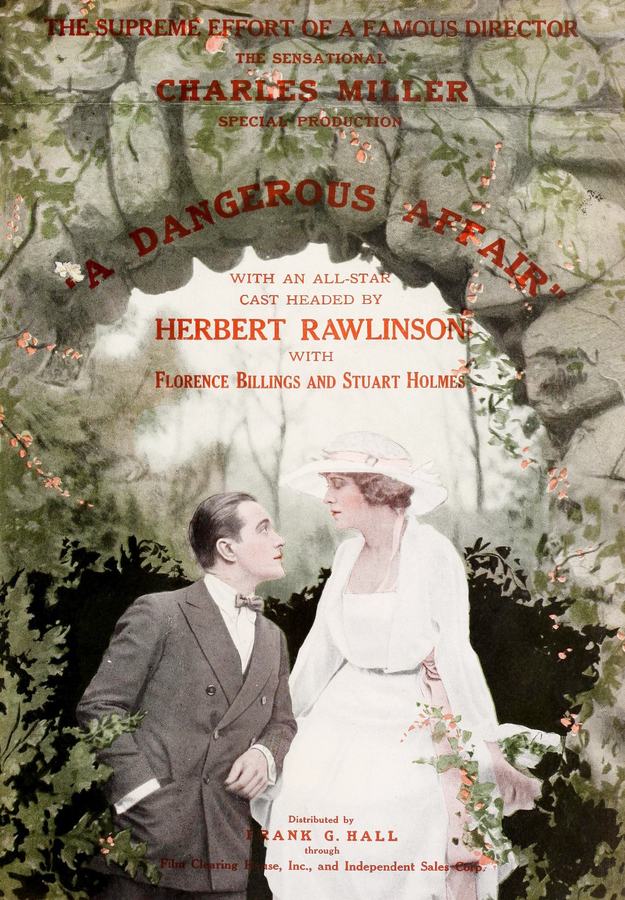
Dir: Charles Miller
Elderly millionaire James Rance, whose only passion is chess, warns his grandson Tommy, who missed the previous evening's game because he played poker with his uncle Gilbert, that should he miss another game, Gilbert will gain the boy's inheritance. During another poker game the next night, Gilbert provokes a fight between Tommy and another player that results in the other player's supposed death. Meanwhile, Terrence Redmond, the guardian of an orphan he found while fighting in France, falls in love with Dawn Moyer. During Elsie Rance's party at the Hotel Plaza, Terrence gallantly offers to assist Elsie whenever she needs him. The next morning, when Tommy's absence is discovered, Elsie calls Terrence, who, after beating Gilbert's Japanese servant in jujitsu, locates Tommy and Dawn at Gilbert's country home. After Gilbert's attempt to poison Terrence is discovered when a cat dies after drinking Terrence's cream, Terrence fights Gilbert's henchmen with broadswords and wins because of his inherited penchant for violence. Tommy returns in time for the chess match, and Elsie becomes engaged to Terrence's friend Bruce, leaving Terrence free to romance Dawn.

Dir: Charles Miller
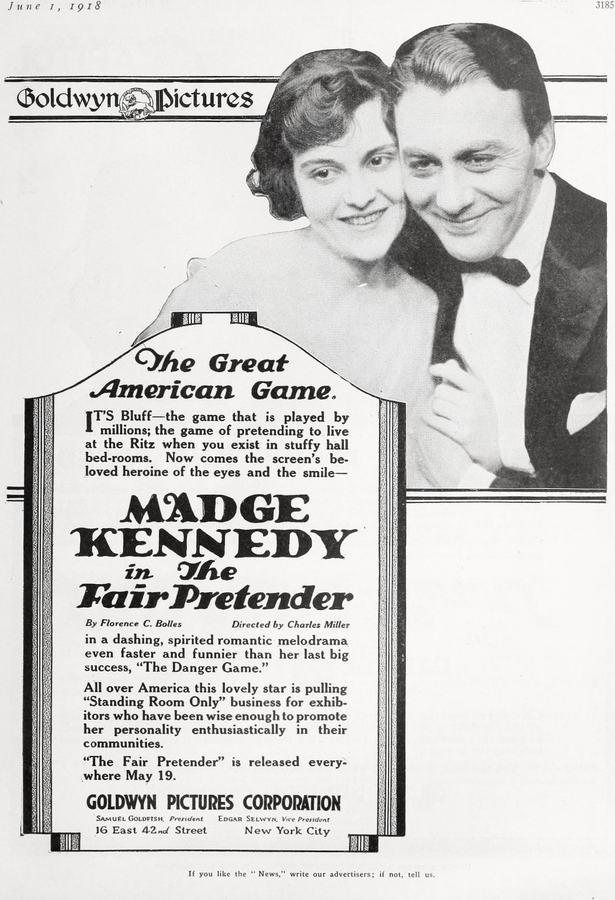
Sylvia Maynard is a stenographer for a theatrical producer and tries to prove to her boss, that she can act by posing as a society woman at a lavish house party. Don Meredith, the struggling playwright who wrote the work in which Sylvia wishes to star, also masquerades as a famous writer at the party in order to prove that the central thesis of his play is valid: that one can pose in any role in high society and get away with it. Sylvia, introduced as the widow of Captain Milton Brown, falls in love with Don, but her joy turns to panic when her supposedly dead husband suddenly appears. The amused captain allows Sylvia to continue her impersonation for a time but advises her to leave the party. Don, heartbroken, also leaves, but after several adventures in which he helps Sylvia retrieve papers stolen during the party by a German spy, the two lovers are reunited in their true identities, and the play debuts successfully.
View Details
Dir: Charles Miller
Young Samson Oakley III is the only son of Samson Oakley II, the distinguished head of a prominent Wall Street firm. When he is expelled from college--although for an offense he didn't commit--his angry father puts him on a small allowance and basically exiles him. However, when he marries a chorus girl, his father disinherits him altogether. Desperately trying to make some money, the young man discovers he has an innate talent as a safecracker. His newfound skill is put to the test, though, when he discovers that several of his father's crooked colleagues are plotting to take over his father's firm by spreading false rumors about his death and stealing some valuable securities.
Dir: Charles Miller
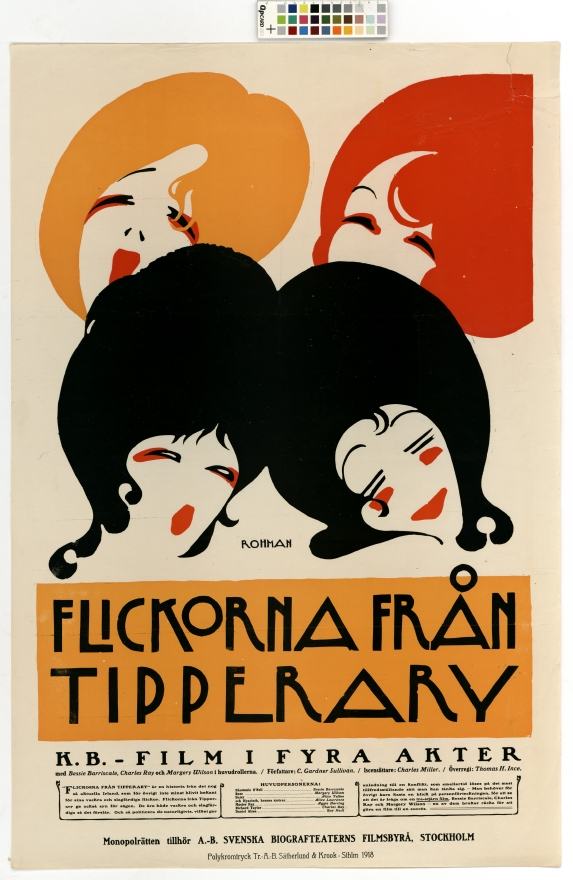
When a distant Irish relative dies, a young American travels to Ireland to obtain his inheritance. He gets far more than he bargained for when a beautiful Irish colleen catches his eye.
View Details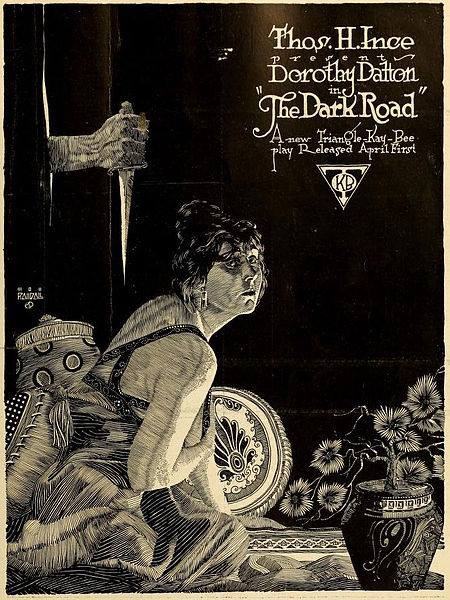
Dir: Charles Miller
Jim Morrison, an English army officer who comes from a very old and prominent family, marries the ravishingly beautiful but unscrupulous Cleo, who has no qualms about using her sexual allure to get the luxuries she wants but that her husband can't provide. When Jim is sent off to war, Cleo embarks on a series of affairs, one of which results in her becoming the love slave of a German spy--the very spy that her husband has been assigned to track down.
View DetailsAnalysis relative to Wee Lady Betty
| Film Title | Atmosphere | Complexity | Similarity |
|---|---|---|---|
| Polly Ann | Gritty | Layered | 96% Match |
| Plain Jane | Tense | Dense | 91% Match |
| The Secret of the Storm Country | Gothic | Linear | 95% Match |
| The Great Victory, Wilson or the Kaiser? The Fall of the Hohenzollerns | Gothic | Dense | 93% Match |
| At the Mercy of Men | Surreal | Layered | 93% Match |
This guide was algorithmically generated using the cinematic metadata of Charles Miller's archive. Last updated: 6/27/2026.
Back to Wee Lady Betty Details →