
DbcultAccessing Vault...
Recommendations
Senior Film Conservator
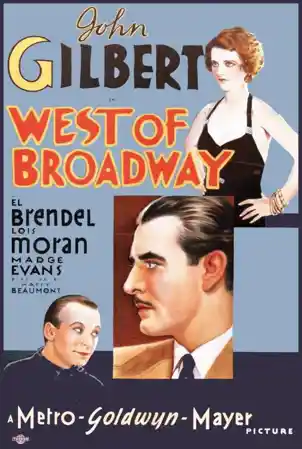
The cinematic DNA of West of Broadway (1931) is truly one of a kind, the search for similar titles reveals the deep impact of Harry Beaumont's direction. Our cinematic experts have identified several titles that reflect the spirit of 1931.
As a pivotal work in United States cinema, West of Broadway to capture the existential zeitgeist of 1931.
Jerry Seevers returns from World War I service broken in health and his doctor tells him he has only six months to live. His fiancée jilts him and he sets out to drink himself to death. In one of his binges he wakes up to find himself married to what the assumes is a gold-digger after his money. He leaves her and goes to a ranch in Arizona and get rid of his new bride, who is really in love with him. He sets up divorce proceedings and then realizes he actually loves her.
The influence of Harry Beaumont in West of Broadway can be felt in the way modern Romance films handle nuanced performance. From the specific lighting choices to the pacing, this 1931 release set a high bar for atmospheric immersion.
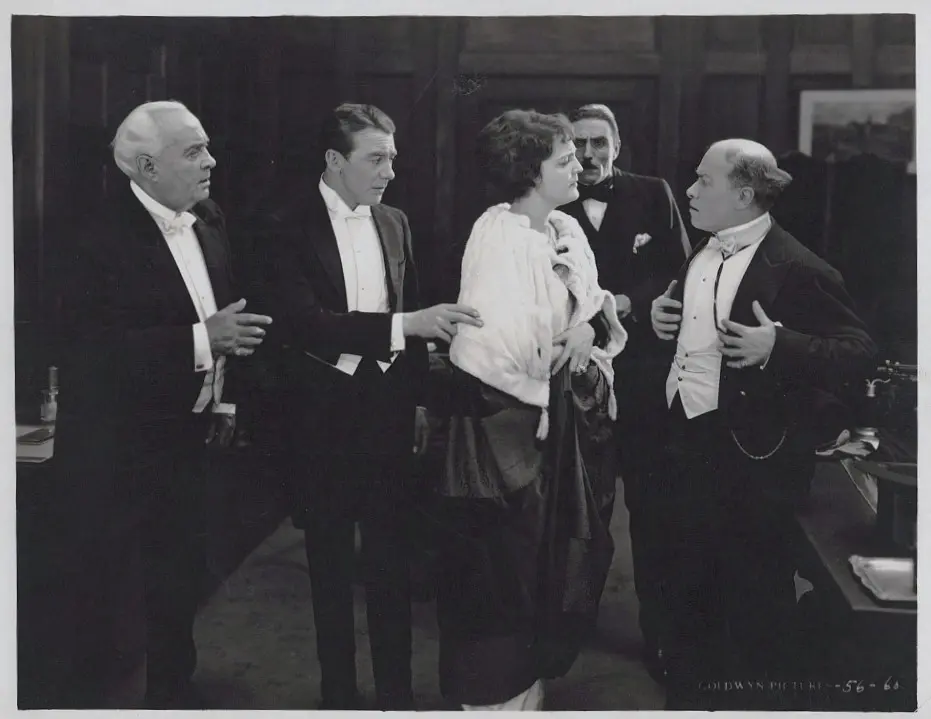
Based on the unique nuanced performance of West of Broadway, our vault has identified these titles as the most compelling follow-up experiences for fans of Romance cinema:
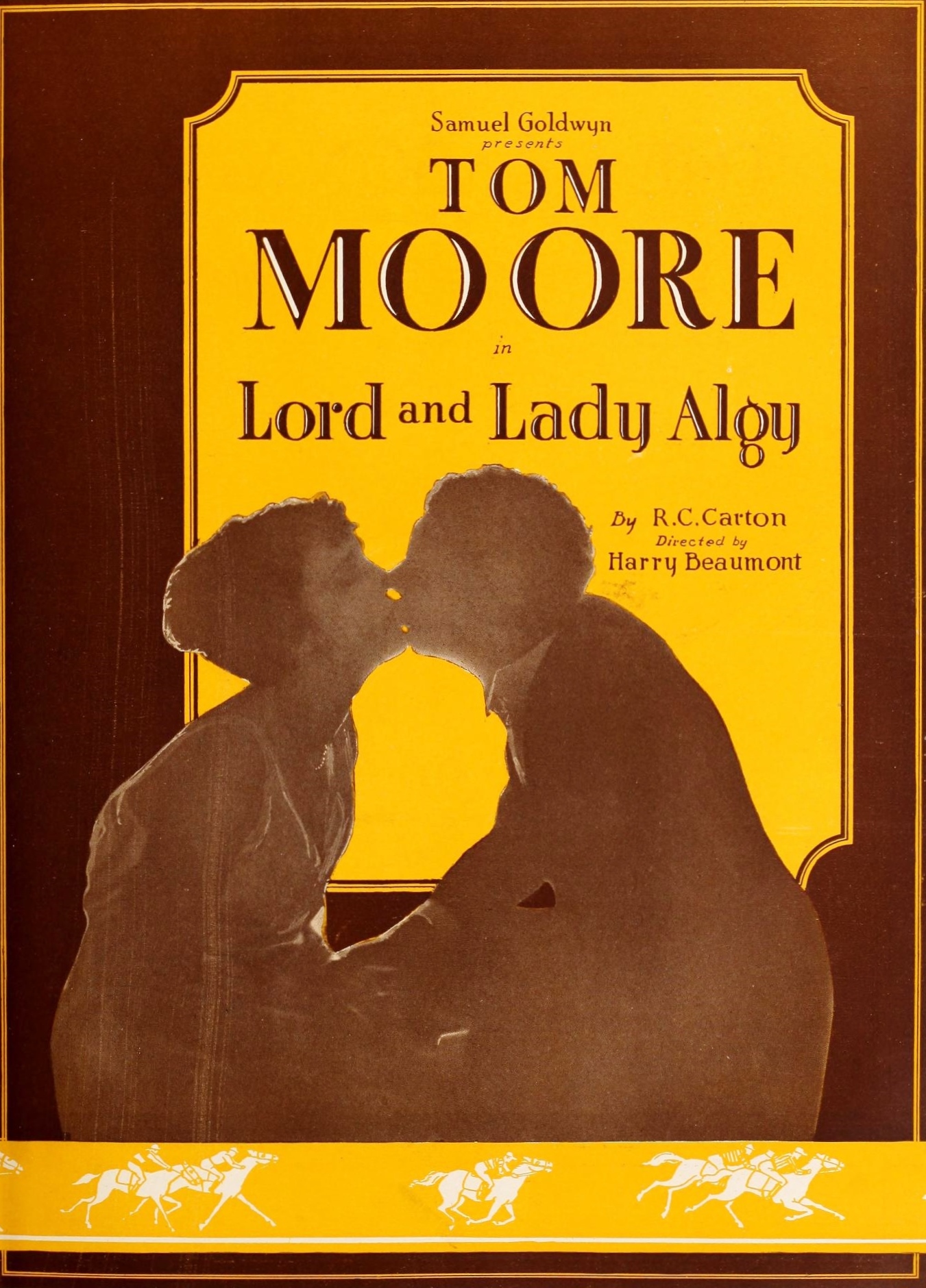
Dir: Harry Beaumont
Lord and Lady Algy separate on cordial terms, after he breaks his promise not to gamble again on the horses. When the wife of soap magnate Brabazon Tudway, is courted by Algy's philandering elder brother, Algy tries to help his brother escape Tudway's wrath by hiding Mrs. Tudway in his apartments. Tudway discovers her there and is about to accuse Algy when Lady Algy appears and, believing Algy to be innocent, tells Tudway that his wife was there to meet her. Although Algy and his jockey disgrace Lady Algy by getting drunk at a masked ball on the eve of the Grand Derby, the race in which Algy plans to stake his entire fortune on his pet racehorse, Lady Algy saves his fortune by betting her own money on a dark horse that wins. Algy know penitent, swears he will give up gambling forever, thus reuniting with his loving wife.
View Details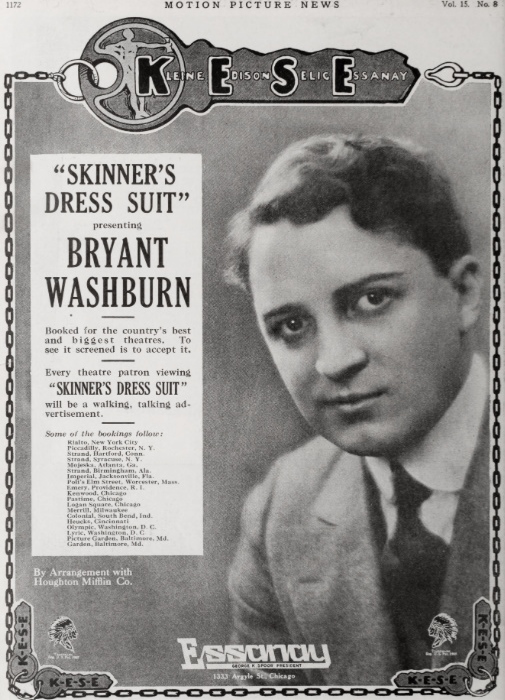
Dir: Harry Beaumont
Skinner is afraid to strike his employer for a raise for fear he will be discharged. Mrs. Skinner scoffs at his fears, however, and finally induces him to demand an increase. Her humble spouse gets the proverbial "cold feet" at the final moment; so to "cover up" before his wife, he fibs a little and tells her he got the raise, taking the money from his private bank account. She forthwith makes him purchase a dress suit and "spruce up." Although it almost wipes Skinner's bank account out, he buys the clothes. Skinner is frantic; he sees the wolf at the door. But, by virtue of his dress suit and good appearance, he gets acquainted with some wealthy people and is enabled to put over a big business deal for his firm. Rushing into his company's office with the order, he demands a raise and a partnership in the firm. He gets both.
View Details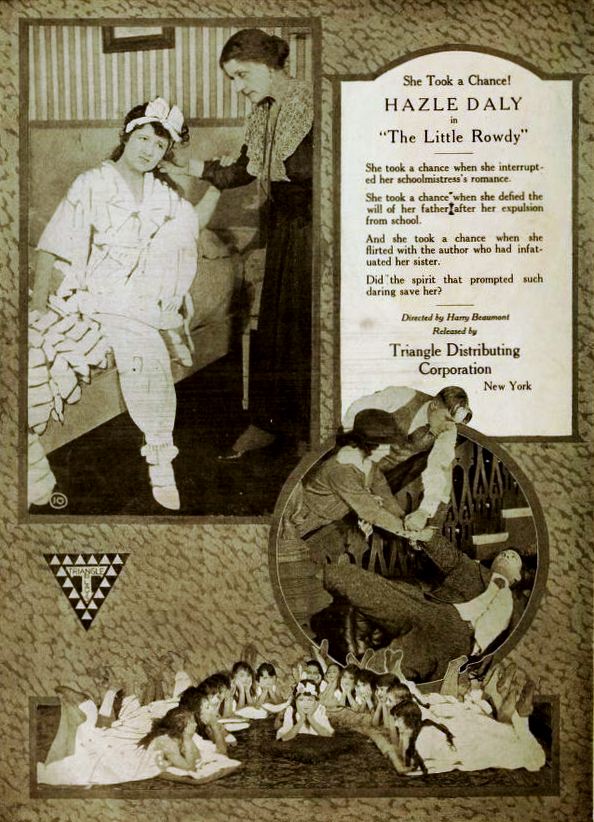
Dir: Harry Beaumont
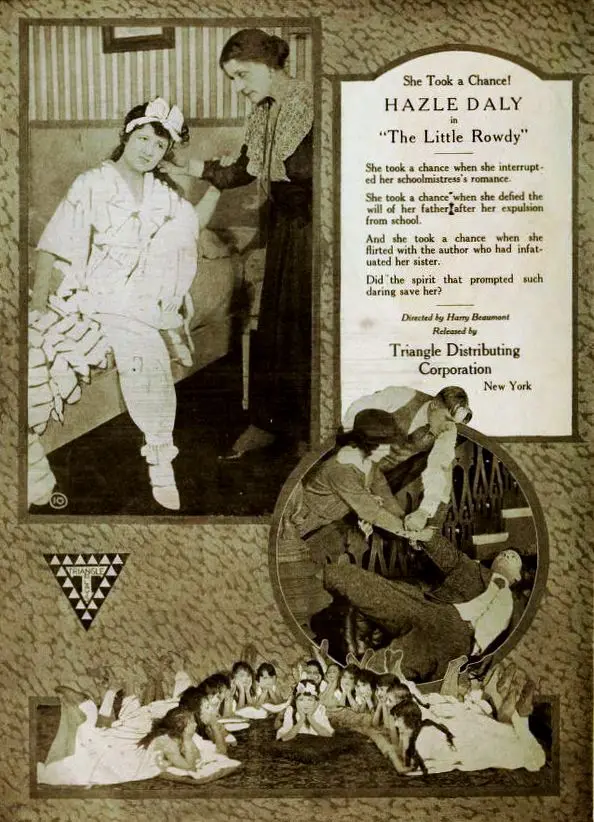
Betty Hall, sent to boarding school by her wealthy parents, leads her friends in pajama pranks which upset Miss Elliott, the matron. After breaking up Miss Elliott's first and only love affair, Betty is expelled. To save the family from further disgrace, Betty's father tries to get her to marry a man in his office, Franklyn Winters, but Betty refuses, saying that she will choose her own husband. Although Franklyn is made a partner in the business, his persistent courtship attempts are met by Betty's playful pranks. When celebrated novelist Roy Harper carries Betty to his home after she has fallen from her horse, Franklyn pursues them, and thinking Harper lured her in, fights him. Betty furiously upbraids Franklyn, but after he leaves, Harper's advances cause her to chase after Franklyn. At the last minute, Betty boards the train taking Franklyn to officer's training school. They are betrothed on its rear platform.
View Details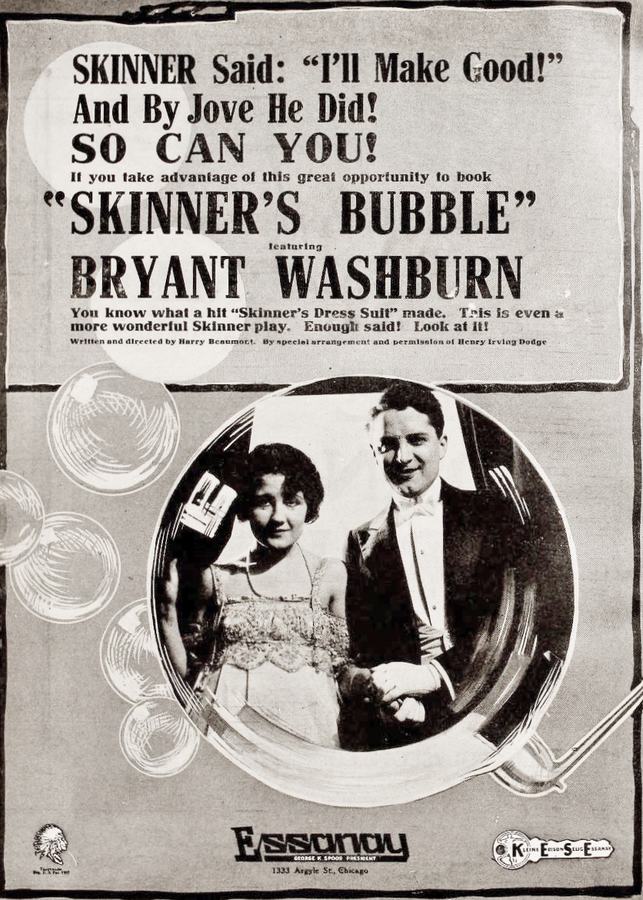
Dir: Harry Beaumont
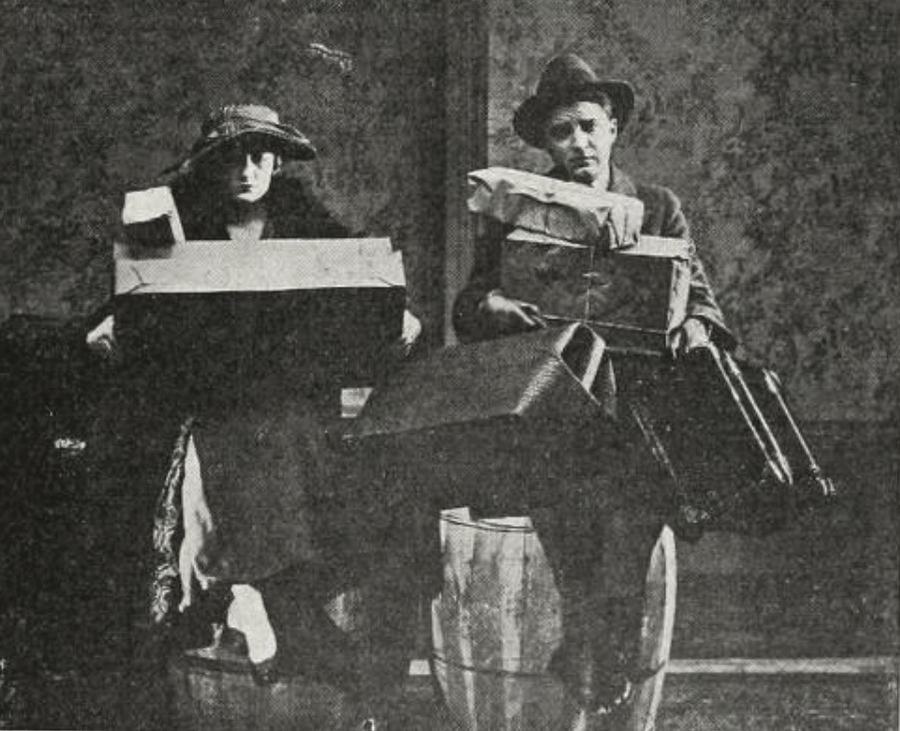
William Manning Skinner, having attained a junior partnership in the firm of McLaughlin and Perkins, aspires to higher things. He figures that by working for himself he can become the Napoleon of the industrial world. He resigns his position and sets up in business for himself on a big scale. Skinner runs onto the verge of bankruptcy. He neglected to note that the prestige of the old-established firm he left had been largely responsible for his past success. Does he confess his failure to Honey, his adoring little wife? No. He informs her casually he is making money so fast he cannot count it. Honey confides to Mrs. McLaughlin, who in turn tells her husband. McLaughlin and Perkins decide they have made a tremendous mistake in letting Skinner get out of the firm. So it happens that just as Skinner is preparing to go into bankruptcy, a miserable failure, the partners make him a staggering offer to become again a member of their firm. It was Skinner's bluff that did it, coupled with Honey's unfailing belief in her husband's Napoleonic might.
View Details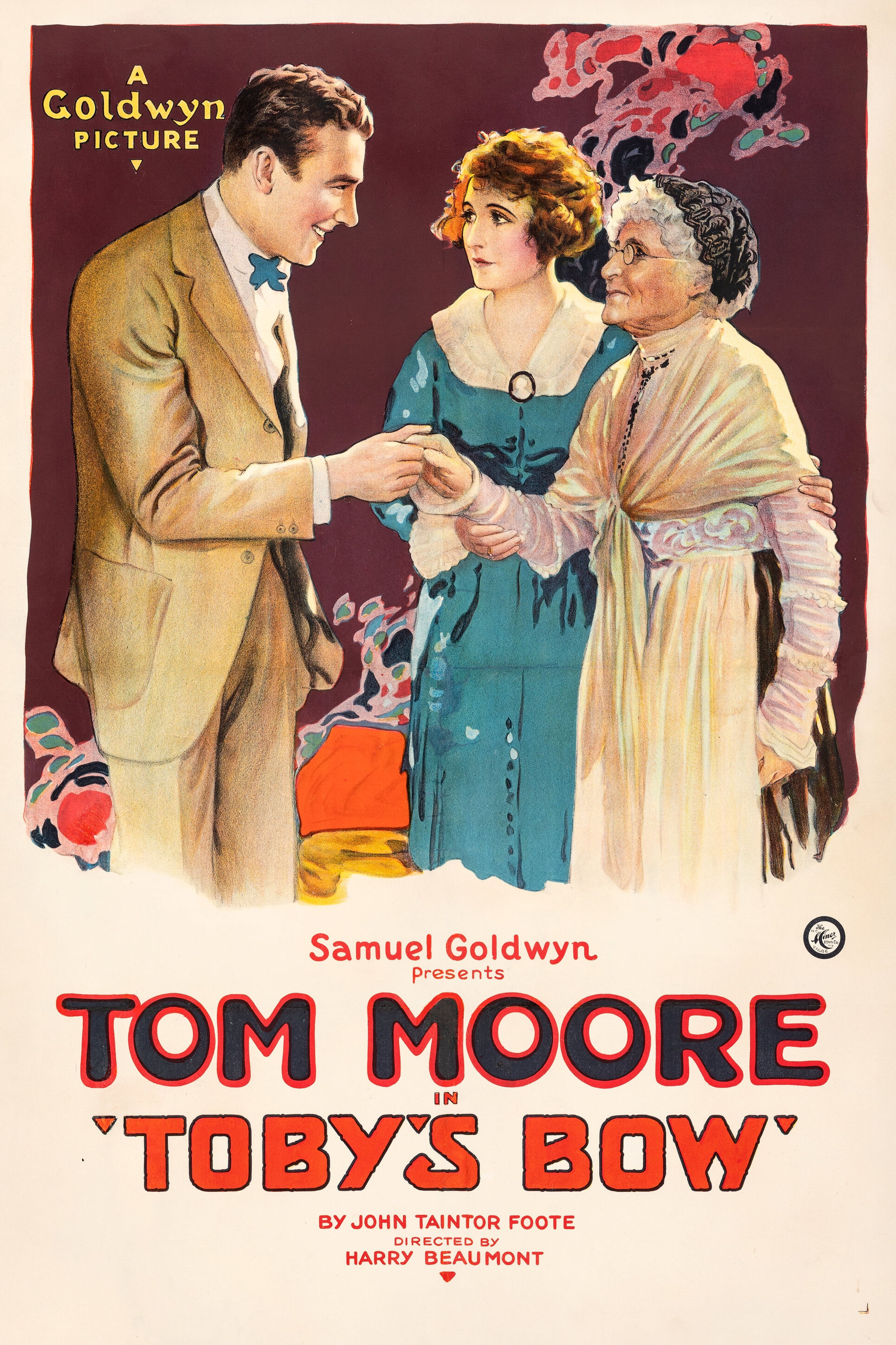
Dir: Harry Beaumont
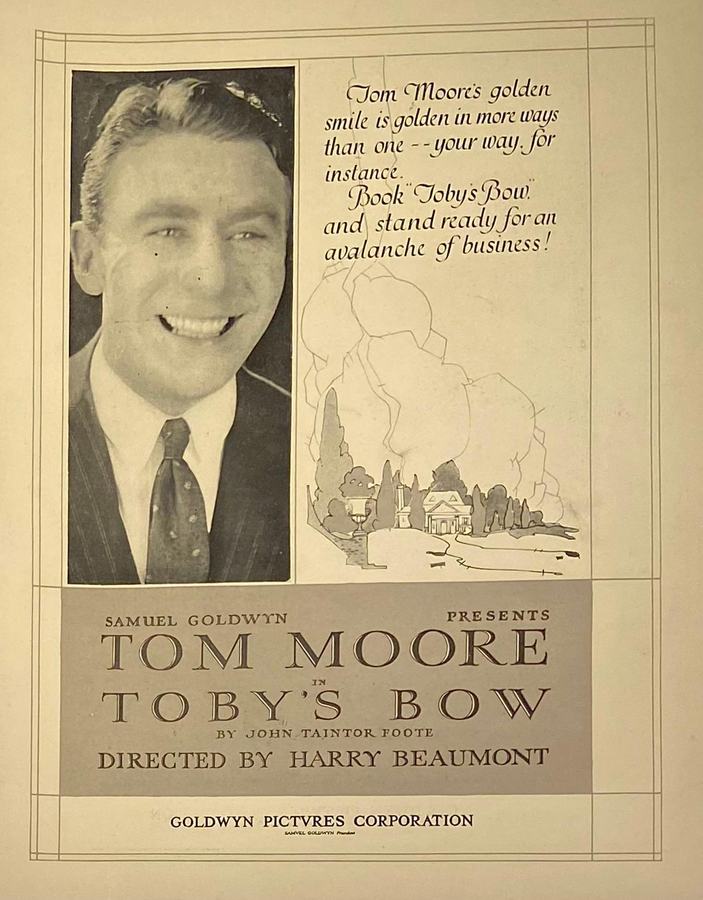
When the wild Bohemian life style of Greenwich Village has destroyed successful novelist Tom Blake's ability to write, his publisher refuses to advance him more money until he forsakes that environment. A friend of Tom's arranges for him to become the boarder of her Southern friend Eugenia, a fledgling writer inspired by Tom's first novel, so he can find the quiet he needs for work. Using an assumed name, Tom is introduced to Eugenia's proud, aristocratic grandmother as a guest, since she would never condescend to taking in boarders. Toby, the Black servant, defers to Tom, but does not give him the elaborate, courtly bow he reserves for family members. After Tom helps turn Eugenia's poor manuscript into a novel by virtually rewriting it himself, the book's success allows Eugenia to pay the estate's mortgage, but, when she learns Tom's identity, she furiously declares that she wants no charity. After experiencing Greenwich Village however, Eugenia returns, forgives Tom, and they marry. Tom then receives his long-awaited bow from Toby.
View Details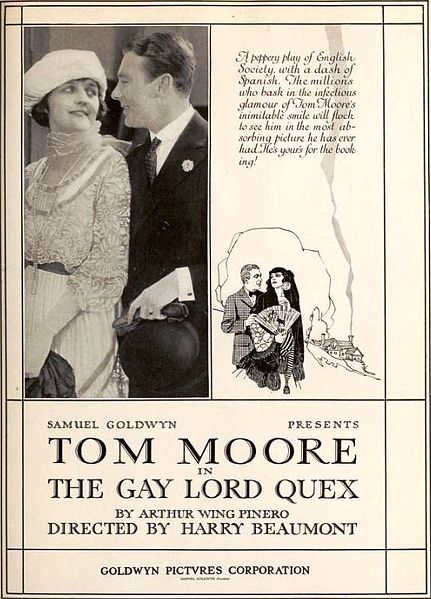
Dir: Harry Beaumont
Having followed the road of romance through many countries, Lord Quex finally falls in love with Muriel Eden. After resisting Lord Quex because of his reputation, Muriel finally capitulates to his charms and agrees to marry him. In her heart, however, Muriel still treasures an affection for Caption Bastling, a fortune hunting womanizer, and when Muriel is told of Lord Quex's continuing contact with the Duchess of Dowager, a situation brought about through the scheming of the Duchess, Muriel turns to Bastling and agrees to meet him at her friend Sophie Fullgarney's manicurist shop. There, Sophie, who has discovered Bastling's true nature, exposes the captain by flirting with him as Muriel arrives for her rendezvous. Seeing Bastling faithlessness makes Muriel realize that Quex is the man for her.
View Details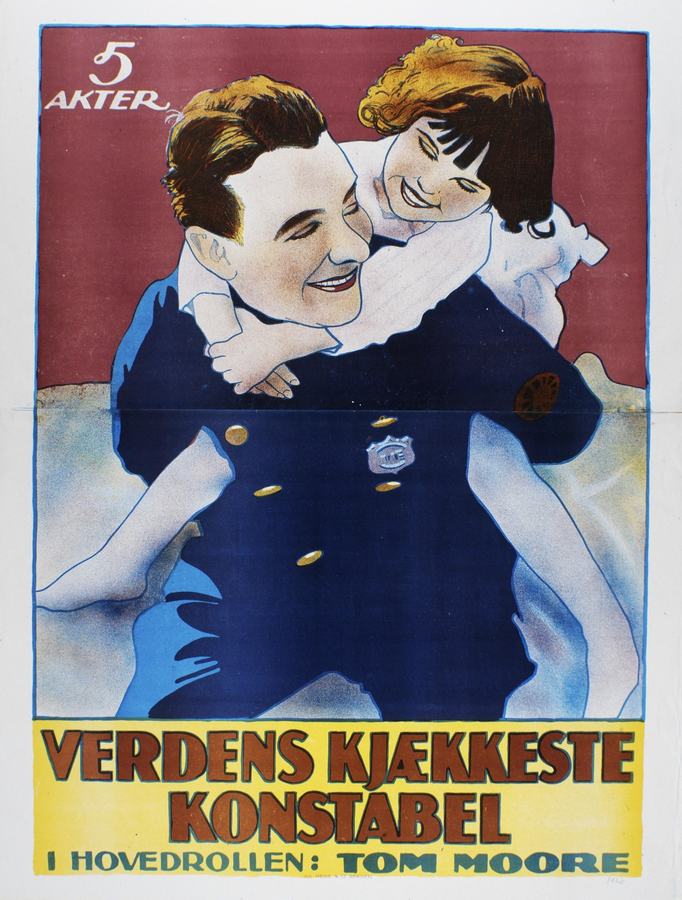
Dir: Harry Beaumont
A police patrolman must overcome enormous odds, including the apprehension of two villainous characters, before he can marry the girl of his dreams, the daughter of a millionaire.
View Details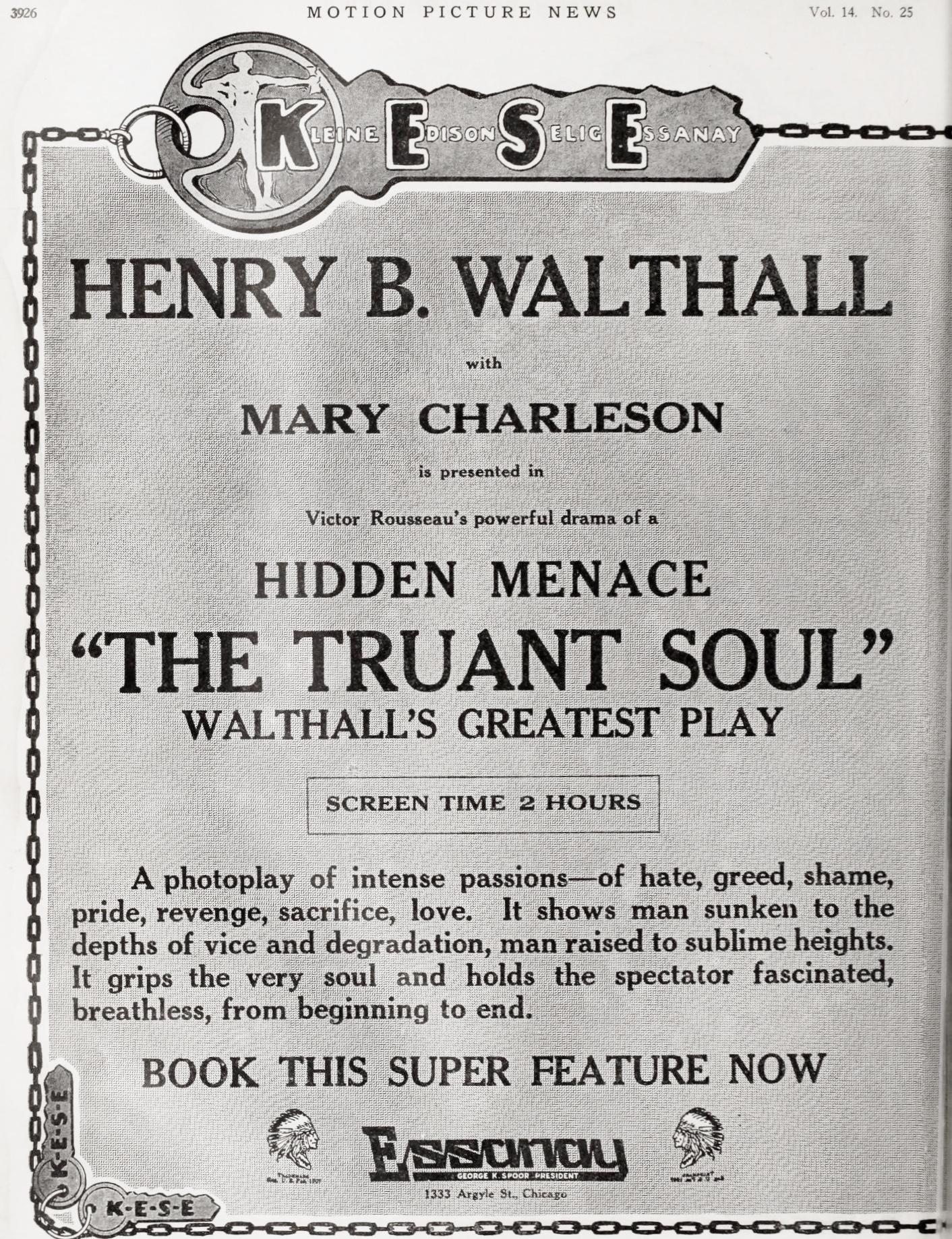
Dir: Harry Beaumont
DR. John Lancaster lives in dread of a family secret from his past being exposed, and makes him act in irrational ways, even with his fiancée Joan Wentworth.
View Details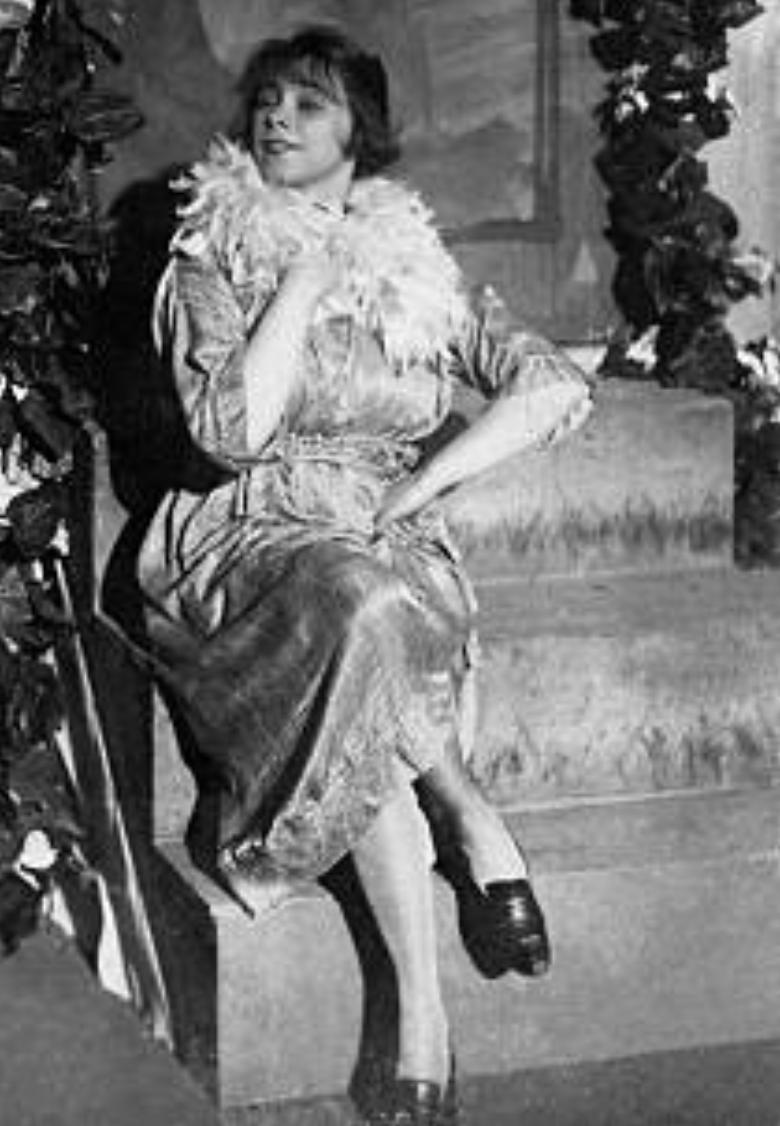
Dir: Bruno Ziener
A fascinating piece of cinema that shares thematic elements.
View Details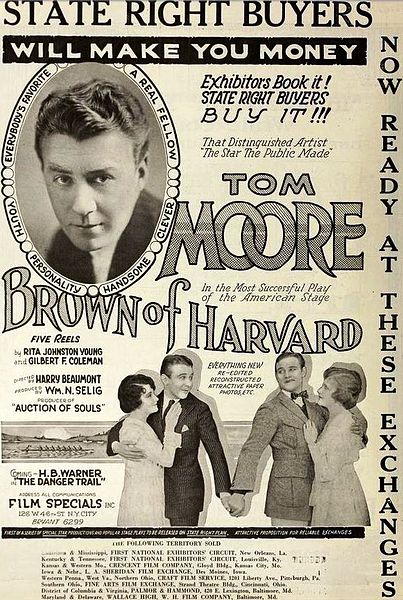
Dir: Harry Beaumont
Tom Brown shows up at Harvard, confident and a bit arrogant. He becomes a rival of Bob McAndrew, not only in football and rowing crew, but also for the affections of Mary Abbott, a professor's daughter.
View DetailsAnalysis relative to West of Broadway
| Film Title | Atmosphere | Complexity | Similarity |
|---|---|---|---|
| Lord and Lady Algy | Tense | Layered | 92% Match |
| Skinner's Dress Suit | Gritty | Layered | 95% Match |
| The Little Rowdy | Ethereal | Dense | 88% Match |
| Skinner's Bubble | Ethereal | Dense | 96% Match |
| Toby's Bow | Tense | Linear | 88% Match |
This guide was algorithmically generated using the cinematic metadata of Harry Beaumont's archive. Last updated: 8/17/2026.
Back to West of Broadway Details →