Summary
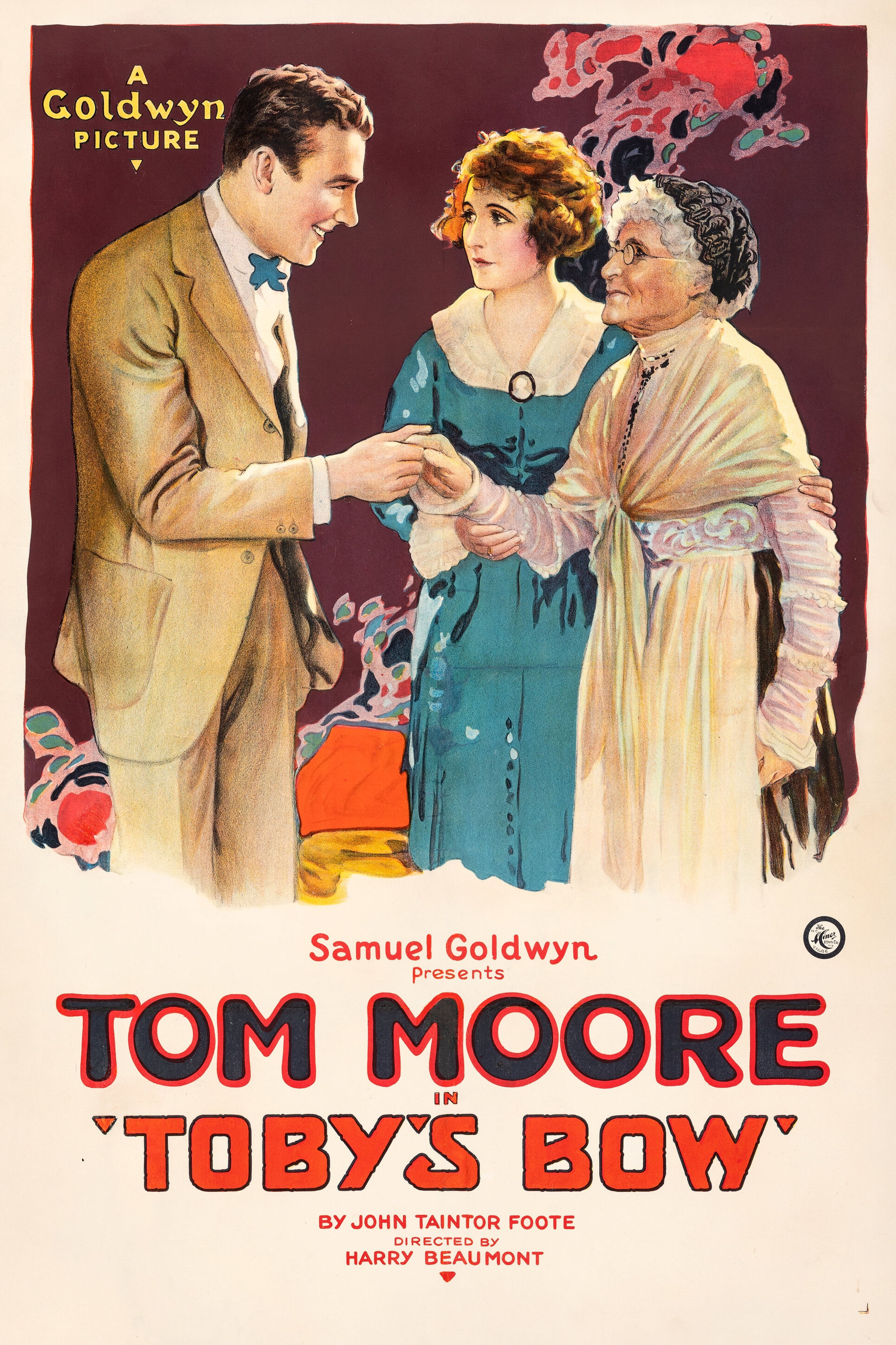
An incisive cinematic inquiry into the friction between urban profligacy and the ossified traditions of the American South, Toby's Bow (1919) tracks the creative exegesis of Tom Blake, a novelist whose muse has been strangled by the sybaritic excesses of Greenwich Village. When his financier—a publisher weary of Blake’s stagnant output—severs the pecuniary lifeline, Blake is cast into a forced exile. This relocation, orchestrated by a confidante, places him within the crumbling aristocratic sanctuary of Eugenia, a fledgling writer whose literary aspirations were ignited by Blake’s own early triumphs. To circumvent the grandmother’s calcified pride—a matriarch who views the concept of 'boarders' with the same disdain one might reserve for a common mendicant—Blake adopts a pseudonym, infiltrating the household as a social guest. Central to the narrative’s semiotic weight is Toby, the Black servant whose 'bow' serves as a metric of ancestral recognition; while he offers Blake service, he withholds the courtly genuflection reserved for the bloodline. The plot pivots on a silent act of literary ventriloquism: Blake, recognizing the structural fragility of Eugenia’s manuscript, effectively ghostwrites her success. This resulting windfall preserves the family estate, yet the subsequent revelation of Blake’s true identity triggers a volcanic eruption of Southern pride. Only after Eugenia experiences the hollow artifice of the Village does she reconcile the debt of gratitude with the debt of the heart, culminating in a union that finally earns Blake the symbolic deference of Toby’s titular bow.
Synopsis
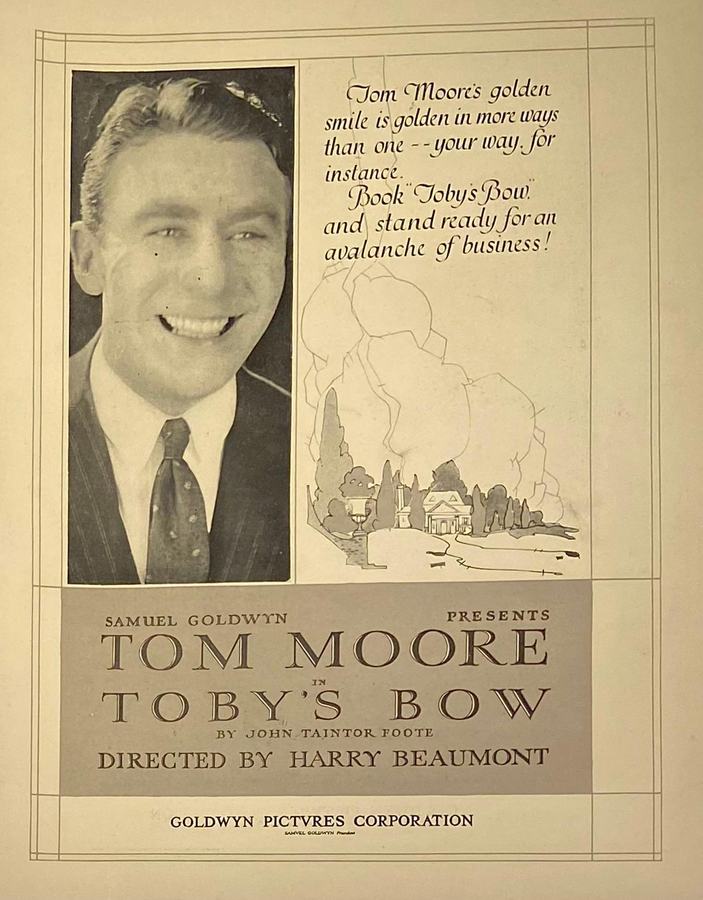
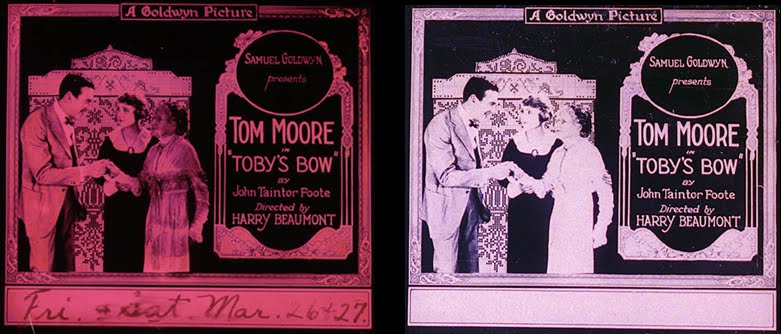
When the wild Bohemian life style of Greenwich Village has destroyed successful novelist Tom Blake's ability to write, his publisher refuses to advance him more money until he forsakes that environment. A friend of Tom's arranges for him to become the boarder of her Southern friend Eugenia, a fledgling writer inspired by Tom's first novel, so he can find the quiet he needs for work. Using an assumed name, Tom is introduced to Eugenia's proud, aristocratic grandmother as a guest, since she would never condescend to taking in boarders. Toby, the Black servant, defers to Tom, but does not give him the elaborate, courtly bow he reserves for family members. After Tom helps turn Eugenia's poor manuscript into a novel by virtually rewriting it himself, the book's success allows Eugenia to pay the estate's mortgage, but, when she learns Tom's identity, she furiously declares that she wants no charity. After experiencing Greenwich Village however, Eugenia returns, forgives Tom, and they marry. Tom then receives his long-awaited bow from Toby.
Review Excerpt
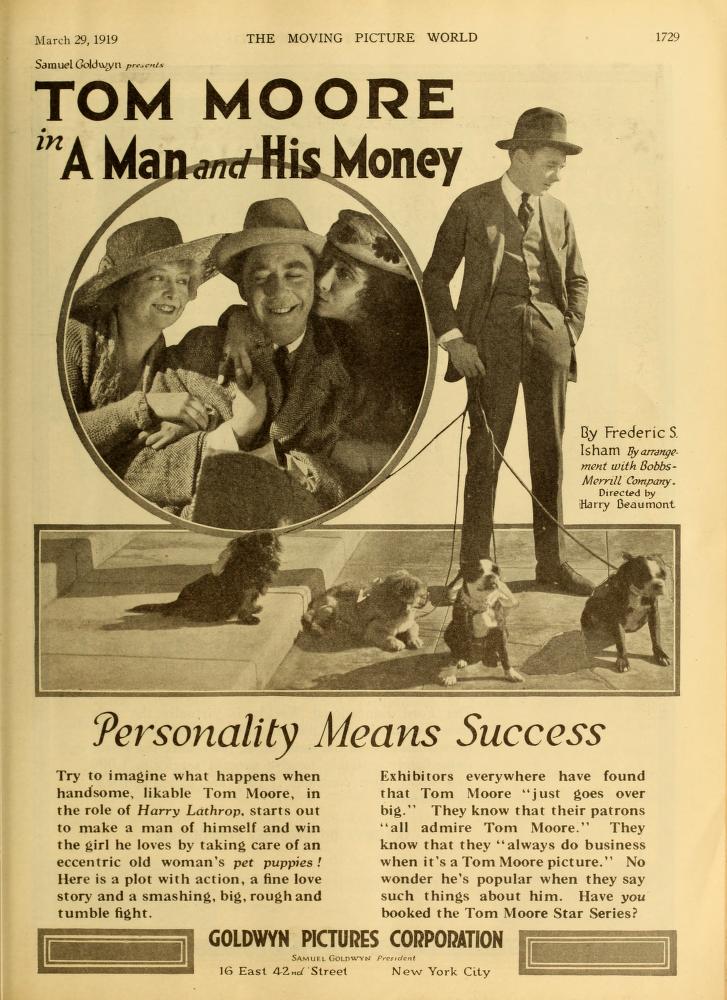
"The Desiccated Muse: Greenwich Village and the Death of ArtThe cinematic landscape of 1919 was one of profound transition, caught between the Victorian moralism of the previous decade and the burgeoning hedonism of the Jazz Age. Toby's Bow opens not in the pastoral quietude one might expect from its title, but in the smoky, intellectual miasma of Greenwich Village. Here, Tom Moore portrays Tom Blake with a weary, kinetic frustration that feels startlingly modern. Blake is a man whose success has..."