
DbcultAccessing Vault...
Recommendations
Senior Film Conservator
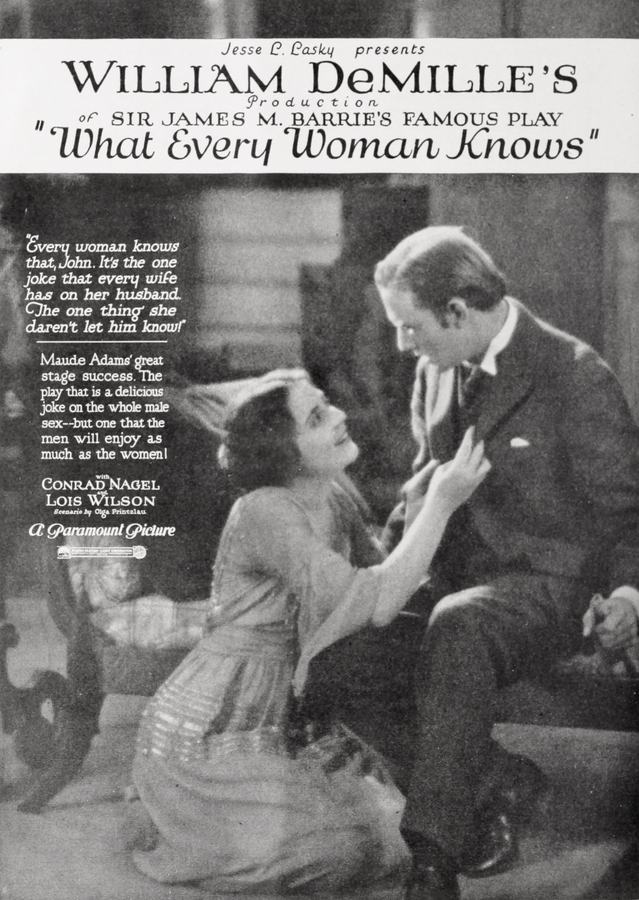
After experiencing the thematic gravity of What Every Woman Knows (1921), finding other movies that capture that same lightning in a bottle is a top priority. These recommendations provide a deep dive into the same stylistic territory occupied by What Every Woman Knows.
This 1921 Drama classic stands as a testament to challenge the status quo through its avant-garde structure.
In England, railroad porter John Shand is offered an education by wealthy Alick Wylie on the condition that he marry his benefactor's daughter Maggie within five years. John keeps his promise and is later elected to the House of Commons. Although he achieves fame through the wit and wisdom Maggie secretly adds to his speeches, John falls in love with Lady Sybil. Unaware of the infatuation, Maggie arranges for them to visit a country estate. John prepares a lackluster speech for a cabinet minister, which is a success--after Maggie rewrites it. He then becomes aware of her devotion to him, and how much he owes his position to her.
Critics widely regard What Every Woman Knows as a cult-favorite piece of Drama cinema. Its thematic gravity is frequently cited as its strongest asset, solidifying its place in United States's film legacy.
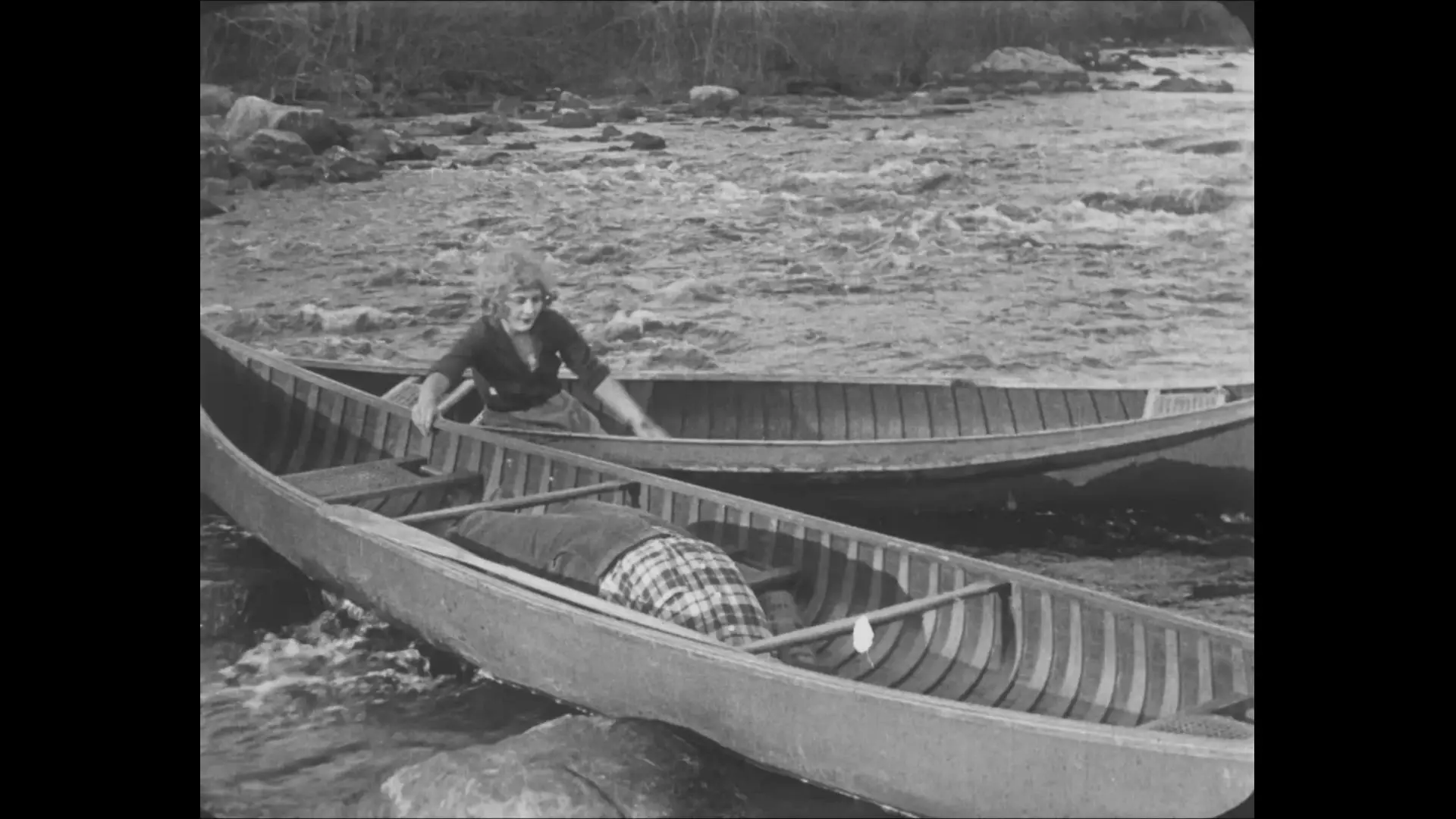
Based on the unique thematic gravity of What Every Woman Knows, our vault has identified these titles as the most compelling follow-up experiences for fans of Drama cinema:
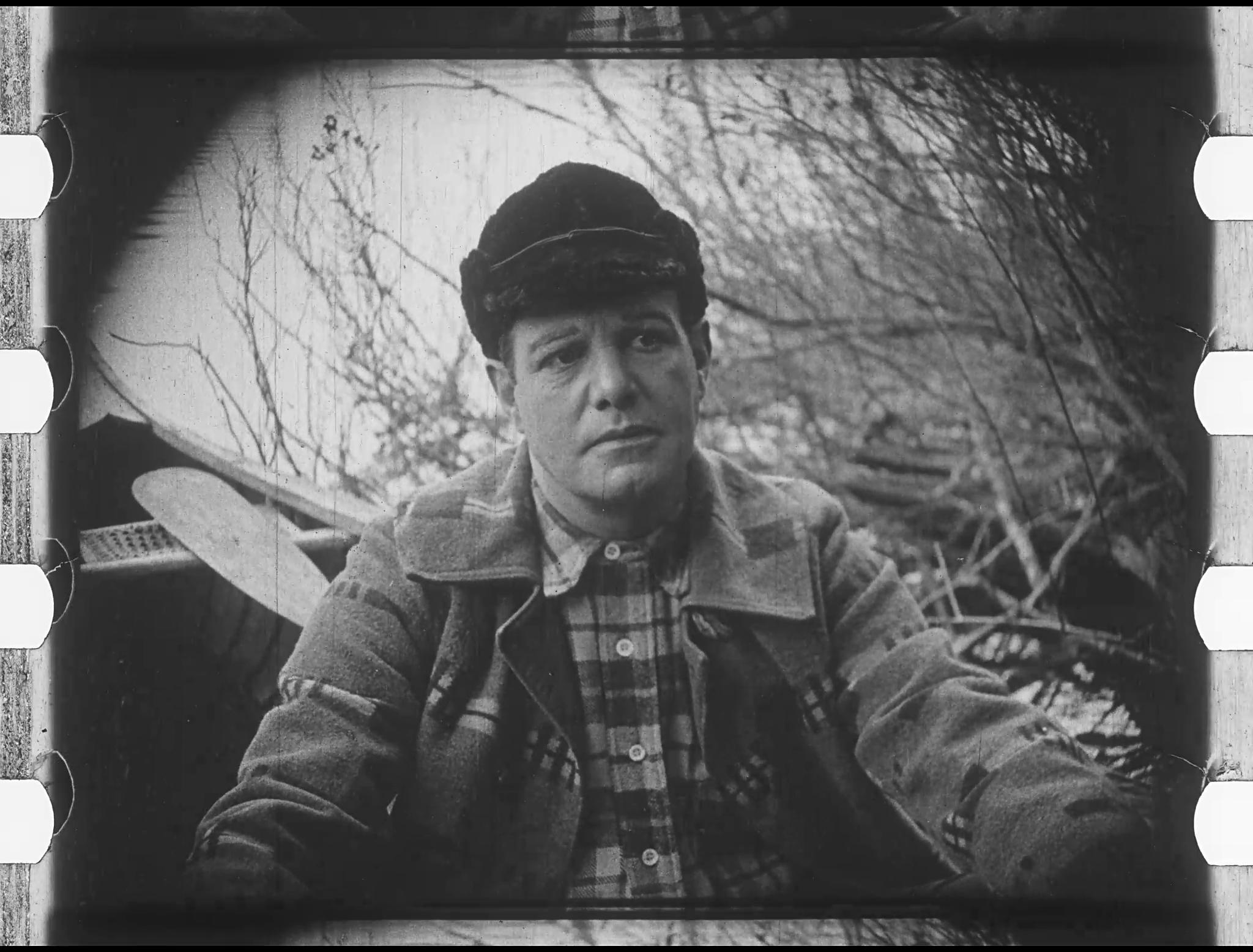
Dir: Edgar Jones
A mail-order bride arrives at a Maine lumber camp but doesn't like her prospective husband.
View Details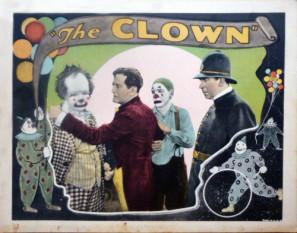
Dir: William C. de Mille
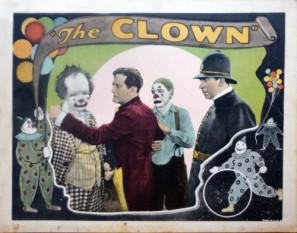
Piffle, a circus clown, is badly injured after saving the son of Judge Jonathan Le Roy from a team of runaway horses. During his convalescence at the Le Roy home, Piffle falls in love with Millicent, the judge's daughter. When she learns that Dick Ordway, the father of her unborn child, has died while prospecting in the desert, Millicent tries to drown herself. Piffle comes to the rescue once again, proposing to marry Millicent and be a father to her child. Although she does not love Piffle, Millicent agrees. At the judge's insistence, Piffle leaves the circus to become a banker. Some time later, Dick reappears, but decides not to pursue Millicent, focusing instead on selling shares in his mine. The mine becomes a bonanza, and Dick tries to buy back all of the shares, but Piffle refuses to sell. Dick visits Piffle's home, hoping to negotiate a sale, and has an unexpected reunion with Millicent. Realizing that Millicent and Dick are still in love, Piffle returns to the circus, where he finds fulfillment bringing joy to children.
View Details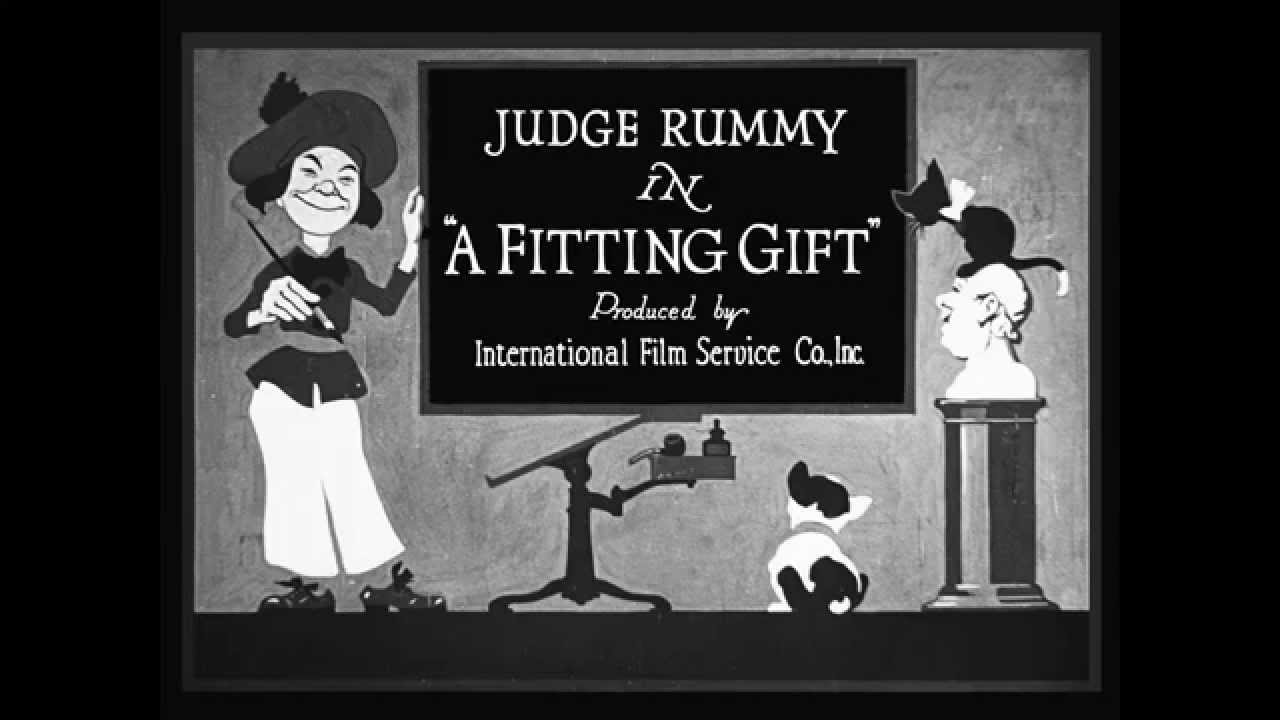
Dir: Unknown Director
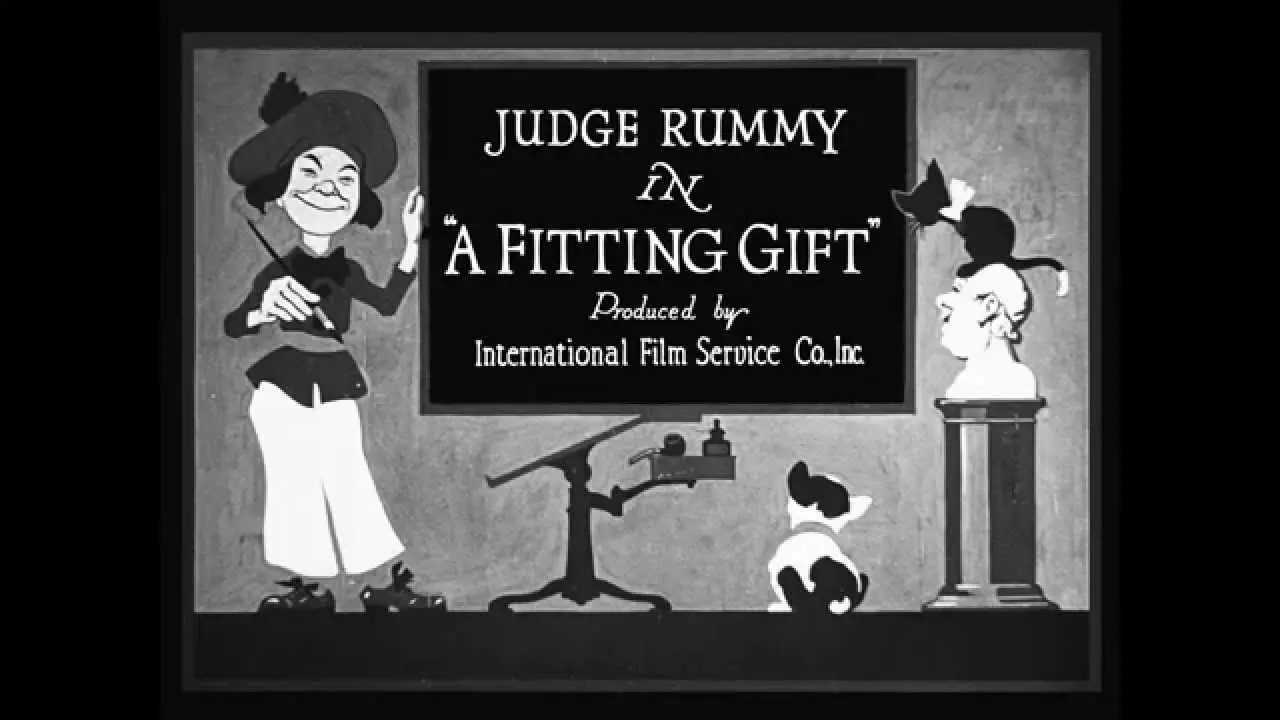
The Judge needs a present for his wife's birthday, so Harry suggests a new corset. They go to the shop, but he's so embarrassed to ask the saleslady he hides in a phone booth.Harry goes in, but finds a GUY wearing one, and runs out.They both dress as women to get back in, but Mrs. Rummy gets there and chases him out.
View Details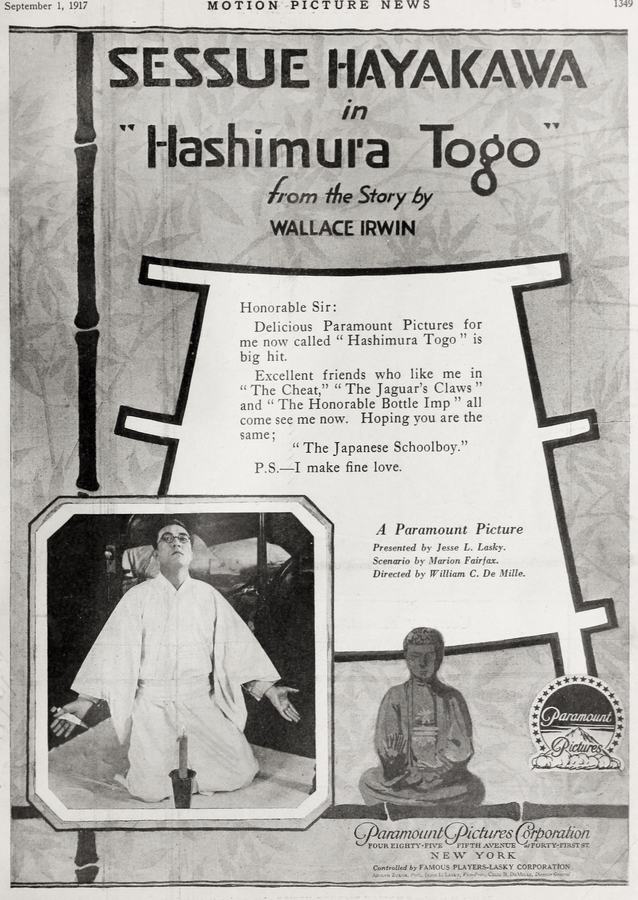
Dir: William C. de Mille
After an accusation of a breach of diplomacy committed by his brother, Hashimura Togo bears the burden and leaves Japan in disgrace for the United States where he enters the employ of Mrs. Reynolds as a butler. Togo discovers that Mrs. Reynolds' daughter Corinne is in love with Dr. Garland but is being coerced into marrying Carlos Anthony who, having seized all of her deceased father's funds, now promises to save the family from financial ruin in return for Corinne's hand in marriage. Enlisting the aid of a reporter, Hashimura succeeds in proving Anthony's deception in time to stop the marriage, freeing Corinne to marry Garland. After a series of misadventures, his name is cleared and Hashimura returns to his sweetheart in Japan.
View Details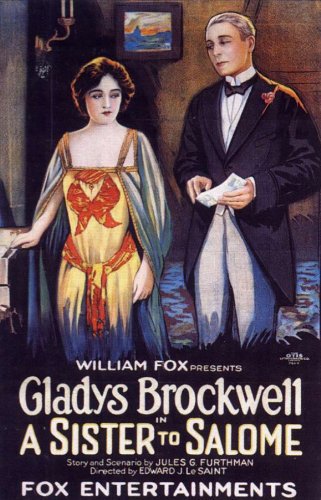
Dir: Edward LeSaint
When famous opera singer Elinore Duane undergoes an operation on her throat, she has a series of ether-induced visions. In one, she is transported to ancient Rome where she appears as a much-admired woman in love with Paul, a young heretic, and at odds with Lutor, the high priest. To save her love, she poisons Lutor with her ring. After several other visions which involve variations on this love triangle, Elinore awakens to discover that Lutor is actually her doctor, Sascha Jaccard, and that Paul is the son of a friend who has come to visit the recovering prima donna.
View Details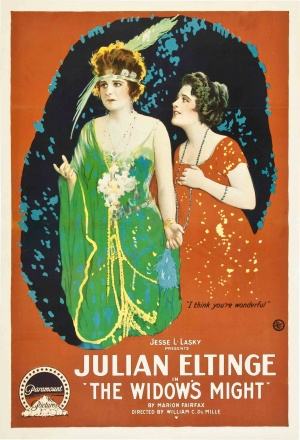
Dir: William C. de Mille
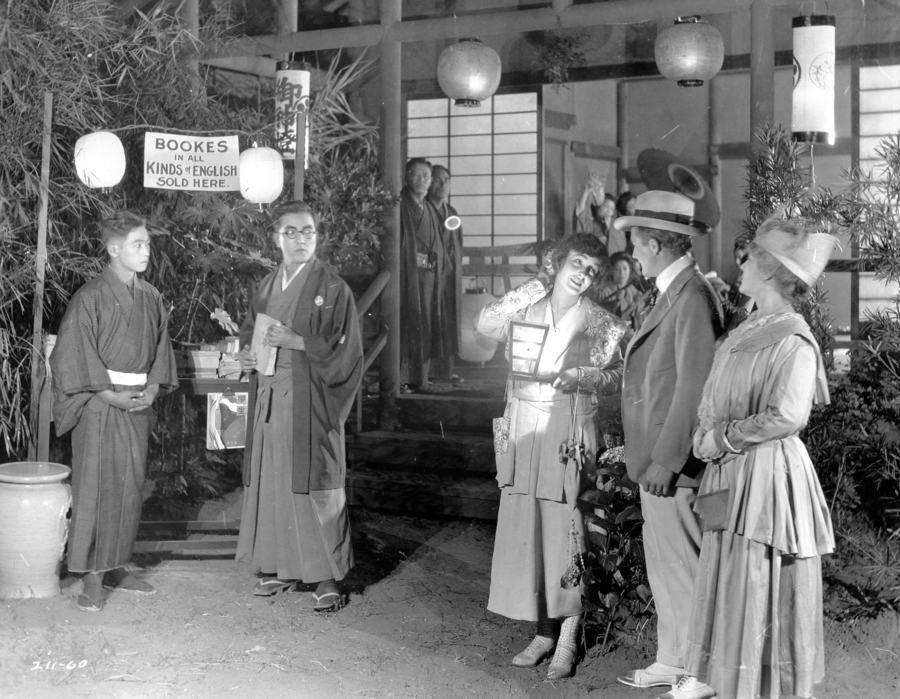
Deciding that there is money in cows, young New Yorker Dick Tavis buys a Western ranch; when the novelty has worn off he decides that there is also monotony. Then he falls in love with a girl on a calendar and takes a new interest in life, particularly after he discovers who the girl is. The fact that her uncle swindled him on the ranch does not matter. He figures he can take care of the uncle, and he does, but not until he has been forced to masquerade as a woman and have half the men at a fashionable resort fall in love with him.
View Details
Dir: William C. de Mille
We start with the birth of two children "the whole wide world apart," one in a swell house in Washington Square, the other in the slums of New York. We see them on their third birthday; Bob, the rich little boy, surrounded by the presence of love and care ; Jenny, the poor little girl, stealing an apple from a fruit stand. We see them getting their education^ Bob, under the care of a private tutor and Jenny learning to read through stolen glances at the Police Gazette. When they are grown up, Bob Van Dyke and his sister, Beth, now orphaned, are caught in the whirl of a gay social life and are spending the fortune left them by their parents. Jenny, left alone in the world, has been adopted by Dugan, an old crook, who stands in the place of a father to her, and who makes use of her in his illegal calling. The young cracks-man, Kelly, suggests to Dugan that they burglarize a house in Washington Square by putting Jenny through the basement window and have her open the front door for them. Jenny is captured by Bob and is about to turn her over to the police but in questioning her, sees through her girlish beauty, a soul struggling for expression and he determines to try to save her. Jenny, never having heard of right and wrong, is fascinated by the rich young man and when he leaves his money on the table and says that he will go upstairs "until he hears the front door close behind her", she realizes that she has found someone in the world who will trust her. She is about to go when she sees Bob's photograph on the table. She is tempted to steal it but hesitates and leaves fifty cents, her whole fortune, in place of the picture. She then goes out and shuts the door and facing her crook companions, announces that she is going to live straight. Back in the tenement home, she packs her small bundle of clothes and leaves. Two years pass, during which time Jenny has succeeded in making herself an expert dressmaker. She lives alone in a little room and, inspired by Bob's photograph and the memories it recalls, has grown to worship the young man who trusted her, although she has not seen him since. A strike is called in the dress factory and Jenny is let out of work. She saves a little newsboy who has stolen money and who is being pursued by the police and is able to reform him. Penniless, Jenny is finally thrown into the street with her goods and chattels. In the meantime, Bob and Beth have speculated with what is left of their fortune and while down town to pawn some of his sister's jewels, Bob finds Jenny and takes her to his home to have her make clothes for his sister. While there the love of the two young people grows and the difference in their stations is apparently insurmountable. Bob's speculations go wrong and he is tempted to use money belonging to their old nurse. Jenny overhears their plan to use the money and pleads with Bob^not to do this thing for if the speculation goes wrong, he will be a thief. Bob is deaf to her entreaties and puts the money in the safe. Jenny sees her ideal tottering and induces Kelly to enter the house and open the safe for her. She then takes the money and hides it. The next morning the loss is discovered. Detectives find Jenny's finger-prints on the safe and she is arrested but will not tell where the money is, preferring to go to jail rather than let Bob do anything dishonest. Bob realizes this and promises to go straight. Jenny steals away as Bob awaits the impending smash. Bob and Beth are forced to live in a small Harlem flat and Beth marries her wealthy young lover from the smart set . Bob realizes that he had happiness in his hand and let it go and hunts up Jenny. He sees that class does not count and, in spite of Jenny's protests, takes her in his arms.
View Details
Dir: William C. de Mille
During the Great War, German and Japanese spies face off in the United States.
View Details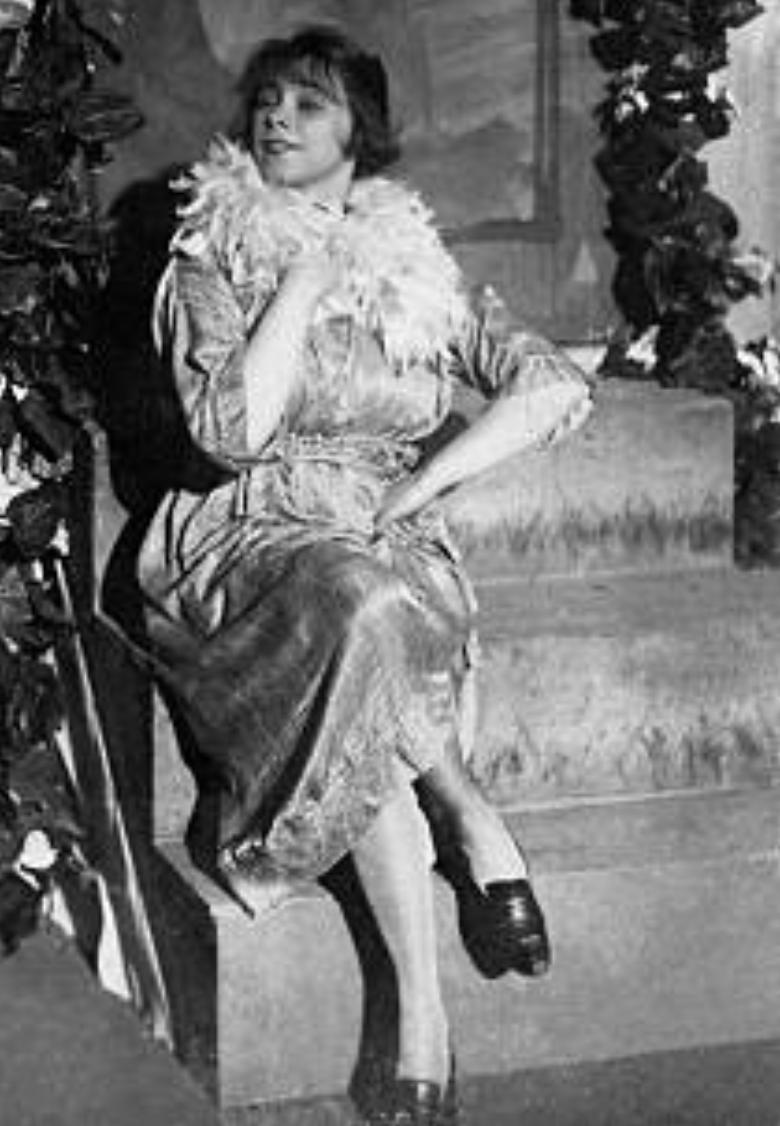
Dir: Bruno Ziener
A fascinating piece of cinema that shares thematic elements.
View Details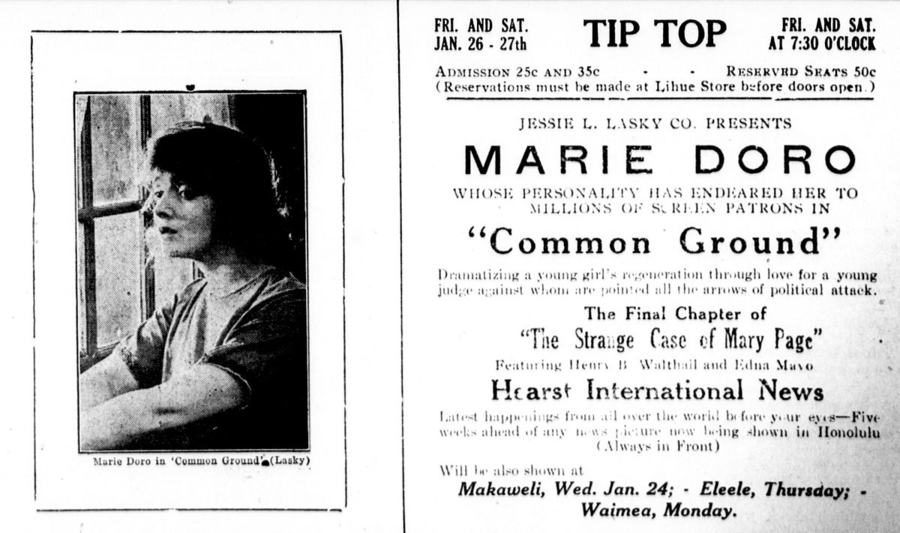
Dir: William C. de Mille
The Kid, a product of the slums, is employed at an artificial flower factory, as an expert "slipper-on." She possesses a monstrosity of a hat which is the envy of her companions wherever it appears, and she loves it. Judge Evans, a young man of unapproachable character, takes up his residence in the tenement district in order to unearth the man at the head of the vice ring composed of social and political parasites. In reality, he is the father of Doris Mordant, to whom Evans is engaged. Realizing that he must "get" the Judge or be ruined himself, Mordant, assisted by unscrupulous politicians, arranges a plot in which the Kid (whom the Judge has discovered in the tenement where he himself lives), evidently accosts a man on the street. She is taken into Judge Evans' court and to prove his assertion that "there is some good in all of 'em" the Judge tells the Kid to select five companions and he will send them all to his farm for three months. Mordant frames up a scheme to send with them a woman of the streets, and provides her with money and a camera. At the farm, the Kid discovers the girls plotting to secure a compromising picture of the Judge and the woman, but they persuade her to keep still by telling her they will "queer" Evans' engagement to Doris and then he will turn to her, and the Kid's love is so great, she finally acquiesces. Following his trial and disgrace, the Judge falls ill and the Kid cares for him. He learns to love the child of the slums, and her devotion to him is as pitiful as it is sincere. The Kid believes the Judge is pining for Doris, and with her companions, whom she forces into telling the truth, goes to the District Attorney's office and before Mordant, Doris, Evans and others, makes a clean breast of the while affair. Evans' love for Doris is dead and he turns to the Kid, declaring his love. She is taken to the home of the competent woman for one year. Every month the Judge receives a photograph which shows the metamorphosis of both hat and girl. At the end of the year Evans goes to claim as his own the girl who saved him from ruin, and finds her the embodiment of refinement and simplicity.
View DetailsAnalysis relative to What Every Woman Knows
| Film Title | Atmosphere | Complexity | Similarity |
|---|---|---|---|
| In the River | Gritty | High | 92% Match |
| The Clown | Gritty | High | 91% Match |
| A Fitting Gift | Surreal | Layered | 96% Match |
| Hashimura Togo | Surreal | Layered | 98% Match |
| A Sister to Salome | Gothic | High | 88% Match |
This guide was algorithmically generated using the cinematic metadata of William C. de Mille's archive. Last updated: 6/26/2026.
Back to What Every Woman Knows Details →