
DbcultAccessing Vault...
Recommendations
Senior Film Conservator
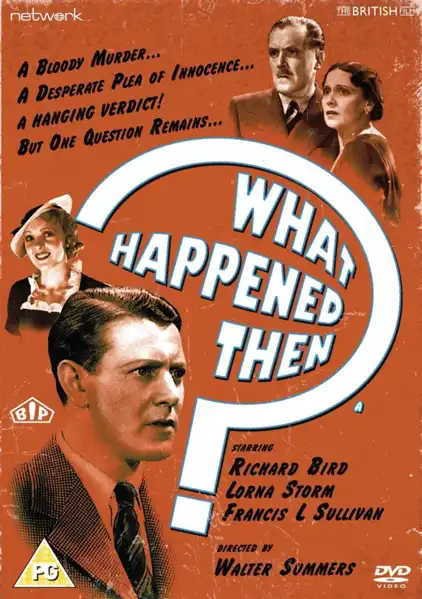
The 1934 release of What Happened Then? redefined the parameters of Romance storytelling, the narrative complexity found here is a rare find in the 1934 landscape. Prepare to discover your next favorite movie in our hand-picked collection.
Historically, What Happened Then? represents to explore the darker corners of the human condition with cinematic excellence.
Young Raymond Rudford, sculptor, is on trial for slitting the throat of his uncle, who had adopted and raised him after Raymond's parent's died when he was a young boy. The prosecution allows his motive was fear of being disinherited if he married his fiancé, the fair Alicia Atherton, against his uncle's wishes, and the prosecution lays a mountain of evidence against Raymond, including his razor, dragged from an artificial lake on the estate, as the murder weapon. Raymond's bloody fingerprints and footprints found at the scene of bedroom crime, and his bloody shoes, found in his cupboard and bloody monogrammed-handkerchief found under his uncle's death bed. Raymond's only defense is that he could not have committed the crime as he goes into a paroxysm of dread at the mere sight of blood, a phobia he has had ever since childhood when his dog was run over by a lorry and the dog's blood was splattered into his face. But the jury doesn't buy that and he is found guilty and sentenced to death. The fair Alicia thinks he is innocent and someone else murdered the uncle. But, if not Raymond, who? Possibly Raymond's childhood friend, the bright and chirpy Peter Bromley, who has an eye on Alicia himself; or Doctor Bristol, who likes to dabble in hypnotism...and there was a butler in the house.
The influence of Walter Summers in What Happened Then? can be felt in the way modern Romance films handle cinematic excellence. From the specific lighting choices to the pacing, this 1934 release set a high bar for atmospheric immersion.
Based on the unique cinematic excellence of What Happened Then?, our vault has identified these titles as the most compelling follow-up experiences for fans of Romance cinema:
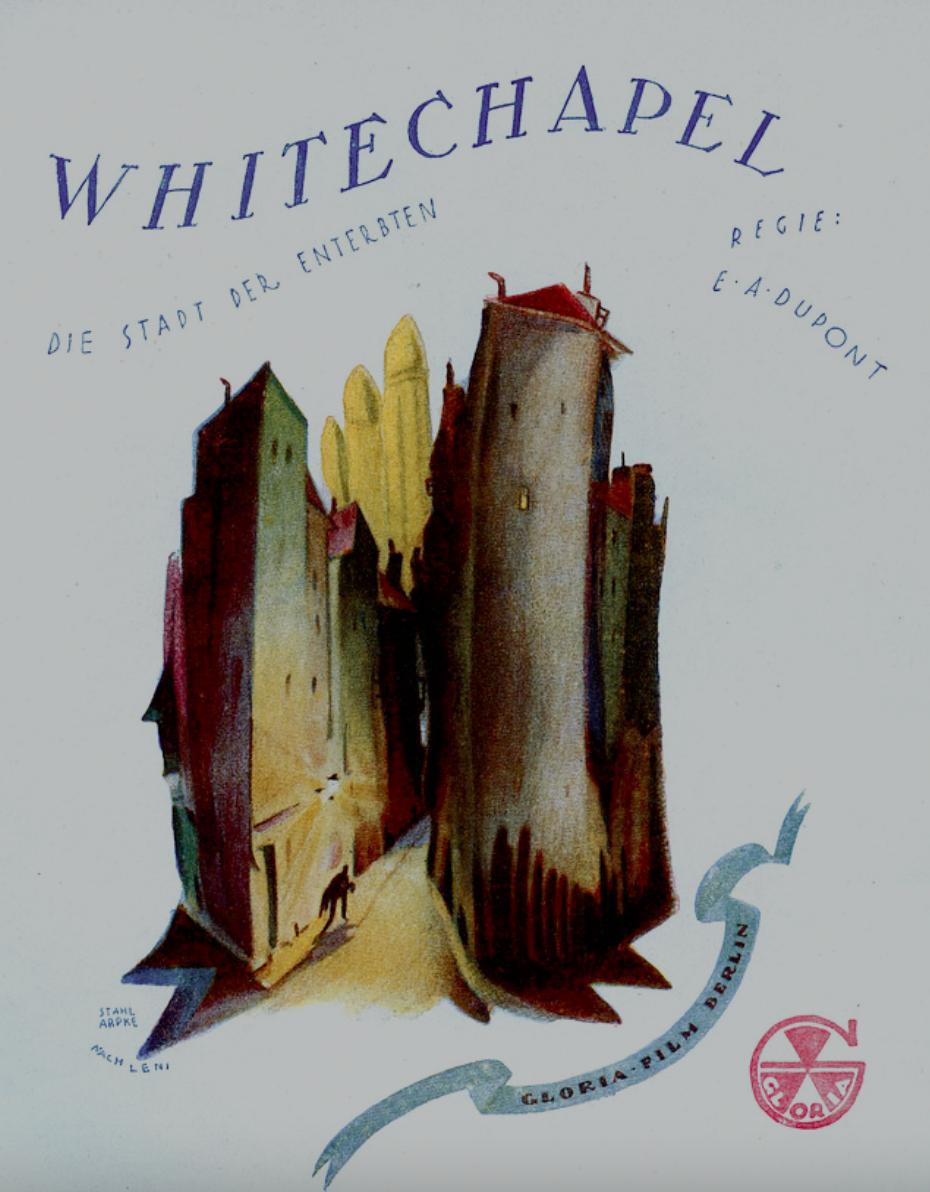
Dir: Ewald André Dupont
Fred Hopkins, a jeweler's assistant, replaces the pearl necklace Lord Reading bought as a wedding present with a worthless imitation. A hunt begins, which the flower seller Rahel and the jumping jack dealer David are able to end by finding the jewelry. Hopkins, who is convicted, then commits suicide for fear of being punished with poison.
View Details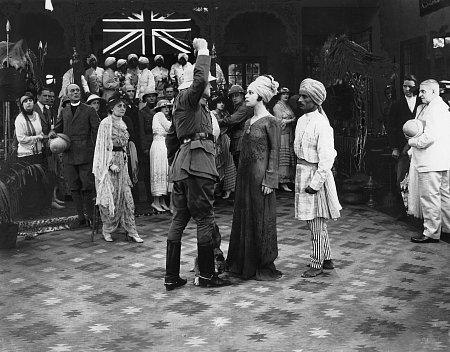
Dir: Herbert Blaché
French dancer Sigrid, diagnosed with a weak heart, is ordered by her doctor never to dance again. But when her dancing skills are needed by her lover's father to help quell a native uprising on the East Indian frontier, she determines to dance whatever the cost.
View Details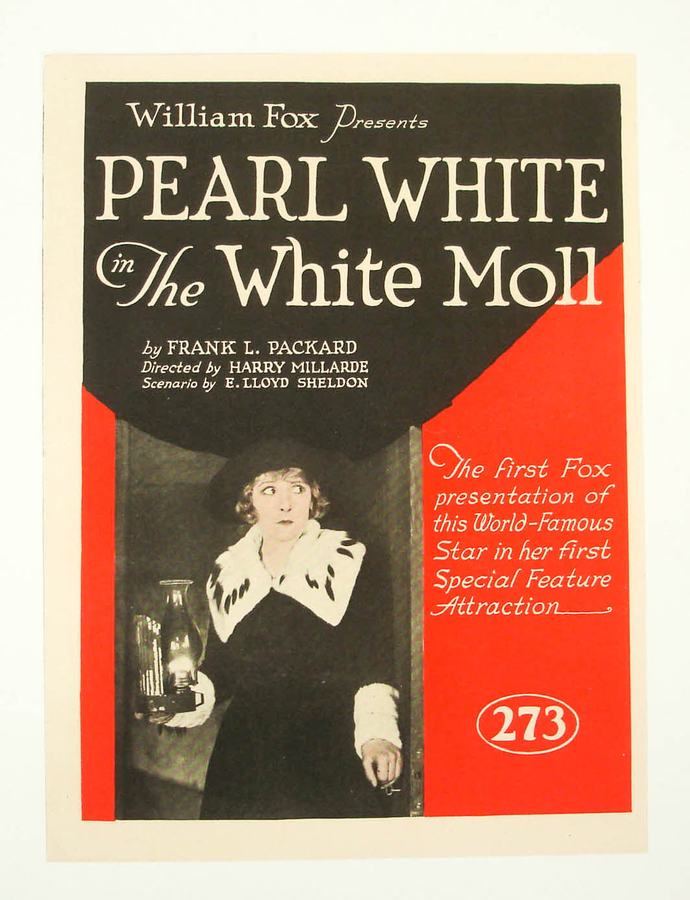
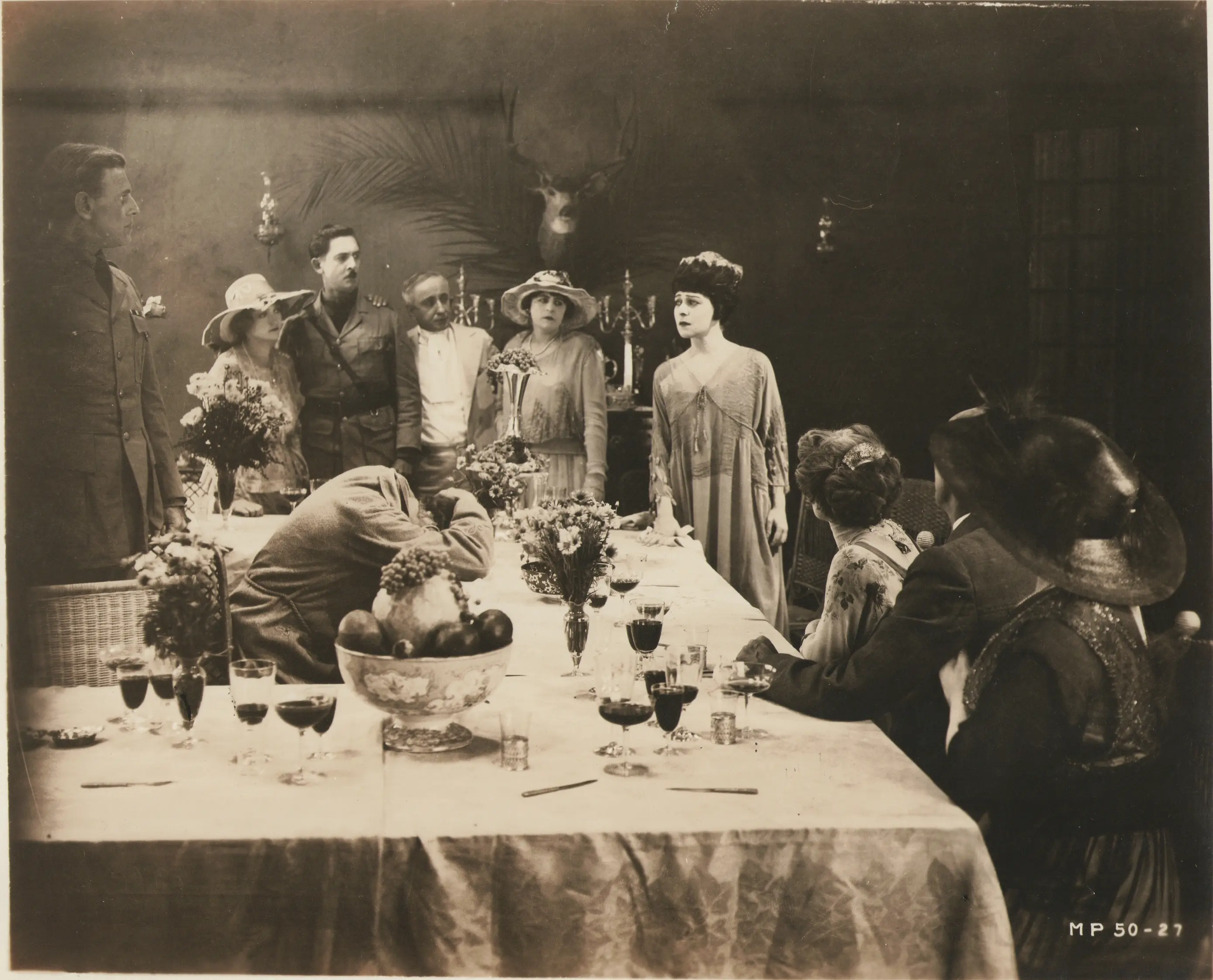
Dir: Harry F. Millarde
Desperate because a wealthy man has reduced her father to thievery, Rhoda agrees to rob the poor box of the church, although she finds the act abhorrent. During the robbery, Rhoda's father is shot and dies in the priests's arms, seeking absolution, while the man who ruined him looks on. Penitent, the man appoints Rhoda as his representative to return the ill-gotten gains to those he has robbed. Rhoda enters the underworld as an angel of mercy, gaining the sobriquet of "The White Moll." After many thrilling escapades, she brings The Dangler, the leader of a gang of crooks, to justice, saves others from death and finally wins The Pug, the man of her choice.
View Details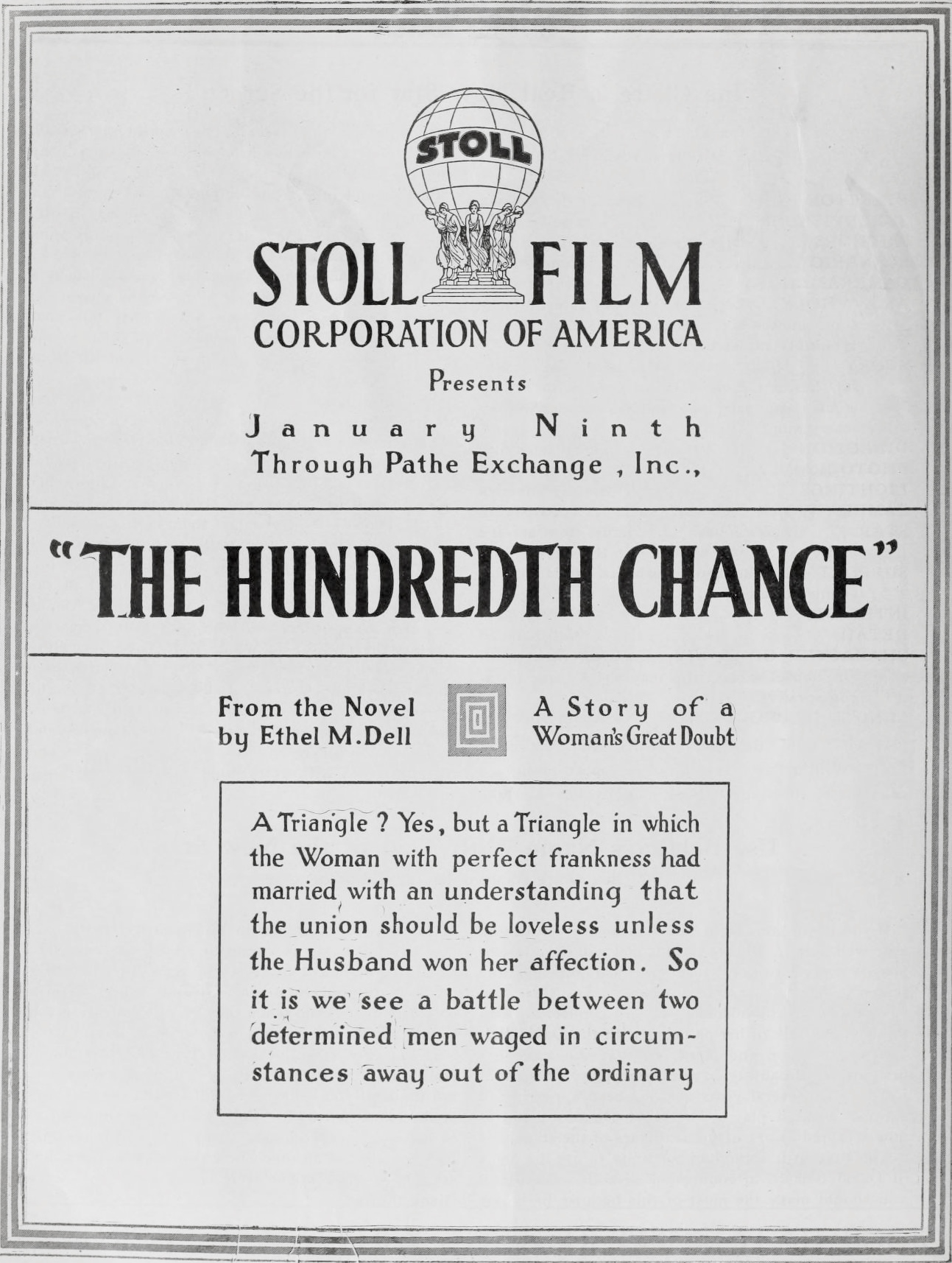
Dir: Maurice Elvey
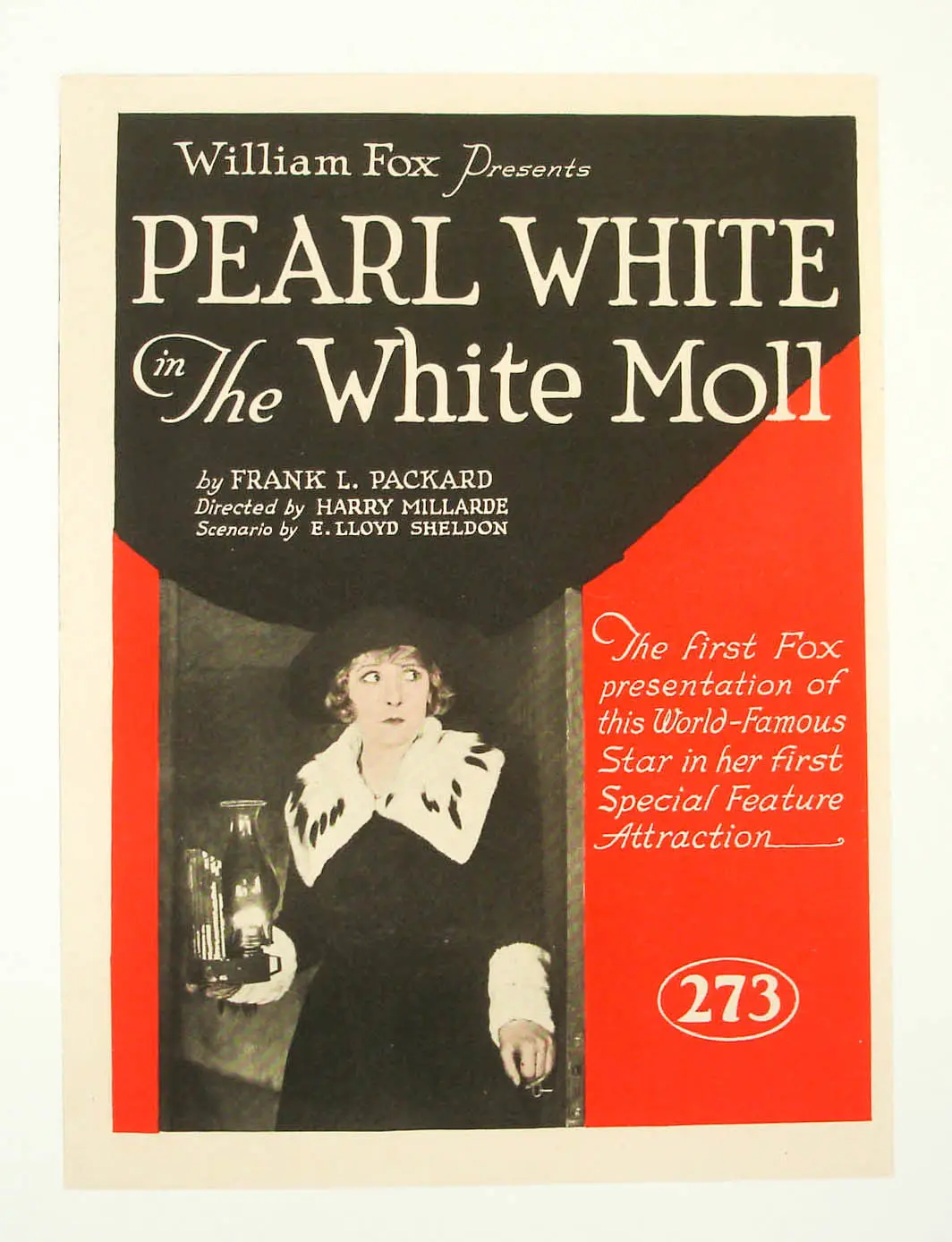
A lady marries a horse trainer but withholds herself until her crippled brother is cured.
View Details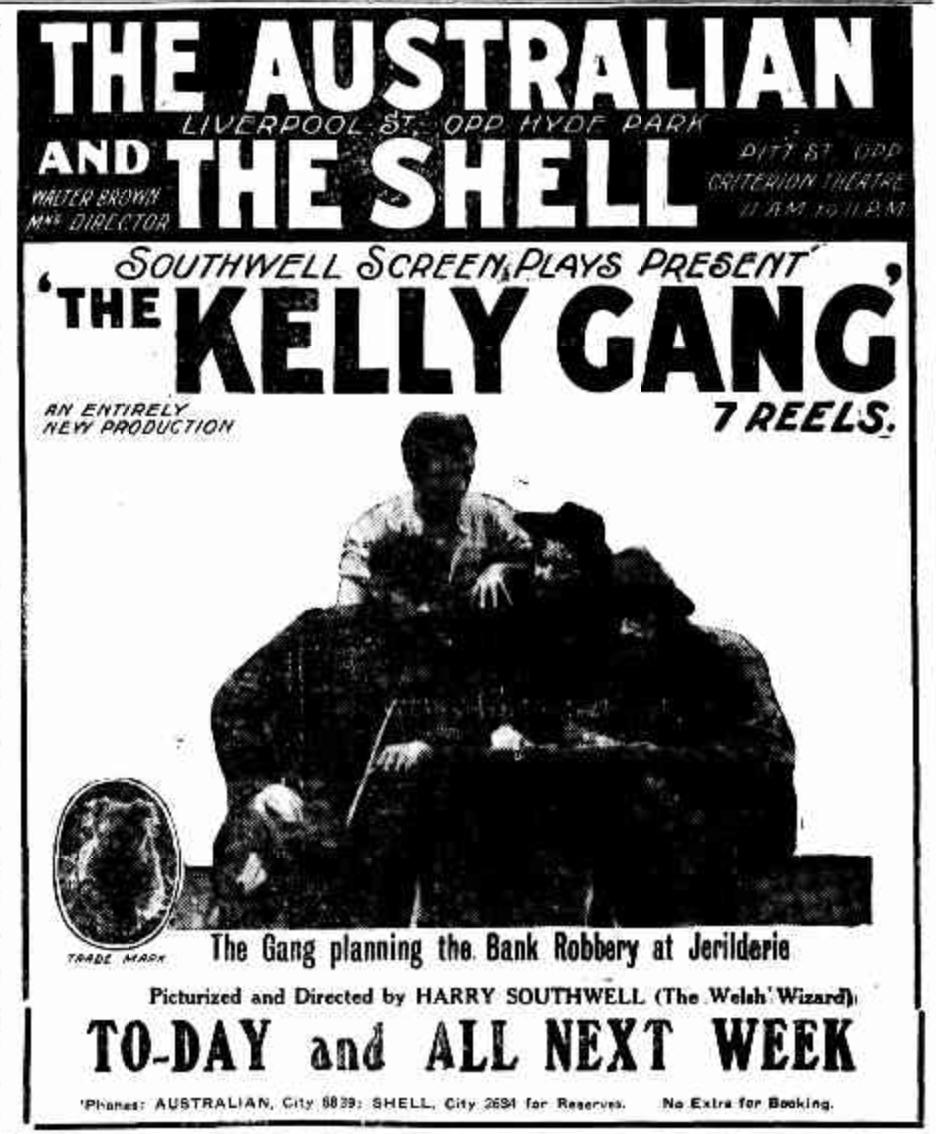
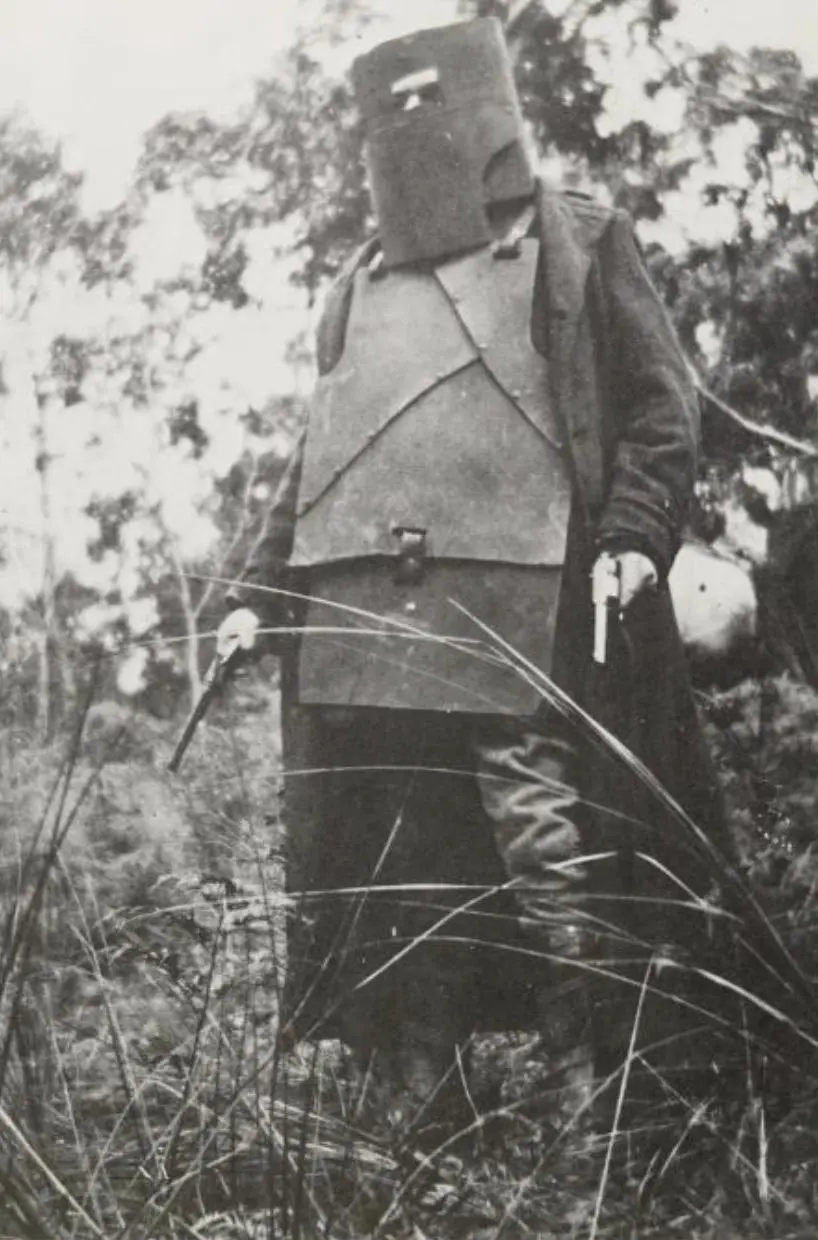
Dir: Harry Southwell
A fascinating piece of cinema that shares thematic elements.
View Details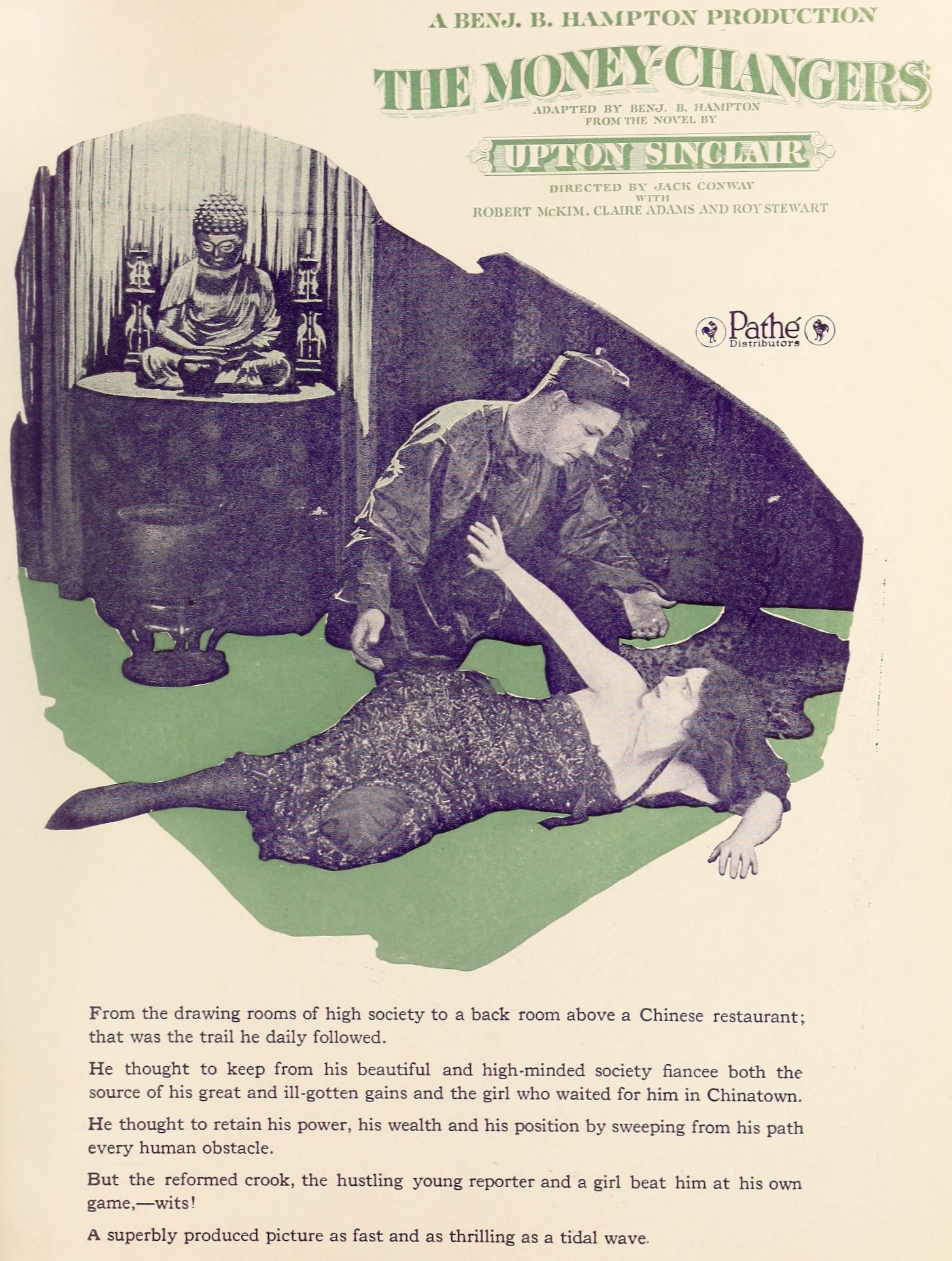
Dir: Jack Conway
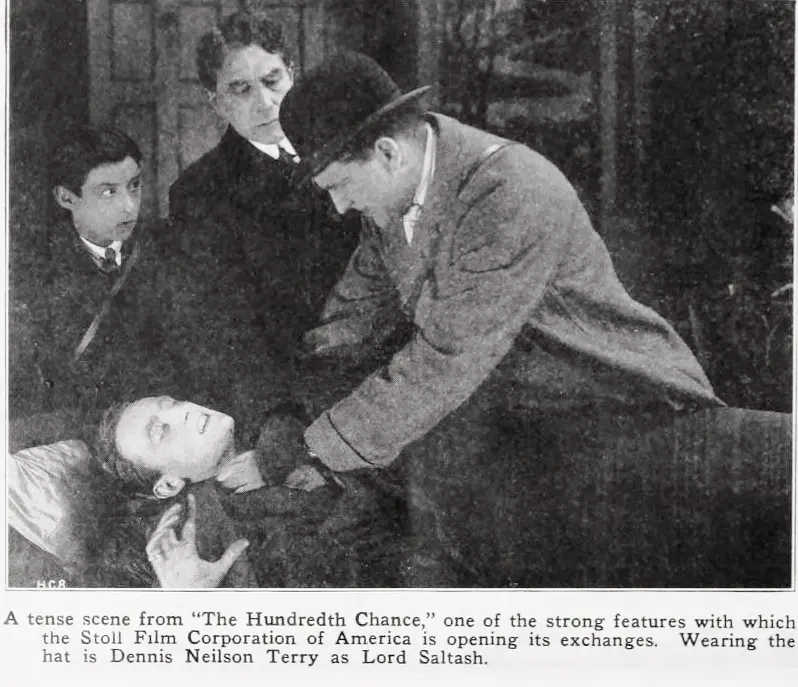
Lucy Hegan, the proprietor of a settlement house for the poor, is engaged to Hugh Gordon, the head of a large pharmaceutical and chemical firm who, unknown to Lucy, is also the ringleader of a powerful drug and white slave operation in the Chinese quarter. While conducting an investigation into illicit drug traffic for his paper, newspaper reporter Allan Martin meets Lucy and falls in love with her. In the course of her work, Lucy has befriended reformed crook Monk Mullen and his mother, and when Monk learns that she is to marry Gordon, the ex-crook provides Allan with proof of Gordon's underworld drug trafficking. Armed with his information, Allan leads a raid on Gordon's headquarters, and in the ensuing battle, the drug king is killed by his henchman, Ling Choo Fang, thus freeing Lucy to marry her young reporter.
View Details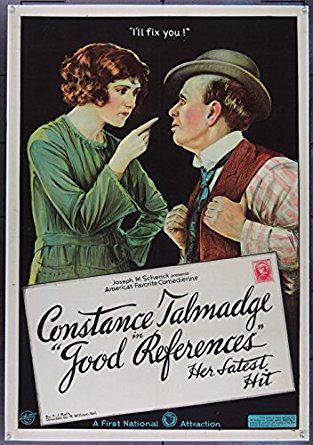
Dir: Roy William Neill
Mary Wayne (Constance Talmadge) is left alone and penniless in New York City after her father dies. She desperately needs a job after being thrown out of her apartment for causing a small fire while cooking. At an employment agency she becomes fast friends with a sick girl, Nell Norcross, and assumes her identity and good references to start work as a secretary for elderly socialite Caroline Marshall, which soon involves playing wrangler to the lady's college-dropout nephew William "Bill" Marshall (Vincent Coleman). Bill is much more interested in going to illegal boxing matches with his buddy Peter Stearns (Ned Sparks) than in throwing lavish dinner parties for his family's high-society friends. While Mary tries to do her job and keep her true identity from being discovered, William begins to fall in love with her.
View Details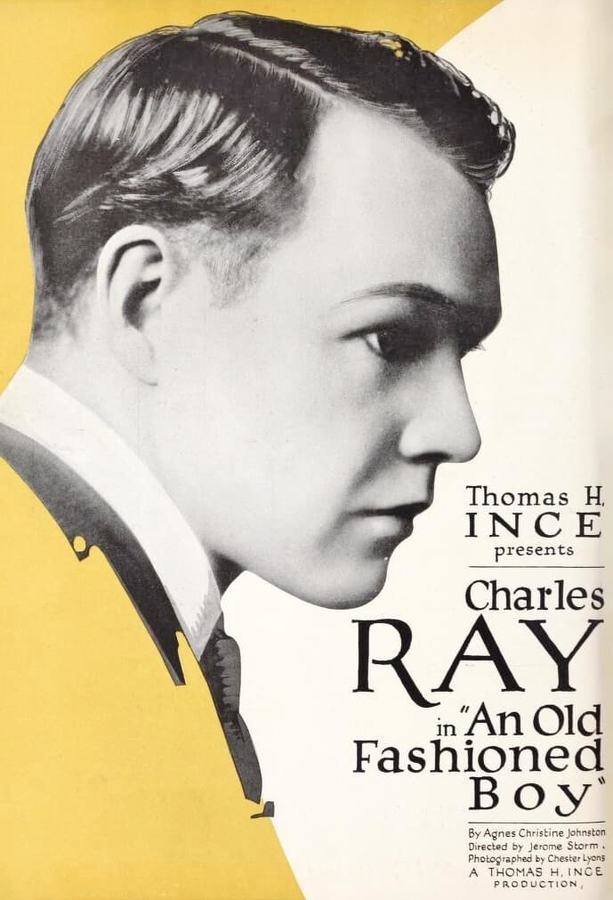
Dir: Jerome Storm
David Harrington plans to marry Betty Graves. He is an old-fashioned boy, believing in marriage, having children, and living a suburban life. Betty is more ultra-modern, and independent. When Betty gets a tour of the bungalow that David has built for them, she says it's cute but she would hate to have to live in it. The two break up and Betty goes back to a former sweetheart. Sybil, the wife of David's friend Herbert, has just has a row with her husband because he wouldn't buy her a new hat. So she takes their three children and hides in David's home, hoping to throw a scare into her husband. Now David tries to take care of the kids, hoping to forget his own troubles. Herbert phones David that he is coming over, but David tells his friend he has the measles. Meanwhile, Sybil's kids have gotten sick from eating too much taffy. So David calls Betty's father, who is a doctor. Betty comes over with her father, and David cooks up a scheme with the doctor to quarantine the house so that Betty will have to stay and help him take care of the children. Herbert arrives and chaos ensues when he discovers his wife and kids are there. Eventually, things get straightened out and David regains Betty's love.
View Details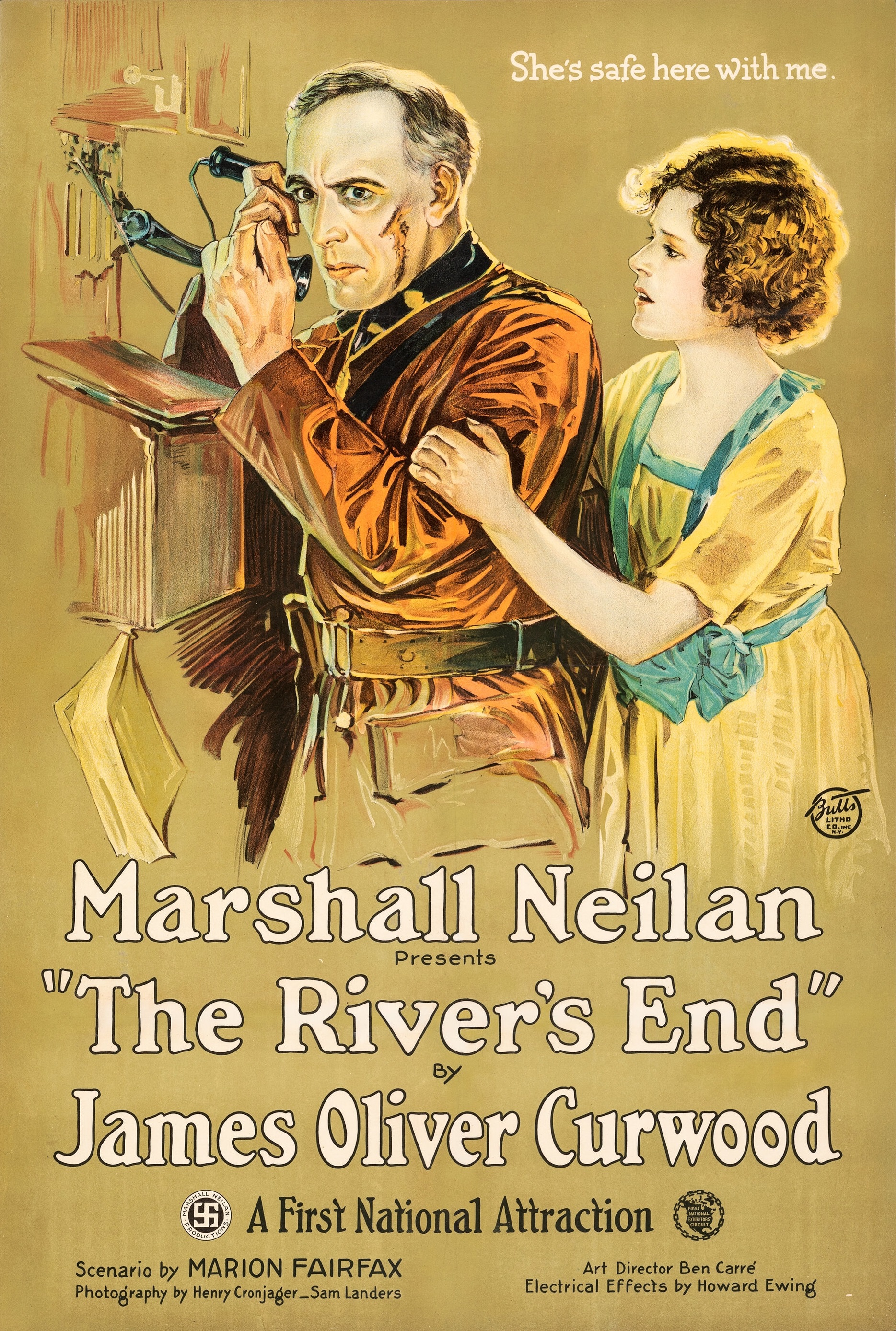
Dir: Victor Heerman
In the gold fields of the Canadian Northwest, a man is falsely accused of a crime and determines that a lookalike is responsible.
View Details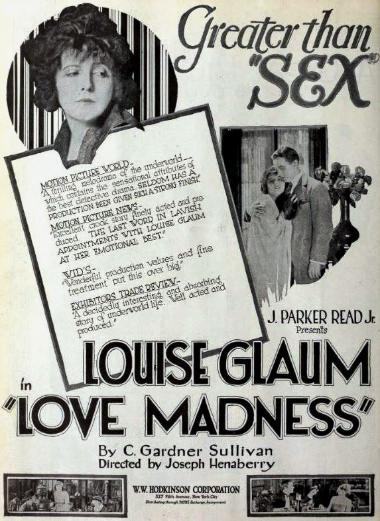
Dir: Joseph Henabery
When respectable Lloyd Norwood becomes infatuated with moll Goldie Lewis, he falls into a life of debasement that results in his being accused of the murder of gangland henchman Joe the Swell. Norwood's wife Mary, convinced of her husband's innocence, determines to clear his name. Disguising herself as a vamp and infiltrating the underworld, Mary extracts a confession from the real murderer, Pussyfoot Connor, whom she dupes into believing that he sees the ghost of the murdered man. Later, to have witnesses to the story, Mary takes a midnight dinner with gang leader Jack Frost, arousing the jealousy of Connor, who enters and accuses Frost of instigating the murder. The police, alerted to the scheme, rush in and arrest the criminals. Finally, a phone call to the prison warden results in Norwood's release as a wiser man.
View DetailsAnalysis relative to What Happened Then?
| Film Title | Atmosphere | Complexity | Similarity |
|---|---|---|---|
| Whitechapel | Surreal | Dense | 94% Match |
| Stronger Than Death | Ethereal | Layered | 85% Match |
| The White Moll | Gritty | Abstract | 96% Match |
| The Hundredth Chance | Gritty | Dense | 87% Match |
| The Kelly Gang | Tense | Linear | 95% Match |
This guide was algorithmically generated using the cinematic metadata of Walter Summers's archive. Last updated: 6/24/2026.
Back to What Happened Then? Details →