
DbcultAccessing Vault...
Recommendations
Senior Film Conservator
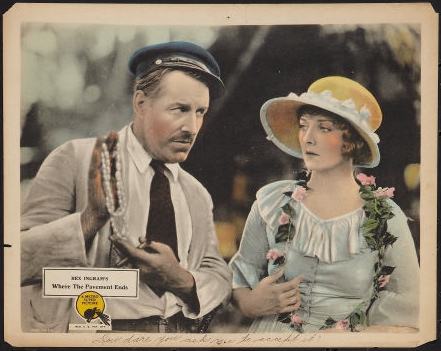
Witnessing the stylistic evolution of Rex Ingram through Where the Pavement Ends is profound, audiences who connected with its message often look for similar thematic gravity. Each of these movies shares a piece of the poignant storytelling that made Where the Pavement Ends so special.
The synthesis of form and function in Where the Pavement Ends to establish Rex Ingram as a true visionary of the 1923s.
Pastor Spener, a missionary in Wallos, learns that Captain Gregson has closed his café to prove his earnestness as a Christian. Spener's daughter, Matilda, is in love with a handsome young native chief. Her father favors a marriage with Gregson, who is really a villain. The girl and her lover attempt to journey to his home, but their plans fail, and separation seems inevitable. The captain is killed.
Based on the unique poignant storytelling of Where the Pavement Ends, our vault has identified these titles as the most compelling follow-up experiences for fans of Drama cinema:
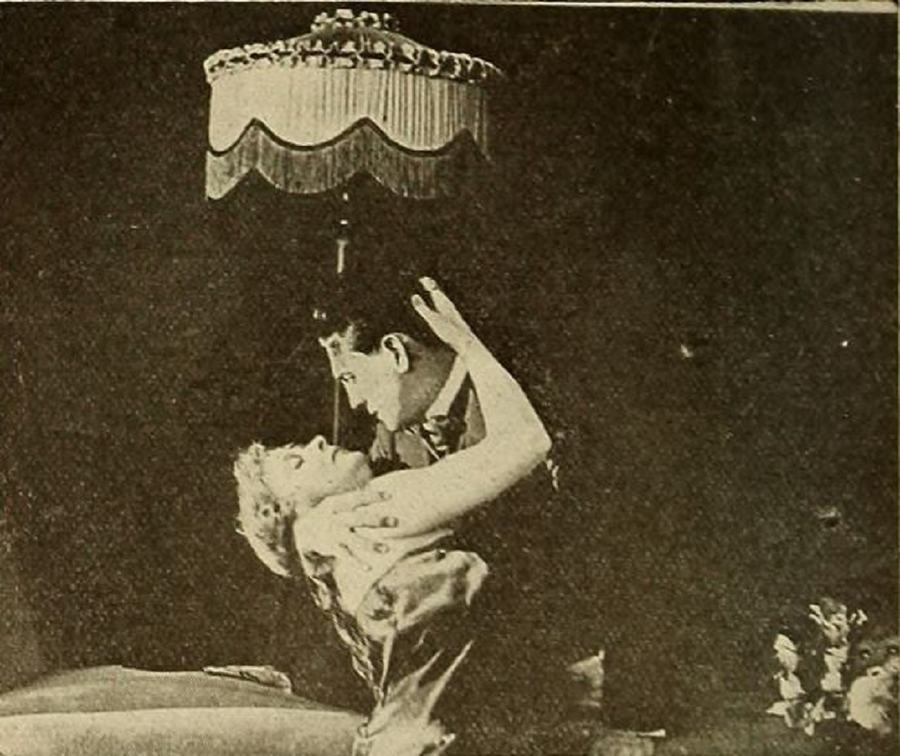

Dir: Rex Ingram
Frivolous young Marie de Severac is frightened into following a more virtuous path, when her father relates a story in which an equally frivolous woman is entombed alive.
View Details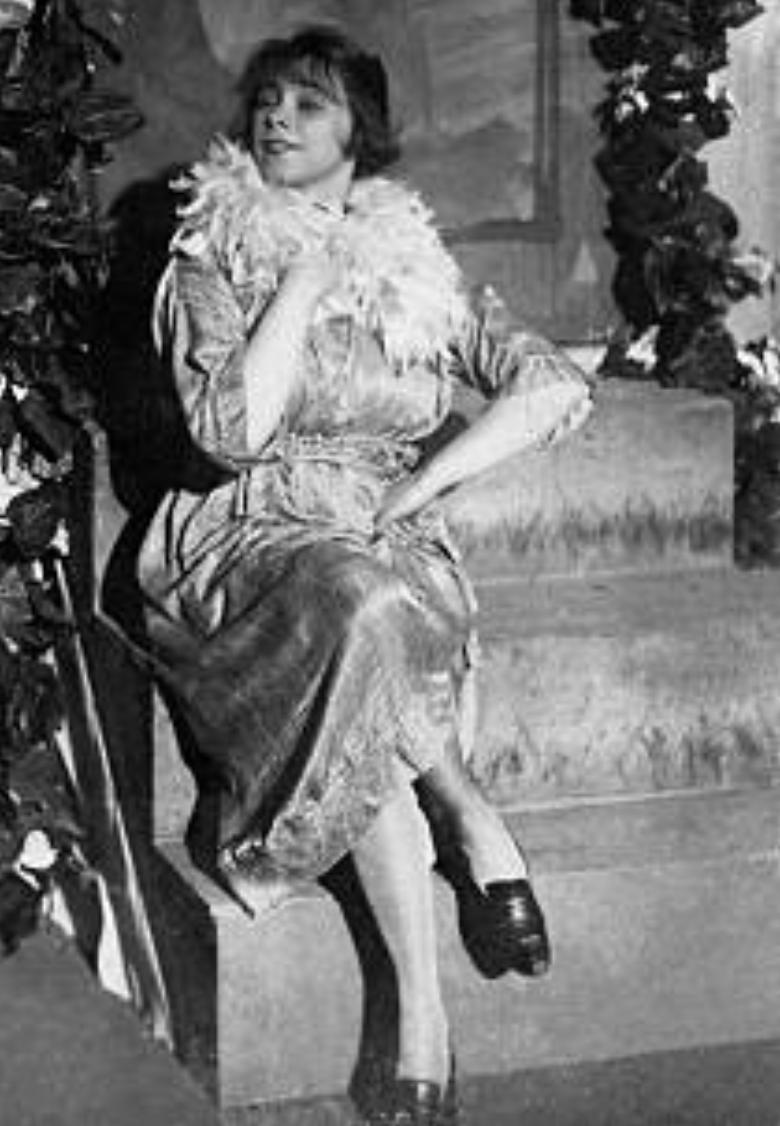
Dir: Bruno Ziener
A fascinating piece of cinema that shares thematic elements.
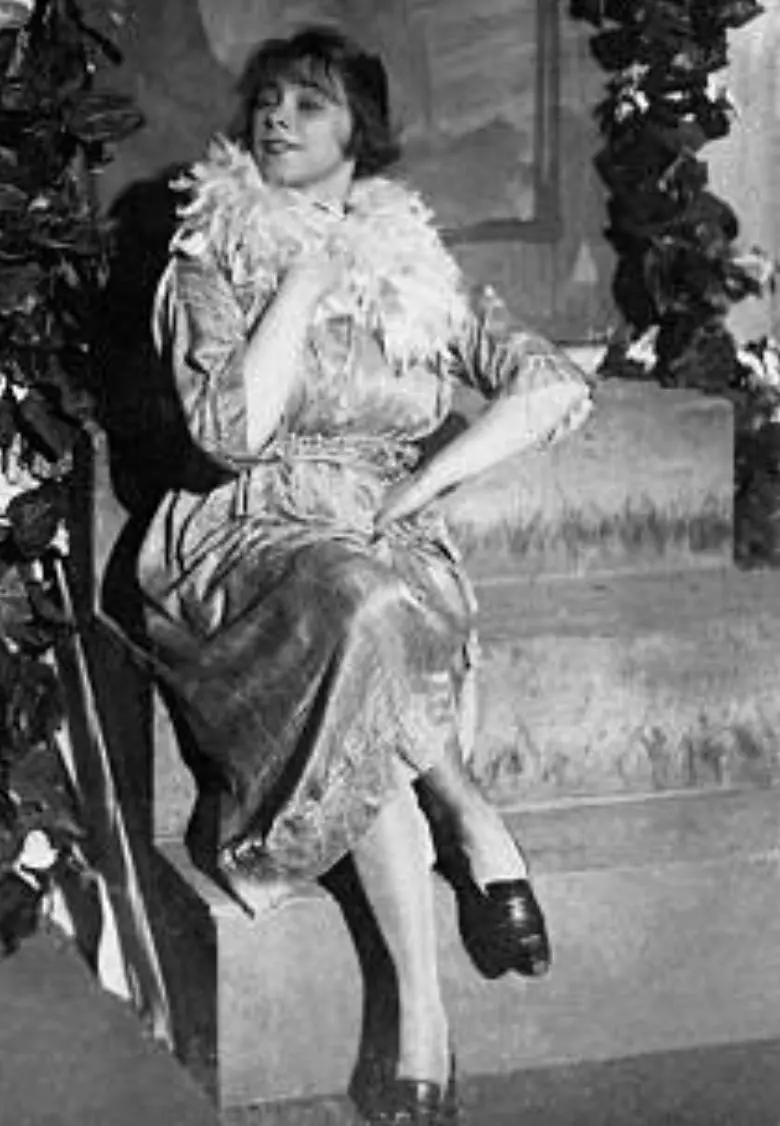
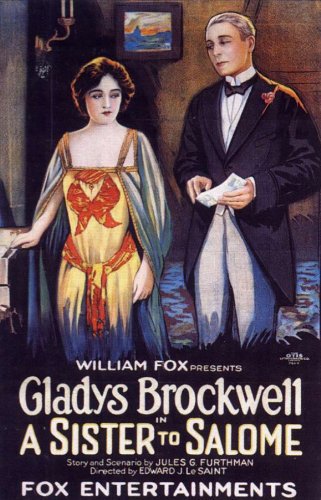
Dir: Edward LeSaint
When famous opera singer Elinore Duane undergoes an operation on her throat, she has a series of ether-induced visions. In one, she is transported to ancient Rome where she appears as a much-admired woman in love with Paul, a young heretic, and at odds with Lutor, the high priest. To save her love, she poisons Lutor with her ring. After several other visions which involve variations on this love triangle, Elinore awakens to discover that Lutor is actually her doctor, Sascha Jaccard, and that Paul is the son of a friend who has come to visit the recovering prima donna.
View Details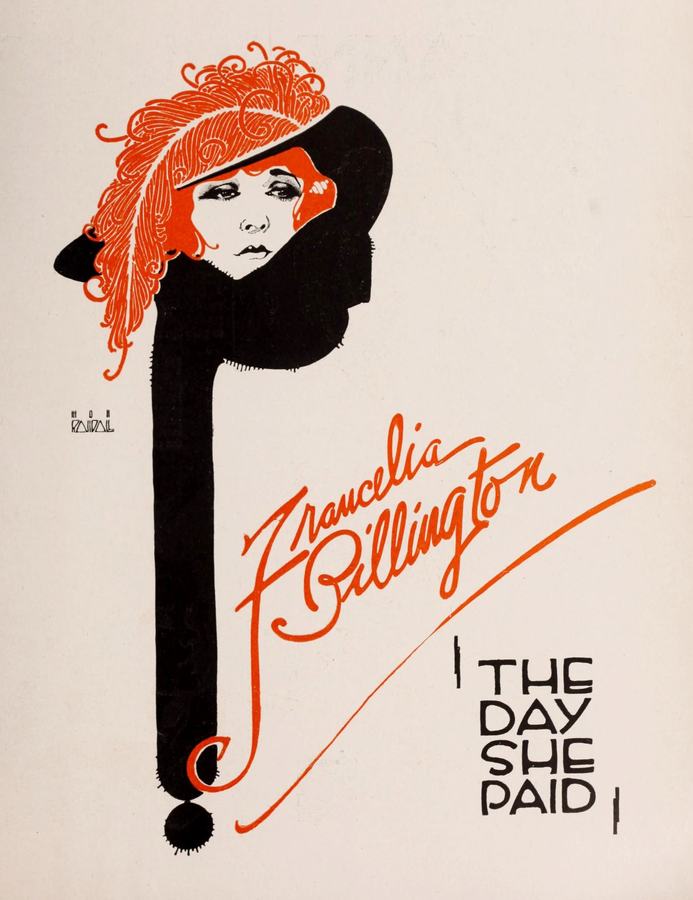
Dir: Rex Ingram
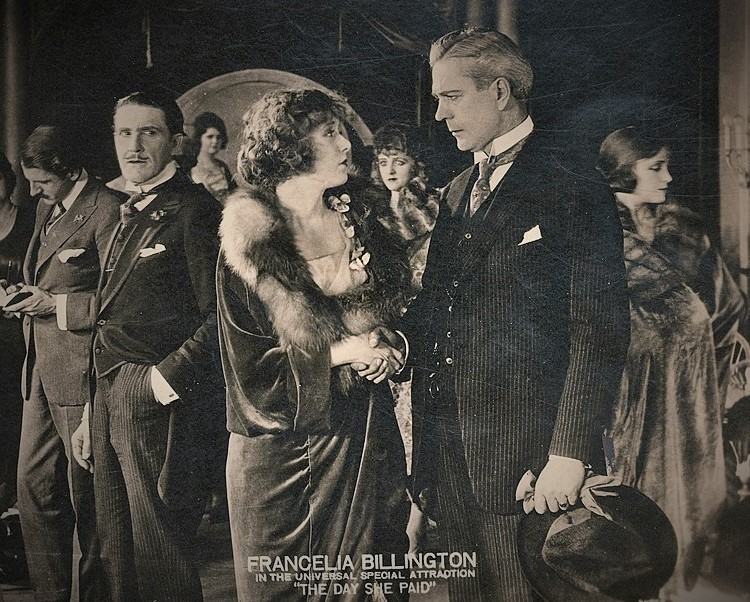
Pretty Manhattan model Marion Buckley receives a marriage proposal from Warren Rogers, a wealthy department store owner, but is reluctant to accept it because of her affair with her employer Leon Kessler, who promised to marry her. Kessler agrees to keep quiet about the affair and Marion Buckley. All goes well until one day Kessler visits the couple and proposes marriage to Rogers' teenage daughter Ardath. Knowing that her husband knows nothing of she and Kessler's history together, Marion tells him of her previous affair with Kessler, with disastrous results.
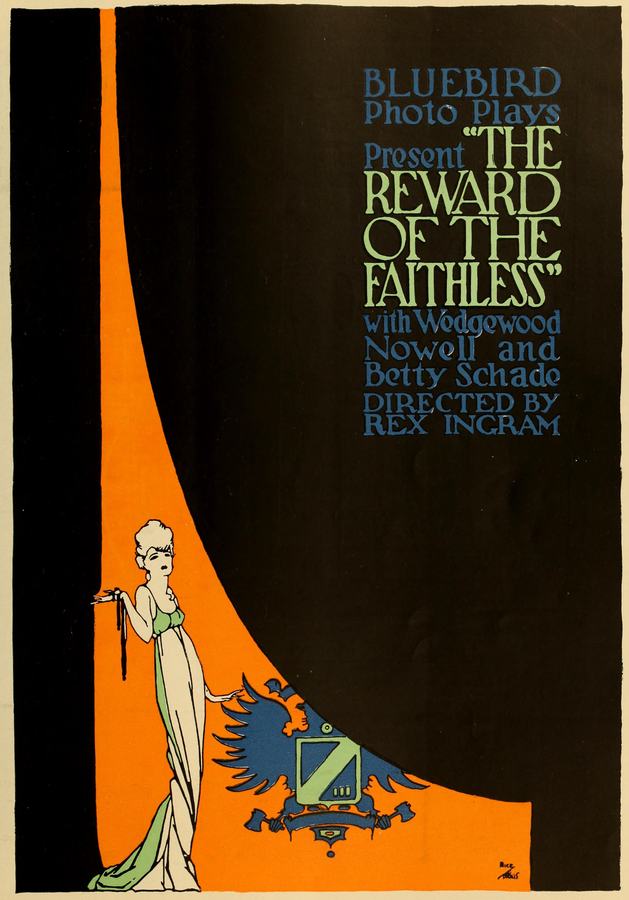
Dir: Rex Ingram
Guido Capanelli is an adventurer, his good looks and courtly bearing helping him through many successes. He has gained entrance to the best society, incidentally making the acquaintance of Princess Dione, whose father. Prince Paul Ragosin, is in feeble health. Prince Ragosin has expressed a wish that Princess Dione shall marry Feodor Strogoff, and on his death bed gains the promise from Dione that his wish shall be gratified. Feodor allows Guido Capanelli to be Dione's greatest source of sympathy in the hours of her grief, and in consequence, Guido so ingratiates himself with the Princess that she marries the adventurer, regardless of her pledge. Previous to Prince Ragosin's death Dione became interested in Katerina Vlasoff, a girl who is a street vendor of crude images and daughter of Peter Vlasoff, a drunken beast. When the girl returns home one evening without having made a sale all day Vlasoff sends her into the streets, threatening her with harm if she does not return with money to buy him wine. Katerina is accosted by Guido Capanelli, and; submits to his advances that she may have money to take home. She is so humiliated that she is glad to take her brother's advice to visit Princess Dione, the friend of everybody who is poor and in distress. Touched by Katerina's story, Princess Dione sends the girl to a convent, having gained Prince Paul Ragosin's consent to thus befriend the outcast. After Dione and Guido are married, Katerina returns from, the convent to make her home with her benefactress. Guido, under threat of exposing Katerina, demands a renewal of their relations and the deceitful couple start at once to plot against Princess Dione. When the Princess falls ill, they appoint themselves her nurses and in neglecting to administer medicines properly create a comatose condition that closely resembles death. The Princess is buried and Guido and Katerina establish themselves in control of her lands and fortune. When Dione had married Guido she received a book from Feodor Strogoff with an inscription in effect that he would always stand ready to befriend the woman he loved, but had discarded Slim for another. After the Princess is entombed, Feodor visits the sepulcher and discovers that Dione is alive, having simply been in a trance. Convinced, by what she herself witnessed of the treachery of her husband and Katerina, the Princess goes with Feodor to Rome, for the purpose of biding their time for vengeance. Guido and Katerina visit Rome and Guido becomes enamored of a famous beauty who has become the toast of the town. The woman is slow to accept Guido's advances, but finally tells him that a famous ring that has been buried with the Princess Dione will be the price of her affection. When Guido returns to the sepulcher to rob his wife's corpse, he finds the coffin empty. As he turns away from the tomb, he sees what he believes to be the ghost of the Princess. The apparition drives him insane and he runs to a nearby cliff and throws himself into the ocean. Katerina returns to the street from whence she came and Princess Dione and Feodor find happiness in marriage.
View Details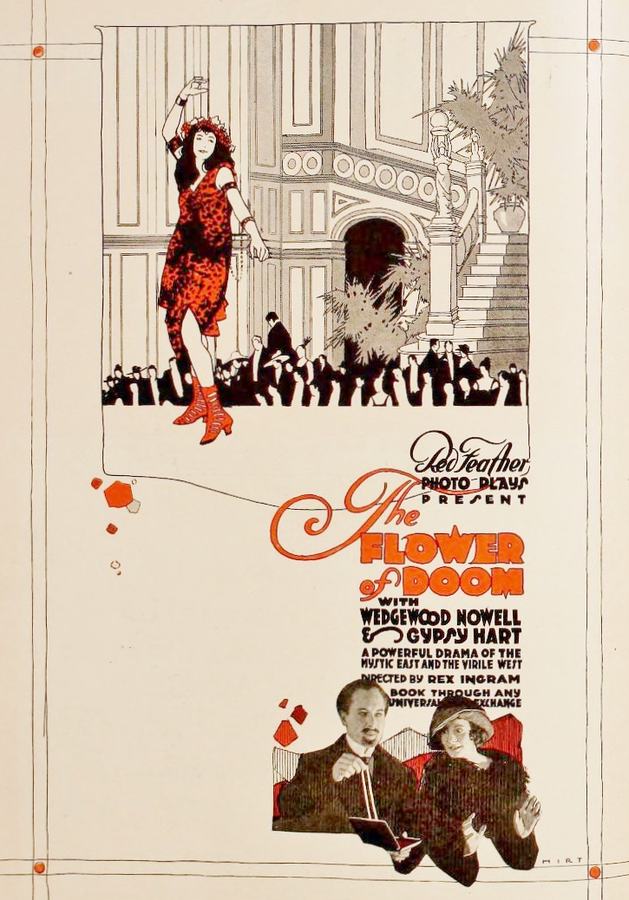
Dir: Rex Ingram
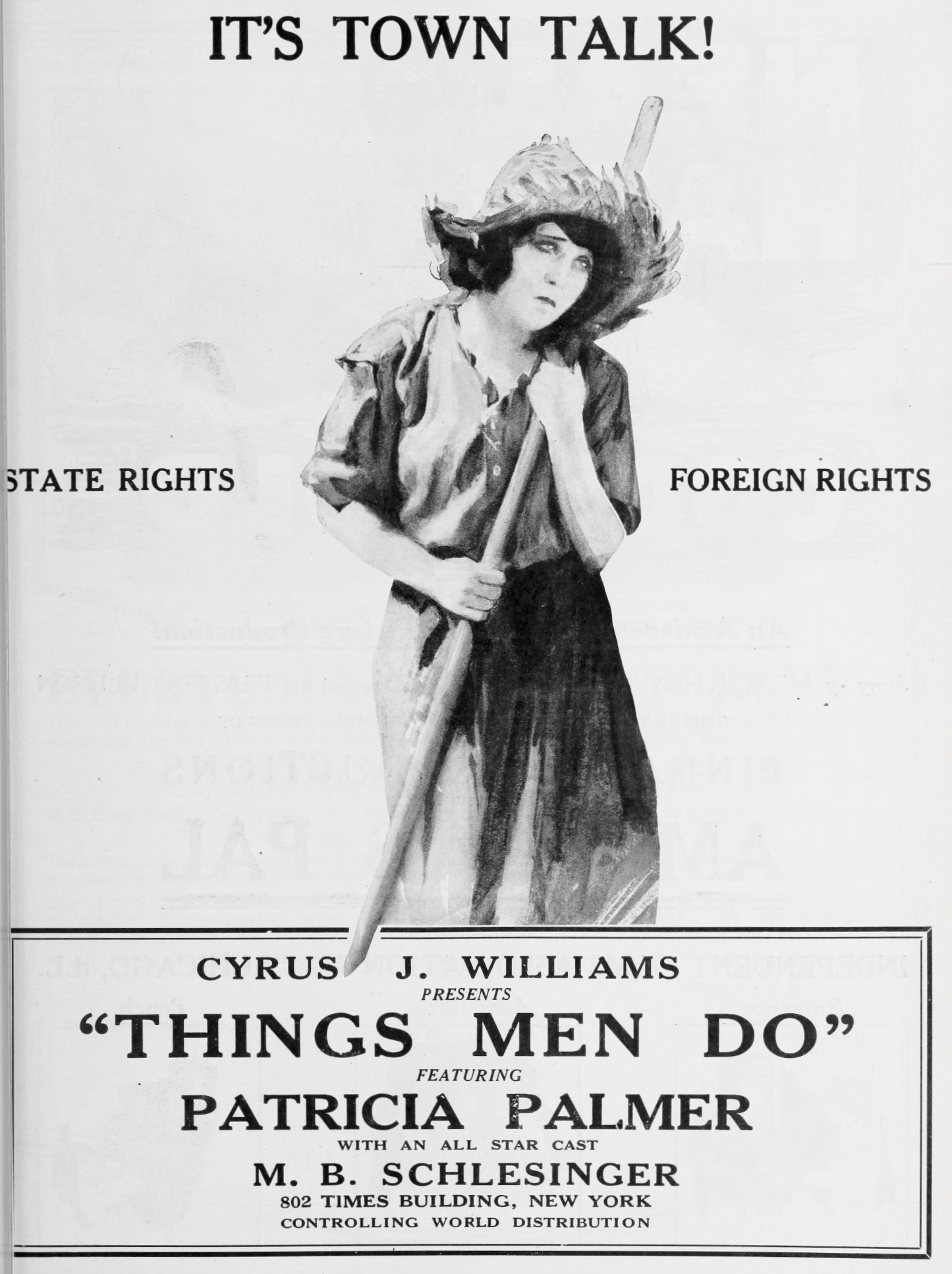
At a meeting of the Hop Sing Tong, a Chinaman chooses the red bean and is destined to kill one of his countrymen. Later this Chinaman kills his condemned countryman, and the gang manage to throw the officers off the track of the murderer. However, the police suspect that it is the work of the Hop Sing Tong and are instructed by the chief to arrest Charley Sing, as one Chinaman is as good as another. Big Tom Hogan, the Tammany leader, is visited by Buck Mahoney, a gang leader, a friend of Charley Sing's, who has come to get Hogan to have the Chinaman released, for he knows he is innocent. Hogan forces the Governor to pardon Charley Sing. Samuel Savinsky, the keeper of a pawnshop, is thought much of by his wife and family, who never suspect his affair with Neva Sacon. He gives her money and jewels, and becomes jealous of Harvey Wilson, a reporter. Paul Rasnov, a sculptor and a dope fiend, pawns valuable trinkets at Savinsky's store to buy opium at the store of Ah Wong, the leader of the Three Brothers Tong. Tea Rose, Ah Wong's wife, consents to run away with Paul. Buck meets Harvey and says he will show him secrets of Chinatown if Harvey will expose the Boss in his paper. Buck guides Harvey into the building of the Hop Sing Tong. Harvey is enthusiastic over a silver flower, and Buck, seeing no one is looking, tells him to keep it. That evening Harvey gives Neva Sacon, the café dancer, the poppy, the Flower of Doom. The next day Harvey and Neva go to Chinatown and stop at Ah Wong's store to eat. The proprietor sees Neva and makes plans to kidnap her. While Harvey is in another room, a panel opens behind her and she is pulled through the opening. When the reporter returns a servant tells him that the lady has just left. He hurries to tell Buck about the strange disappearance. The Chinamen leave Neva in a small room. Left alone with a Chinaman at one time, the girl offers him a curious ring which Savinsky has given her, if he will deliver a message to Harvey at the newspaper office. The Chinaman is informed that the reporter is not in, and thus satisfied, the Chink goes to Savinsky's pawnshop to get rid of the ring. The pawnbroker recognizes the ring and forces the Chinaman to tell now he got it. With a policeman Savinsky starts for Ah Wong's, but when the officer threatens to break down a door, Savinsky is frightened, and hurriedly leaves the place. Buck appeals to Charley Sing to find Neva, and following Charley's suggestion, Tea Rose is kidnapped while a letter written in Chinese is sent to Ah Wong telling him of Tea Rose and offering her in exchange for Neva. Ah Wong consents, and that evening Neva is restored to her people and Tea Rose to her husband. Savinsky, seeing Neva again in the company of Harvey, realizes he has lost and goes to her to demand the jewels he has given her. Harvey returns with Neva, and when Savinsky begins to quarrel about his rights, the reporter throws him out. Harvey proposes to Neva who accepts his offer. Warned by a spying Chink that Tea Rose and Rasnov are going to run away that evening, Ah Wong plans to spoil their party. He hides in the place where the girl is expecting to meet Rasnov, and springing on her drags her into a room and strangles her. Rasnov waits for Tea Rose, and Ah Wong rushes in at him. They fight, and the Chinaman lifts Rasnov up to hurl him against the wall when his foot slips and his skull is crushed against the stone steps of the grating. Having lost Tea Rose, Rasnov consoles himself with opium.
Dir: Robert N. Bradbury
A simple country girl, brutally mistreated by her stepfather, awakens first the sympathy, then the love, of The Boy. The Spider, who lusts after The Girl, makes a bargain with the stepfather and takes her to the city where, kept prisoner, she is soon broken in health and spirit. Cast out and near death, she is taken in by The Boy. Following the demise of The Spider, The Boy takes her to church, where he prays, and after many hours she is restored to health.
View Details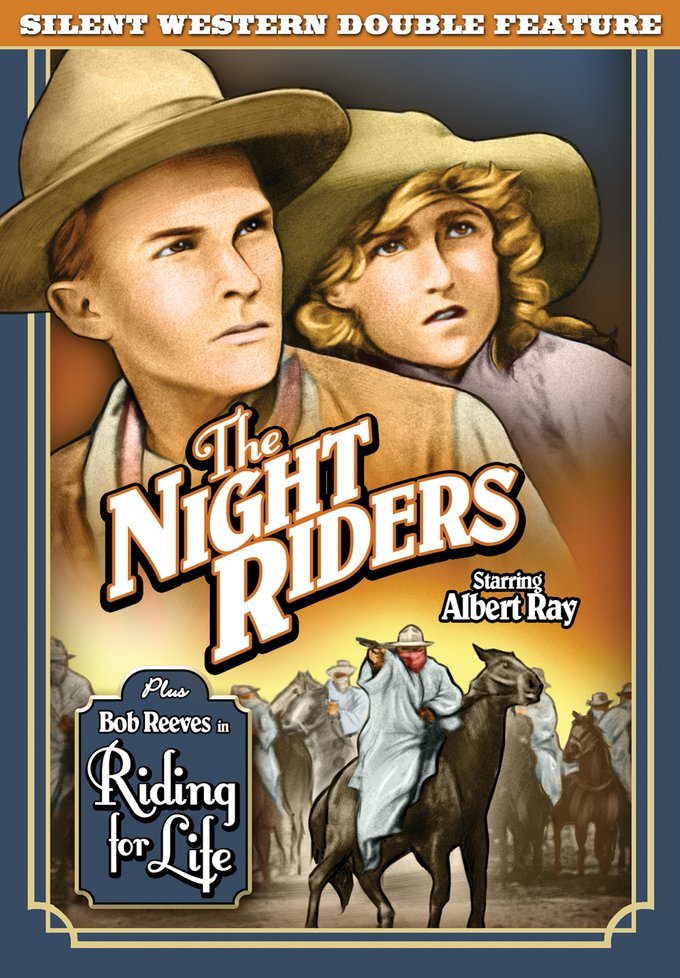
Dir: Alexander Butler
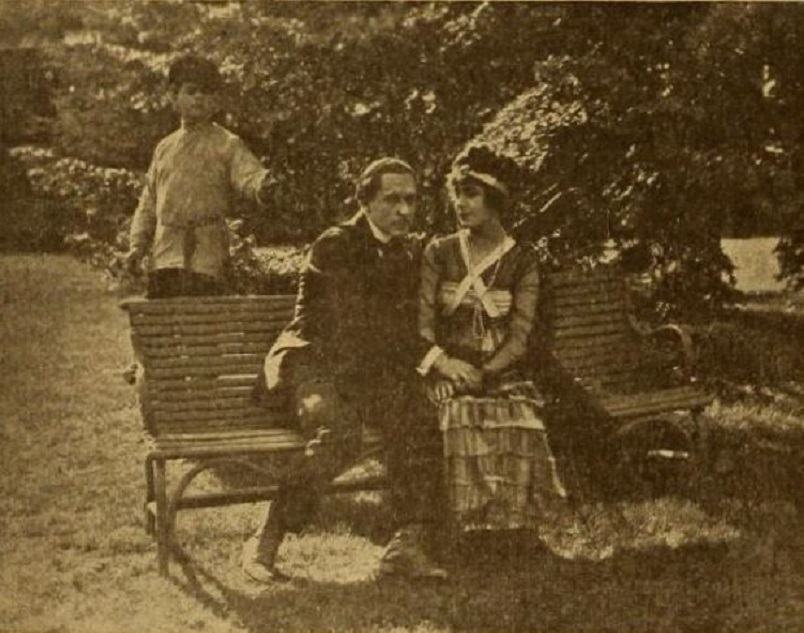
In Alberta, Canada, a Cornish emigrant unmasks a rustler posing as the girl's "blind" father.
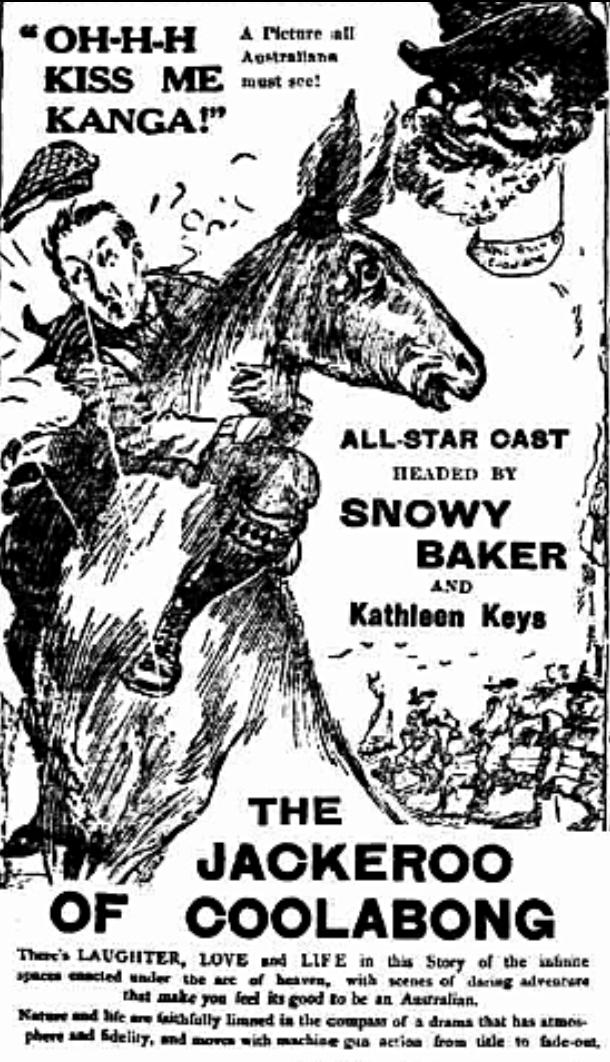
Dir: Wilfred Lucas
Brian O'Farrell (Snowy Baker), is an English 'new chum' who takes a job at an Australian cattle station. He is teased by station hands because of his appearance (including spats and a monocle) but he soon impresses them with his skills at riding and boxing. The station manager, John MacDonald (Wilfred Lucas), takes O'Farrell to Sydney to meet his daughter Edith (Kathleen Key) who is working in the slums. Edith is kidnapped by criminals after witnessing a crime but O'Farrell rescues her. It is later revealed he is the owner of the station.
View Details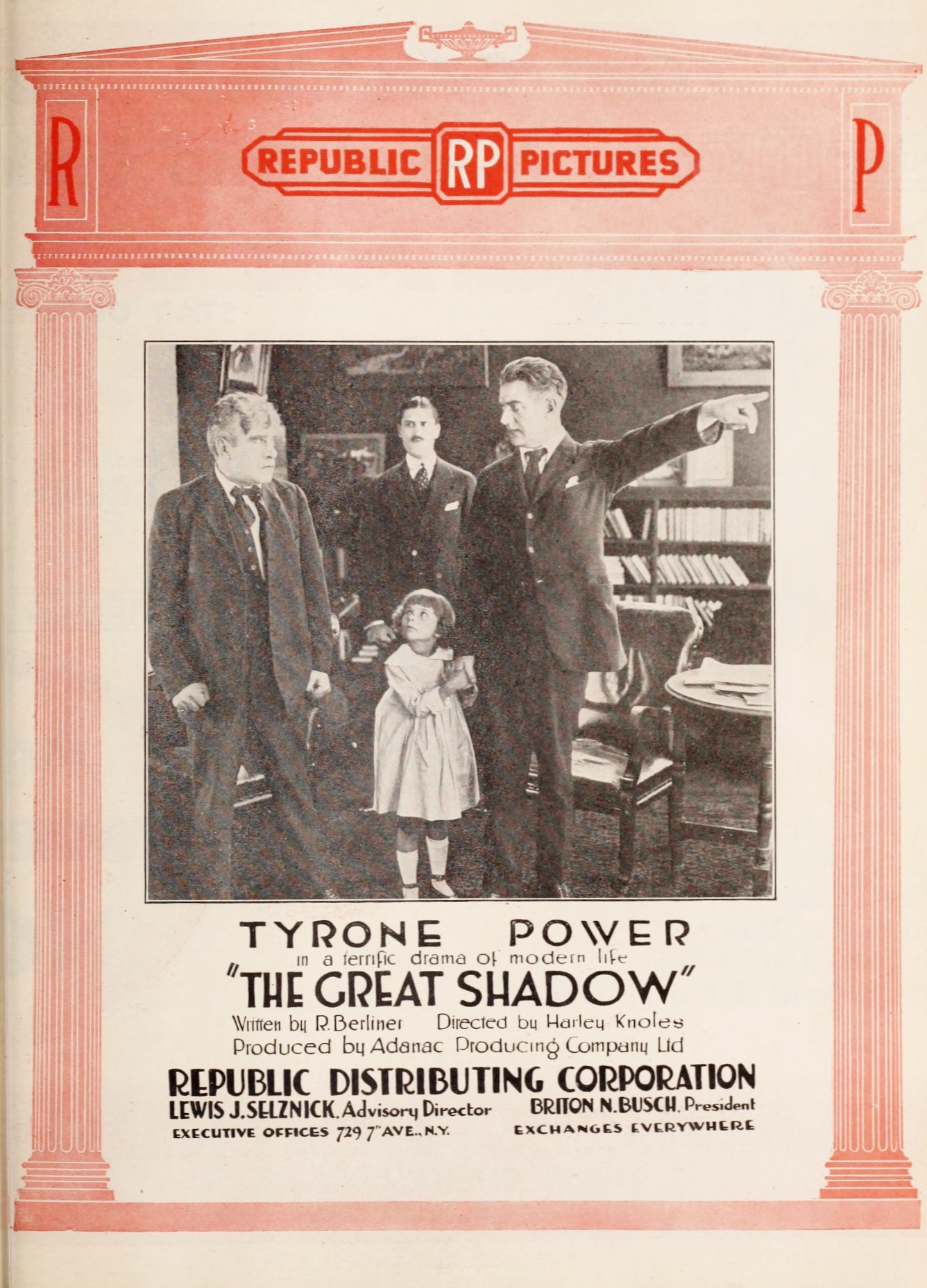
Dir: Harley Knoles
Jim McDonald, the foreman of a shipbuilding plant and head of the labor union, strives to combat the anarchistic propaganda being put forth by Klimoff, the leader of a Bolshevik gang whose goal is to disrupt the country with strikes and anarchy. Despite McDonald's efforts, a strike is called, resulting in chaos. McDonald's child is knocked down by runaway horses abandoned by their striking driver, and dies. Mob scenes take place in America, as well as in Russia. Eventually, the unrest is quelled with an armistice called between Capital and Labor for a year, during which time wages are to be increased to reflect the cost of living, and leaders are to work out a common plan for their mutual advantage. The strikers now realize that they have been pawns of the Bolsheviks and call off the strike, agreeing to the plan.
View DetailsAnalysis relative to Where the Pavement Ends
| Film Title | Atmosphere | Complexity | Similarity |
|---|---|---|---|
| Black Orchids | Gritty | Linear | 92% Match |
| Eva, wo bist du? | Gothic | Dense | 86% Match |
| A Sister to Salome | Gothic | High | 88% Match |
| The Day She Paid | Ethereal | High | 98% Match |
| The Reward of the Faithless | Ethereal | Abstract | 93% Match |
This guide was algorithmically generated using the cinematic metadata of Rex Ingram's archive. Last updated: 6/27/2026.
Back to Where the Pavement Ends Details →