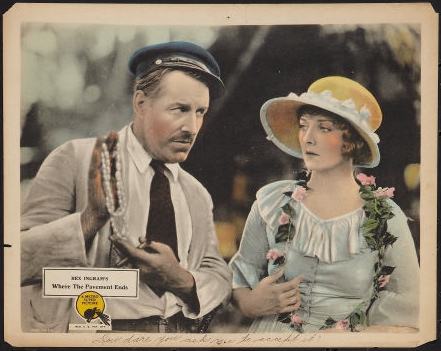
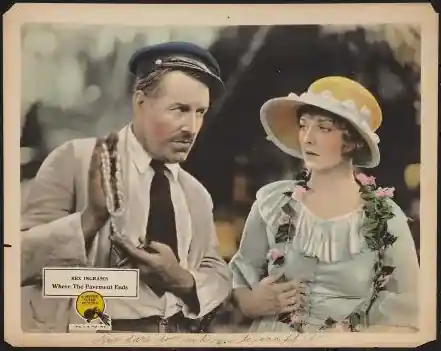
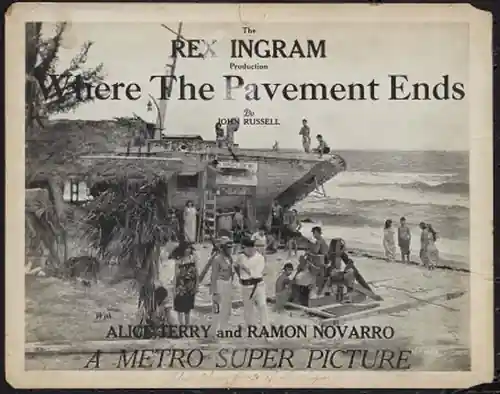
Pastor Spener, a missionary in Wallos, learns that Captain Gregson has closed his café to prove his earnestness as a Christian. Spener's daughter, Matilda, is in love with a handsome young native chief.

To witness Rex Ingram’s Where the Pavement Ends is to step into a time capsule of 1923, an era where the silver screen was beginning to grapple with the complexities of the 'exotic' with a sophistication that modern audiences often overlook. Ingram, a director who approached the frame with the eye of a sculptor, transf...
production_art

behind_the_scenes

still_frame
production_art

publicity

still_frame


Comparing the cinematic DNA and archive impact of two defining moments in cult history.
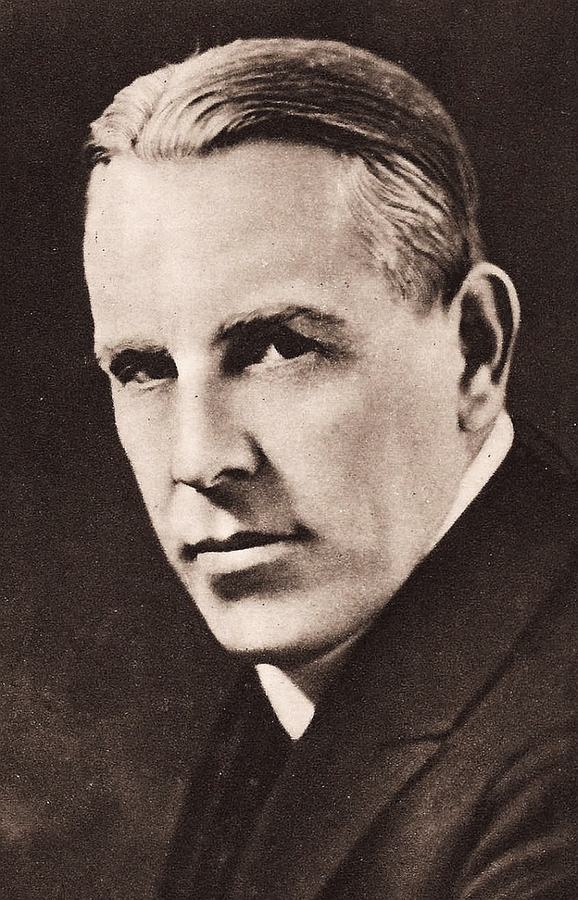
Rex Ingram

Rex Ingram
Community
Log in to comment.
"To witness Rex Ingram’s Where the Pavement Ends is to step into a time capsule of 1923, an era where the silver screen was beginning to grapple with the complexities of the 'exotic' with a sophistication that modern audiences often overlook. Ingram, a director who approached the frame with the eye of a sculptor, transforms the South Seas into a theater of psychological warfare. Unlike the saccharine innocence found in Kilmeny, this film breathes a heavy, almost suffocating atmosphere of impendin..."
Rex Ingram, John Russell
United States


Deep dive into the cult classic
Discover similar cinematic experiences
A Directorial Spotlight on Rex Ingram