
DbcultAccessing Vault...
Recommendations
Senior Film Conservator
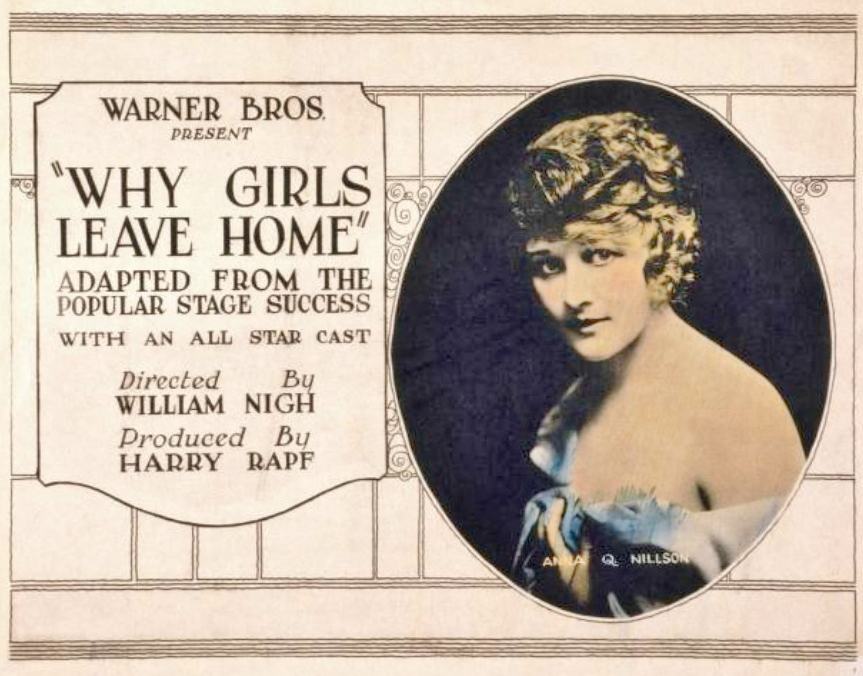
Ever since Why Girls Leave Home hit screens in 1921, fans have sought that same character-driven intensity, the search for similar titles reveals the deep impact of William Nigh's direction. These recommendations provide a deep dive into the same stylistic territory occupied by Why Girls Leave Home.
Whether it's the character-driven intensity or the thematic depth, this film to capture the existential zeitgeist of 1921.
Because her father has strict ideas about what clothing she should wear and with whom she should associate, Anna Hedder leaves home and takes up residence with two girl friends. She meets Madeline Wallace, whose father is extremely lenient, but he soon discovers that she is becoming too indiscriminate in her associates; Madeline rebels, and she is enticed to Anna's apartment by Reynolds, an old roué, while the girls are out. Anna and her friends return in time to save Madeline's reputation. Madeline, having learned her lesson, returns to her father; and Anna's father, having softened his attitude, persuades her to return home too.
The influence of William Nigh in Why Girls Leave Home can be felt in the way modern Drama films handle character-driven intensity. From the specific lighting choices to the pacing, this 1921 release set a high bar for atmospheric immersion.
Based on the unique character-driven intensity of Why Girls Leave Home, our vault has identified these titles as the most compelling follow-up experiences for fans of Drama cinema:
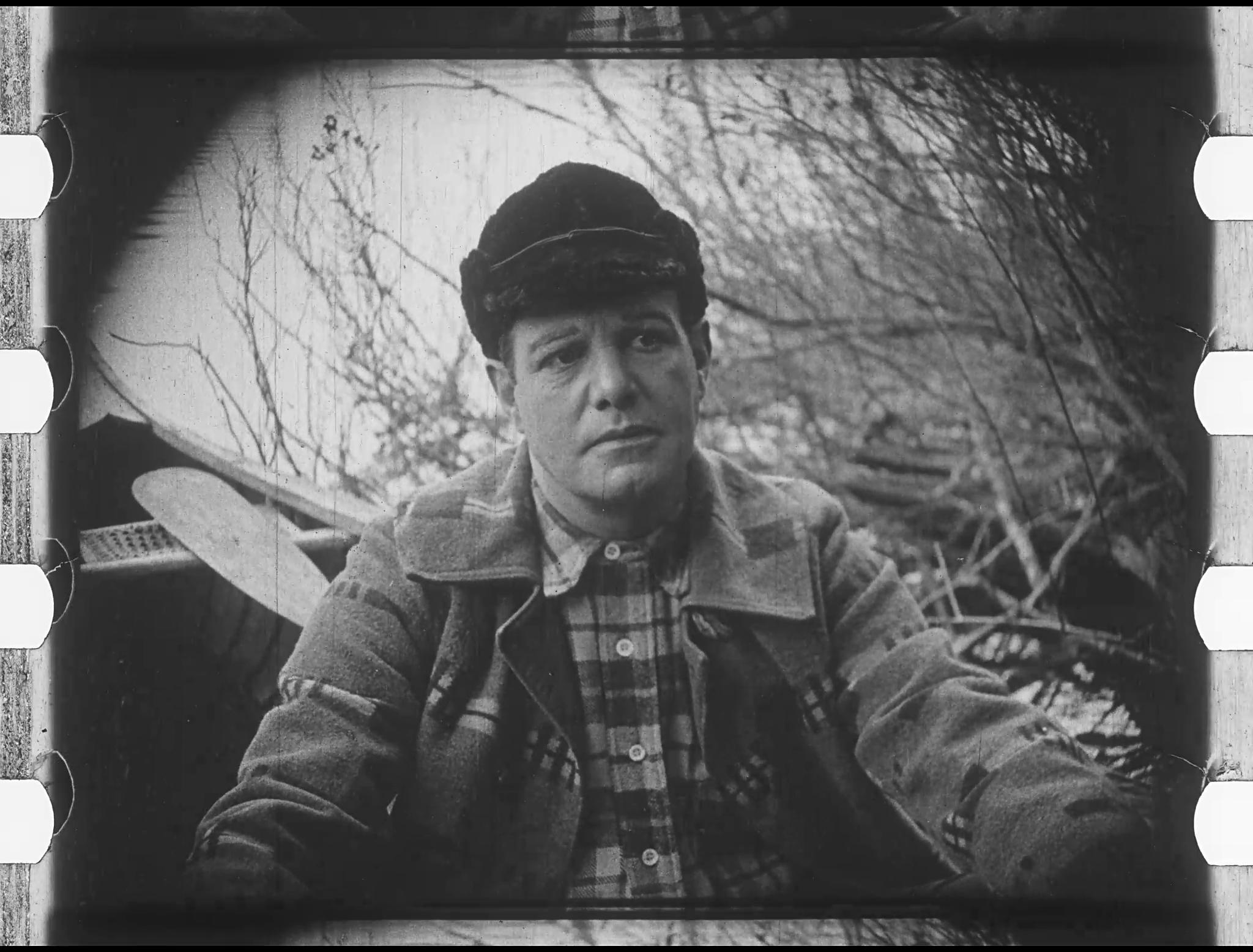
Dir: Edgar Jones
A mail-order bride arrives at a Maine lumber camp but doesn't like her prospective husband.
View Details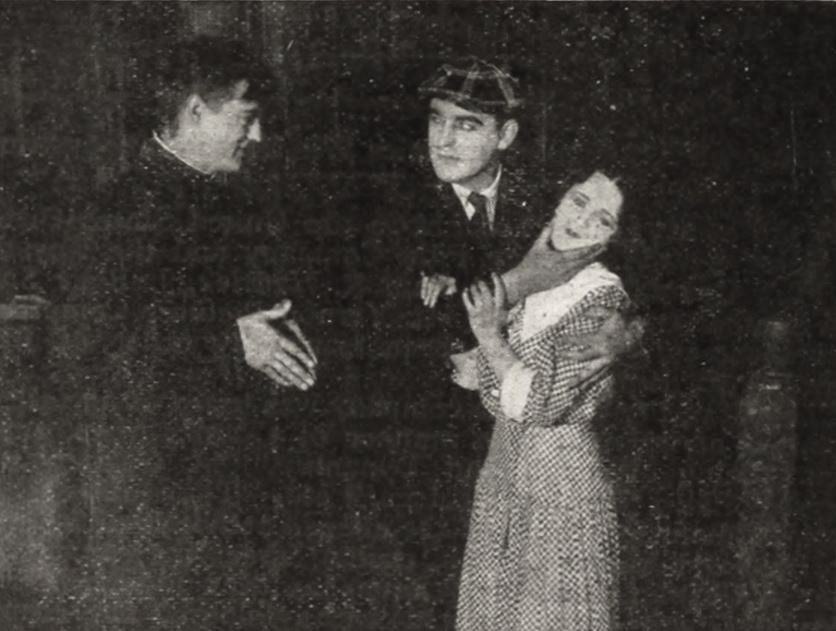
Dir: William Nigh
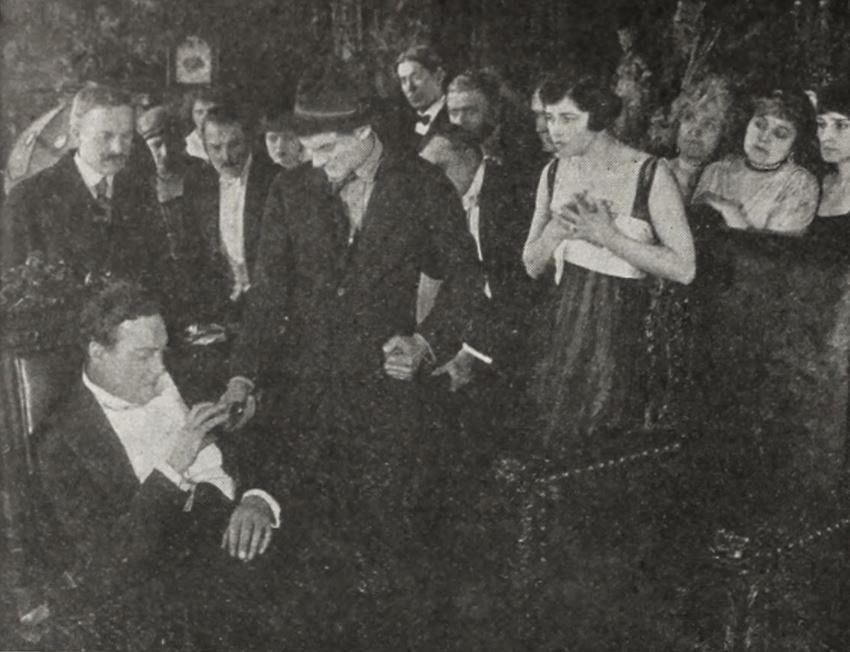
Barry Dale, the atom, a Wall Street broker, is financially ruined by his perfidious and faithless wife, and her companion, Richard Marvin, another broker, who has posed as Dale's best friend. Disheartened and depressed, Dale goes to his apartment expecting comfort and solace from his wife. Instead he finds her there in the embraces of Marvin. They laugh at him, and Marvin, the stronger of the two men, literally throws Dale out of his own home. He gives him a pistol and tells him the whole affair can best be settled, to every one's satisfaction, if Dale will kill himself. Dale walks aimlessly through the streets with this end in view. Long after midnight he finds himself on the Brooklyn Bridge, where he observes a girl about to leap into the river. A shout from Dale causes her to turn back and flee. They are mere silhouettes in the dim light, and do not see each other's faces. The girl, another atom in the swirl of human life, is Mary Austin, a child of the tenements, who had planned suicide to escape marrying Jack Rader, a gambler, to satisfy a debt her father owed to Rader. After the incident on the bridge Barry indifferently wanders to a railroad station and buys a ticket west, as far as his money will carry him. In the far west Barry brings up in a little mining town. There he falls in with an outlaw, who is being sought by a sheriff's posse. A few days later, in a lonely mountain trail, the posse closes in on the outlaw. He directs Barry to safety, but is killed by the sheriff. A sky-pilot, who had joined them a few hours before, is likewise killed by the posse's bullets. Barry buries them both, and decides to impersonate first one and then the other. Tom Austin, Mary's brother, is addicted to drink, and Mary succeeds in inducing his employers in New York to send him west. Subsequently, arrangements are made for Mary and her father to join Tom in the west. Disguised as the outlaw, Barry holds up the coach that Mary and her father are riding in. Struck by the girl's beauty, and her plea not to rob them, Barry grants the request for a kiss. Afterward, as the sky-pilot, Barry and Mary become well acquainted in the mining town, where she and her father have taken over a small hotel. Jack Rader, the gambler, turns up and compromises Tom Austin in a hold-up. He offers to clear him if Mary will consent to marry him. Mary tells the sky-pilot of her predicament. Barry, disguised as the outlaw, saves Tom and shoots the gambler in a pistol battle. When the sheriff's posse arrives he is disguised as the minister. With renewed strength and ample funds, Barry returns to New York and seeks out Marvin and his wife. He throws Marvin into the street and returns the revolver to him, with the same advice he received a year before. Back west Mary waits for the sky-pilot's return, standing every night on a little bridge that spans a mountain stream. She is about to despair of his return, when she hears his voice. She turns and sees the same silhouette she saw on the Brooklyn Bridge, and for the first time both know they met that night.
View Details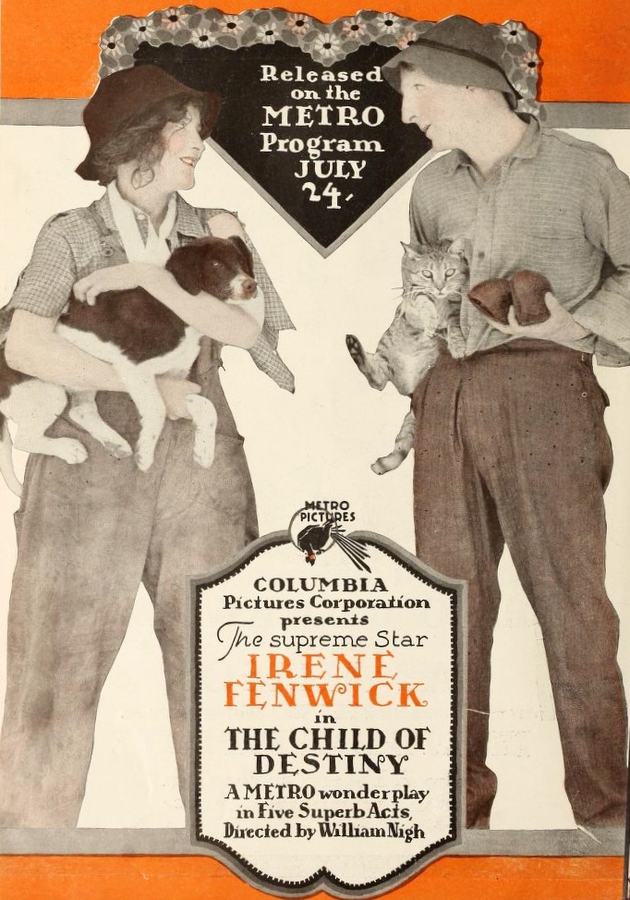
Dir: William Nigh
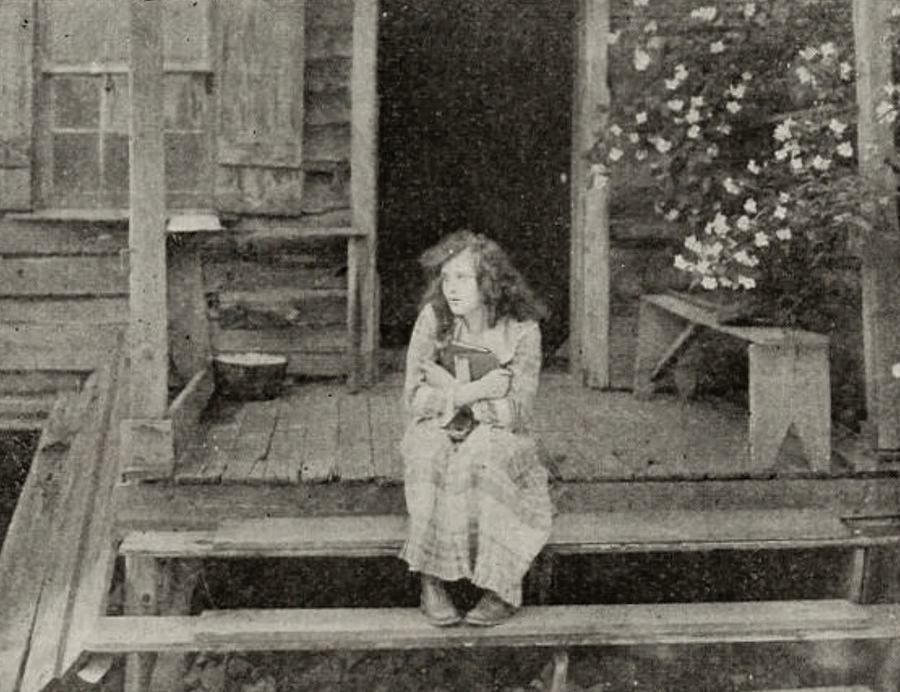
Alita, a child who has been left in the care of Mr. and Mrs. Putnam in a desolate swamp country, reaches the age when she is to be prepared for the world, and the Putnams send word to Judge Gates, her guardian, to come for her. Her life has been spent in the swamps with a half-witted boy, "Weird Willie," and many animals and birds of that country, as her only playmates. Judge Gates receives the letter at his bachelor apartment, which he shares with a younger friend and companion, Bob Stange. Through the accidental dropping of a marriage license the Judge discovers that Bob is about to become a benedict, despite the fact that they had a compact never to marry, on the theory that all women are deceitful. The Judge recounts a story about one ill-fated marriage that ended in the divorce courts, in which the real tragedy was the little baby which no one seemed to want. Bob turns a deaf ear to this and leaves in anger. Constance, the one woman Bob has idealized, is older than he. She plays upon his sympathies by telling of her hard work as a dressmaker, when, in reality, she is leading a dual life, and only wants Bob for his money. She is carrying on a liaison with a Calvin Baker, a man about town, and he is calling on her when Bob arrives and tells her a minister is on the way to marry them. Baker hides behind the screen and listens. Bob tells Constance that he has invited his best friend, Judge Gates, to the ceremony. When Constance hears this name she is startled and insists on the ceremony being hurried. The marriage is performed as the Judge arrives. He recognizes Constance as the one who has ruined his own and his best friend's life. He denounces her, and Bob realizes her perfidy when he finds Baker hidden in the room. Bob and the Judge leave, and go away for a fishing trip, hoping to forget. In the country Bob comes upon Alita, and through a strange chain of circumstances, she is slightly wounded by a shot which her constant protector, "Weird Willie," intended for Bob. Alita falls in love with Bob, for he is the first man she has come in contact with. The Judge decides to take Alita away. Judge Gates puts Alita in charge of a professor to educate her, but she proves, through her hoydenish ways, a source of annoyance to the teacher. Bob receives a letter from his sister, telling him she has found the right girl for him at a summer hotel, where she is stopping. The Judge buys an extensive wardrobe for Alita, and by chance, they go to the same hotel for which Bob is bound. Bob is startled when his sister leads him into the presence of Constance. Alita meets Constance and the girl is attracted to her. The Judge finds them together and afterwards upbraids Constance. Alita and Bob meet again. Bob goes to Constance, begs her to release him, and to grant him a divorce. The Judge sees Bob enter her room and follows. Alita waits until they leave. She goes to Constance and asks her if she knew Bob before. Constance tells her the truth. Alita leaves all, and goes back to the swamp country. She cannot face the Putnams, so she runs into the fields instead, where she wishes to die. After Alita leaves Judge Gates tells Constance that Alita is her child. Constance's better nature is aroused and she goes in search of her daughter. Bob and the Judge follow. Constance agrees with the Judge that it is best not to tell Alita the truth, and when Bob and "Weird Willie" find Alita in the swamps, Constance wanders away to her death that Bob may be free to marry the child she has wronged.
View Details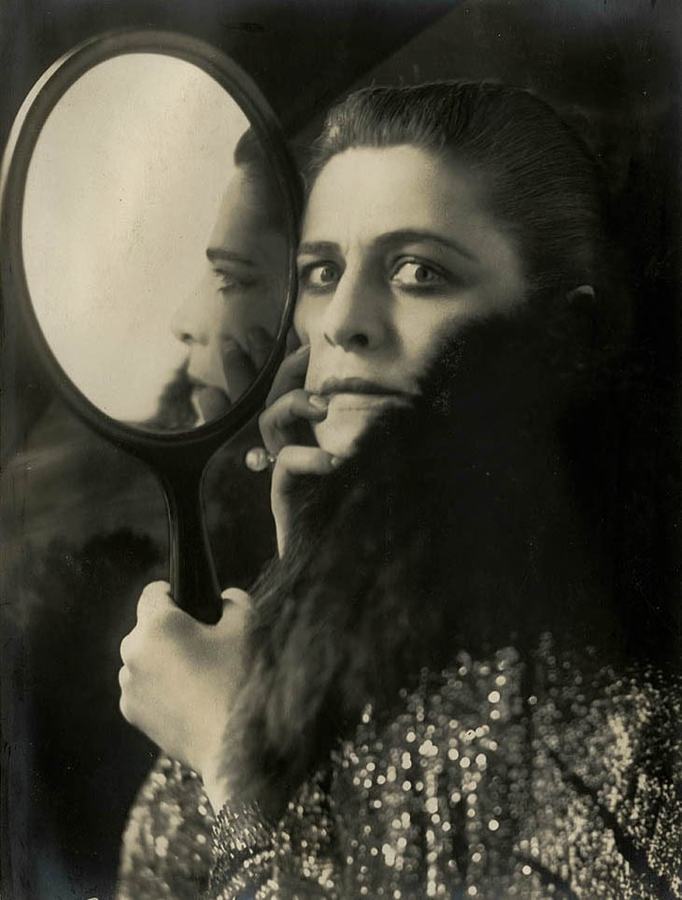
Dir: William Nigh
Caroline works at a hair dressing parlor. A wealthy man falls in love with her, takes her home and proposes to her. Caroline has a dream where she marries the man, who turns vicious and keeps her locked up in his mansion. He finally dies, and Caroline starts out having a good time with his money, but she sees the folly of her ways. She wakes up from the dream.
View Details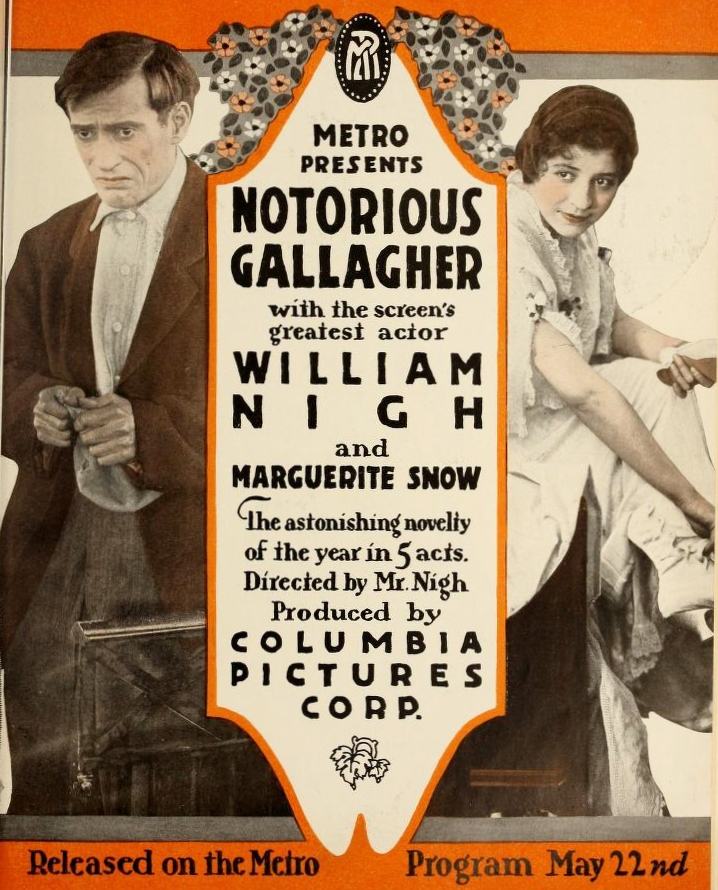
Dir: William Nigh
"Buttsy" Gallagher is a harmless young product of the slums. In all his life he has never been of the slightest importance. His spirit is so submerged that he has almost forgotten how to get angry. One night the gaiety going on in Judge Winters' home attracts him, and he crouches on the fire-escape to watch it. He becomes interested in the Judge, in his pretty daughter Peggy, in her cousin Flo, in Flo's admirer, the Count, and in Bob Ewing, a struggling young lawyer. Then he falls asleep on the fire-escape. Peggy is fascinated with the Count and decides to cut Flo out, if she can. She consents to meet him in the drawing-room after the household is asleep. Scarcely are they concealed in the window niche when the house is burglarized. "Frank the Mex" and "Lefty Jake," securing their booty, pass through Flo's room when Flo awakens and screams. A servant who runs to see what is wrong is killed, and the crooks escape through the window, where "Buttsy" is lying asleep. They roll him over into the room. "Buttsy" is arrested as the murderer. "Buttsy" finds himself suddenly famous. Women send him flowers. Great men argue about his case. The people in his home alley decide that he has more in him than they thought. Peggy, who was hidden in the other window and who knows that he is not the murderer, does not dare speak for fear of injuring her reputation. Bob Ewing takes up the case. He is sure "Buttsy" is not guilty, and finally makes Peggy tell what she knows. Her father, Judge Winters, makes her marry the Count. "Buttsy" is given a new trial and is released under a five-year probationary sentence for having committed perjury. He has "confessed" to the murder, delighted at having so much attention. Brought into prominence by "Buttsy's" trial, Bob is engaged by a firm of unprincipled men to condemn and take over for a reservoir some land belonging to Judge Winters and some farmers in his old home town. The two crooks, "The Mex" and "Lefty," are hired, and bind and gag the Judge when he tries to fight the matter in the town council. Peggy and the Count, who follow, are about to meet the same fate, when "Buttsy" intervenes. He has left the city because it is not interested in him except as a criminal. The Judge accuses him of being mixed up in the conspiracy and his long-buried spark of anger flames forth. He puts up the fight of his life. He and the Count turn on the hobos, and "The Mex," the slayer of the servant, is mortally wounded, confessing just before he dies. Flo gives Bob a piece of her mind. She tells him exactly what she thinks of him for having turned traitor to her uncle's interests in such a cowardly fashion. She rouses the sleeping manhood within him. He goes to the council meeting and argues, not against the Judge, but for him, winning the case. Flo forgives him, and they are married. Peggy cannot help admiring the Count's valor when she sees him fighting the crooks, and thereafter the marriage is a real one, as for "Buttsy" he sees again the girl known in his tenement home as "The Pest." Now she is a lovely young woman. She has become a trained nurse and he asks her to be his own private nurse as long as he lives.
View Details
Dir: William Nigh
Mary Bruce is wooed by Lord Haverford but loves Roger Benton, her father's secretary. To finalize his marriage proposal, Lord Haverford offers her father a large sum of money and, being low on funds, Mr. Bruce accepts it, then places it in a safe. Horrified by her father's actions, Mary steals the cash from the safe that night, but on her way out is overcome by another thief whose wrist she bites in the ensuing tussle. When the theft is discovered, Mary, Benton and Mr. Bruce are suspected, but Dr. Steele, a detective, convinces Mary that Haverford, or the man who calls himself Haverford, is the actual thief. Steele tells how the phony Haverford attempted to kill the real one, stole his money, assumed his identity and is now extorting cash from Bruce. With the bitten wrist as proof, Steele exposes the impostor, then reveals himself to be the real Lord Haverford, whose sweetheart has been posing as the Bruces' maid. The mystery resolved, Mary and Benton happily reunite.
View Details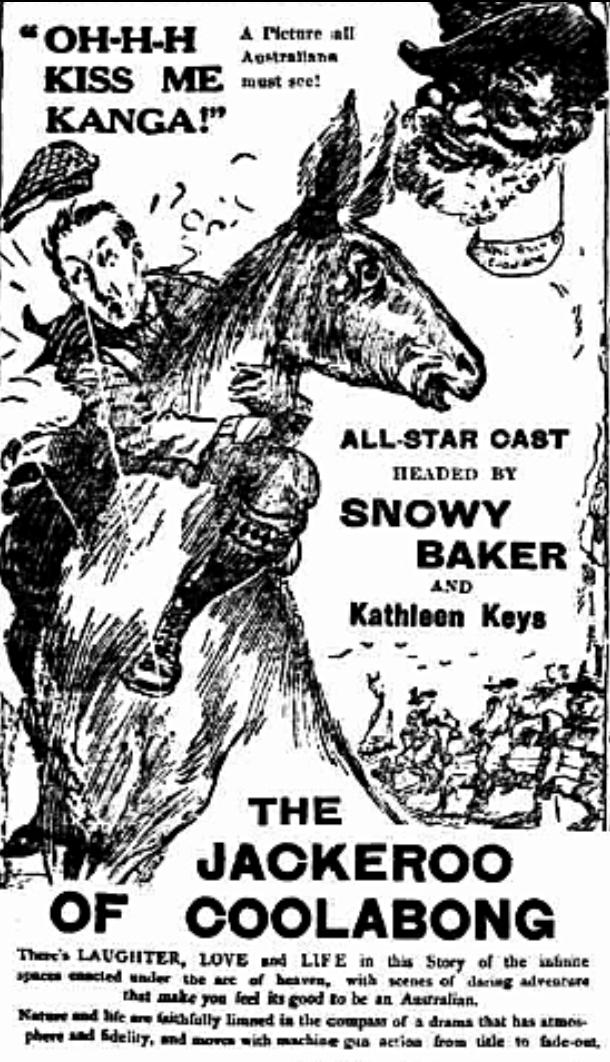
Dir: Wilfred Lucas
Brian O'Farrell (Snowy Baker), is an English 'new chum' who takes a job at an Australian cattle station. He is teased by station hands because of his appearance (including spats and a monocle) but he soon impresses them with his skills at riding and boxing. The station manager, John MacDonald (Wilfred Lucas), takes O'Farrell to Sydney to meet his daughter Edith (Kathleen Key) who is working in the slums. Edith is kidnapped by criminals after witnessing a crime but O'Farrell rescues her. It is later revealed he is the owner of the station.
View Details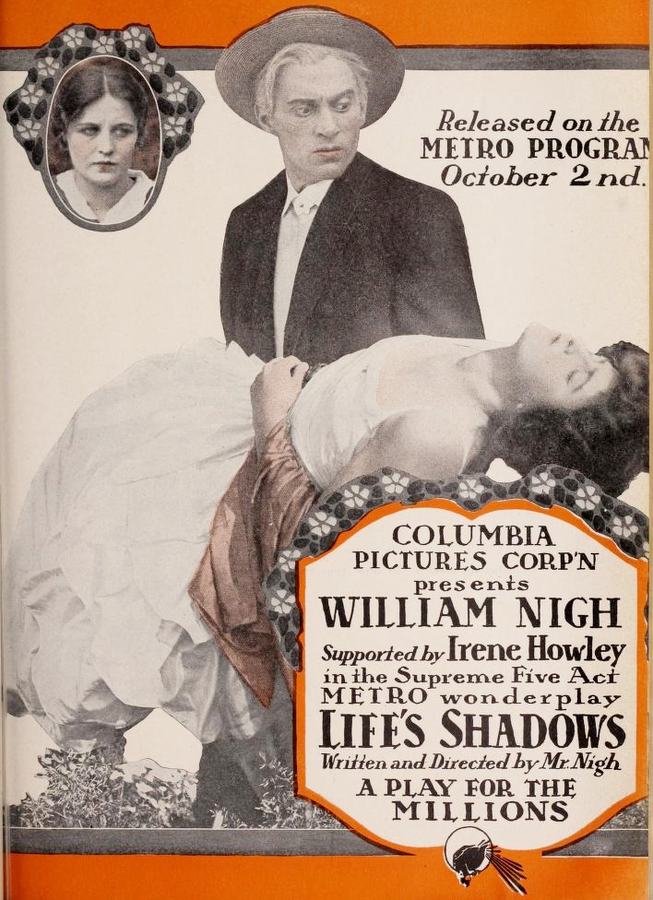
Dir: William Nigh
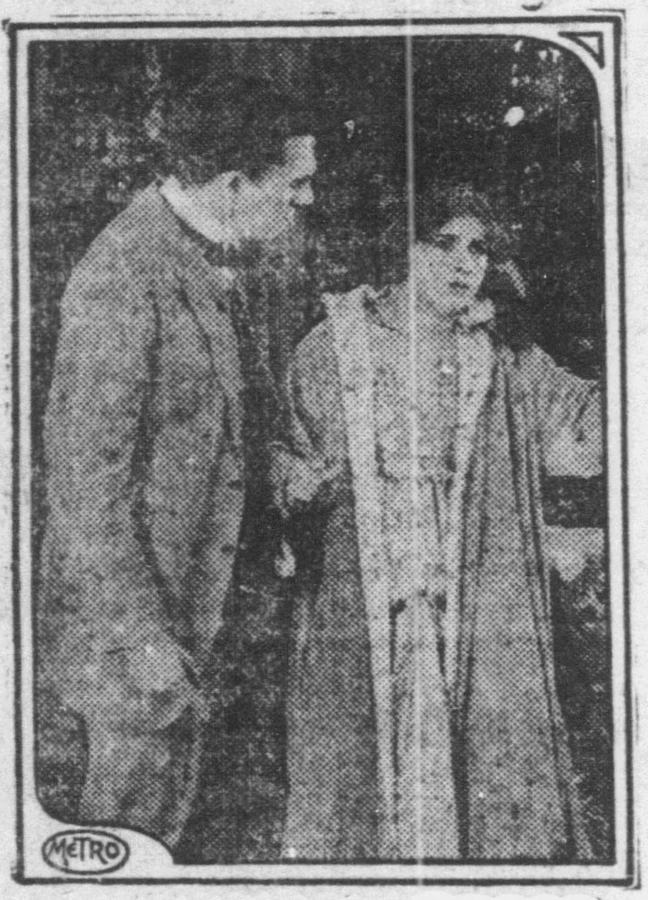
The townspeople of Purity despise Martin Bradley because of his heavy drinking, but he still does his best to make life better for the town. He helps to support two women who have been socially ostracized by the townspeople, and during the election campaign for mayor, exposes the corruption and dirty tricks of candidate James Durkel, resulting in the election of his opponent Chester Thorndyke. However, the voters of Purity insist that Thorndyake disavow his ties to Bradley, whom they regard as disreputable.
View Details
Dir: Bruno Ziener
A fascinating piece of cinema that shares thematic elements.
View Details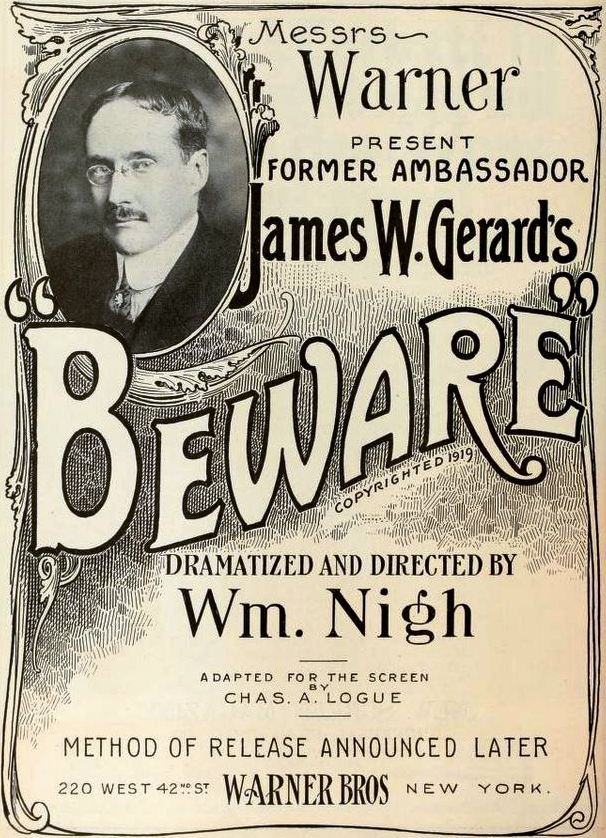
Dir: William Nigh
American ambassador to Germany James W. Gerard warns that Germany will rise again to power and an attempt at world domination unless safeguards are taken, in this documentary-style propaganda drama.
View DetailsAnalysis relative to Why Girls Leave Home
| Film Title | Atmosphere | Complexity | Similarity |
|---|---|---|---|
| In the River | Gritty | High | 92% Match |
| A Yellow Streak | Gritty | High | 87% Match |
| The Child of Destiny | Surreal | Linear | 93% Match |
| The Slave | Ethereal | Layered | 91% Match |
| Notorious Gallagher; or, His Great Triumph | Gothic | Linear | 97% Match |
This guide was algorithmically generated using the cinematic metadata of William Nigh's archive. Last updated: 6/22/2026.
Back to Why Girls Leave Home Details →