
DbcultAccessing Vault...
Recommendations
Senior Film Conservator

Delving into the atmospheric depths of Wild Sumac reveals a master at work, the visual language established by William V. Mong is something many try to emulate. From hidden underground hits to established classics, these are our top picks.
The enduring power of Wild Sumac lies in to synthesize diverse influences into a singular artistic statement.
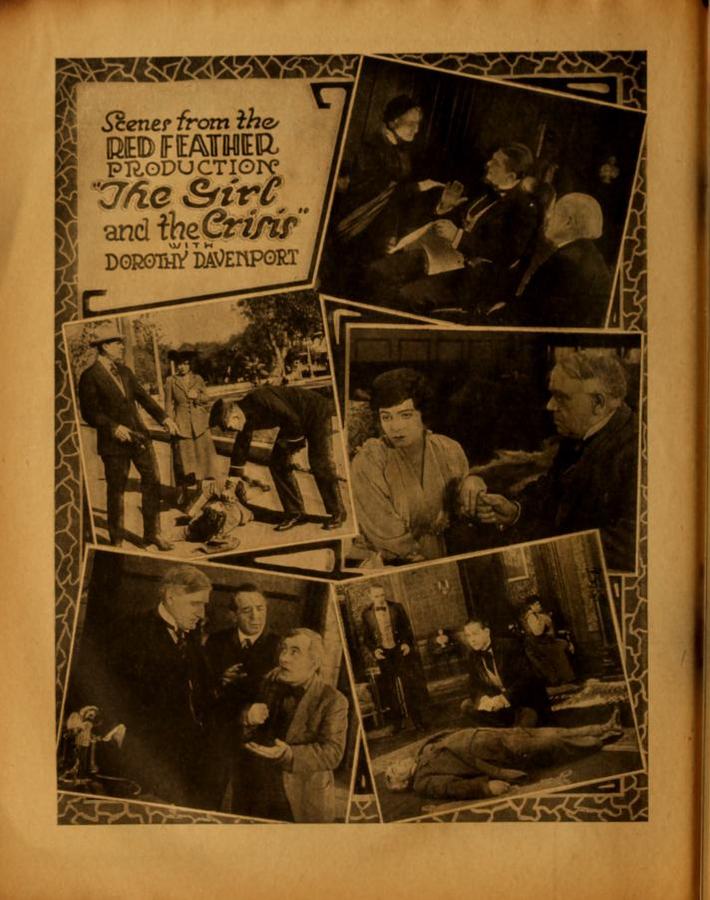
French Canadian Jacques Fontaine shoots a man in a tavern brawl and then flees, a fugitive from the North West Mounted Police. Fifteen years later, he wanders into St. Croix, Alberta, where he meets Lupine, a repulsive half-breed trapper, and his enchanting daughter Wild Sumac. Also in St. Croix is Pierre du Fere, the son of Armand du Fere, the man who is building the railroad through the town. Du Fere falls prey to the whiskey and cards that Lupine traffics at night and when he accuses the half-breed of cheating, Lupine shoots him. Lupine accuses Sumac of the crime, and she is arrested by Sergeant Lewis. She is saved by Jacques, who, in a fearful fight with Lupine, wrings a confession from him. The half-breed also confesses that Sumac is not his daughter, but the niece of Armand du Fere. In the excitement Jacques betrays his own identity, but Sgt. Lewis informs him that the man he shot did not die. All ends happily as Jacques is acquitted of charges and returns to Sumac, his love.
Critics widely regard Wild Sumac as a cult-favorite piece of cult cinema. Its cult status is frequently cited as its strongest asset, solidifying its place in United States's film legacy.

Based on the unique cult status of Wild Sumac, our vault has identified these titles as the most compelling follow-up experiences for fans of cult cinema:
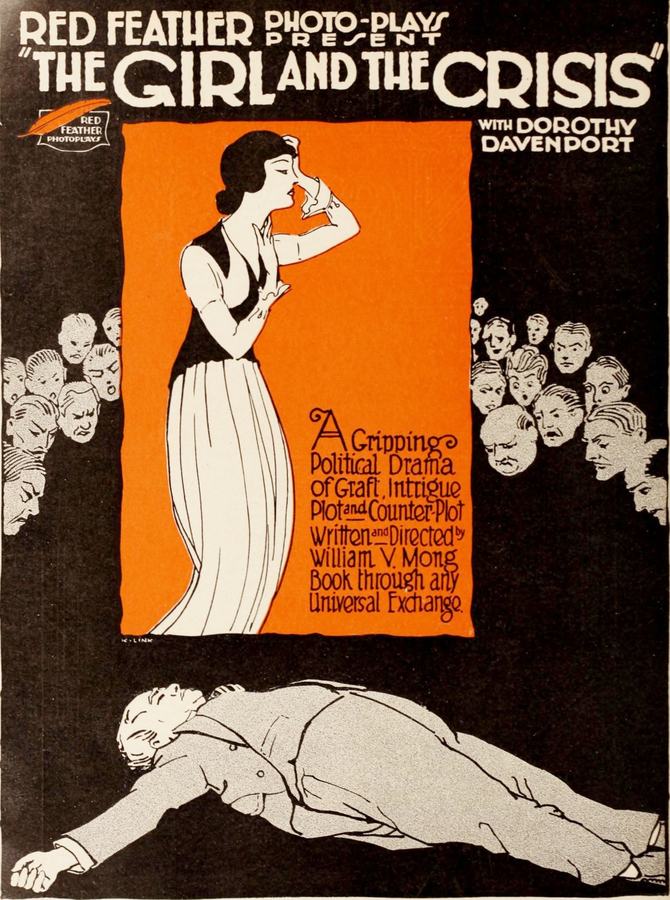
Dir: William V. Mong
A pickpocket steals the purse of Ellen Wilmot, a society woman, and Oliver Barnitz, Lieutenant-Governor, catches the man and restores the bag to her. Later they are introduced and become friends. Jacob, Ellen's father and president of the Wilmot Reservoir Company, has completed plans for a reservoir which will supply water for irrigating one and a half million acres of land. But some of the citizens of Old Town, which has been condemned to make way for the reservoir, are not satisfied with the price for their land and begin a riot. David Houston, a peace-loving citizen, comes to Wilmot to inform him that Jere Yaukey and his grafters are playing politics against his company and that he can expect violent resistance from Old Town. Knowing that several million dollars are involved the grafters are plotting to blackmail Wilmot. A large crowd led by Willis gathers to make demands upon the company. Poole, a resident of Old Town, sides with Wilmot and attempts to appeal to the rioters. When the mob begins to throw stones he starts to fire at them, but is restrained by Wilmot and Houston. The police are called by Wilmot, but they are unable to cope with the mob and urge Wilmot to appeal to the state for protection. Ellen drives to the reservoir and is barely saved by her father and Davis. When Wilmot is phoning for help, Payton, a rioter, shoots the phone from the wall so he cannot get connection. A shed of dynamite is exploded, causing damage to other buildings. Oliver Barnitz, seeing something unusual is happening, hastens to Wilmot, who tells him the trouble. Some of the rioters who have seen Oliver arrive become greatly excited. Logan, one of this number, is instructed to tell Yaukey to warn the Governor before Oliver can get to him. Oliver, Houston, Poole and Ellen get in her car and race to the State House. The Governor, having heard Yaukey first, refuses to do anything immediately for Wilmot, but says he will investigate. Oliver says that if he were Governor he would uphold the laws of the state. Poole is struck by these words and begins to meditate. As soon as the others have left the office, he confronts the Governor and yelling, "Let justice be done though the heavens fall," fires at the Governor, who falls dead. When the clerks and Oliver, Ellen and Houston rush into the room, Poole remarks: "I've done my duty. You automatically become Governor. Now do your duty and show that you are a man." Six months later Poole awaits execution, while Oliver is besieged to pardon him. Peter Barnitz has told his son that he wishes him to sever his friendship with Ellen. Wilmot tells her that her mother was also Oliver's mother, having married Barnitz before she married him. Peter determines to beg Ellen to intercede in Poole's behalf, but when he arrives at the Wilmot home finds Ellen is not in. Oliver worn out with worry falls asleep. He has a horrible dream in which his father murders Wilmot and shoots himself rather than fulfill his duty when it concerns the punishment of his own father he shoots himself. He awakes and prays for help. Finally he phones to release the prisoner, but Poole dies of heart failure. Ellen tells Oliver she could never have forgiven him if Poole had been executed.
View Details
Dir: William V. Mong
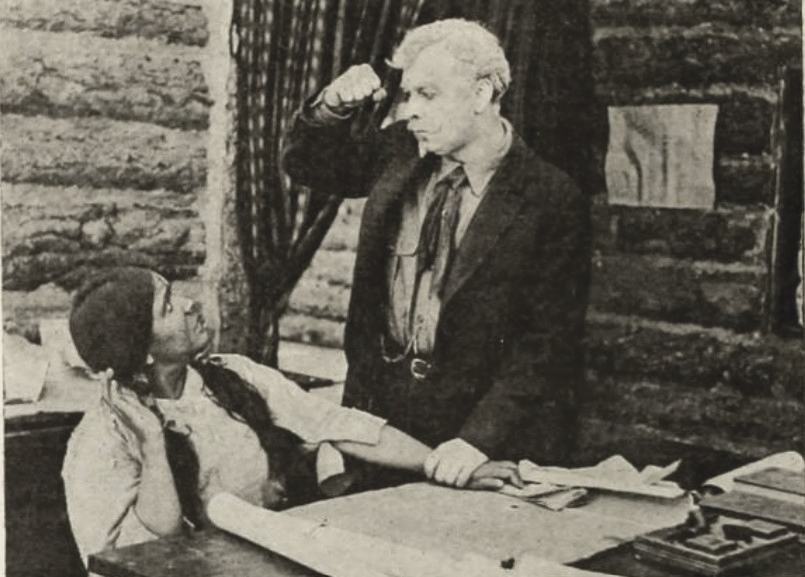
This silent movie is about a boy, David who befriends a prince, and begins spending all of his time with the prince, causing his old pal, Jonathan to doubt their friendship.
View DetailsAnalysis relative to Wild Sumac
| Film Title | Atmosphere | Complexity | Similarity |
|---|---|---|---|
| The Girl and the Crisis | Gothic | Linear | 94% Match |
| The Chosen Prince, or the Friendship of David and Jonathan | Tense | Layered | 96% Match |
This guide was algorithmically generated using the cinematic metadata of William V. Mong's archive. Last updated: 6/27/2026.
Back to Wild Sumac Details →