Summary
From the tumultuous depths of a frontier tavern, Jacques Fontaine emerges, an accidental parricide-by-proxy, condemned to an itinerant existence by the swift, unforgiving hand of North West Mounted Police justice. Fifteen years later, a ghost of his former self, he drifts into St. Croix, a nascent Albertan settlement grappling with the dual forces of untamed wilderness and encroaching civilization—personified by Armand du Fere's relentless railroad. Here, a perverse tableau unfolds: the venal, repulsive half-breed Lupine, a purveyor of illicit spirits and rigged gambles, presides over a shadowy underworld, his only redeeming feature, perhaps, his purported daughter, the ethereal Wild Sumac. Her innocence, a stark counterpoint to her guardian's depravity, captivates Fontaine. The delicate balance shatters when Pierre du Fere, the railroad magnate's son, falls victim to Lupine's predatory games, culminating in a fatal shooting. In a cynical act of self-preservation, Lupine implicates Sumac, whose subsequent arrest by Sergeant Lewis ignites Fontaine's dormant heroism. A visceral confrontation between Fontaine and Lupine extracts a harrowing confession, not only of the murder but also of Sumac's true lineage: she is not Lupine's daughter, but Armand du Fere's niece, a revelation that reweaves the very fabric of their intertwined destinies. In the heat of this dramatic unmasking, Fontaine inadvertently exposes his own past, yet fate, in a benevolent twist, absolves him: his long-presumed victim had, in fact, survived. Thus, the chains of the past are broken, paving the way for a future where Jacques and Sumac, now bound by truth and affection, find their rightful place in the world.
Synopsis
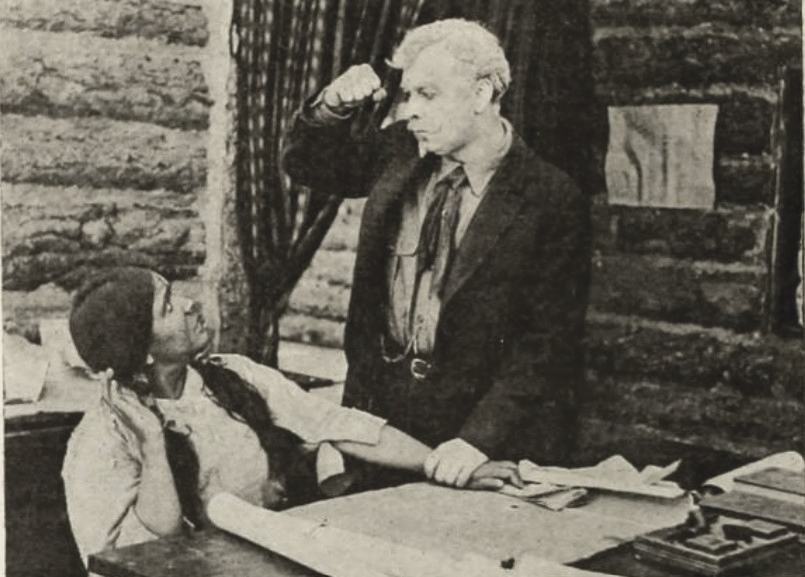
French Canadian Jacques Fontaine shoots a man in a tavern brawl and then flees, a fugitive from the North West Mounted Police. Fifteen years later, he wanders into St. Croix, Alberta, where he meets Lupine, a repulsive half-breed trapper, and his enchanting daughter Wild Sumac. Also in St. Croix is Pierre du Fere, the son of Armand du Fere, the man who is building the railroad through the town. Du Fere falls prey to the whiskey and cards that Lupine traffics at night and when he accuses the half-breed of cheating, Lupine shoots him. Lupine accuses Sumac of the crime, and she is arrested by Sergeant Lewis. She is saved by Jacques, who, in a fearful fight with Lupine, wrings a confession from him. The half-breed also confesses that Sumac is not his daughter, but the niece of Armand du Fere. In the excitement Jacques betrays his own identity, but Sgt. Lewis informs him that the man he shot did not die. All ends happily as Jacques is acquitted of charges and returns to Sumac, his love.
Review Excerpt
"
In the annals of early cinema, where narratives often mirrored the raw, untamed spirit of their times, a film like Wild Sumac emerges not just as a historical artifact but as a surprisingly potent distillation of human drama. Released in 1917, this silent feature from the pens of Elaine S. Carrington and Jack Cunningham, and brought to life by a dedicated cast, plunges viewers into a rugged Canadian frontier where justice is often swift, morality is frequently fluid, and destiny can turn on..."