
DbcultAccessing Vault...
Recommendations
Senior Film Conservator

Witnessing the stylistic evolution of Frank Reicher through Wir schalten um auf Hollywood is profound, this Music landmark continues to dictate the rules of its category. If Albertina Rasch Dancers, Paul Morgan impressed you, these next recommendations will too.
The synthesis of form and function in Wir schalten um auf Hollywood to maintain its cult relevance across several decades.
Austrian reporter Paul visits the MGM Studio backlot and records his interviews with Buster Keaton, Joan Crawford etc. For a German radio program. Adolphe Menjou even rehearses and performs a lengthy sketch in German.
Based on the unique artistic bravery of Wir schalten um auf Hollywood, our vault has identified these titles as the most compelling follow-up experiences for fans of Music cinema:
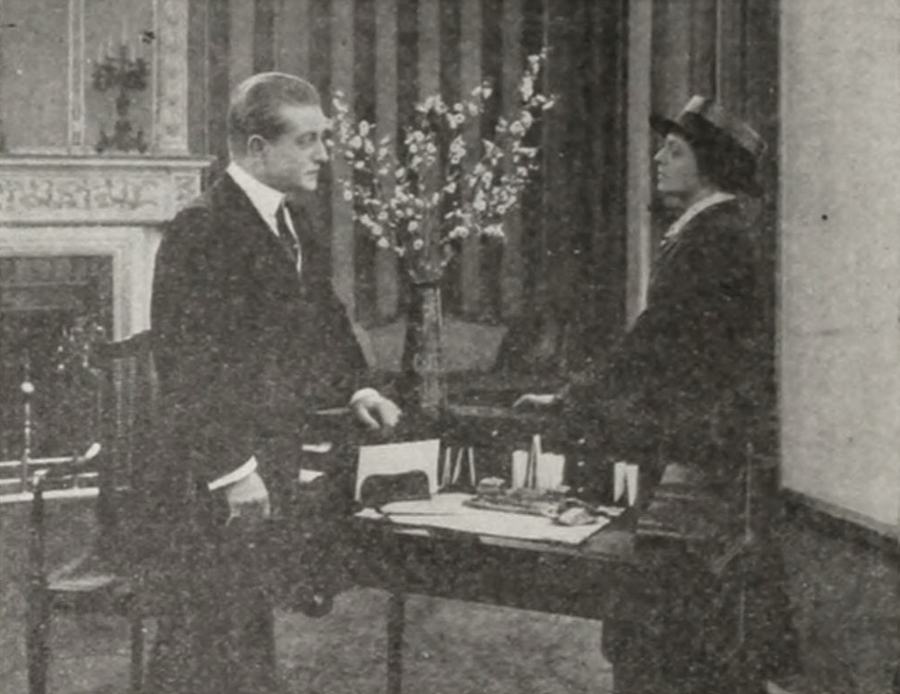
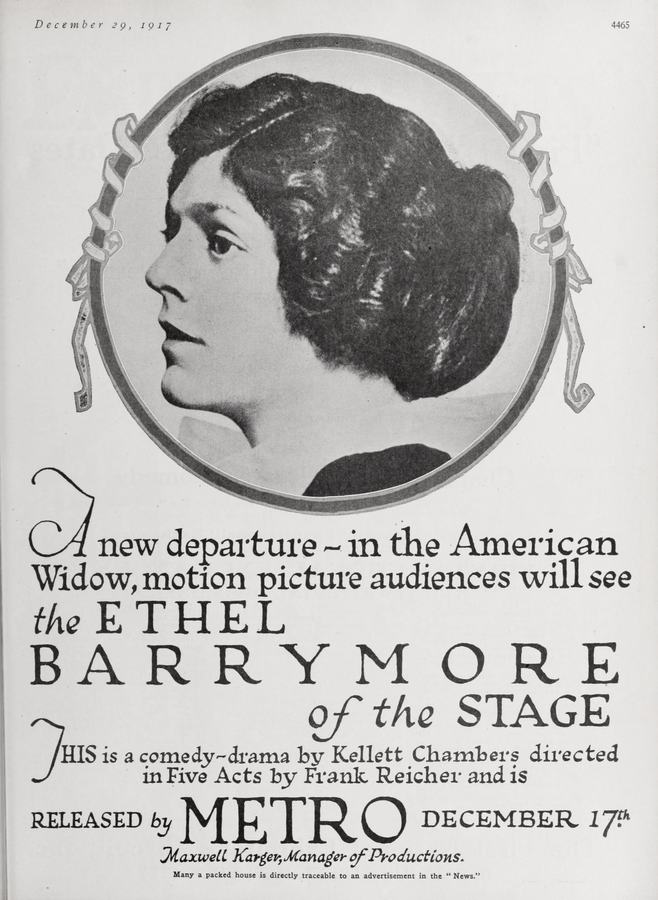
Dir: Frank Reicher
Wealthy American widow Elizabeth Carter plans to marry the Earl of Dettminster when lawyer Augustus Tucker informs her of a codicil in her late husband's will. The Carter fortune will go to nephew Pitney Carter, who is in love with Elizabeth, if her second husband is not an American. Elizabeth therefore pays penniless playwright Jasper Mallory $50,000 to marry her and schemes with actress Mme. Albani to provide grounds for divorce so that she may then make the earl her third husband. The plan backfires when Jasper's play is a success and Elizabeth finds herself falling in love with him. Tucker admits to forging the codicil to enhance Pitney's chances with Elizabeth. As Jasper and Elizabeth announce their plans to remain married, a telegram arrives with news that Mme. Albani and the earl have wed.
View Details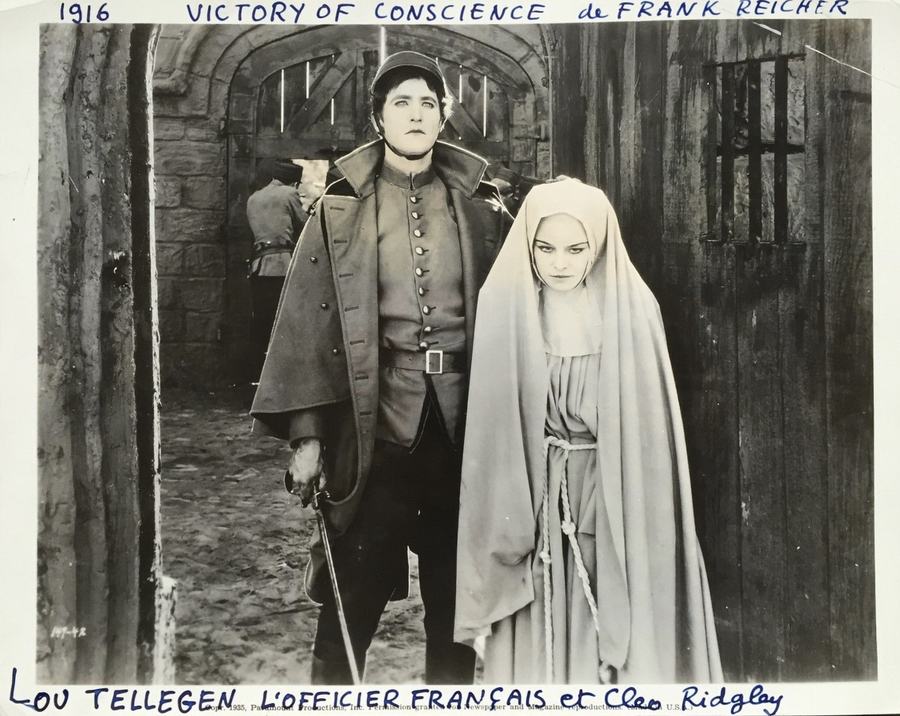
Dir: Frank Reicher
Louis, Count de Tavannes, and his companion, Dimitri, lead a gay life in Paris. On the return trip of a motor tour, they stop at an inn and discover Rosette, the daughter of the innkeeper, who dances for the guests, not from choice, but necessity. Dimitri suggests they take her to Paris. The patrons of the inn, jealous of the fashionably-attired young men and the attention paid them, raise a riot. During the uproar Rosette is taken to the motor and to Paris, where she goes to a hotel with Louis, her favorite of the two young men. During their breakfast the next morning, she learns from Louis' lips that he will not marry her. Remy, the faithful servant of the inn, has sought her out, grasps the situation, strikes Louis in the face and a fight ensues between the two men. Louis is discovered, bleeding and unconscious, and taken to the home of a young priest. Through the influence of the good men whom he has thus accidentally met, he enters the priesthood. Rosette secures a position as dancer in a café of the underworld in Paris, patronized by the rough element, and occasionally by the wealthy class in search of excitement. Dimitri is at this café, trying to induce Rosette to drink and dance, as Father Louis enters in search of a man whose wife is ill. The recognition is mutual, and none is so surprised as Dimitri. The latter plans an elaborate supper for himself and Rosette, and Louis interrupts them. As Louis uses his good influence for the girl, Dimitri is exerting a conflicting power, and Rosette bids them fight it out, "for God and my soul, or the devil and my body." With only their hands for weapons, the men go to battle, Louis with a righteous determination to win, and he does. He takes the girl to a convent, where she realizes her great love for Louis and a desire to live a pure life. Father Louis has won the love of the patrons of the café, and when the war is on and France calls for her men, he with his followers tries to defend the convent where Sister Rose Marie is. Mortally wounded, Sister Rose Marie falls across the dead body of the man she loves, and they are united in spirit, although their lives have been sacrificed in an attempt to save other souls, endeared to them.
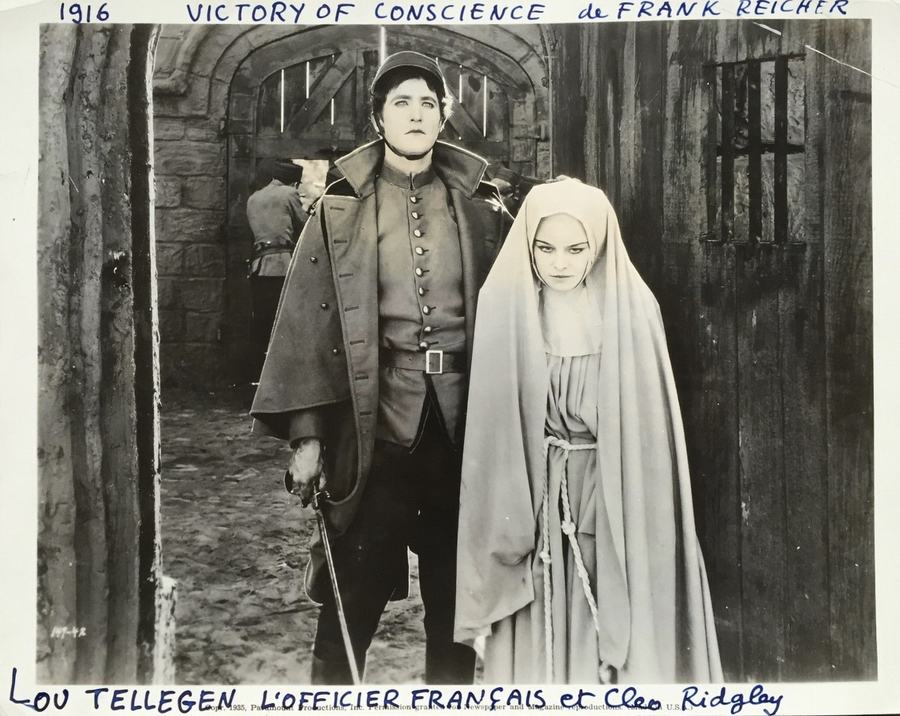
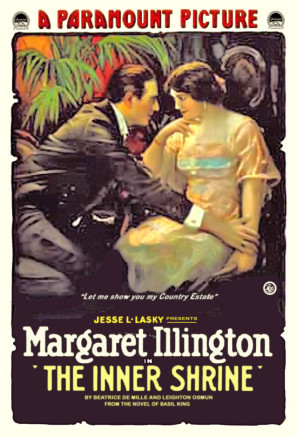
Dir: Frank Reicher
Bad woman turns good, but as a recent widow finds her past a roadblock in terms of accepting remarriage.
View Details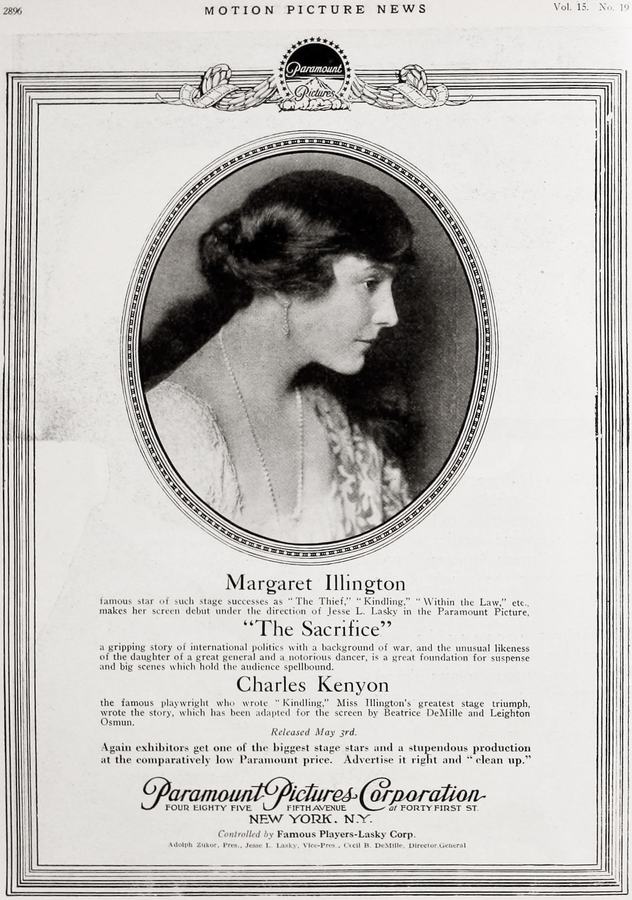
Dir: Frank Reicher
Stephen Stephani leaves Nordhoff with his daughter Mary to visit Zandria, an enemy country, where he tries to steal the war plans of the hostile nation. There, Mary meets Paul Ekald, a Zandrian captain, falling in love with him at first sight. While Mary remains in Zandria for the moment, Stephani returns to Nordhoff. Meanwhile, Vesta, Mary's illegitimate half-sister, has managed to get hold of important war plans stolen from Count Wenzel. But, to get them, she had to kill the count. While trying to reach Nordhoff, she is stopped at the border. There, she also finds Mary waiting to cross the border. Vesta convinces Mary to exchange her passport with her, in order to allow her to leave the country. She thus brings to Nordhoff the plans drawn with invisible ink on her petticoat. Meanwhile, Mary is arrested and, accused in place of Vesta, sentenced to be shot. Vesta, after having fulfilled her mission and learning of her sister's fate, goes back and redoes the exchange with her, allowing her to save herself. After some time, peace is declared and Mary can reunite with the man she loves.
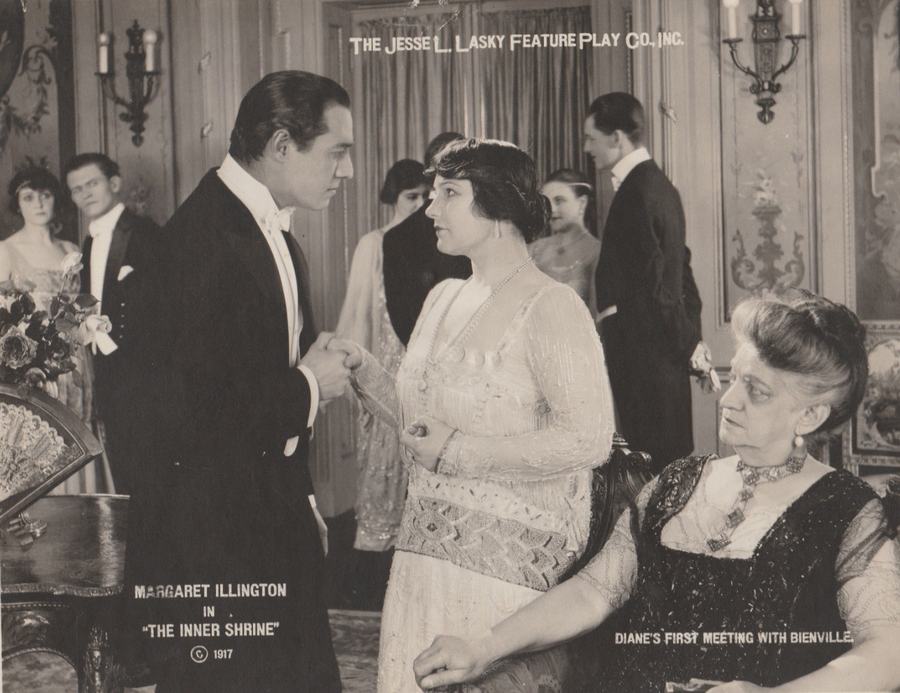
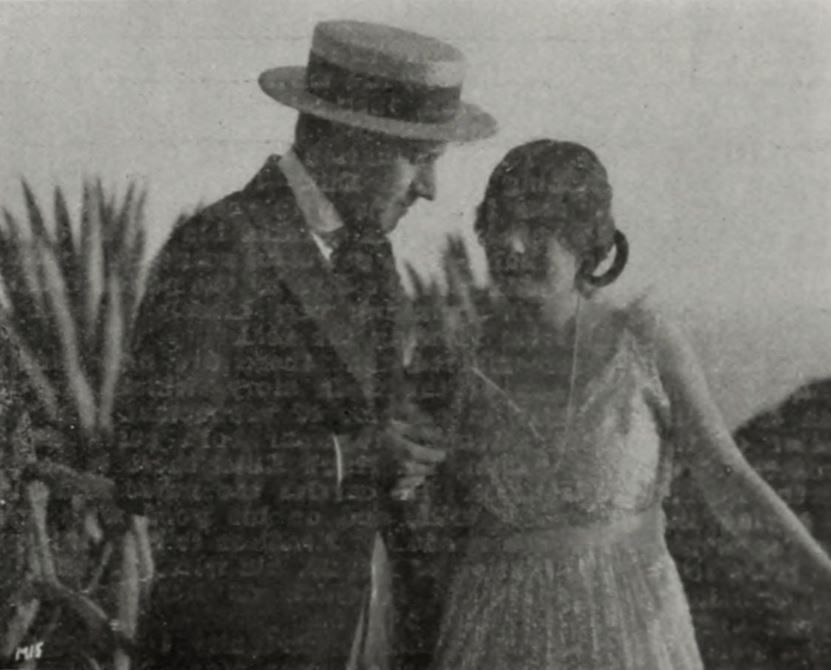
Dir: Frank Reicher
"Mr. Grex of Monte Carlo" is an interesting play of intrigue between the Grand Duke Augustus Peter of Russia, whose incognito is Mr. Grex, an English Secret Service agent, Lord Huntersley and a young American millionaire on pleasure bent, Richard Lane. Mr. Grex and two other diplomats who unofficially represent France and Germany, plan to meet as if by chance in Monte Carlo for the purpose of arranging a secret pact. The American millionaire sees and falls violently in love with Miss Grex, that is, the Grand Duchess Fedora. After several fruitless efforts to gain an introduction to this mysteriously inaccessible young lady, he secures the services of a bandit who is to pretend to hold up Fedora's car so that Lane may effect a rescue. Lane arrives on the scene as per schedule and is informed by the bandit that he has changed his mind and intends to make a real hold-up instead of a fake one. Lane, therefore, makes a real rescue and meets Miss Grex. He is informed by Lord Huntersley that his efforts are useless as she is a Grand Duchess of Russia. The third member of the conference arrives and coming across Lane in the middle of a love scene with Fedora, thrusts the papers into his hand saying "Give these to Huntersley," and disappears. Complications arise between Fedora and Lane. Lane finally manages to get rid of Fedora's father for a few hours and hiring a yacht they pick up a parson who for $5,000 and his trip home consents to go with them to America. Once outside the three-mile limit they are married under the laws of the United States.
View Details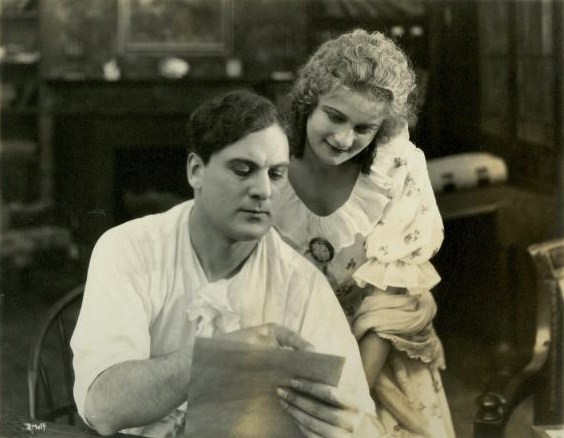
Dir: Frank Reicher
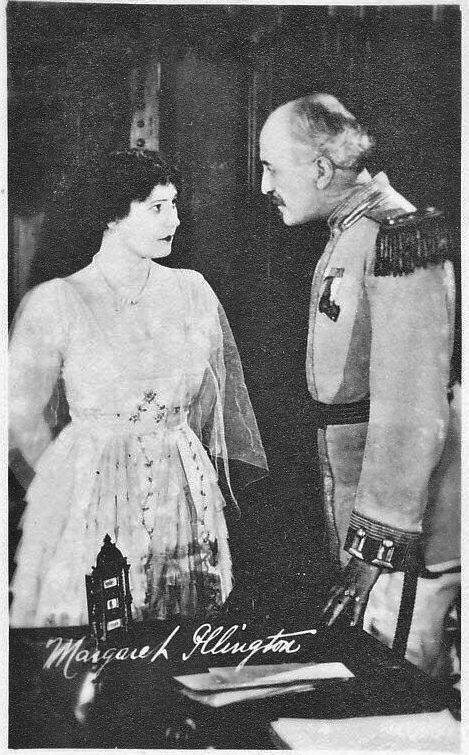
A slave switches her light-skinned baby with her master's baby. The child grows up raised by whites.
Dir: Frank Reicher
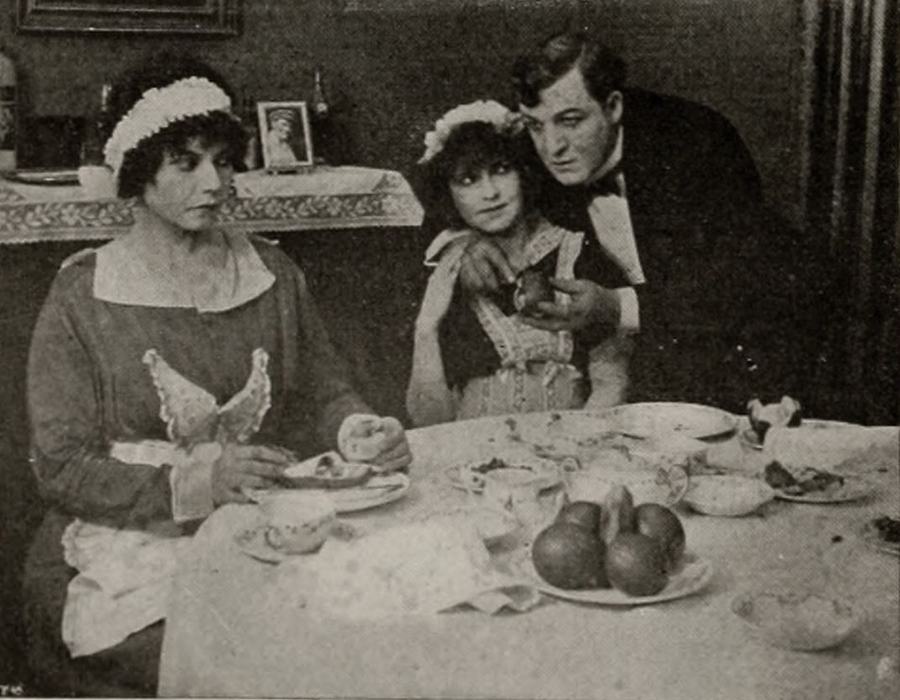
Two playboys stumble drunkenly home, where the owner falls asleep and the other attacks the maid. The butler intervenes and a fight results in the death of the assailant. A French girl, escaping from a pimp who kidnapped her, witnesses the crime. The butler convinces his master he is the killer, and must flee. He joins the girl but is caught. She helps police expose the real killer by going undercover as another maid.
View Details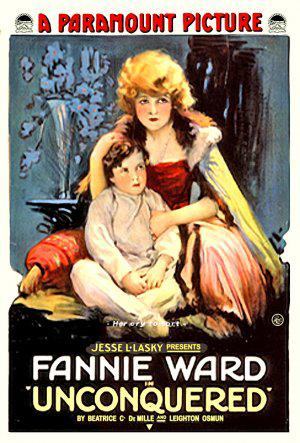
Dir: Frank Reicher
Mrs. Jackson endures the cruelty of her husband, Henry, for the sake of her son, Little Billy. They are visited in their Florida home by Mrs. Lenning, an adventuress who has convinced Henry that his wife is monopolizing Billy's affections. Although Henry intends to leave his wife for Mrs. Lenning, he will not consider a divorce without the custody of his son. While in Florida, Mrs. Jackson meets Richard Darcier, who sympathizes with her plight. Henry accuses his wife of being unfaithful, then sues for divorce and wins custody of Billy. Meanwhile, Jake, an African American voodoo worshiper in Richard's employ, has been warned by a priestess that he must provide their group with a sacrificial victim or die himself. Crazed by the threat, Jake chooses Billy. Mrs. Jackson finds the sacrificial cave and offers her life in exchange for that of her son's. At that moment, Mr. Jackson arrives with a rescue party, saves both their lives, and returns Billy to his mother after witnessing the strength of her mother love. Mrs. Jackson then marries Richard and the reconstituted family begins life anew.
Dir: Frank Reicher
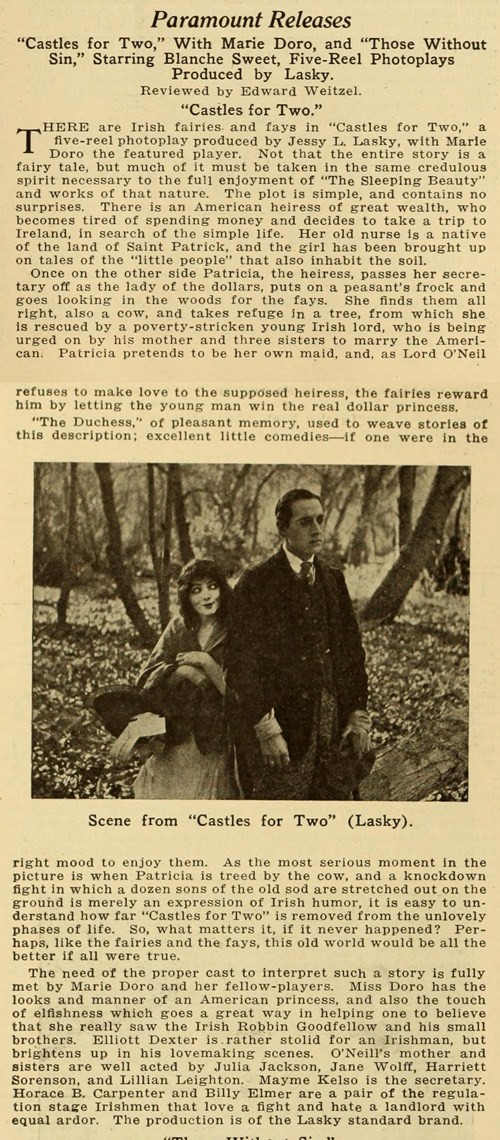
The family of an Irish landlord want him to wed who they think is a visiting heiress from the US but the real heiress pretends she is just a servant and hides her identity.
View Details
Dir: Frank Reicher
Maris, having married Lynch, a worthless man who deserts her, taking their daughter Felice with him, marries mill owner Dwight Alden after receiving notification that her husband and child are dead. Discovering that Alden employs child labor, Maris, assisted by the village minister, tries to persuade him that this is wrong, but he will tolerate no interference in his business. After violently denouncing Alden from the pulpit, the minister dies and Maris becomes interested in a child who has been injured while working overtime at the mill, only to discover that the child is her daughter and her first husband is still alive. She leaves, taking Felice, and Alden, after having a fight with the first husband, discovers that Lynch had secured a divorce. Alden seeks out Maris, tells her that he has abolished child labor and made other improvements affecting the welfare of his workers, and a reconciliation occurs.
View DetailsAnalysis relative to Wir schalten um auf Hollywood
| Film Title | Atmosphere | Complexity | Similarity |
|---|---|---|---|
| An American Widow | Gothic | High | 87% Match |
| The Victory of Conscience | Gritty | Dense | 97% Match |
| The Inner Shrine | Gritty | Dense | 96% Match |
| Sacrifice | Surreal | Layered | 85% Match |
| Mr. Grex of Monte Carlo | Ethereal | Abstract | 92% Match |
This guide was algorithmically generated using the cinematic metadata of Frank Reicher's archive. Last updated: 6/25/2026.
Back to Wir schalten um auf Hollywood Details →