
DbcultAccessing Vault...
Recommendations
Senior Film Conservator
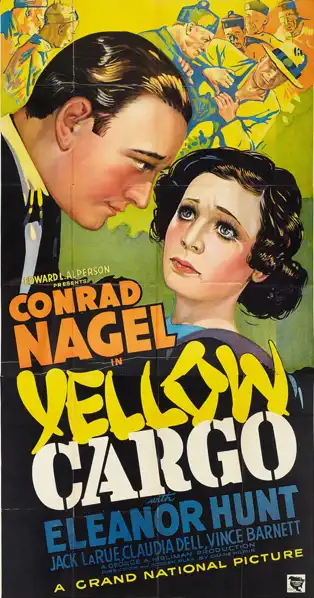
For cinephiles who admire the nuanced performance within Yellow Cargo, its lasting impact ensures that its spirit lives on in modern recommendations. Each of these movies shares a piece of the nuanced performance that made Yellow Cargo so special.
At its core, Yellow Cargo is a study in to provoke thought and inspire awe in equal measure.
An investigator looks into the activities of a movie producer he believes is involved in smuggling Asians into the U.S.
Yellow Cargo was a significant production in United States, showcasing the immense talent of Conrad Nagel, Vince Barnett, John Ivans. It continues to be a top recommendation for anyone studying Crime history.
Based on the unique nuanced performance of Yellow Cargo, our vault has identified these titles as the most compelling follow-up experiences for fans of Crime cinema:
Dir: Bruno Ziener
A fascinating piece of cinema that shares thematic elements.
View Details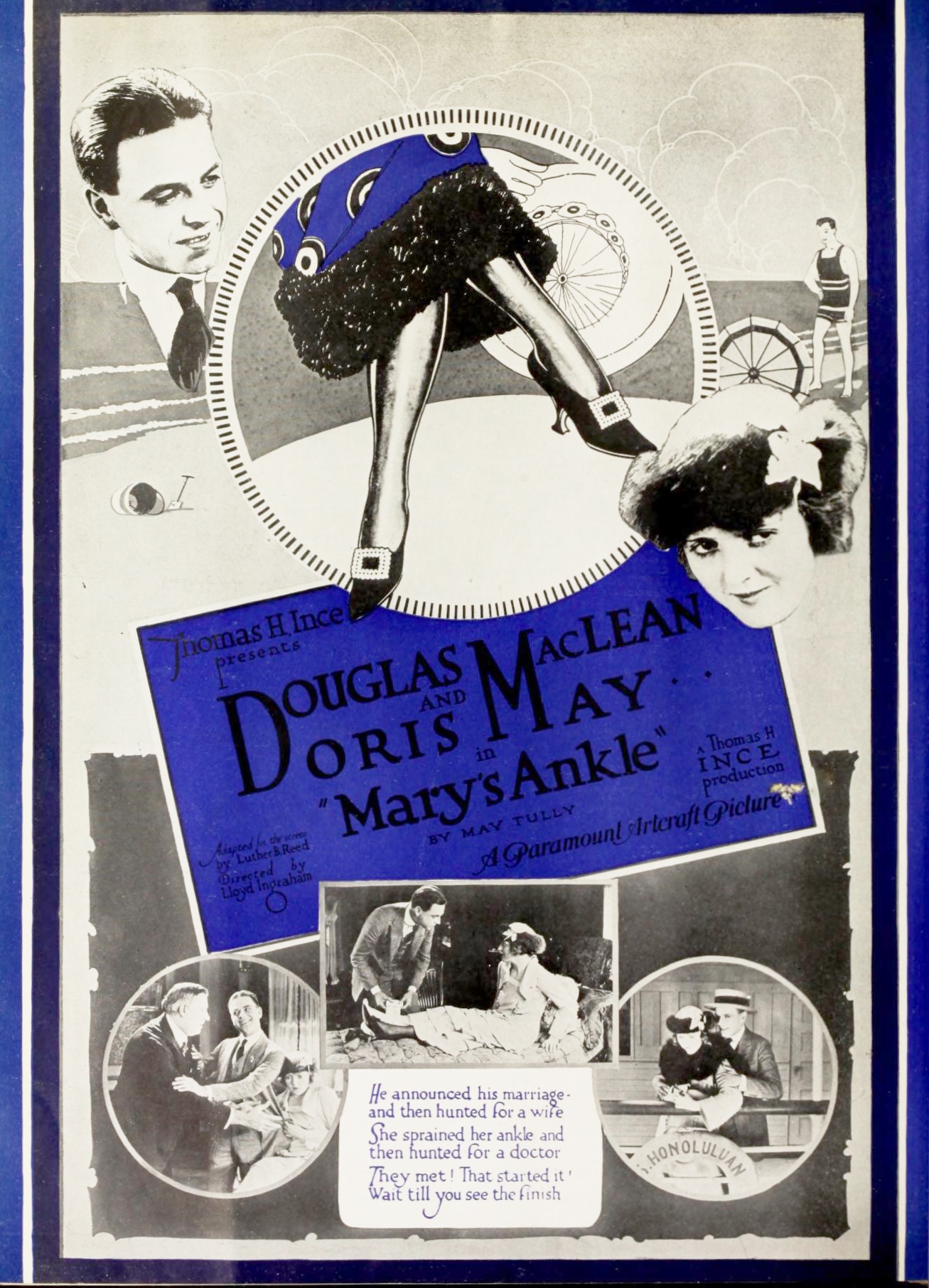
Dir: Lloyd Ingraham
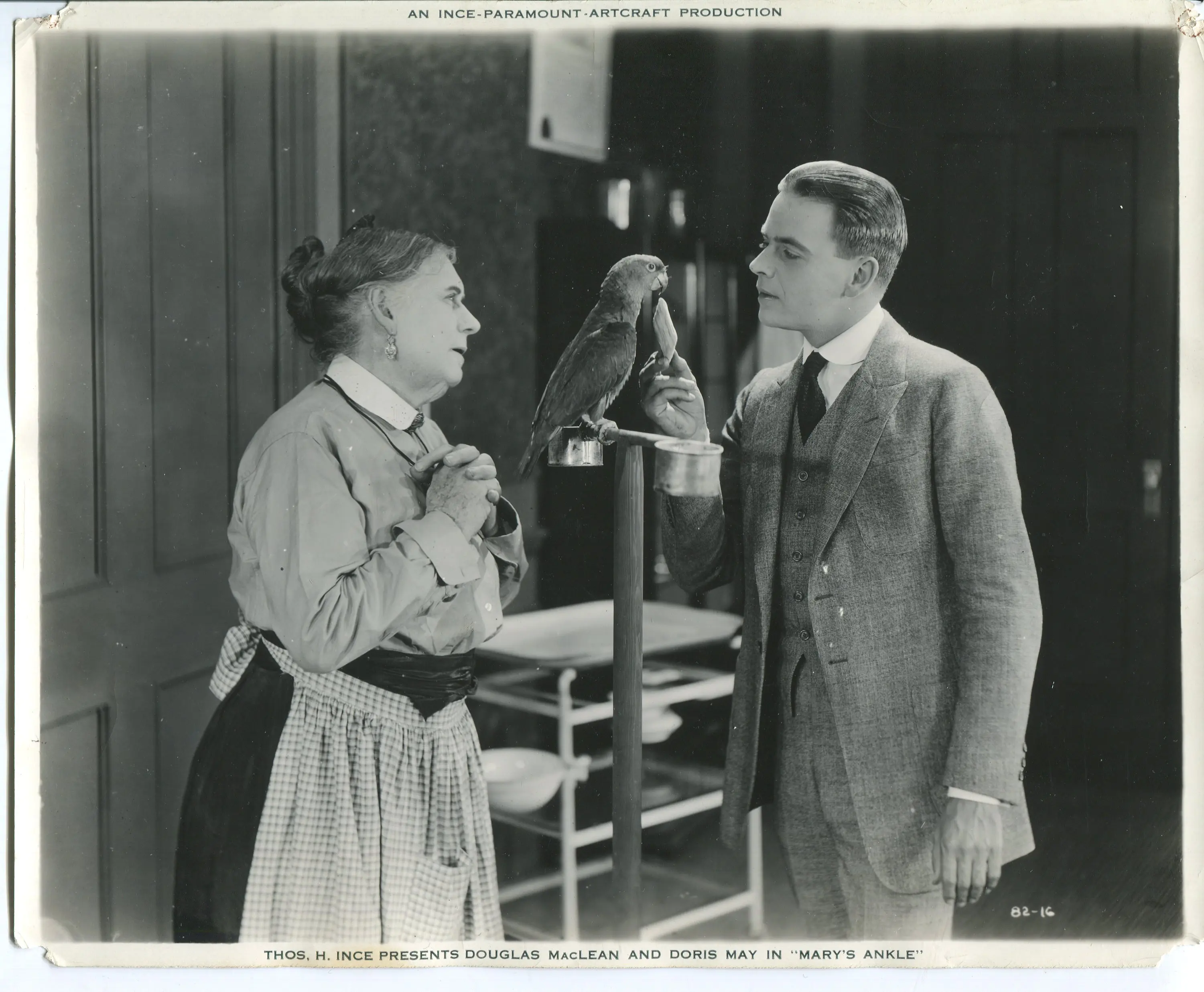
While walking along the street one day, Arthur P. Hampton, an impoverished young doctor, and his chums, Stub Masters and Johnny Stokes, are persuaded to part with their last remaining funds by tag day solicitor Mary Jane Smith, with whom the doctor promptly falls in love. Doc's friends then hit upon a get-rich-quick scheme. Knowing that his Uncle George has promised a large sum of money upon his nephew's marriage, they persuade Doc to send out fake wedding invitations naming Mary Jane as the blushing bride. Uncle George, elated at the good news, writes to Mary Jane's aunt, Angelica Burns, an old sweetheart, to invite Mary Jane and Angelica to be his guests on an ocean voyage. Meanwhile, Mary Jane pays a visit to the doctor's office and, upon seeing the wedding invitations, becomes so flustered that she trips and sprains her ankle. Doc comes to her rescue and then begs her to pose as his wife. She agrees, but at ship-side, Stub and Johnnie confess all to Uncle George, who flies into a rage until Doc announces that he and Mary Jane have chosen a wedding at sea.
View Details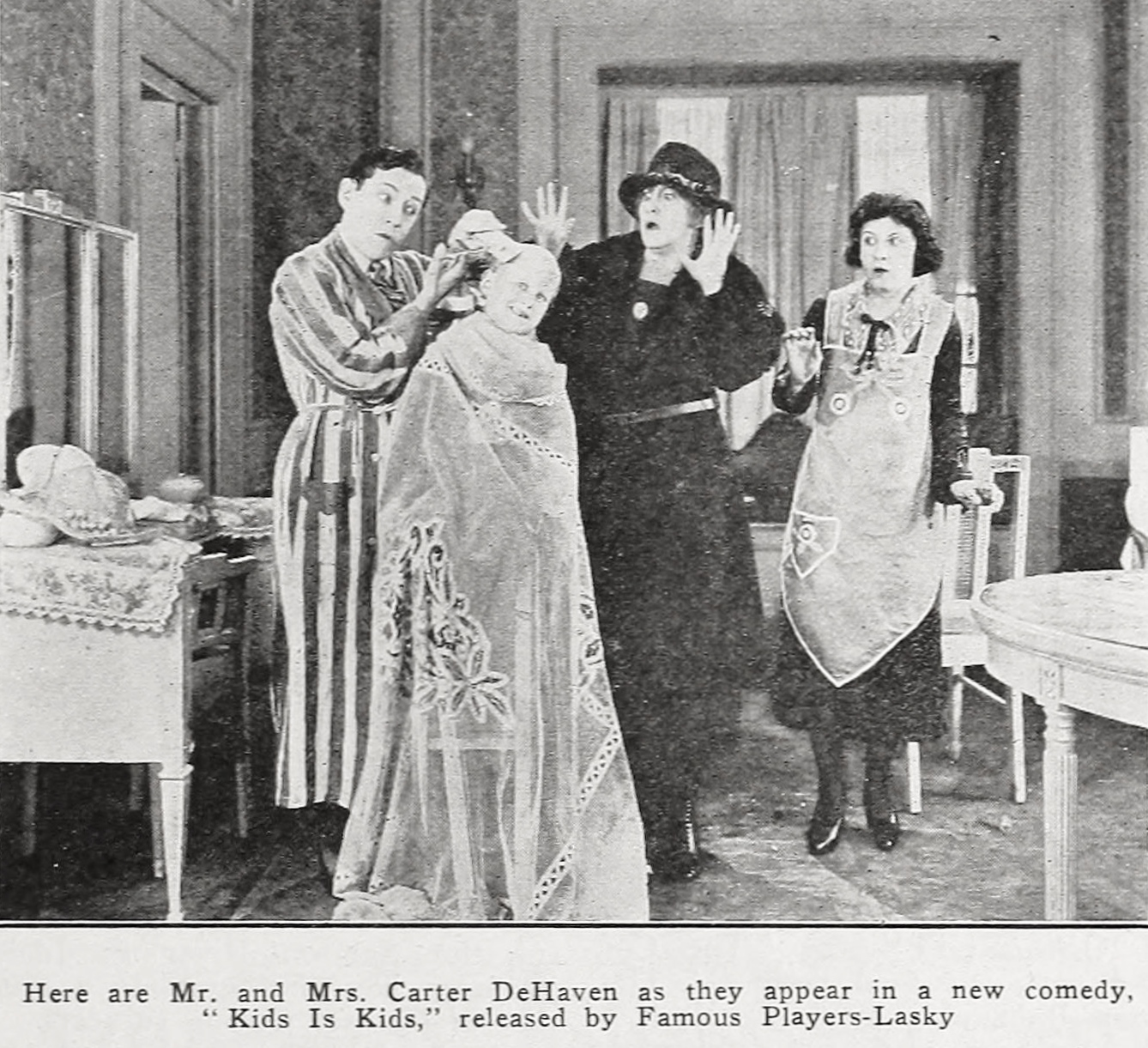
Dir: Charley Chase
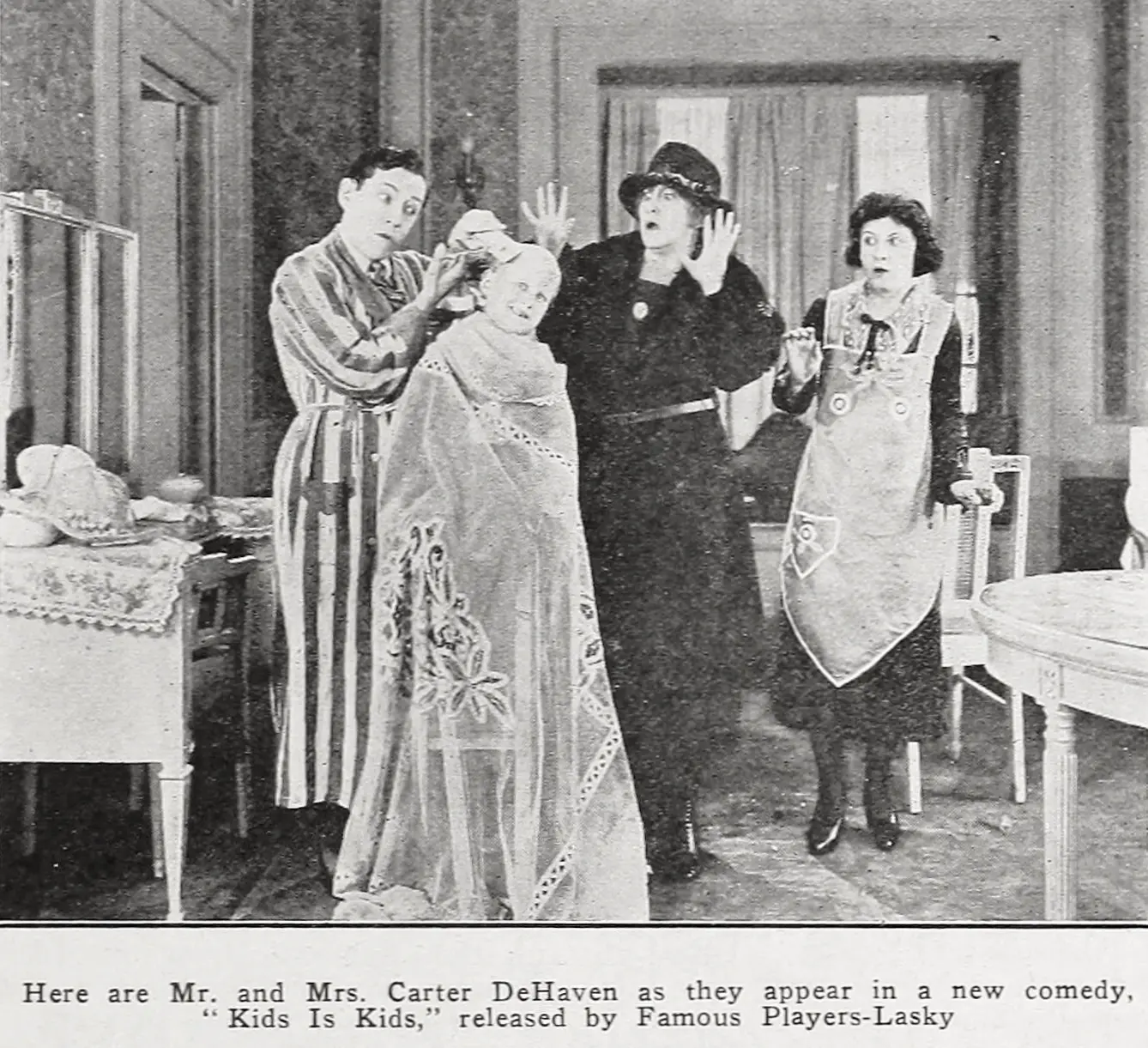
A young married couple volunteer to take charge of several orphans after the asylum has burned down. Of course they find their hands full with their troublesome charges.
View Details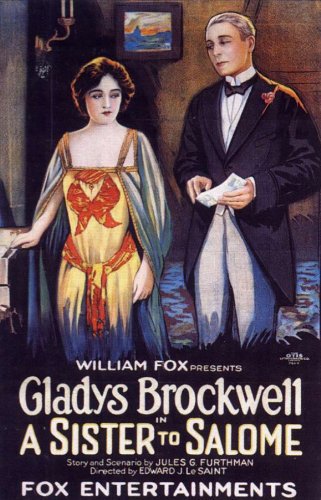
Dir: Edward LeSaint
When famous opera singer Elinore Duane undergoes an operation on her throat, she has a series of ether-induced visions. In one, she is transported to ancient Rome where she appears as a much-admired woman in love with Paul, a young heretic, and at odds with Lutor, the high priest. To save her love, she poisons Lutor with her ring. After several other visions which involve variations on this love triangle, Elinore awakens to discover that Lutor is actually her doctor, Sascha Jaccard, and that Paul is the son of a friend who has come to visit the recovering prima donna.
View Details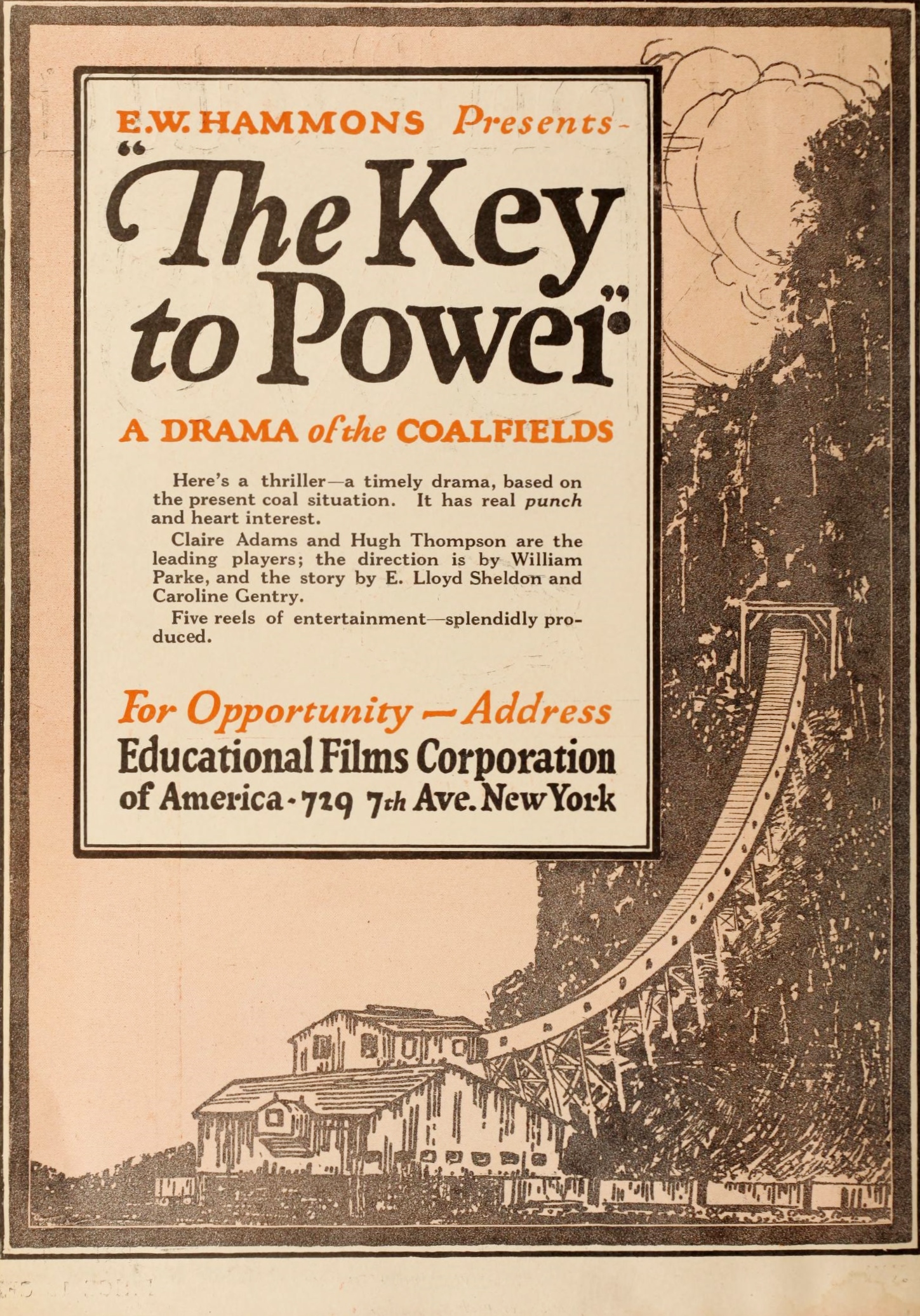
Dir: William Parke
Bruce Wendell, the son of West Virginia coal mine owner James Wendell, graduates from West Point and prepares to lead a fighting unit to the front during World War I. As his father lies dying, however, he convinces Bruce to remain at home and guard the mine. Bruce's fiancée Ann Blair assumes that he is a coward and breaks off their engagement, but her brother Bobbie remains Bruce's loyal friend. Meyer, a German agent, persuades railroad president Parrish to refuse to transport Wendell's coal, but when Bruce adamantly refuses to close the mine, the spy's men decide to blow it up. While Ann is being abducted by Meyer, Bobbie is buried in an explosion at the mine. Bruce rescues Bobbie and then sends a plea to Lieutenant Parrish to rescue Ann. Meyer and his gang are captured and Ann renews her vow of love to Bruce.
View Details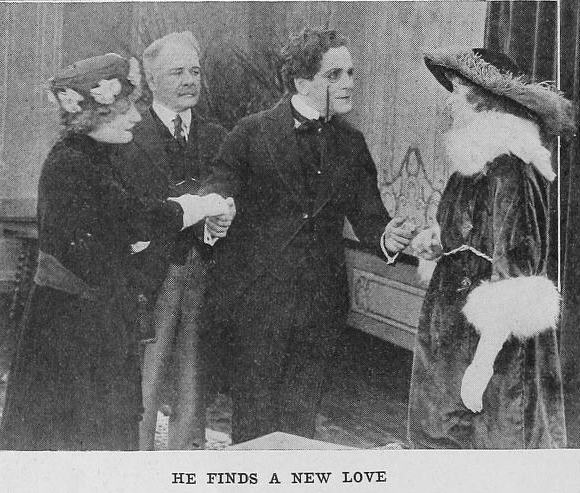
Dir: Crane Wilbur
David McCare, the love liar, is a musical genius, the idol of society, hated by men and worshiped by women. He casts off his mistress, Margie Gay, for a new love, Diana Strongwell, an heiress. Margie pleads with him to take her back, but McCare gets rid of her through the services of Ludwig, his valet, and a broken-down musician. Ludwig is also in love with Margie. McCare marries Diana, much to the chagrin of Edna Carewe, a friend of Diana's, who is also attracted by the musician. They live happily for a short tune until McCare becomes discontented and makes advances to Edna. Meanwhile Margie finds the narrow path a stony one. A woman of the streets suggests the easiest way. Margie shrinks but finally consents. The first man she accosts is Ludwig, who leads her to her home and offers marriage. She is reluctant at first, but eventually agrees, and they are married. At a dinner dance given by Diana, she catches McCare making love to Edna. Diana denounces Edna and demands that she leave her home. McCare answers that if Edna goes he, too, will leave. And so husband and wife are parted. In time Diana divorces the "love liar" and he marries Edna. Diana advises Edna later that McCare is an overgrown child, and that in order to keep his love he must be pampered. A year passes. Edna, with the aid of Diana's advice, has made the "love liar" happy. One night in a café he sees Arlene Allaire, a hall-room dancer. At home Edna has given birth to a baby and though it will live, it is evident that its birth will bring death to the mother. Diana, who is at the side of Edna, rushes out to find McCare, and locates him in the café, where he has assumed the leadership of the orchestra and is directing Arlene's dance music. At the news of his wife's illness McCare is stricken with dumb surprise and hurries home. Edna dies in his arms. For days McCare lived in an abstracted mood, watched over by Ludwig and Diana. One day as he plays his violin a vision of Arlene passes before his eyes. He throws off hid brooding mood and goes back to the café and to Arlene. Her bills have been paid by McCare's checks until one day a number of them come back stamped "No Funds," and from that moment on Van Allen, who had been previously paying for everything for the dancer, finds himself again welcome at her apartments. It is here that McCare finds him one evening. The men fight; the police are called and McCare is arrested, but Arlene refuses to make any charge and McCare is simply put out into the street. Ludwig takes McCare home, and there Margie and he care for the wrecked man. But McCare cannot blot the image of Arlene from his mind and he returns to the café where Arlene is dancing, securing employment as a musician. Here Diana finds him. She begs him to tell her his troubles. He breaks down and confesses his love for Arlene. In time drink claimed him, too, and McCare sank lower. Time passed and McCare became desperate with love and jealousy. One night while Arlene is dancing a madness overcomes him. He dashes his violin to the floor, takes Arlene up in his arms and starts with her up the grand stairway to the café. The attendants attempt to overpower him, but he throws them off, and drawing a revolver, compels Arlene, who has scurried away, to come to the foot of the stairs. Covering the startled crowd, he speaks to Arlene, "You've taken all my heart, my honor, my manhood. At your feet I fling the dregs." He shoots himself and falls down the stairway to Arlene's feet. Diana took him home and the "love liar" lived another day, forever calling upon the name of she who had shown him Hell. Diana, ever his friend, went to Arlene's apartment and pleaded with her to come to McCare's bedside. She refuses at first, so Diana poured the contents of her purse at her feet. Thus bribed, Arlene consented to go, and in her arms the soul of the "love liar" passed. When all are gone and Diana is left alone with her dead, she takes him in her arms, for at last he belongs to her, to her alone.
View Details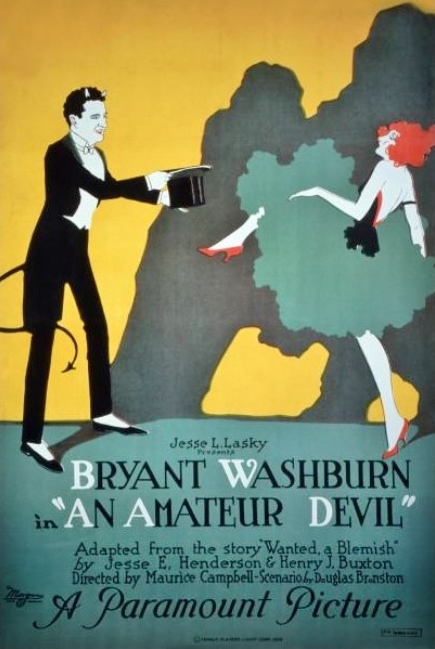
Dir: Maurice Campbell
Carver Endicott, a young sophisticate, is rejected by his fiancée for being too foppish and dull. When she feigns an interest in his father, Carver attempts to disgrace his family name by working as a farmhand and later as a busboy in a hotel. However, the newspapers only praise him for his self-sacrificing principles; and finding that he cannot bring shame to the family through menial labor, he takes up with a notorious actress. But when this maneuver also fails, he returns to his former fiancée, who has no further complaint about his being an inexperienced dullard.
View Details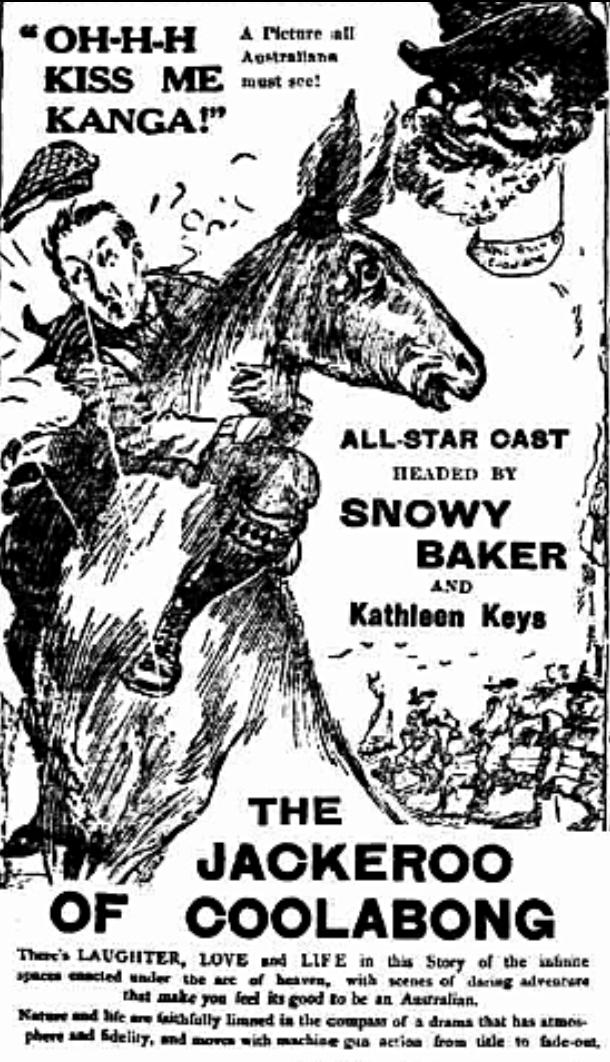
Dir: Wilfred Lucas
Brian O'Farrell (Snowy Baker), is an English 'new chum' who takes a job at an Australian cattle station. He is teased by station hands because of his appearance (including spats and a monocle) but he soon impresses them with his skills at riding and boxing. The station manager, John MacDonald (Wilfred Lucas), takes O'Farrell to Sydney to meet his daughter Edith (Kathleen Key) who is working in the slums. Edith is kidnapped by criminals after witnessing a crime but O'Farrell rescues her. It is later revealed he is the owner of the station.
View Details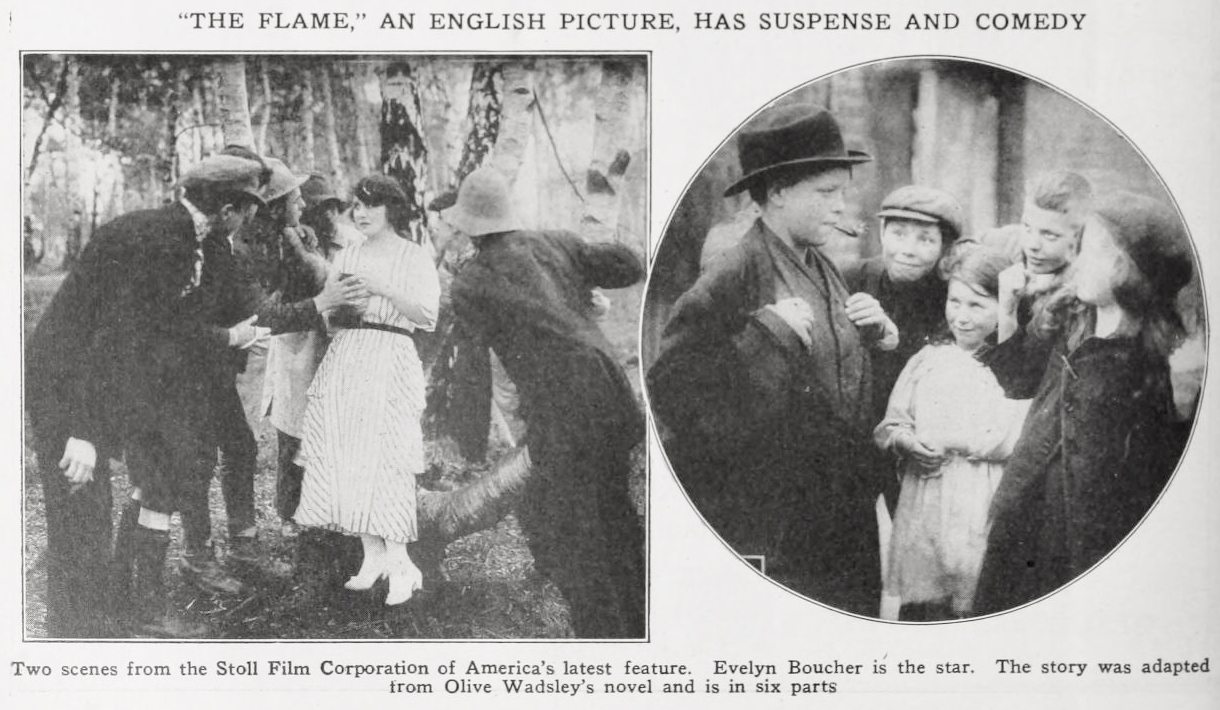
Dir: F. Martin Thornton
In Paris an orphan cartoonist loves a man with a mad wife, who dies in time to prevent her marriage to a jilted Comte.
View Details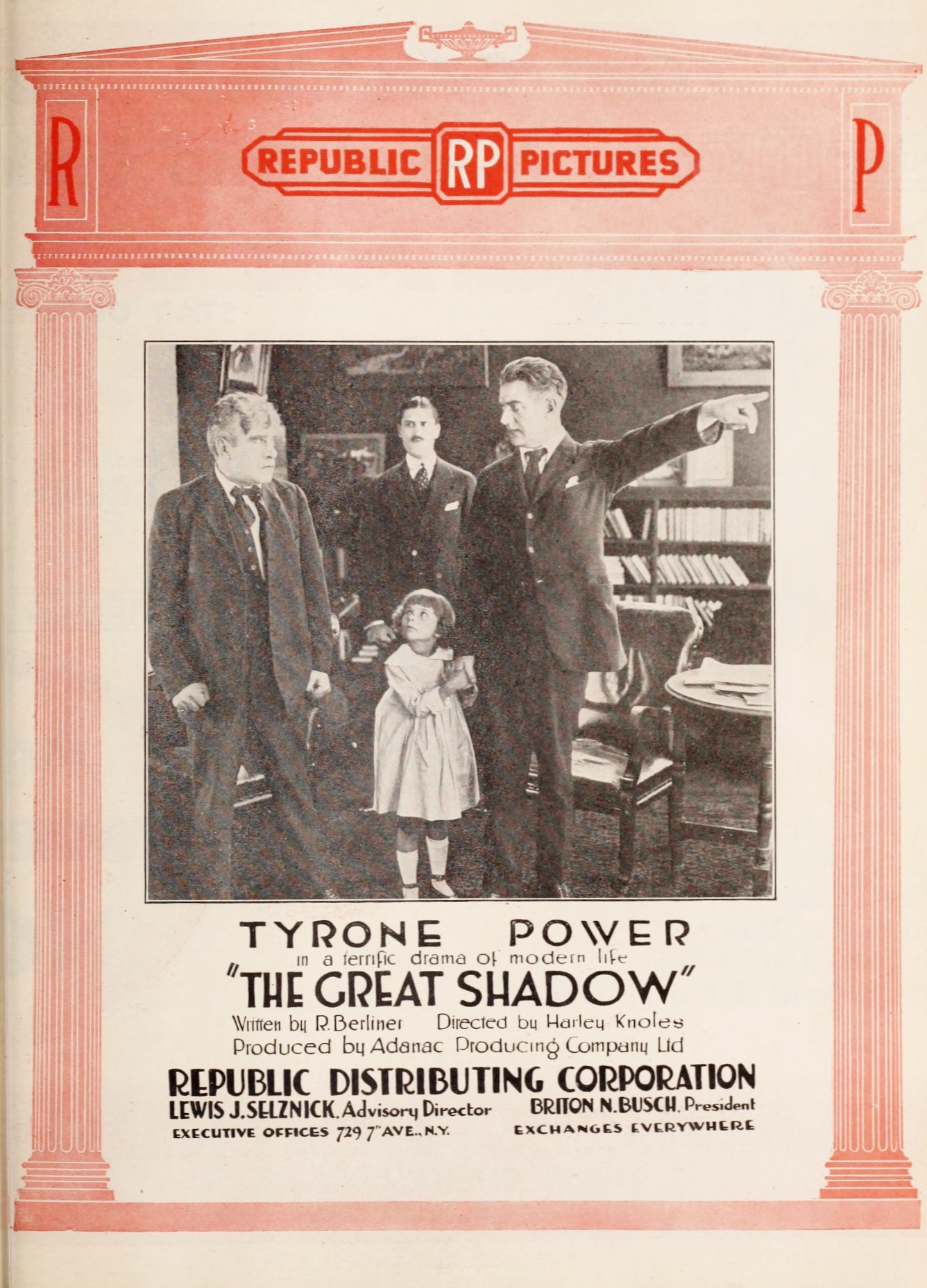
Dir: Harley Knoles
Jim McDonald, the foreman of a shipbuilding plant and head of the labor union, strives to combat the anarchistic propaganda being put forth by Klimoff, the leader of a Bolshevik gang whose goal is to disrupt the country with strikes and anarchy. Despite McDonald's efforts, a strike is called, resulting in chaos. McDonald's child is knocked down by runaway horses abandoned by their striking driver, and dies. Mob scenes take place in America, as well as in Russia. Eventually, the unrest is quelled with an armistice called between Capital and Labor for a year, during which time wages are to be increased to reflect the cost of living, and leaders are to work out a common plan for their mutual advantage. The strikers now realize that they have been pawns of the Bolsheviks and call off the strike, agreeing to the plan.
View DetailsAnalysis relative to Yellow Cargo
| Film Title | Atmosphere | Complexity | Similarity |
|---|---|---|---|
| Eva, wo bist du? | Gothic | Dense | 86% Match |
| Mary's Ankle | Surreal | High | 86% Match |
| Kids Is Kids | Tense | Layered | 94% Match |
| A Sister to Salome | Gothic | High | 88% Match |
| The Key to Power | Gritty | Dense | 91% Match |
This guide was algorithmically generated using the cinematic metadata of Crane Wilbur's archive. Last updated: 6/25/2026.
Back to Yellow Cargo Details →