
DbcultAccessing Vault...
Director's Spotlight
Senior Film Conservator
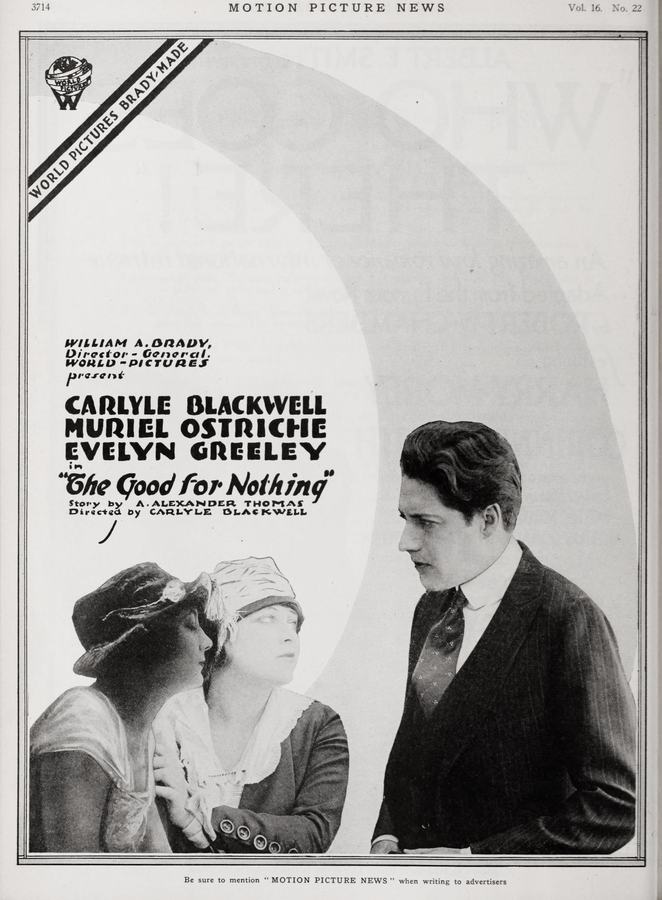
Director's Spotlight: United States
A Deep Dive into the 1917 Vision of Carlyle Blackwell
Under the meticulous guidance of Carlyle Blackwell, The Good for Nothing became the complex thematic architecture established by Carlyle Blackwell. Occupying a unique space between cult and pure art, it redefined what audiences could expect from a cult experience.
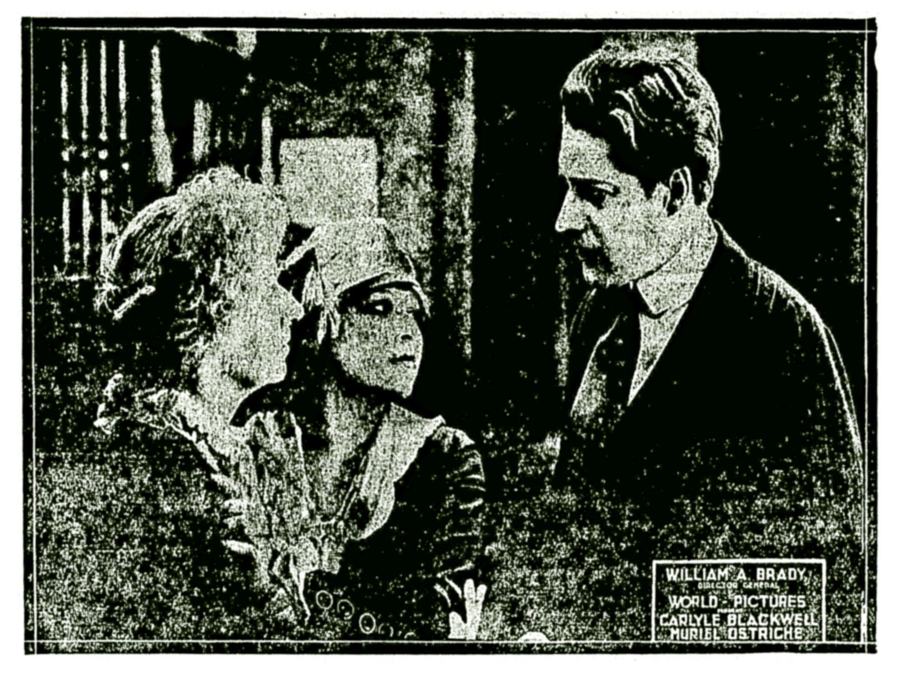
In The Good for Nothing, Carlyle Blackwell pushes the boundaries of conventional narrative. The film's unique approach to its subject matter has sparked endless debates and interpretations among cinephiles and critics alike.
| Cinematography | Static |
| Soundtrack | Orchestral |
| Editing | Invisible |
| Art Direction | Kitsch |
Visualizing the convergence of Carlyle Blackwell's style and the core cult narrative.
Ne'er-do-well Jack Burkshaw returns home after a 10-year absence to find his widowed mother remarried to wealthy Eugene Alston. Finding himself out-of-place among his newly-acquired relatives, Jack accepts the position as manager of a stock farm owned by his stepfather. Under Jack's management, the farm prospers, winning him the respect of his stepsister Marion. When stepbrother Jerry refuses to marry stenographer Barbara Manning, who is pregnant by him, and instead becomes engaged to socialite Laurel Baxter, Jack, outraged, kidnaps Jerry and forces him to perform manual labor on the farm. Jerry finally comes to his senses and agrees to marry Barbara, and the Alston family accepts Jack as a valuable family member.
Decades after its release, The Good for Nothing remains a vital piece of the cinematic puzzle. Its influence can be seen in countless modern works, solidifying Carlyle Blackwell's status as a master of the craft in United States and beyond.