
Cult Cinema
The Celluloid Sacrament: Unveiling the Sacred Bonds of Cult Cinema and Its Unconventional Devotion

“Dive deep into the enigmatic world of cult cinema, exploring how unconventional visions, rebellious narratives, and a profound sense of community forge an enduring and almost sacred devotion among its dedicated followers. This article uncovers the timeless allure of films that defy the mainstream, c…”
In the vast, ever-expanding universe of film, where blockbusters dominate headlines and critical darlings bask in awards season glory, there exists a clandestine cosmos: the realm of cult cinema. These are not merely movies; they are experiences, rituals, and sometimes, even sacred texts for their devoted adherents. Far from being universally acclaimed or financially triumphant upon their initial release, cult films forge an unbreakable bond with a specific, often passionate, audience. This unique cinematic phenomenon transcends mere entertainment, evolving into a form of collective obsession and profound appreciation for the unconventional, the bizarre, and the deeply resonant.

What precisely imbues a film with this elusive 'cult' status? It's a complex alchemy, often involving a blend of transgressive storytelling, idiosyncratic aesthetics, a challenging of societal norms, and a certain undefinable quality that speaks directly to the hearts of those who feel overlooked by mainstream culture. From the early flickering images of cinema's nascent years to today's indie darlings, the spirit of cult has always been present, a quiet rebellion against the expected, waiting for its moment of rediscovery and reverence.

The Genesis of the Unconventional: Early Echoes of Cult Appeal
The foundations of what we now recognize as cult cinema were laid long before midnight screenings became a cultural touchstone. Even in the silent era, filmmakers experimented with narrative structures, character archetypes, and visual styles that, while perhaps not 'cult' in the modern sense, carried the seeds of future cinematic rebellion. Consider the raw emotional intensity of early dramas, or the audacious comedic timing that pushed boundaries. These films, often lost to time or existing only in fragmented archives, represent an ancestral glow, a primal flicker of the unconventional that would later define the genre.

Many early films, for instance, explored themes of societal ostracization, moral ambiguity, and the struggle of the individual against oppressive forces. Narratives depicting characters grappling with profound personal dilemmas, or those who defy conventional expectations, resonated with audiences seeking more than simple escapism. The silent screen, with its reliance on exaggerated gesture and powerful visual metaphor, was fertile ground for stories that could be interpreted on multiple levels, fostering a deeper, more analytical engagement from viewers. This early engagement with complex human conditions, sometimes through melodramatic lenses, hinted at the potential for films to become more than just popular entertainment – they could be objects of study, discussion, and even obsession.

Characters That Defy and Endure
A hallmark of cult cinema is its unforgettable characters: the outsiders, the rebels, the morally ambiguous figures who refuse to fit neatly into predefined boxes. These protagonists often reflect the audience's own feelings of alienation or their desire for a different path. From stoic figures facing impossible odds to those driven by unconventional desires, these characters become iconic not for their heroism in the traditional sense, but for their unflinching authenticity, however warped it may be. The dramatic arcs of individuals caught in extraordinary circumstances, whether fighting for personal freedom or challenging the very fabric of their society, laid crucial groundwork for the maverick spirit that cult films champion.

Even in early cinema, we see the emergence of figures who, through their actions or their very existence, questioned the status quo. Stories of personal sacrifice, unconventional relationships, or individuals pursuing their passions despite societal censure, planted the seeds for the powerful, often unsettling, character studies that would later populate the cult canon. The exploration of human nature's darker corners, or its most eccentric expressions, provided a mirror for audiences who felt similarly adrift or misunderstood. These narratives often featured complex female leads, challenging gender norms, or protagonists from marginalized communities, offering perspectives rarely seen in mainstream fare.

The Aesthetics of Deviation: Visuals That Haunt and Hypnotize
Beyond narrative, the visual and auditory landscape of a film plays a crucial role in its cult appeal. Cult classics often boast a distinctive aesthetic vision, whether it's a surreal dreamscape, gritty realism, or an intentionally stylized artifice. This unique visual language can be deeply unsettling, profoundly beautiful, or deliciously bizarre, but it is always memorable. It’s the kind of visual storytelling that lingers long after the credits roll, inviting repeat viewings to decipher its nuances and absorb its atmosphere.

The innovative camera work, experimental editing, or daring production design of certain films can elevate them from mere stories to immersive worlds. Early cinema, despite its technical limitations, often pushed the boundaries of visual expression, utilizing shadows, elaborate sets, and pioneering special effects to create mood and convey emotion. This focus on strong visual communication, inherent in the silent film era, laid the groundwork for later cult films to distinguish themselves through their unique cinematic grammar. The ability to create a palpable sense of dread, wonder, or disquiet through purely visual means is a powerful tool in forging a film's lasting, unconventional legacy.

Genre Bending and Narrative Anarchy
Cult films frequently disregard traditional genre boundaries, gleefully mixing elements of horror, comedy, drama, and sci-fi into a potent, often bewildering, concoction. This genre defiance is not arbitrary; it serves to disorient the audience, challenge their expectations, and create a truly unique viewing experience. A film might begin as a straightforward drama only to veer into psychological thriller territory, or a seemingly lighthearted comedy could expose deep-seated societal anxieties.
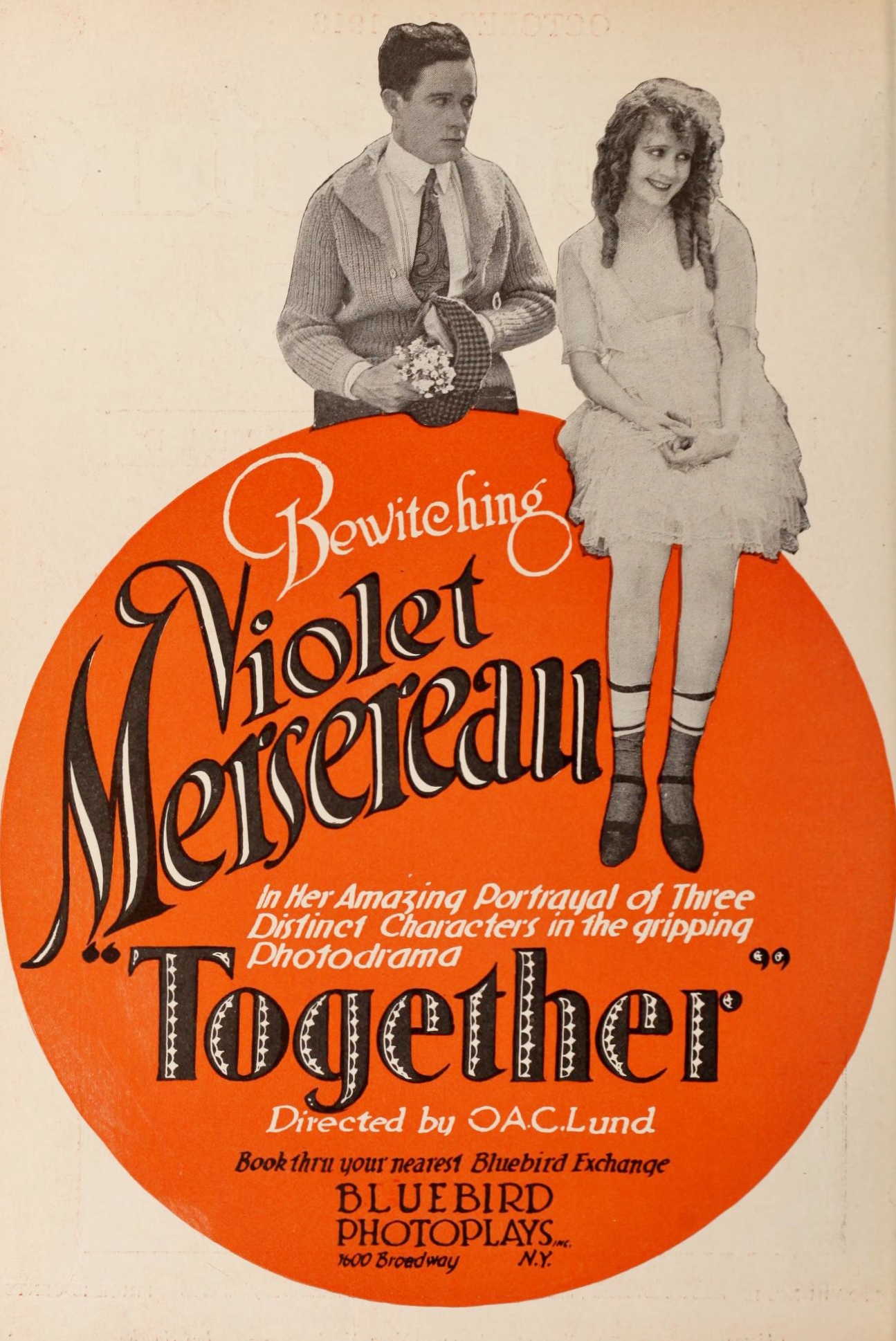
The narrative structures themselves can be anarchic, eschewing linear progression for fragmented timelines, unreliable narrators, or dream logic. This narrative anarchy demands active engagement from the viewer, inviting them to piece together meaning and embrace ambiguity. Even in the early days of filmmaking, stories often contained unexpected twists, moral complexities, and genre shifts that surprised audiences. A romantic drama could suddenly introduce elements of social commentary or a seemingly simple adventure could delve into profound psychological introspection. This willingness to explore the unexpected, to allow a story to unfold in ways that subvert easy categorization, is a deep-seated trait found across cinematic history and a cornerstone of cult appeal.
The Power of Obscurity and the Midnight Revelation
Many cult films were not born into widespread acclaim. Instead, they often languished in obscurity, dismissed by critics or ignored by the public upon their initial release. It is often through accidental discovery, word-of-mouth, or the championing of a dedicated few that these films find their true calling. This journey from fringe to phenomenon is a defining characteristic of cult status, transforming overlooked gems into beloved artifacts.
The allure of the 'lost' or 'forgotten' film is immense. There's a certain thrill in unearthing a cinematic treasure that the mainstream has overlooked, a sense of belonging to an exclusive club of those 'in the know.' This process of cinematic archeology is central to the cult experience, turning mere viewership into an act of rediscovery and preservation. Films that might have been deemed too strange, too provocative, or simply too different for their time often find their audience decades later, proving that true artistry can transcend fleeting trends.
The Ritual of Repeat Viewings and Collective Obsession
Unlike typical blockbusters consumed once and then forgotten, cult films demand, and reward, multiple viewings. Each re-watch can reveal new layers of meaning, subtle visual cues, or previously unnoticed thematic depths. This iterative engagement fosters a profound familiarity and appreciation, transforming a film from a passive experience into an active, almost meditative, ritual. Fans often memorize dialogue, mimic gestures, and even dress up as characters, turning screenings into participatory events.
The famous midnight movie phenomenon, which truly blossomed in the 1970s but has roots in earlier counter-culture screenings, perfectly encapsulates this ritualistic aspect. These late-night showings, often in dilapidated theaters, created a sanctuary for the disenfranchised, a place where the weird and wonderful were celebrated. It was a space for shared experience, communal laughter, and collective understanding of narratives that defied conventional logic. This sense of belonging, of finding one's tribe through shared cinematic taste, is perhaps the most powerful aspect of cult fandom. The collective obsession around a film builds a vibrant, engaged community, creating a celluloid sanctuary for those who march to a different beat.
The Enduring Legacy: Why Cult Films Matter
Cult cinema, in its myriad forms, serves as a vital counter-narrative to the homogeneity of the mainstream. It reminds us that art doesn't always have to be palatable, easily digestible, or universally adored to be significant. On the contrary, its power often lies in its ability to provoke, challenge, and even offend, forcing audiences to confront uncomfortable truths or embrace radical new perspectives. These films are not just curiosities; they are essential components of cinematic history, demonstrating the vast spectrum of human creativity and the enduring hunger for stories that dare to be different.
The legacy of cult films is not measured in box office receipts or critical accolades, but in the depth of their impact on individuals and the strength of the communities they foster. They are conversation starters, identity markers, and often, formative experiences for those who discover them. They offer a sense of belonging for those who feel outside the norm, providing a mirror for their own eccentricities and passions. In a world increasingly driven by algorithms and mass appeal, the unconventional canon of cult cinema stands as a testament to the enduring power of unique visions and the profound connections they forge.
From Fringe to Cultural Touchstone
While many cult films remain niche, some eventually transcend their underground status to become recognized cultural touchstones, influencing subsequent generations of filmmakers, artists, and thinkers. Their themes, characters, and aesthetics seep into the broader cultural consciousness, proving that what was once considered 'weird' can eventually become iconic. This transition highlights the foresight of those early audiences who recognized something special in these films, long before the wider world caught up.
The journey of a cult film from obscurity to enduring legacy is a powerful narrative in itself. It speaks to the democratic nature of art, where true value isn't always immediately apparent but can be recognized and championed by a devoted few. These films, whether they are darkly comedic, intensely dramatic, or wildly experimental, challenge us to look beyond the surface, to question our assumptions, and to find beauty and meaning in the most unexpected places. They are the subversive sermons of cinema, preaching to a congregation eager for enlightenment outside the mainstream cathedral.
In conclusion, cult cinema is much more than a genre; it's a philosophy, a community, and a testament to the diverse ways in which film can connect with the human spirit. It is an ongoing unconventional pilgrimage, where audiences embark on a journey of discovery, finding solace, excitement, and a sense of belonging in stories that dare to be different. The sacred bonds formed over shared viewings and passionate discussions prove that for some films, the greatest triumph isn't mass appeal, but deep, unwavering devotion. These are the films that carve out a permanent space in our collective cinematic subconscious, forever whispering their unique truths to those willing to listen.
Community
Comments
Log in to comment.
Loading comments…