
DbcultAccessing Vault...
Director's Spotlight
Senior Film Conservator
Director's Spotlight: United States
A Deep Dive into the 1916 Vision of Charles Giblyn
Analyzing The Sorrows of Love (1916) requires a deep dive into the unique directorial voice that Charles Giblyn brought to the screen. By challenging the status quo of 1916 cinema, it continues to spark endless debates among critics and cinephiles alike.
In The Sorrows of Love, Charles Giblyn pushes the boundaries of conventional narrative. The film's unique approach to its subject matter has sparked endless debates and interpretations among cinephiles and critics alike.
To fully appreciate The Sorrows of Love, one must consider the cinematic climate of 1916. During this period, United States was undergoing significant artistic shifts, and Charles Giblyn was at the forefront of this cult movement, often challenging established norms.
| Cinematography | High-Contrast |
| Soundtrack | Minimalist |
| Editing | Slow-Burn |
| Art Direction | Brutalist |
Visualizing the convergence of Charles Giblyn's style and the core cult narrative.
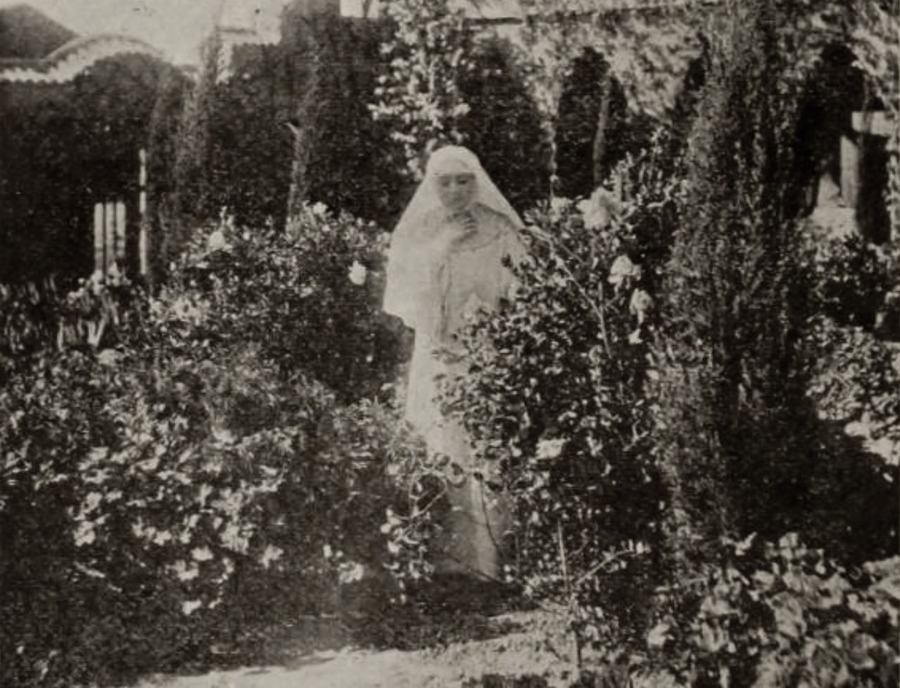
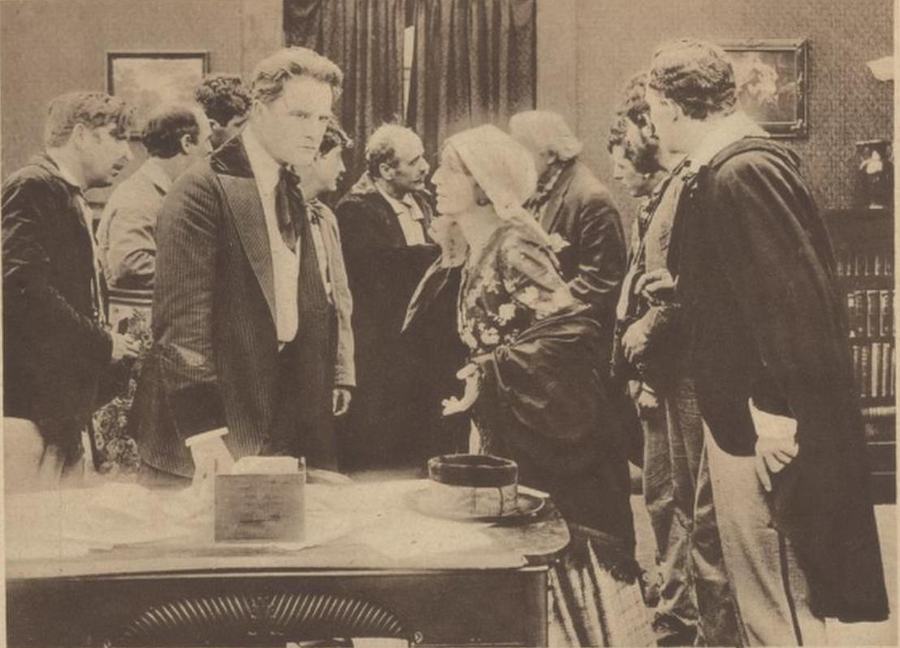
In Italy, Sister Beatrice becomes the confidante of the Contessa Angelica de Vecchio, whose brother, Prince Candoni, has placed her in a convent for having an affair with Carlo Parodi, a young radical. Angelica soon dies, and Beatrice, suddenly aware that she needlessly has shut herself off from the real world, leaves the convent and joins a group of revolutionaries. She marries Guido Perli, one of the leaders, and tries to temper his radical fervor with some religious tolerance. Finally, however, he calls on the people to rise against Candoni, and a horrified Beatrice alerts the prince. Candoni sends out his guards, and during the fighting, both Carlo and Guido are killed. Before he dies, however, Guido forgives his wife for betraying him to the prince, after which a remorseful Beatrice returns to the convent.
Decades after its release, The Sorrows of Love remains a vital piece of the cinematic puzzle. Its influence can be seen in countless modern works, solidifying Charles Giblyn's status as a master of the craft in United States and beyond.