
DbcultAccessing Vault...
Director's Spotlight
Senior Film Conservator
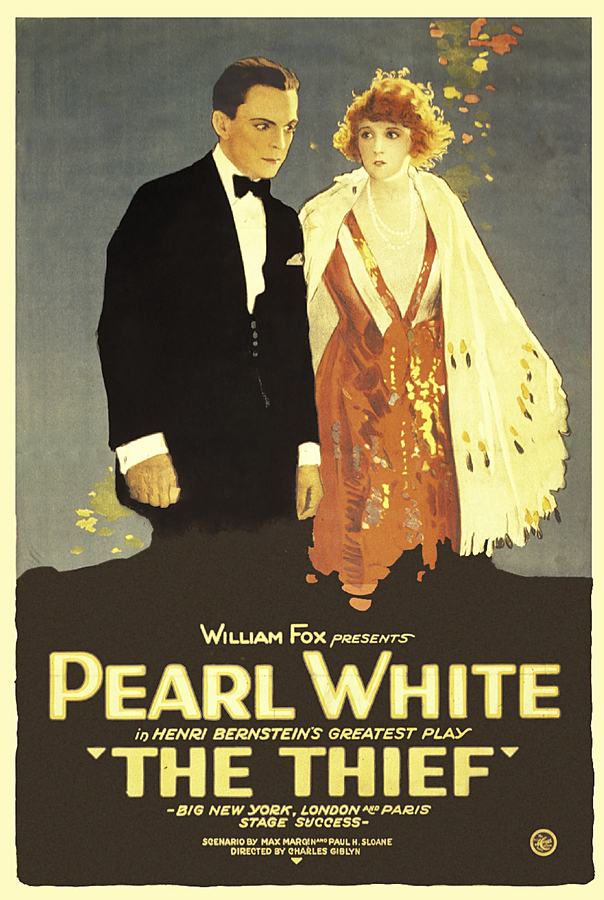
Director's Spotlight: United States
A Deep Dive into the 1920 Vision of Charles Giblyn
The artistic breakthrough represented by The Thief in 1920 highlights the uncompromising vision of Charles Giblyn that defines this Drama masterpiece. In the context of United States's rich cinematic history, it captures a specific kind of cinematic magic that is rarely replicated.
In The Thief, Charles Giblyn pushes the boundaries of conventional narrative. The film's unique approach to its subject matter has sparked endless debates and interpretations among cinephiles and critics alike.
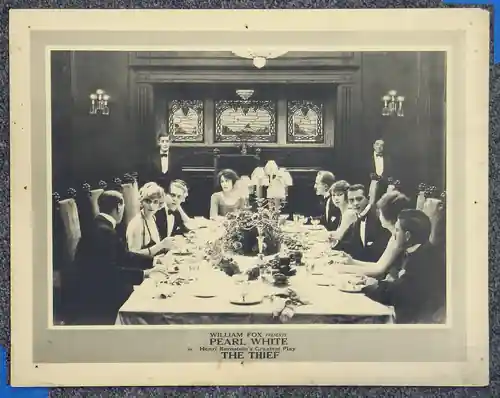
In this work, Charles Giblyn explores the intersection of Drama and United States cultural identity. The meticulous attention to detail suggests a deep-seated commitment to pushing the boundaries of the medium, ensuring that The Thief remains a relevant topic of study for Drama enthusiasts.
| Cinematography | Handheld |
| Soundtrack | Experimental |
| Editing | Elliptical |
| Art Direction | Expressionist |
Visualizing the convergence of Charles Giblyn's style and the core Drama narrative.
Mary Vantyne and her husband Andrew are the guests of Mary's old friend Isabelle Lenwright, who has married a wealthy man in contrast to Mary's impoverished mate. When Mary overhears some guests discussing her "dowdy" appearance, she determines to own a new wardrobe, and soon everyone is astonished when Mary blossoms out in beautiful clothes. Subsequently, she finds herself being wooed by Fred Lenwright, the impressionable son of her friend, and also by unscrupulous millionaire Ralph Blake. Confronted huge dressmaking bills, Mary finds herself in a compromising position until Blake presents her a receipt for the bills paid in full. However, Mary's troubles are far from over when Lenwright hires a detective to investigate the theft of $3000 and Fred is charged with the crime. Next, Andrew discovers the bills paid by Blake, and Blake then claims that Fred stole the money to pay Mary's bills. Andrew is about to wreak revenge on both men when Mary confesses that she took the money to pay for her new clothes and, thus learning her lesson, is forgiven.
Decades after its release, The Thief remains a vital piece of the cinematic puzzle. Its influence can be seen in countless modern works, solidifying Charles Giblyn's status as a master of the craft in United States and beyond.