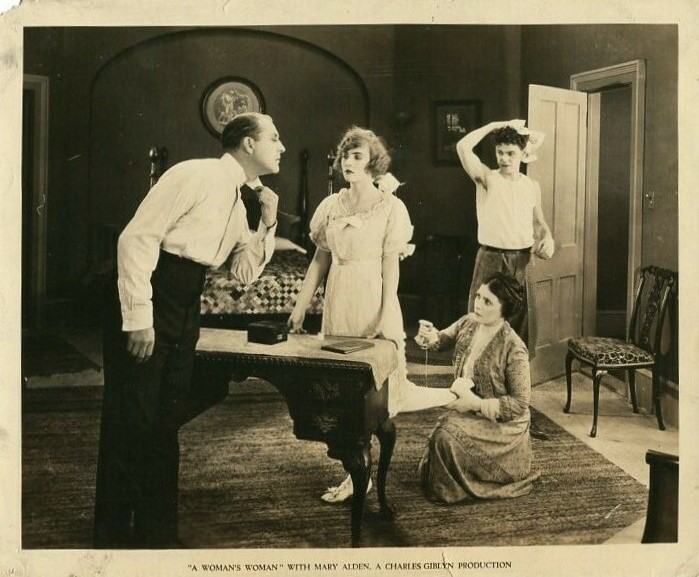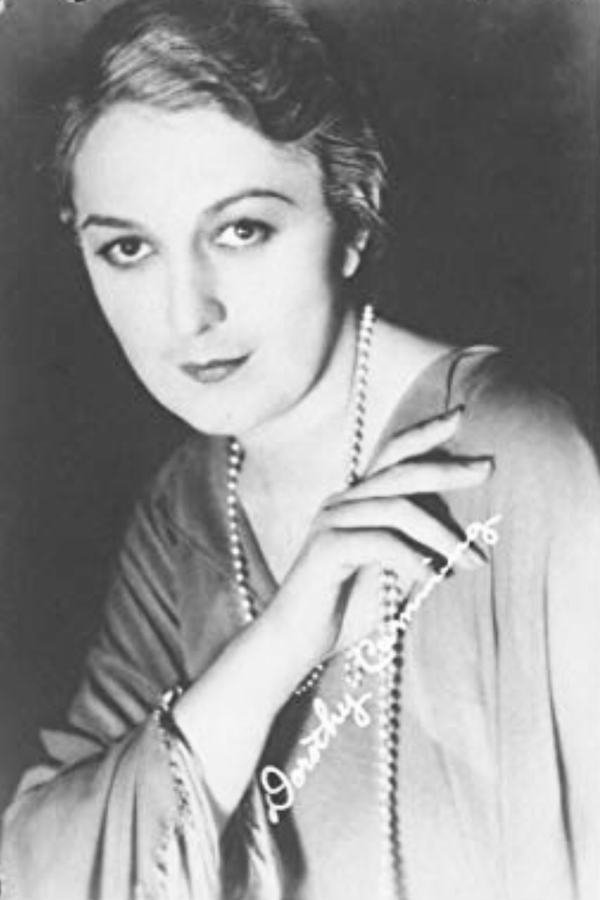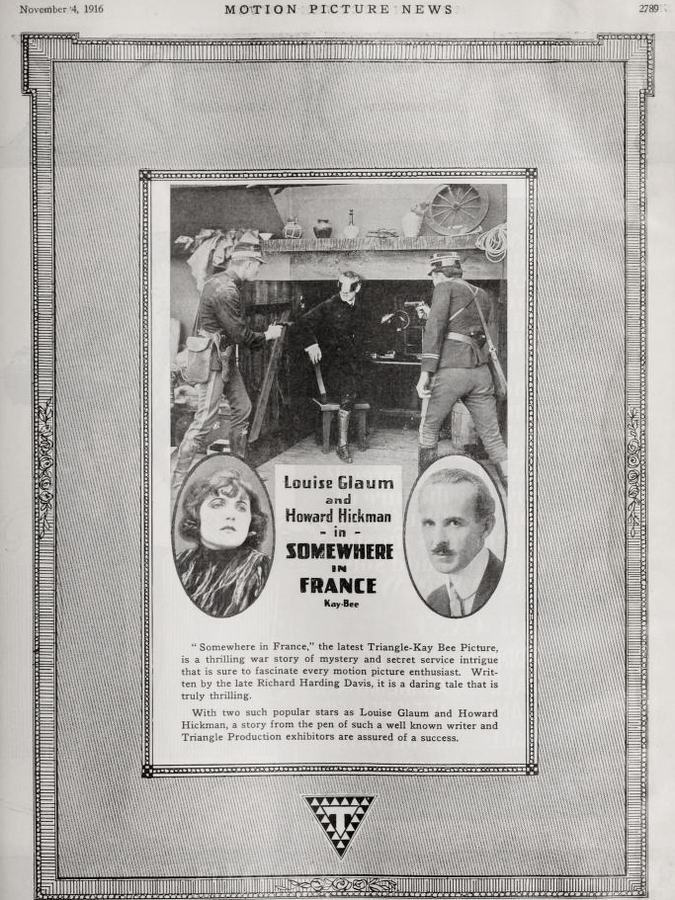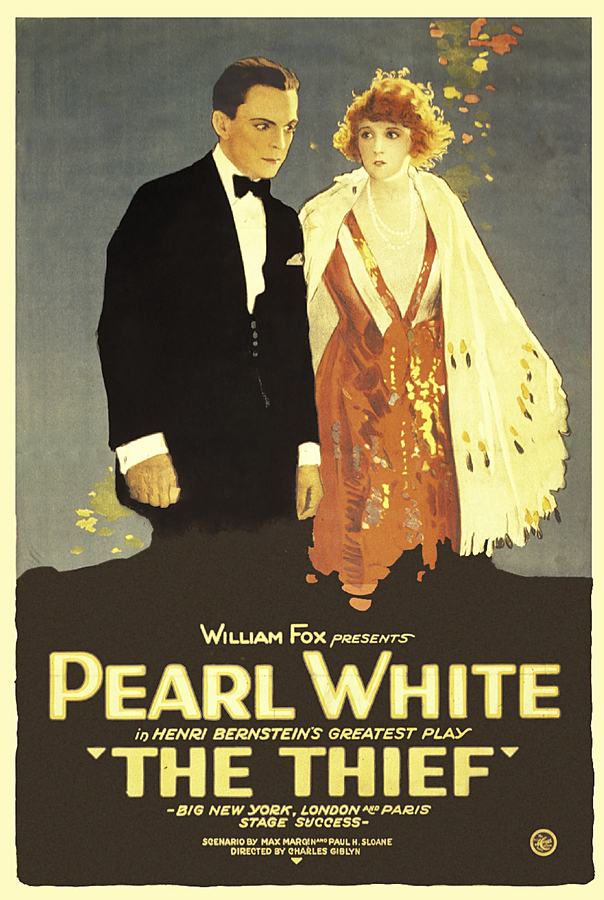
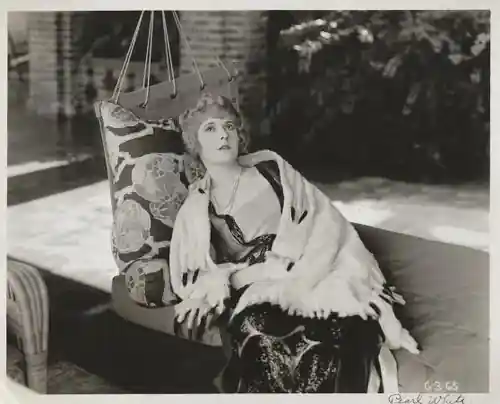
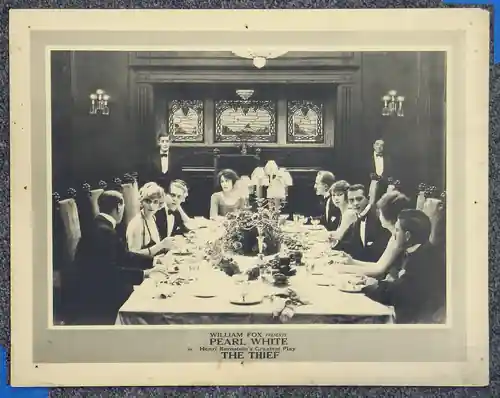
Mary Vantyne and her husband Andrew are the guests of Mary's old friend Isabelle Lenwright, who has married a wealthy man in contrast to Mary's impoverished mate. When Mary overhears some guests discussing her "dowdy" appearance, she determines to own a new wardrobe, and soon everyone is astonished when Mary blossoms out in beautiful clothes.
The first thing that strikes you about The Thief is the hush: a velvet, predatory quiet that seems to swallow the Lenwright ballroom whole. In this hush, Mary Vantyne—played by Dorothy Cumming with the brittle radiance of a porcelain teacup—hears herself described as “dowdy,” and the word detonates inside her like a s...
production_art
production_art
Comparing the cinematic DNA and archive impact of two defining moments in cult history.
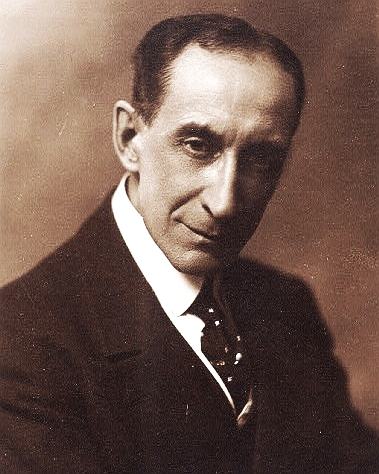
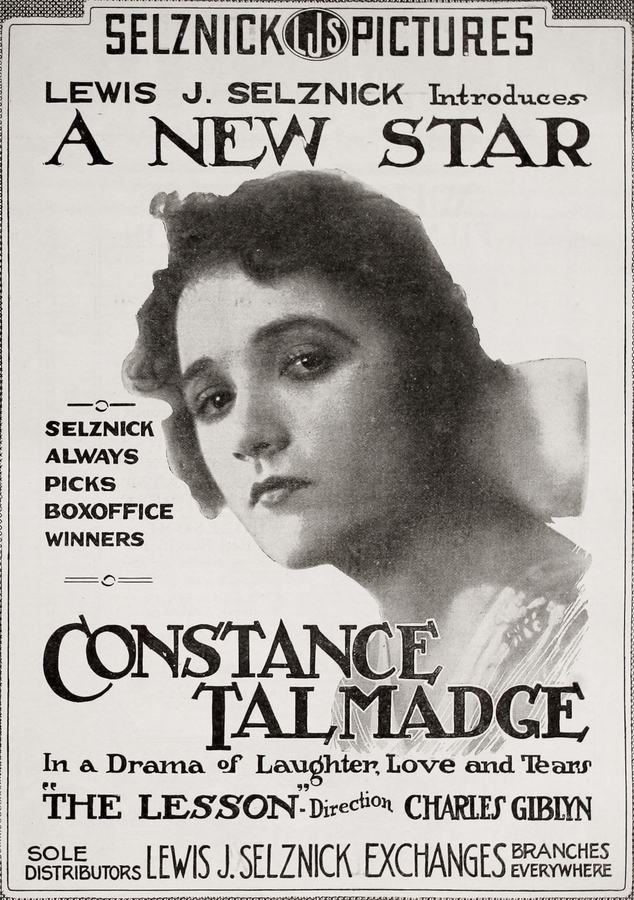
Charles Giblyn
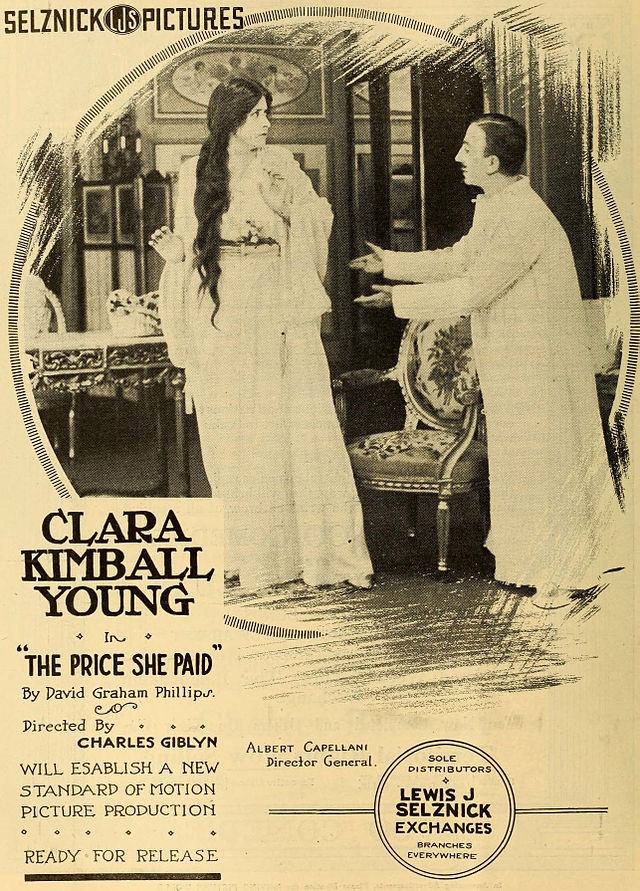
Charles Giblyn
Community
Log in to comment.
" The first thing that strikes you about The Thief is the hush: a velvet, predatory quiet that seems to swallow the Lenwright ballroom whole. In this hush, Mary Vantyne—played by Dorothy Cumming with the brittle radiance of a porcelain teacup—hears herself described as “dowdy,” and the word detonates inside her like a small bomb. From that moment, the film becomes a slow-motion chronicle of self-reinvention, a silent-era Swan Lake where the feathers are Parisian lace and the lake is a ledger of u..."
Henri Bernstein, Max Marcin, Paul Sloane
United States

Deep dive into the cult classic
Discover similar cinematic experiences
A Directorial Spotlight on Charles Giblyn