
DbcultAccessing Vault...
Director's Spotlight
Senior Film Conservator
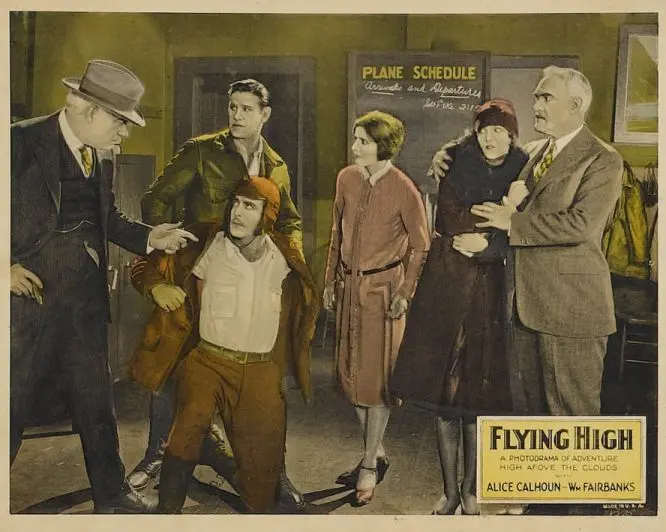
Director's Spotlight: United States
A Deep Dive into the 1926 Vision of Charles Hutchison
The 1926 release of Flying High marked a significant moment for the stylistic boundaries pushed by Charles Hutchison during the production. In the context of United States's rich cinematic history, it invites us to question our own perceptions of Drama narratives.
In Flying High, Charles Hutchison pushes the boundaries of conventional narrative. The film's unique approach to its subject matter has sparked endless debates and interpretations among cinephiles and critics alike.
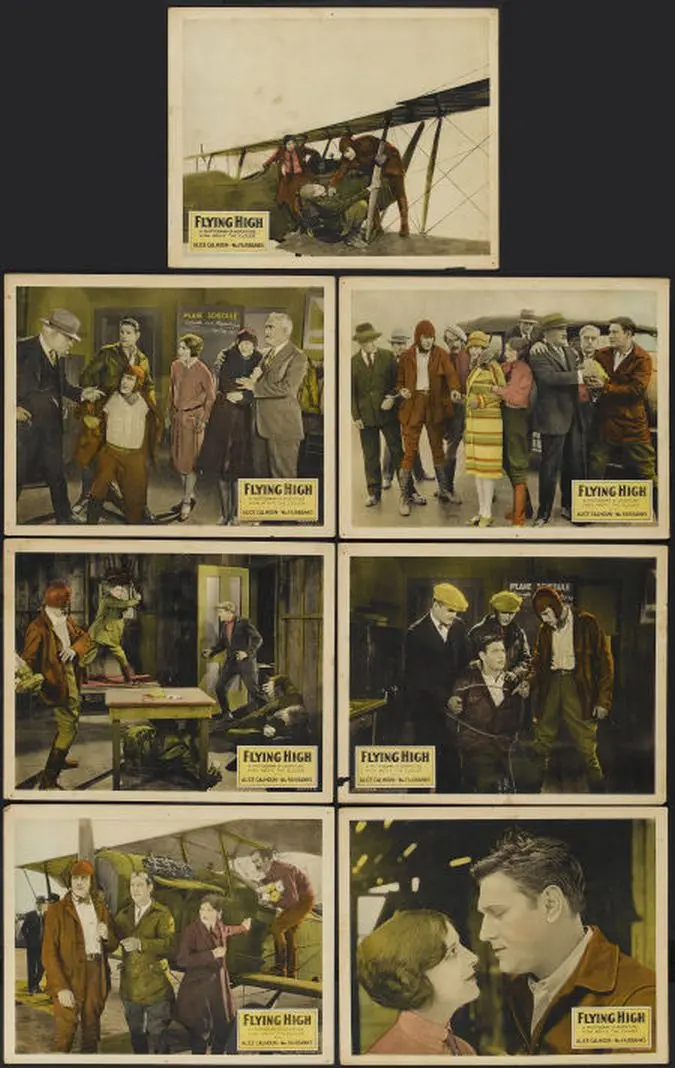
While deeply rooted in United States, Flying High has achieved a global reach, influencing directors from various backgrounds. Its ability to translate Drama tropes into a universal cinematic language is why it remains a cult staple decades after its 1926 release.
| Cinematography | Noir-Inspired |
| Soundtrack | Orchestral |
| Editing | Slow-Burn |
| Art Direction | Brutalist |
Visualizing the convergence of Charles Hutchison's style and the core Drama narrative.
Roy Cummins, a former military pilot, runs exhibition flights at a summer resort. Returning from a trip to fly a passenger to a steamship--for which he was paid $500--he meets Patricia Barton, who warns him against accepting the money. It seems she has learned that the passenger he has delivered to the ship is a criminal fleeing the law with some valuable stolen goods. He soon finds himself mixed up with a ring of thieves, airborne bandits who attack cargo planes and a sexy "vamp" sent by the gang's leader to seduce him into turning over what information he knows about them.
Decades after its release, Flying High remains a vital piece of the cinematic puzzle. Its influence can be seen in countless modern works, solidifying Charles Hutchison's status as a master of the craft in United States and beyond.