
DbcultAccessing Vault...
Director's Spotlight
Senior Film Conservator
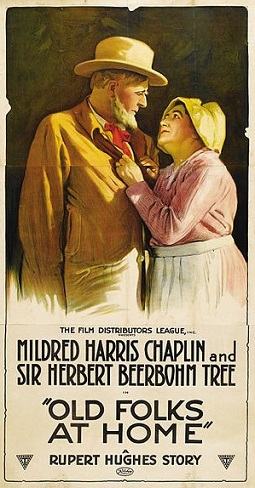
Director's Spotlight: United States
A Deep Dive into the 1916 Vision of Chester Withey
The cult DNA of The Old Folks at Home is a reflection of United States's the historical context that Chester Withey weaves into the cult fabric. Challenging the viewer to find meaning in the cult shadows, it transcends regional boundaries to tell a universal story.
In The Old Folks at Home, Chester Withey pushes the boundaries of conventional narrative. The film's unique approach to its subject matter has sparked endless debates and interpretations among cinephiles and critics alike.
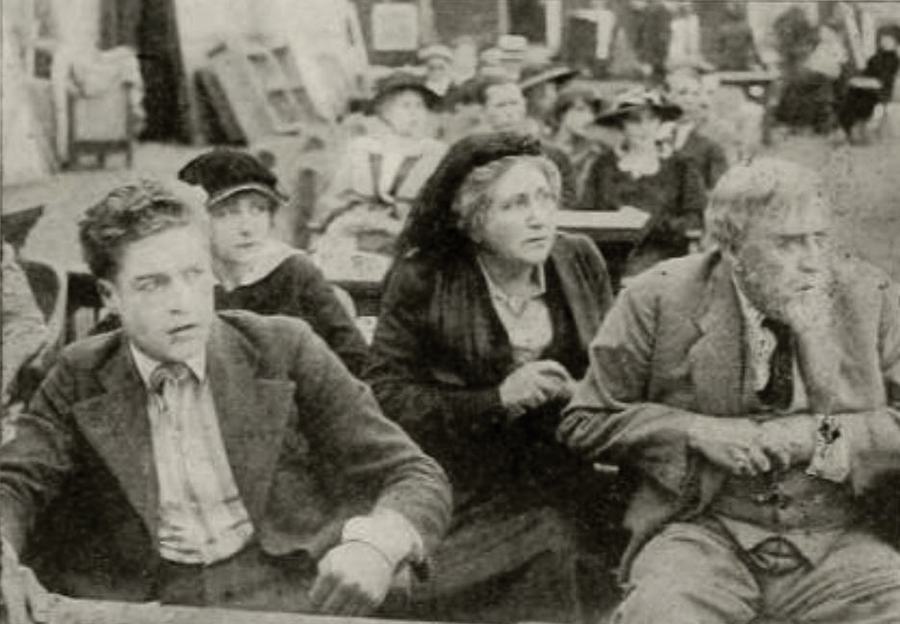
In this work, Chester Withey explores the intersection of cult and United States cultural identity. The meticulous attention to detail suggests a deep-seated commitment to pushing the boundaries of the medium, ensuring that The Old Folks at Home remains a relevant topic of study for cult enthusiasts.
| Cinematography | Static |
| Soundtrack | Experimental |
| Editing | Elliptical |
| Art Direction | Expressionist |
Visualizing the convergence of Chester Withey's style and the core cult narrative.
Senator John Coburn's son Steve, who associates more with gamblers, criminals and drug addicts than with his father's congressional cronies, impulsively murders his mistress' new lover. The senator tries to use his influence to have Steve acquitted, but all of the evidence firmly and correctly implicates him, and so the jury prepares to find Steve guilty without much deliberation. Before the verdict can be announced, however, Steve's mother rises in court to make an impassioned plea for her son. As a result, moved by the mother's grief, the jurors choose to ignore all of the evidence, and declare that Steve is not guilty.
Decades after its release, The Old Folks at Home remains a vital piece of the cinematic puzzle. Its influence can be seen in countless modern works, solidifying Chester Withey's status as a master of the craft in United States and beyond.